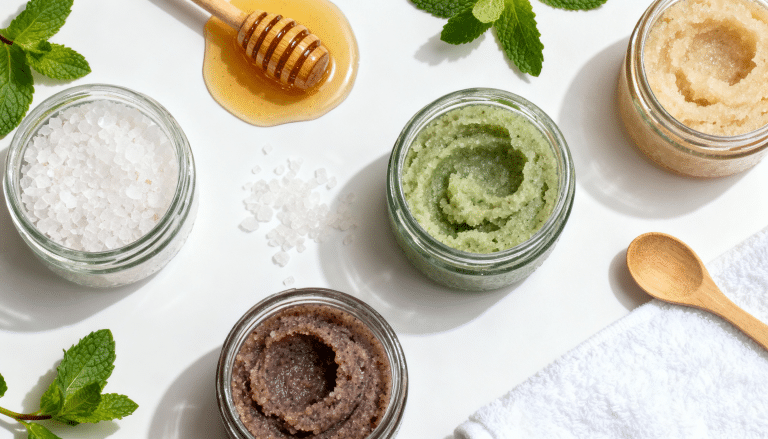

Store-bought face masks cost a fortune and often contain ingredients you can’t pronounce.
Your kitchen already has everything you need for glowing skin.
Simple, natural face masks work wonders without harsh chemicals or confusing labels. Just fresh ingredients you can trust.
This blog shows you how to make an effective homemade face mask. You’ll learn what goes on your face, when not to use masks, and important dos and don’ts.
Why DIY Face Mask Works
Homemade face masks offer natural skincare benefits without harsh chemicals or high costs.
- Cost-Effective: Kitchen ingredients like honey, oatmeal, and yogurt create multiple masks for less than one commercial product.
- Natural Ingredients: You control what goes on your skin. No preservatives, artificial fragrances, or questionable chemicals. Just pure, gentle ingredients.
- Customizable for Your Skin: Tailor masks to your needs. Dry skin gets avocado and honey; oily skin benefits from clay and lemon; sensitive skin prefers oatmeal and yogurt.
- Fresh and Potent: Small batches stay fresh without preservatives. Fresh ingredients deliver greater effectiveness than shelf-stable products.
- Immediate Availability: Mix a mask whenever needed. No waiting for shipping or store trips. Instant skincare from your kitchen.
- Reduces Chemical Exposure: Avoid parabens, sulfates, and synthetic fragrances. Your skin absorbs only natural, recognizable ingredients.
- Sustainable and Eco-Friendly: No packaging waste or shipping materials. Reusable bowls and tools make skincare environmentally conscious.
Homemade face masks give you control over skincare while saving money and avoiding unnecessary chemicals.
Best Ingredients for Homemade Face Mask
| Ingredient | Skin Type | Benefits |
|---|---|---|
| Honey | All types | Moisturizes and kills bacteria |
| Yogurt | All types | Exfoliates and soothes |
| Oatmeal | Dry, sensitive | Calms irritation and hydrates |
| Avocado | Dry, mature | Nourishes and softens |
| Lemon juice | Oily, dull | Brightens and controls oil |
| Egg white | Oily, large pores | Tightens and firms skin |
| Turmeric | Uneven tone | Even complexion and reduces scars |
| Cucumber | Puffy, tired | Cools and refreshes |
| Banana | Dry, flaky | Moisturizes deeply |
| Aloe vera | Sensitive, inflamed | Heals and reduces redness |
| Papaya | Dull, rough | Removes dead cells |
| Strawberries | Acne-prone | Clears pores and fights breakouts |
Important Tips Before Making a Homemade Face Mask
- Always use fresh, organic ingredients for better results.
- Test the mask on a small patch of skin twenty-four hours before full application.
- Make sure all your tools and bowls are completely clean.
- Prepare the mask right before you plan to use it.
- Avoid using ingredients you’ve never eaten or tried before.
- Keep your hair tied back and away from your face.
- Remove all makeup and cleanse your skin thoroughly first.
- Don’t substitute ingredients unless you know they work similarly.
- Use room-temperature ingredients for a comfortable application.
- Have a clean towel and water ready before you start.
Easy DIY Face Masks for Different Skin Needs
Not all skin is the same, and that’s okay. Here are simple recipes that target specific concerns using fresh, natural ingredients.
Oatmeal and Banana Mask for Dry Skin
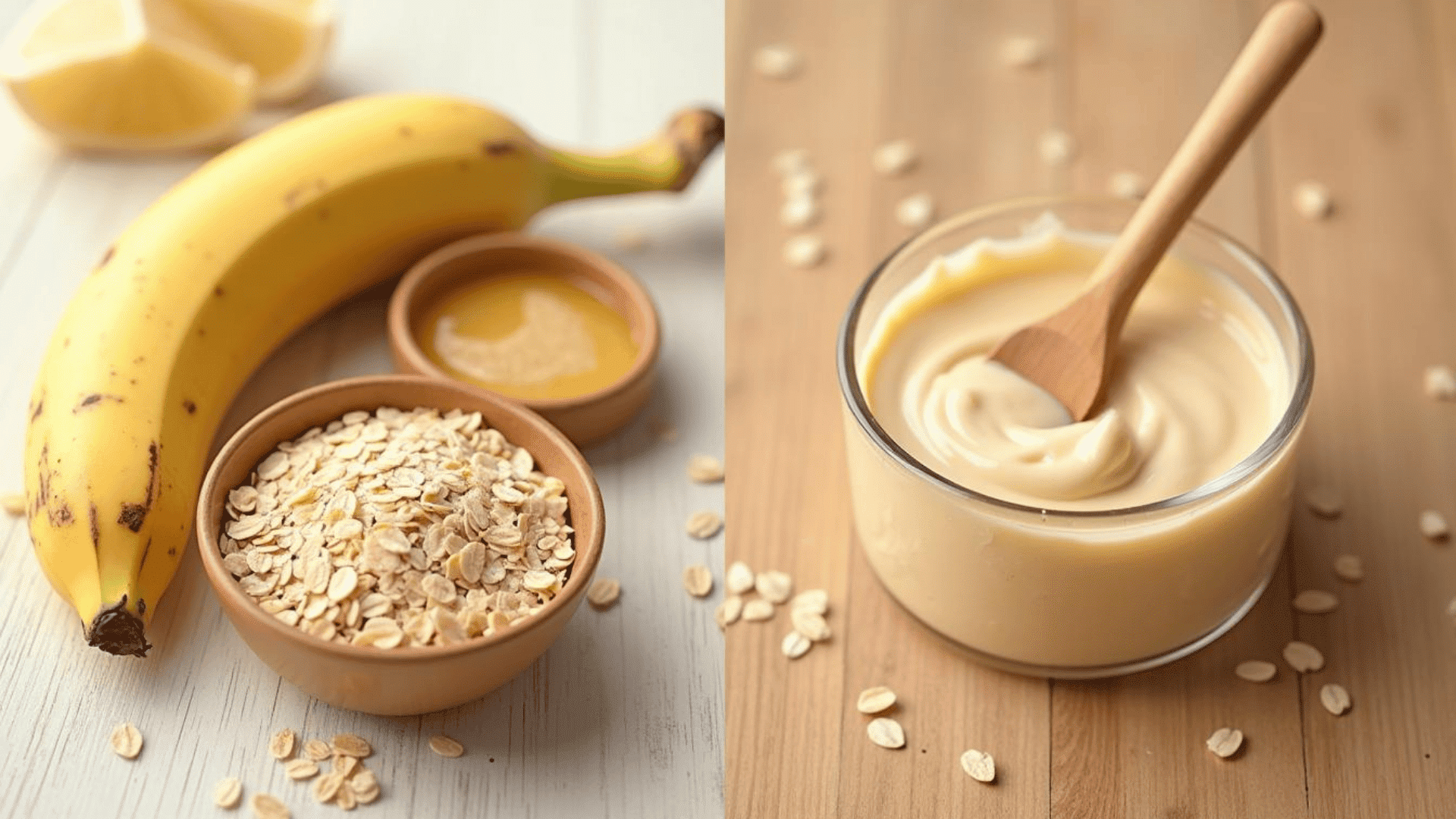
Ingredients: Half a ripe banana, two tablespoons of ground oatmeal, and one teaspoon of honey.
Step-By-Step Process:
- Mash the banana in a bowl until smooth.
- Mix in the oatmeal and honey.
- Apply to your face and neck.
- Leave it on for fifteen minutes.
- Rinse with water.
- Pat dry gently.
- This mask soothes and deeply moisturizes parched skin.
Turmeric and Milk Mask for Brightening
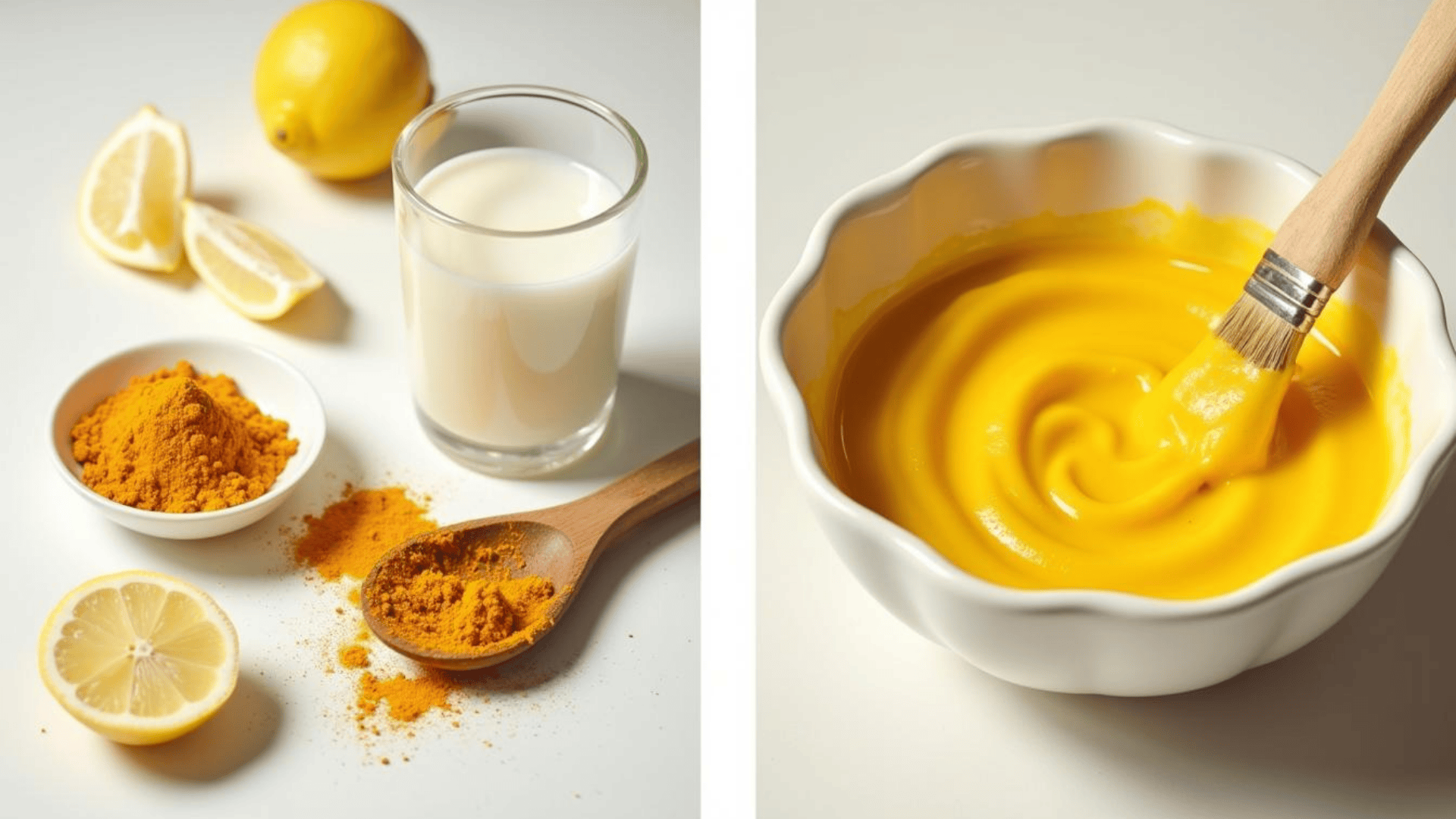
Ingredients: One teaspoon of turmeric powder, three tablespoons of milk, and half a teaspoon of lemon juice.
Step-By-Step Process:
- Combine all ingredients in a small bowl.
- Stir until you get a paste.
- Spread evenly on your face.
- Wait for 12 to 15 minutes, then wash off with cool water.
- Use a gentle cleanser if needed, and your skin will look brighter and more even-toned.
Egg White and Lemon Mask for Oily Skin
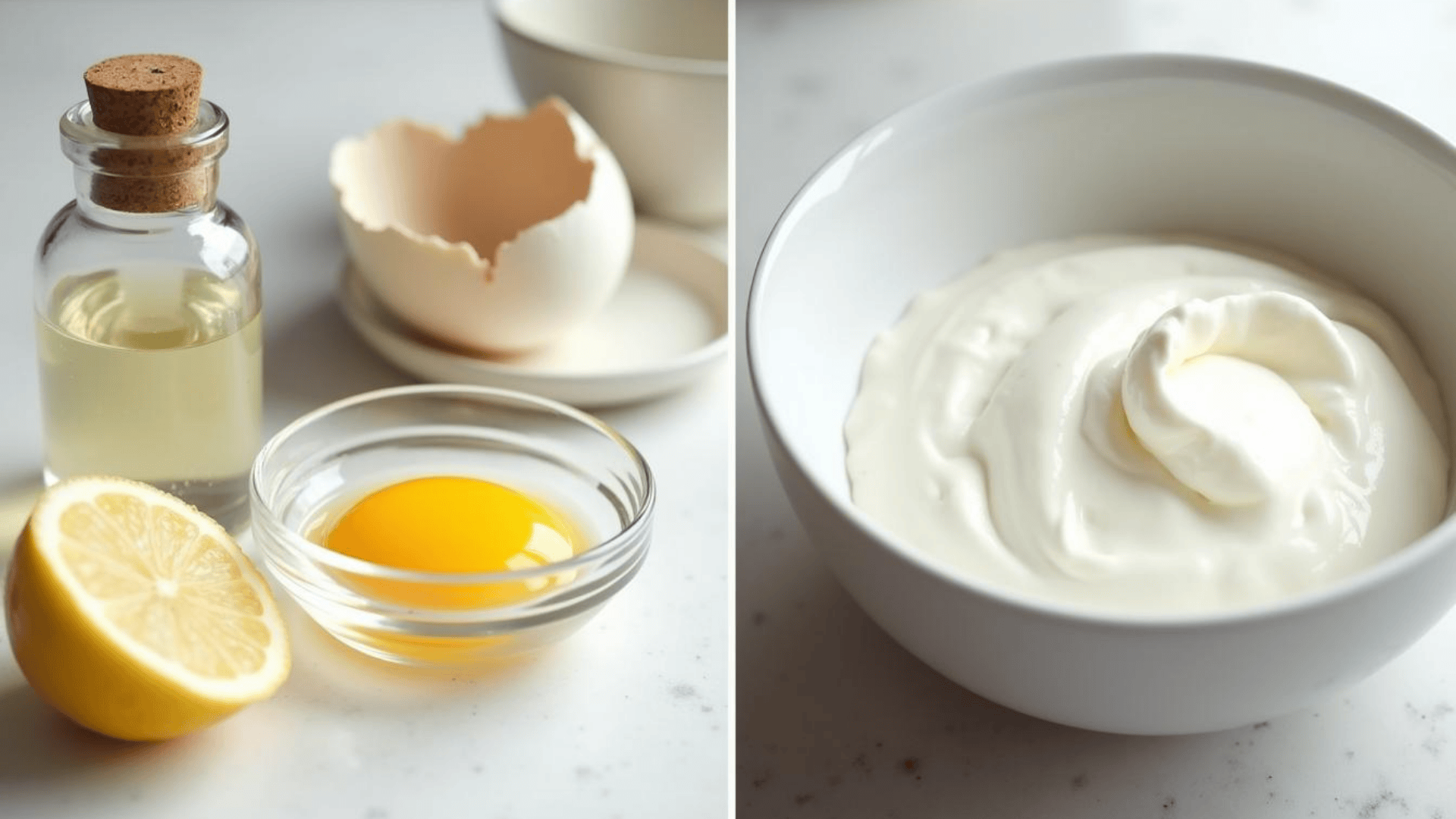
Ingredients: One egg white, 1 teaspoon of fresh lemon juice, and 1/2 teaspoon of witch hazel.
Step-By-Step Process:
- Separate the egg white from the yolk.
- Whisk the egg white until frothy and add lemon juice and witch hazel.
- Apply with a brush or fingers.
- Let it dry for ten to twelve minutes. Rinse thoroughly with lukewarm water.
- This mask controls excess oil and tightens pores.
Avocado and Olive Oil Mask for Sensitive Skin
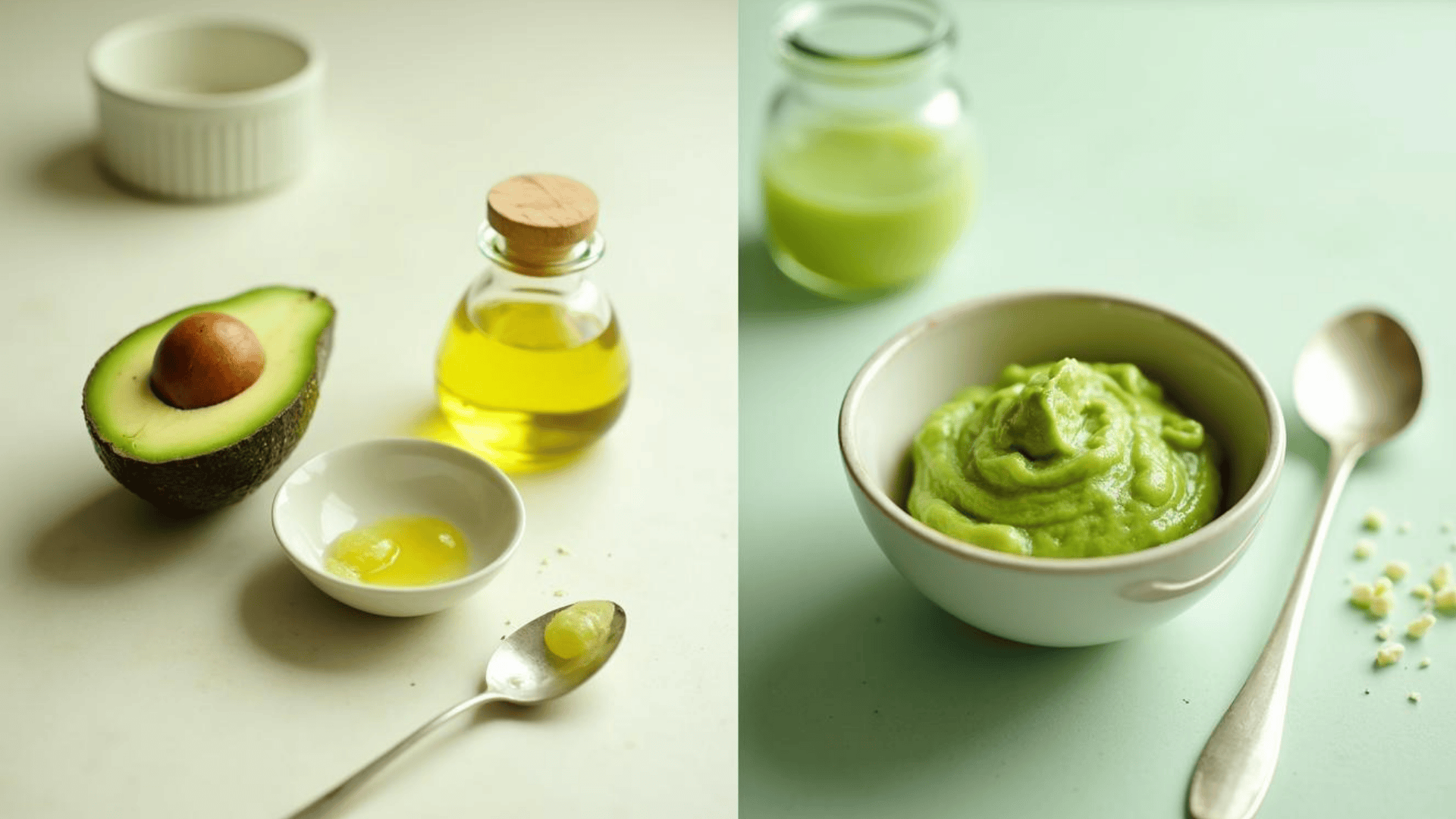
Ingredients: Half a ripe avocado, one tablespoon of olive oil, and one teaspoon of aloe vera gel.
Step-By-Step Process:
- Mash the avocado until creamy, and add olive oil and aloe vera gel.
- Mix everything together well.
- Apply gently to your face. Leave it on for twenty minutes.
- remove with a damp cloth. Rinse with cool water.
- This calming mask reduces irritation and redness.
Strawberry and Yogurt Mask for Acne-Prone Skin
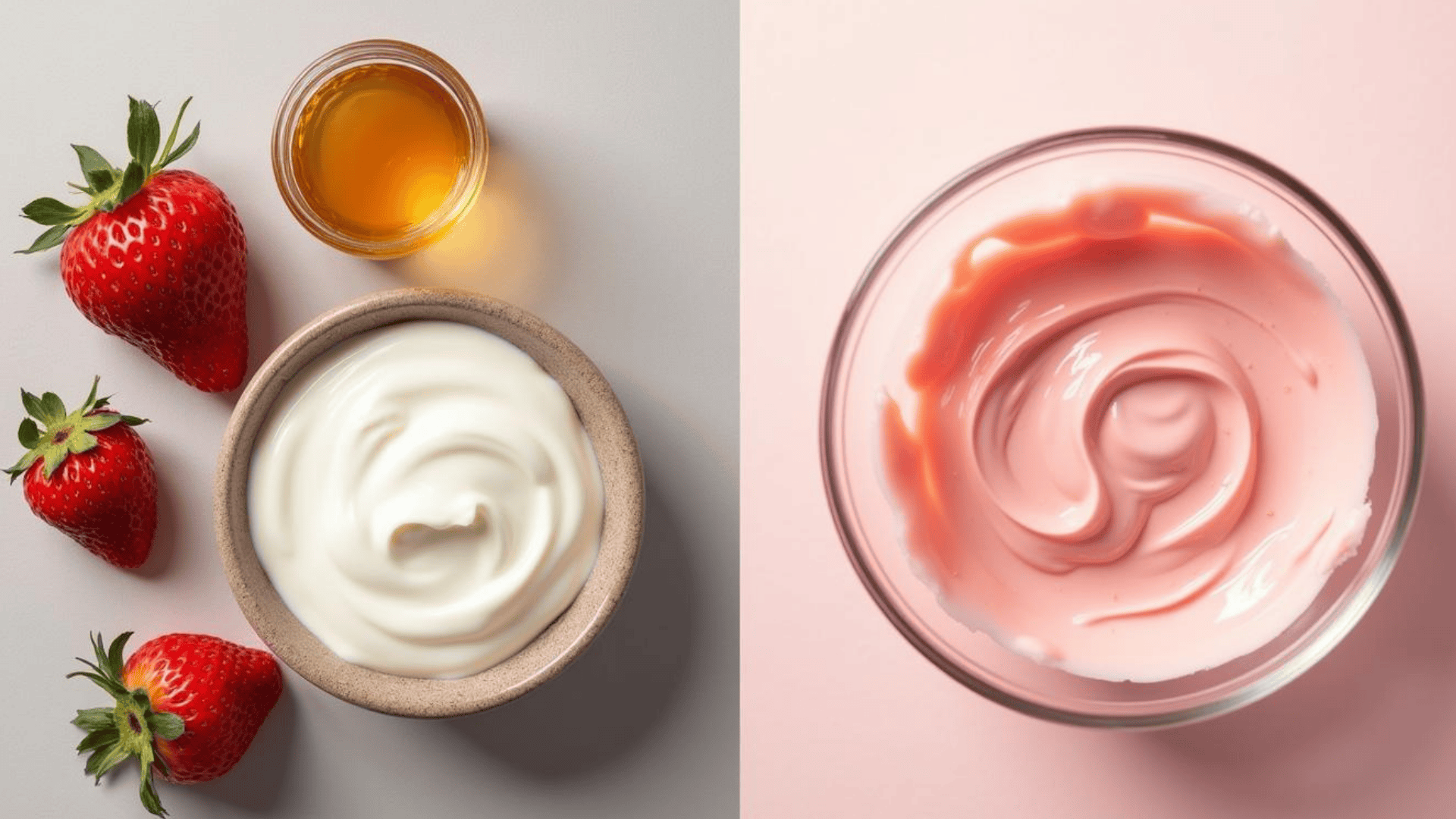
Ingredients: Three fresh strawberries, two tablespoons of plain yogurt, and one teaspoon of raw honey.
Step-By-Step Process:
- Mash the strawberries into a pulp.
- Add yogurt and honey to the bowl.
- Blend until smooth and consistent, and apply to problem areas or the entire face.
- Wait for fifteen to eighteen minutes. rinse off with cold water. Pat your skin dry.
- This mask helps fight breakouts and clear blemishes naturally.
Cucumber and Aloe Vera Mask for Puffy Skin
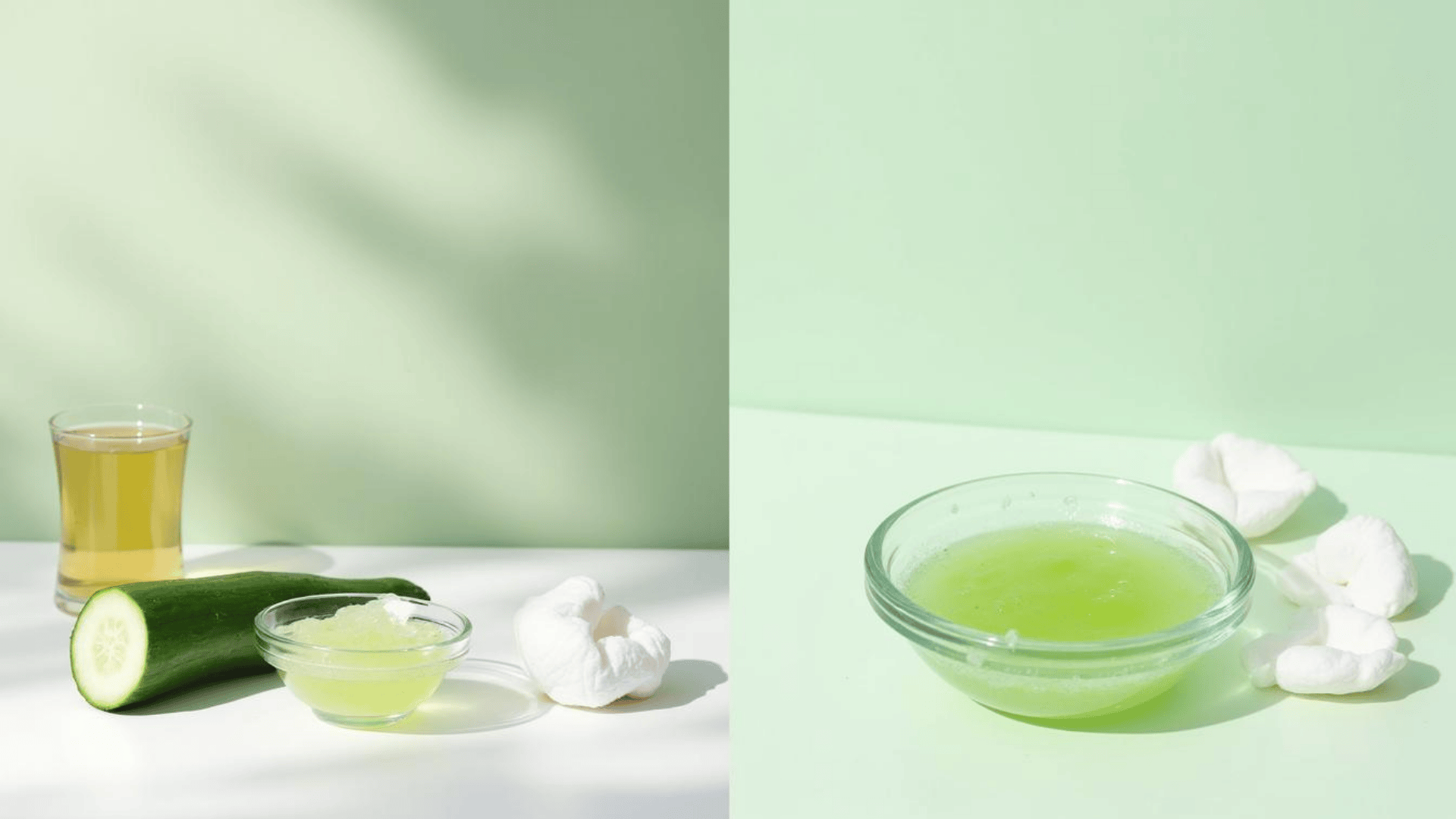
Ingredients: Half a cucumber, two tablespoons of fresh aloe vera gel, and one teaspoon of green tea (cooled).
Step-By-Step Process:
- Blend the cucumber until it becomes liquid.
- Strain the juice into a bowl.
- Mix in aloe vera gel and green tea.
- Apply with cotton pads or your fingers.
- Keep it on for twenty minutes. Rinse with cool water.
- This mask reduces puffiness and refreshes tired skin.
Papaya and Coconut Oil Mask for Dull Skin
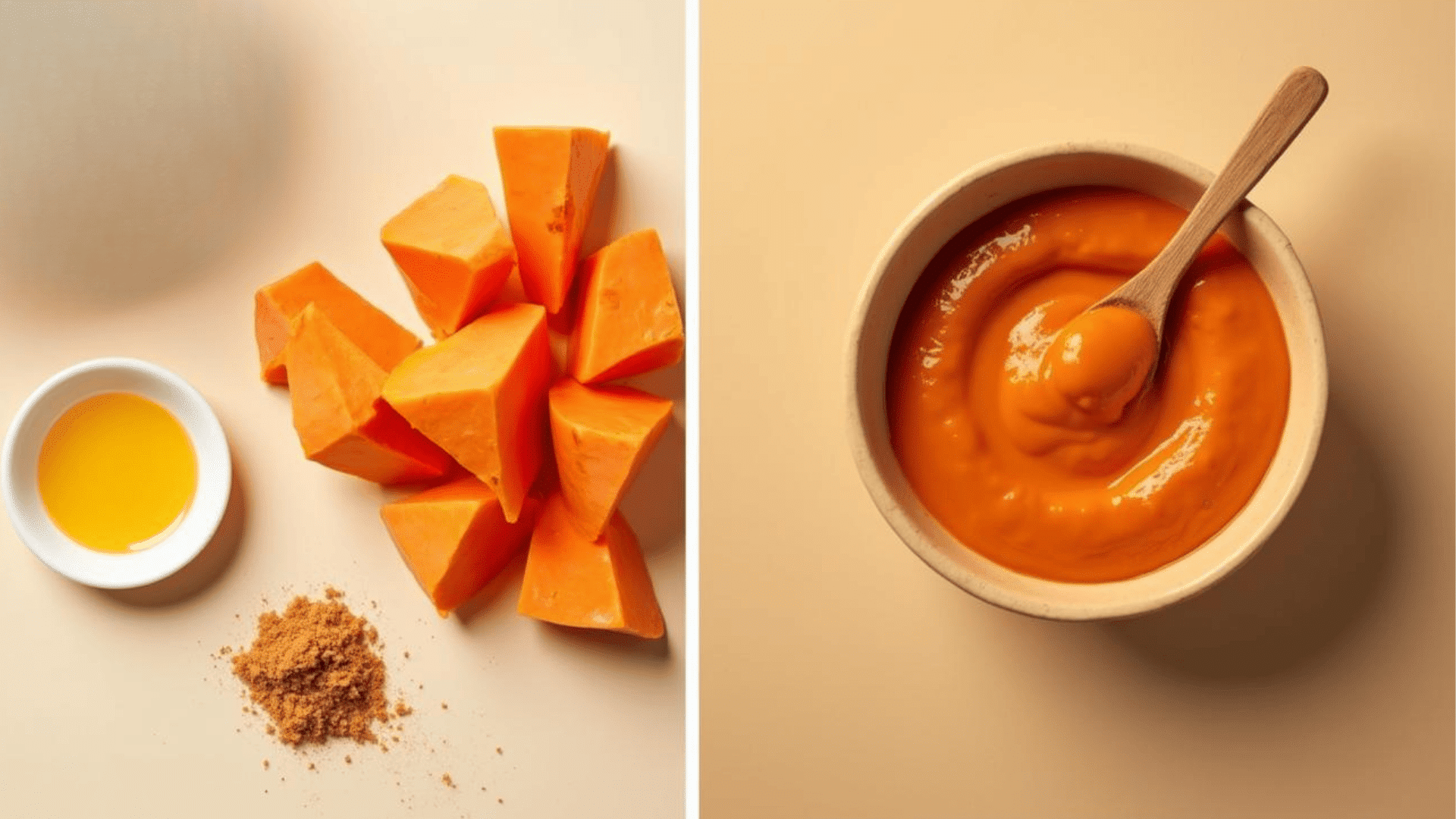
Ingredients: Three tablespoons of ripe papaya, one tablespoon of coconut oil, and half a teaspoon of brown sugar.
Step-By-Step Process:
- Mash the papaya into a smooth paste.
- Add melted coconut oil to it.
- Sprinkle in the brown sugar.
- Mix all ingredients thoroughly and massage gently onto your face in circles.
- Leave for twelve minutes.
- Wash off with lukewarm water. Your skin will feel revitalized and glowing
Storage, Safety, and What to Avoid
Store leftover face masks in airtight containers in your refrigerator. Use them within 2 days, as they contain no preservatives. Label each container with the date you made it.
Never apply masks if you notice mold, discoloration, or bad smells. Throw them away immediately. Keep masks away from direct sunlight and heat.
Avoid putting citrus-based masks on before sun exposure they can cause burns.
Don’t use cinnamon or mint if you have sensitive skin. Skip essential oils unless you’ve diluted them properly.
Never store masks in metal containers as some ingredients react with metal. Glass or plastic works best. If your skin tingles too much or turns red, wash the mask off right away
When to Skip Homemade Face Mask
- You have open wounds, cuts, or active infections on your face.
- Your skin is sunburned or severely irritated.
- You’re allergic to any ingredient in the recipe.
- You have a serious skin condition, such as eczema or a rosacea flare-up.
- You just had a chemical peel or laser treatment.
- Your skin feels extremely sensitive or painful to touch.
- You’re experiencing severe acne cysts that need medical attention.
- You’re unsure about how your skin will react to new ingredients.
Final Thoughts
Making a homemade face mask is easier than you think. You don’t need fancy products or spa trips. Just grab what’s in your kitchen and get started.
People have used natural products for years with great results.
Start with one recipe that matches your skin type. Patch test first and follow the dos and don’ts covered. Your skin deserves natural care. Give these recipes a try this week.