
Shaving the face looks easy, but plenty of people finish with nicks, razor burn, and sore skin. Often, the razor is not the real problem. It is the small steps that get skipped along the way.
Most people miss the fact that learning how to shave your face is less about the tools and more about a simple routine that anyone can pick up fast.
This manual covers each step in plain terms, from prep to aftercare. It also flags the common mistakes worth avoiding, plus the practical tips.
Why is Shaving Right Important?
Skin on the face is thin and sensitive. A rushed shave can leave it red, bumpy, and sore for days.
Dragging a dull blade or skipping prep tears at the skin instead of cutting cleanly. That is where nicks, ingrown hairs, and razor burn come from.
Doing it right protects the skin and saves time. A good shave feels smooth, not raw, and it lasts longer too. There is also the confidence that comes with clean, comfortable skin.
People who shave carefully deal with fewer breakouts and less irritation over the years. So a little care now saves a lot of trouble later.
What Do You Need Before Shaving?
Good gear makes a shave smoother and safer. Below is everything you need before you start.
- A clean, sharp razor
- Shaving cream or gel
- Warm water
- A clean towel
- A mirror with good light
- Aftershave or a light moisturizer
Keeping everything within reach before you start saves you from fumbling mid-shave with a wet face.
A minute of setup now saves hassle later. With your gear ready, the shave itself goes quickly and smoothly.
How to Prep Different Skin Types Before Shaving
Not every face is the same, so prep should match your skin. A quick check of your skin type helps you avoid irritation and get a closer shave.
Oily Skin
Oily skin can clog the razor and trap dirt. Wash with a gentle cleanser first to cut through the grease. Warm water helps loosen everything before the blade touches your face.
Dry Skin
Moisture is the priority here. Rinse with warm water, then rub in a bit of oil or a rich cream. This softens the hair and stops the razor from scraping.
Sensitive Skin
Sensitive skin reacts fast, so go easy. Use lukewarm water and a fragrance-free cream to lower the chance of redness. A soft, clean cloth helps without rubbing too hard.
In this skin type, some spots run oily, others stay dry. So, cleanse the oily areas, then moisturize the dry ones. This keeps the whole face ready for a smooth pass.
How to Shave Your Face: Step by Step
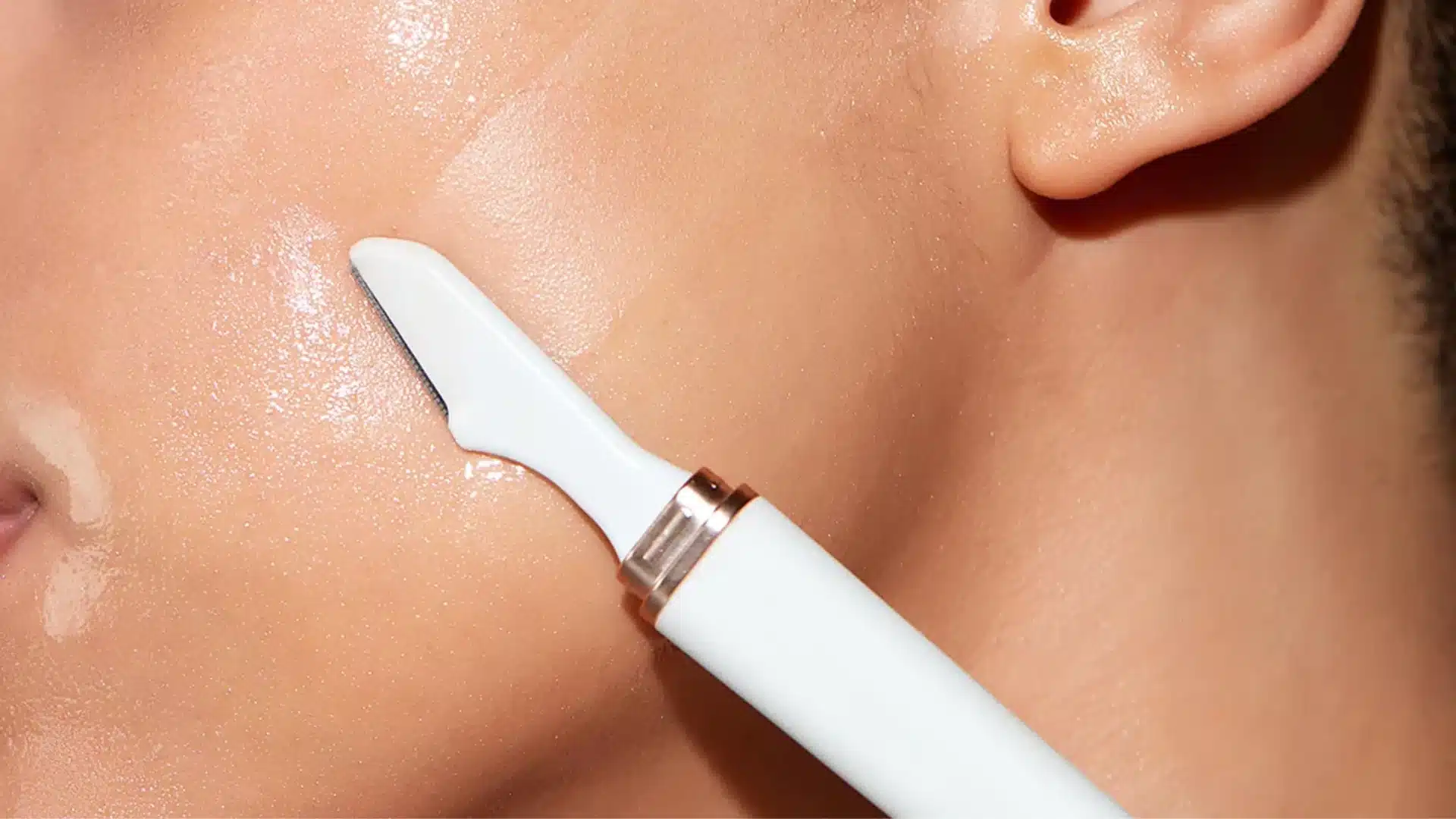
A good shave follows a clear order. Take each step slowly, and your skin will thank you later.
Step 1: Wash Your Face
Start with a clean face to clear away dirt and oil. Use warm water and a gentle cleanser, then work it in for a few seconds.
Warm water does a lot of the heavy lifting here. It softens the hair and opens the pores, so the blade glides instead of tugging.
Clean skin also reduces the risk of the razor clogging mid-shave.
Step 2: Apply Shaving Cream
Spread a thin, even layer of cream or gel over the area. Let it sit for a few seconds to soften the stubble before the blade touches it.
A good layer does two jobs at once.
It helps the razor glide rather than scrape, and it cushions the skin against nicks. Skimp on this step and you feel every stroke.
Use a brush to work the cream in. It lifts the hair and gives a closer shave.
Step 3: Shave With the Grain
Pull the razor in the same direction your hair grows. Use short, light strokes and let the blade do the work, since pressing hard only irritates the skin.
Going with the grain is the single best way to reduce razor burn. It also lowers the chance of ingrown hairs.
Rinse the blade often to keep it clean and sharp between strokes.
Step 4: Rinse and Check
Splash your face with cool water to close the pores and rinse off any leftover cream. Feel for any patches you missed and touch them up gently with a little more lather.
Once it feels smooth, pat the skin dry with a clean towel. Skip the rubbing, since that can leave it red and sore. A gentle press is all it needs.
Run a finger over the skin, against the grain, to spot any rough patches you missed.
Step 5: Apply Aftershave
Finish with aftershave or a light moisturizer to calm the skin. This locks in moisture and soothes any sting.
Freshly shaved skin loses water quickly, so this step helps keep it soft. It also helps close up tiny cuts you might not even feel.
Pick a fragrance-free option if your skin reacts easily. Your face should feel smooth, not tight.
Post-Shave Care Routine
The shave itself gets all the attention, but what comes after is just as important. Fresh-shaved skin is a little raw and needs some care to bounce back.
And it only takes a minute. A few simple habits keep your face calm, soft, and ready for next time.
- Rinse with cool water to close the pores and stop any sting.
- Pat dry with a clean towel instead of rubbing the skin.
- Apply a fragrance-free moisturizer to lock in water and soften the skin.
- Skip alcohol-based products if your skin turns red easily.
- Clean and dry your razor so it stays sharp for next time.
- Give the skin a break if it feels sore before shaving again.
None of this takes long, but it makes a real difference. Skin that gets a little care after each shave stays softer and less irritated.
Build these steps into your routine, and they will soon become a habit.
Men vs Women: Is Face Shaving Different?

The basics stay the same for everyone. Clean skin, a sharp blade, and a good lather help no matter who is holding the razor. Still, a few differences are worth knowing.
Men usually shave the thick, coarse hair on their beards and necks. It grows fast and in different directions, so it needs more prep and closer attention to the grain.
Women shaving their faces are usually dealing with fine, soft peach fuzz. Many use a small, single-blade tool at a slight angle. The goal is often smoother skin and better makeup application, not a close beard shave.
So the routine shifts a little, but the care stays the same. Go slow, use the right tools, and treat your skin gently.
Bottom Line
Learning how to shave your face is less about fancy tools and more about a few good habits.
Clean skin, a sharp blade, the right prep for your skin type, and gentle aftercare all add up to a smooth, comfortable shave.
But if you rush it, you end up with nicks and redness. Take your time, and your skin stays happy.
The difference is easy to see, right there in the mirror every day. So grab your razor, follow the steps, and watch the short video above to see it all in action.
Frequently Asked Questions (FAQs)
1. Does Shaving Your Face Make Hair Grow Back Thicker and Faster?
No, that is a common myth. Shaving cuts hair at the surface, but the thickness and speed do not actually change.
2. Should I Exfoliate Before Shaving My Face?
A gentle scrub before shaving can help. It removes dead skin and lifts the hair, resulting in a closer shave.
3. How Often Should I Change Blades?
Swap the blade every five to seven shaves as a rough guide. A dull blade pulls at the skin, increasing the risk of nicks and irritation.
4. Why Does the Face Burn After Shaving?
Razor burn usually comes from a dull blade, dry skin, or too much pressure. Shaving against the grain can make it worse.