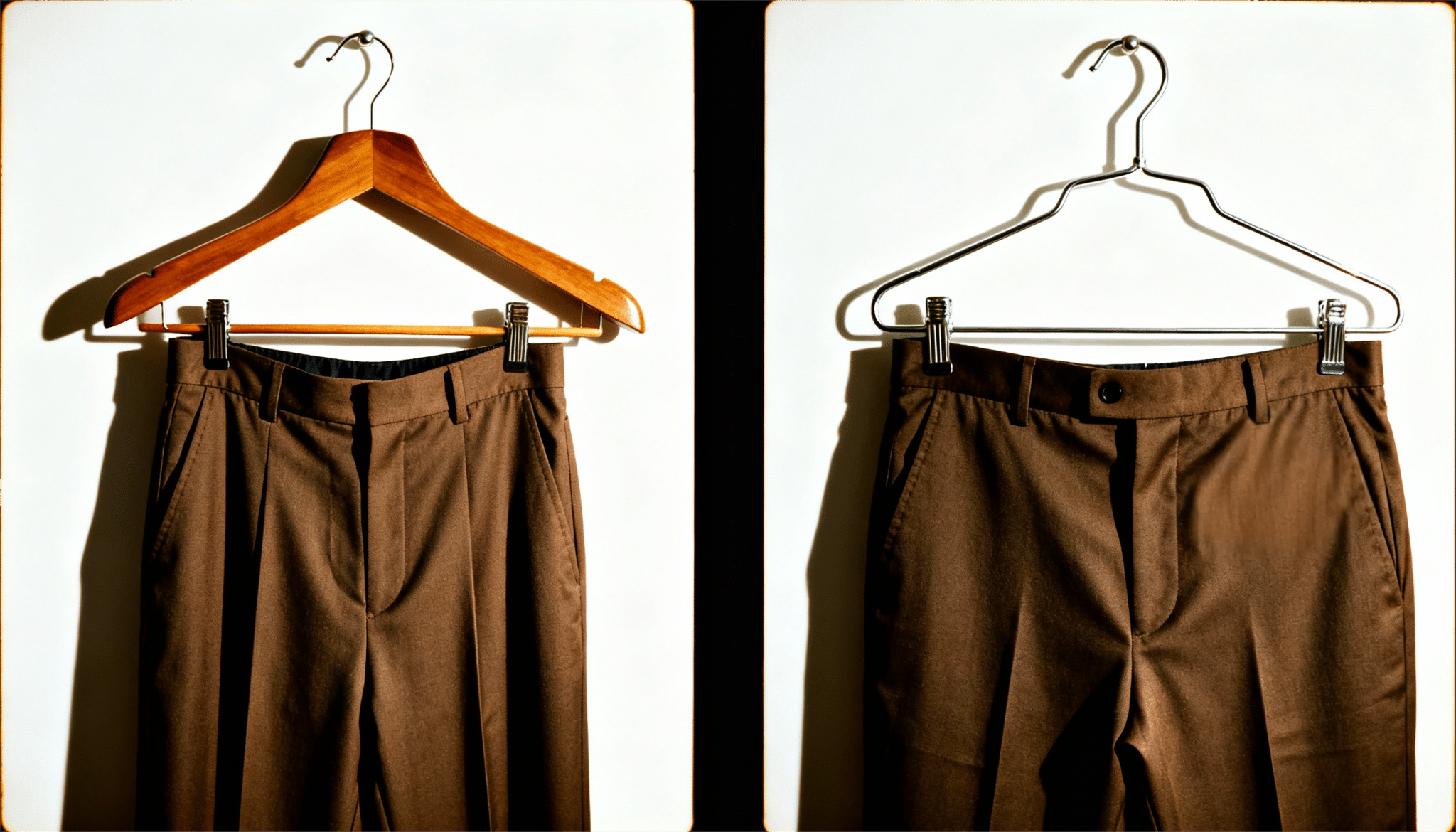
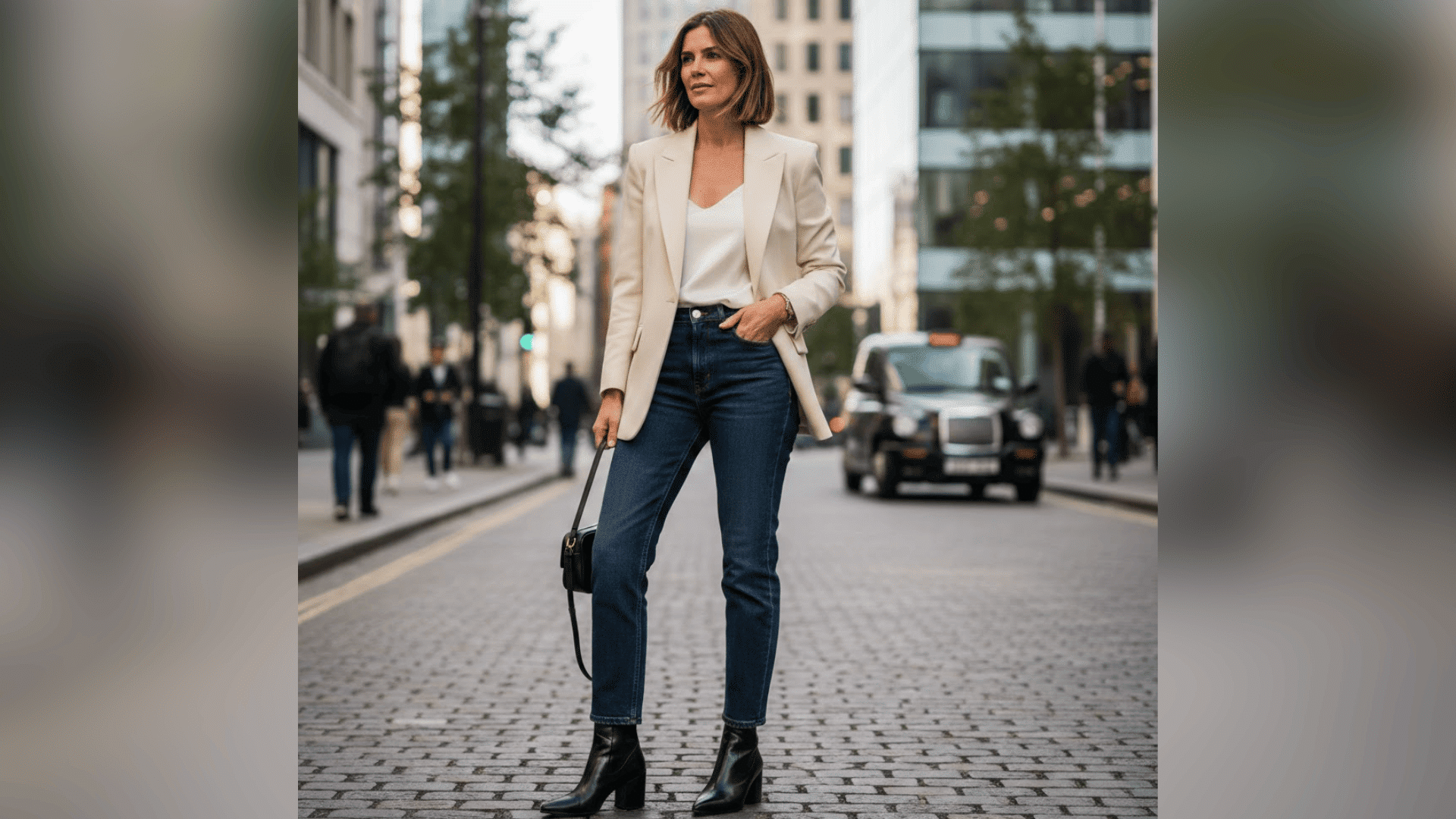
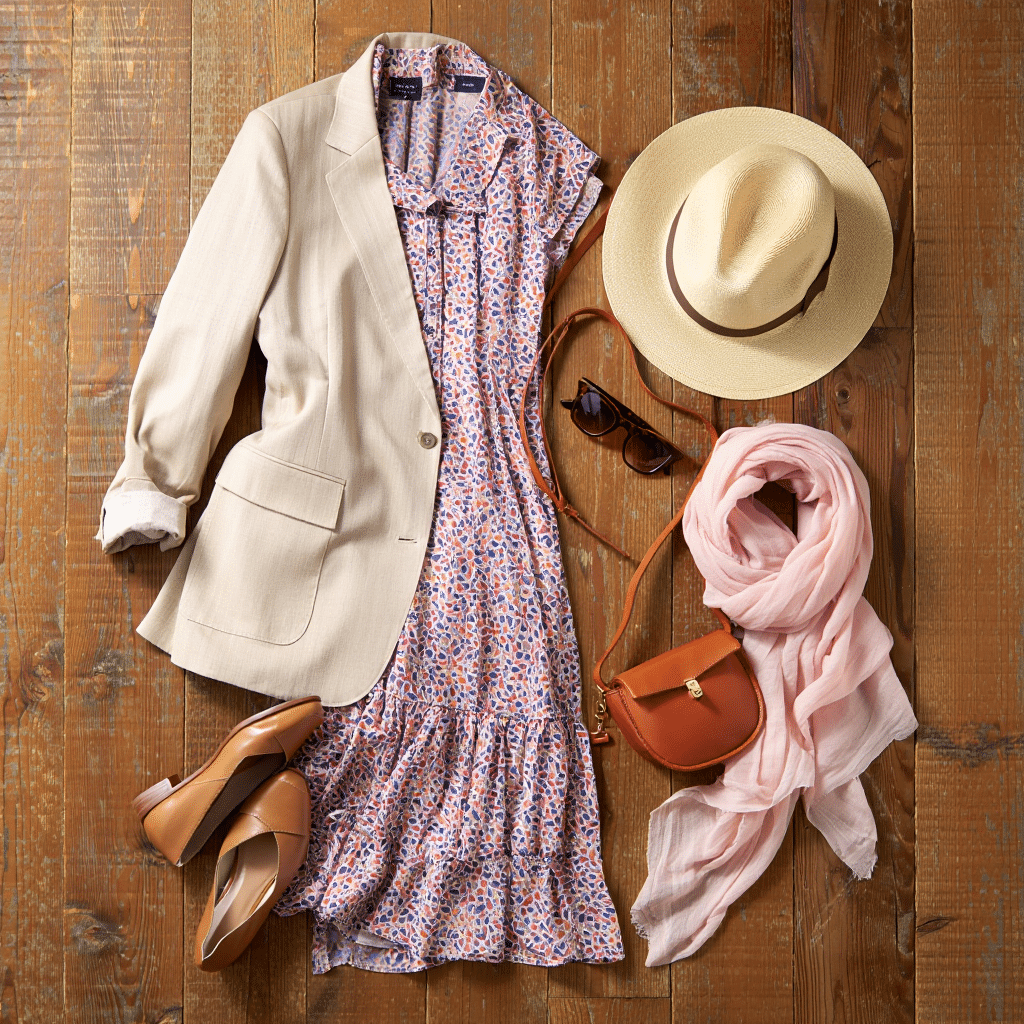
A wedding invite says cocktail attire, and three jackets in the closet all look the same at first glance. Grabbing the wrong one can throw off an entire outfit before a single word gets spoken. Sport coat vs blazer confusion trips up plenty of people, since both jackets share a similar cut and often the same dark shade. Suit jackets
Most Popular
Face piercings have moved well beyond the realm of subculture statement pieces. Today, a septum piercing is just as likely to show up on a runway as it is at a coffee shop. This shift has made face piercings a popular form of self-expression; they let people signal personality and style without using words. Picking a facial piercing also includes understanding bone structure, skin thickness, nerve placement, and lifestyle. All these factors largely influence which facial piercing will suit you. If you are looking for information on face piercings and how to choose one, then this facial piercing guide is for you. Keep reading! Face Piercing Jewelry Guide Some exclusive types of jewelry make it easier to break in facial piercings and also make it look stylish and cool. These pieces have been used for a long time and are used by informed piercing artists. Studs Studs are simple, low-profile, and ideal for piercings like the nostril, labret, or Monroe. They sit flush against the skin, which makes them a practical choice for anyone who wants a piercing that’s easy to overlook when needed. Hoops and Rings Hoops work well for septum, nostril, and eyebrow piercings, offering a bolder look than a stud. They’re also easier to clean around, since there’s more visible surface area to reach during aftercare. Barbells Curved or straight barbells are standard for eyebrow, bridge, and rhino piercings. The bar shape distributes pressure evenly across the piercing, which is part of why they’re preferred for surface and cartilage piercings. Labret Studs Labret studs feature a flat back disc that sits comfortably against the inside of the lip or cheek, making them the standard jewelry for nearly every lip piercing style, from a classic labret to snake bites. Flat-Back Jewelry Flat-back jewelry uses a threadless or push-pin design instead of a traditional screw-back, which reduces irritation to the inside of the mouth. This is the easiest type of accessory for a new piercing, as it helps ease the skin and swelling. Best Materials Titanium and niobium resist irritation best for new piercings, especially in the healing stage. Titanium: hypoallergenic, lightweight, sensitive-skin friendly Niobium: durable, nickel-free, budget-friendly Gold (14k+): safe once healed, pricier Surgical Steel: common, can irritate sensitive skin Types of Face Piercings There are numerous types of face piercings, each one unique and personalized. Every type of face piercing makes a statement of its own, and that is why they are wildly popular. 1. Eyebrow Piercing Credit: oabolaralcanna An eyebrow piercing sits along the brow bone, usually pierced with a curved barbell. It is a surface-level piercing, which means it runs through a layer of skin rather than cartilage. Pain and Risk: It doesn’t cause too much pain or carry much risk of injury. Injury: Nerve damage and friction due to incorrect placement. Healing Time: Heals within 6-8 weeks. Anatomy Placement: Standard placement sits vertically or horizontally above the eyebrow. Best Jewelry Materials: Implant-grade titanium, Niobium, Gold. 2. Bridge Piercing Credit: a. xiumei This piercing is also known as an erl piercing. This is also a surface-level piercing that requires enough pinchable skin to be done safely. It is a bold look, but carries more risk than an eyebrow piercing because of its alignment. Pain and Risk: Mild to moderate. Can cause interference when wearing glasses. Injury: It can cause scarring because the anatomy placement has a high rejection rate. Healing Time: 2-4 months. Anatomy Placement: It is placed horizontally across the bridge of the nose, between the eyes. Best Jewelry Material: Straight barbell, implant-grade titanium or Niobium. 3. Anti-Eyebrow Piercing Credit: lunawieiad The anti-eyebrow piercing is a striking alternative to the typical brow piercing. This one also needs pinchable skin to ensure a safe, clean result. It is also known as a teardrop piercing. Pain and Risk: Mild. Carries high rejection risk. Injury: Causes bruising and swelling; a black eye is common in the first few weeks. Healing Time: 4-6 months. Anatomy Placement: Sits right below the eye, on the upper cheekbone. Best Jewelry Material: Flat-foot surface bar, microdermals, and implant-grade titanium. 4. Nostril Piercing Credit: theuniquewoman The classic nostril piercing is the most common facial piercing, mostly because of cultural traditions and ease of expressing one’s identity and style. Pain and Risk: Low to moderate. Infection rates are higher. Injury: Initial bleeding, swelling, accidental pull-outs, and internal swelling. Healing Time: 2-4 months. Anatomy Placement: The fleshy part of the nostril, just above the crease, is pierced with a hollow needle. According to bone structure, the sweet spot is determined. Best Jewelry Material: It works well as a stud, hoop, and ring in gold, silver, and titanium. 5. High-Nostril Piercing Credit: ksu A small twist on the classic nose piercing. This one is placed higher and gives an edgy look. Some people choose it solely to express personality, and some choose it because this version of nose piercing suits their face more. Pain and Risk: Carries a higher risk of infections and moderate pain. Injury: Severe swelling, internal swelling, scarring, and severe irritation bumps. Healing Time: 9-12 months with meticulous aftercare. Anatomy Placement: Placed higher on the nostril, creating an angular look. It passes through a slightly thicker cartilage. Best Jewelry Material: Threadless or press-fit implant- grade titanium, flat-back labret studs mostly. No hoops or rings. 6. Septum Piercing Credit: Jaden This is a bolder nose-piercing choice, quite popular nowadays. It’s also the most versatile type of nose piercing because it can be taken off whenever needed, e.g., for school, work, or any other formal occasion. Pain and Risk: Moderate. Can cause tightness and soreness, or a crooked piercing on a nerve, especially with a deviated septum. Injury: Prolonged bleeding, irritation. Healing Time: 2-3 months. Anatomy Placement: Goes through the thin strip of tissue just in front of the nasal cartilage. Best Jewelry Material: Seamless rings and circular barbells in gold, titanium, and silver. 7. Rhino Piercing Credit: VogueTaiwan Short for “Rhinoceros”, a rhino piercing is another bold look, which is far less common. A very specific shape of nose looks good with this piercing. Pain and Risk: Moderate to high. It carries a higher risk of rejection and internal swelling. Injury: Severe pain, nerve damage, and prominent scarring. Healing Time: 9-12 months. Anatomy Placement: Runs vertically through the tip of the nose, entering near the nostrils and exiting at the top of the nose tip. Passes through more tissue than a standard nostril piercing. Best Jewelry Material: Curved barbell, gold or titanium. Avoid silver and nickel. Some popular choices include horn and spike-shaped jewelry. 8. Cheek Piercing Credit: sensitivebr4t Also known as a dimple piercing, is an advanced type of facial piercing. It is used to accentuate existing dimples or create an effect of having dimples. It is high-maintenance and requires intensive aftercare and oral hygiene. Pain and Risk: Moderate to high. Carries risk of infection and prolonged pain. Injury: Salivary gland injury, teeth and gum infections, internal bleeding, and nerve damage. Healing Time: 8-12 months. Anatomy Placement: These face piercings sit directly over a natural or desired dimple and are pierced through the fleshy part of the cheek. Best Jewelry Material: Biocompatible flat plastic studs, Titanium studs, and flat-back labret studs. Because this area moves the most when you talk, eat, and smile, it takes longer to heal and get used to and carries a risk of irritation if the jewelry isn’t the right size. 9. Dermal Cheek Piercing Credit: Cloe Adermal cheek piercingis an alternative way to get the look of a dimple piercing without passing a needle completely through your cheek muscle into your mouth. Pain and Risk: Moderate to high. Major risk of infections and rejection. Injury: Deep facial scarring, difficulty in removal, and accidental ripping. Healing Time: 2-4 months Anatomy Placement: The piercer places a single, small metal anchor completely underneath the surface of your skin. Best Jewelry Material: Implant- grade titanium. 10. Labret Piercing Credit: pulce! A labret piercingsits centrally beneath the lower lip, offering a classic facial modification that can complement many facial structures. Pain and Risk: Low to moderate. Chances of oral infections. Injury: Dental erosion, continuous fluid drainage, gum recession, and swelling. Healing Time: 2-4 months. Anatomy Placement: Placed horizontally centered right below the vermilion border of the lower lip, sitting flat against the tissue. Best Jewelry Material: Implant-grade titanium and biocompatible gold. 11. Vertical Labret Credit: site-365.us A highly popular variation of the classic lip piercing. This adds more edge to your lip piercing. Pain and Risk: Low to moderate. One of the safest facial piercings because it sits entirely on the outside of your mouth. Injury: Tearing, drying of lips, and excessive peeling. Healing Time: 2-3 months. Anatomy Placement: Placed exactly in the dead center of the lower lip, passes vertically through the center of the lower lip. Best Jewelry Material: Curved barbells, studs, implant-grade titanium. 12. Side Labret Credit: Mary Offers the same styling versatility as a classic labret but shifts the focal point to accent one side of your smile. It is uncommon and only suits a few people. Pain and Risk: Low to moderate. Risk of transferring facial bacteria and infections. Injury: Gum and tooth erosion and intense swelling. Healing Time: 3-6 months. Anatomy Placement: Placed off- center under the lower lip, sitting on either the left or right side of the mouth, aligned to match the natural curve of your jaw and smile. Best Jewelry Material: Biocompatible gold, implant-grade titanium. Studs and rings are a popular choice. 13. Monroe Piercing Credit: Bianca This face piercing is named after iconic actress Marilyn Monroe and her upper lip beauty spot. This is a bit of an edgy and glam look. Pain and Risk: Low to moderate. Risk of constant exposure to dental fluids. Injury: Dental erosion and tissue embedding. Healing Time: 2-3 months. Anatomy Placement: It is precisely positioned on the left side of the upper lip, typically nestled within the natural soft indentation above the canine tooth. Best Jewelry Material: Flat-back labret, biocompatible gold or silver, and studs. 14. Madonna Piercing Credit: Alena This piercing is the mirror image of the Monroe piercing; it is placed on the opposite side, but the process is similar. This one is named after pop singer Madonna. Pain and Risk: Low to moderate. Risk of infection and nerve damage. Injury: Similar to Monroe piercing, dental erosion and tissue embedding. Healing Time: 2-3 months. Anatomy Placement: It is precisely positioned on the right side of the upper lip, typically nestled within the natural soft indentation above the canine tooth. Best Jewelry Material: Implant-grade titanium and biocompatible gold and silver studs. 15. Medusa Piercing Credit: TimmarieMarsh Also known as thephiltrum piercing, is a bolder and centered version of the Monroe and Madonna piercing. It is actually quite common and quite popular in fashion campaigns. Pain and Risk: Moderate pain. Carries a risk of bacterial infection and nerve damage. Injury: Gum recession, severe swelling, and internal bleeding. Healing Time: 2-4 months. Anatomy Placement: Aligned horizontally and vertically inside the exact center of the philtrum dip, balancing perfectly with your septum and cupid’s bow. Best Jewelry Material: Flat-back titanium labrets, biocompatible gold, and silver studs. 16. Jestrum Piercing Credit: Jesse This is the vertical version of Medusa piercing. It is also called vertical philtrum piercing. Jestrum piercing is a bolder version and creates a unique look. Pain and Risk: Moderate to high. Exposure to sweat and dust can increase the risk of infection. Injury: Asymmetric healing and scarring. Healing Time: 2-3 months. Anatomy Placement: Placed precisely in the dead center of your philtrum, perfectly bisecting the cupid’s bow of your upper lip. Best Jewelry Material: Curved barbells and titanium studs. 17. Ashley Piercing Credit: Glaminati Also known as an inverted vertical labret. It is a direct lip piercing that highlights the lower lip. It looks rebellious and creates a strong impression. Pain and Risk: Moderate to high. Oral infection risk is higher. Injury: Tooth enamel erosion and severe swelling. Healing Time: 3-6 months. Anatomy Placement: Positioned precisely in the dead center of the lower lip’s pink flesh, offering a distinct single-gem aesthetic. Best Jewelry Material: Flat-back labret studs, implant-grade titanium, single-gem studs. 18. Dahlia Piercing Credit: Trevrez The Dahlia piercing, also known as the”joker line piercing”, is a very distinct type of face piercing. It is unique and used more for aesthetic purposes and highlighting smile lines or the corners of the lips. It is quite punk. Pain and Risk: Moderate to high. Risk of infection and bacterial formation due to saliva, food, and pollution. Injury: Tooth chipping, scarring, and saliva pooling. Healing Time: 4-6 months. Anatomy Placement: Placed symmetrically, less than an inch from the corners of the lips, following the natural crease of your smile line. Best Jewelry Material: Implant-grade titanium and flat-back labrets. 19. Cyber Bites Credit: Hayley Morgan The Cyber Bites piercing combines a Medusa (philtrum) piercing above the upper lip with a Labret piercing centered below the lower lip. The vertical alignment creates a bold, symmetrical look that is popular in alternative, gothic, punk, and cyber-inspired styles. Pain and Risk: Moderate. Since it involves two separate piercings, discomfort is greater than a single lip piercing. Injury: Tooth enamel wear, gum recession, and jewelry rubbing against the teeth. Healing Time: 3-5 months Anatomy Placement: One piercing is centered in the philtrum and the other is centered just below the lower lip, creating a perfectly vertical alignment. Best Jewelry Material: Implant-grade titanium How to Choose the Right Face Piercing? It is important to know which face piercing suits you and which doesn’t. There is a right face piercing for everyone, and understanding what suits your face and personality will definitely make more of a statement. Consider Your Facial Anatomy Start with what your face can actually support. A piercer can tell you in minutes whether you have enough pinchable skin for a bridge piercing or enough cartilage depth for a rhino piercing. This saves you from picking a style that’s more likely to migrate or reject. Match Your Piercing to Your Personal Style Some piercings, like a single nostril stud or a subtle Monroe, blend into an everyday look. Others, like Dahlia bites or a bridge piercing, are meant to be noticed. Think about whether you want your piercing to be a quiet detail or a focal point. Think About Work, School, and Lifestyle If your job or school has a dress code, prioritize piercings that are easy to conceal or remove temporarily, like a septum ring that flips up or a small nostril stud. Piercings on the lips and cheeks are harder to hide and worth thinking through before booking an appointment. Face Piercing Aftercare Aftercare is everything. This is where the healing for your facial piercings truly begins. Almost all face piercings have a similar aftercare routine, so the basic items you need are easily available in a local drugstore or online. It is important to prioritize this aftercare routine to prevent infections, delayed healing, or scarring. Daily Cleaning Routine Clean your piercing once or twice a day with a saline solution, either store-bought or mixed at home with non-iodized salt and distilled water. Gently saturate the area, let it sit for a minute, then rinse; there’s no need to rotate or twist the jewelry during cleaning. Products To Use And Avoid Use sterile saline solution, fragrance-free soap for the surrounding skin. Avoid alcohol, hydrogen peroxide, and harsh antibacterial ointments, which can dry out tissue and slow healing. Avoid aggressive over-cleaning, which can irritate a piercing just as much as under-cleaning. Final Words Face piercings offer countless ways to express your personality, whether it’s a subtle nostril stud or a bold bridge piercing. The right choice comes down to your anatomy, your style, and how the piercing fits into your daily life, not just what’s trending. Working with a reputable piercer, investing in quality jewelry, and sticking to proper aftercare will make the biggest difference in how well your piercing heals. Take your time researching before you commit, and you’ll end up with a piercing you’re genuinely happy to wear for years. Frequently Asked Questions (FAQs) 1. Which Face Piercing is Best for Beginners? The nostril and labret piercings are usually recommended first, since they involve a straightforward piercing process. 2. Can I Wear Makeup After Getting A Facial Piercing? It’s best to avoid applying makeup directly on or near a fresh piercing for the first few weeks, since products can introduce bacteria and irritate healing tissue. 3. How Do I Know if My Piercing is Infected? Look for spreading redness, increased warmth, thick yellow or green discharge, and pain that worsens rather than improves. 4. Are Face Piercings Suitable for Every Face Shape? Not always. Piercings like the bridge or dimple depend on specific anatomical features.
A pair of earrings can look perfect in the store and still feel “not me” when you wear it. Many overlook small details that affect comfort and security, like the type of earring hook and the backs that hold each piece in place. Choosing between different types of earrings involves more than picking a pretty design. It means considering how each piece feels through hours of wear. Popular earring styles, common backs, and the findings that keep them secure are all covered ahead. Earrings – Love of Every Woman The table below aligns major earring types with their typical backs, showing how style and function work together. A quick glance can help narrow down choices before reading through each style in detail. Earring Type Best For Common Back Used Stud Work, minimal look Butterfly (Push) Hoop Casual to bold Hinged (Latch) Huggie Layering, small hoops Hinged (Latch) Drop Balanced statement Lever Dangle Evening, parties Lever Chandelier Formal events Screw Ear Cuff Layering, no piercing needed French Hook Threader Minimal, multiple piercings French Hook Jacket Layered stud look Butterfly (Push) Climber Cartilage, curated ear looks Butterfly (Push) Tassel Boho, festival style French Hook Parts of an Earring Every earring, no matter the style, comes down to three basic parts working together. The Post or Wire: Passes through the piercing, connecting the earring to the ear. The Decorative Front: The visible part on display, whether a plain stud or an elaborate design. The Back or Clutch: Sits behind the ear, keeping the earring secure through daily movement. Together, these parts are called findings, a term used across the jewelry industry for the small components that make an earring functional. Knowing how they work together makes it easier to spot a well-made pair. Find the Perfect Types of Earrings for Every Outfit Understanding the different earring types makes it easier to match a piece with an outfit or occasion. Each style carries its own look, from simple and understated to bold and eye-catching. 1. Stud Earrings Stud earrings sit flat against the earlobe, with no drop or dangle. They rarely catch on hair or clothing, which makes them easy to wear all day. Plain metal dots, gemstone centers, tiny hearts, or tiny stars all fall under this style. Pairs well with: Button-downs, blazers, and simple tees for work or casual days out. 2. Hoop Earrings Hoop earrings are circular or semi-circular loops that pass through the earlobe. Sizes range from small huggies to large statement pieces that catch the eye. Larger hoops add a bold touch to an otherwise casual look. Pairs well with: Denim, graphic tees, and off-shoulder tops for an easy, put-together look. 3. Huggie Earrings Huggies are a smaller, closer-fitting version of the classic hoop style. They hug the earlobe tightly rather than swing with every movement. This tight fit makes Huggies comfortable for all-day wear without added weight and easy to layer with other earrings. Suits well on: Fitted tops, turtlenecks, and sleek ponytail hairstyles. 4. Drop Earrings Drop earrings extend slightly below the earlobe, usually 1 to 3 centimeters, and move little. A fixed decorative piece hangs just below the ear, striking a balance between simple studs and free-swinging dangles. Pairs well with: Collared shirts, blazers, and wrap dresses for a polished daytime look. 5. Dangle Earrings Dangle earrings move freely below the earlobe, swaying with every turn of the head. Chains, beads, or gemstones often combine to create a cascading effect. This movement draws more attention than studs or drops, making dangles a strong choice for evenings out. Pairs well with: Cocktail dresses, off-shoulder tops, and evening wear with simple necklines. 6. Chandelier Earrings Chandelier earrings feature a branched design with multiple tiers hanging from a single point, resembling the light fixture they take their name from. This dramatic style suits formal events, weddings, and other occasions calling for bold jewelry. Pairs well with: Gowns, formal suits, and updos that keep the neckline clear. 7. Ear Cuffs Ear cuffs wrap around the outer edge of the ear without needing a piercing at all. They stay in place through gentle pressure rather than a post or hook. This makes them a flexible option for layering, adding shape to the ear without committing to a new piercing. Pairs well with: Edgy streetwear, leather jackets, and asymmetric or slicked-back hairstyles. 8. Threader Earrings Threader earrings use a thin chain or wire that passes through the piercing and rests on both sides of the earlobe. This creates a minimal, modern look that differs from earrings sitting only at the front. Threaders often appeal to those with multiple piercings who want a subtle, layered appearance. Pairs well with: Minimalist outfits, slip dresses, and low-key everyday looks. 9. Jacket Earrings Jacket earrings combine two pieces: a stud that passes through the piercing and a decorative jacket that sits behind the lobe. From the front, this creates the illusion of a larger, more detailed earring. One stud can pair with multiple jackets, offering variety without needing several separate pairs. Pairs well with: Office wear during the day, switched to statement jackets for evening plans. 10. Climber Earrings Climber earrings, sometimes called ear crawlers, follow the curve of the ear upward from the lobe instead of hanging downward. The design extends along the ear’s edge, creating the look of multiple piercings using just one earring. Suits well on: Sleek updos, slicked-back hair, and modern, structured outfits. 11. Tassel Earrings Tassel earrings feature strands of thread, beads, or metal that hang loosely from a base, creating movement and texture. This style suits: Festival looks, boho outfits, or any occasion calling for a playful accessory. The Different Earring Hook Types The hook or back holding an earring in place matters just as much as the front design. Some prioritize security, while others focus on comfort or ease of use. Butterfly (Push) Backs Butterfly backs slide onto a straight post and stay in place through simple friction. This design suits studs and lightweight earrings well, since it allows quick removal without extra steps. Screw Backs Screw backs use a threaded post paired with a backing that twists on securely. This mechanism offers a strong hold, making it a common choice for fine jewelry or heavier studs. Lever Backs Lever backs feature a hinged wire that snaps shut behind the earlobe, forming a closed loop. This design securely holds drop and dangle earrings, preventing them from coming loose during movement. Hinged (Latch) Backs Hinged backs work with a small latch that clicks into place and are commonly found on hoops and huggies. The closed-loop design keeps earrings secure through daily activities without needing a separate backing piece. French Hook French hooks consist of a simple curved wire that passes through the piercing and hangs freely. This lightweight design suits dangle and threader earrings. Since the hook stays open rather than locking shut, it can occasionally slip out with certain hairstyles or scarves. Earrings According to Face Shape Face shape offers a helpful starting point for choosing earrings, though it works best as a general guide rather than a strict rule. Round Face: Long drop or dangle styles with straight lines help create the appearance of a more defined jaw. Geometric shapes, like rectangles or elongated triangles, work especially well. Oval Face: Nearly every earring style suits this shape, thanks to balanced proportions. Studs highlight the eyes, while longer dangles draw attention toward the jawline. Diamond Face: Earrings with detail near the top, like studs or huggies, add width where the face narrows at the forehead and chin. Long Face: Hoops, chunky studs, and shorter dangles add width and help balance vertical proportions. Long, thin styles tend to stretch the face further. Face shape is only a starting point; the best earrings are the ones that feel comfortable and match personal style. Wrapping Up Choosing between different types of earrings becomes much easier once style, hooks, backs, and face shape are considered together Each style carries its own look, while the back or clutch decides how secure it feels throughout the day. Findings, the small parts holding everything together, explain why some pairs feel effortless, and others need adjusting. A pair that once felt uncomfortable often just needed the right combination of these details. Picking earrings for daily wear or special occasions now becomes a simpler decision. Frequently Asked Questions (FAQs) 1. How Many Earrings Can One Ear Hole Safely Support? One earring per hole is ideal; adding heavier styles increases strain and raises the risk of tearing. 2. Do Earring Backs Wear Out and Need Replacing? Yes, especially push and screw types, which loosen over time and should be replaced periodically. 3. What Metal Works Best for Sensitive or Reactive Skin? Titanium, surgical steel, and high-karat gold cause fewer reactions than nickel-based metals. 4. Is It Safe to Wear Earrings While Sleeping? Flat-backed studs or small huggies are safest; dangling styles should be removed before bed.
Bangs can change a person’s whole look in one snip. It’s normal to feel nervous about it. The wrong cut can throw off someone’s face for weeks. The good thing is that once you know the best face shape for bangs, picking a style gets simple. This blog explains which cuts suit round, oval, square, and heart-shaped faces. It also covers bangs that can make a face look thinner, plus top picks for an oval face. Time to find the right fringe for every reader. How Bangs Can Make Your Face Look Thinner? Bangs can do more than frame a face. The right style can also make a face look thinner. It all comes down to the shape and the part. Side-swept bangs are the top pick for a slimming look. They create a diagonal line that moves the eye across and down. This makes a face look longer and thinner. Blunt, straight-across bangs do the opposite. They add width and can make a face look wider or rounder. The partition of hair also matters. The side part breaks up symmetry and softens a round face. A middle part can make a round face look even rounder, since it splits the face evenly in half. For anyone chasing a slimmer look, soft and side-swept beats heavy and straight-across every time. Bang Ideas with the Face Shape They Suit Bangs come in more shapes and styles than most people realize. Each one works a little differently, and some suit certain face shapes far better than others. Below is a list of popular bang styles, along with the face shapes they flatter most. 1. Curtain Bangs Credit @FemmeFlairStudio Curtain bangs part right down the middle and sweep out to both sides. They blend into the rest of the hair, so they never look like a separate piece. This soft, open shape frames the face without covering it up. They suit oval, round, and heart-shaped faces the most, since they add gentle lines without adding bulk. Curtain bangs also grow out easily, which makes them a low-fuss choice for first-timers. 2. Blunt Bangs Credit @Melikaʚɞ Blunt bangs sit in one clean, straight line across the forehead. There’s no texture or feathering here, just a bold, even cut. This style makes a strong statement and draws the eye straight to the brows. It works best for oval and long or rectangle faces, where the added width and structure bring welcome balance. Blunt bangs do need regular trims to keep that sharp, straight edge. 3. Side-Swept Bangs Credit @Themyscira Side-swept bangs sweep diagonally across the forehead toward one side. The angled shape softens the face and adds a bit of movement. This diagonal line can also help stretch a face out, which makes it a popular slimming pick. Side-swept bangs flatter round, square, and heart-shaped faces well, since the angle breaks up width and softens harder lines. 4. Wispy Bangs Credit @nipikova Wispy bangs are light, thin, and feathery in texture. Instead of one solid block, they’re made up of soft, separated pieces. This gives an airy, relaxed feel that never looks heavy. Wispy bangs suit round, square, and oval faces, and they work especially well on fine or thin hair, since they add texture without extra weight. 5. Choppy Bangs Credit @FedericaSgariglia Choppy bangs have rough, uneven edges cut in a jagged pattern. This textured look breaks up smooth, rounded lines on the face. It gives a bold, undone feel that still looks put-together. Choppy bangs work well for round faces that need some added structure, since the uneven edges help cut down on softness and roundness. 6. Baby Bangs Credit @STEF♡NY Baby bangs sit short, right above the eyebrows, sometimes even higher. This is a bold, eye-catching style that puts full focus on the face. It takes strong features to pull off well, since there’s nowhere to hide. Baby bangs suit oval, long, and heart-shaped faces, where strong bone structure can carry the short length with ease. 7. Micro Bangs Credit @singleuniverse Micro bangs go even shorter than baby bangs, often cropped well above the brow line. This is one of the boldest bang choices out there. It calls for real confidence and a face shape that can handle so much forehead on show. Micro bangs flatter oval faces best, thanks to their naturally balanced proportions. 8. Bardot Bangs Credit @𝑴𝒊𝒄𝒉𝒆𝒍𝒆𝑷𝒂𝒓𝒌𝒆𝒓 Bardot bangs have a middle part with the edges left a little longer than the center. This creates a soft, retro shape made famous decades ago. The look feels playful and a touch vintage, without trying too hard. Bardot bangs suit oval faces looking for a fun, retro touch that still keeps things balanced. 9. Bottleneck Bangs Credit @Angel-LikeWomen Bottleneck bangs are shorter in the middle and gradually get longer toward the sides. The name comes from that narrow-to-wide shape, much like the neck of a bottle. This creates a soft frame that opens up around the face. Bottleneck bangs work well for oval and heart-shaped faces, where the shape adds gentle width near the temples. 10. Birkin Bangs Credit @san421 Birkin bangs are straight across but finished with a soft, feathery edge instead of a hard line. This gives a look that’s clean but never stiff. They also need very little daily styling, which makes them easy to live with. Birkin bangs suit square faces well, since the soft finish takes the edge off strong, angular features. 11. Soft Half-Moon Fringe Credit @MELANIEINGRAM This fringe curves gently, sitting shorter in the center and longer near the temples. The rounded shape looks a bit like a half-moon, hence the name. It softens a wide forehead without covering too much of the face. This fringe flatters heart-shaped faces the most, since it helps balance out extra width up top. 12. Feathered Bangs Credit @StyleFlair Feathered bangs are layered and soft along the edges instead of blunt or straight. The layers create gentle movement and a light, airy finish. This softness helps tone down any sharp or strong angles nearby. Feathered bangs work well for square and heart-shaped faces, where a bit of extra softness goes a long way. 13. Side-Parted Bangs Credit @HairLooks Side-parted bangs are combed and styled to fall mostly to one side of the forehead. This breaks up a wide or broad forehead into two uneven sections. The unevenness draws the eye away from any one flat, wide area. Side-parted bangs suit square faces with strong, angular jawlines, since they soften that broad, boxy look up top. 14. Curved Bangs Credit @pinterest Curved bangs are cut with a gentle, rounded shape rather than a straight line. The curve follows the natural line of the brow instead of cutting straight across it. This rounded edge helps soften nearby sharp angles. Curved bangs work well for square faces, where the curve takes some edge off a strong jawline and forehead. 15. Full, Dense Bangs Credit @TangoLines|Hairstyles for Women|Dating & Texting Tips Full bangs are thick, heavy, and cover a good amount of the forehead. There’s no thinning or texturizing here, just solid, even coverage. This heaviness adds real width to the upper face. Full, dense bangs flatter long or rectangle faces the most, since the extra width helps balance out extra length. 16. Long Layered Bangs Credit @Glow&StylePicks Long layered bangs blend smoothly into the rest of the hair instead of standing apart. The layers add movement and keep the style from looking too heavy. This makes them easy to grow out and low-fuss day-to-day. Long layered bangs suit oval and round faces with medium to thick hair, where the added movement works with the hair’s natural weight. 17. Piecey Bangs Credit @vexpoetic Piecey bangs are separated into small, textured sections instead of one solid block. This piece-y, undone look feels casual and a little edgy. It also lightens up the front of the face instead of weighing it down. Piecey bangs work well for rectangular faces, since the separated texture softens a long, flat forehead. How to Choose and Style Bangs? Picking the right bangs takes more than just knowing a face shape. A few other things matter too. 1. Check Hair Texture and Thickness: Thick hair can carry blunt, heavy bangs well. Thin hair often looks better with wispy or side-swept styles, since they add softness instead of weight. 2. Think About Upkeep: Blunt bangs need trims every few weeks to stay sharp. Curtain and side-swept bangs grow out more easily and need less fuss. 3. Plan for Daily Styling: A round brush and blow dryer help shape curtain bangs. A flat iron keeps blunt bangs smooth and neat. A little texture spray adds movement to wispy styles. 4. Talk it Through with a Stylist: A stylist can look at face shape, hair type, and daily habits all together before the first snip. The Final Snip Choosing the best face shape for bangs doesn’t have to feel like a tough game. Round, oval, square, heart, or long, each face has a style built to flatter it. Side-swept and curtain bangs slim things down, while blunt cuts add width and structure. Oval faces get to enjoy the most freedom of all. So the takeaway is that bangs work best when they match real features, not trends. The next step is simple. Book a consultation, bring these ideas along, and let a trusted stylist help pick the perfect fringe. Frequently Asked Questions (FAQs) 1. Do Bangs Suit Every Face Shape? Yes, most face shapes can wear some bang style, though certain cuts flatter certain features better. 2. What Bangs Make a Round Face Look Thinner? Side-swept bangs work best. They add a diagonal line that lengthens and slims a round face. 3. Are Curtain Bangs Good for an Oval Face? Yes, curtain bangs suit oval faces well. They frame the features softly without hiding natural balance.