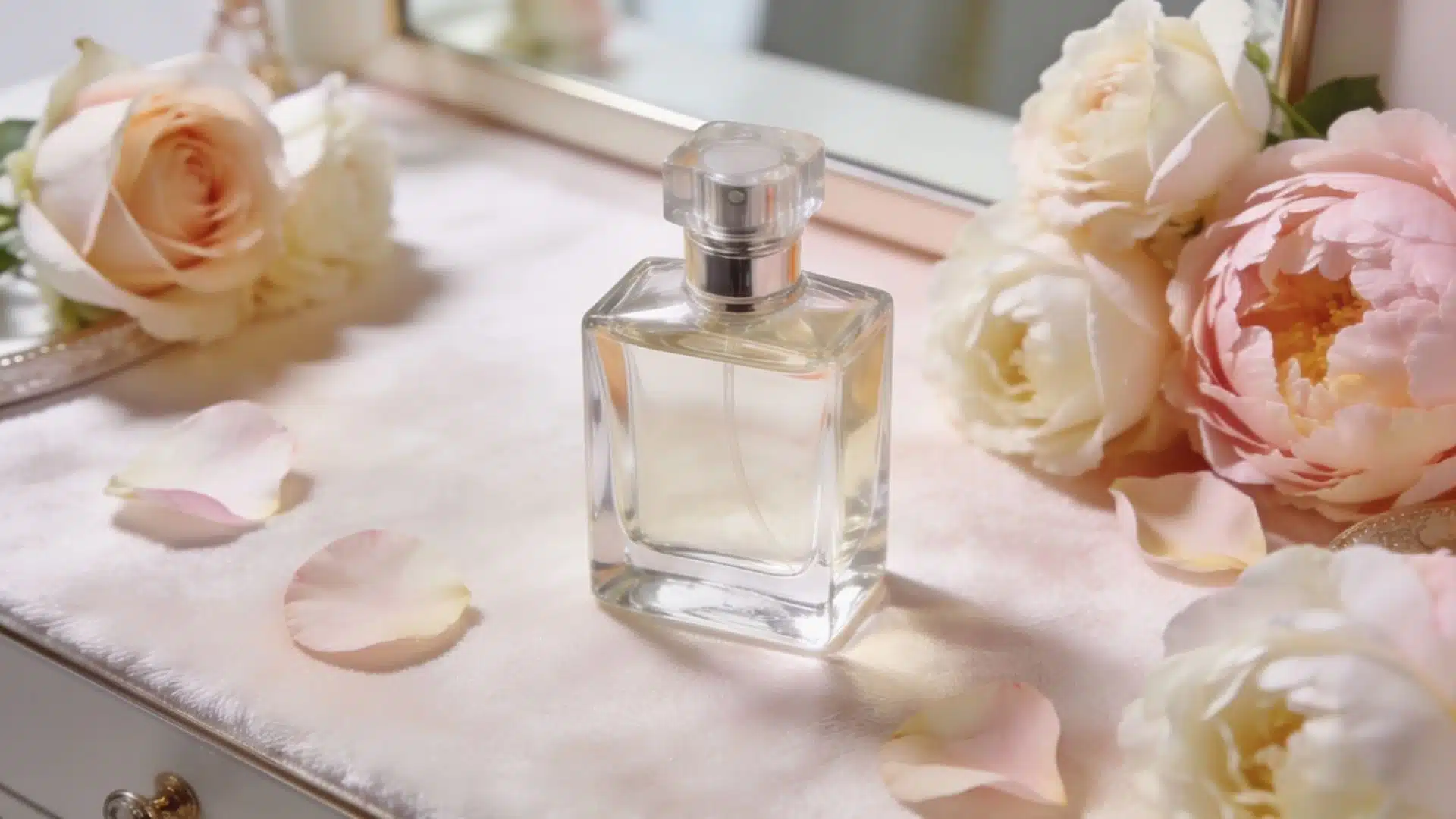
Perfume shopping can feel confusing, since there are so many labels and names in the market.
Eau de toilette shows up on every bottle. And it simply indicates how much fragrance oil is in the mix.
Eau de toilette is lighter than the perfume, and it fades a bit faster. That makes it great for daily wear and warmer days. The price often sits lower, too, and many shoppers appreciate that.
Plenty of people reach for it without knowing the reason behind the name. This manual will break down what eau de toilette means and everything you need to know.
What Does Eau De Toilette Mean?
Eau de toilette carries a story in its name. The words are French, and they roughly mean “grooming water.”
Back in the day, people kept a scented water on the dressing table, or “toilette,” and splashed it on while getting ready. It marked the finish of a wash-up routine.
The custom spread across Europe over the years and stuck around.
Today the name still points to a gentle scent worn close to the skin, meant for regular, feel-fresh moments.
| Features | Eau de toilette |
| Meaning | “Grooming water” in French |
| Fragrance oil | Around 5 to 15 percent |
| Rest of the mix | Mostly alcohol and water |
| Scent strength | Light and fresh |
| How long does it last | Roughly 2 to 4 hours |
| Best for | Daily wear, work, warm days |
What Does EDT Mean in Perfume?
EDT is just short for eau de toilette. You will spot it on bottles, boxes, and price tags, often printed in small letters near the name.
Brands use it as a quick label so shoppers can tell one strength from another at a glance. So when you see “EDT” on a scent you like, it points to the lighter version of that fragrance.
The letters signal a scent with a smaller share of oil, around 5 to 15 percent. That lower amount shapes how the fragrance behaves on your skin.
It stays soft, feels fresh, and works well for regular days. In short, EDT means an easy, everyday scent.
How to Apply Eau De Toilette the Right Way?
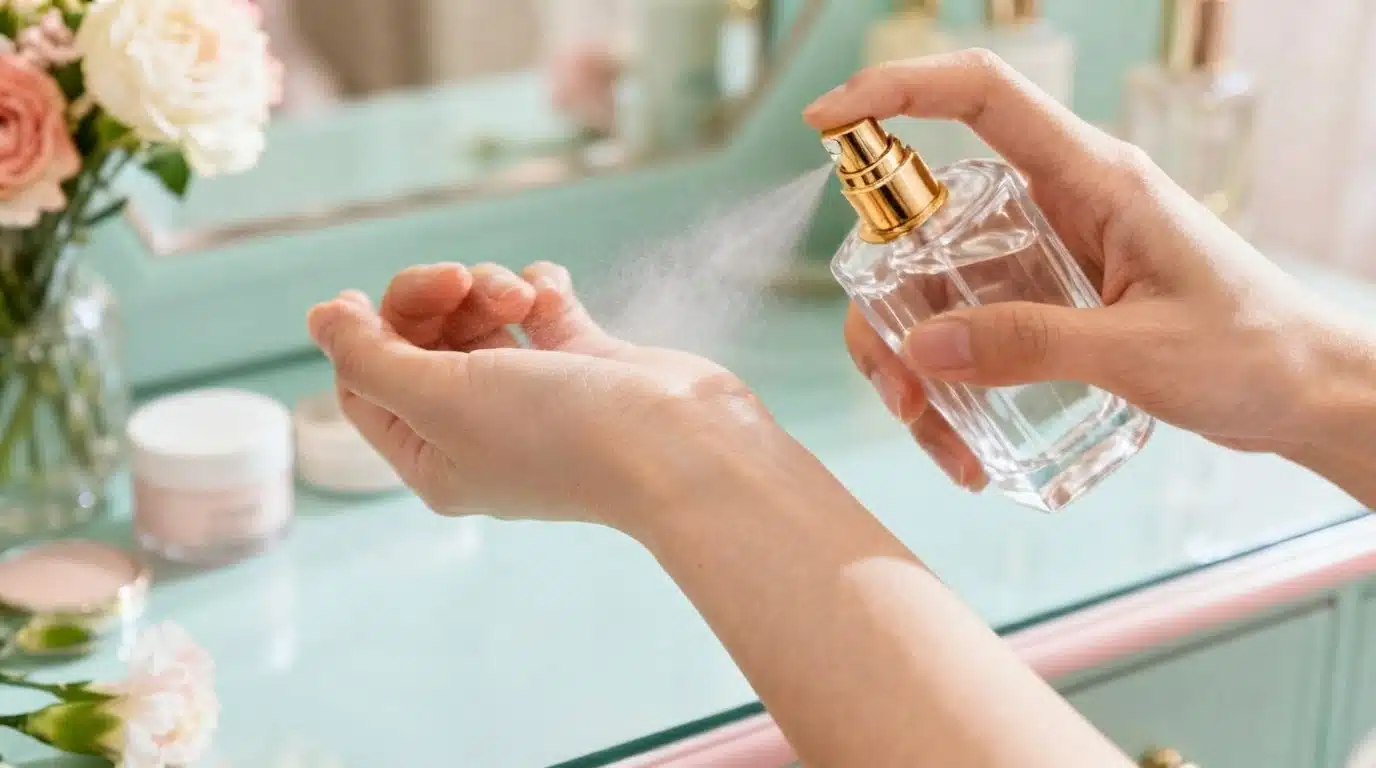
Using eau de toilette The right way takes just a few simple steps and makes it even more long-lasting
1. Start With Clean, Moist Skin
Fragrance clings best to skin that’s dry and lightly moisturized. Dry off fully after a shower, then smooth on an unscented lotion before you spray.
Wet skin can water the scent down, while lotion gives the oils something to hold onto.
2. Aim For Your Pulse Points
Focus your sprays on pulse points like the wrists, neck, behind the ears, inner elbows, or behind the knees.
These warm spots give off gentle heat all day. That warmth helps the scent lift off your skin and spread softly around you.
3. Use The Right Amount
Eau de toilette is a lighter fragrance, so 3 to 5 sprays are usually enough for a balanced scent. Hold the bottle about 4 to 6 inches away from your skin when applying.
Avoid using too much, as an overpowering fragrance can bother you and those around you.
4. Spray, Don’t Rub
Resist the urge to rub your wrists together after spraying. That motion crushes the scent molecules and speeds up the fading.
Let the fragrance dry naturally on your skin. Give it a moment to settle, allowing the scent to develop smoothly and wear evenly throughout the day.
5. Store it Well
Keep your eau de toilette away from the bathroom, where steam, humidity, and changing temperatures can affect its scent.
Instead, store the bottle in a cool, dark place, away from direct sunlight and heat. Proper storage helps preserve the fragrance’s freshness, quality, and character for years.
Difference Between Eau De Toilette and Eau De Parfum
Eau de toilette and eau de parfum look alike on the shelf, but they differ in a few key ways.
| Features | Eau de toilette | Eau de parfum |
| Fragrance oil | Around 5 to 15 percent | Around 15 to 20 percent |
| Scent strength | Light and fresh | Richer and fuller |
| How long does it last | Roughly 2 to 4 hours | Roughly 6 to 8 hours |
| Projection | Stays close to the skin | Spreads a bit more |
| Best for | Daily wear, work days | Evenings, special events |
| Price | Usually cheaper | Usually costs more |
The gap really comes down to oil. Eau de parfum packs more of it, so the scent lasts longer and lingers for hours.
Eau de toilette keeps things light, which makes it easy to wear all day without much fuss.
One is not better than the other. It just depends on what the moment calls for. A quiet workday leans toward eau de toilette, while a night out fits eau de parfum well.
Bottom Line
Eau de toilette is simply a lighter scent, built on a smaller share of oil. It smells clean, sits gently, and asks for a quick refresh now and then. That easy balance is the whole point.
You get an easy, wallet-friendly scent for regular days, without the heavier commitment of a full perfume.
So the next time a bottle reads “eau de toilette,” the choice feels clear.
Are you ready to find one that fits you? Then go and take a sniff of a few, and let personal taste lead the way.
Frequently Asked Questions (FAQs)
1. Is Eau De Toilette for Men or Women?
It works for both. Eau de toilette is a concentration level, not a gender, so it covers men’s and women’s scents alike.
2. How Long Does Eau De Toilette Last?
It usually lasts for about 2 to 4 hours on the skin. A quick spray midday brings it back.
3. Is Eau De Toilette Better for Daily Use?
Yes, its light scent suits work and warm days. It smells pleasant without taking over the room.
4. What is the 3:1:1 Rule for Perfume?
This is a TSA travel rule: each liquid must be 3.4 ounces or less, all in one quart-sized bag, one bag per person.