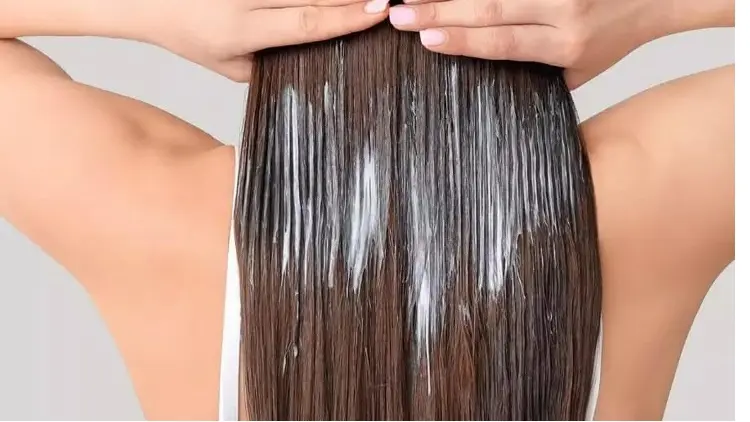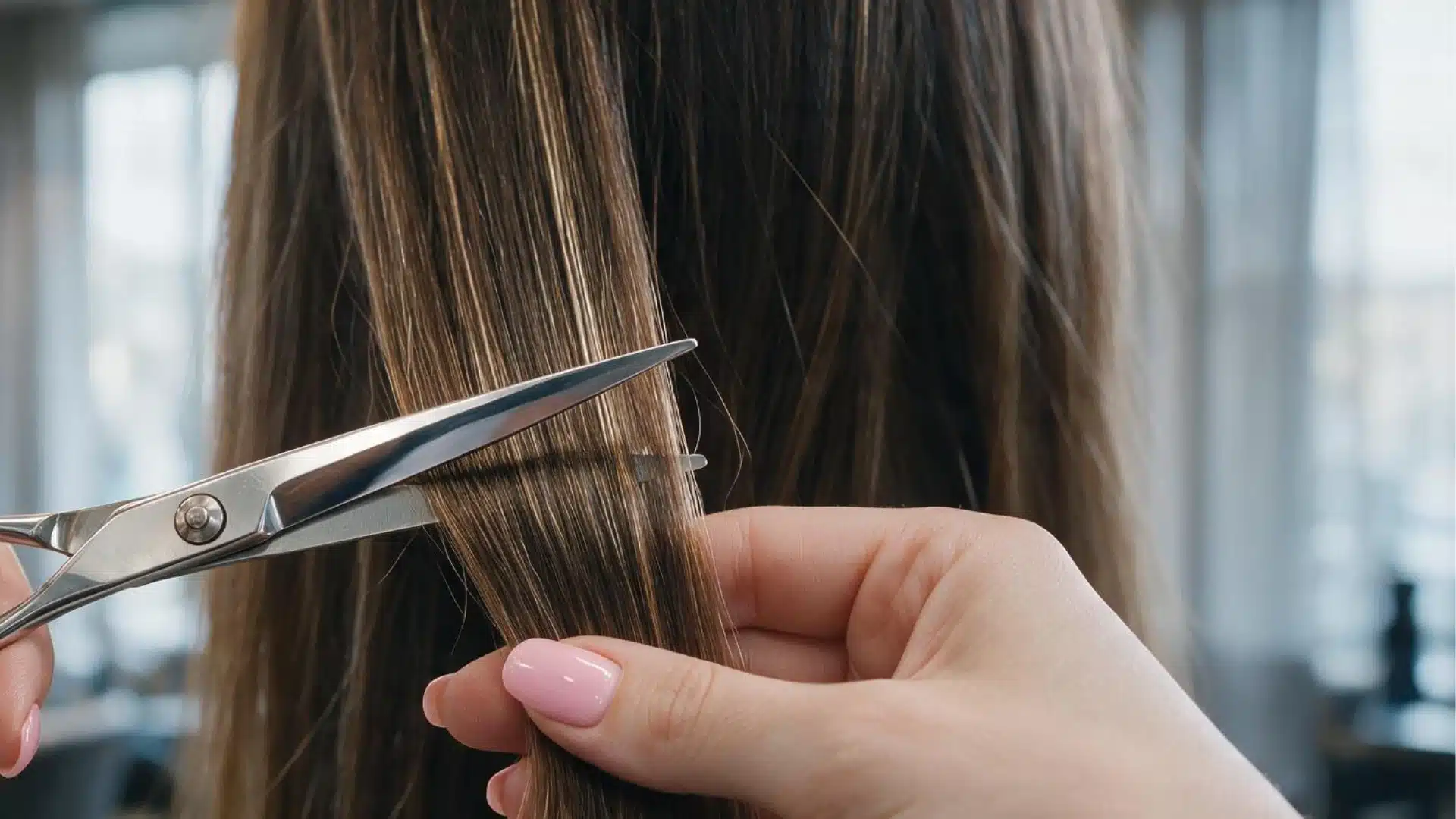
Hair looks great one week, then feels rough and tired at the ends the next. Timing is usually the real reason, not the wrong products.
How often you should trim your hair depends on length, texture, and how much heat or color your hair deals with regularly.
The question that pops up once in a while is, “How often should I cut my hair?” The honest answer is that a trim and a cut often mean different things.
Growth changes the math too, since trimming for growth works differently than maintaining a short, sharp style.
Is it Important to Get Regular Hair Trims?
Split ends don’t just sit there quietly. Left alone, they creep up the hair shaft over time and turn a small problem into a much bigger one.
Cutting them off early also means less tangling, since rough, dry ends catch on everything from brushes to sweaters.
Hair also holds its shape longer with regular trims, especially cuts built on clean lines or layers. Wait too long between trims, and the ends start looking thin and feeling like straw underneath the fingers.
Signs You Need a Trim
Calendars help, but hair usually says more than any schedule could. Catching these signs early keeps damage from climbing higher up the strand.
1. Split or Frayed Ends
Individual strands start forking into two or three thin pieces near the tip, especially on ends that haven’t been touched in months.
That’s a clear signal a trim is overdue.
2. Increased Tangling
Fingers or a comb catching mid-strand more often than before is a subtle but reliable clue. It usually shows up before split ends become visible, especially on hair that sees regular heat styling.
3. Hair Loses Its Shape
A cut that used to look crisp can start sagging into something flat and undefined. Layers go first, then bangs, then any style built on sharp lines that need upkeep to hold.
4. Styling Takes Longer Than Usual
Blow-drying or straightening dragging on longer than it should is rarely a fluke. Damaged ends refuse to hold heat or product the way healthy strands do.
How Often to Trim Hair for Growth?
Most stylists agree on a general range of 4 to 12 weeks, though the right number shifts based on hair type and condition.
Fine or thin hair needs a trim every 4 to 6 weeks; those strands show damage and split ends sooner than other types.
Medium to thick hair can stretch to 8 to 12 weeks, since it holds up longer between visits.
Short cuts and precise styles need the same 4-to-6-week cadence to keep their lines sharp.
Growing hair out also does well on an 8-to-12-week schedule, using small “dusting” trims that clear damage without cutting into length.
Trimming will not speed up growth itself, since that happens at the root, not the ends. What it does is stop split ends from breaking off higher up the strand and quietly erasing length already gained.
How Often Should You Trim Your Hair by Length and Style?
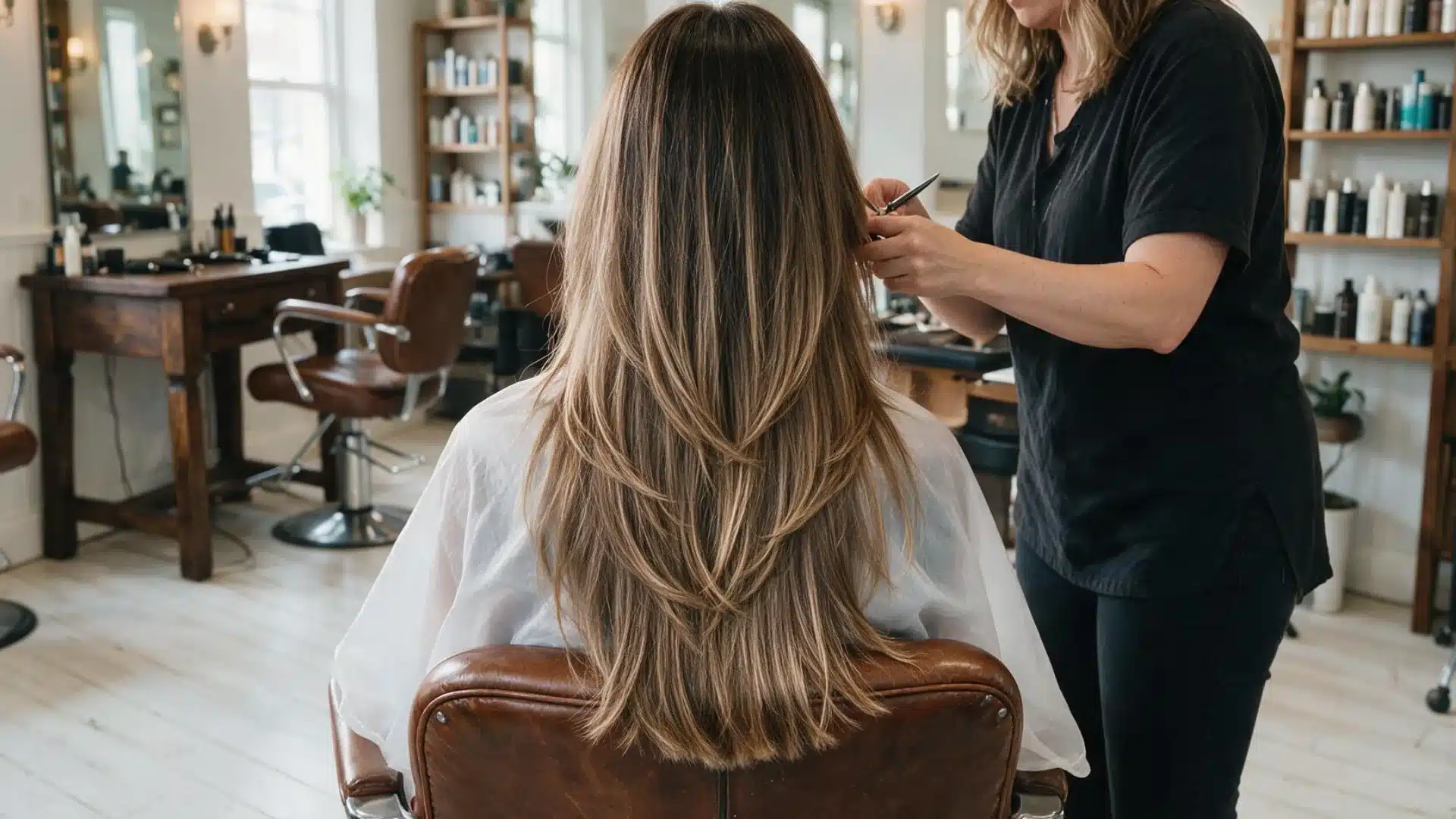
Trim timing depends a lot on the cut itself. Short styles and precise shapes need more upkeep than longer, looser ones, and length and layers each have their own schedules.
Short Hair and Pixies
Shortcuts grow out fast, at least in how they look. The edges start looking uneven within a few weeks. A trim every four to six weeks keeps things sharp. Skip it too long, and the cut turns shaggy fast.
Bangs and Fringe
Bangs creep into the eyes faster than people expect, sometimes in just two weeks.
A trim every two to four weeks keeps them at the right length. Waiting longer usually means pushing bangs aside or clipping them back throughout the day.
Medium Length
Medium hair holds its shape longer than short cuts do. A trim every six to eight weeks keeps the ends neat without cutting off too much.
Push past that window, and things start looking uneven, especially around the face-framing pieces.
Long Hair
Long hair can go longer between trims, especially without much heat or color damage.
Every three to four months usually keeps the ends in decent shape. Wait too long past that, though, and dryness and breakage tend to creep in.
Layered and Shaped Cuts
Layers lose their bounce faster than a blunt cut does. A trim every six to eight weeks keeps the movement looking sharp instead of flat.
Skip trims for too long, and the layers start blending into one shapeless mass.
Trim Frequency by Texture and Density
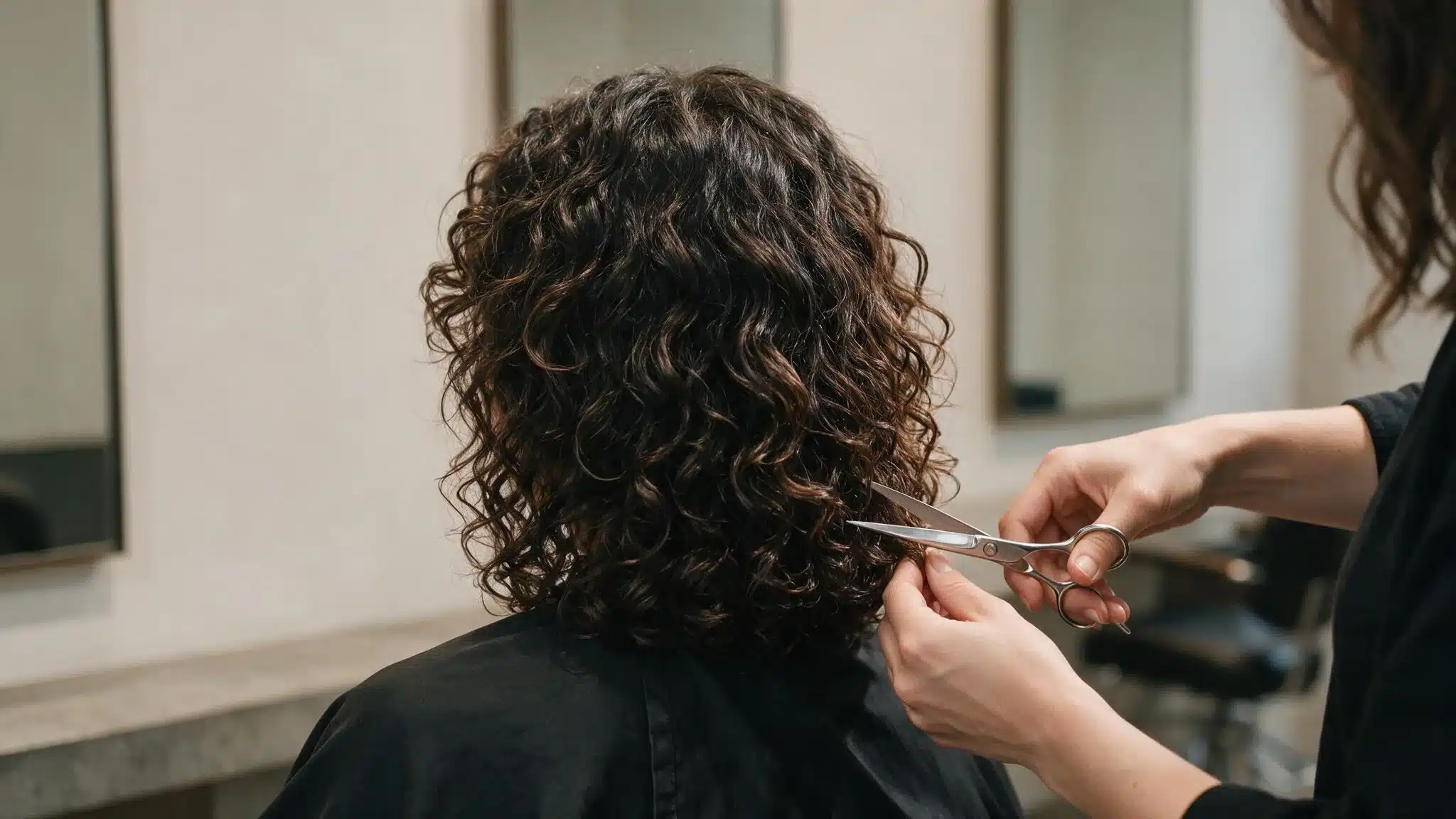
Texture and thickness change how fast ends wear down. Fine hair usually needs more attention, while thick or coarse strands can go longer between visits.
Fine or Thin Hair
Fine strands snap easier than thicker ones, especially near the ends. A trim every four to six weeks helps avoid that thin, stringy look creeping in.
Wait too long, and fine hair starts looking sparser than it already is.
Thick or Coarse Hair
Thick, coarse hair holds up well on its own and can often stretch to three or four months.
The extra bulk hides small damage longer than fine hair ever could. Split ends still show up eventually, though, and start pulling at the shape.
Straight and Wavy Hair
Straight and wavy types usually land somewhere in the middle of the trim schedule.
Every ten to twelve weeks keeps things looking fresh without too much fuss. Fine straight hair might need a shorter window than thicker waves do.
Curly Hair
Curls hide length changes well, so trims tend to wait longer than other textures allow. Every three to four months works for a lot of curly types out there.
Dryness shows up fast in curls, so the ends matter more than a calendar.
Coily Hair
Coily hair shrinks up visually, which makes it easy to underestimate how much length is actually there.
A trim every twelve weeks or so keeps ends in decent shape. Moisture matters more than timing here, since dry coils snap faster between cuts.
When to Trim Based on Damaged or Treated Hair
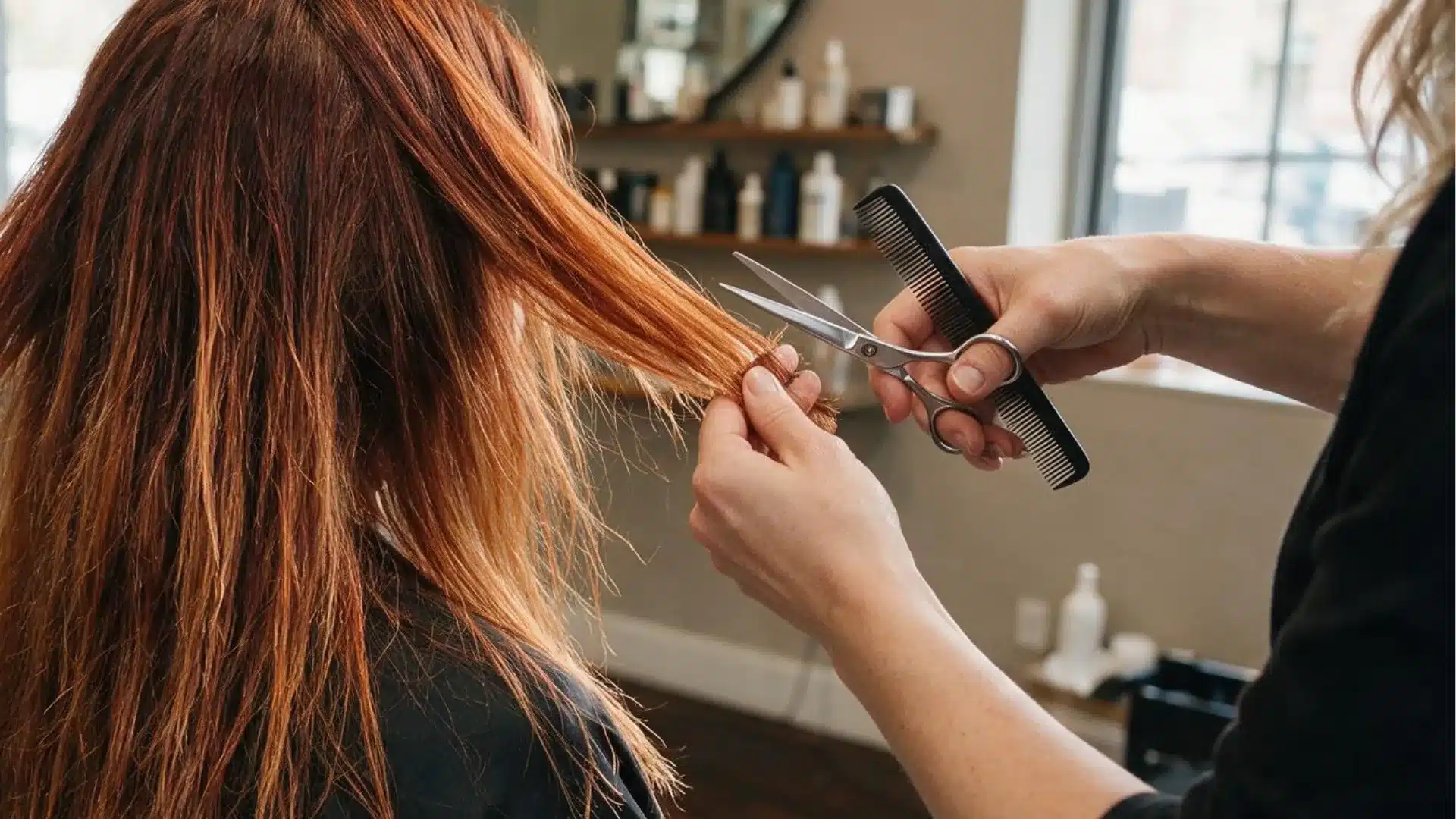
Damage from heat, color, or chemical processing can change the trim schedule quickly. Weakened strands need more frequent care to avoid worse breakage down the road.
Heat-Styled Hair
Daily blow-drying, straightening, or curling wears down the hair shaft over time.
A trim every six to eight weeks helps remove damage before it spreads further up the strand. Skipping heat protection makes this timeline even more important.
Color-Treated Hair
Coloring, especially bleach, leaves hair more fragile at the ends. A trim every six to eight weeks keeps color-treated strands from splitting and looking dull.
Deep conditioning between trims also helps slow down the damage.
Chemically Processed Hair
Perms, relaxers, and other chemical treatments change the hair’s structure at a deeper level. A trim every six weeks helps manage the extra fragility these treatments cause.
Sometimes the damage runs too deep for a trim to fix, and heavily bleached hair may need a bigger cut to remove compromised sections.
Keeping Your Hair Healthy Between Trims?
Trims only cover part of it; the rest comes down to daily habits that protect hair between salon visits.
Straighteners and blow-dryers add up fast in a daily routine, so skipping heat a few days a week gives strands a real break.
The ends are the oldest part of any strand, so they dry out first; a leave-in or mask focused there helps keep brittleness away.
Rough brushing snaps more hair than people expect, especially when it’s wet, so start detangling at the ends with a wide-tooth comb and work upward.
Bleach, relaxers, and frequent coloring weaken hair structurally, so spacing out treatments and using bond-repair products afterward limits long-term fragility.
Cotton pillowcases rub against hair all night and rough up the strands; silk or satin, or a loose braid before bed, cuts down on that friction.
And pulling hair back tight day after day wears on the hairline over time, even when the damage isn’t obvious right away.
The Bottom Line
By now, the number matters less than what the ends actually look and feel like. A trim every six weeks suits some hair, while others go three or four months without trouble, and both can be right.
Damage, styling habits, and how fast a cut grows out all decide where someone lands on that scale.
The real answer to how often you should trim your hair comes down to staying ahead of split ends without cutting away healthy length for no reason.
Watching the hair itself, instead of counting weeks, tends to work out better in the long run.
Frequently Asked Questions
1. Does Hair Grow Back Faster After Shaving It All Off?
No, shaving does nothing to speed up growth from the scalp.
2. Does Hair Need a Trim Before or After Coloring?
Trimming first removes damaged ends that would otherwise soak up color unevenly.
3. Can Split Ends Be Repaired without Cutting Them Off?
No, once they split, cutting is the only real fix.