Voice actors can earn very different amounts based on experience. So does the type of work and how often projects actually come through.
Most work as freelancers, not employees with a fixed salary. Payment can come per project, per session, per finished minute, per word, sometimes even based on how the work gets used down the line.
Commercials pay one way. Audiobooks, animation, video games, and e-learning each run on its own rate structure entirely.
No single number covers what a voice actor makes. The real picture only shows up once you break down each payment type on its own.
How Much Do Voice Actors Make?
Voice actors’ salaries change a lot depending on where you look. Freelance or salaried, that’s the first big split, and it changes how someone gets paid from there.
Right now, ZipRecruiter says the average is around $100,198 a year. But that number hides a big range underneath it, anywhere from $11,000 on the low end to$160,000 for people doing well in this field based on the experience.
So does where someone lives and the type of job they land.
Freelancers don’t really fit that same mold, though. Some get paid per project, others get paid per session, per finished minute, or sometimes just per word.
However, when someone gets paid, their yearly total mostly comes down to two things: how much work they actually book and what rate they charge for it.
An average salary number sounds official, but it’s really just a rough guess. It won’t tell you what any one voice actor actually takes home in a year.
These numbers come from different payout research and industry estimates, not official records. Actual earnings can differ a lot from one voice actor to the next.
Voice Actor Salary by Experience and Type of Work
Experience helps, sure, but it doesn’t decide the pay cheque alone. Type of work matters. So does project size, how the recording gets used, and how steady the bookings actually are.
Salary.com shows only a small jump across experience levels right now, about $44,455 for entry-level actors up to $74,251 for experts.
That small gap says a lot. Yearly salary numbers alone don’t capture the full picture of freelance voice-over income.
Beginner Voice Actors
Most beginners start with small jobs. Demos get built; skills sharpen. Credits pile up slowly, along with a handful of repeat clients.
Some newcomers online report that early pay swings wildly, and some newcomers earn very little while they’re still finding their footing.
Mid-Level Voice Actors
Better skills, better gear, a client list that’s finally solid. That combination lets mid-level actors land steadier work and push for better rates.
Picking one specific type of voice-over to focus on helps too, making them stand out for the right projects.
Experienced Voice Actors
Strong performance skills, a track record people trust, a name that means something in the field- that’s what lets experienced pros charge more. Handling tougher projects helps too.
Still, none of that automatically locks in a fixed yearly income. Bookings, clients, usage, workload all of it still shifts the final number by a lot.
Common Types of Voice-Over Work Include
Not all voice-over jobs pay the same way. Some pay by the word, others by the hour, session, or usage. A commercial and an audiobook rarely follow the same pricing rules.
| Type of Voice Work | How pay is commonly structured |
| Commercials | Pay depends heavily on audience size, platform, market, and how long the ad actually runs. |
| Audiobooks | Usually priced by the finished hour, or by another rate both sides agree on. |
| Animation and Dubbing | Character work is sometimes paid per session, or per specific project other times. |
| Video Games | Rates shift based on session length, character complexity, project size, and how the work gets used. |
| E-Learning and Corporate Narration | Often priced by word, by finished minute, by finished hour, or per project. |
| IVR and Online Content | Phone prompts, YouTube videos, explainer videos; each type of digital content tends to use its own pricing setup. |
How Much Do Voice Actors Make Per Project?
Voice actors often get paid per project rather than through a yearly salary. What they charge depends on the type of recording, script length, what the session needs, and how the finished audio will be used later.
1. Per Word
Narration, e-learning, and some corporate work often use this model as their standard pricing method.
The final pay comes straight from the number of words in the approved script, nothing more complicated than that, though rates shift depending on the type of content involved.
2. Per Finished Minute
Pay here follows the length of the finished recording rather than how long the actual session takes.
This works well when the final audio length is easier to know upfront than the total recording time, especially for scripted narration work.
3. Per Session
Some jobs price around one scheduled recording block instead of the finished product itself.
The fee shifts based on how long the session runs, how much prep it takes beforehand, and whether extra recording time is needed once the session starts.
4. Per Project
A flat fee sometimes covers a whole job from start to finish, like an audiobook, a character role, or an explainer video for a company.
The scope gets defined clearly upfront in most cases, so both sides know exactly what’s included before any recording begins.
5. Usage-Based Rates
Commercial work often costs more depending on where the finished recording airs, how big the audience turns out to be, which platforms carry it, and how long the client plans to keep using the same recording across different campaigns or markets.
There’s no single per-project rate that applies across the board. Project type, script length, usage rights, experience, and what the session demands all shape the final price.
Top 5 Highest- Paid Voice Actors
Long-running, iconic animated shows tend to pay their voice actors well. These five names often come up when the industry’s highest earners are in conversation.
1. Trey Parker
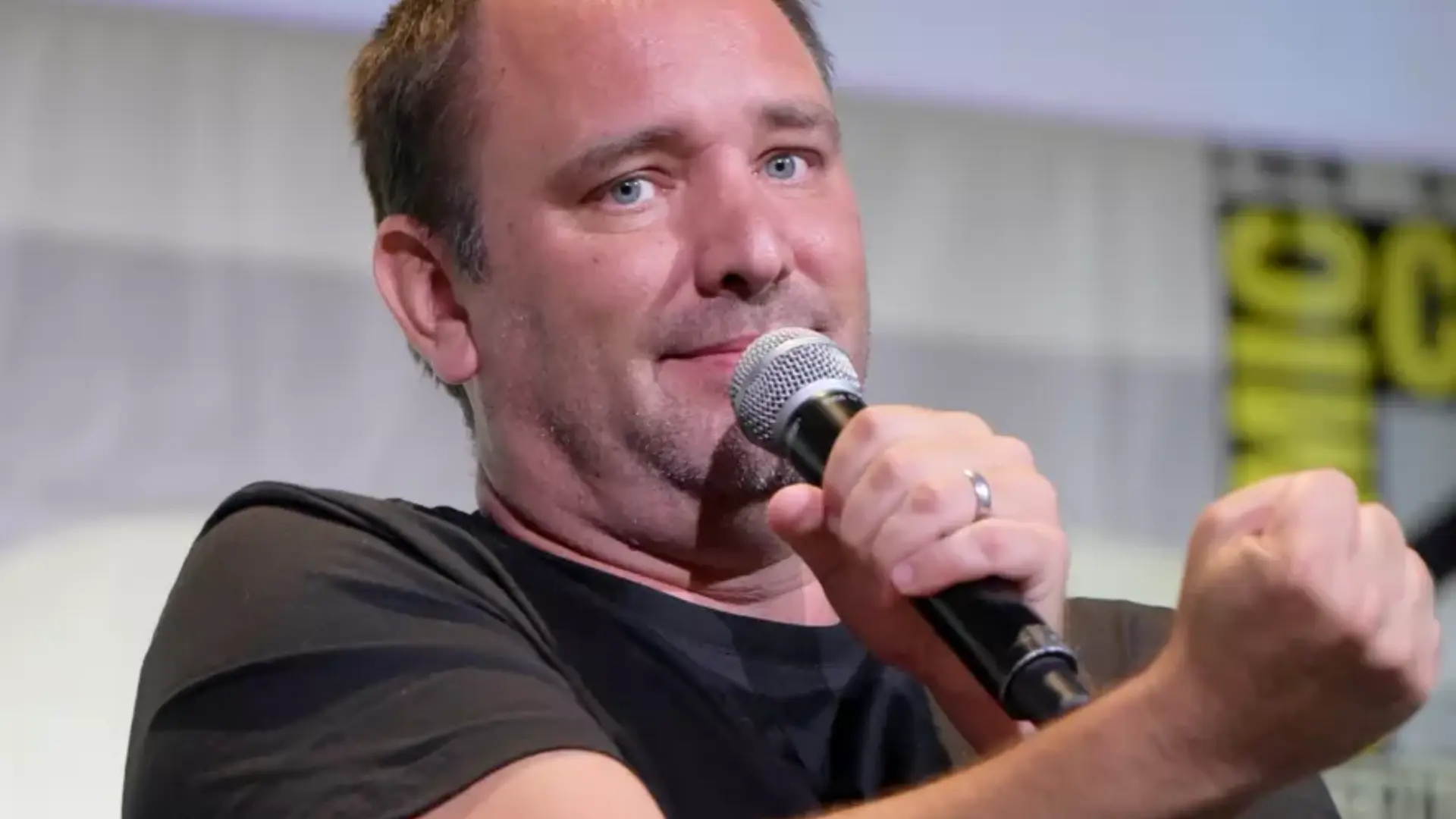
South Park’s co-creator, Parker voices several main characters on the show himself.
Most estimates put his net worth between $600 million and $700 million, though that figure covers his full career as creator, writer, producer, and voice actor combined, not voice-acting income alone.
2. Seth MacFarlane

Peter Griffin, Stewie Griffin, and Brian Griffin. MacFarlane voices all three on Family Guy, along with work on American Dad! and other projects.
Estimates put his net worth between $200 million and $300 million, though that number reflects his full career as a creator, writer, producer, and actor rather than voice work alone.
3. Hank Azaria
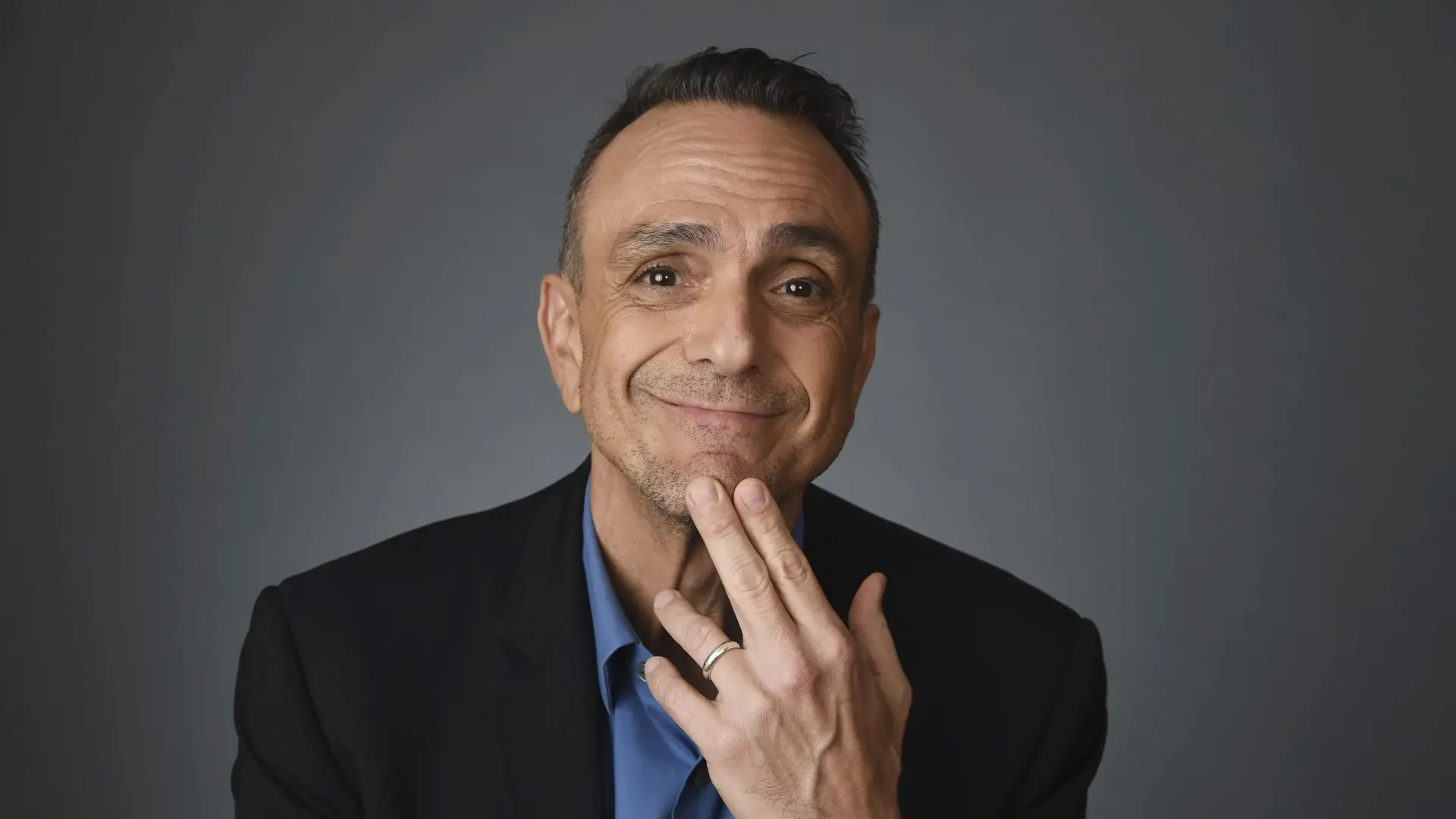
Numerous Simpsons characters carry Azaria’s voice, and he’s also built a career in live-action television and film outside of that.
Estimates place his net worth between $70 million and $90 million, covering his entire acting career rather than voice acting income specifically.
4. Nancy Cartwright
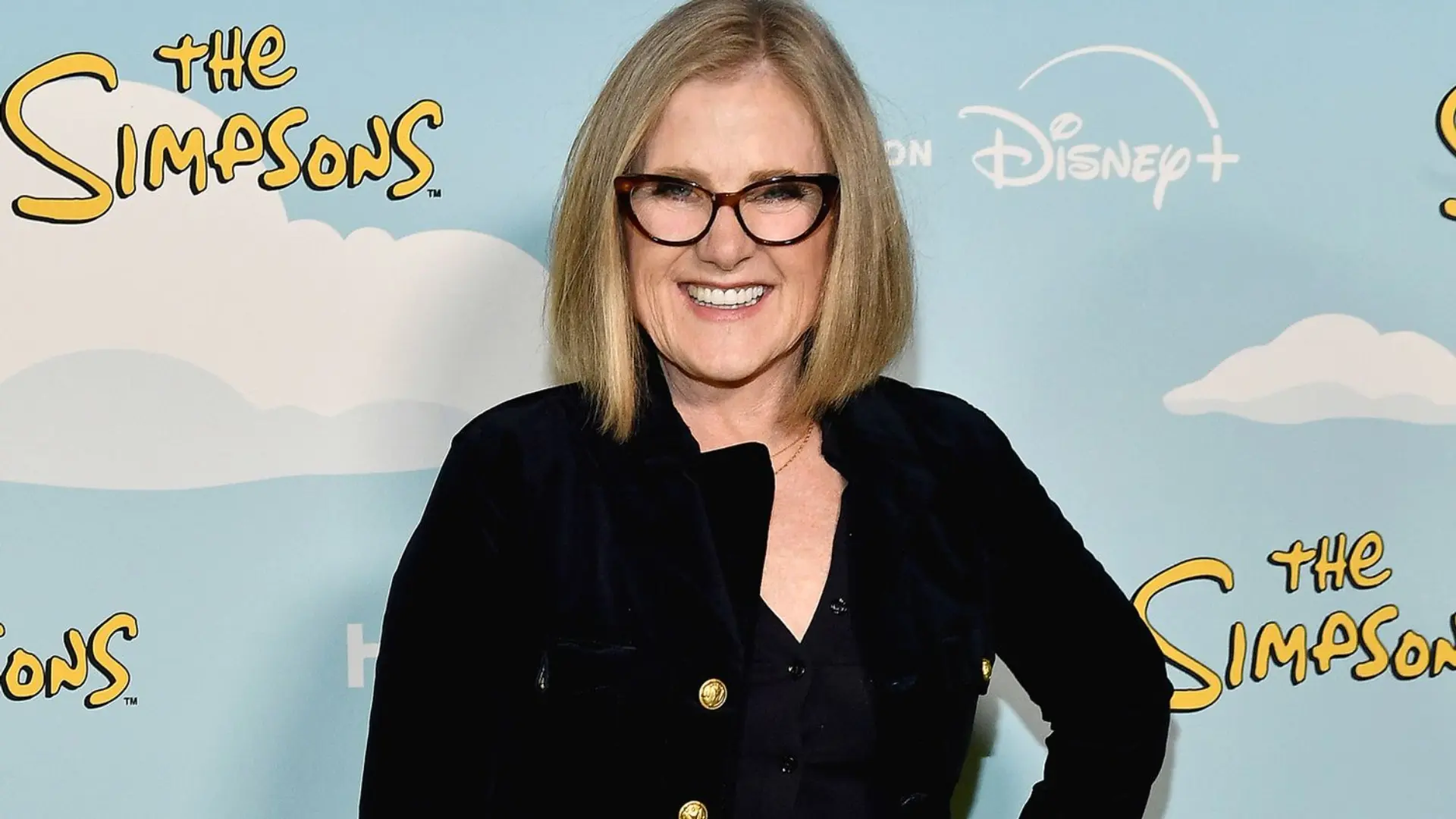
Bart Simpson’s voice belongs to Cartwright, making her one of the more visible examples of a well-paid voice actor.
The Simpsons cast pay reportedly hit as high as $400,000 per episode at its peak, with more recent reports citing closer to $300,000 per episode, though exact current pay stays unconfirmed publicly.
5. Dan Castellaneta

Homer Simpson’s voice belongs to Castellaneta, and he’s regularly cited as one of the higher-paid voice performers in television.
Reports place his per-episode pay at up to $400,000 during peak years, with more recent figures closer to $300,000, along with a reported net worth of around $85 million overall.
These net worth and salary figures come from third-party estimates found online, including celebrity net worth sites and entertainment reporting. None of these numbers are confirmed directly by the individuals themselves, so treat them as approximate rather than exact.
What Factors Affect a Voice Actor’s Income?
Voice actor pay shifts a lot from one project or year to the next. Type of work matters, so does experience, how a recording gets used, and how often paid jobs land.
Experience and Skill: More years usually means stronger performance skills and a track record clients trust, which is why a ten-year veteran can charge triple what a first-year actor charges for the same script.
Type of Work: Commercials, animation, video games, e-learning, and audiobooks all price differently, so the category alone shifts what someone takes home.
Usage Rights: A recording used in a national ad campaign is worth more than one used once and forgotten. Where it airs and how long it runs both change the price.
Number of Bookings: More jobs usually means more money for the year, but one big project can still out-earn five small ones.
Specialization: Getting really good at one type of work, like commercial reads or character voices, helps an actor stand out and opens doors general skill alone can’t.
Client Base: One-time gigs pay once and disappear. Repeat clients bring in steadier income over time.
Union vs. Non-Union Work: SAG-AFTRA sets a firm rate floor for union jobs. Non-union actors negotiate every rate themselves, project by project.
Agent Representation: A good agent makes auditions easier to land, but that help isn’t free, usually a flat fee or a cut of the job.
Marketing and Networking: Skill alone doesn’t book jobs. Regular auditions, self-promotion, and real industry connections do a lot of that work instead.
Conclusion
How much do voice actors make? There’s no single answer because earnings shift based on experience, type of work, project rates, usage rights, and how often paid jobs come in.
Some build steady, full-time careers out of it. Others earn through occasional freelance jobs here and there instead.
Salary estimates give a rough benchmark, sure, but real income really comes down to each actor’s clients, area of focus, rates, and workload.
Frequently Asked Questions (FAQs)
1. Do Voice Actors Have to Pay for Their Own Recording Equipment?
Most Freelancers Do. A decent mic, Headphones, and some editing software that’s usually where the spending starts before any paid work comes in.
2. Do Voice Actors Need Formal Acting Training?
Not required, but it helps plenty. Classes work for some. Others learn through practice, feedback, and just taking on real paid jobs along the way.
3. Is Voice Acting Competitive?
Extremely; thousands chase the same roles. Steady, paid work tends to go to actors with strong demos, solid bookings, and real connections built over years