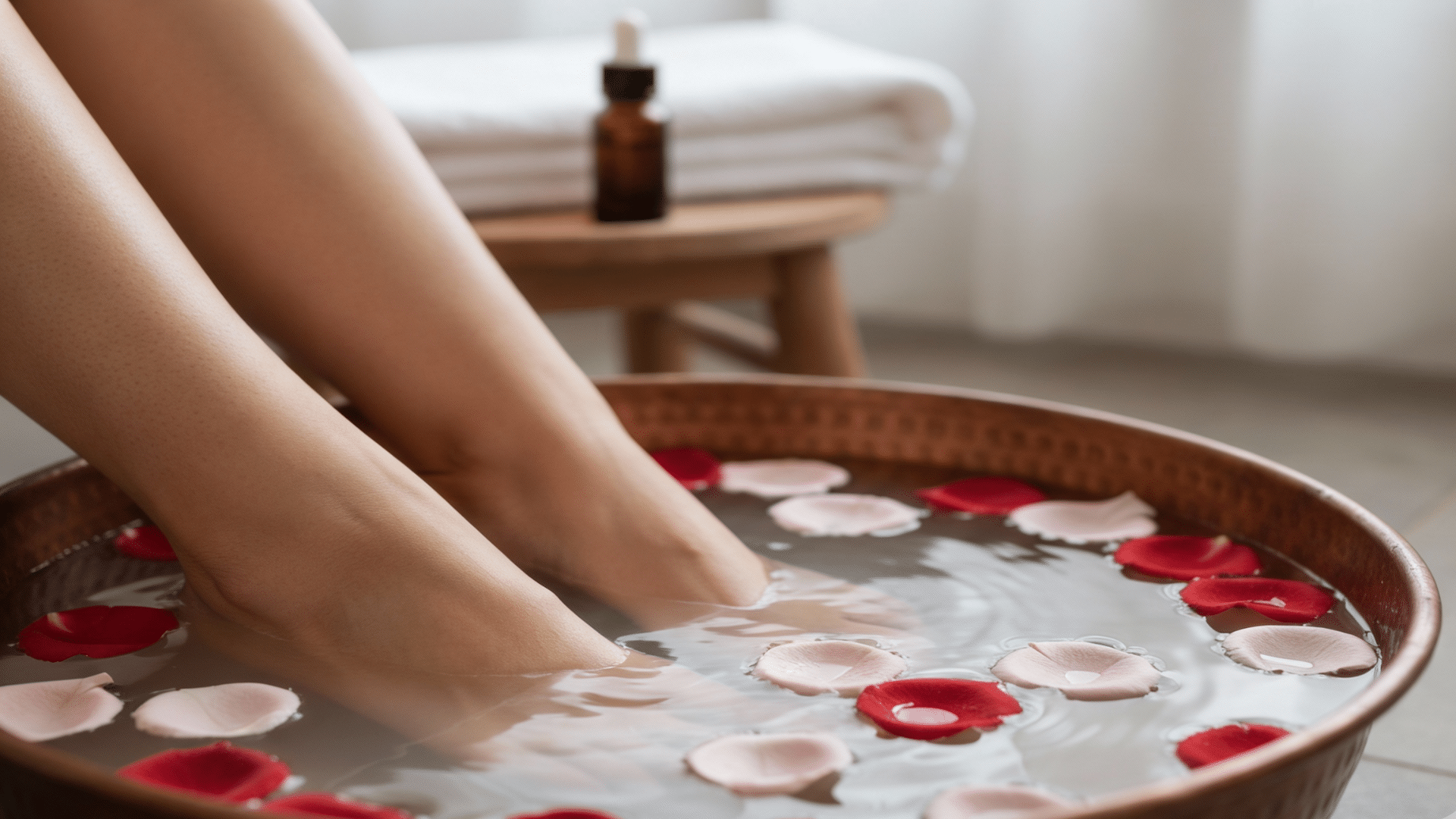
Your feet deserve proper care. But how often should you really get a pedicure?
The answer to this depends on several factors you might not have considered.
In this blog, we’ll show you the ideal pedicure schedule for different lifestyles. You’ll learn factors that affect timing and how to spot when your feet need attention.
Keep reading to find your perfect pedicure schedule.
Benefits of Getting a Pedicure
Pedicures offer more than just pretty toenails. They provide real health benefits while making your feet look great.
Improves Foot Health
Regular pedicures keep your feet in top condition. This removes dead skin that can cause cracks and infections.
Nails get trimmed properly, preventing ingrown toenails that hurt.
Your feet carry you everywhere, so keeping them healthy matters for your daily comfort and mobility.
Prevents Infections
Clean feet mean fewer problems. Pedicures remove dirt and bacteria that hide under nails and in cracks.
Proper cleaning reduces fungal infections and other foot issues. Professionals use sterilized tools, which keep your feet safe.
This preventive care saves you from painful infections later on.
Boosts Blood Circulation
The massage during a pedicure helps blood flow better.
Better circulation means healthier feet and less swelling. It also reduces pain if you stand all day. Your legs feel lighter and more comfortable after treatment.
This benefit extends beyond your feet to your entire lower body.
Reduces Stress
A pedicure session offers pure relaxation.
The warm water soaks away tension while the massage calms your mind. You get a break from daily worries for an hour or two.
This self-care time improves your mood and mental health. Everyone needs moments to unwind and recharge their energy.
Exfoliates Dead Skin
Removing dead skin keeps your feet soft and smooth.
Calluses and rough patches disappear with professional treatment. Your feet look younger and feel better in shoes.
Regular exfoliation prevents buildup that causes discomfort. Soft feet are comfortable feet that you’ll want to show off confidently.
How Often Should You Get a Pedicure (Based on the Season)
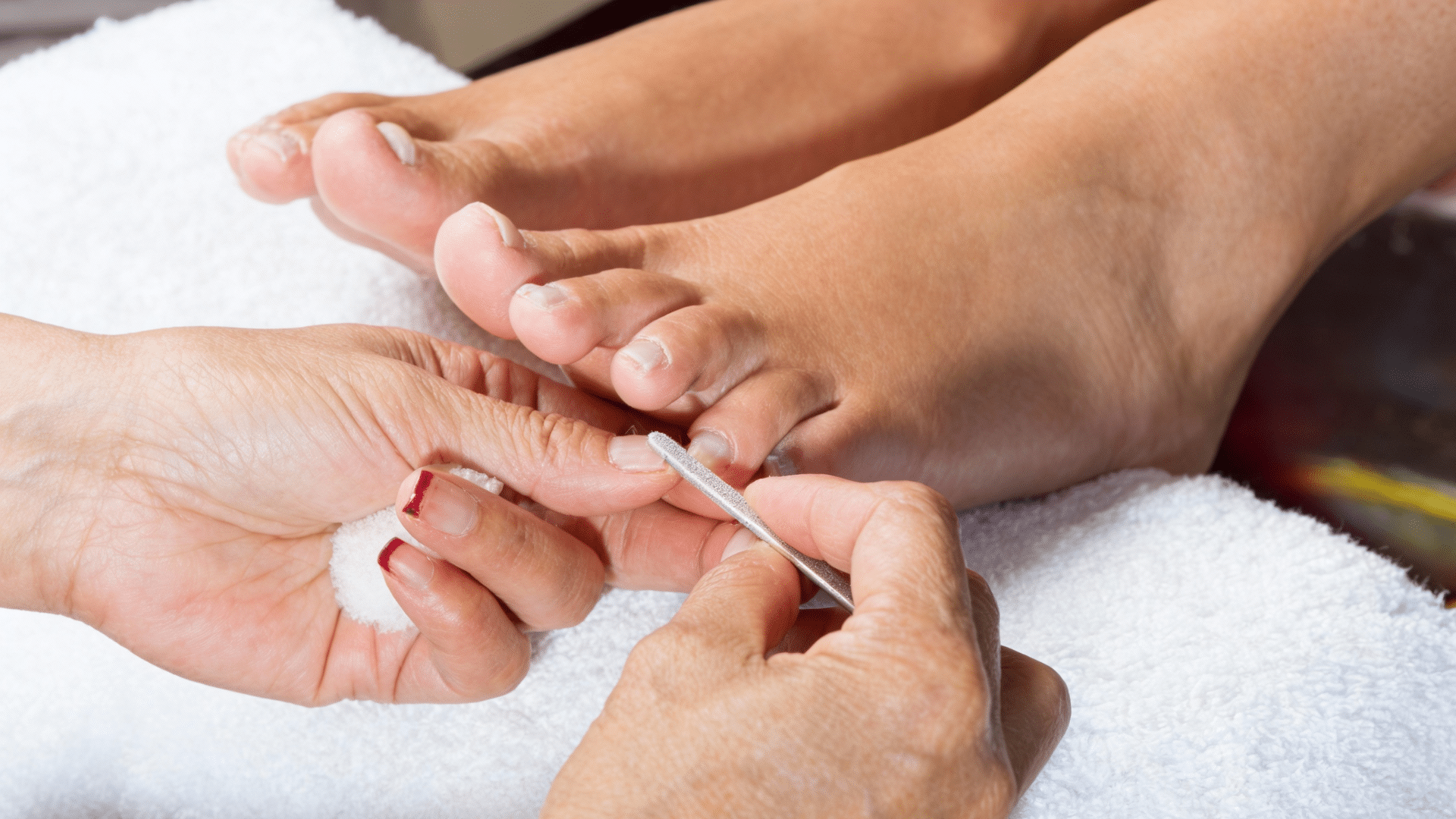
The season affects your pedicure schedule more than you might think. Your feet have different needs throughout the year.
During summer, aim for a pedicure every two to three weeks.
You wear sandals and open-toed shoes more often.
Your feet get exposed to dirt, sun, and rough surfaces. They dry out faster in hot weather. Plus, everyone sees your toes, so you want them looking fresh and polished.
Winter calls for fewer frequent visits. Schedule pedicures every four to six weeks.
Your feet stay covered in socks and boots most days. They don’t face as much wear from the environment.
However, don’t skip pedicures completely. Winter air dries out skin, causing cracks that need professional attention.
Check out our blogs for toenail paint suggestions – 13 Summer Toe Nail Colors for Both Fair and Tan Skin.
How Long Does a Pedicure Last?
A typical pedicure lasts three to four weeks on average.
The polish stays chip-free for about two weeks if you care for it properly.
Your nail growth rate affects how long results last. Some people’s nails grow faster than others’. Activity level matters too.
If you exercise often or wear tight shoes, polish your chips sooner.
Gel pedicures last longer than regular polish. They can stay perfect for four to six weeks. However, your feet still need care even when the polish looks good. Dead skin builds up regardless of how nice your toes appear.
Signs to get a Pedicure
Your feet send clear signals when they need professional attention. Ignoring these signs can lead to discomfort or health issues.
Cracked Heels
Deep cracks in your heels mean your skin is extremely dry. These fissures can become painful and even bleed if left untreated.
A pedicure removes the thick, hardened skin and moisturizes deeply. Professional treatment heals cracks faster than home remedies.
Don’t wait until walking becomes uncomfortable to seek help.
Overgrown Cuticles
When cuticles grow over your nail beds, they look messy and unkempt.
Overgrown cuticles can also trap dirt and bacteria underneath. A professional carefully pushes them back and trims excess skin.
This keeps your nails healthy and prevents infections. Regular maintenance makes each session quicker and easier than before.
Thick Calluses
Hard, thick patches on your feet indicate excessive pressure or friction.
Calluses protect your skin but become painful when too thick. Professional removal makes walking comfortable again without damaging healthy skin.
Home scrubbing often misses stubborn areas that experts handle easily.
Discolored Toenails
Yellow, brown, or white spots on nails signal potential problems. Discoloration might indicate fungal infections or other health concerns.
A professional examines your nails and recommends appropriate treatment options. Early intervention prevents conditions from worsening over time.
Regular pedicures help monitor nail health through consistent professional observation.
Ingrown Toenails
Pain at the nail corners means they’re growing into your skin. Ingrown toenails cause swelling, redness, and sometimes infection if ignored.
Professionals know how to trim nails correctly to prevent this problem. They also treat existing ingrown nails safely without causing further damage.
Proper cutting technique during pedicures prevents future occurrences completely.
Rough, Dry Skin
When your feet feel like sandpaper, they need moisture and exfoliation. Dry skin can crack and become itchy or uncomfortable in shoes.
Pedicures restore softness through scrubs, masks, and rich moisturizers. Your feet absorb these treatments better than daily lotion application.
Professional hydration lasts longer and penetrates deeper into skin layers.
Foot Odor
Persistent smell indicates bacterial buildup that regular washing doesn’t eliminate.
Deep cleaning during pedicures removes bacteria from hard-to-reach areas between toes. Professionals also treat feet with antibacterial products that work better than soap.
Clean feet smell fresh and feel more comfortable in any footwear. This deep sanitation prevents embarrassing odor in social situations completely.
Which is Better: Salon Pedicures or At-Home Pedicures?
Both options have their place in foot care routines. The choice depends on your budget, time, and specific needs.
| Factor | Salon Pedicures | At-Home Pedicures |
|---|---|---|
| Cost | Higher price per session, usually $25-$60, depending on location and services | Lower cost after initial tool investment, around $20-$30 for supplies |
| Hygiene | Sterilized professional tools when salons follow proper safety protocols | Complete control over cleanliness if you maintain your own tools |
| Relaxation | Full spa experience with massage and pampering from trained staff | Comfortable home setting, but you do all the work yourself |
| Expertise | Technicians spot problems early and know proper nail care techniques | Limited knowledge unless you’ve learned correct methods and practices |
| Convenience | Requires appointment scheduling and travel time to the salon location | Available whenever you want, without leaving your house at all |
| Results Duration | Lasts longer due to professional products and application techniques used | May need more frequent touch-ups depending on your skill level |
How to do a Pedicure at Home?
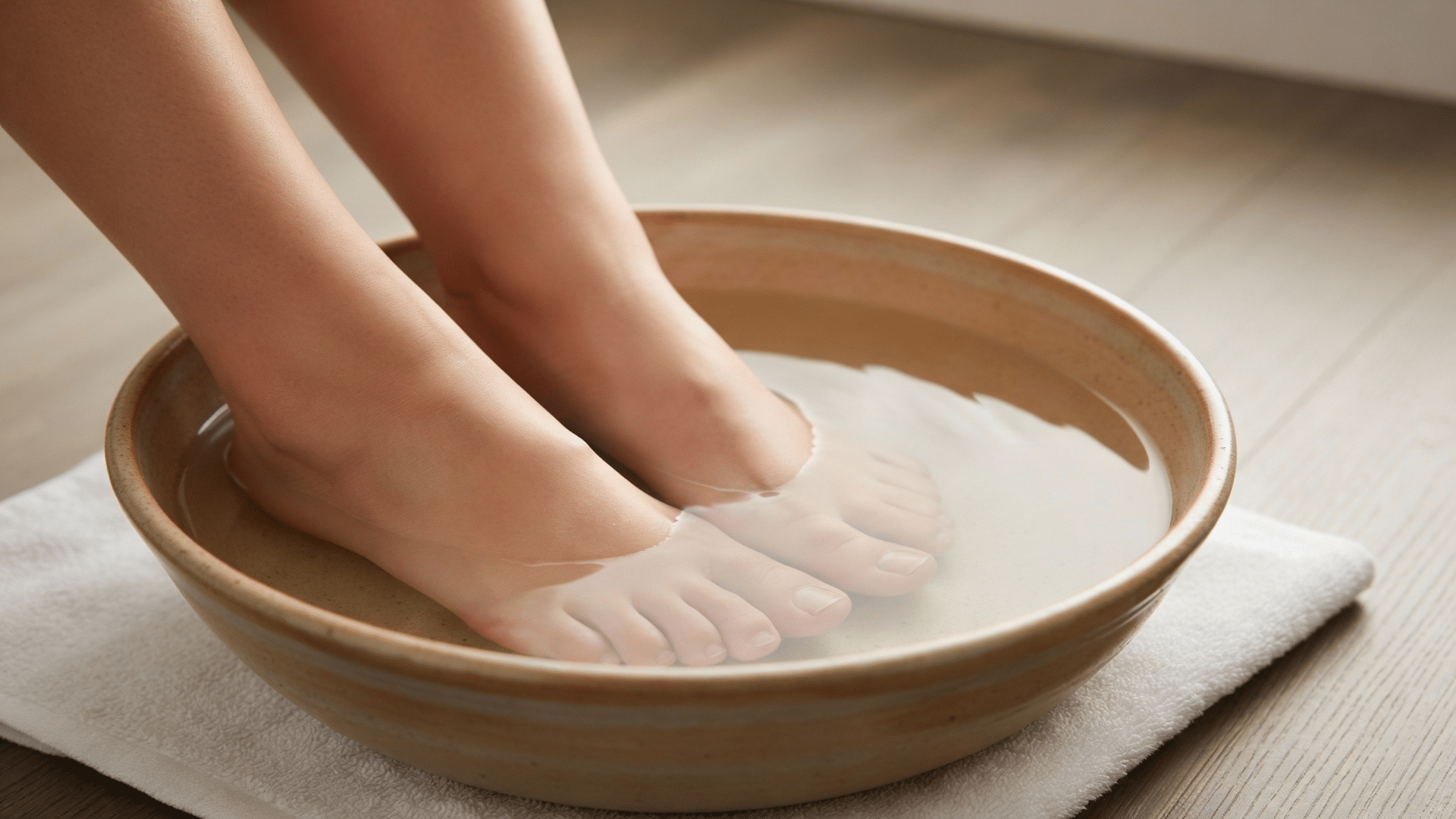
You can achieve salon-quality results at home with the right technique. Following proper steps ensures healthy, beautiful feet every time.
Here’s how to give yourself a professional pedicure without leaving your house.
Step 1: Gather Your Supplies
Collect all necessary tools before starting your pedicure session. You’ll need nail clippers, a file, a cuticle pusher, a foot scrub, and polish.
Having everything ready saves time and prevents interruptions during treatment.
Also, grab a towel, basin, and moisturizer for complete preparation.
Step 2: Remove Old Polish
Use acetone-free remover to take off existing polish completely. Acetone dries out nails and the surrounding skin with frequent use.
Press the remover-soaked cotton on each nail for several seconds. This softens the polish for easier removal without harsh scrubbing.
Clean nails are essential before starting any new treatment or application.
Step 3: Soak Your Feet
Fill a basin with warm water and add Epsom salt. Soak your feet for ten to fifteen minutes to soften skin.
This step makes dead skin easier to remove during scrubbing. Warm water also relaxes tired feet and prepares nails for trimming.
Add essential oils for extra relaxation and a pleasant aroma.
Step 4: Trim and Shape Nails
Cut toenails straight across to prevent ingrown nails from forming. Don’t round the corners too much or cut them too short.
File edges smooth using gentle, one-direction strokes for best results. Proper trimming technique prevents painful nail problems that require professional treatment.
Take your time with each nail for even, attractive results.
Step 5: Push Back Cuticles
Gently push cuticles back using a wooden or rubber tool. Never cut cuticles as this increases infection risk significantly over time.
Apply cuticle oil first to soften the skin for easier manipulation. Healthy cuticles protect your nails from bacteria and other harmful elements.
Be gentle to avoid tearing or damaging this protective barrier.
Step 6: Exfoliate and Scrub
Use a pumice stone or foot scrub on rough areas. Focus on heels, balls of feet, and any callused spots you notice.
Scrub in circular motions to remove dead skin cells effectively without irritation. Rinse feet thoroughly after scrubbing to remove all product residue.
Pat dry completely before moving to the next step in treatment.
Step 7: Moisturize and Polish
Apply rich foot cream and massage it into your skin thoroughly. Pay extra attention to dry areas like heels and between toes.
Let the moisturizer absorb for a few minutes before applying polish. Use a base coat, two color coats, and a top coat for durability.
Allow each layer to dry completely before adding the next one.
Maintaining Your Pedicure
A great pedicure deserves proper care to last its full duration. Simple daily habits keep your feet looking fresh and polish intact.
- Moisturize Daily: Apply foot cream every night, focusing on heels and dry areas. This prevents rough patches between pedicures.
- Wear Proper Footwear: Choose comfortable shoes that don’t squeeze toes. Tight shoes chip polish and damage nails over time.
- Avoid Hot Water: Long hot showers strip moisture and cause polish to peel. Use warm water for better results.
- Dry Feet Properly: Pat feet completely dry after washing, especially between toes. This prevents bacteria, odor, and infections.
- Protect from Sun: Apply sunscreen to feet in sandals. Sun damage dries skin and fades polish quickly.
- Trim Nails Carefully: Trim nails straight across if they grow too long. This prevents breaks that ruin polish.
When to Avoid Pedicures?
Skip pedicures if you have open cuts, wounds, or bleeding on your feet. Infections can spread easily in these conditions.
Also, avoid them if you have active fungal infections until they’re fully treated.
People with diabetes should consult doctors before getting pedicures. Poor circulation makes foot injuries heal more slowly and increases infection risks significantly.
If you’re sunburned or have rashes on your feet, wait until they heal completely. The products and scrubbing will irritate damaged skin further.
Pregnant women should inform technicians about their condition. Some massage techniques aren’t safe during pregnancy.
Conclusion
Taking care of your feet shouldn’t feel complicated or confusing.
Remember, your pedicure schedule depends on your lifestyle and the season. Summer calls for more frequent visits, while winter allows longer gaps.
Watch for signs like cracked heels or overgrown cuticles that tell you it’s time.
Start with whatever frequency feels right for you. Adjust based on how your feet look and feel.