Fashion history holds some pretty wild moments. But baroque fashion? That era took things to a whole new level with its opulence and drama.
Can you imagine towering wigs, corsets that barely let you breathe, and fabrics so rich they screamed wealth?
It was excessive, bold, and unapologetically grand.
Baroque style didn’t just disappear. Today’s designers draw inspiration from 17th-century styles.
Let’s look into what this style is all about and how it is worn today.
What is the Baroque Fashion History?
The Baroque style ruled Europe from around 1600 to 1750, showcasing wealth and status through clothing.
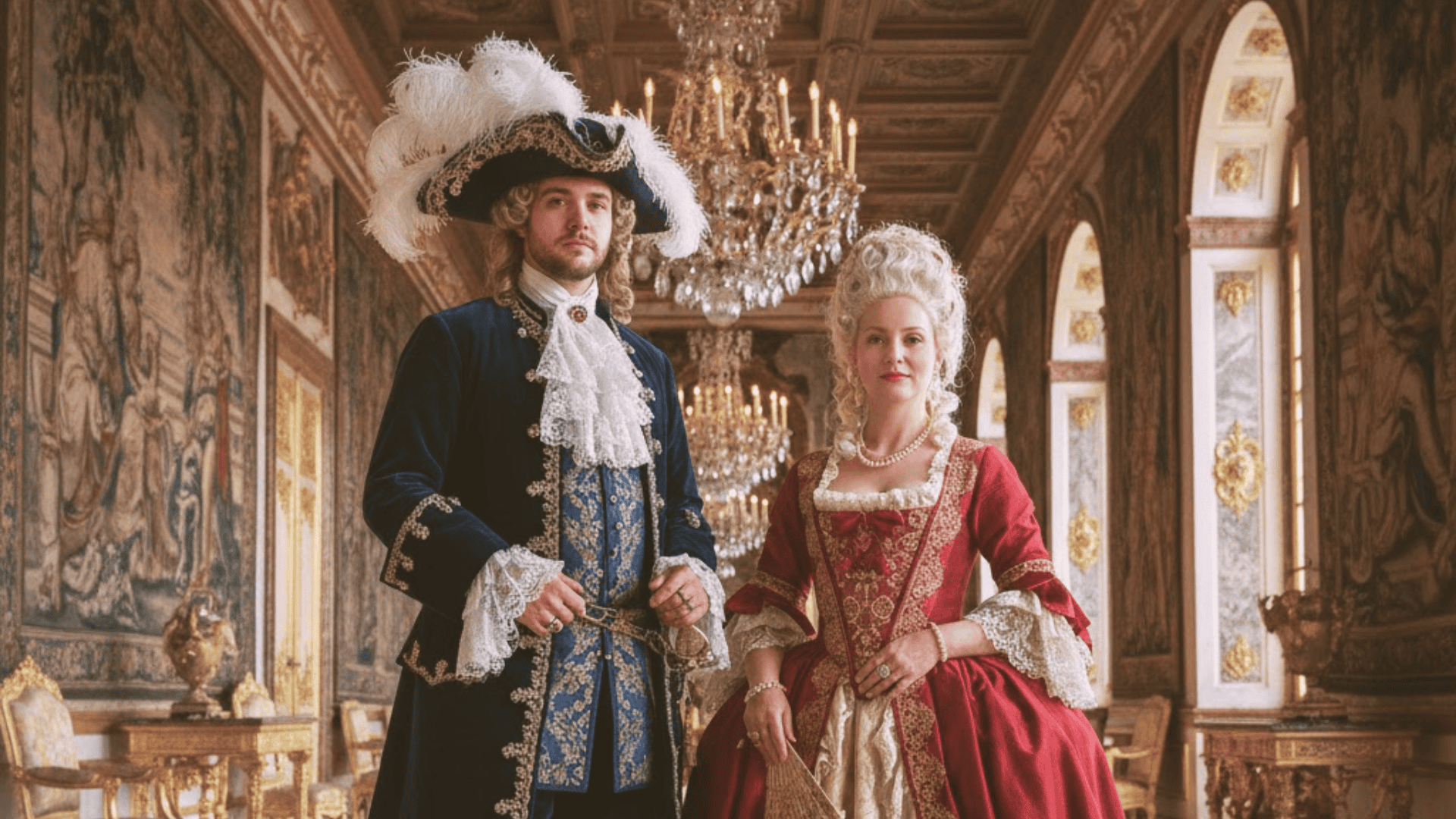
The style featured layer upon layer of expensive fabrics and gold embroidery, which was everywhere.
Women wore structured corsets that created extreme silhouettes. And Men? They wore embroidered coats, knee breeches, and stockings.
Think burgundy, gold, deep blues, and emerald greens. The goal was to look as lavish as possible.
Baroque Era and Time Period
The Baroque period spread across Europe in waves, with different countries adopting the style at different times.
| Region | Time Period | Feature |
|---|---|---|
| Italy | 1590-1720 | Originated here, heavy use of gold thread |
| France | 1600-1750 | King Louis XIV made it famous |
| Spain | 1600-1700 | Darker colors, strict religious influence |
| England | 1660-1714 | The restoration period brought extravagance |
| Germany | 1650-1750 | Regional variations lasted longest |
The Color Palette of Baroque Style
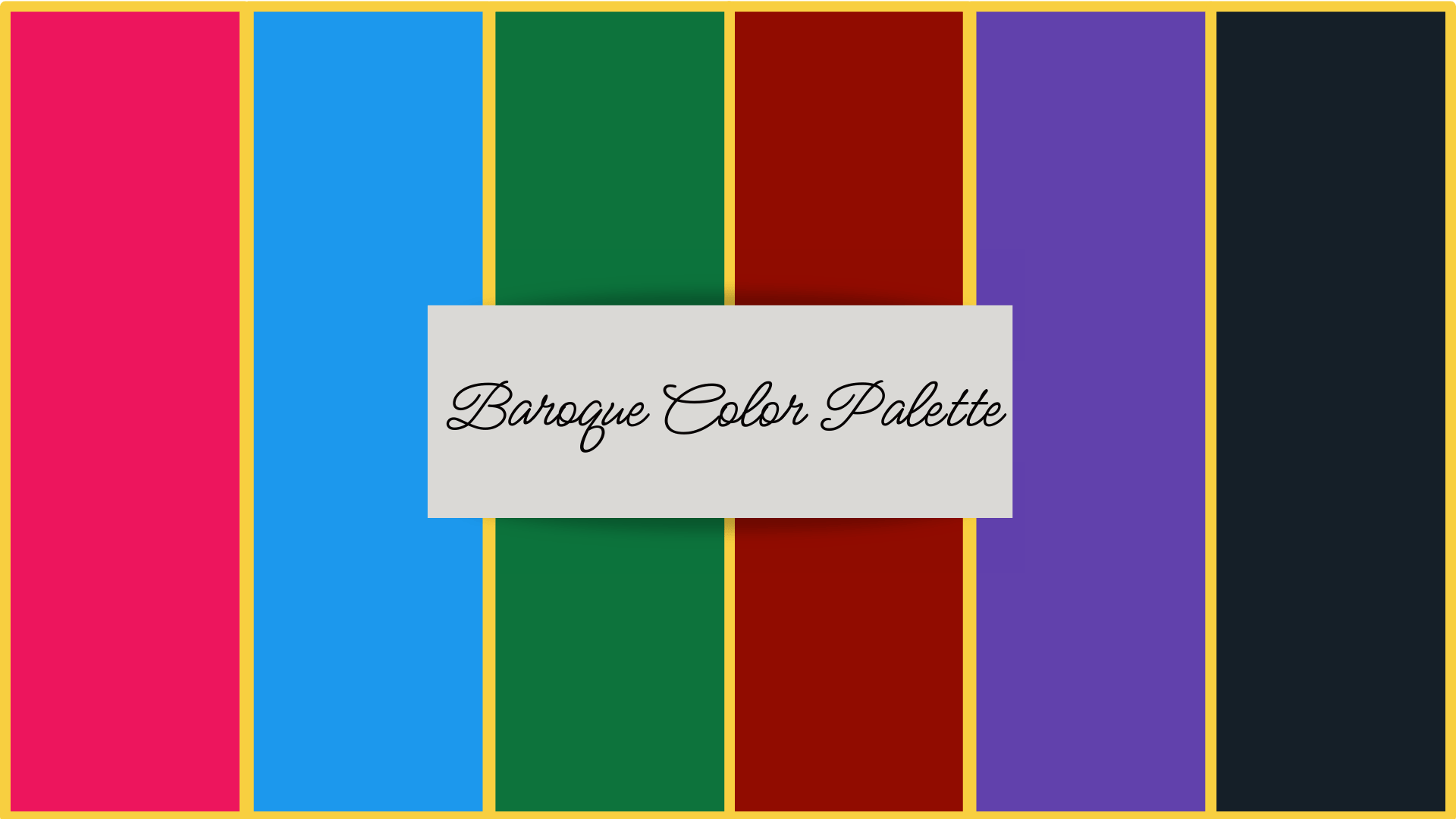
Baroque fashion’s color palette surrounds rich, dramatic colors that signaled wealth and power.
Deep jewel tones dominated wardrobes.
- Burgundy, emerald green, sapphire blue, and ruby red were everywhere. These colors came from expensive dyes that only the wealthy could afford.
- Gold and silver threads were woven through fabrics. They caught the candlelight beautifully during evening events.
- Royal purple remained reserved for nobility in many countries.
- Black velvet, when paired with gold embroidery, signaled status.
Pastels existed, but as a side character. The focus remained on bold, saturated hues that made a statement.
Characteristics of Baroque Style
Baroque dress had features that made it instantly recognizable. Let’s look into it.
1. Fabrics and Textures
Luxury fabrics were important in Baroque style dress, with silk, velvet, and brocade used in most outfits.
Heavy materials added weight and structure, while satin offered shine.
Damask provided a woven texture without extra embellishment, and layering fabrics like velvet over silk or brocade with lace was common.
The mix created visual interest and showed off a person’s access to multiple expensive materials.
2. Dramatic Shapes and Layers
Baroque style dress silhouettes exaggerated the human form to extremes.
Men’s fashion featured flared coats, puffed breeches, and layered clothing, adding bulk.
Women’s dresses had wide, bell-shaped figures supported by corsets that cinched tiny waists. Panniers and farthingales extended skirts outward.
Some dresses were so wide that women couldn’t pass through doorways without turning sideways.
3. Decorative Details
Embellishments took over the Baroque style.
Plain fabrics were rare in fashion. Intricately embroidered coats, sleeves, and bodices with gold and silver threads created luminous raised designs.
Pearls, gemstones, ribbons adorned necklines and hems. Lace decorated collars, cuffs, and underskirts.
More decoration represented a higher social standing.
Baroque Fashion: How Women Dressed
Women’s baroque-style dress was dramatic and screamed wealth and social status.
The Corset
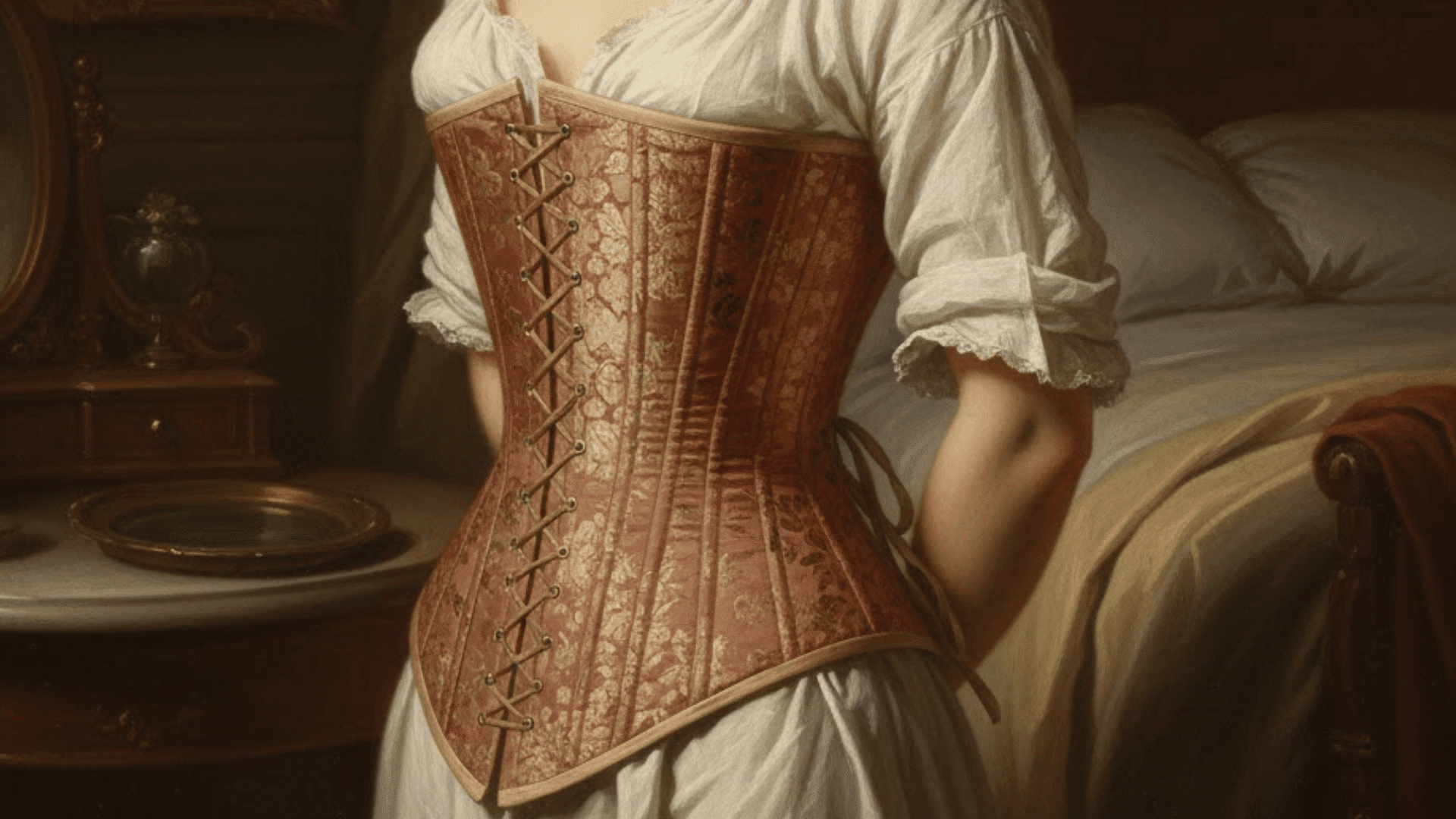
Corsets were the main character, they reshaped women’s torsos into stiff, cone-like forms.
Made from whalebone or steel, these undergarments laced tightly up the back. Corsets pushed breasts upward and compressed waists down to tiny measurements.
Breathing became difficult, but fashion mattered more than comfort. They had to wear it the whole day.
The Bodice
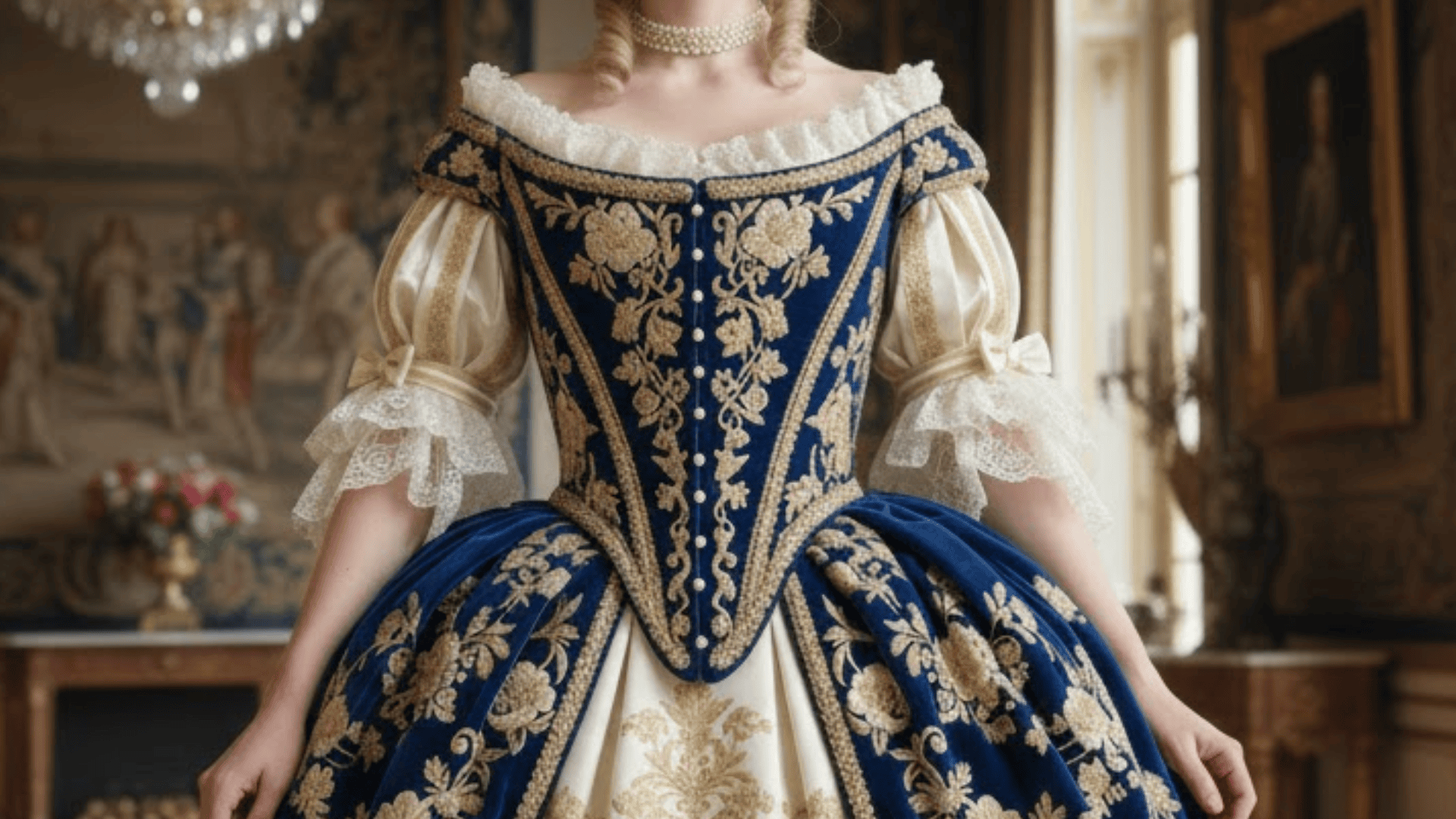
The bodice sat over the corset. It’s a long, pointed front that spreads below the waistline.
Stiff construction kept the bodice’s shape rigid.
Expensive fabrics, such as brocade or embroidered silk, covered the outside. The neckline sat low and wide, exposing shoulders and décolletage.
Sleeves end up at the elbow with cascading lace. Others extended to the wrist with a tight fit.
The Skirt
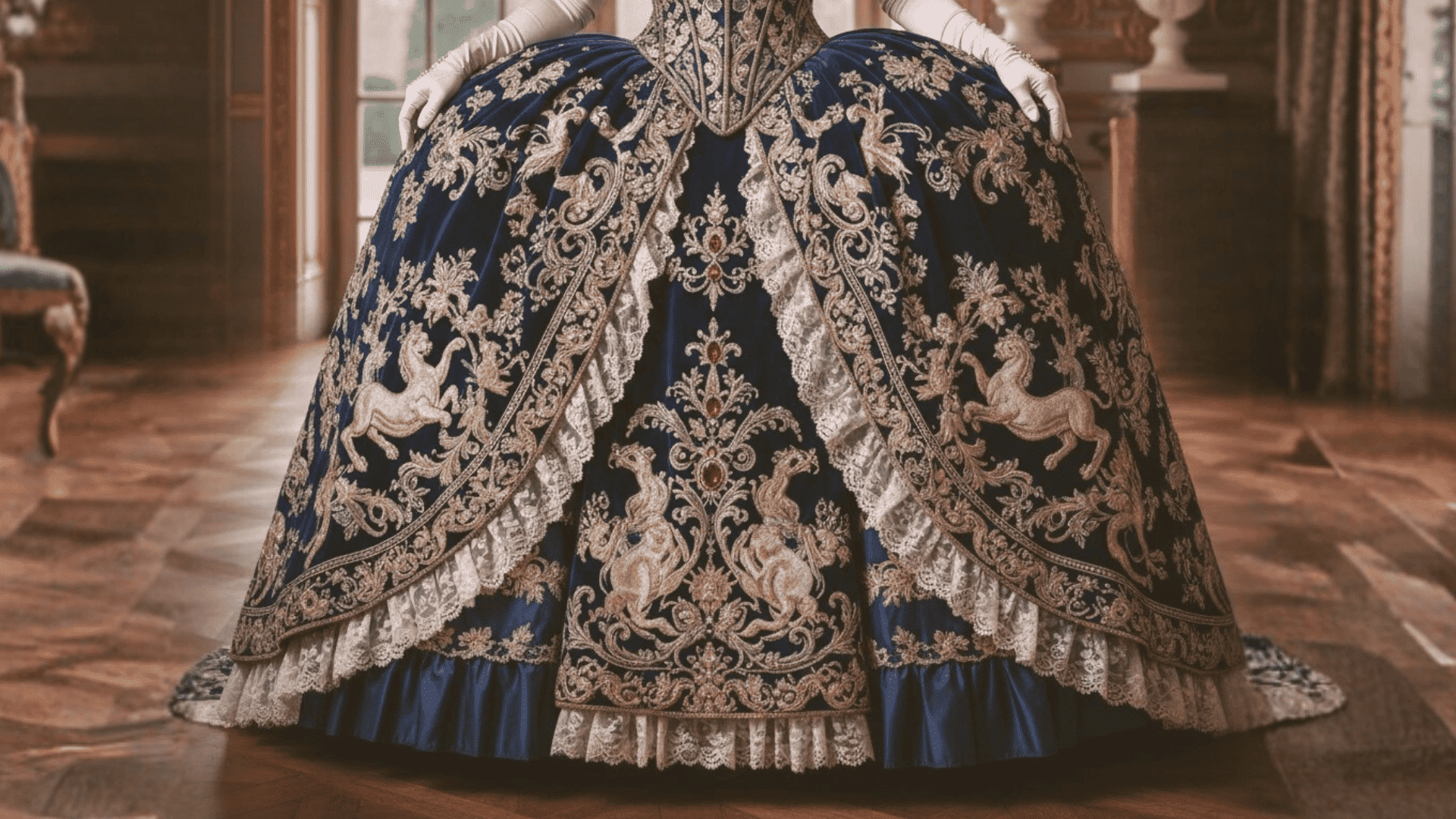
Baroque skirts have support structures like panniers or farthingales that push fabric out, creating dramatic width and making narrow spaces difficult to navigate.
An underskirt often peeked through a split in the overskirt, adding depth and showing the expensive fabric.
Sleeves and Decorations
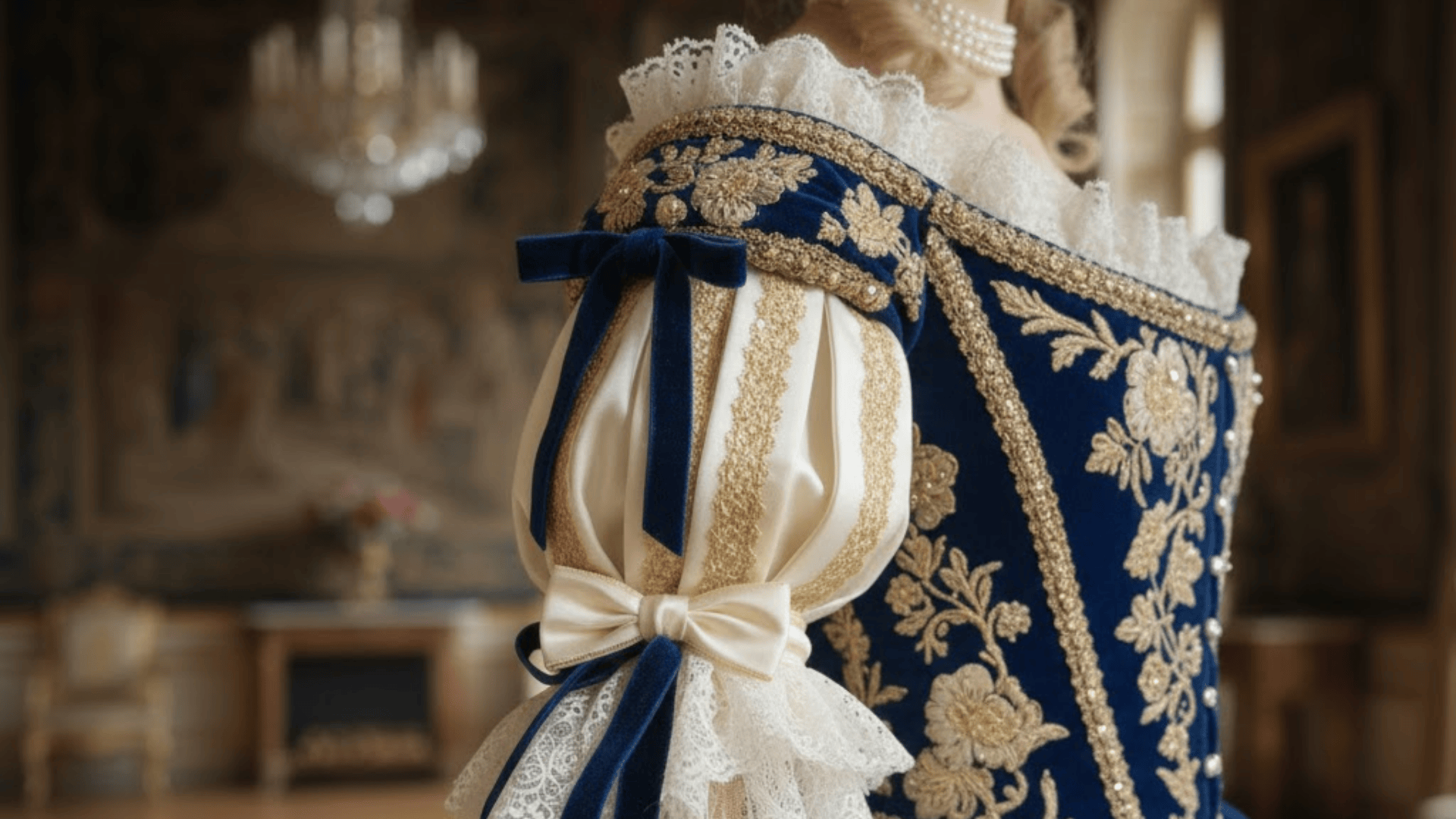
Sleeves changed during the Baroque era, from puffed shoulders to tight forearms, then to dramatic cuffs.
They were detached and tied to the bodice with ribbons. Decorations like ribbons, bows, rosettes, and flowers embellished the bodice, sleeves, and skirt hems, making it look expensive.
Hair and Headpieces
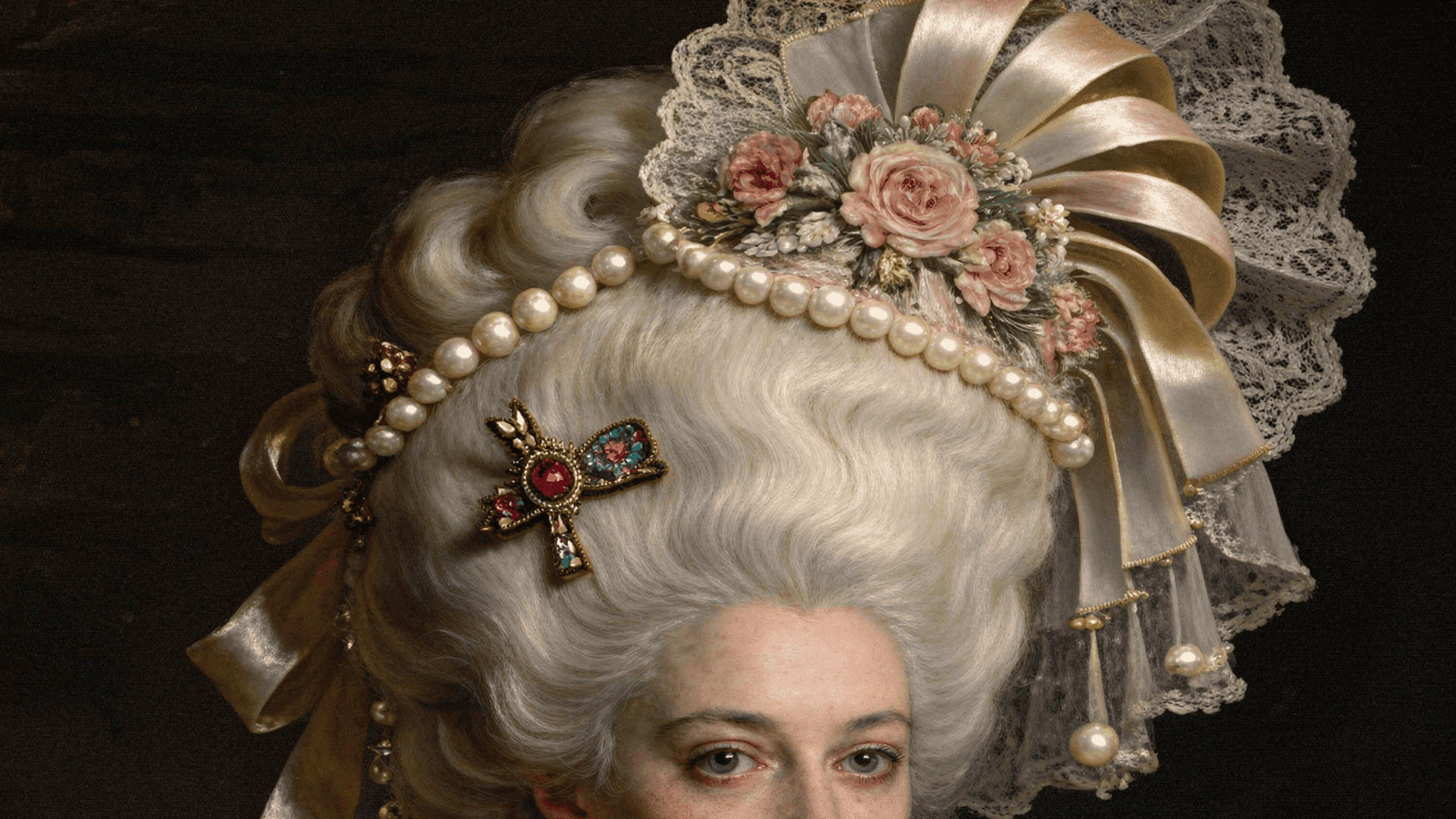
Baroque hairstyles grew taller as the period progressed.
Women piled their hair high on their heads, sometimes adding false hairpieces for extra height.
Fontange headdresses, with wire structures, held layers of pleated lace and ribbon that towered above the head. With high ones, some women had to duck through doorways.
Powdering hair white or gray was a sign of culture. Pomades and oils kept intricate styles in place for days.
The Accessories
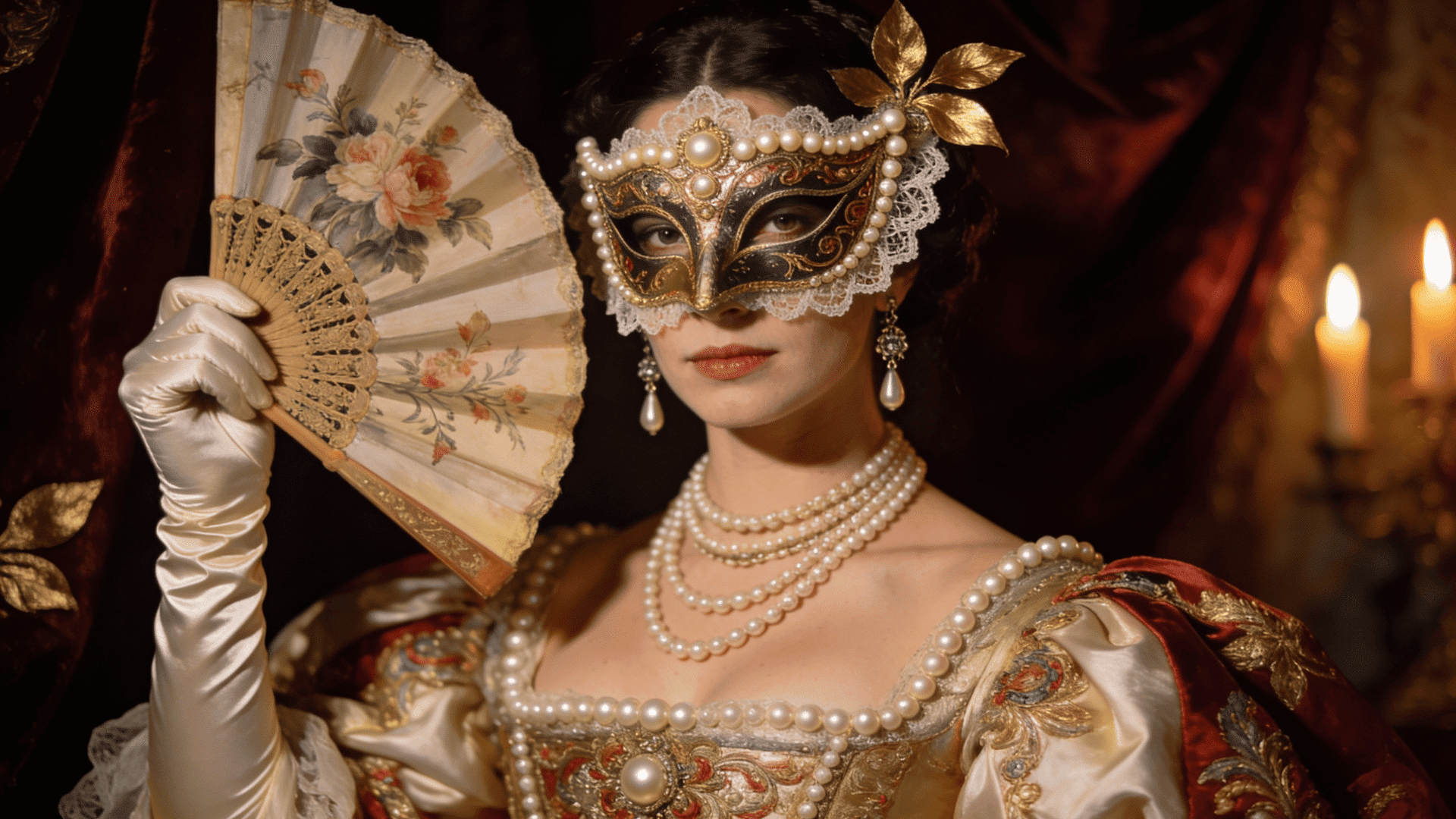
Jewelry completed the Baroque look, with pearl necklaces, earrings, and bracelets.
- Fans made from painted silk or carved ivory helped regulate temperature and conveyed messages.
- Gloves stretched past the elbow, made of soft leather or silk.
- Masks protected fair complexions from sun damage when reserved for social events.
Baroque Fashion: How Men Dressed
Men adopted extravagance just as boldly as women during the Baroque era, creating dramatic looks.
The Justaucorps (Coat)
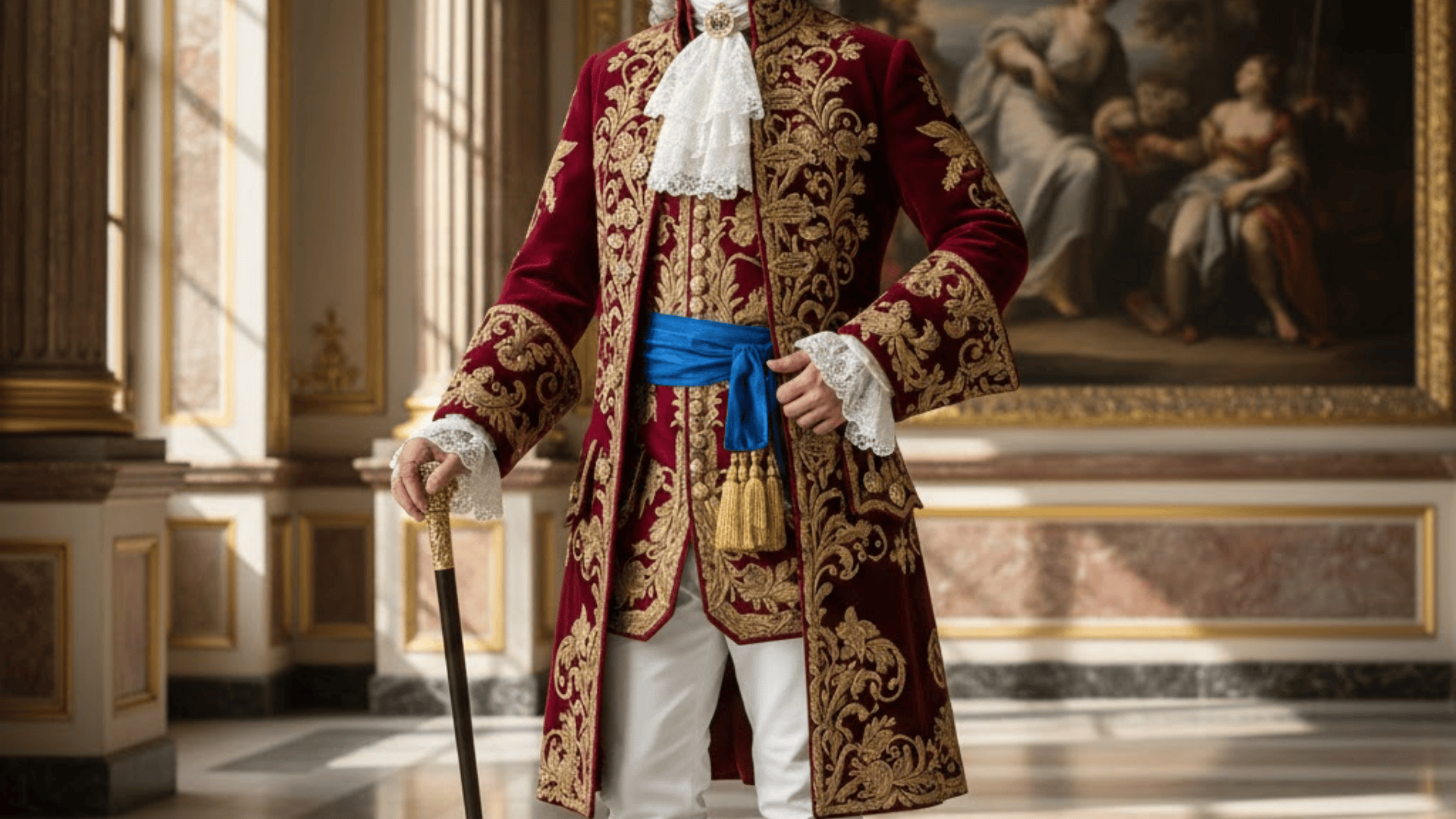
The justaucorps was the centerpiece of men’s baroque wardrobe back in the days.
This extended past the knees and flared out from the waist.
Heavy fabrics formed the base, covered in embroidery along the front edges, cuffs, and pocket flaps. Large cuffs folded back at the wrists, and buttons ran down the front.
The Waistcoat (Vest)
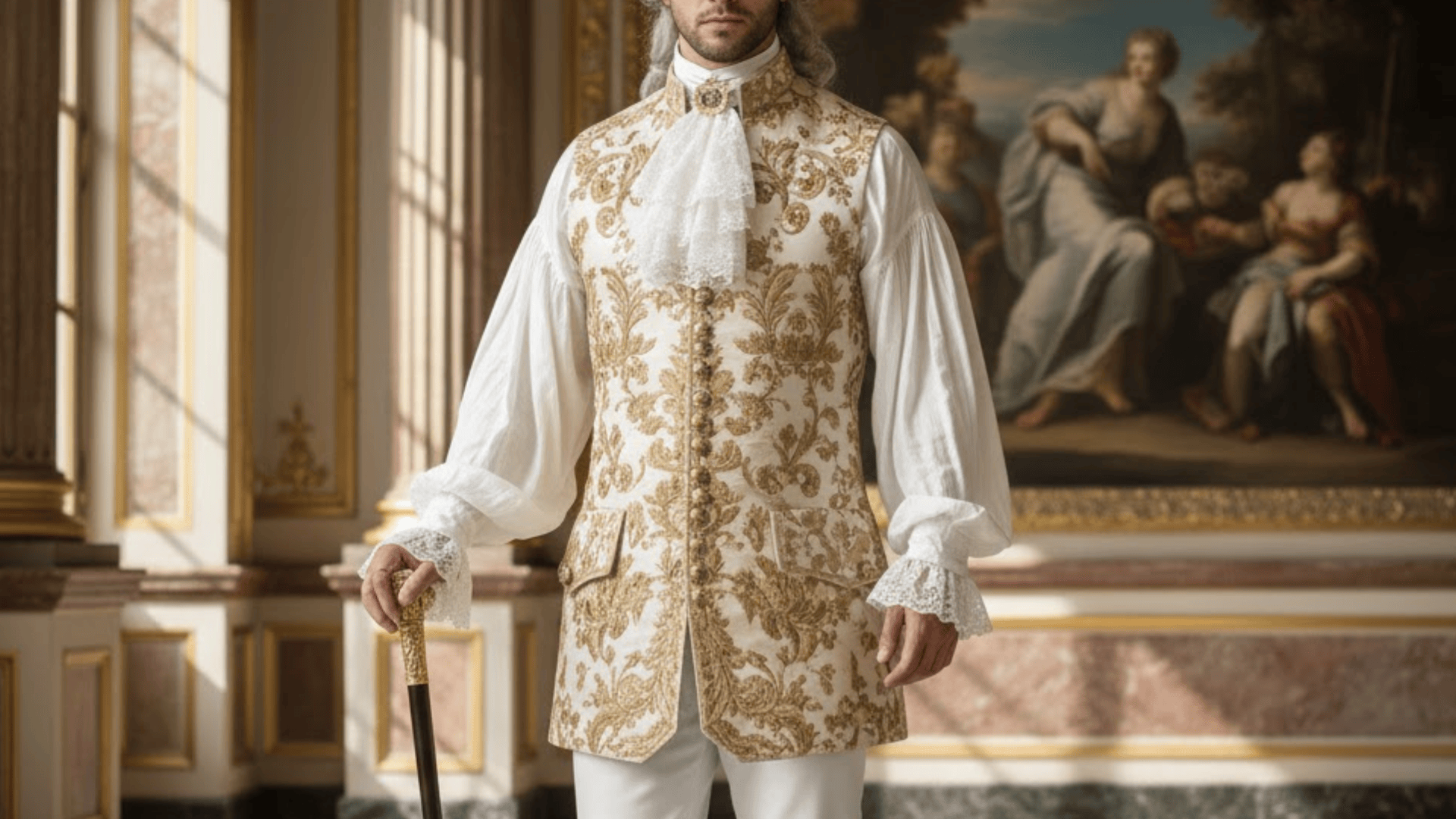
Waistcoats sat beneath the justaucorps as a middle layer.
They reached mid-thigh and sleeves in the early Baroque period, but later styles dropped the sleeves.
Rich brocade or embroidered silk made these garments almost as decorative as the outer coat. The exposed front panel became a canvas for showing off expensive materials.
Breeches
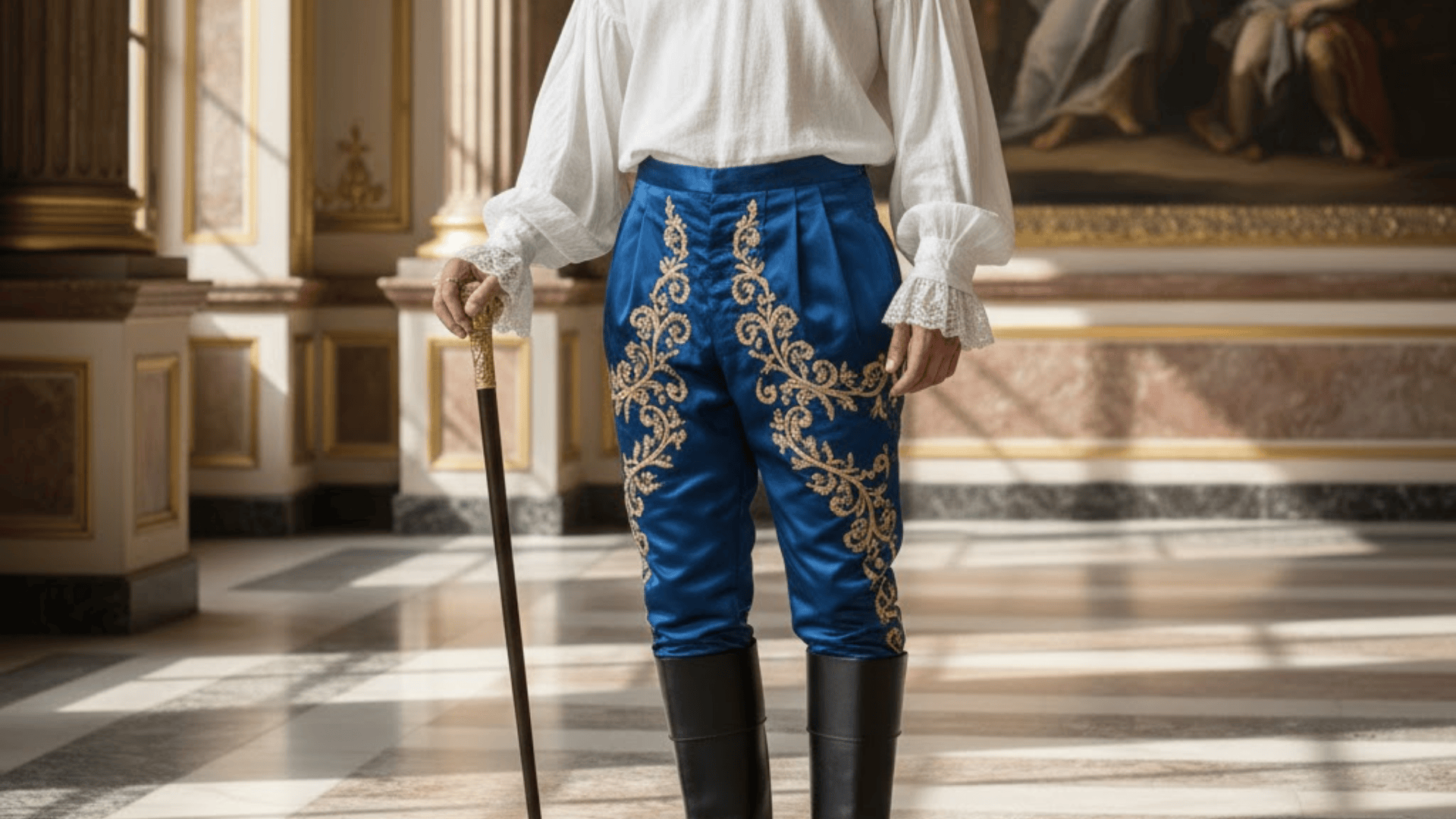
Knee-length breeches completed the lower half of baroque outfits. They fit through the thigh and fastened just below the knee with ribbons or buckles.
Shirts and Cravats
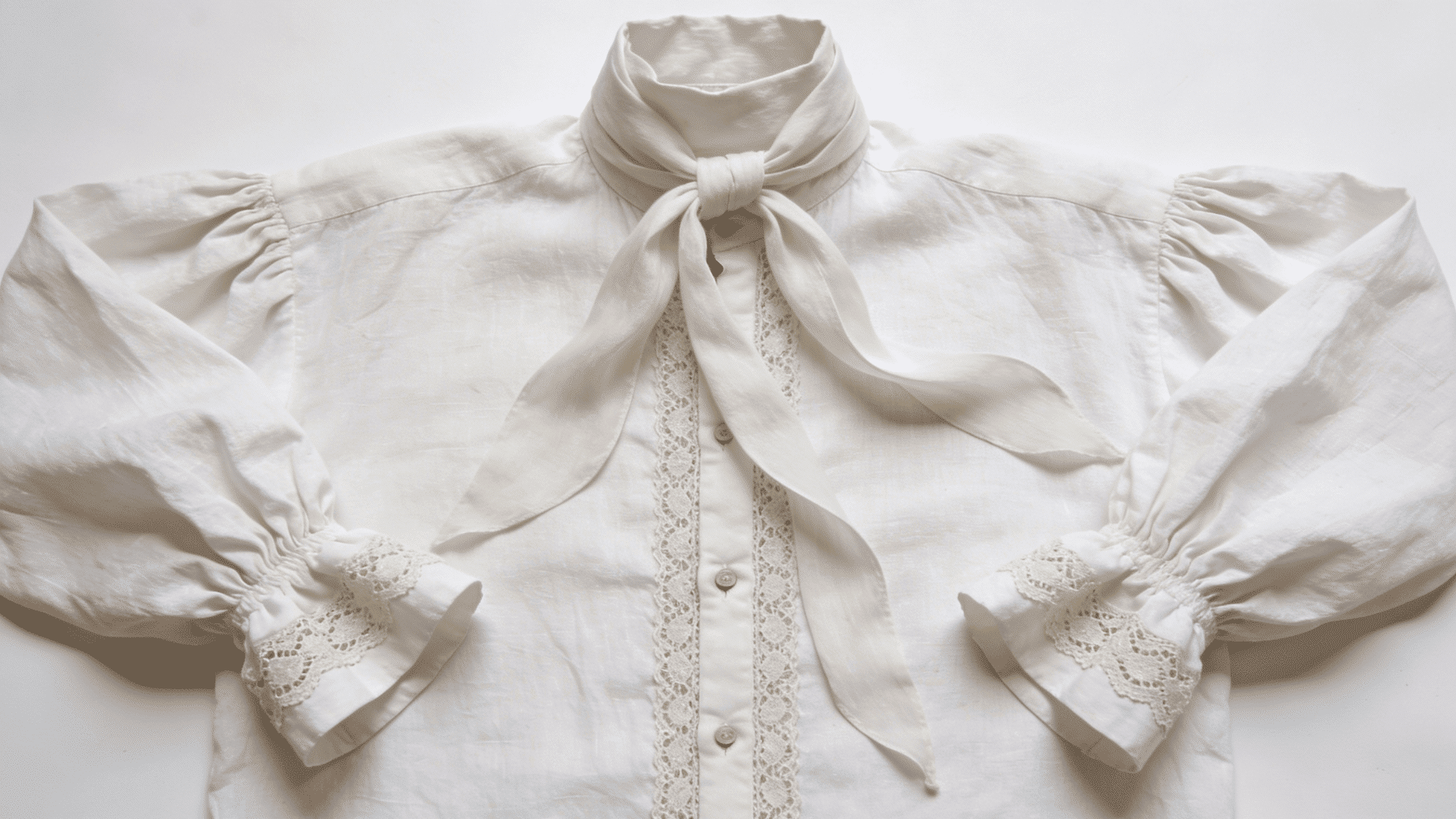
Fine linen shirts served as the base layer with full sleeves that gathered at the wrist.
The cravat wrapped around the neck, tied in front with ends hanging down. Lace trim appeared at shirt cuffs and down the front opening, with more lace.
Wigs and Hats
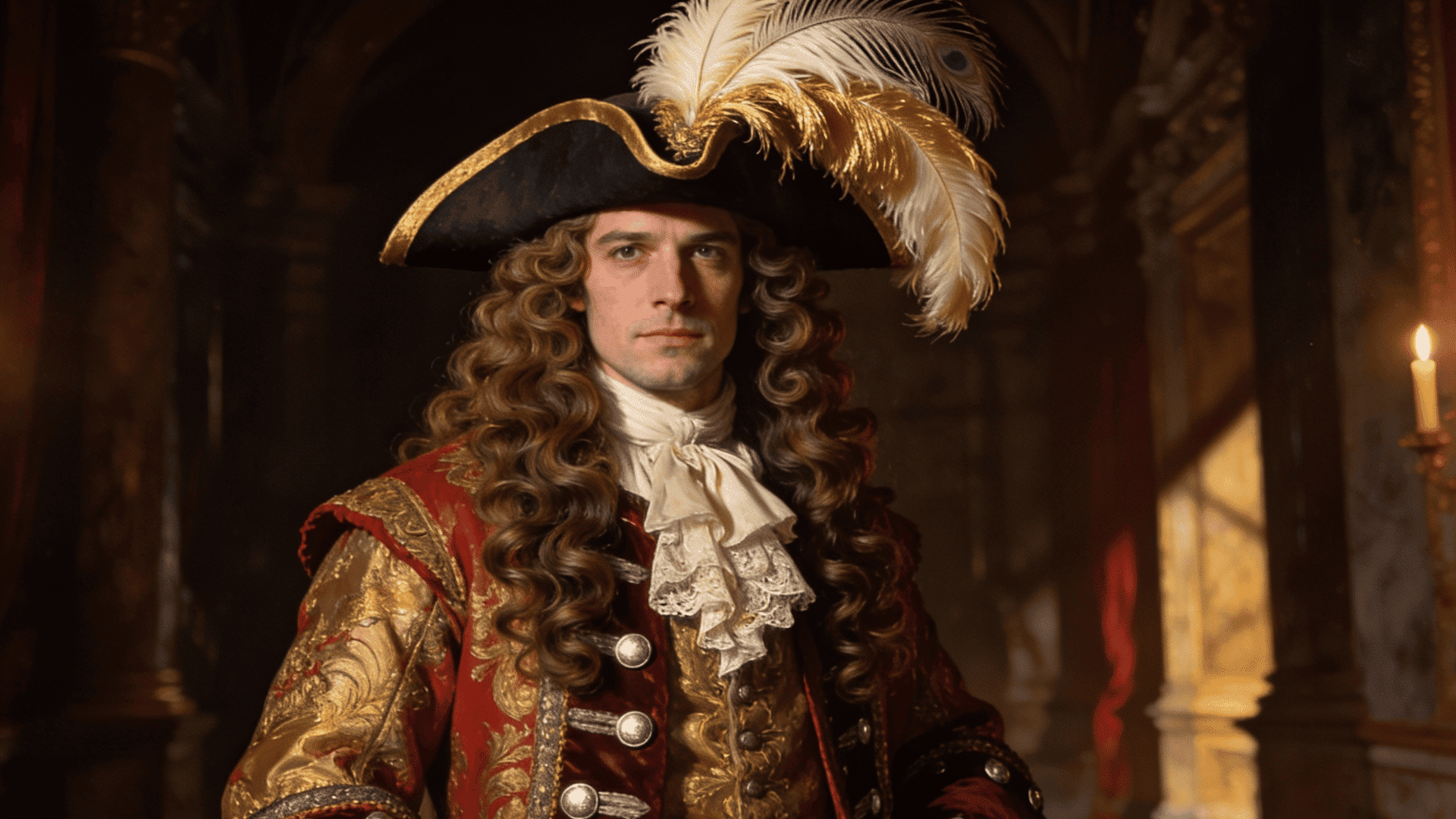
Wigs became important for fashionable Baroque men as natural hair fell out.
Full, long, and flowing past the shoulders with curls cascading down in organized rows.
Tricorn hats with three-sided, folded brims topped off outfits, decorated with feathers, gold braiding, or ribbons, were popular.
Accessories
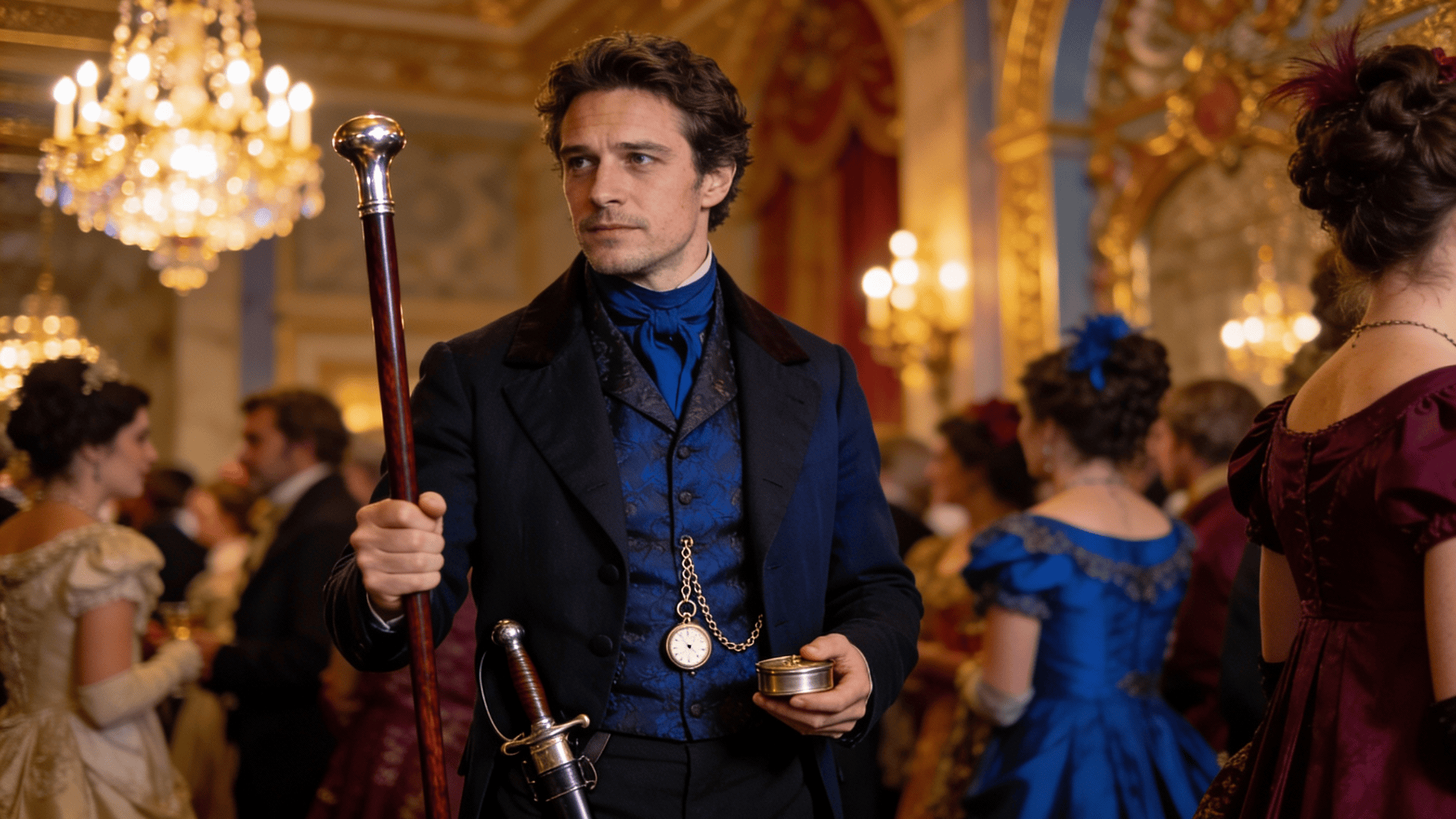
Walking sticks became a fashionable necessity.
They were made from ebony or other exotic woods, with silver or gold handles. Swords, pocket watches on chains, and snuffboxes made of precious metals gave men something to fiddle with at social events.
How to Create a Baroque Fashion Costume Today?
Creating a baroque-style costume doesn’t require a royal budget.
Step 1: Choose Your Base Garment
Start with a long dress or coat in rich, heavy fabric. Look for velvet, brocade, or satin at fabric stores or thrift shops.
Dark jewel tones work best for that Baroque feel.
Step 2: Add Structure to Your Silhouette
Use a corset or structured bodice to create the right shape.
For skirts, add a hoop skirt or petticoat underneath to get that wide, dramatic volume. Men should look for fitted waistcoats to layer under coats.
Step 3: Layer Your Clothing
Pile on multiple layers. Add a waistcoat under your coat, or wear an underskirt that peeks through the overskirt.
Each layer adds personality to your costume.
Step 4: Embellish with Trim and Details
Sew lace trim onto cuffs, collars, and hems. Add gold ribbon, decorative buttons, or fabric flowers to any plain surfaces.
The more embellishment, the more baroque it looks.
Step 5: Accessorize Appropriately
Find or make a Baroque-style wig. Tall ones for women, long and curled ones for men.
Add jewelry like pearl necklaces, jeweled brooches, or ornate rings.
Don’t forget gloves, a fan, or a walking stick to complete the look.
Step 6: Perfect Your Footwear
Look for men’s shoes with buckles and low heels. Women need heeled shoes that work with long skirts.
You can add decorative buckles to plain shoes to add the baroque personality.
Baroque Fashion Designers Today
Modern designers keep returning to baroque style fashion for inspiration.
1. Dolce & Gabbana
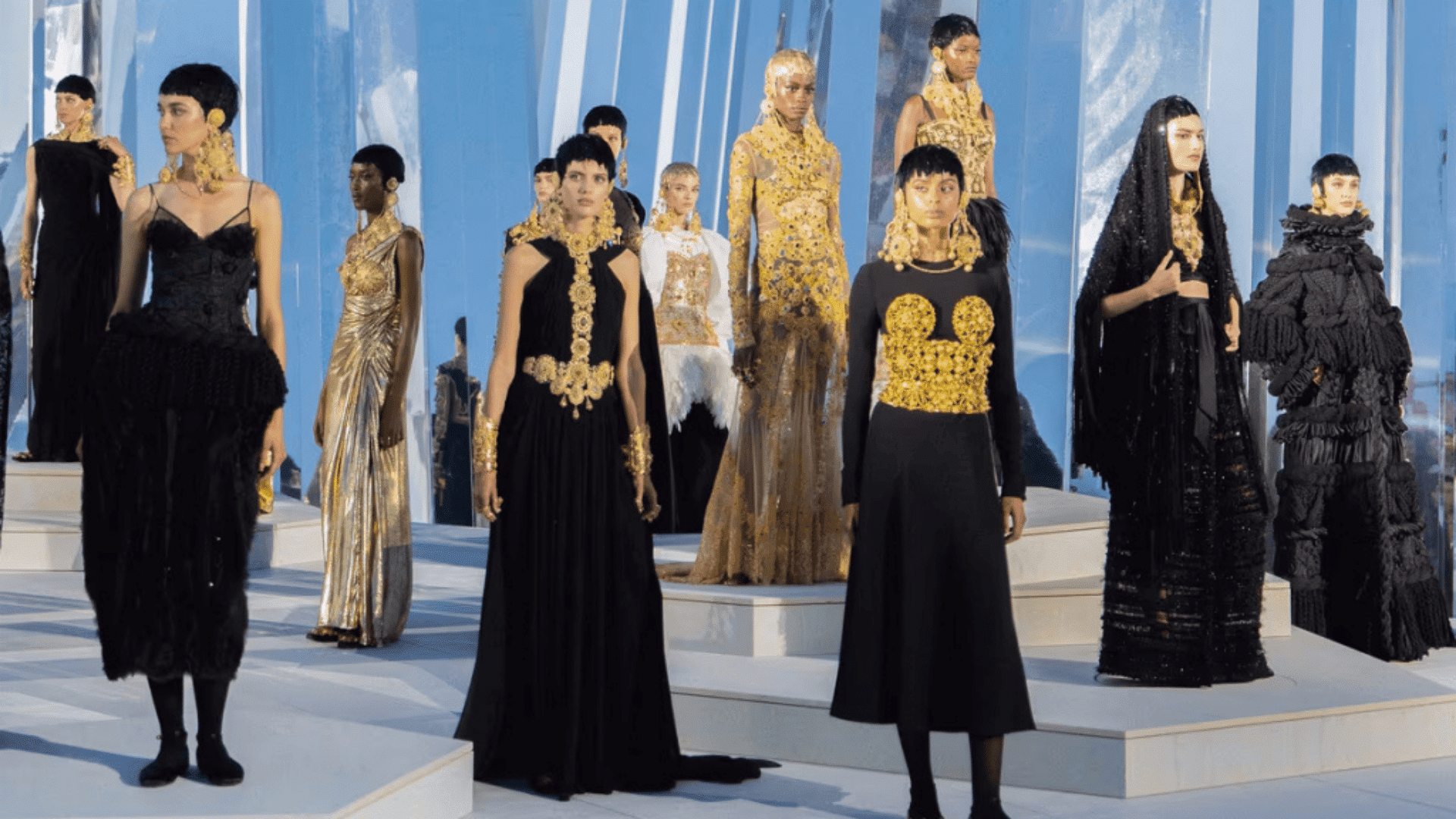
This Italian brand pulls heavily from baroque visuals in its collections.
Gold embroidery, rich brocades, and ornate patterns appear regularly on their runways. With crown motifs, jeweled embellishments, and dramatic silhouettes.
Their Alta Moda collections particularly embrace baroque excess with corset-inspired bodices and layered skirts.
2. Alexander McQueen
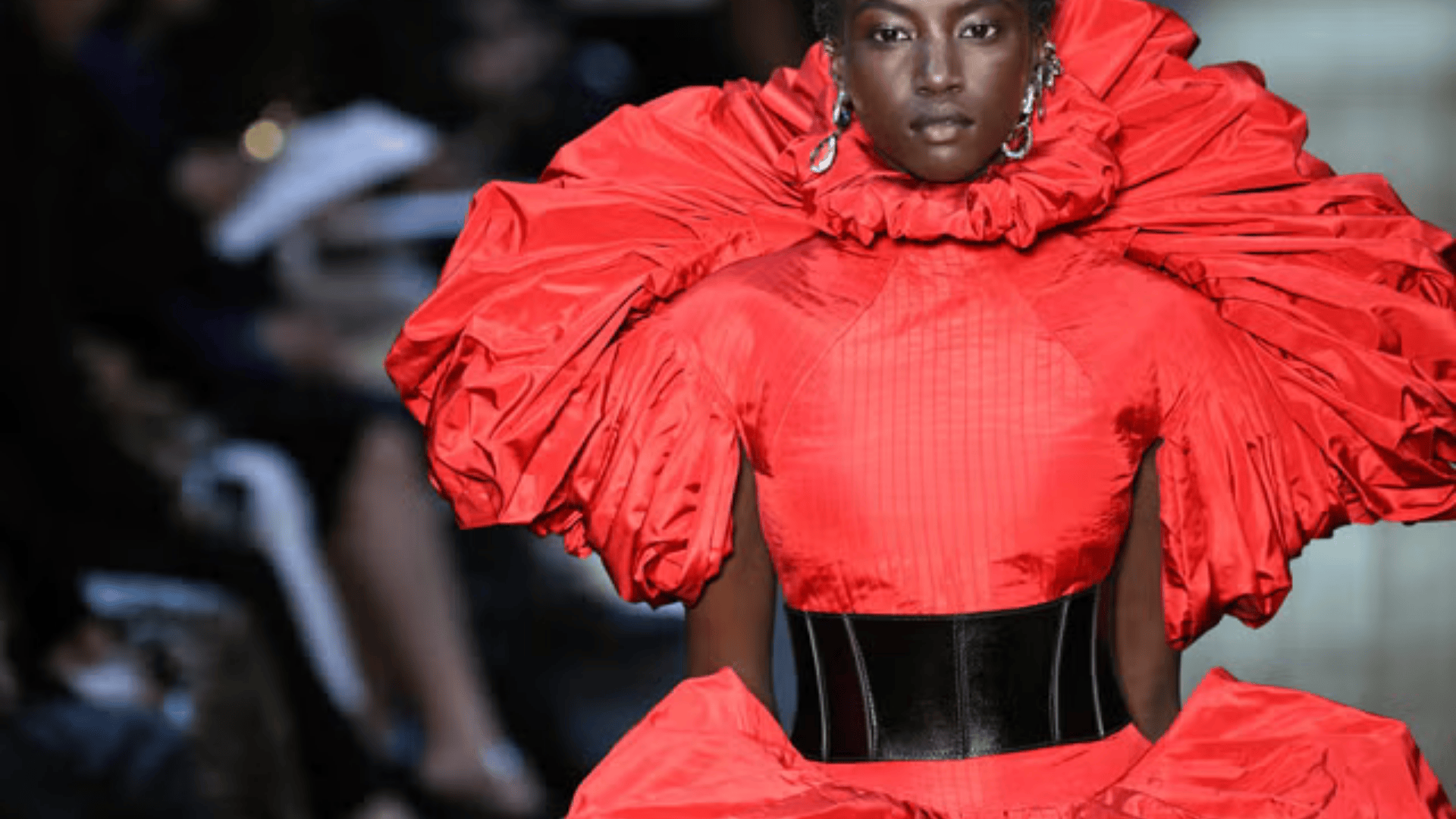
McQueen’s designs often reference historical periods, including the Baroque era.
The brand uses structured corsetry and dramatic volumes in ways that feel both historical and futuristic.
Their collections feature intricate embroidery and rich textures that mirror baroque craftsmanship.
3. Vivienne Westwood
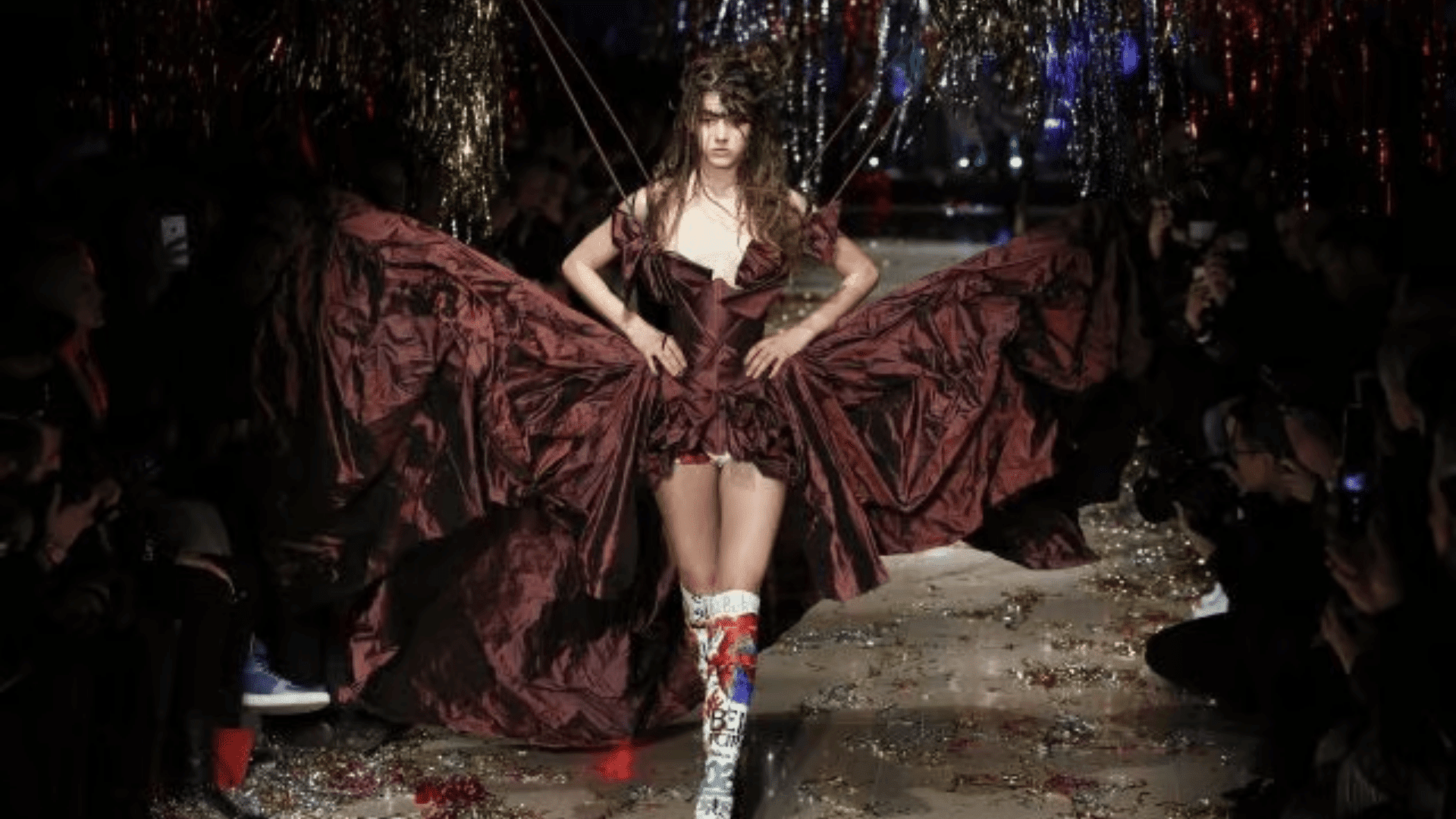
Westwood built her career partly on reimagining historical fashion. She pairs 18th-century shapes with punk attitude.
Her designs take baroque excess and make it rebellious rather than royal.
Baroque features in many of her collections, especially her love of corsets and structured silhouettes.
4. Gucci
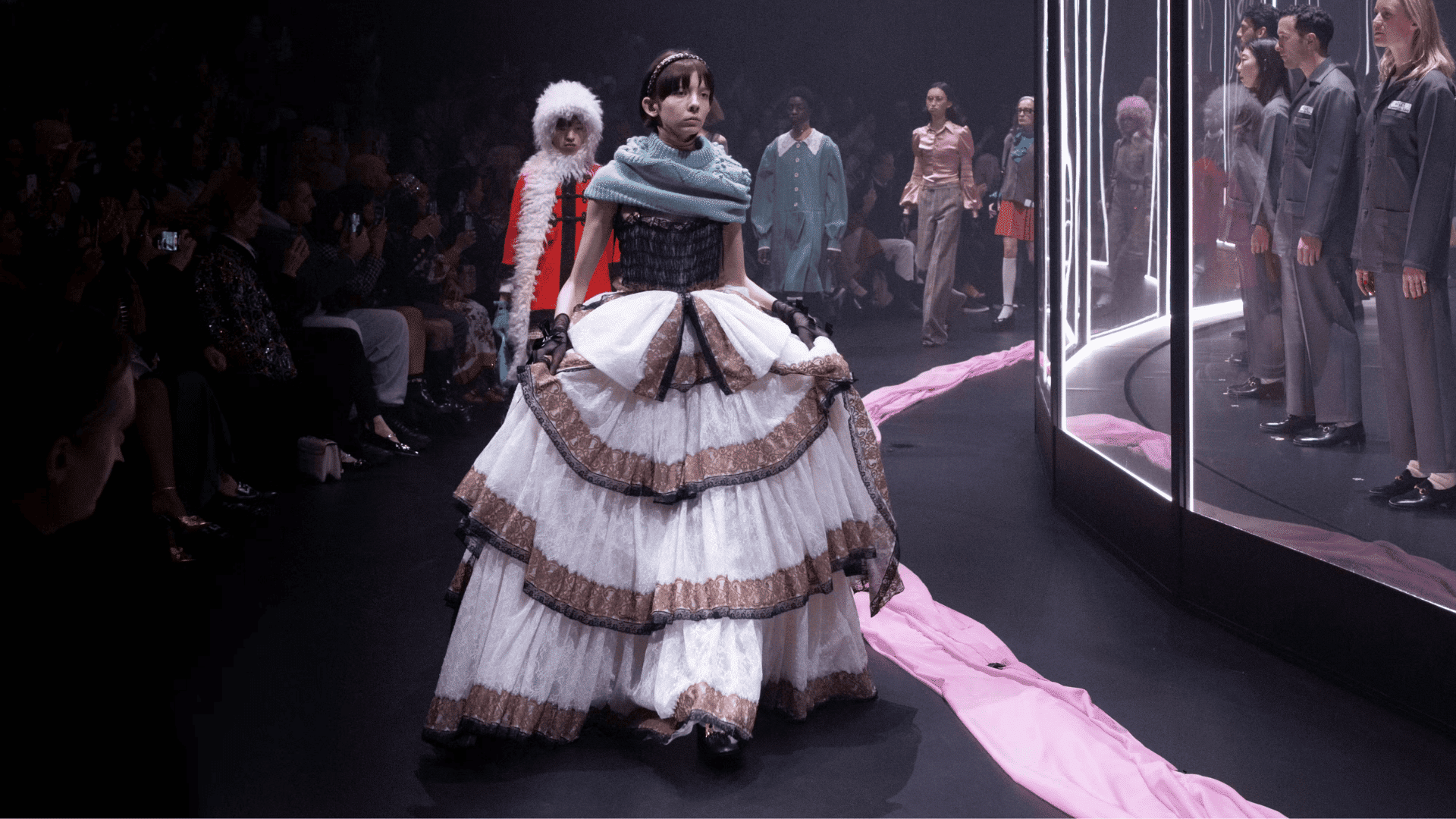
Gucci has embraced maximalist baroque styling.
Meaning heavy brocades, elaborate embroidery, and jewel-encrusted accessories fill their collections.
They mix historical references with modern streetwear.
5. Versace
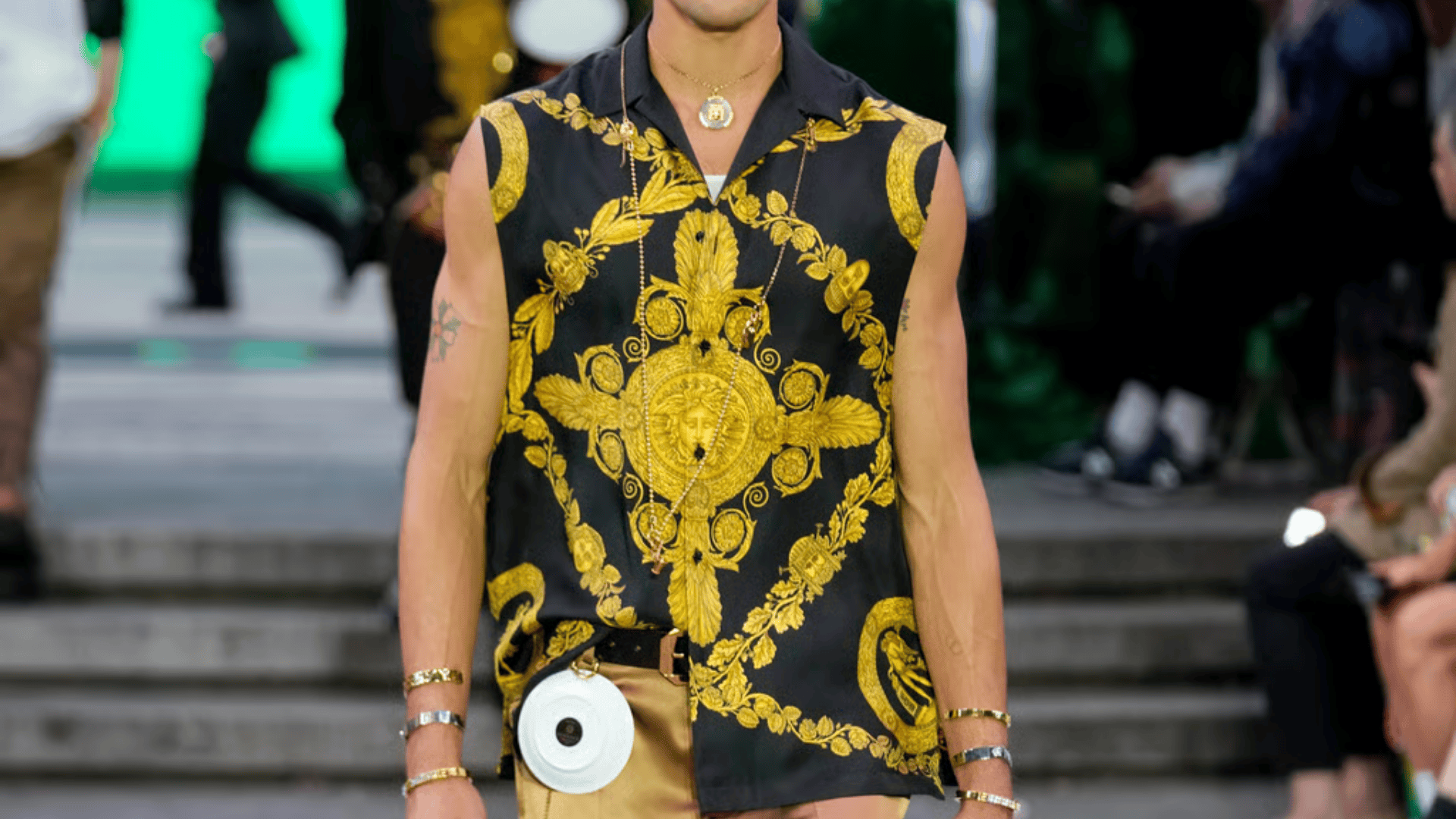
Versace’s signature style shares love of gold details, bold patterns, and luxurious fabrics with the Baroque style.
Medusa heads and Greek key patterns replace period-specific motifs.
Common Mistakes to Avoid While Baroque Styling
Baroque styling can be a lot if not styled properly.
- Wearing too many baroque pieces at once.
- Choosing cheap-looking fabrics. Invest in quality materials or skip the look entirely.
- Ignoring the right fit. Baroque fashion was structured and well-fitted.
- Too much gold trim, lace, and embroidery creates visual chaos instead of grace.
- Mixing incompatible historical periods. Don’t blend Victorian, Renaissance, and Baroque elements together.
- Full baroque silhouettes don’t translate to today. Adapt the shapes to work with contemporary body ideals.
- Baroque styling needs the right jewelry and shoes to feel complete.
Wrapping Up
Baroque fashion has left a mark on today’s high-fashion runways and style.
The beauty of baroque styling today lies in its flexibility.
You can go full theatrical or just add a touch of personality with accessories and textures.
It’s about capturing that sense of drama and luxury without looking like a lot.
Your style doesn’t need a royal budget to feel regal. We’d love to hear how your regal feeling turned out.
Frequently Asked Questions (FAQs)
1. Are Baroque and Rococo the Same?
No, they’re different styles. The Baroque period (1600-1750) featured bold, dramatic designs. Rococo (1720-1780) featured lighter, more playful pieces and pastel colors.
2. Does Baroque Mean Fancy?
Yes, baroque definitely means fancy. The style featured expensive fabrics, heavy embroidery, gold details, and elaborate decorations.
3. Is the Mona Lisa Renaissance or Baroque?
The Mona Lisa is Renaissance, not Baroque. Leonardo da Vinci painted it between 1503 and 1519, about a century before the Baroque period started around 1600.
4. What are the Three Types of Baroque?
The three types are Early Baroque (1600-1625), High Baroque (1625-1675), and Late Baroque (1675-1750). Each period showed increasing complexity and drama in fashion and design.