What if your next manicure actually damaged your nails instead of beautifying them?
Dip and acrylic nails both look stunning, but they work very differently. One smells stronger, one lasts longer, and one is significantly gentler on your natural nails.
The dip vs acrylic nails debate isn’t just about looks. Acrylics last three weeks but need aggressive filing.
Making the wrong choice costs you money and nail health.
Dip Powder Nails
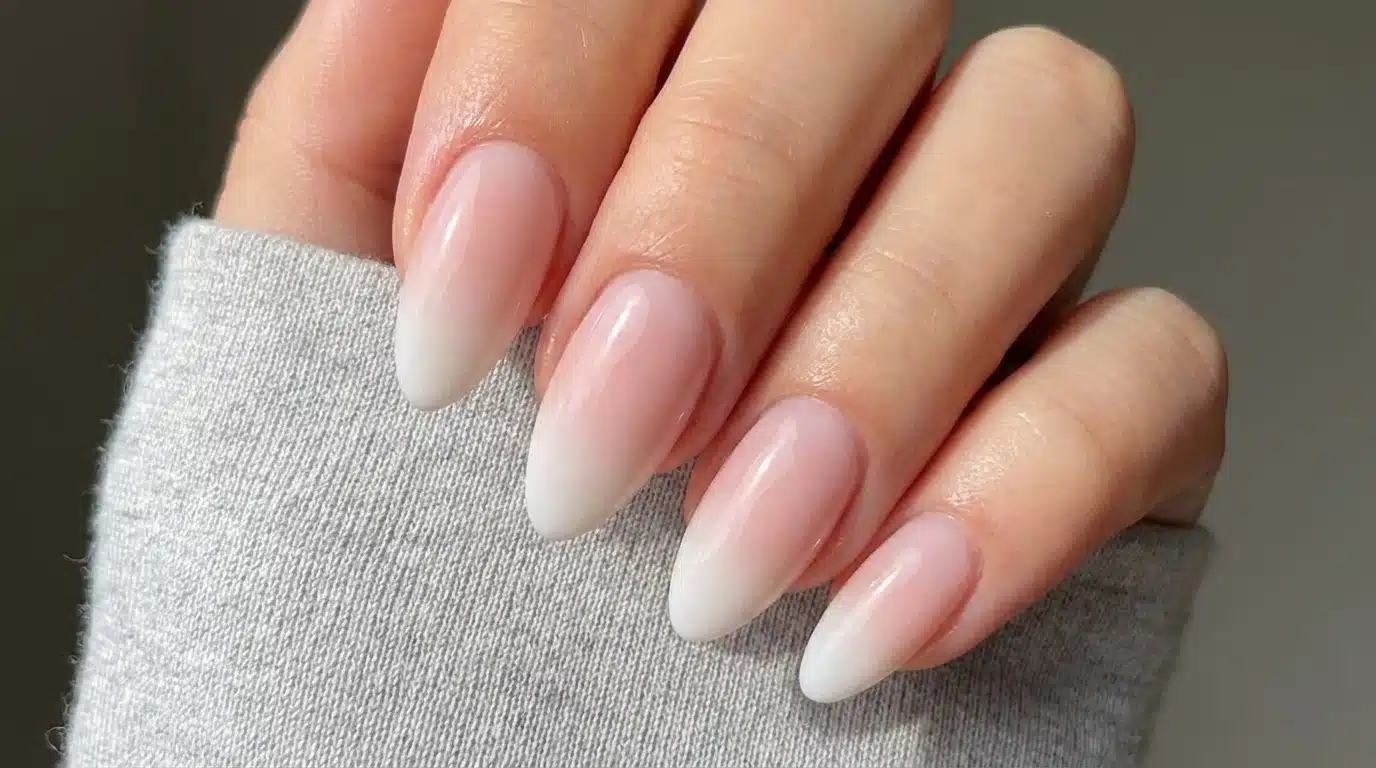
Dip powder nails are a no-light manicure option that uses powder and adhesive. They’re known for lasting weeks without chipping.
What are Dip Nails?
Dip nails are a manicure technique in which your nails are dipped in colored powder. They don’t need UV light and don’t use liquid monomers like acrylics do.
The process uses acrylic powder and a bonding liquid containing cyanoacrylate.
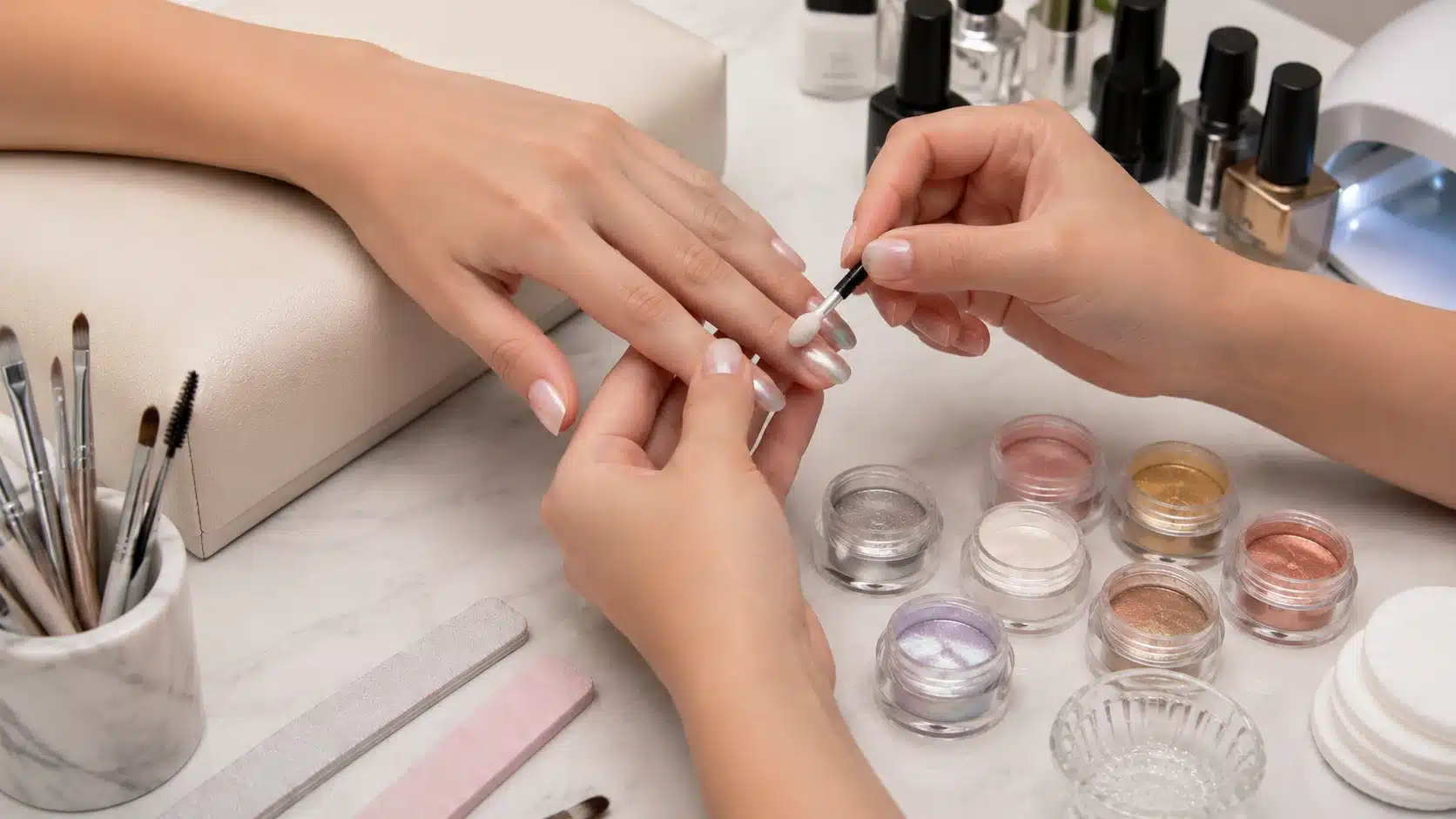
Your nail gets coated with liquid, then dipped into powder. The powder sticks and hardens instantly. This repeats two to three times to build color and strength.
Application Method
Here is how dip nails get applied at the salon:
Step 1: Prep the Nails
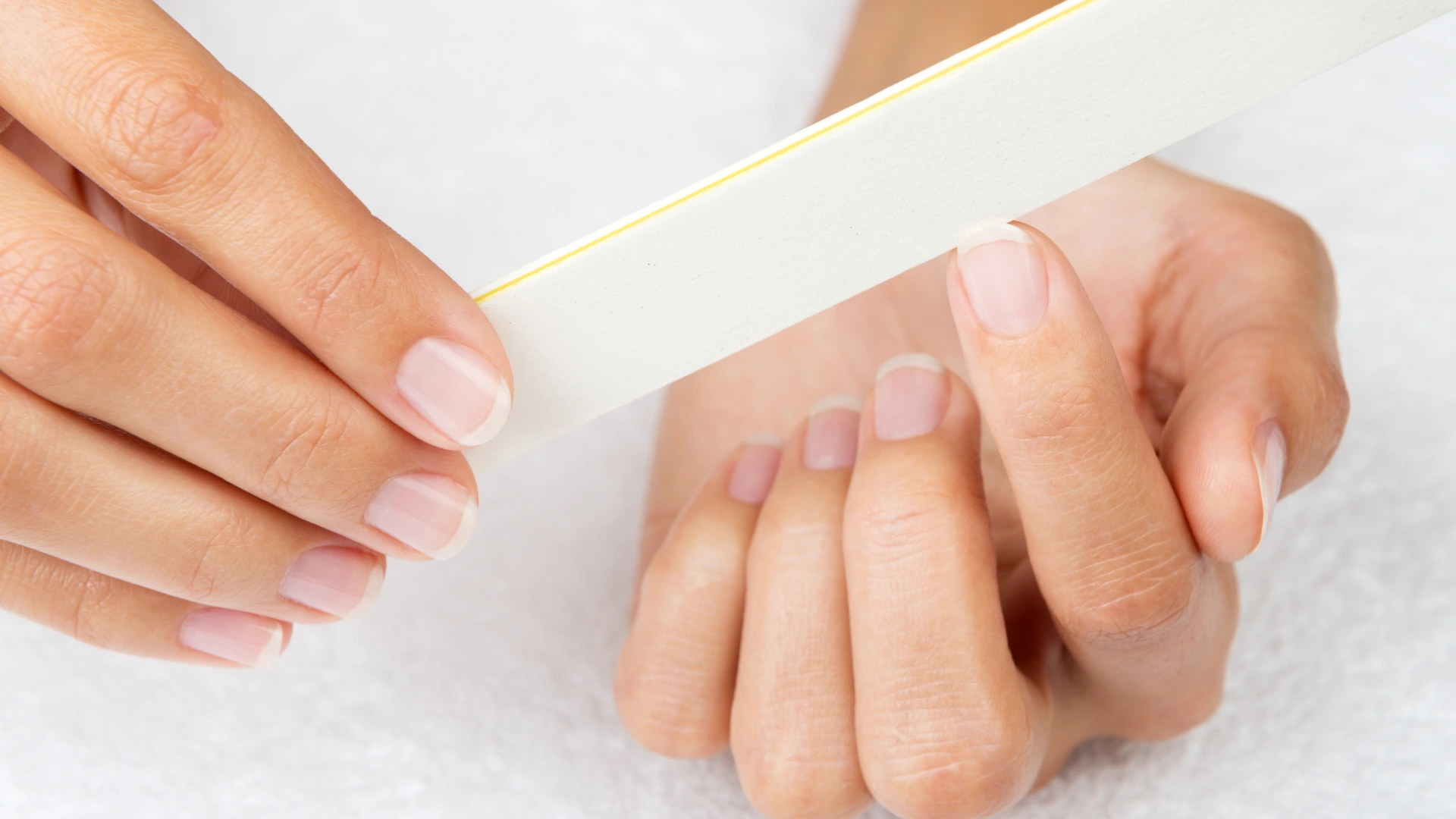
The technician files and buffs your natural nails. They push back cuticles and clean the nail surface. A primer helps the powder stick better.
Step 2: Apply Base and Dip
A clear base coat gets brushed onto each nail. Then the nail gets dipped into the colored powder jar. Excess powder gets tapped off gently.
Step 3: Repeat the Process
Steps get repeated two or three times. Each dip adds more color and thickness. The technician makes sure coverage is even across all nails.
Step 4: Seal and Finish
An activator hardens the powder fully. The nails are filed, shaped, and sealed with a glossy top coat. The entire process takes about 45 minutes.
What stood out to me was how light they felt afterward. I kept tapping them on my phone screen because I expected them to feel heavier, but they didn’t.
Pros and Cons of Dip Nails
Dip nails have real benefits and some downsides worth knowing first.
| Pros | Cons |
|---|---|
| Last 3-4 weeks without chipping | Shared powder jars can spread bacteria |
| No UV light needed, air-dries naturally | Removal takes 10-15 minutes of soaking |
| Minimal chemical smell during application | Improper removal damages natural nails |
| Strong, resistant to chips and cracks | Limited options for detailed nail art |
The removal tested my patience. Sitting there soaking felt longer than the actual manicure.
Acrylic Nails
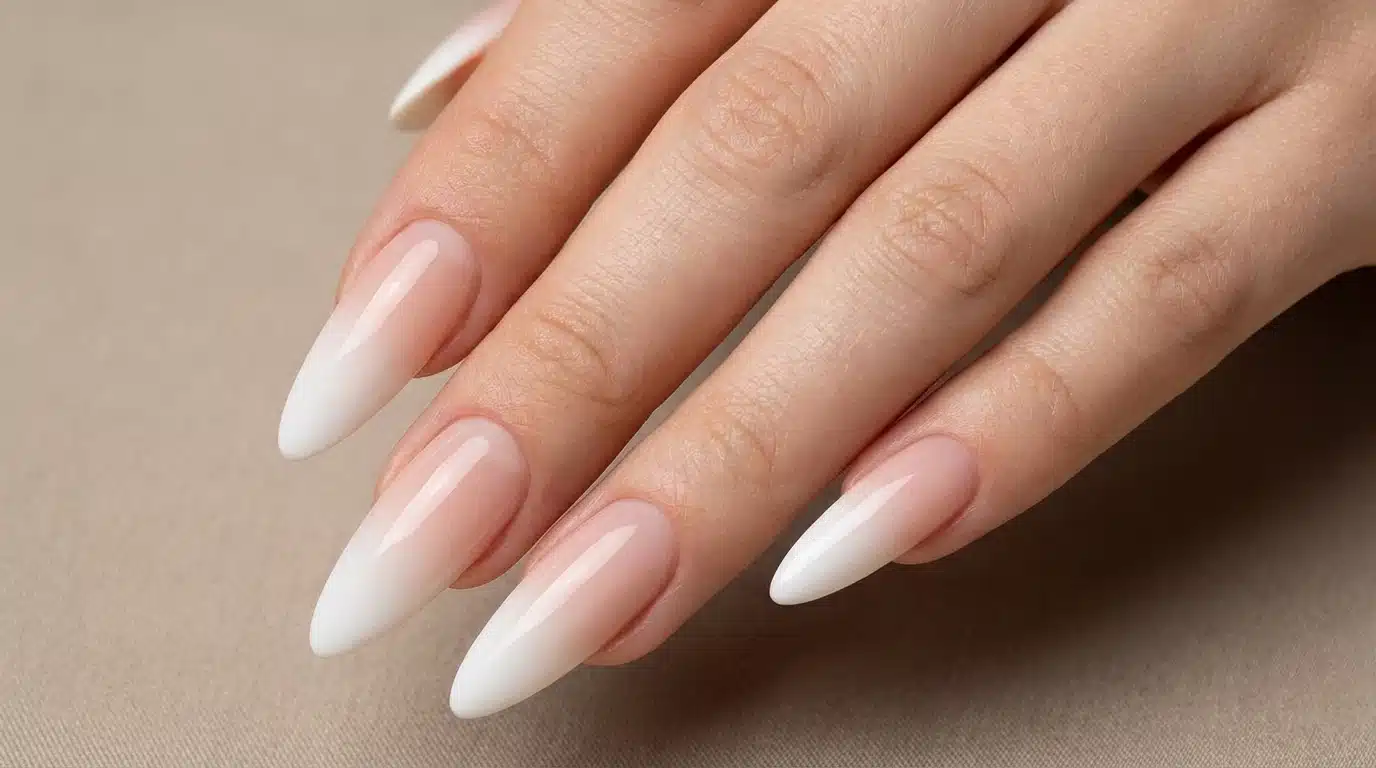
Acrylic nails are a liquid-and-powder system used to create extensions or overlays.
They’re sculpted by hand and air-dry into a hard, durable finish.
What are Acrylic Nails?
Acrylic nails are artificial nail enhancements that extend or cover your natural nails. They use a liquid monomer and a powder polymer that harden when mixed.
The process combines liquid acrylic and powder to form a malleable bead.
The technician applies this mixture to your nail and shapes it before it hardens.
As the chemicals react, the mixture air-dries into a solid, strong layer. No UV light is needed.
Step-by-Step Application Method
Here is how acrylic nails get applied at the salon:
Step 1: Prep the Nails
The technician files down your natural nails and pushes back cuticles. They roughen the nail surface with a buffer. This helps the acrylic bond better.
If you want extensions, they’ll add nail tips first.
Step 2: Apply the Acrylic Mixture
Then the technician dips a brush into liquid monomer, then into acrylic powder. This creates a wet bead.
They place the bead on your nail and shape it quickly before it hardens.
Step 3: Shape and Smooth
The mixture gets molded into the desired shape and length. The technician works fast because acrylic hardens in minutes.
They blend the acrylic smoothly across your nail.
Step 4: File and Finish
Once hardened, nails are filed, buffed, and polished. The process takes 60–90 minutes.
Pros and Cons of Acrylic Nails
Acrylic nails have their own strengths and weaknesses to consider before booking.
| Pros | Cons |
|---|---|
| Very durable, lasts 6-8 weeks with fills | Strong chemical odor during application |
| Add significant length with extensions | Requires filling every 2-3 weeks as nails grow |
| Easy to fix chips and cracks at home | Filing and removal can thin natural nails |
| Generally less expensive than other options | Longer application time than other methods |
The smell hit hard during application, making eyes water the entire time. Skipping a fill once showed how fast that gap near the cuticle becomes noticeable.
Dip vs Acrylic Nails
When choosing between dip and acrylic nails, several factors matter. Have a look at the key differences to help you decide.
| Factor | Dip Nails | Acrylic Nails |
|---|---|---|
| Application Method | Nails dipped into colored powder | Liquid and powder mixed, then brushed on |
| Application Time | 45 minutes | 60-90 minutes |
| How Long Do They Last | 3-4 weeks | 6-8 weeks with fills |
| Odor Level | Minimal smell | Strong chemical odor |
| Maintenance Needs | Full removal and reapplication | Fills every 2-3 weeks |
| Nail Length Options | Works best on natural length | Can add extensions for length |
| Damage Risk | Moderate if removed incorrectly | Moderate to high from filing |
| Average Cost | $30-$50 per full set | $25-$45 plus $20-$30 for fills |
Which is Healthier for Your Natural Nails?
Neither option is entirely harmless to your nails. The health impact depends more on application quality and removal technique than on the method itself.
Dip Nails: It requires less prep work. Your natural nails aren’t filed down as much before application. The coating is also thinner and lighter. This puts less stress on your nail bed.
Acrylic Nails: These need an aggressive surface filing before application. This removes a layer of your natural nail every time. The weight of thick acrylic can also strain your nail bed over time.
What Causes the Most Damage?
Both methods use chemicals that can affect your nails.
Understanding these helps you make informed choices about your nail health.
Keeping Your Nails Healthy: Give your nails breaks between applications. Pick a salon that follows proper sanitation practices.
How to Choose Between Dip and Acrylic Nails?
The right choice depends on your lifestyle and what you want from your nails.
Choose Dip Nails if You:
- Want natural nail length only
- Prefer low maintenance
- Are sensitive to strong smells
- Want something quick
Choose Acrylic Nails if You:
- Want long extensions
- Don’t mind regular fills
- Like changing designs often
My Tip: Personally, I suggest to choose dip for everyday life and acrylic only for special occasions. It feels like the best balance for my routine.
Wrapping Up!
So, dip or acrylic? There’s no wrong choice.
Comfort, maintenance, and nail health matter more than trends when deciding between the two.
Think about your priorities. Need something quick and lightweight? Choose dip. Want long nails that handle heavy use? Pick acrylics.
The real secret is finding a skilled technician. A good application protects nails. Proper removal keeps them healthy.
That matters more than the dip vs acrylic nails debate itself.
Frequently Asked Questions (FAQs)
1. Is Dip Better for Your Nails than Acrylic?
Neither is better. Both damage nails if removed incorrectly. Dip needs less filing, so it’s slightly gentler.
2. How to Not Ruin Your Nails with Dip?
Never peel it off. Soak for 10-15 minutes before removal. Use cuticle oil daily.
3. Do Acrylics or Dips Look More Natural?
Dip nails look more natural. They’re thinner and lighter than acrylics.