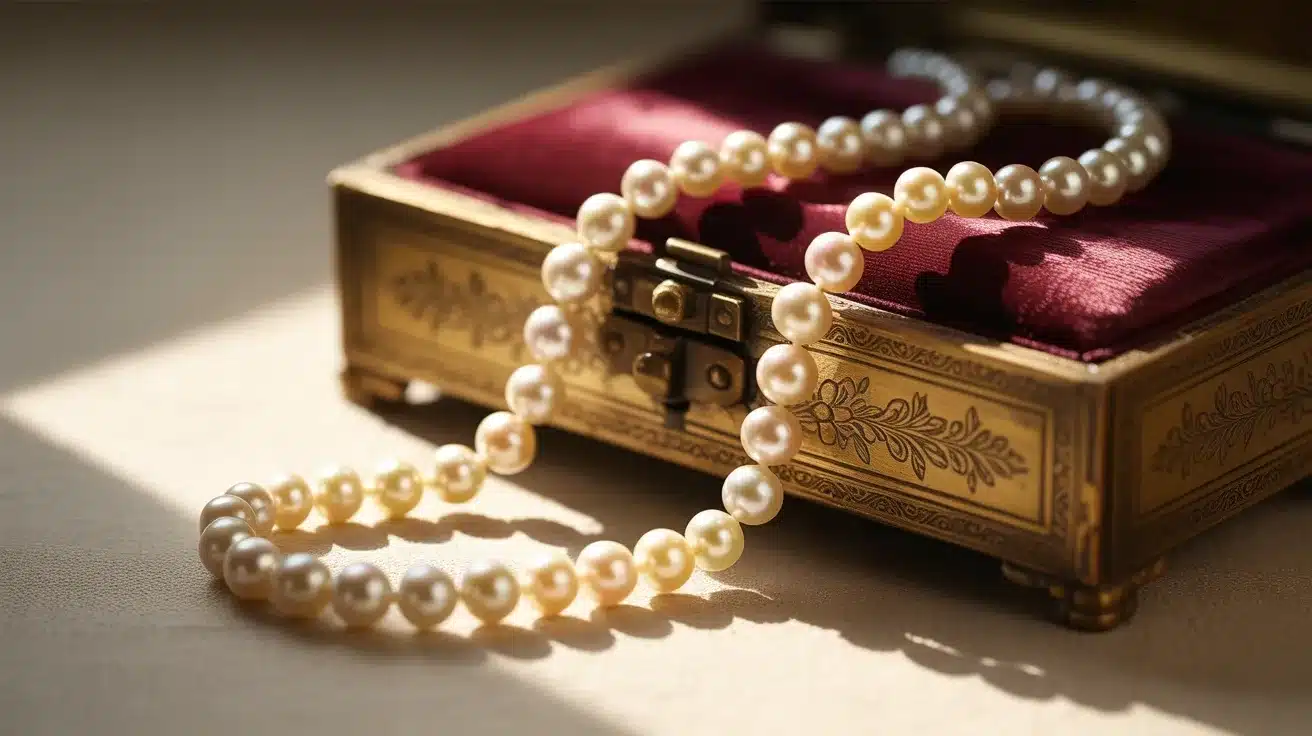
You’ve seen pearl necklaces in shop windows with no price tags. That usually means they’re expensive. But how much are you actually looking at?
A real pearl necklace’s price varies widely. Some cost a few hundred dollars. Others run into the thousands.
It all depends on a few key things, and this blog will help you find out how much are pearls worth and the factors affecting the price.
By the end, you’ll know how to spot a fair price and what to avoid.
Factors that Make Pearl Necklace Prices Vary
Several factors work together to set a pearl necklace’s price. Let’s break down what really matters when determining how much pearls are worth.
1. Pearl Type and Origin
Natural pearls are scarce and expensive. Most pearls today are cultured, meaning farmers help them grow.
Saltwater pearls generally cost more than freshwater ones. Akoya, Tahitian, and South Sea pearls come from saltwater.
Freshwater pearls grow in lakes and rivers. Origin significantly affects both quality and price when determining the value of a genuine pearl necklace.
2. Shape and Uniformity
Round pearls command the highest prices. They’re the hardest to cultivate and most desired. Baroque pearls have irregular shapes and cost less.
However, unique baroque pieces can still be quite beautiful. Matching shapes in a strand increases value.
Uniform necklaces look more polished and refined.
3. Pearl Size and Weight
Larger pearls are rarer and more expensive. Size is measured in millimeters.
A 7mm pearl costs much less than a 12mm one. Each millimeter increase can double the price.
Bigger pearls take longer to grow. This makes them significantly more costly to produce and directly impacts the price of the pearls.
4. Luster and Nacre Quality
Luster refers to how pearls reflect light. High luster creates a mirror-like shine. It’s often more important than size. Nacre is the coating that makes the pearl.
Thicker nacre means better luster and durability. Pearls with poor luster become less valuable overall.
5. Color and Overtone
Pearl colors range from white to black. Rare colors like golden or peacock cost more. Overtone is the subtle color you see on top.
Pink and silver overtones are highly prized.
6. Surface Quality and Blemishes
Clean surfaces increase pearl value considerably. Blemishes include spots, cracks, or bumps. Minor flaws are common and acceptable.
Heavy blemishing reduces the price significantly. Completely flawless pearls are scarce. They command the highest market prices available.
How Much is a Real Pearl Necklace Worth?
A real pearl necklace can cost anywhere from $50 to over $100,000.
The price of a real pearl necklace depends on several things working together.
The type of pearl, its size, surface quality, and luster all affect the final number.
Freshwater pearls are the most common and the most budget-friendly. Akoya pearls are known for their round shape and bright luster.
South Sea pearls are among the rarest and most valuable. Tahitian pearls stand out with their natural dark tones.
The craftsmanship is also important; a hand-knotted strand with a quality clasp will always cost more than a basic one.
Ethically sourced pearls from well-known farms tend to carry higher price tags.
Once you understand the factors affecting the price, shopping for pearls becomes a little easier.
Different Types of Pearl Necklaces and Their Worth
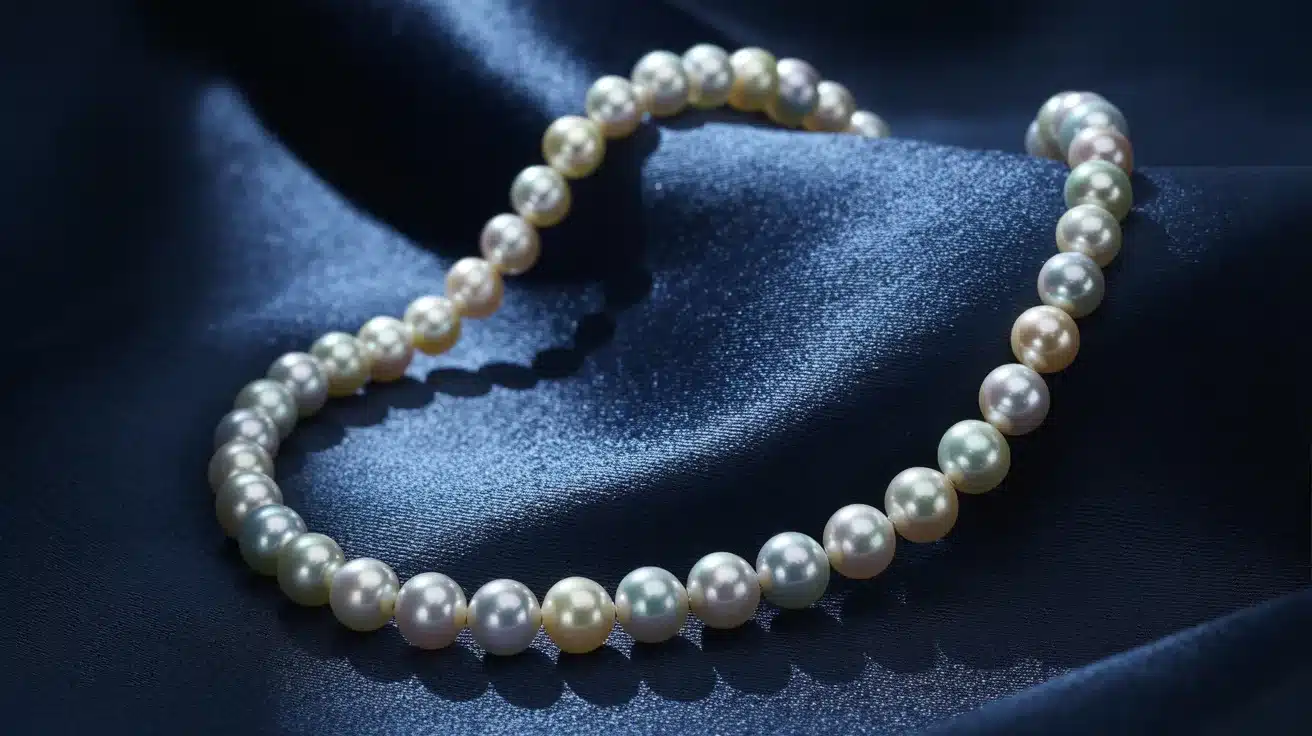
Different pearl types come with different price tags. Each variety has unique characteristics that affect its value.
Let’s look at the most common types and what they typically cost.
Freshwater Pearl
Freshwater pearls are the most affordable option. They typically range from $50 to $2,000. These pearls come in many colors and shapes.
They’re grown in lakes and rivers, mainly in China. Quality varies widely, but there are good options for budget-conscious buyers.
Akoya Pearl
Akoya pearls are classic and highly lustrous. These saltwater pearls come primarily from Japan.
They usually cost between $300–$500 for smaller sizes (6–7 mm) and can exceed $10,000 for larger, flawless pearls.
They’re known for their perfect round shapes and brilliant shine. Akoya necklaces are popular for formal occasions and weddings.
Tahitian Pearl
Tahitian pearls feature dark, exotic colors. Prices range from $500 to $25,000 or more. They grow in French Polynesia’s black-lipped oysters.
Colors include black, gray, green, and peacock. Their rarity makes them more expensive than most other pearls and clearly demonstrates their value in the luxury market.
South Sea Pearl
South Sea pearls represent the luxury segment. They cost anywhere from $1,000 to $100,000 or more. These are the largest cultured pearls available.
They come in white, silver, and gold colors; their size and rarity justify the premium pricing.
Natural Pearl
Natural pearls are scarce today. They can sell for six or even seven figures at auctions. Most were formed decades or centuries ago.
Collectors highly prize these genuine finds. Their scarcity makes them investment-grade pieces with historical significance.
A quick overview
| Type | Price range | Water | Colors | Known for |
|---|---|---|---|---|
| Freshwater China | $50 – $2,000 | Fresh | Many colors & shapes | Affordability, variety |
| Akoya Japan | $300 – $10,000+ | Salt | White, cream | Round shape, high luster |
| Tahitian French Polynesia | $500 – $25,000+ | Salt | Black, gray, green, peacock | Exotic dark colors |
| South Sea Australia / Philippines | $1,000 – $100,000+ | Salt | White, silver, gold | Largest size, luxury tier |
| Natural | $100,000 – millions | Both | Varies | Extreme rarity, investment-grade |
Price ranges escalate from Freshwater → Akoya → Tahitian → South Sea → Natural, reflecting increasing rarity, size, and provenance.
The Basic Rules to Follow When Buying a Pearl Necklace
Knowing what affects pearl value is one thing. Using that knowledge to buy smart is another.
The following are practical rules for shopping for a pearl necklace and determining its value.
Choosing the Right Pearl Type
Match the pearl type to your budget and style. Freshwater pearls work well for casual wear. Akoya pearls suit formal occasions beautifully.
Tahitian and South Sea pearls make statement pieces. Consider where and how often you’ll wear them.
Evaluating Shape and Consistency
Look for uniformity in the strand. Round pearls are the most classic and hold value best. Check that all pearls match in shape.
Some variation is normal in lower-priced strands. Baroque pearls can be beautiful but cost less.
Understanding Size vs. Wearability
Bigger isn’t always better for everyday wear. Large pearls can feel heavy and look formal. Consider your frame and comfort level.
Sizes between 7mm and 9mm work for most people. Save larger pearls for special occasions.
Checking Luster and Nacre Thickness
Hold the necklace under good lighting. You should see your reflection clearly. Dull pearls indicate thin nacre or poor quality.
Ask about nacre thickness if buying Akoya pearls. The thicker nacre means longer-lasting beauty and better value.
Selecting a Color That Holds Value
Classic colors like white and cream remain timeless. They match everything and retain value well. Rare colors cost more but appeal to specific tastes.
Consider your wardrobe and skin tone. Natural colors without dye retain their value better over the long term.
Are Pearl Necklaces a Good Investment?
Pearl necklaces offer more emotional value than financial returns. Most pearls don’t appreciate like gold or diamonds.
Cultured pearls lose value after purchase. Natural pearls and rare South Sea strands hold value better. Condition matters significantly for resale.
Well-maintained pearls with documentation fare better. Buy pearls because you love them, not only for profit. They’re investments in beauty and personal enjoyment.
Vintage signed pieces from famous jewelers sometimes appreciate in value. But typical pearl necklaces are meant to be worn and cherished, not flipped for gains.
Natural Pearls vs. Cultured Pearls
Many people wonder if cultured pearls are less genuine than natural ones. Both are real pearls, but they form differently.
The following are clear comparisons of how they differ in value and characteristics regarding the worth of pearls.
| Aspect | Natural Pearls | Cultured Pearls |
|---|---|---|
| Formation | Form naturally without human help | Farmers insert a nucleus to start growth |
| Availability | Extremely rare | Widely available in various types |
| Price Range | $10,000 to $500,000+ | $50 to $100,000, depending on type |
| Market Share | Less than 1% of the market | Over 99% of all pearls sold |
| Quality | Varies greatly, often irregular | Consistent quality, controlled conditions |
| Value Driver | Rarity and historical significance | Quality, size, luster, and type |
| Best For | Collectors and investors | Everyday wear and special occasions |
| Authentication | Requires X-ray verification | Easier to verify and grade |
How to Tell If Your Pearl Necklace Might be Valuable Before Appraisal?
You don’t need an expert to spot signs of quality; you just need to check the following indicators.
- Strong Luster: It is the biggest clue. Hold your necklace up to natural light. If you can see your reflection in the pearls, that’s a sign of high-quality pearls.
- Knot Between the Pearls: This suggests that the necklace was well-made. Quality strands have silk knots between each pearl to protect them.
- A Heavy Clasp: This often indicates value. Gold or platinum clasps with secure mechanisms cost more to make.
- A Pearl Size Above 9mm: This typically indicates a higher value. Larger pearls take longer to form and are rarer.
- South Sea or Tahitian Color Tones: This can signal that pearls are premium. Golden, silver, or naturally dark pearls often come from these expensive varieties.
These signs aren’t guarantees, but they help to spot potentially valuable pieces.
Wrapping Up
Pearl necklaces range from affordable to luxury prices.
Understanding quality factors helps buyers make confident choices about how much a real pearl necklace is worth. Remember that luster, size, and type matter most.
Don’t rush purchases. Take time to compare options and inspect carefully. Buy pearls that you will actually wear and enjoy.
Smart shopping ensures you get fair value for your money.
Frequently Asked Questions (FAQ’s)
1. How Do You Get a Pearl Necklace Appraised?
Take your necklace to a certified gemologist or a jewelry appraiser specializing in pearls for an accurate assessment.
2. Can You Tell if a Pearl Necklace is Real?
Yes, you can test it by rubbing the pearl gently against your teeth; genuine pearls feel slightly gritty, while fake ones feel smooth.
3. Are Pearls Worth Reselling?
It depends on the type and quality; high-grade cultured pearls and natural pearls hold their value better than low-quality ones.