When you hear the word “autism,” what comes to mind?
For a lot of us, the picture isn’t very flattering because we think of struggle and things a person can’t do.
That’s the story we’ve been told for years, but it’s only half true; some of the sharpest minds in history thought in ways most people don’t.
Many of them changed science, film, music, and tech forever, and many lived with autism or showed its traits.
So let’s take a look at celebrities with autism, plus a few familiar faces from the screen.
Autism Spectrum Disorder (ASD)
Autism spectrum disorder, or ASD, is a brain-based condition that affects how people interact with others, communicate, learn, and behave.
It starts early in life and stays with a person. Autism shows up in a wide range of ways; no two people on the spectrum are the same.
Some find social cues tricky, others repeat actions or love deep routines, and many also have strong, focused interests.
ASD is not a flaw to fix; people with autism have unique strengths as well as challenges, and those strengths often lead to great work.
Famous Celebrities With Autism Who Made History
These are people who didn’t let a different mind hold them back.
In fact, many used it to advance their work. From the science lab to the big screen, they left a mark.
1. Albert Einstein
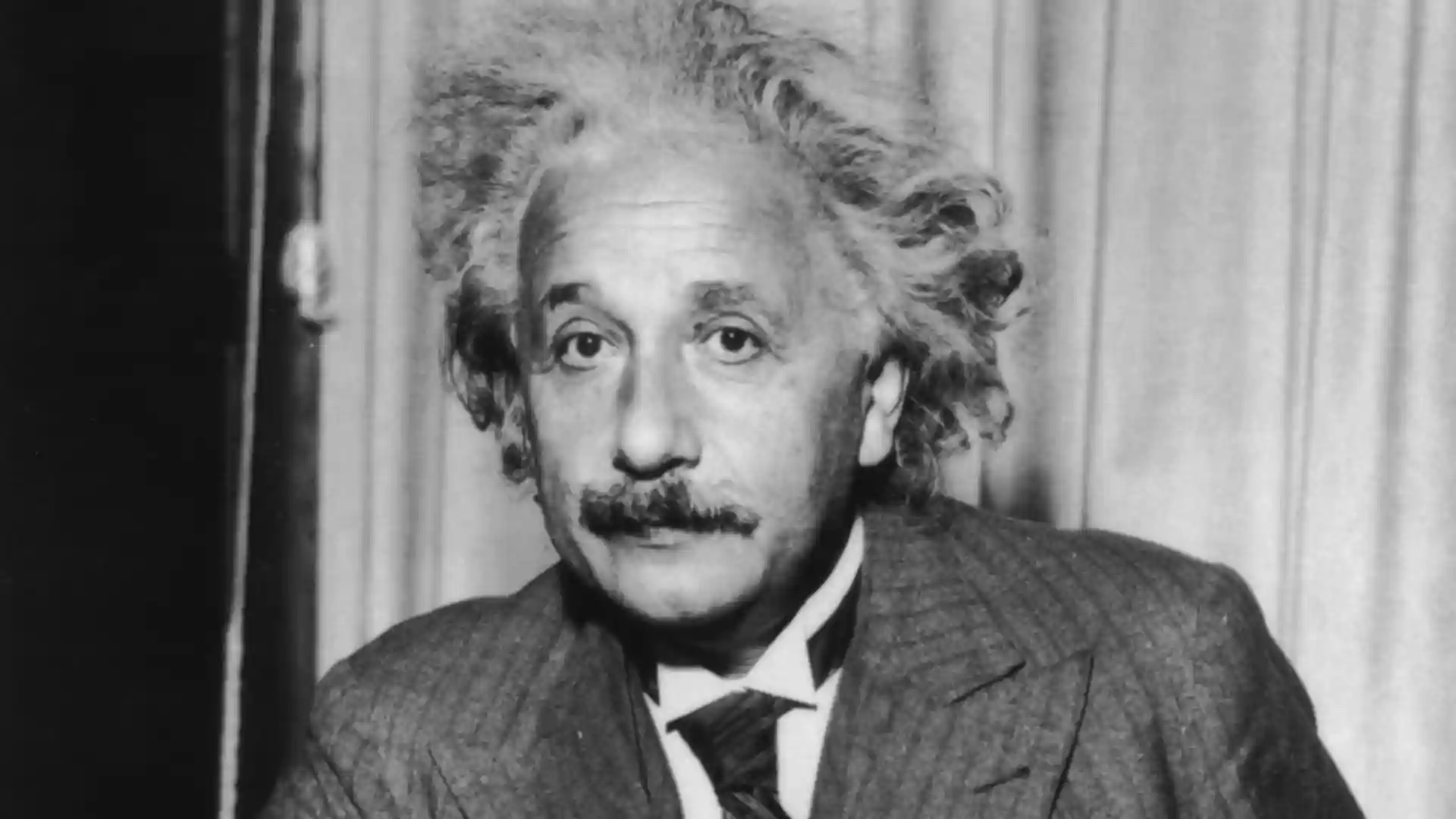
The physicist behind relativity was never diagnosed with autism.
He died long before today’s understanding existed, but experts like Cambridge’s Simon Baron-Cohen note he showed many autistic traits.
He spoke late as a child and held intense, narrow focus. His mind reshaped science forever.
2. Bill Gates
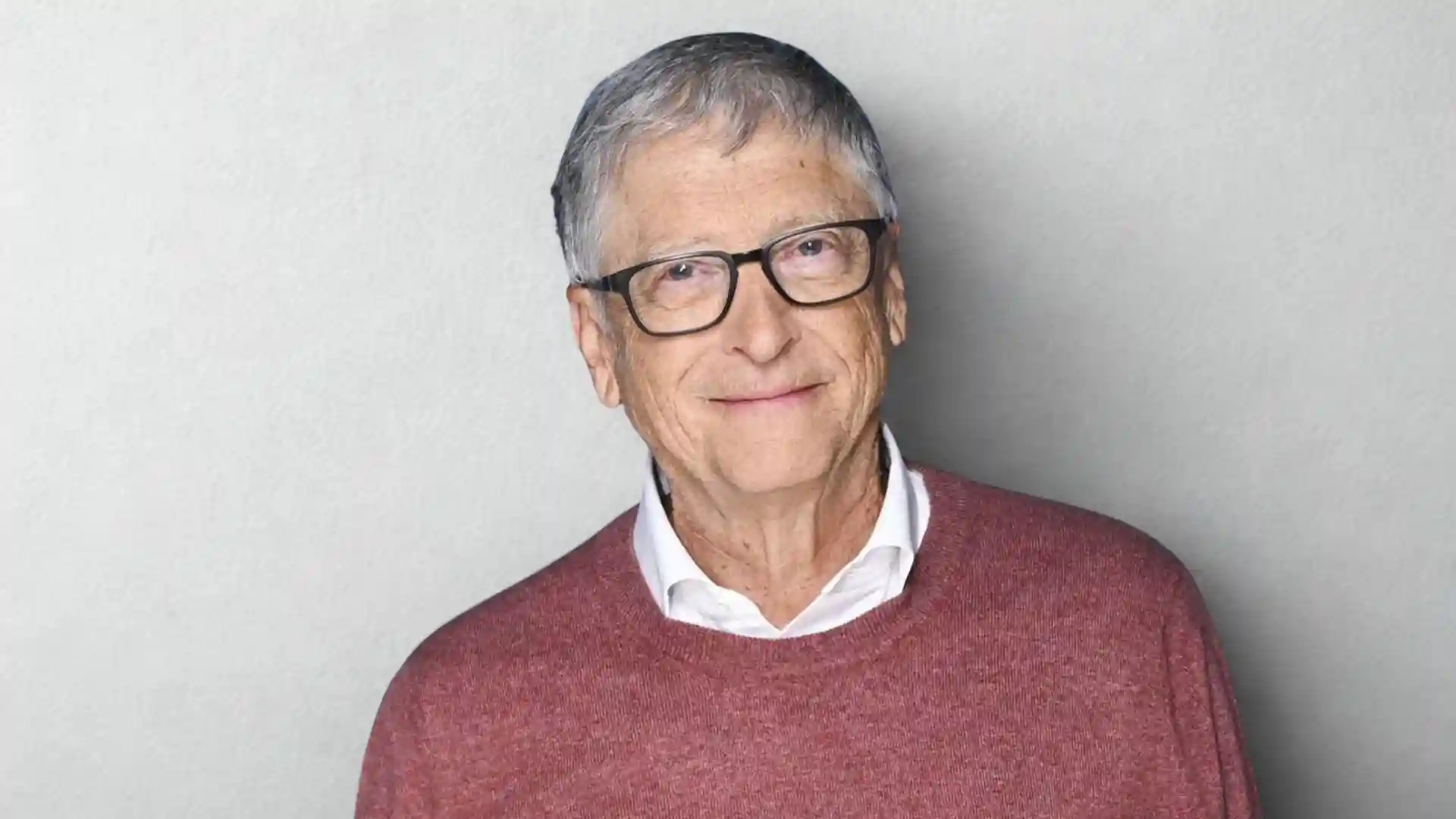
The Microsoft co-founder Bill Gates stated in his interviews that if assessed as a child today, he would probably be diagnosed on the autism spectrum.
He acknowledged that his social difficulties and rocking habit might be linked to autism
Many writers point to his deep focus and famous rocking habit. What’s certain is that his sharp, pattern-loving mind built one of tech’s biggest companies.
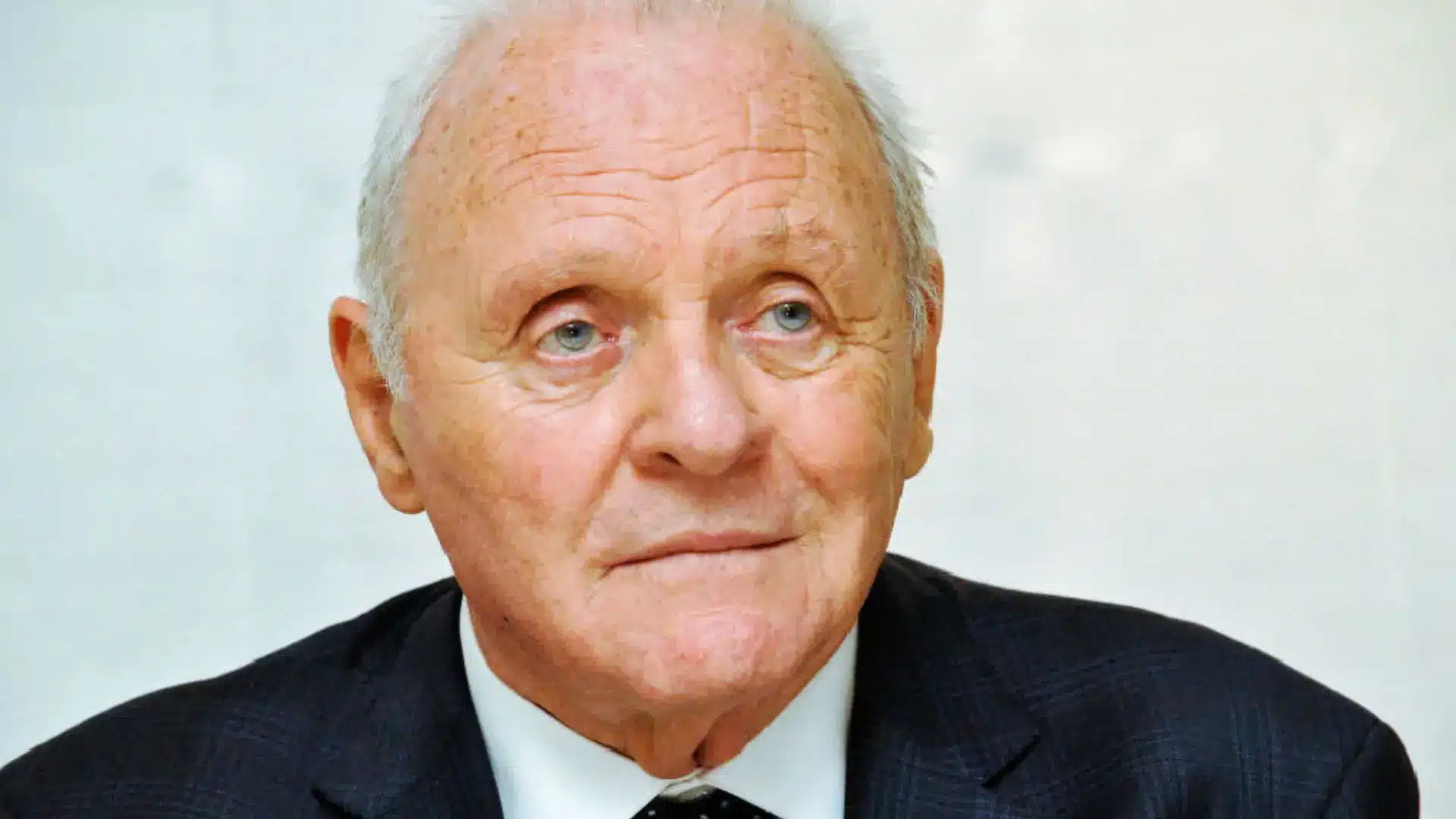
3. Anthony Hopkins
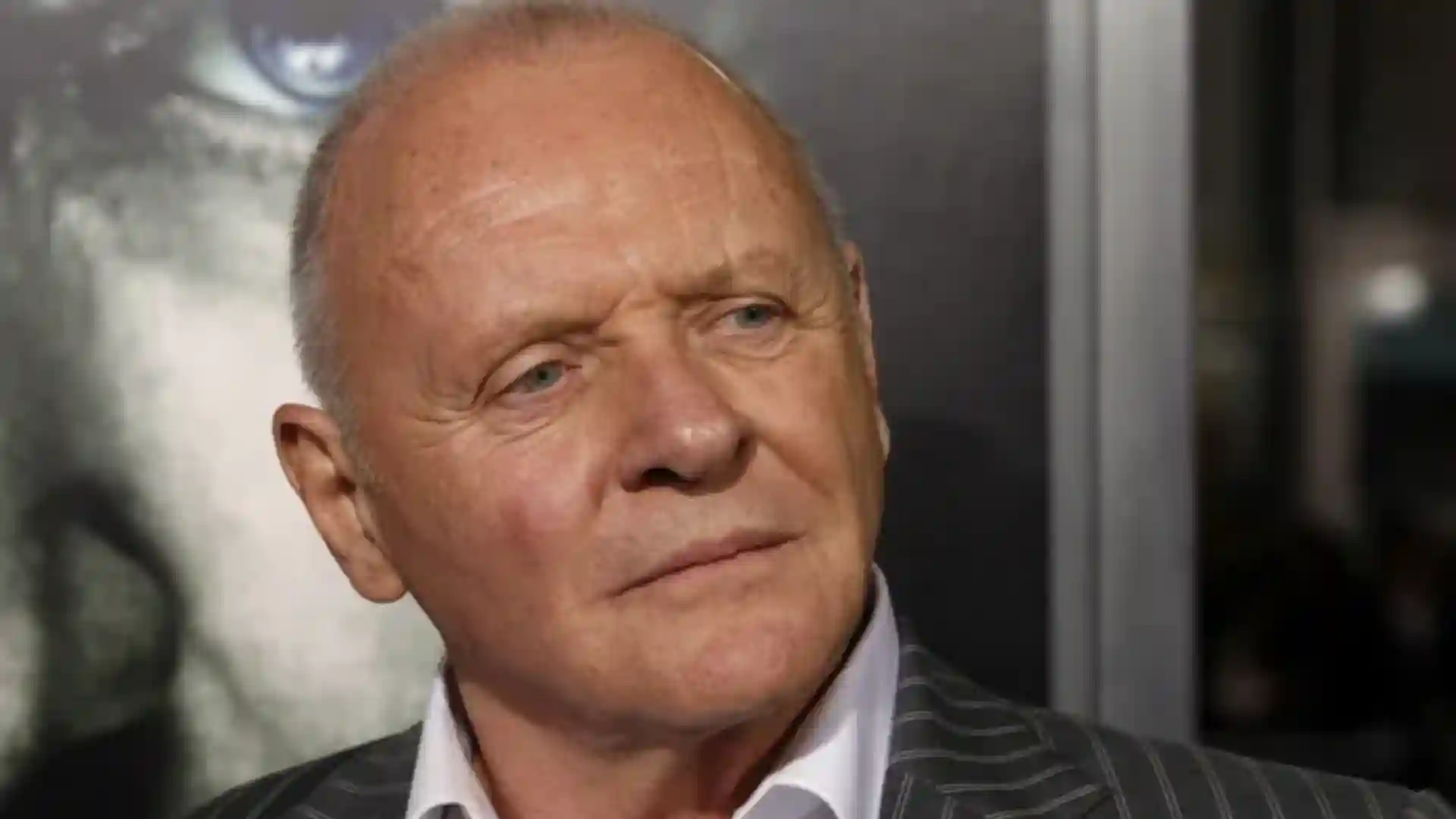
The Oscar-winning actor shared in 2017 that he has Asperger’s syndrome.
However, in 2025, Hopkins dismissed his wife’s claim that he’s autistic, calling it ‘nonsense.’ His current stance on the diagnosis is unclear.
The diagnosis helped him understand his own behaviors. He proves deep focus can be a real strength.
4. Benjamin Franklin
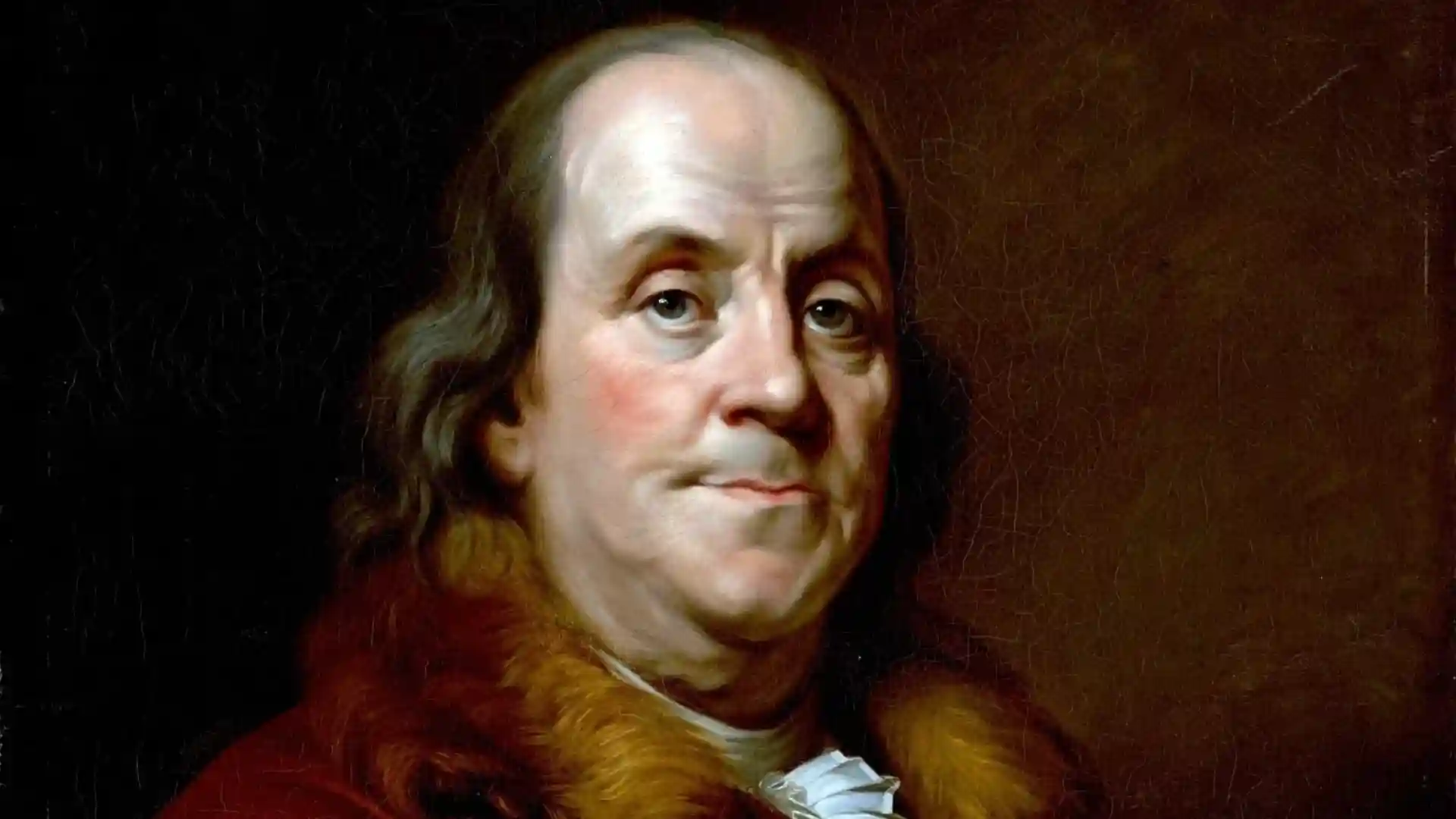
The founding father and inventor lived in the 1700s. No diagnosis was ever made. A few writers have suggested he showed autistic traits. This is pure speculation.
Yet his restless curiosity gave us bifocals, the lightning rod, and so much more. His mind never stopped working.
5. Charles Darwin
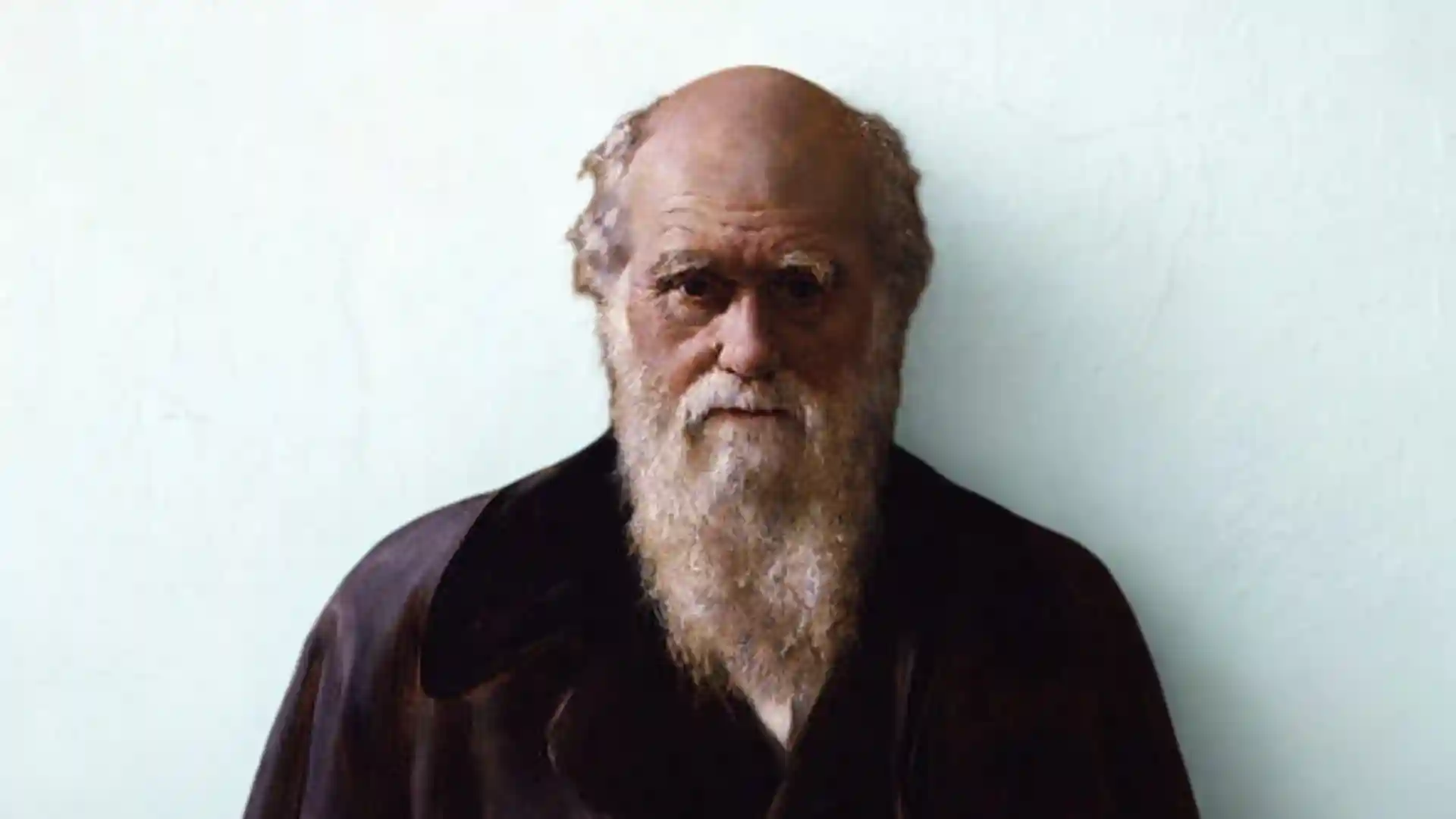
The father of evolution lived in the 1800s, so no diagnosis exists. Psychiatry professor Michael Fitzgerald has suggested Darwin showed autistic traits.
He was a quiet, focused child who loved collecting and detail. His patient, observant mind gave us one of science’s biggest ideas.
6. Sir Isaac Newton
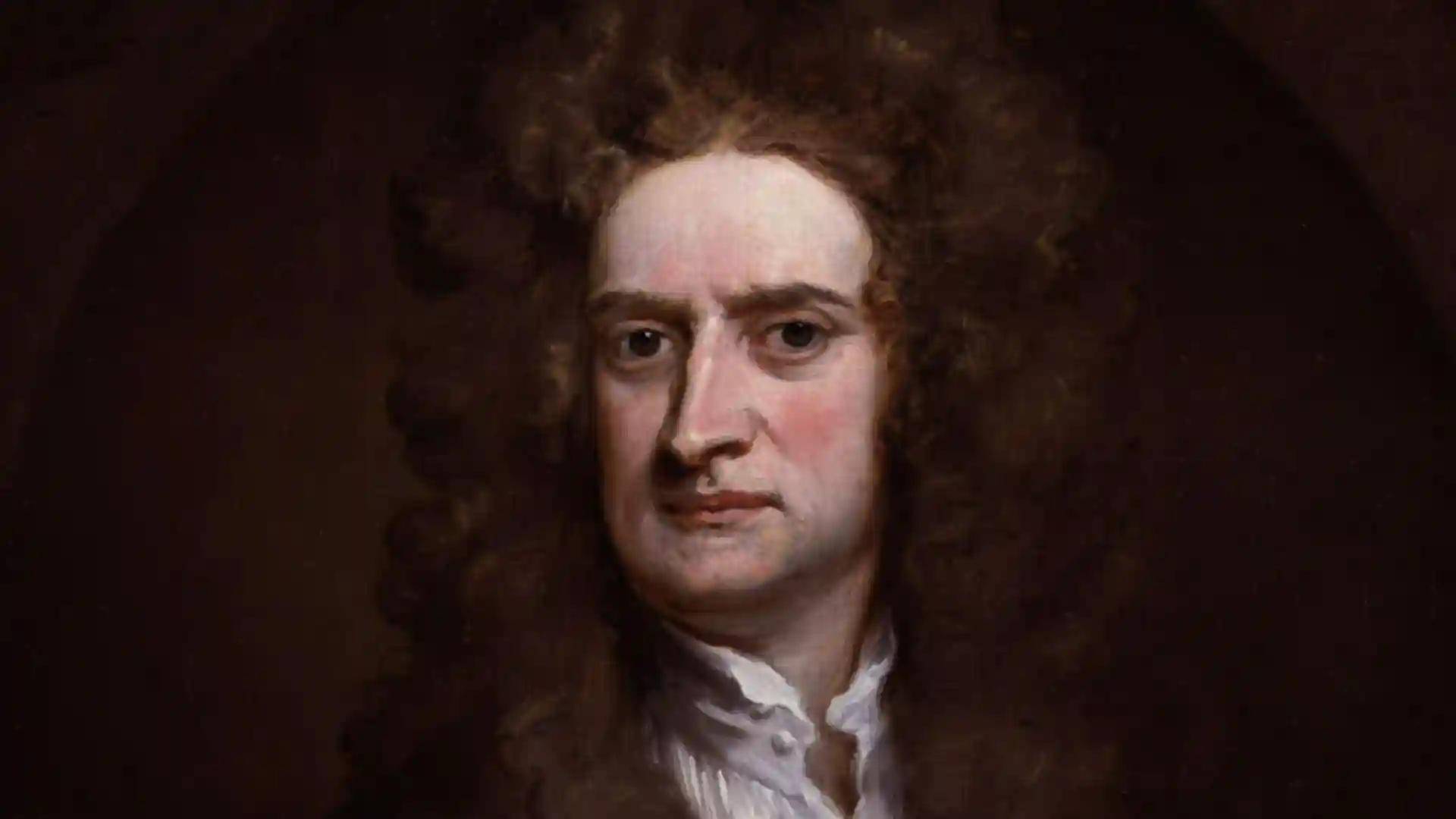
Newton shaped physics and math, but he died centuries before autism was known.
Experts, including Michael Fitzgerald, have suggested he showed signs of autism. He was famously solitary and deeply absorbed in work.
This remains a guess, yet his focus changed how we see the universe.
7. Elon Musk
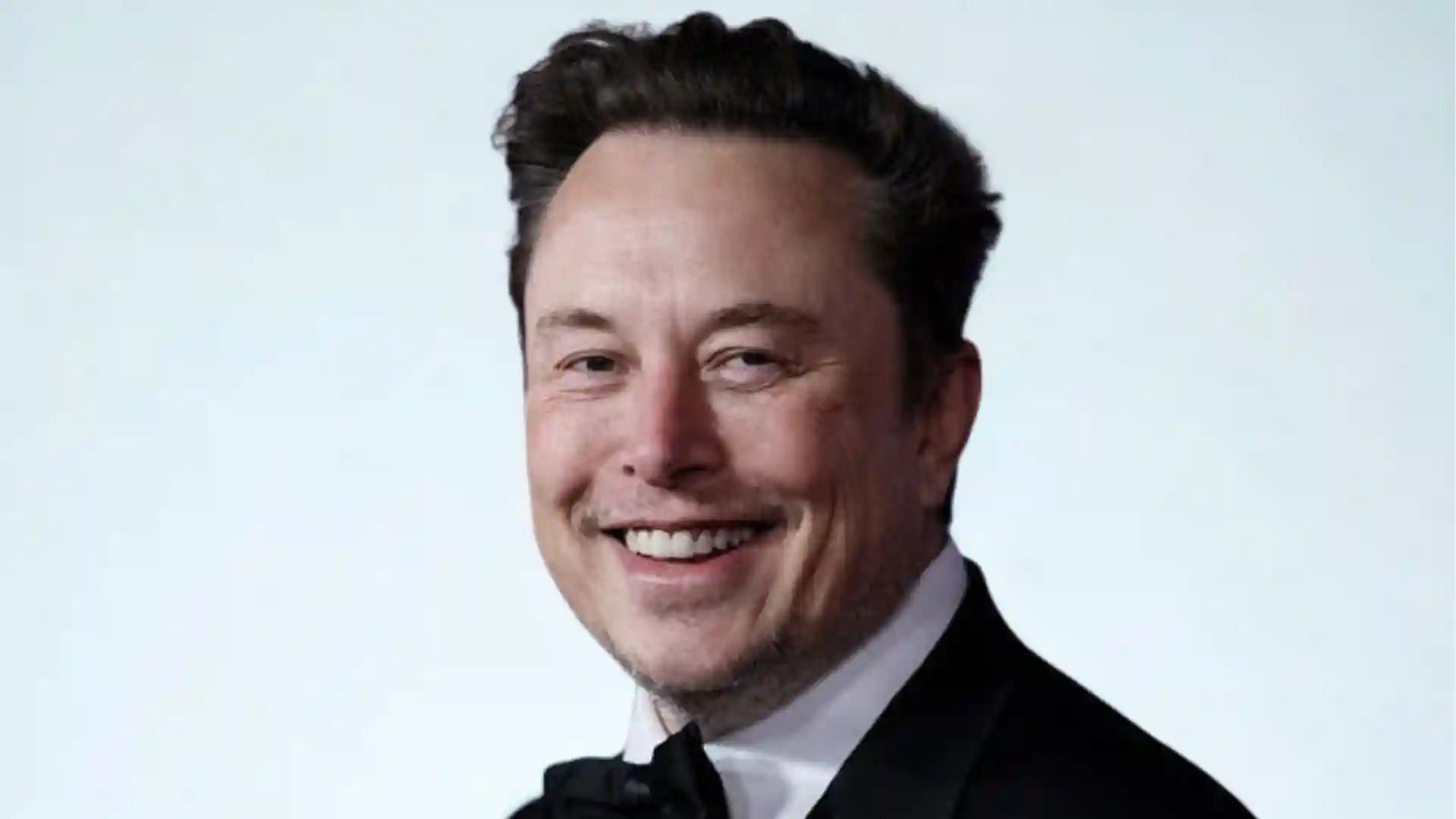
This one’s self-claimed. While hosting Saturday Night Live in 2021, Musk said he has Asperger’s.
He’s the first to host the show with that disclosure. He runs Tesla and SpaceX with relentless drive. His story shows that a different mind can chase huge goals.
8. Armani Williams
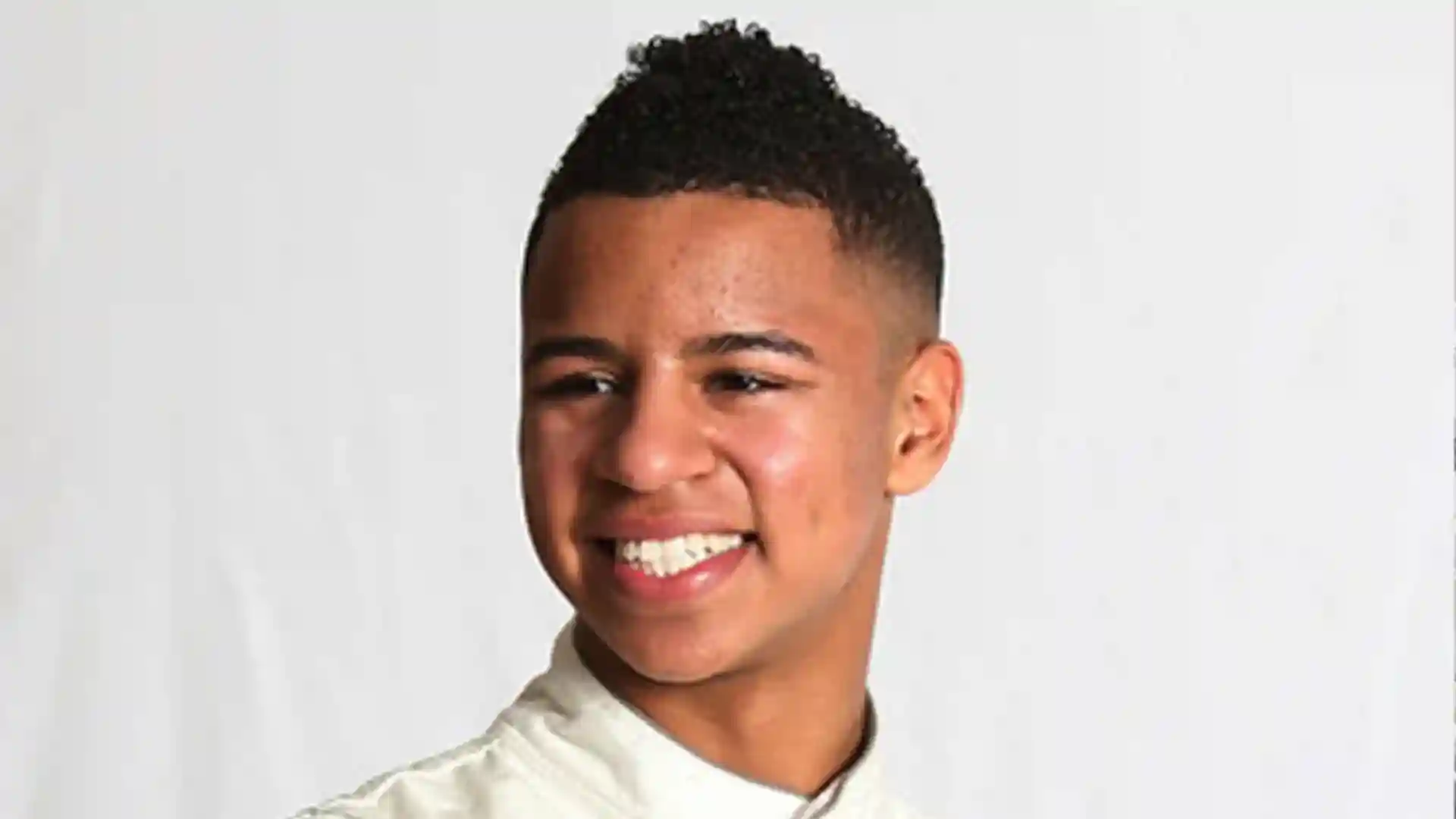
Williams is a professional NASCAR driver who is openly autistic.
He’s one of the first in the sport to share his diagnosis. He races to raise autism awareness, too, he turned his platform into a mission.
9. Susan Boyle
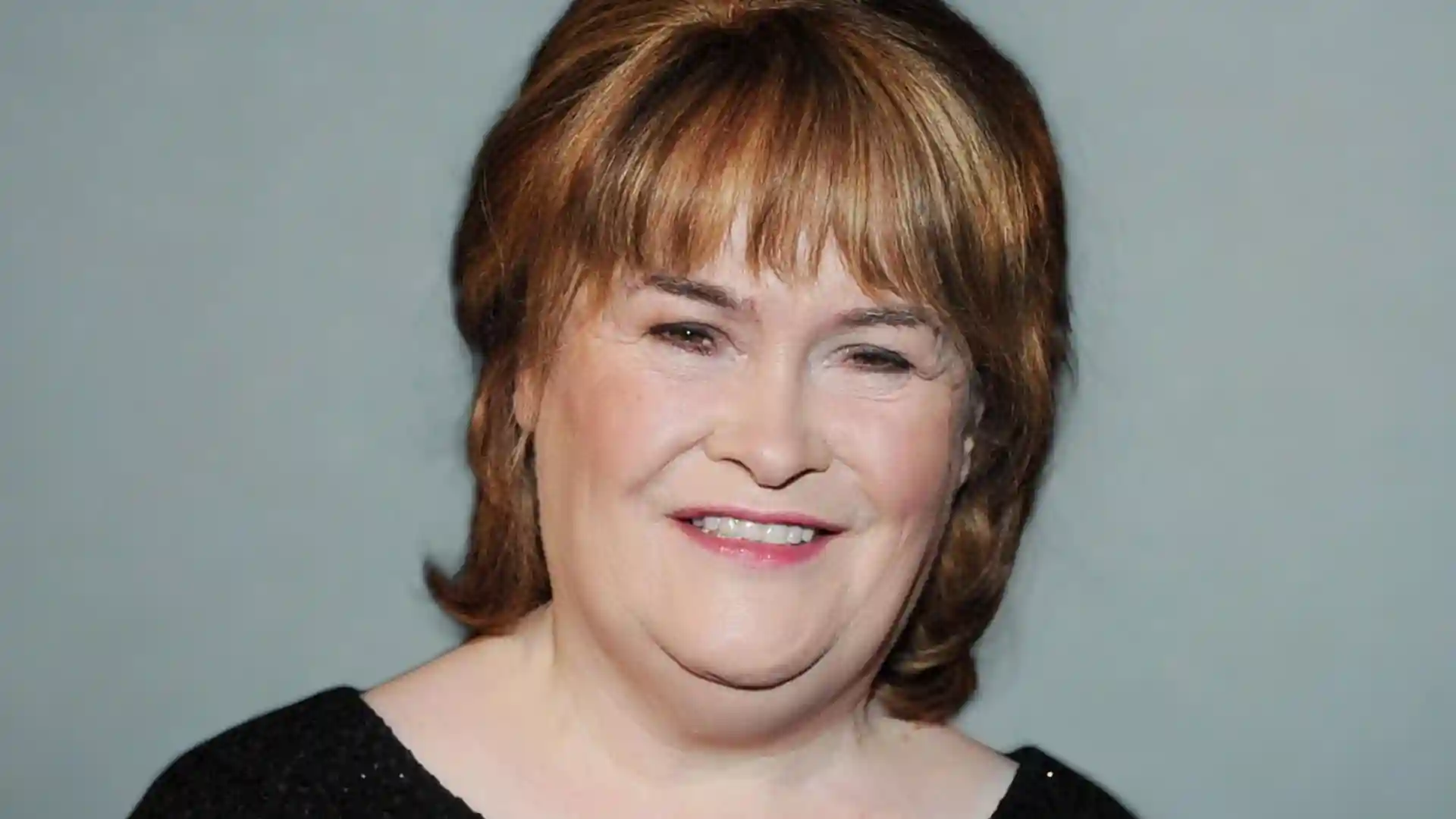
The singer stunned the world on “Britain’s Got Talent” in 2009. In 2012, she was diagnosed with Asperger’s, and she called it a relief.
She had long felt misunderstood; the diagnosis gave her clarity. Her powerful voice still moves millions of fans today.
10. Daryl Hannah
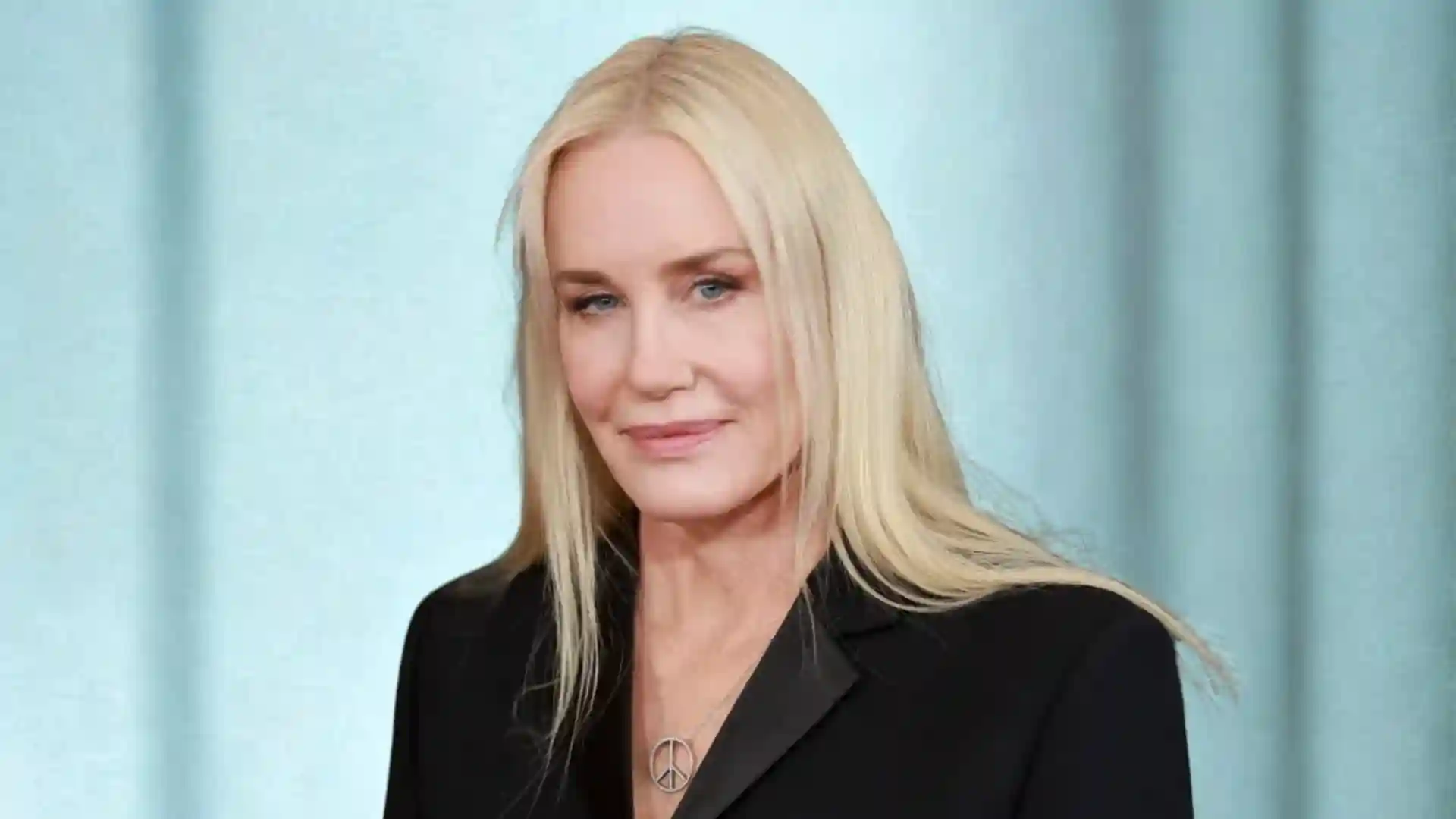
The “Blade Runner” actress is openly autistic. She was diagnosed as a child and dealt with intense shyness and isolation.
Doctors once wanted to institutionalize her, but her mother refused. Acting became her escape, and she now speaks openly to help others feel less alone.
11. Nikola Tesla
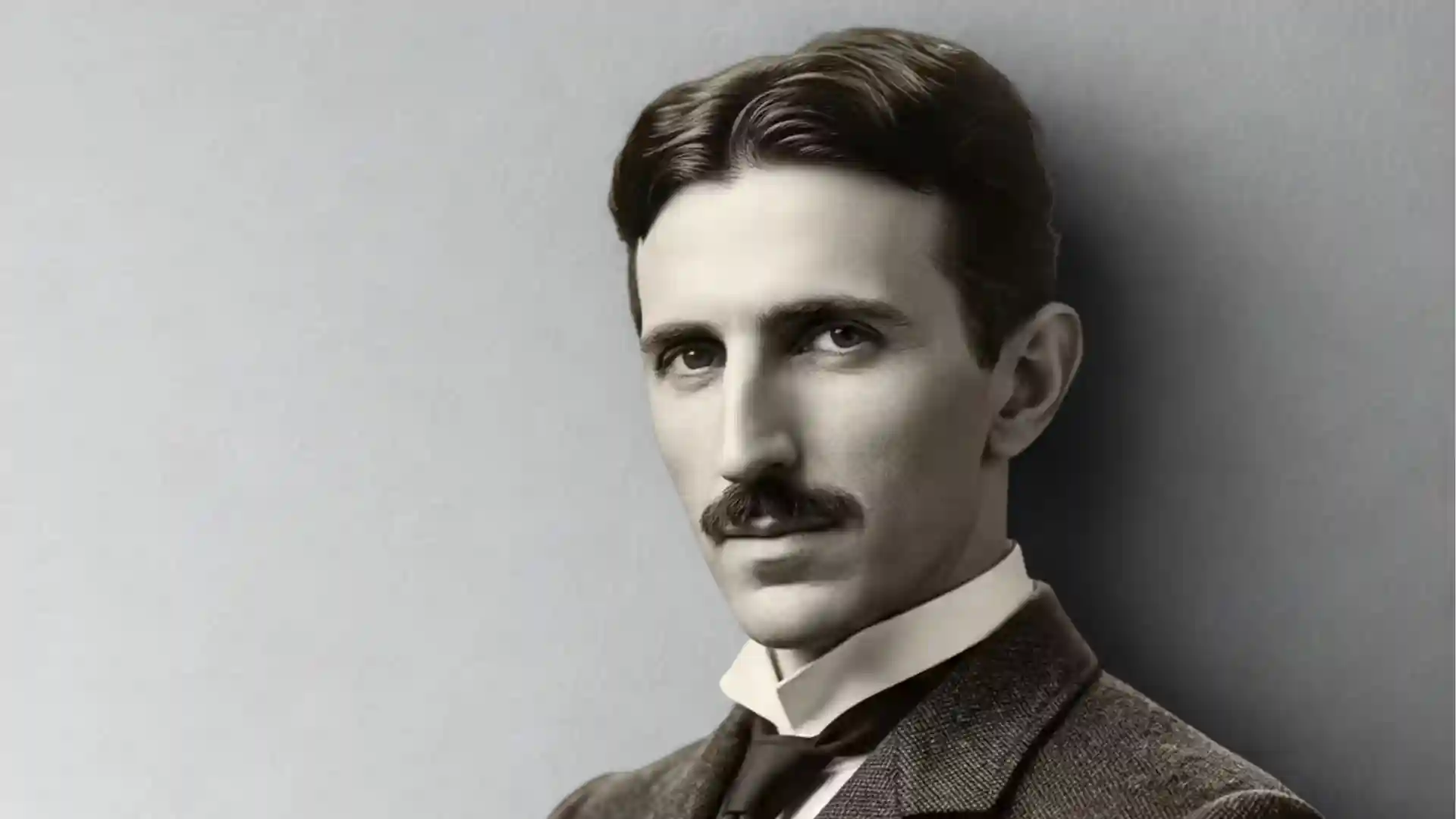
The inventor behind modern electricity lived in the 1800s and early 1900s. No diagnosis was possible then.
Writers often point to his rigid routines and intense focus. He’s another retrospective guess, not a confirmed case.
Still, his brilliant, single-minded work helped power the whole modern world.
12. Steve Jobs
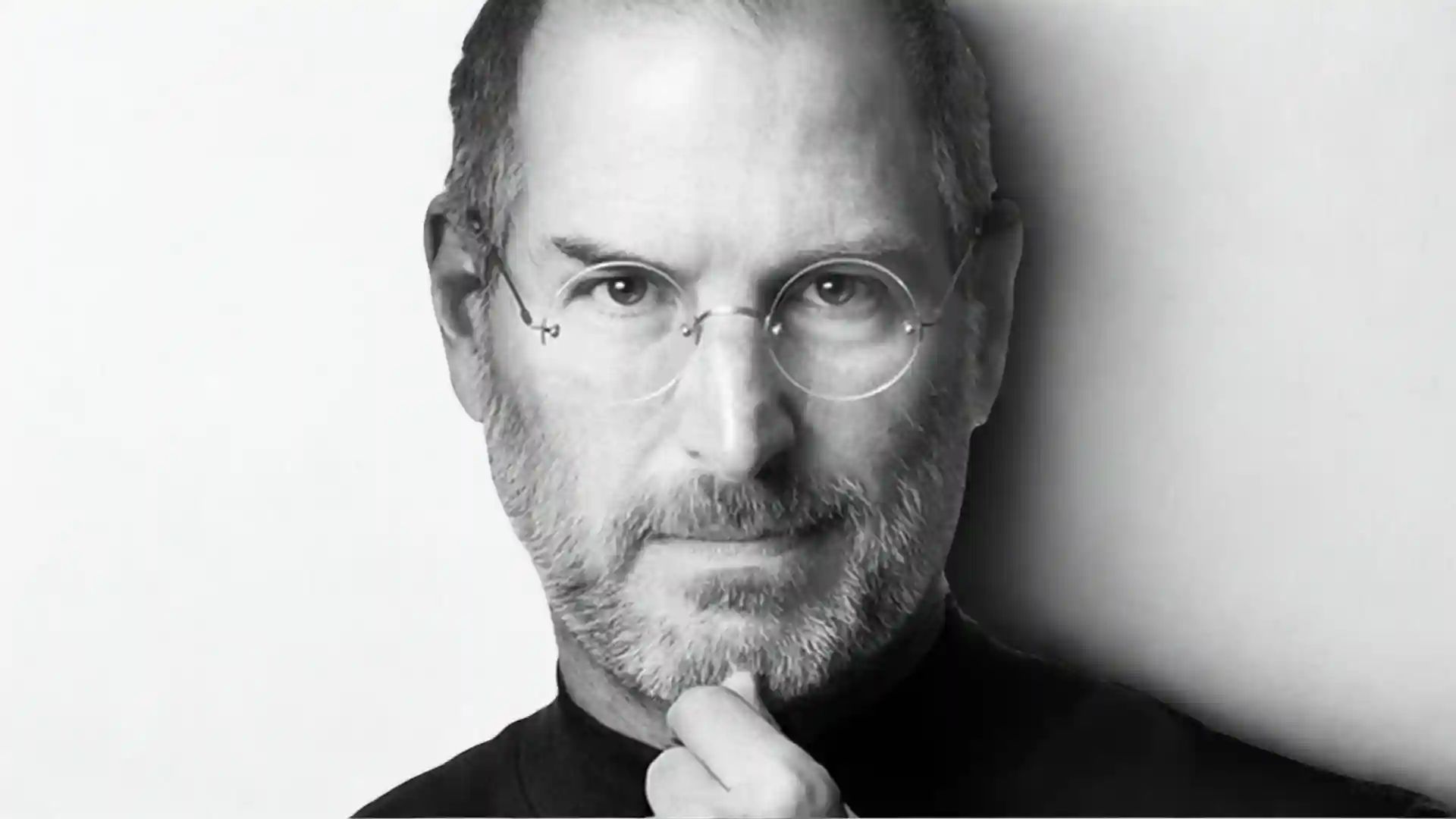
The Apple co-founder never confirmed an autism diagnosis. Some writers have speculated based on his intense focus and blunt style.
Jobs himself never claimed it. So this is speculation. What’s clear is that his obsessive eye for design changed how we use technology daily.
13. Bobby Fischer
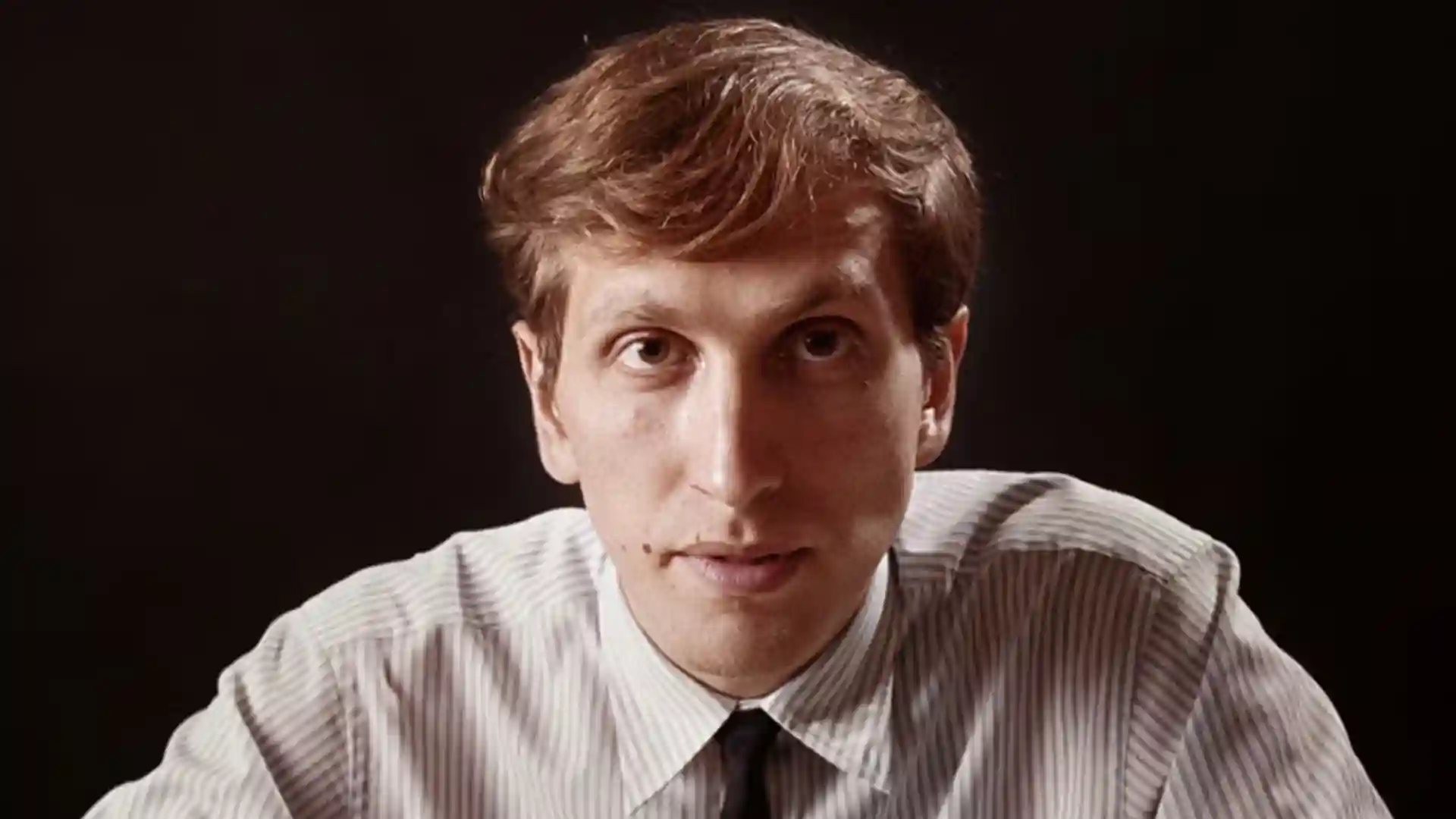
The chess legend became world champion with stunning skill. Some experts have suggested he showed autistic traits.
He was never formally diagnosed, so this is a guess. His total focus on chess was unmatched. Few minds have ever locked onto one game so completely.
14. Dan Aykroyd
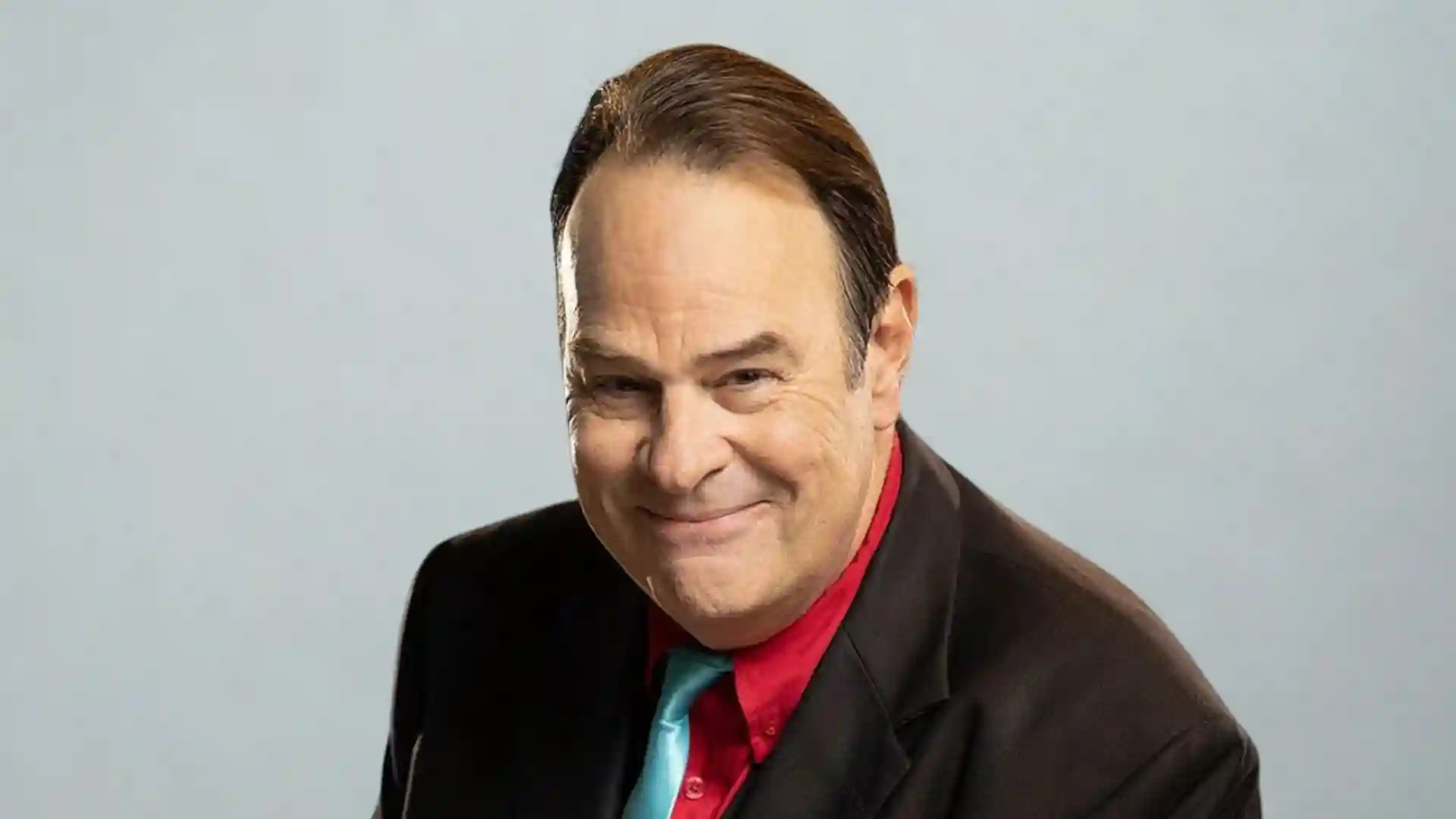
The “Ghostbusters” star is openly autistic. He was diagnosed with Asperger’s and links his fascination with ghosts and law enforcement to his special interests.
He even co-wrote “Ghostbusters” around that passion. His story shows how a deep interest can fuel real creative success.
15. Leonardo da Vinci
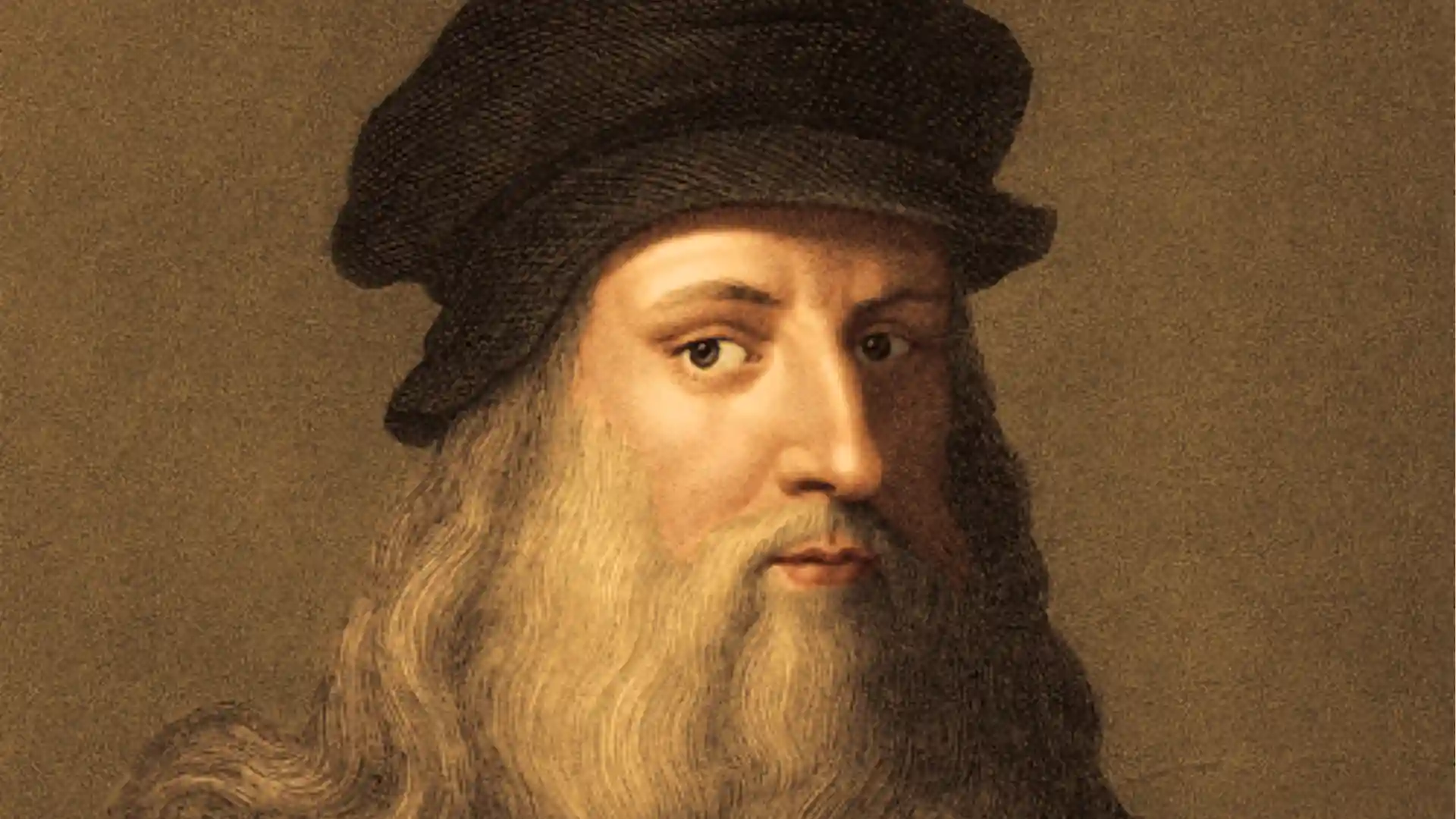
The Renaissance genius painted the “Mona Lisa” and designed flying machines. He lived 500 years ago, so no diagnosis exists.
Some researchers suggest he showed autistic traits, like intense focus and unfinished projects. It’s a guess, but his curious mind touched art and science alike.
Iconic Fictional Characters With Autistic Traits
Real people aren’t the only ones shaping how we see autism; stories matter too.
Over the years, a few fictional characters have brought autistic traits to the screen. They help millions of viewers understand different minds a little better.
Sheldon Cooper, “The Big Bang Theory.”
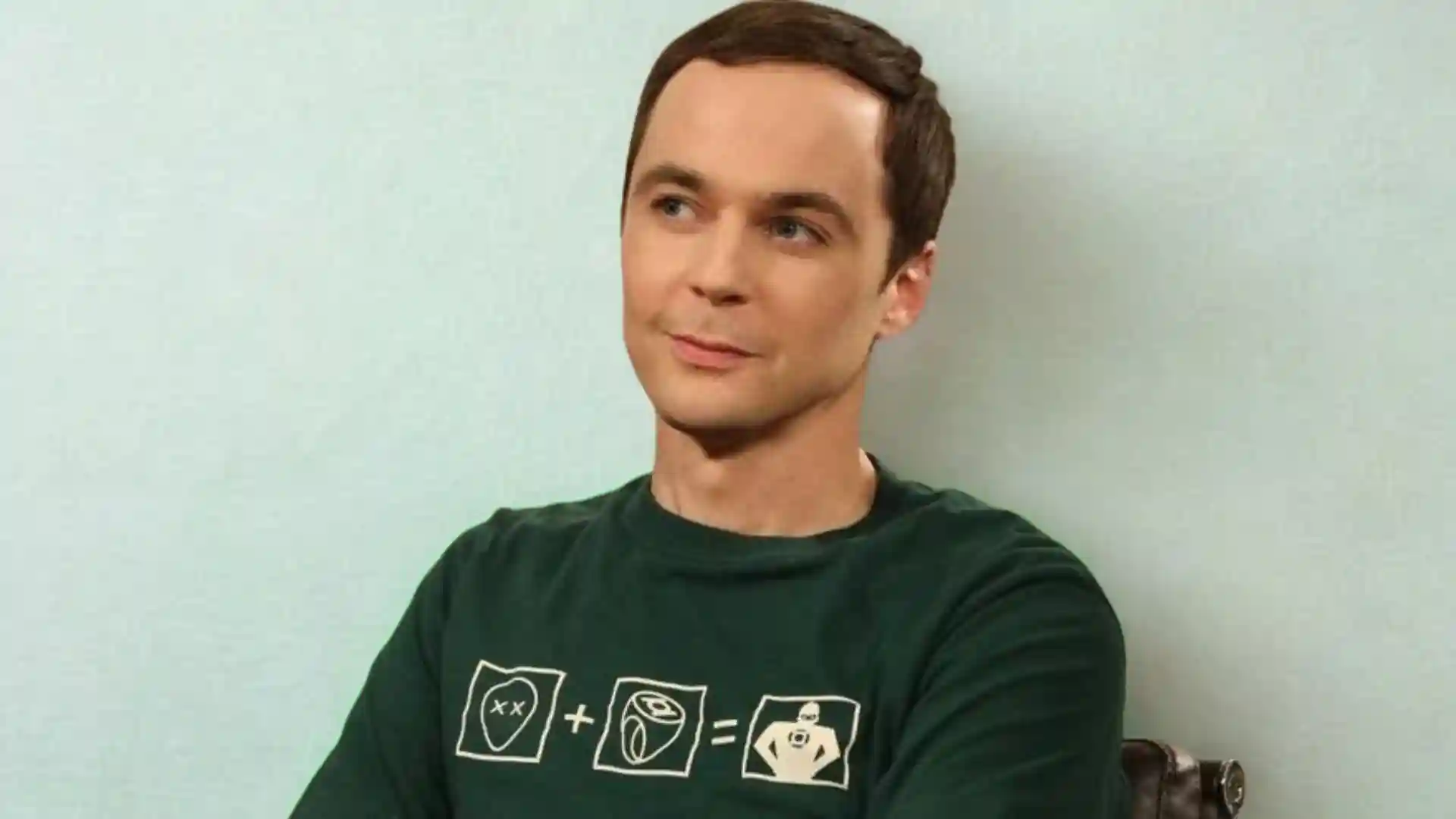
The brilliant physicist loves routine, struggles with social cues, and speaks bluntly.
The show never officially labels him autistic. Still, many viewers see clear autistic traits.
Some fans love him; others feel he leans on stereotypes. Either way, he sparked real conversation about different minds.
Dr. Shaun Murphy, “The Good Doctor.”
Shaun is a young surgeon who is openly autistic in the show. He sees medical problems in vivid, visual ways others miss.
His story highlights both his struggles and his gifts. The role helped many viewers picture autism in a fuller, more human light.
Julia, “Sesame Street.”
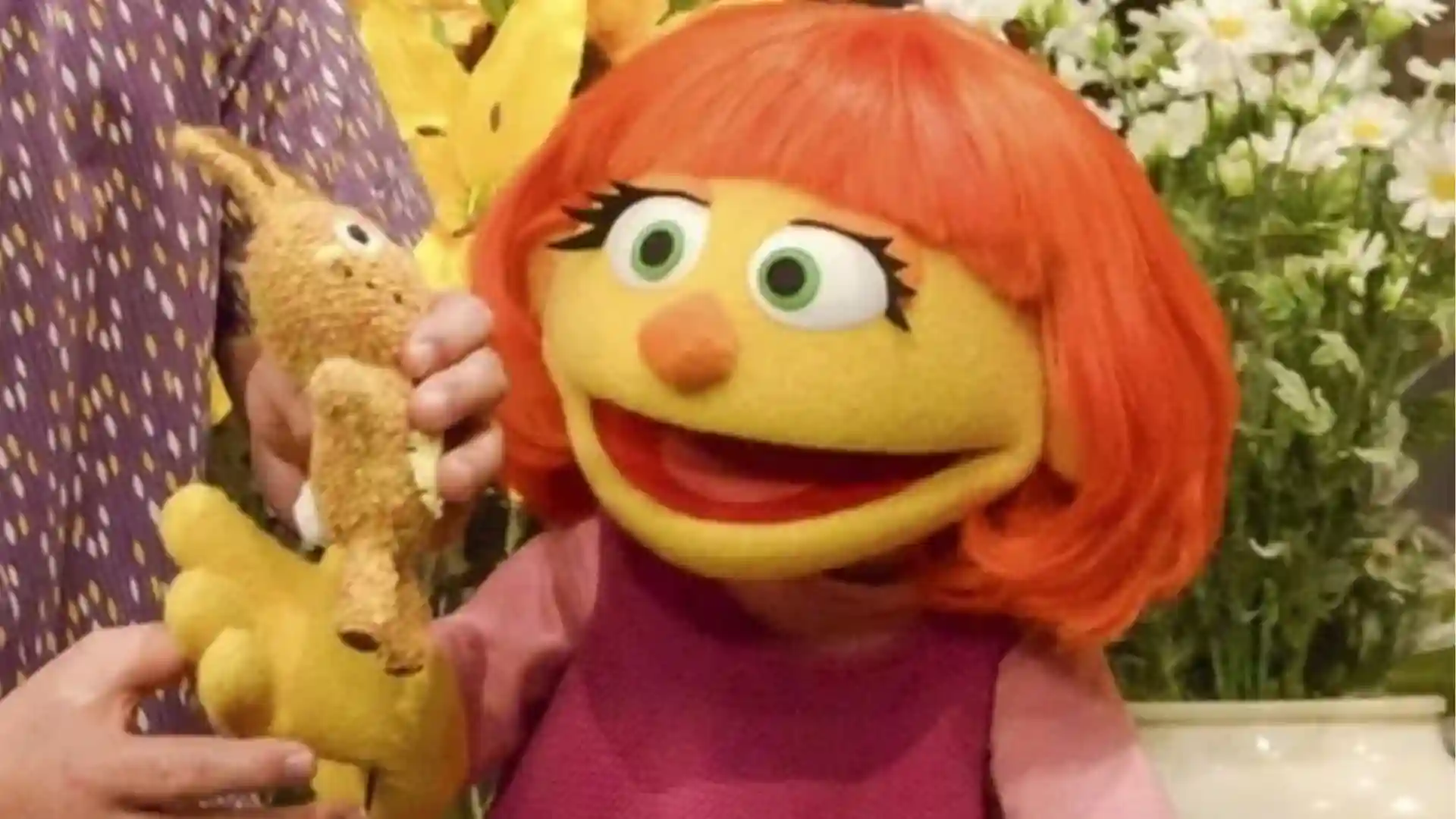
Julia is a sweet, bright Muppet who is autistic. She joined the show in 2017 to help young kids understand autism.
She plays a bit differently, and that’s shown as okay. She’s a gentle, kind way to teach acceptance early.
How is Asperger’s Syndrome Different from Autism?
Asperger’s syndrome was once its own diagnosis. It described people with social and behavioral differences but no language or intellectual delays; many saw it as a milder form of autism.
In 2013, the DSM-5 removed Asperger’s as a separate label. Doctors folded it into one broad category: Autism Spectrum Disorder.
Experts found the line between Asperger’s and autism was often unclear.
So today, no one gets an Asperger’s diagnosis. It now sits within ASD, usually as Level 1. Many adults still use the old term, though. It’s part of who they are.
The End Note!
Fifteen big names, a few beloved characters, and one simple truth that different minds do great things.
The next time someone mentions autism, don’t think “limit,” think “possibility,” because the proof is right here, sitting in this list.
Which name on this list surprised you most? Drop it in the comments. We’d love to hear your pick.
Frequently Asked Questions(FAQs)
1. Are Autistic People More Likely to Be Highly Intelligent?
Not always. Autism spans a wide range of abilities; every person differs.
2. Does Autism Go Away as Someone Gets Older?
No. Autism is a lifelong condition. But a person’s needs, strengths, and challenges can shift and change over time with support.
3. Is There a Cure for Autism?
No, and most autistic people don’t want one. Therapies and support focus on easing daily challenges, not changing who a person is.