
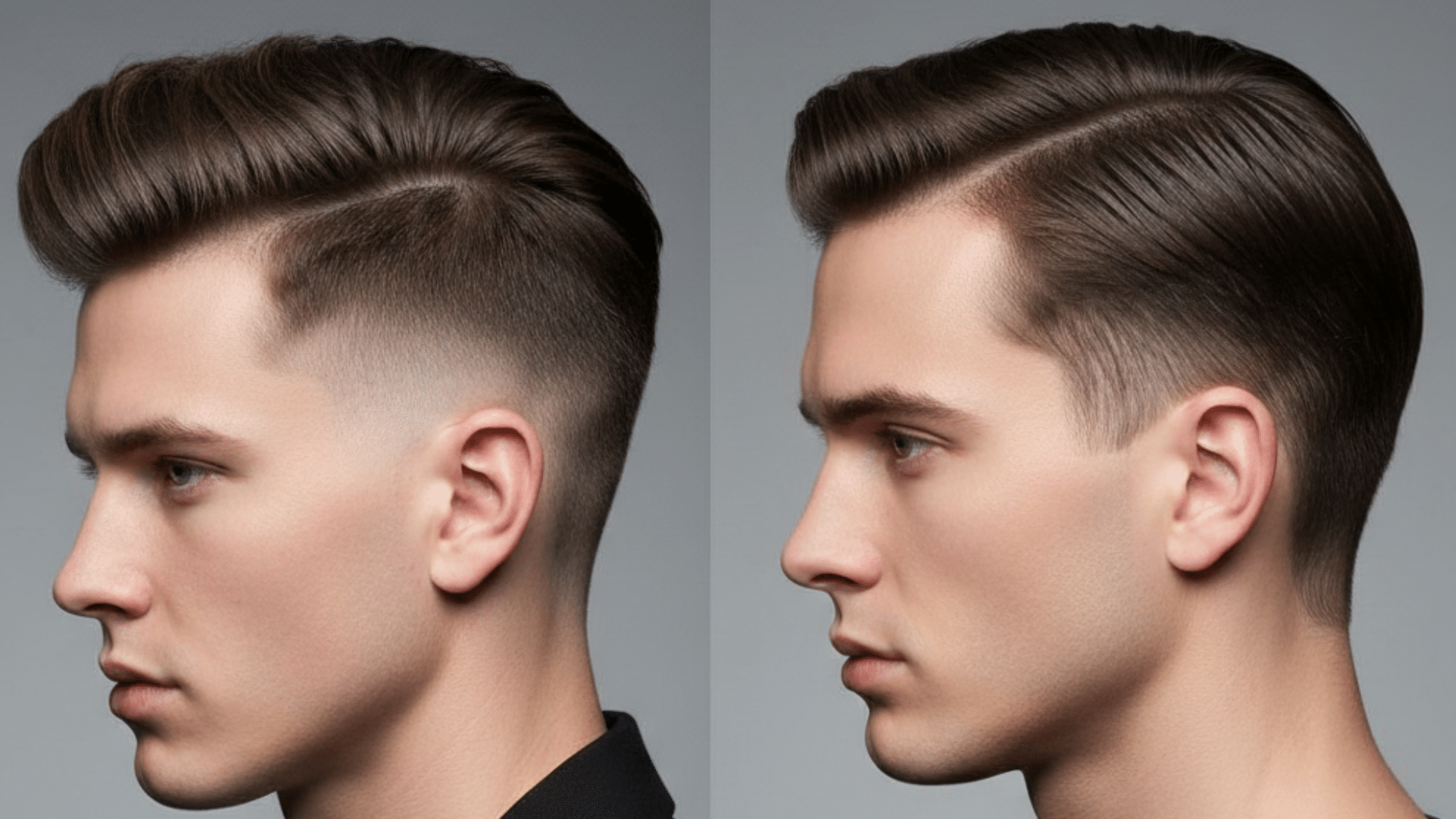
A taper fade is a haircut where your hair gradually shortens from top to bottom. The barber blends longer hair on top with shorter hair on the sides and back, creating a smooth transition.
Think of it like a gradient effect, but on your head.
The “fade” part means your hair fades down to the skin or a very short length.
The “taper” refers to how smoothly it transitions. Unlike regular tapers that stay slightly longer, fades go much shorter or are completely bare.
This style works with almost any hair type and face shape. You can rock it with a pompadour, crew cut, or even curly hair on top.
High Taper Fade
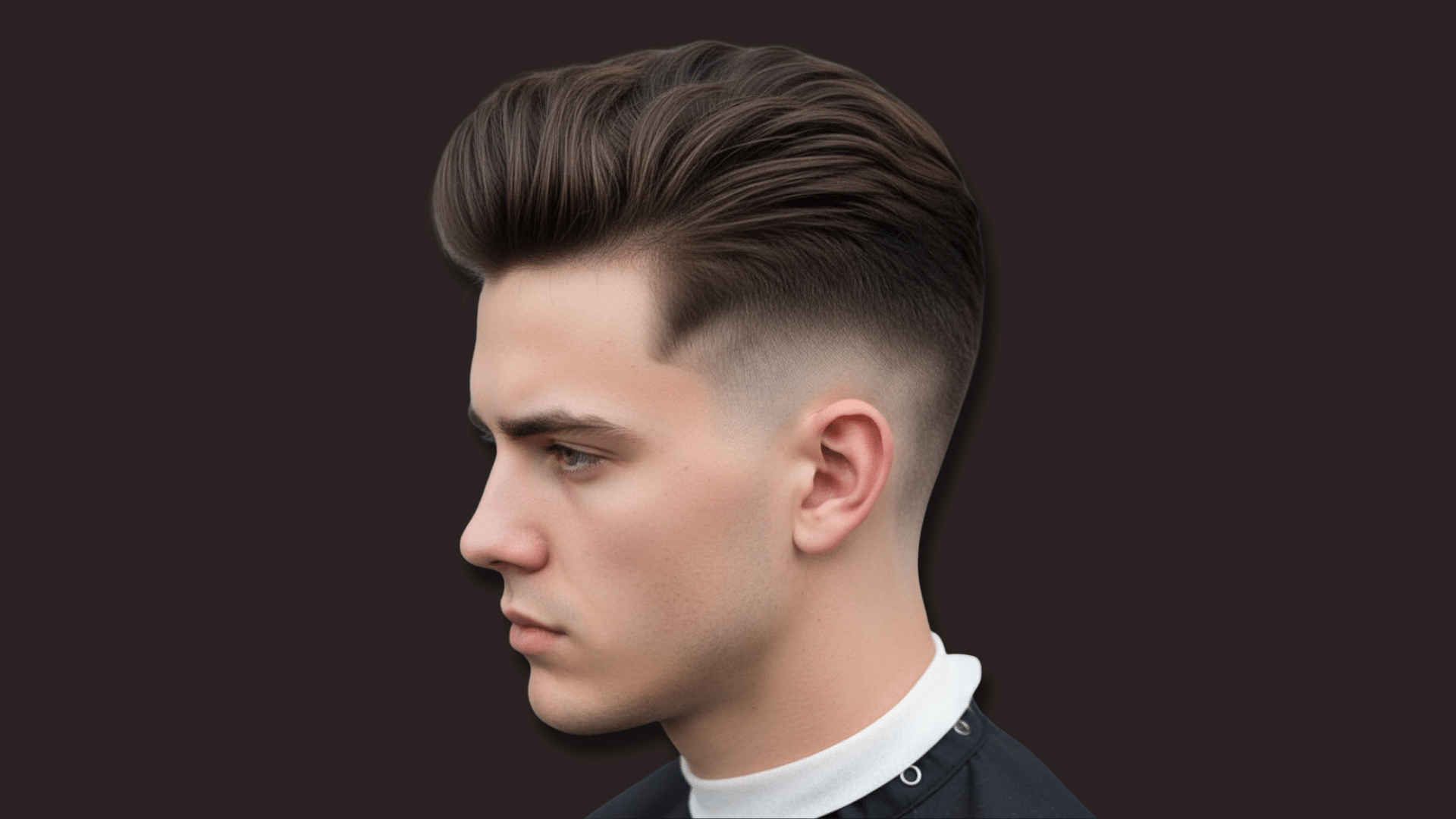
A high taper fade starts the blend high up on your head, usually around the temples or above your ears.
This cut keeps more length on top while the sides fade quickly. You’ll have a bold line where the fade begins, making it super noticeable.
It’s aggressive and eye-catching.
High taper fades show off more scalp, making it perfect for hot weather. They also bring focus to your facial features and bone structure.
Maintenance is easier than you’d think, like 2-3 weeks between barbershop visits.
Low Taper Fade
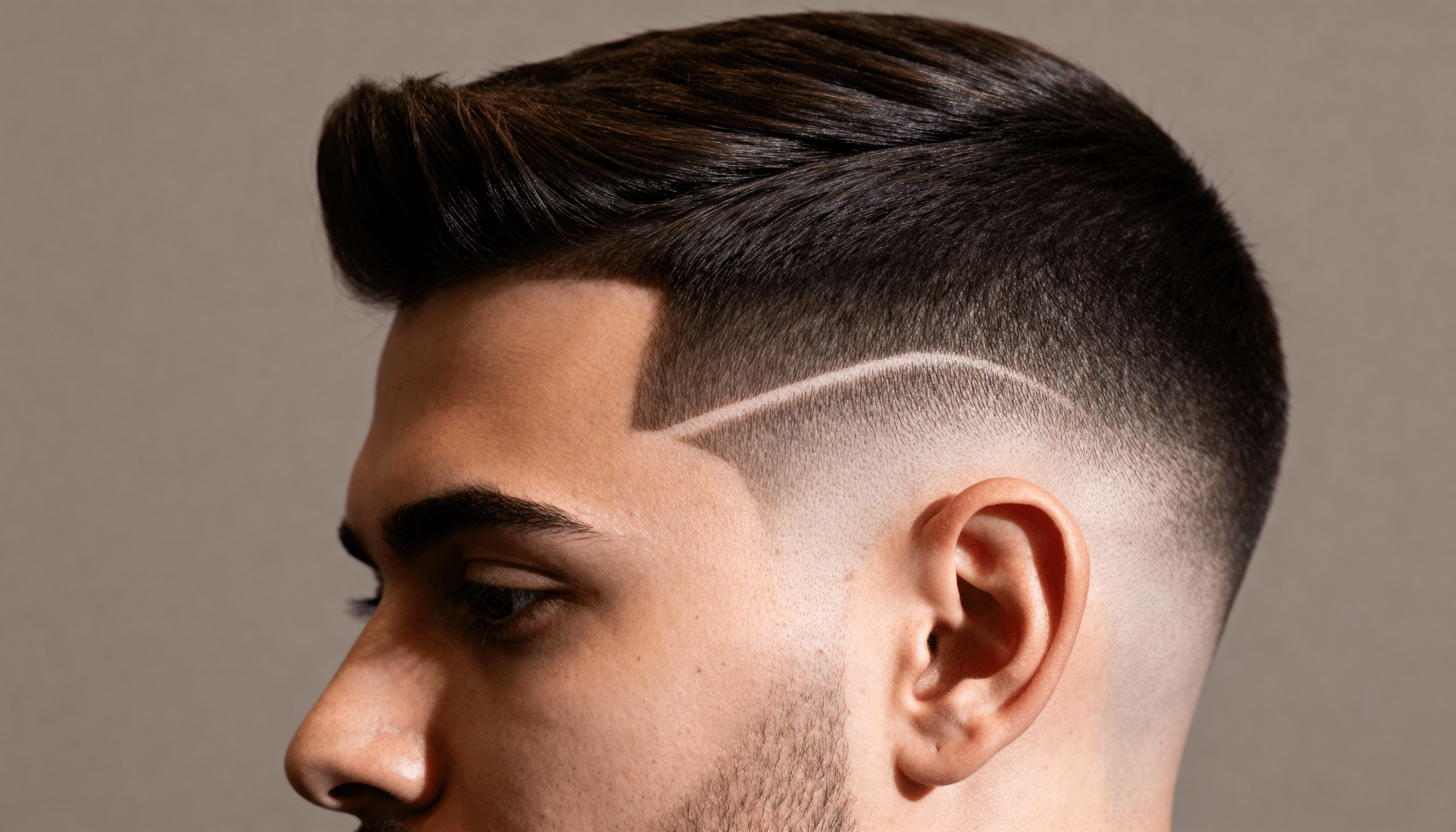
A low taper fade starts the blend low on your head, right around your ears, or just above your neckline. The transition happens in that lower section.
This cut offers a subtle, professional look.
The fade is there, but it doesn’t scream for attention. You get clean lines without the dramatic contrast of a high fade.
Low-taper fades work well in conservative environments like offices or formal events. They’re classy and understated. Most guys hit the barbershop every 1-2 weeks to keep it crisp and fresh.
High Taper Fade vs Low Taper Fade
Now that you know what each fade is, let’s put them side by side.
| Aspect | High Taper Fade | Low Taper Fade |
|---|---|---|
| Fade Starting Point | Begins at temples or 2+ inches above ears | Begins at ear level or just above the neckline |
| Contrast Level | Bold and dramatic | Subtle and gradual |
| Hair Length on Sides | Minimal, shows more scalp | More length retained on sides |
| Best For | Edgy, modern looks | Professional environments |
| Face Shapes | Works best with oval, square, and diamond faces | Works best with round, heart, and longer face shapes |
| Maintenance | Every 2-3 weeks | Every 1-2 weeks |
| Styling Versatility | Pairs well with bold top styles (pompadours, quiffs) | Complements classic cuts (side parts, combovers) |
| Climate Suitability | Perfect for hot weather | Better for cooler seasons |
Which Fade is the Right Choice?
Choosing between high taper vs low taper fades comes down to your lifestyle and personality.
Go with a high taper fade if:
- You work in creative or casual environments
- You want to stand out and make a bold statement
- You have an oval, square, or diamond face shape
- You prefer low-maintenance cuts with a longer time between trims
- You live in hot climates and want maximum cooling
- You’re pairing it with dramatic top styles like pompadours or mohawks
Choose a low taper fade if:
- You work in corporate or professional settings
- You prefer subtle, classic looks over flashy styles
- You have a round, heart-shaped, or longer face
- You don’t mind regular barbershop visits every week or two
- You want versatility that works for both formal and casual occasions
- You’re going for timeless elegance over trendy edge
Still unsure? Consider your daily routine.
Show the barber your inspiration photos of both styles and ask which suits your hair texture and face shape best.
Tips for Getting the Perfect Taper Fade
Getting the right fade isn’t just about choosing high or low.
Communicate clearly with your barber
Don’t just say “give me a fade.” Specify whether you want high or low, indicate how short you want the sides, and include reference photos.
Consider your hair texture
Thick hair holds fades longer and shows more definition. Fine hair fades quickly and needs more frequent touch-ups. Curly hair creates unique texture contrasts.
Start conservative if you’re unsure
Try a low fade first, then go higher next time if you want more edge. It’s easier to take more hair off than to wait for it to grow back.
Maintain it properly
Use a good moisturizer on your scalp, especially with high fades that expose more skin. Line-ups between cuts keep edges crisp.
Conclusion
Both cuts deliver sharp, clean results, but they serve different purposes and personalities.
High fades give you that bold, modern edge perfect for making statements, while low fades keep things professional and timeless.
Neither is better; it’s about what fits your life.
Drop a comment below. Tell us which fade you’re going for, high or low? Share your experience or ask questions.