
More hair in the brush. More strands in the shower. A part that suddenly looks wider than before.
I know that feeling. It crept up during a busy, stressful stretch. And it was hard to ignore.
If stress, poor sleep, or routine changes have been affecting your hair lately, you’re not alone.
In my experience testing simple DIY treatments over time, the biggest improvements usually come from calming the scalp and reducing breakage rather than trying to force faster growth.
Learning how to grow hair faster naturally in a week won’t add dramatic length. But it can reduce shedding, calm the scalp, and make strands feel stronger and fuller.
This blog covers simple DIY masks, scalp massages, and small daily habits.
Each one supports your hair’s growth cycle and helps protect the length you already have.
The Hair Growth Cycle
Hair doesn’t grow continuously. It goes through three main phases before a new strand begins.
| Phase | Name | What Happens | Duration |
|---|---|---|---|
| 1 | Anagen | Active growth phase. Hair grows from the root. | 2 to 7 years |
| 2 | Catagen | Short transition period. Growth slows down. | 2 to 3 weeks |
| 3 | Telogen | Resting phase. Old hair sheds. New hair forms. | 3 to 4 months |
Most hair on your head stays in the Anagen phase the longest.
Understanding the hair growth cycle helps explain why hair seems to grow at different rates and why some strands fall out while others keep growing strong.
Factors Affecting Hair Growth
These are the factors that affect hair growth:
- Geneticsdetermines growth speed and thickness
- Age slows down the natural growth cycle
- Hormonal changes can speed up or slow down growth
- Nutrition deficiencies directly impact hair health
- Stress levels can cause increased shedding
Quick Hair and Scalp Check Before You Start
Before trying any remedy, take a minute to check what your hair actually needs.
Dry or itchy scalp? Go for moisture-based treatments like aloe vera or coconut oil.
Lots of shedding? Scalp massages and castor oil can help slow this down.
Dry, breaking ends? Try protein-rich masks like avocado and egg.
Recent routine or diet changes? These often trigger sudden hair changes more than people expect.
On average, shedding around 50–100 strands per day is considered normal as part of the natural cycle.
Knowing your hair’s current state helps you pick the right treatment. Diet and lifestyle choices matter more than most people realize.
How to Grow Hair Faster Naturally in a Week?
Hair grows approximately 0.5 inch per month.
So, expecting dramatic length in a week isn’t realistic. However, focused natural care improves scalp health, strengthens existing strands, and significantly reduces breakage.
These changes create the ideal environment for optimal growth while making hair look noticeably healthier and fuller.
The real change happens when multiple methods work together consistently.
My Simple Seven-Day Routine to Make Hair Look Healthier Fast
This is a simple week-long plan that combines the best natural treatments that I have looked for:
| Day | Focus | Treatment |
|---|---|---|
| Day 1 | Scalp Reset | Wash with sulfate-free shampoo + aloe vera gel treatment |
| Day 2 | Oil Massage | Castor oil scalp massage, leave overnight |
| Day 3 | Deep Treatment | Avocado and egg mask, leave on for 25 minutes |
| Day 4 | Rest Day | Five-minute fingertip scalp massage only |
| Day 5 | Circulation Boost | Rosemary and olive oil massage, leave on for 1 hour |
| Day 6 | Strengthening Rinse | Green tea or rice water rinse after shampooing |
| Day 7 | Nourishing Finish | Coconut oil and honey mask, leave on for 30 minutes |
Stick to these daily habits throughout the week:
- Drink enough water to keep strands hydrated
- Avoid tight hairstyles that pull on roots
- Sleep on a silk pillowcase to reduce friction
- Eat protein-rich foods like eggs and nuts
- Keep stress low to support healthy hair cycles
One week of consistent effort won’t change your length. But it will change how your hair feels, looks, and responds to care going forward.
Expert Advice: If experiencing sudden or excessive hair loss, consult a dermatologist or trichologist (especially if shedding lasts longer than 8–12 weeks).
Underlying health conditions like thyroid issues or nutritional deficiencies may require professional treatment beyond home remedies.
Choose the Right Remedy Based on Your Hair Type
Not every remedy works for every hair type. Pick the ones that match your current hair needs.
| Hair Type / Concern | Best Remedy to Try |
|---|---|
| Dry or damaged hair | Coconut oil and honey mask |
| Thinning or shedding hair | Castor oil scalp massage |
| Weak, brittle strands | Avocado and egg mask |
| Itchy or irritated scalp | Aloe vera gel treatment |
| Frizzy, hard-to-manage hair | Banana and yogurt mask |
| Slow growth or poor circulation | Rosemary oil and olive oil massage |
| Dandruff or thinning hair | Fenugreek and yogurt mask |
| Hair loss or weak follicles | Onion juice treatment |
| Dull, lifeless hair | Green tea rinse |
| Weak or damaged strands | Rice water rinse |
Pick two or three that match your hair concern. Stick with them consistently for the best results.
Home Remedies and DIY Hair Masks for Hair Growth
The kitchen holds some of the best ingredients for healthier hair.
These natural treatments are packed with vitamins, proteins, and fatty acids that nourish both the scalp and strands.
I was surprised by how well simple ingredients worked once I started using them the right way. No complicated steps. Just consistent care with what’s already at home.
Each remedy below targets a specific hair concern. Some strengthen strands. Some calm the scalp.
And my favourite part? Most of these take under 30 minutes and cost very little.
1. Coconut Oil and Honey Hair Mask
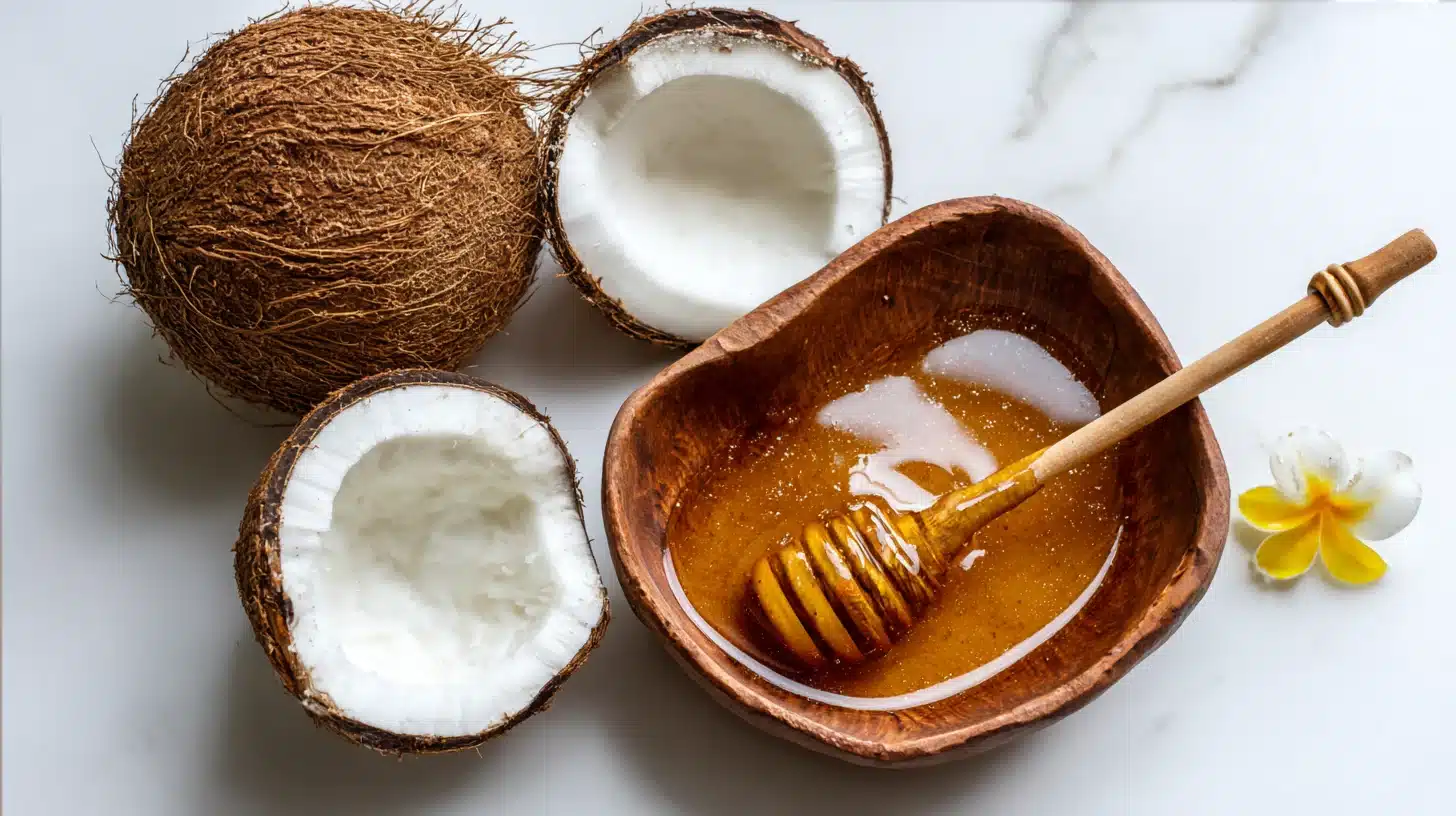
This combination strengthens hair, reduces breakage, and adds moisture and shine. Both ingredients penetrate deeply to nourish from within.
Ingredients:
- 2 tablespoons coconut oil
- 1 tablespoon raw honey
Process:
- Warm the mixture slightly until it blends smoothly
- Apply from roots to tips, massaging gently into the scalp
- Leave on for 30 minutes
- Wash out with a mild shampoo
Coconut oil contains lauric acid, a fatty acid known for penetrating the hair shaft more effectively than many other oils.
2. Scalp Massage with Castor Oil
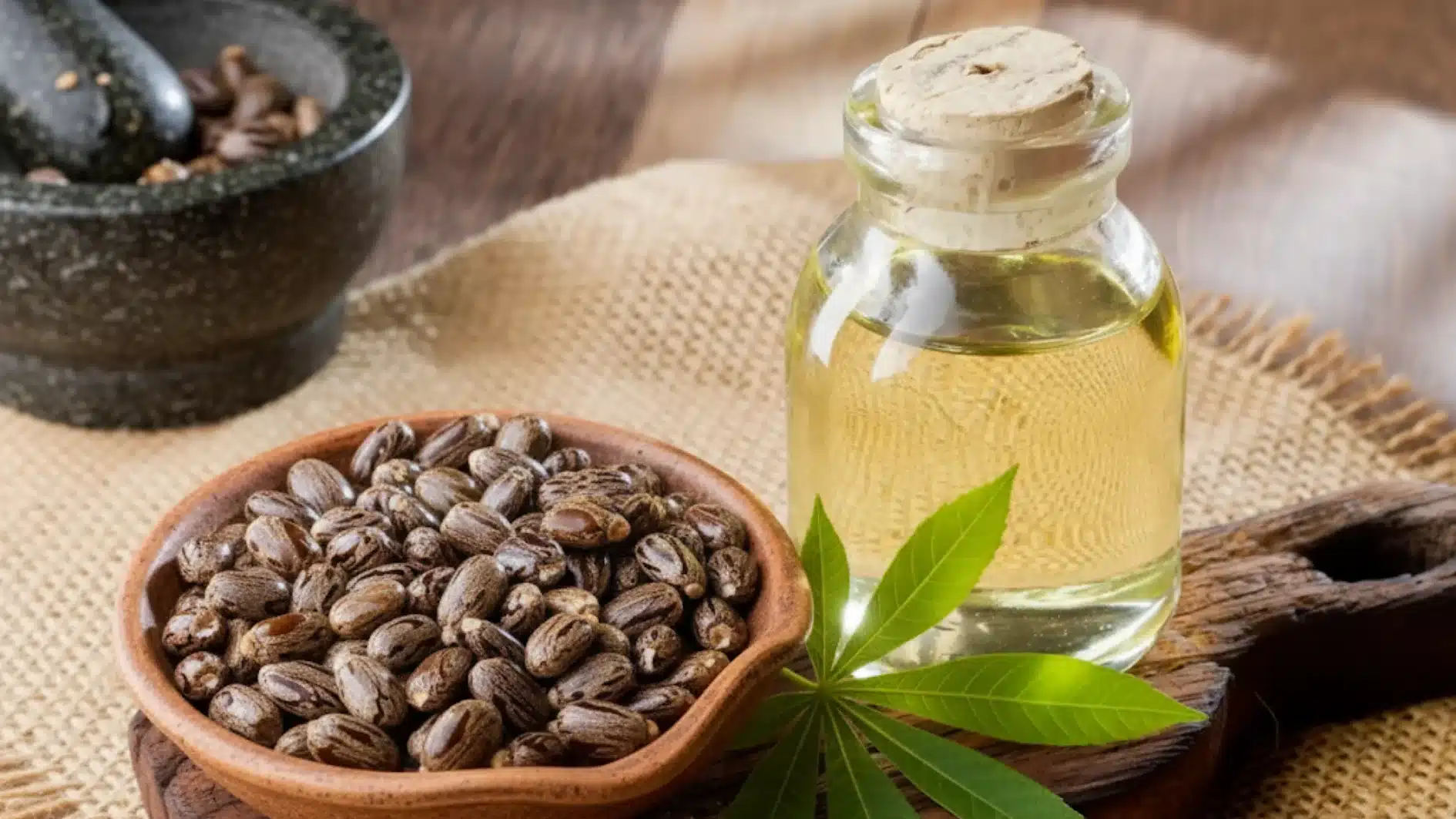
Castor oil boosts circulation to the scalp thanks to its ricinoleic acid content. The massage itself stimulates hair follicles and encourages growth.
Ingredients:
- 2-3 tablespoons castor oil
Process:
- Take a small amount and warm it between your palms
- Massage into the scalp using circular motions for 5 to 10 minutes
- Leave the oil on overnight for maximum benefits
- Wash out in the morning with shampoo
3. Avocado and Egg Mask
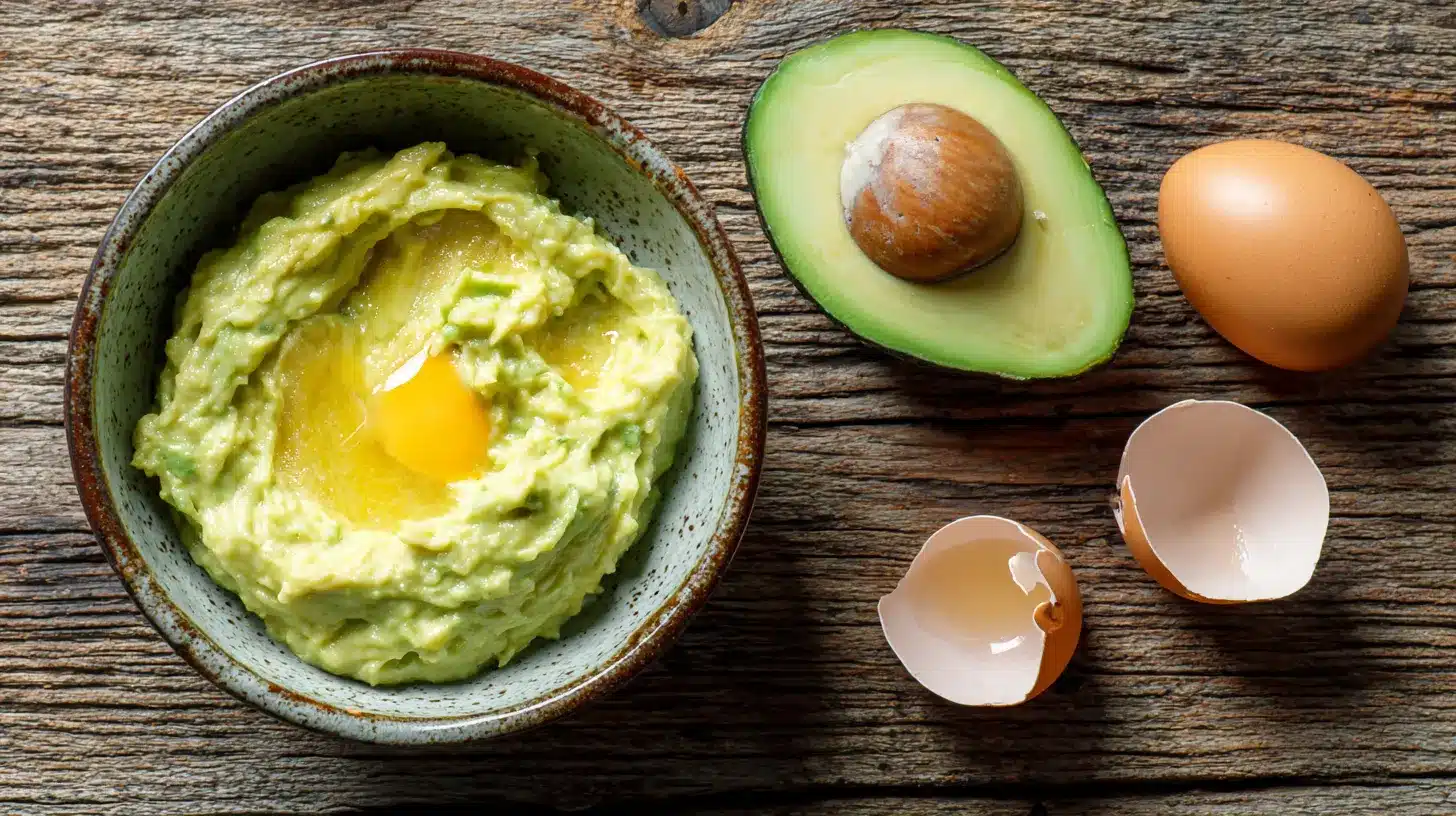
Avocados repair damaged hair with healthy fats, while eggs provide strengthening protein. Hair feels softer and looks shinier after just one use.
Ingredients:
- Half a ripe avocado
- 1 egg
Process:
- Mash the avocado until smooth
- Beat the egg and mix thoroughly with the avocado
- Apply to damp hair, focusing on the ends
- Cover with a shower cap and wait 20 minutes
- Rinse with cool water, then shampoo as usual
The protein in eggs temporarily coats damaged areas of the hair shaft, which can help strands feel thicker and less prone to snapping.
4. Aloe Vera Gel for Scalp Health
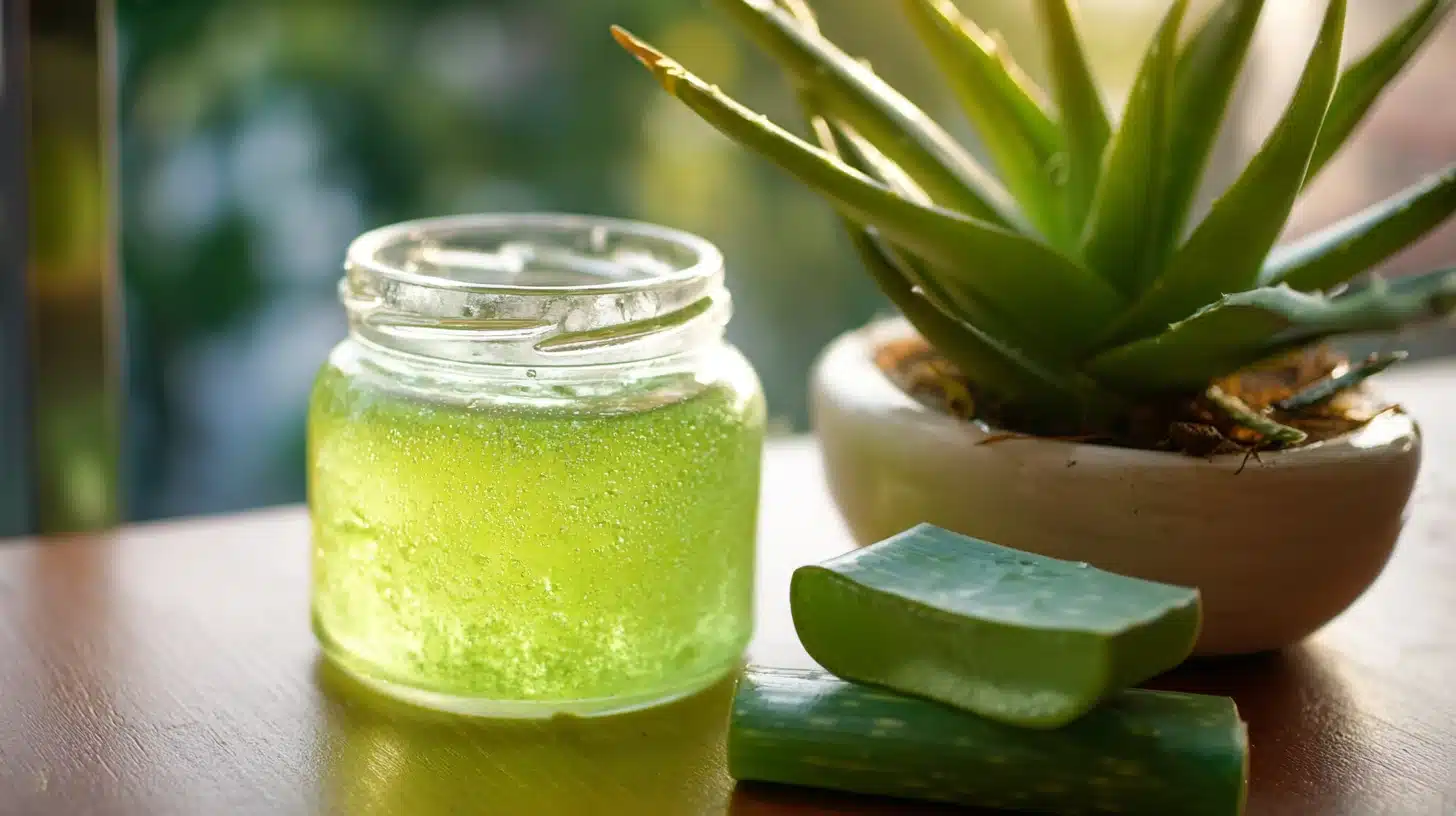
Fresh aloe vera soothes irritated scalps and balances pH levels. Its enzymes remove dead skin cells that might clog hair follicles.
Ingredients:
- Fresh aloe vera gel (from 1-2 leaves)
Process:
- Scoop out the gel from an aloe leaf
- Apply directly to the scalp and massage gently
- Let it sit for 30 minutes
- Rinse thoroughly with lukewarm water
Many people also find aloe helpful when the scalp feels tight or flaky after using strong shampoos.
5. Banana and Yogurt Hair Mask
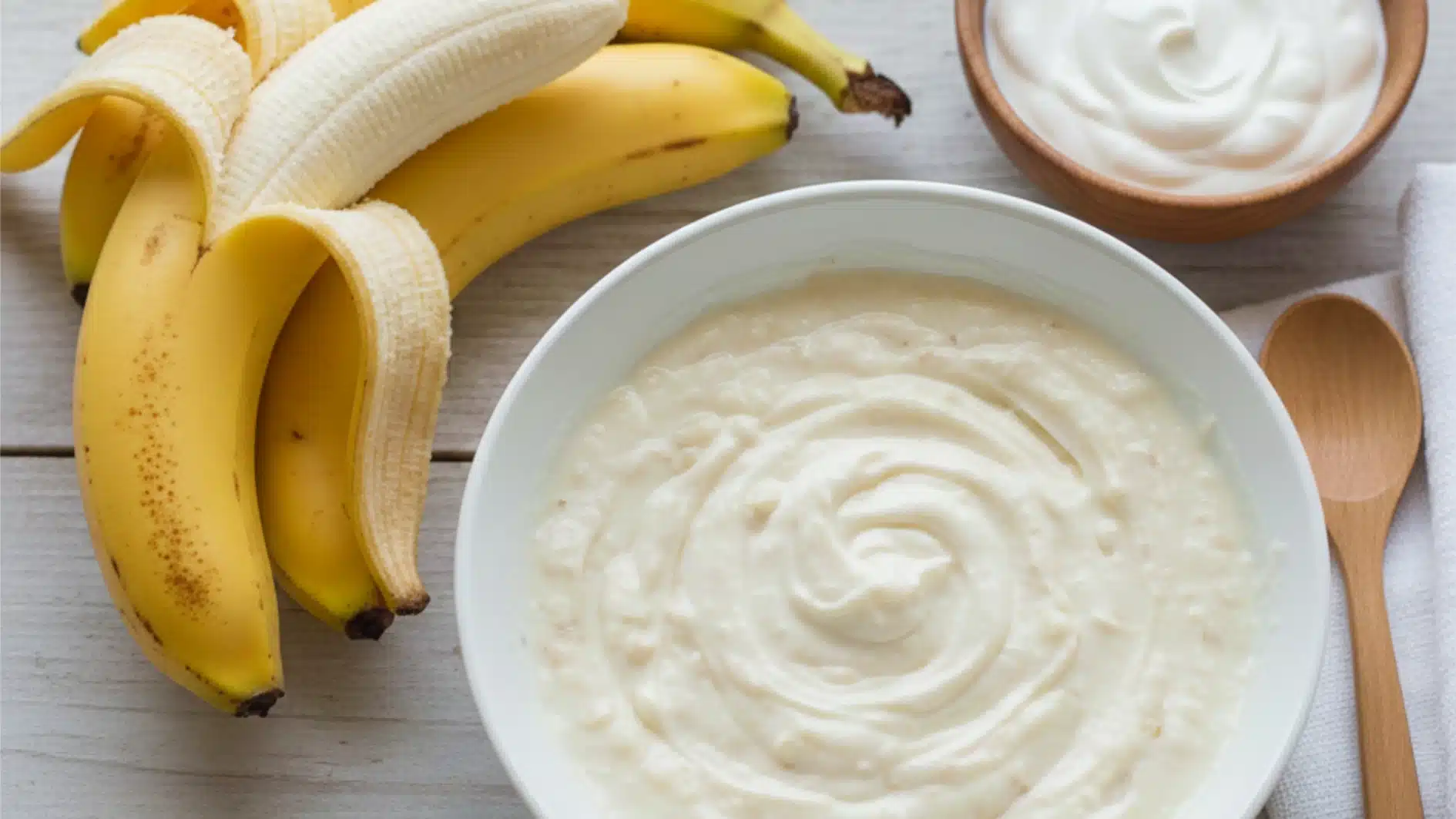
Bananas improve hair elasticity with potassium and natural oils, while yogurt cleanses and moisturizes. This mask reduces frizz and makes hair more manageable.
Ingredients:
- 1 ripe banana
- 3 tablespoons plain yogurt
Process:
- Blend the banana and yogurt until completely smooth
- Apply to hair and scalp evenly
- Leave on for 20 to 25 minutes
- Rinse thoroughly and shampoo
6. Rosemary Oil and Olive Oil Scalp Massage
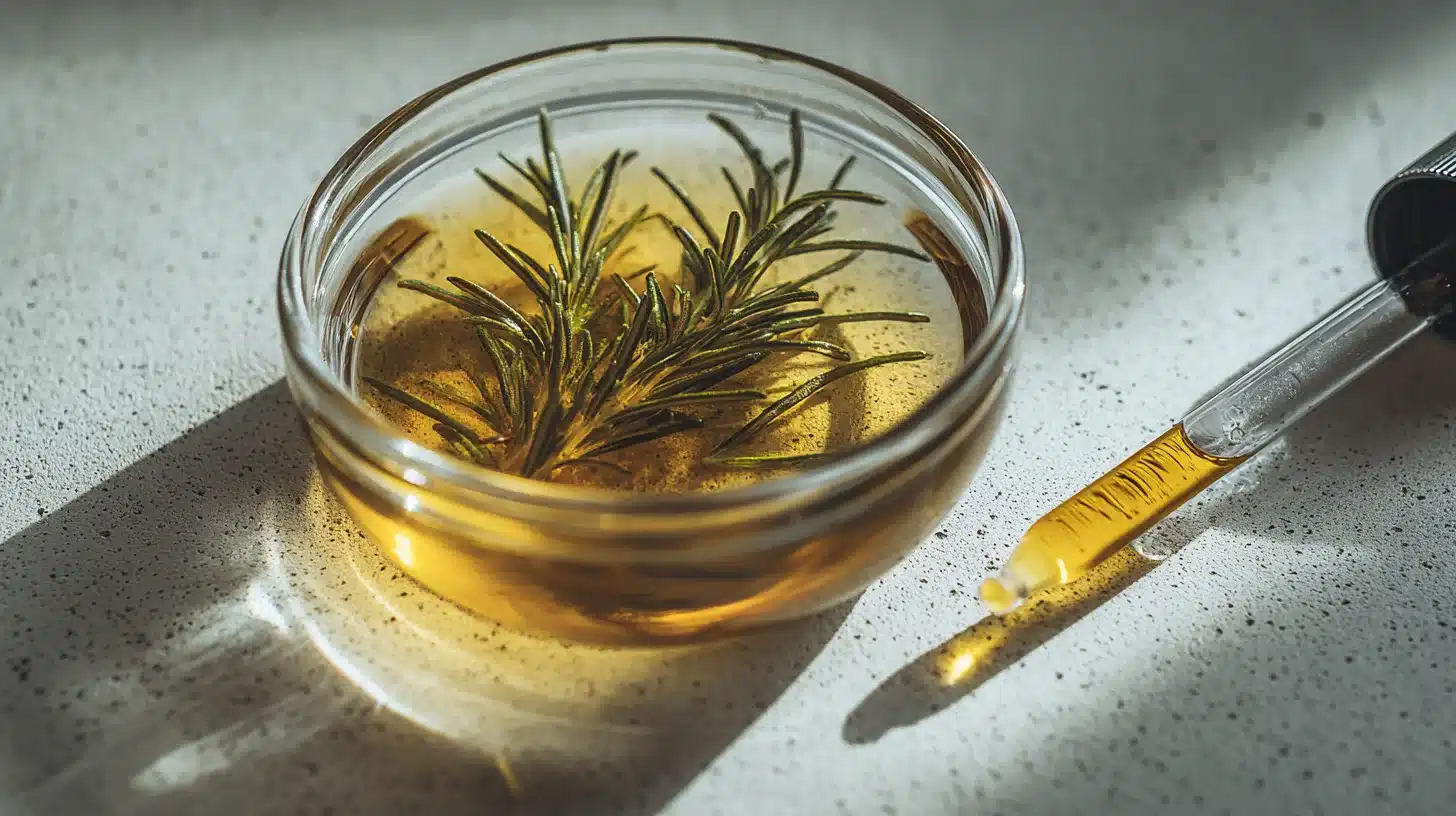
Rosemary oil improves hair thickness by increasing blood flow, while olive oil provides deep nourishment. The aroma is calming, and the combination works wonders for roots.
Ingredients:
- 5 drops rosemary essential oil
- 2 tablespoons olive oil
Process:
- Combine oils and warm slightly
- Massage into the scalp for several minutes using firm circular motions
- Leave on for at least an hour
- Shampoo to remove
7. Fenugreek and Yogurt Hair Mask
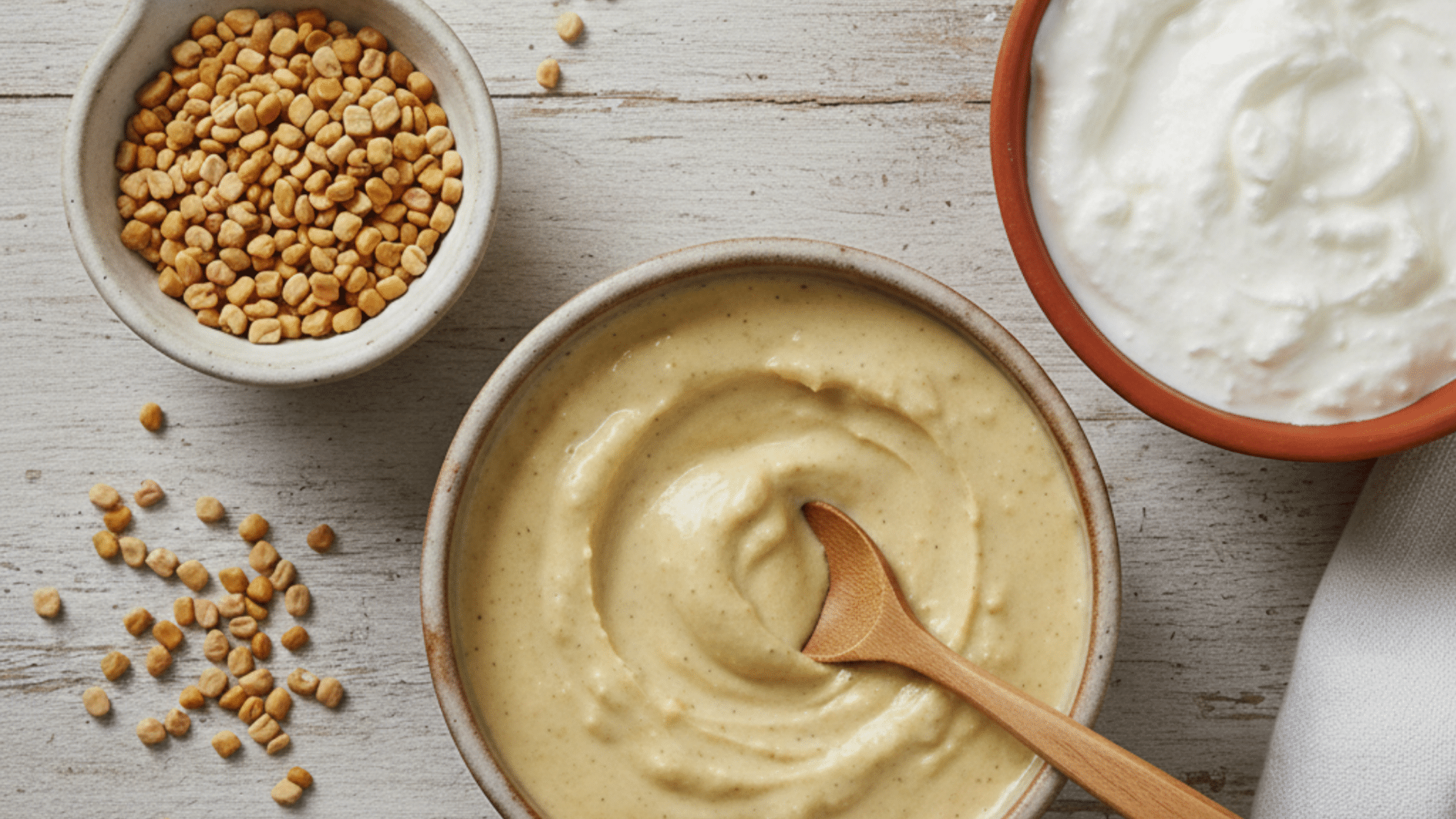
Fenugreek seeds strengthen hair and reduce thinning with their protein and nicotinic acid. This mask also tackles dandruff while adding natural shine.
Ingredients:
- 2 tablespoons fenugreek seeds
- 3 tablespoons yogurt
Process:
- Soak fenugreek seeds overnight in water
- Grind the soaked seeds into a paste
- Mix thoroughly with yogurt
- Apply to scalp and hair, leaving on for 30 minutes
- Rinse well
8. Green Tea Rinse for Hair Growth
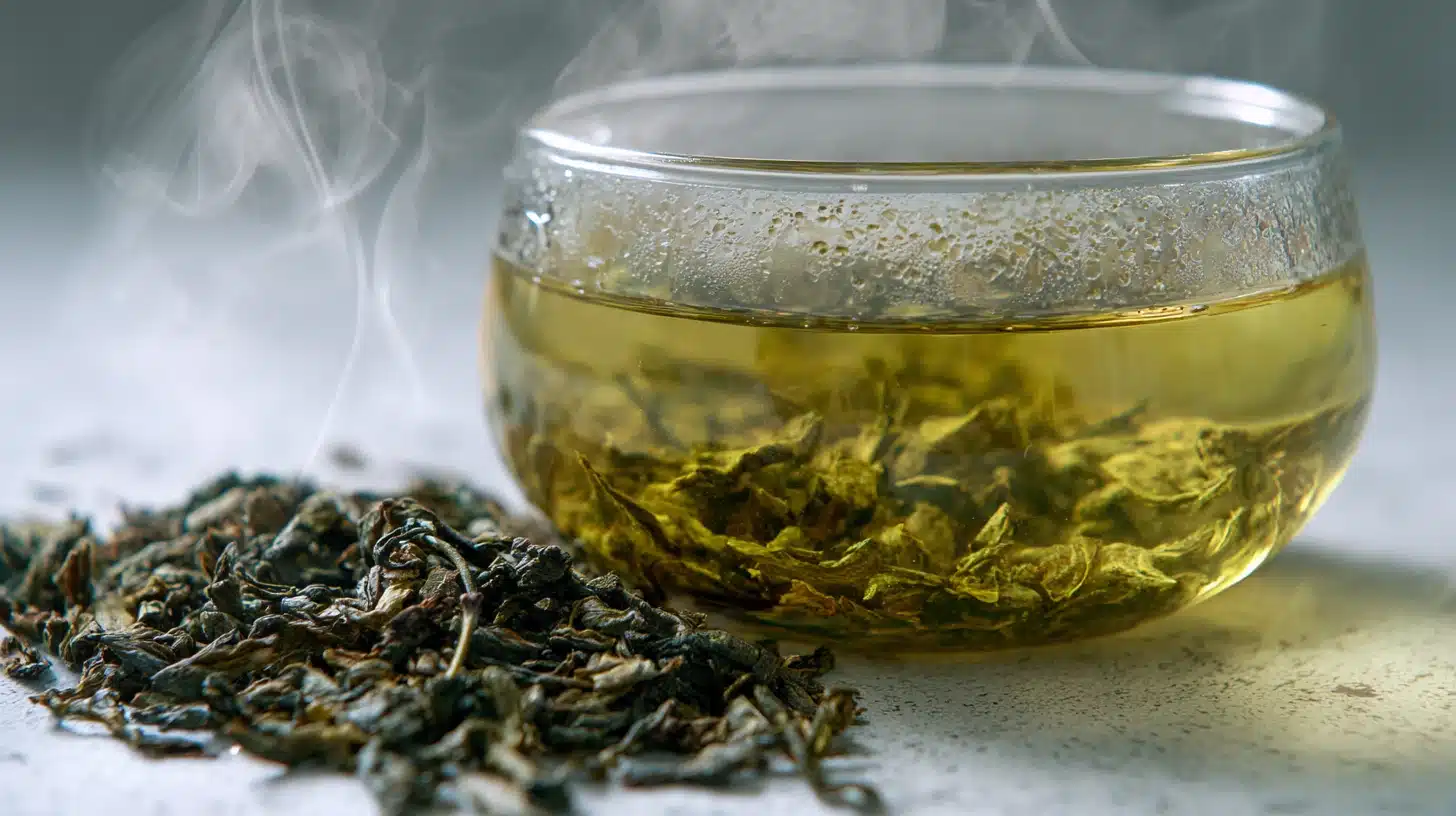
Green tea’s antioxidants support healthy hair follicles and may reduce hair loss. The catechins promote regrowth while making hair feel refreshed.
Ingredients:
- 2 cups brewed green tea (cooled)
Process:
- Brew green tea and let it cool completely
- After shampooing, pour the tea over your hair as a final rinse
- Massage into the scalp for a minute or two
- Rinse lightly with plain water
9. Onion Juice for Hair Growth
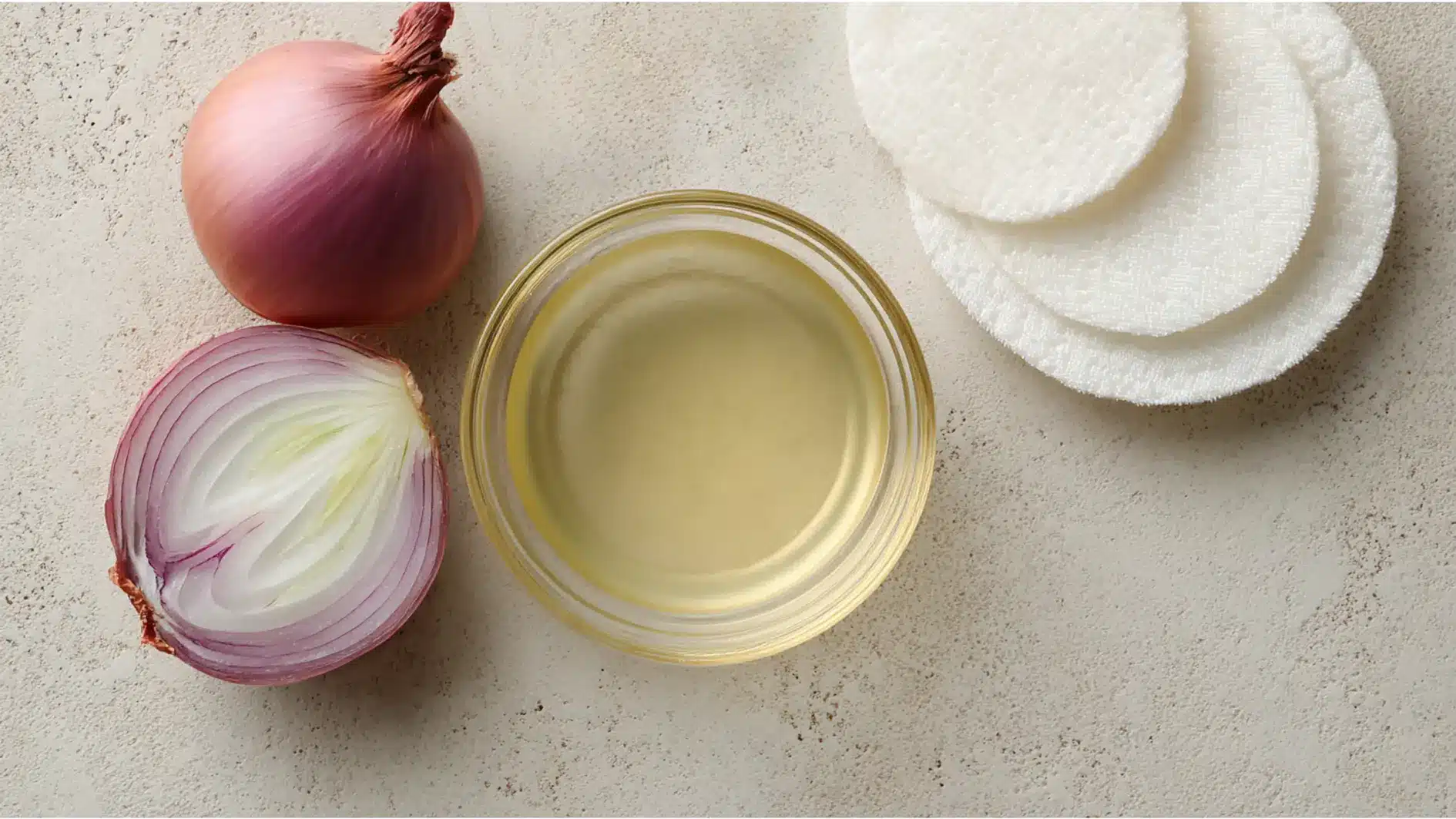
Onion juice improves blood circulation and regenerates hair follicles thanks to its sulfur content. Results become visible with consistent use over several weeks.
Ingredients:
- 1 medium onion
Process:
- Blend the onion and strain out the juice
- Apply to the scalp using a cotton ball
- Leave on for 15 to 30 minutes
- Wash thoroughly with shampoo to remove the odor
10. Rice Water Hair Rinse
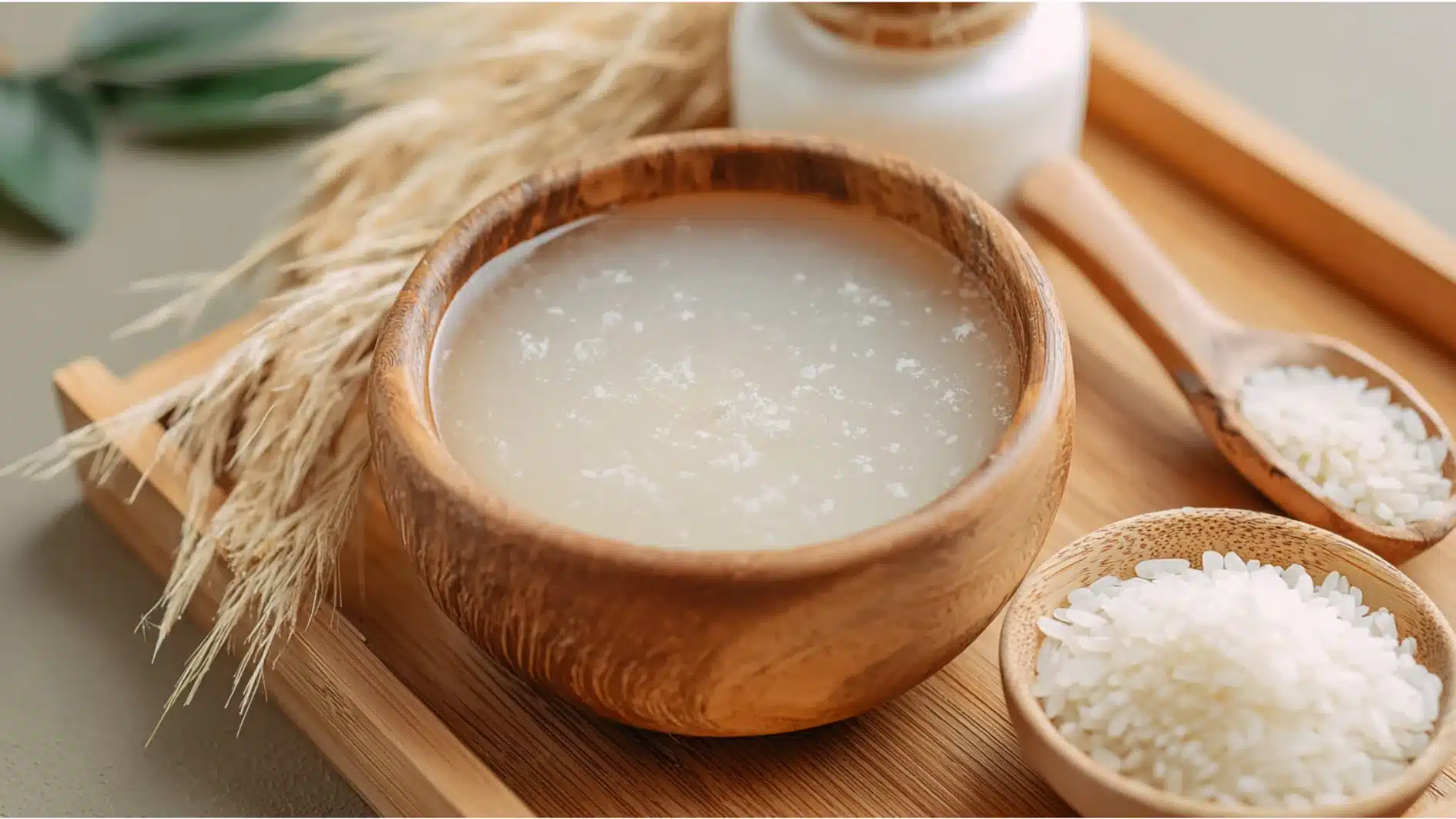
Rice water strengthens hair with amino acids, vitamins, and minerals. Hair becomes smoother and more resilient with regular treatments.
Ingredients:
- Half a cup of uncooked rice
- 2 cups water
Process:
- Rinse the rice to remove impurities
- Soak rice in water for 30 minutes
- Strain the water into a container
- Use as a final rinse after shampooing, massaging into the scalp and hair
- Rinse lightly with plain water
What to Avoid if You Want Less Breakage
Natural remedies work best when you stop doing things that damage hair at the same time.
- Heat styling too often weakens strands and causes long-term damage
- Tight hairstyles put constant tension on roots and thin the hairline
- Rough towel drying friction from towels breaks wet strands easily
- Skipping trims, split ends travel up and cause more breakage over time
- Washing with hot water strips natural oils and dries out strands
- Harsh shampoos with sulfate-heavy formulas weaken hair with regular use
Daily Habits That Support Faster, Healthier Hair Growth
What you do every day matters just as much as the treatments you apply.
Diet, sleep, stress, and small daily choices all affect how your hair grows and how strong it stays.
Nutrition and Hydration
Hair is one of the last places in your body to receive nutrients. So when your diet is poor, your strands feel it first.
Protein builds each strand. Iron keeps follicles active. Omega-3s from salmon prevent scalp dryness. Water is the simplest thing most people forget.
Start with your plate before reaching for any treatment.
Scalp Care Habits
Think of your scalp like soil. Healthy soil grows strong plants. A healthy scalp grows strong hair.
Spend five minutes massaging your scalp daily using circular motions.
Add diluted rosemary or peppermint oil twice a week for extra support.
Damage Control
Sometimes the problem isn’t what you’re missing. It’s what you’re overdoing.
Heat styling, tight ponytails, and rough towel drying all weaken strands over time. Switch to a silk pillowcase. Use hair cleansing products that do not contain sulfates or harsh chemicals.
Air dry when possible. Small swaps make a real difference over the course of weeks of consistent care.
Sleep, Stress, and Movement
Your body grows hair during rest. Poor sleep and high stress push follicles into the shedding phase faster.
Aim for seven to eight hours nightly. Add light movement like walking to keep scalp circulation going.
How to Know if Your Hair is Actually Improving
After a week of consistent care, watch for these signs:
- Less hair in the brush, shedding is slowing down, and roots are getting stronger.
- Softer texture, moisture is reaching the strands properly.
- The less scalp irritation, the healthier your scalp environment is.
- Stronger ends masks and oils are reducing dryness and breakage.
- More shine, hydration, and oil balance are improving.
Don’t expect all five signs in seven days. But noticing even two or three means you’re on the right track. Keep going.
Common Myths with Reality Check
Many of these myths persist because hair changes slowly, making it easy to misinterpret what actually caused the improvement.
Myth 1: Cutting Hair Makes it Grow Faster
Reality: Trimming hair doesn’t affect growth rate at all since hair grows from the roots, not the ends. Cutting simply removes split ends, making hair look healthier and fuller.
Myth 2: Brushing 100 Strokes a Day Boosts Growth
Reality: Excessive brushing actually causes breakage and damage to strands. A few gentle strokes to detangle and distribute natural oils are enough.
Myth 3: Washing Hair too Often Causes Hair Loss
Reality: Washing doesn’t cause hair to fall out, since the strands that shed were already in the shedding phase. Clean scalps actually promote healthier growth by removing buildup and dead skin cells.
Myth 4: Only Expensive Products Work
Reality: Price doesn’t guarantee results, and many affordable natural ingredients work just as well. What matters is consistency and choosing products suited to specific hair types.
Key Takeaways on Faster Hair Growth
Remember those extra strands in the brush and the wider part that started this whole thing?
Consistent scalp care, better nutrition, and simple daily habits can fix that over time.
Learning how to grow hair faster naturally in a week won’t add dramatic length. But it will reduce shedding, strengthen strands, and make hair look fuller.
Start with two or three changes today and give it a full week.
Which natural remedy will you try first? Do let us know in the comment box section.
Frequently Asked Questions (FAQ’s)
1. Which Organ is Linked to Hair Loss?
The thyroid gland, conditions affecting the immune system (causing alopecia areata), the liver, or the adrenal glands.
2. How Often Should Natural Hair Masks Be Applied?
Most hair masks work best once or twice a week. Consistency matters more than frequency for seeing real results.
3. Do Expensive Hair Products Work Better?
Not necessarily, as natural ingredients often provide the same benefits. What matters is choosing treatments suited to specific hair types.
4. Can Stress Really Cause Hair Loss?
Yes, chronic stress pushes follicles into the resting phase, causing increased shedding. Managing stress helps maintain a healthy growth cycle.