

I used to think I was just bad at adulting.
Some people are naturally good at keeping their lives together, and I wasn’t one of them.
Then one week, I missed two doctor’s appointments, forgot to pay my phone bill, and couldn’t find my car keys three days in a row.
That’s when it clicked!
I wasn’t actually busy. I was just disorganized, and there’s a difference when you’re trying to figure out how to organize your life.
After months of trying different methods, some flopped completely.
But a few stuck, and they changed everything.
How to Organize Your Life When Everything Feels Scattered
Getting organized isn’t about the perfect system.
It’s about dealing with what’s actually making your day harder.
Start by admitting what isn’t working,
- That pile of mail, those unanswered texts, the stuff you keep walking past.
- Ignoring small messes builds quiet stress.
- Unorganized desk, phone, or your calendar
How to Organize Your Life Step by Step

Sometimes the hardest part isn’t doing the work. It’s figuring out where to start.
These few steps give you a clear path from messy to manageable.
1. Do a Full Life Audit
Grab a piece of paper and write down everything you’re responsible for right now.
Work deadlines, bills, appointments, that text you owe someone, the weird noise your car is making.
Don’t organize it yet. Just get it all out of your head. You can’t fix what you can’t see, and most of us are juggling way more than we realize.
2. Sort Your Responsibilities into Categories
Once everything’s written down, start grouping things.
Health stuff goes in one pile. Work things out in another way. Home tasks, money stuff, and relationship things each get their own category.
This isn’t about being perfect with labels. It’s about seeing where most of your energy actually goes.
Pro tip: Different colored pens make patterns stand out faster if you have them lying around.
3. Drop One Thing That Doesn’t Fit Anymore
Look at your list and find one commitment you can actually quit. Not pause. Not “maybe later.”
Just stop doing it!
- The group chat that stresses you out
- The hobby you don’t enjoy anymore
- The favor you keep doing out of guilt
Saying no to one thing creates breathing room. And honestly?
Most people won’t even notice.
4. Build a Simple Daily Reset Routine
Spend ten to fifteen minutes every evening putting your space back together.
I do this before bed now, and it’s the one habit that keeps everything else from falling apart.
Load the dishwasher. Clear your main surface. Set out tomorrow’s outfit.
Plug your phone into the same spot. Waking up to a reset space completely changes your morning.
5. Give Everything a Home
Your keys go in one place? Always!
Your charger lives in one spot. Important papers go in one drawer or folder.
Stop letting small things wander around stealing your time and sanity every single day. When everything has a fixed home, you never have to search.
Decor tip: Get a small bowl or tray near your door for keys, wallet, and sunglasses. Doesn’t have to be fancy. Just has to work.
How to Organize Your Life on Paper

Not everything needs an app!
Sometimes the best system is just a notebook and a pen, especially if notifications stress you out or you forget to check your phone.
6. Brain Dump Page at the Start of Every Week
On Sunday or Monday, open your notebook and write down everything bouncing around in your head.
Tasks, worries, random ideas, things you need to remember.
Don’t organize it yet. Don’t number it. Just get it all out.
Once it’s on paper, your brain can finally stop holding onto it like it’s going to forget something critical.
7. Master Task List Separate from Your Daily List
Keep one big list of everything you need to do eventually, and a separate small list for just today.
Your daily list should have no more than three to five items.
The master list lives in the back of your notebook, so you’re not staring at fifty tasks every morning and feeling defeated before you even start.
8. Time Block Boxes Instead of Written Schedules
Instead of writing out “9 AM: emails, 10 AM: meeting, 11 AM: project work,” just draw boxes for time blocks and label what goes in each.
- Morning box: work tasks
- Afternoon box: errands and calls
- Evening box: dinner and cleanup
It’s faster, easier to look at, and way less stressful!
9. Habit Grid Instead of Paragraphs
Draw a simple grid with days across the top and habits down the side.
Check off each day you do the thing. That’s it. No writing required.
Seeing the checkmarks build up actually motivates you to keep going, and blank spaces show you where you’re slipping without making you feel terrible.
10. “Pending Decisions” Page for Mental Clutter
Some decisions don’t need to be made right now.
Should you switch gyms? Buy a new couch? Change your phone plan?
Write them on a “decide later” page and forget about them until you actually have time and energy to think.
Your brain will stop carrying around every single decision all day, and you’ll feel lighter.
How to Organize Your Life with ADHD
If your brain moves in twelve directions at once, standard organizing advice probably feels useless.
These strategies work with ADHD brains, not against them.
11. Visual Timers Instead of Mental Tracking
Time blindness is real!
You think five minutes passed, and suddenly an hour is gone.
Get a timer you can actually see counting down. Watching the numbers move helps your brain register that time is passing.
12. Micro Steps That Take Less Than 10 Minutes
“Clean the kitchen” is too big. Your brain sees it and shuts down.
Break it into tiny pieces: put away five dishes, wipe the counter, take out the trash.
Each step feels doable, and stringing them together gets the whole task done without the paralysis.
Pro tip: Write each micro step on a separate sticky note so you can physically remove them as you go.
13. Environmental Cues You Can’t Miss
Out of sight means out of mind with ADHD. If your planner lives in a drawer, it doesn’t exist.
Make what you need to remember physically impossible to ignore.
- Leave your planner open on your desk
- Stick checklists on the fridge
- Put your gym bag by the door
14. Body Doubling for Focus
Body doubling means working near someone else, even if you’re doing different tasks.
Just having another person in the room makes it easier to stay on task.
You can do this in person or over video. There are even free online body doubling rooms.
15. Default Routines to Limit Choices
Decision fatigue hits ADHD brains hard.
Create a standard morning and evening routine where you do the same things in the same order every day.
You’re not choosing. You’re following the pattern. It removes the mental load, and eventually the routine becomes automatic.
How to Organize Your Life as a Student

Being a student means juggling classes, assignments, and exams while somehow still having a life.
Most school planners don’t help.
16. Semester Overview Page with All Deadlines
On day one, go through every syllabus and write down every due date, exam, and project in one place.
Use a wall calendar, poster board, or spreadsheet.
Seeing the whole semester at once shows you when things pile up, so you can plan instead of panicking the night before everything’s due.
Decor tip: Hang it where you see it daily, like above your desk or on your closet door.
17. Fixed Study Slots Instead of Waiting for Motivation
Motivation is unreliable. Pick specific days and times to study, like every Tuesday and Thursday from 3 to 5 PM.
Some days you’ll feel motivated. Most days you won’t!
But showing up anyway is what gets you through the semester.
18. Pack Your Bag the Night Before
Pack everything before bed. Charge your laptop. Print what you need. Find your keys.
Walking out the door calmly, rather than scrambling.
Set the tone for your whole day,
- Notebook and pens
- Laptop and charger
- Snacks and water
How I Got My Life Together: One Week Checklist
Ever feel like you’re constantly behind on everything?
That was me. I gave myself seven days to fix it.
I’d been reading “One Year to an Organized Life” by Regina Leeds, and while a whole year felt overwhelming, the idea of breaking things down week by week made sense.
So I created my own one-week version!
Day 1: Clear Your Workspace and Pick a Reset Zone
Started with my desk because it was the biggest mess.
Threw out old receipts, pens that didn’t work, and random papers.
This became a key part of “how to organize your life.” Mail, forms, anything that needs attention goes there.
One place for everything keeps it from spreading everywhere.
Day 2: Digital Cleanup and the Two Minute Rule
My desktop had 87 files.
Deleted screenshots, organized folders, and unsubscribed from emails I never read.
Started the two-minute rule here. If it takes under two minutes, do it now. Reply to the text. Delete the file. Hang up the jacket.
Day 3: Fix Your Calendar and Brain Dump Everything
Wrote down almost everything on my plate.
Bills, work, appointments, promises. Didn’t organize it. Just got it all on paper.
- Canceled stuff I was dreading
- Moved appointments to better times
- Blocked out time for grocery shopping
Day 4: Meal Planning and One Storage System
Picked three dinners I could make without thinking: pasta with vegetables, chicken and rice, tacos.
Wrote down the ingredients I needed, bought everything at once, and just rotated those three meals every week.
Started putting everything in my phone’s notes app instead of trying to remember it all.
Tasks, grocery lists, random ideas.
Day 5: Automate Bills and Match Energy to Tasks
Turned on autopay for rent, phone bill, and subscriptions.
Set up a basic spreadsheet to track where my money was going each week.
Noticed I have way more energy in the morning, so that’s when I handle hard stuff like phone calls, paperwork, and even laundry.
Day 6: Sort Your Closet and Choose an Anchor Habit
Do you know what an anchor habit is?
It’s one small thing you do every day that makes your whole day feel stable, like an actual anchor keeping everything in place.
For me, it’s making coffee and sitting in the same chair for ten minutes before doing anything else.
It doesn’t have to be big or impressive. Just pick something simple that signals to your brain the day is starting right.
Day 7: Weekly Check In and Handle the Boring Stuff
Every Sunday night, I sit down and review my entire week.
- Look at what worked, what flopped, and what’s coming up next.
- Make a “not now” list for decisions that can wait (like switching gyms or repainting my room)
- Pick Wednesday afternoons to handle annoying tasks: bills, appointments, forms, and ignored emails.
- Review what got done and forgive myself for what didn’t.
The whole thing probably takes fifteen minutes?
Batching all the boring stuff into one afternoon means I only have to prepare once, instead of mentally dreading tasks all week.
Books That Actually Help You Organize Your Life
If you want to go deeper than blog posts on how to organize your life, these books break down how to build systems that stick.
Some of these have changed the way I understand the term “organizing.”
1. Atomic Habits
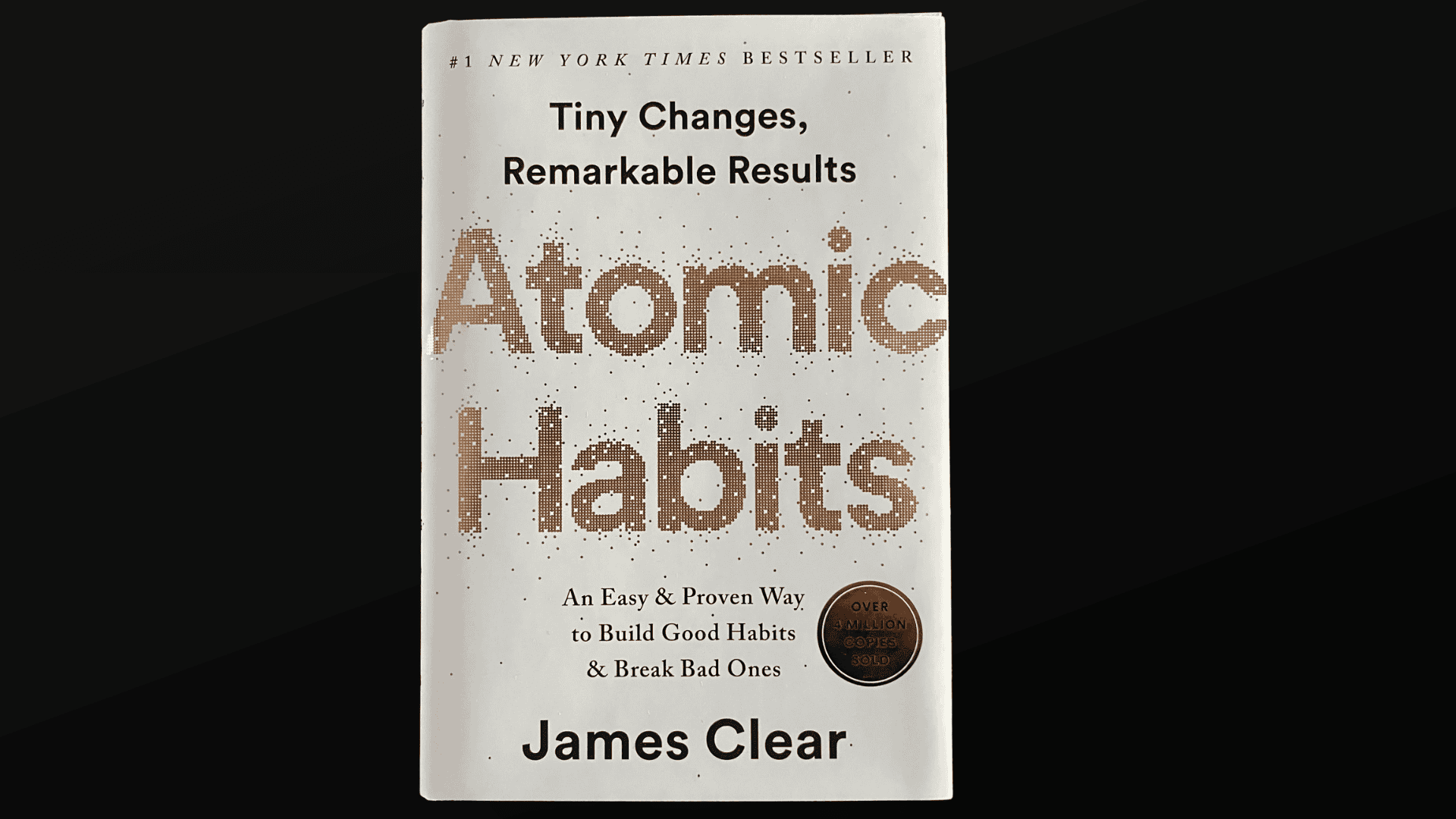
By: James Clear
Atomic Habits is one of my favorites!
Shows how tiny changes stack up into major improvements over time.
It’s all about building habits and systems that actually last, rather than relying on motivation that disappears after a week.
Pro tip: The two minute rule from this book changed everything for me. If something takes under two minutes, do it immediately instead of adding it to a list.
2. Getting Things Done: The Art of Stress Free Productivity
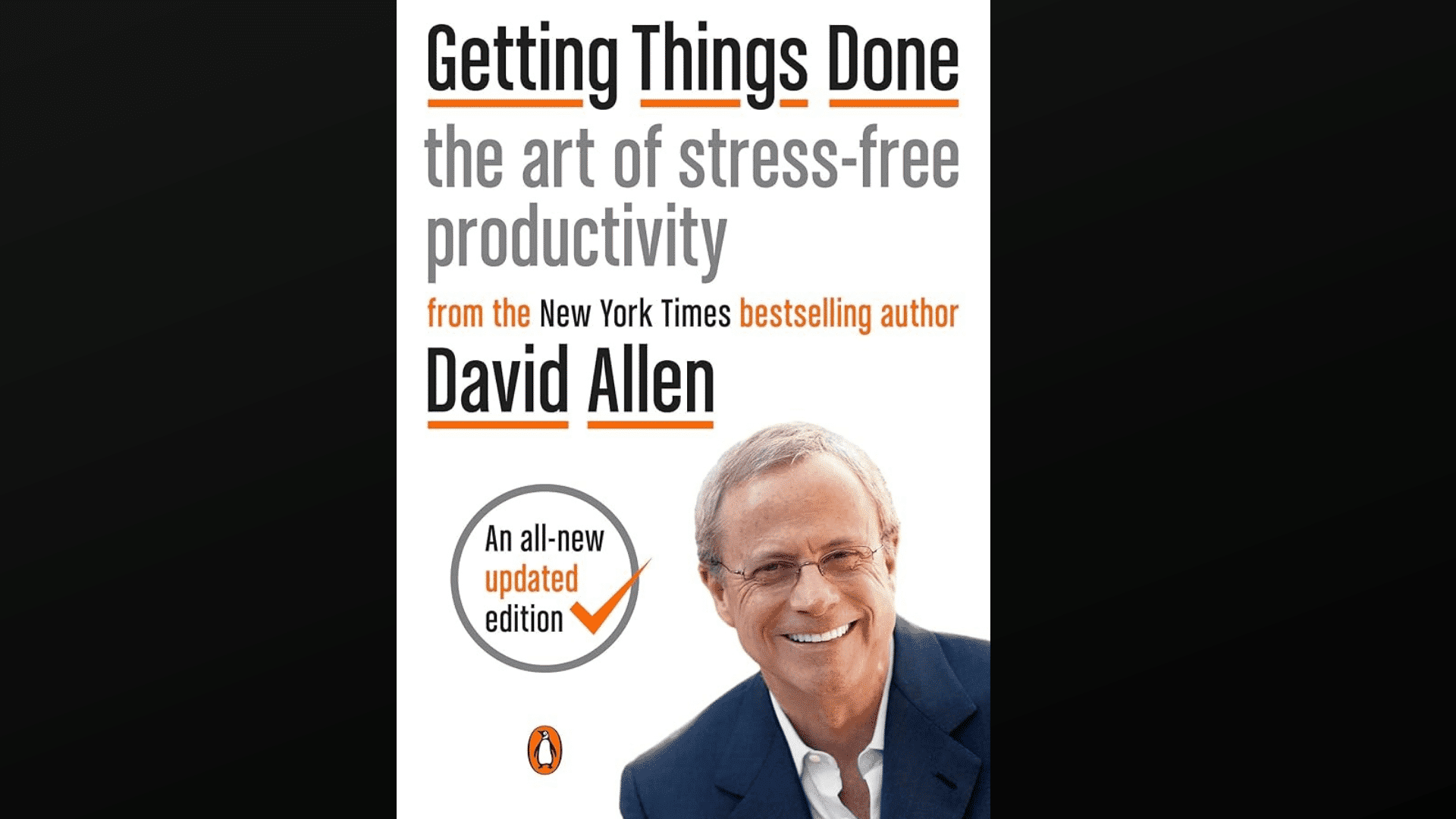
By: David Allen
Getting Things Done: The Art of Stress-Free Productivity is the GTD system people talk about all the time.
It’s a comprehensive method for capturing tasks, clearing mental clutter, and organizing your work and life so you don’t feel constantly stressed.
It’s been around for years, and people still swear by it!
3. The One Thing
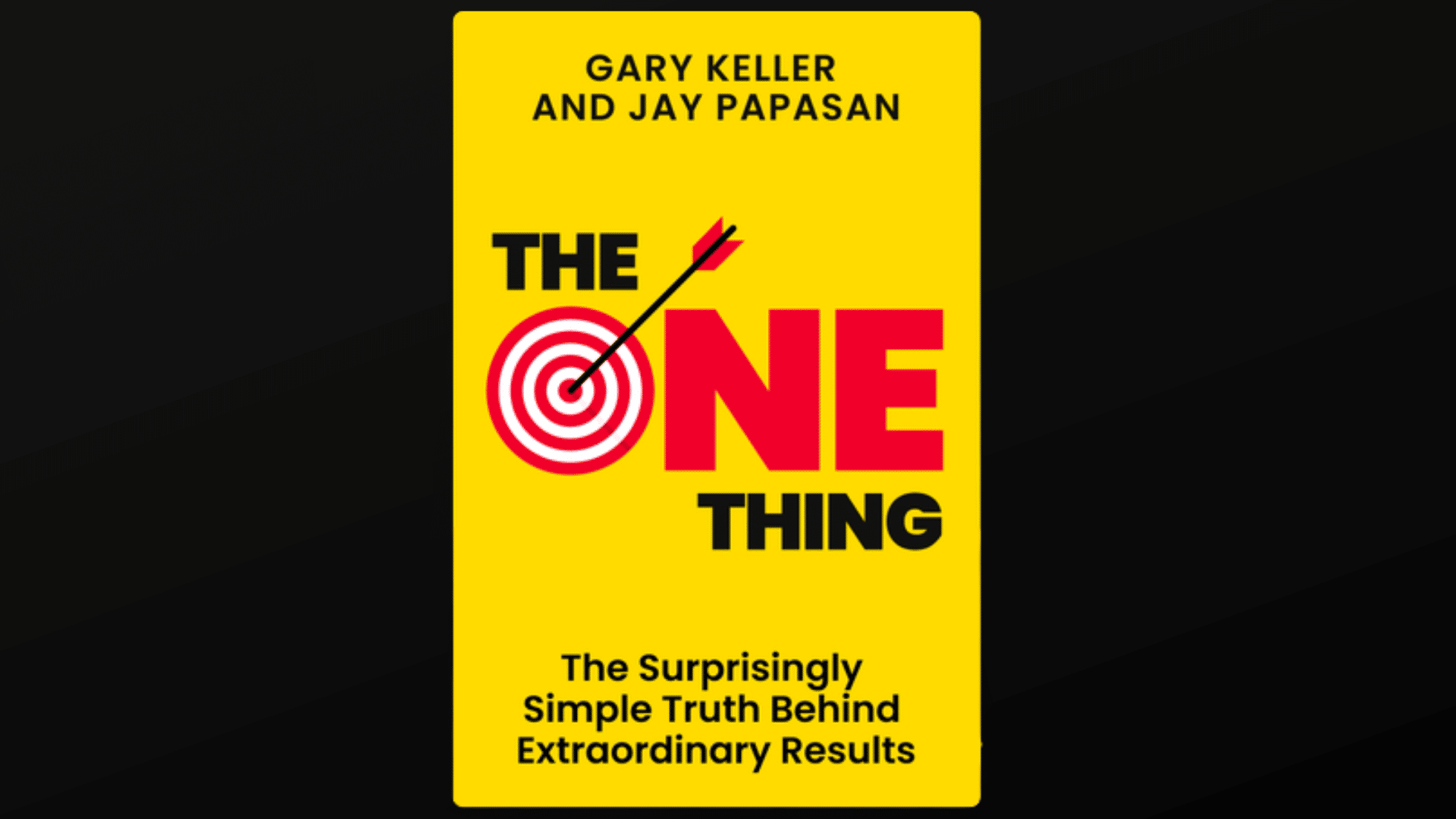
By: Gary Keller & Jay Papasan
The one thing that helps you figure out the single most important thing driving results in whatever you’re trying to organize.
Whether it’s your time, goals, or priorities, this book cuts through all the noise and gives you clarity on what actually matters.
This one really helped me stop trying to fix everything at once.
4. Essentialism: The Disciplined Pursuit of Less
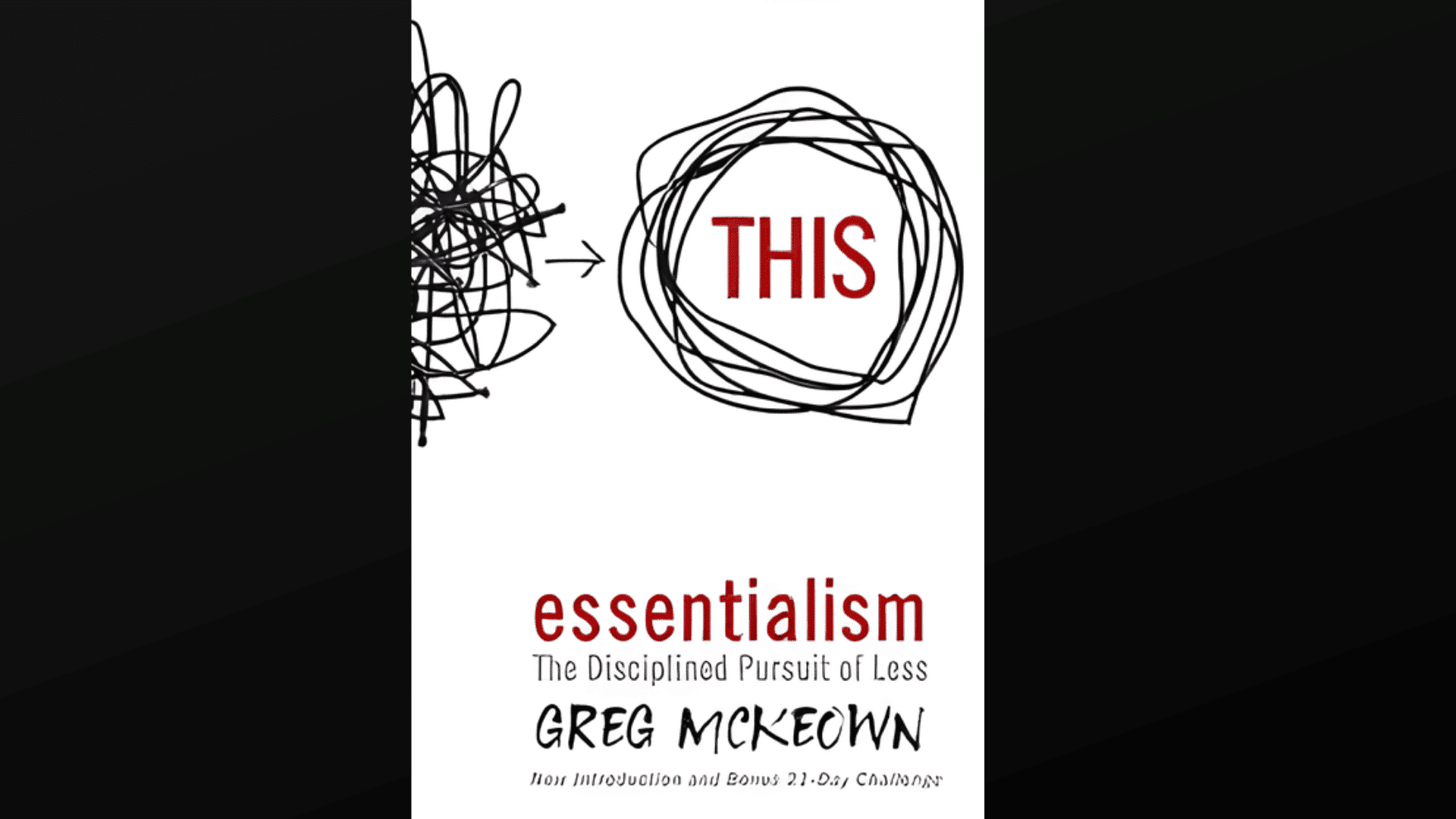
By: Greg McKeown
Essentialism: The Disciplined Pursuit of Less teaches you to organize by cutting out everything that doesn’t truly matter.
What if organizing your life meant doing less, not more?
Instead of cramming more productivity into your day, it’s about saying no to the commitments and chaos that keep your life messy in the first place.
5. The Life Changing Magic of Tidying Up by Marie Kondo

By: Marie Kondo
The Life Changing Magic of Tidying Up is the book that made everyone ask, “Does this spark joy?”
It’s less about organizing and more about only keeping things that actually matter to you!
Her folding methods are weirdly satisfying, and the whole approach helps you think differently about what you own and why you’re keeping it.
Final Thoughts
Getting organized didn’t fix everything in my life. But it did make things feel way more manageable.
When you’re not constantly scrambling to find your keys or remember what you forgot?
Learning how to organize your life isn’t about following someone’s perfect system. Your system will look different from mine, and that’s how it should be.
The point isn’t copying someone else’s perfect routine!
Pick one thing that’s stressing you out right now and start there.
Frequently Asked Questions
1. How Long Does it Take to Organize Your Life?
It depends on where you’re starting, but you can build a basic system in about a week and refine it over the next few months as you figure out what actually works for you.
2. What is the First Step to Organizing Your Life?
Write down everything you’re currently responsible for without judging yourself, then pick one small area to start fixing instead of trying to tackle everything at once.
3. How do I Stay Organized Once I Get Organized?
Build a simple weekly review habit where you spend fifteen minutes checking what worked, what didn’t, and what’s coming up so nothing sneaks up on you.
4. Can You Organize Your Life without Spending Money?
Absolutely, most organizing systems just need paper, a pen, and your phone’s notes app, not fancy planners or expensive apps.
5. What if I’ve Tried Organizing Before and Failed?
Most people fail because they try to copy someone else’s complicated system instead of building something simple that fits their actual life and energy levels.
6. How do I Organize My Life when I Have no Time?
Start with just ten minutes a day doing a quick reset, and use the two-minute rule for small tasks so they don’t pile up and steal even more time later.