Acrylic nails look great, but taking them off gets tricky. You might feel tempted to peel or pull them off.
It damages your natural nails and leaves them weak and sore. You can remove acrylic nails at home without hurting your nails. You don’t need expensive salon visits or special tools.
With the correct method, you’ll safely remove those acrylics and keep your natural nails healthy.
In this blog, you will see how to take off acrylic nails step by step.
You’ll learn the safest, most effective techniques, what supplies you need, and how to care for your nails afterward, and what not to do when taking off nails.
How Long Does Acrylic Nail Removal Usually Take
The time it takes to remove acrylic nails depends on which method you choose.
The foil wrap method is the fastest, taking about 15 to 20 minutes of soaking time.
Add another 10 minutes for filing and scraping, so you’re looking at 30 minutes total.
The bowl soak method takes longer, around 20 to 30 minutes just for soaking.
If you’re using hot water without acetone, plan for 40 minutes or more. Thicker acrylics or nails with multiple layers need extra time. The actual removal process matters too.
If you try to rush and force the acrylic off before it’s ready, you’ll waste more time rewrapping and resoaking.
Being patient from the start saves you time overall.
What You Need Before You Start
Before you start removing your acrylic nails, gather these items:
- Acetone (100% pure works best)
- Nail file or buffer
- Nail clippers
- Aluminum foil (cut into 10 small squares)
- Cotton balls or pads
- Cuticle oil or moisturizer
- Wooden cuticle stick or orange stick
- Small bowl
These basic items will help you remove your acrylic nails safely at home.
How to Remove Acrylic Nails at Home
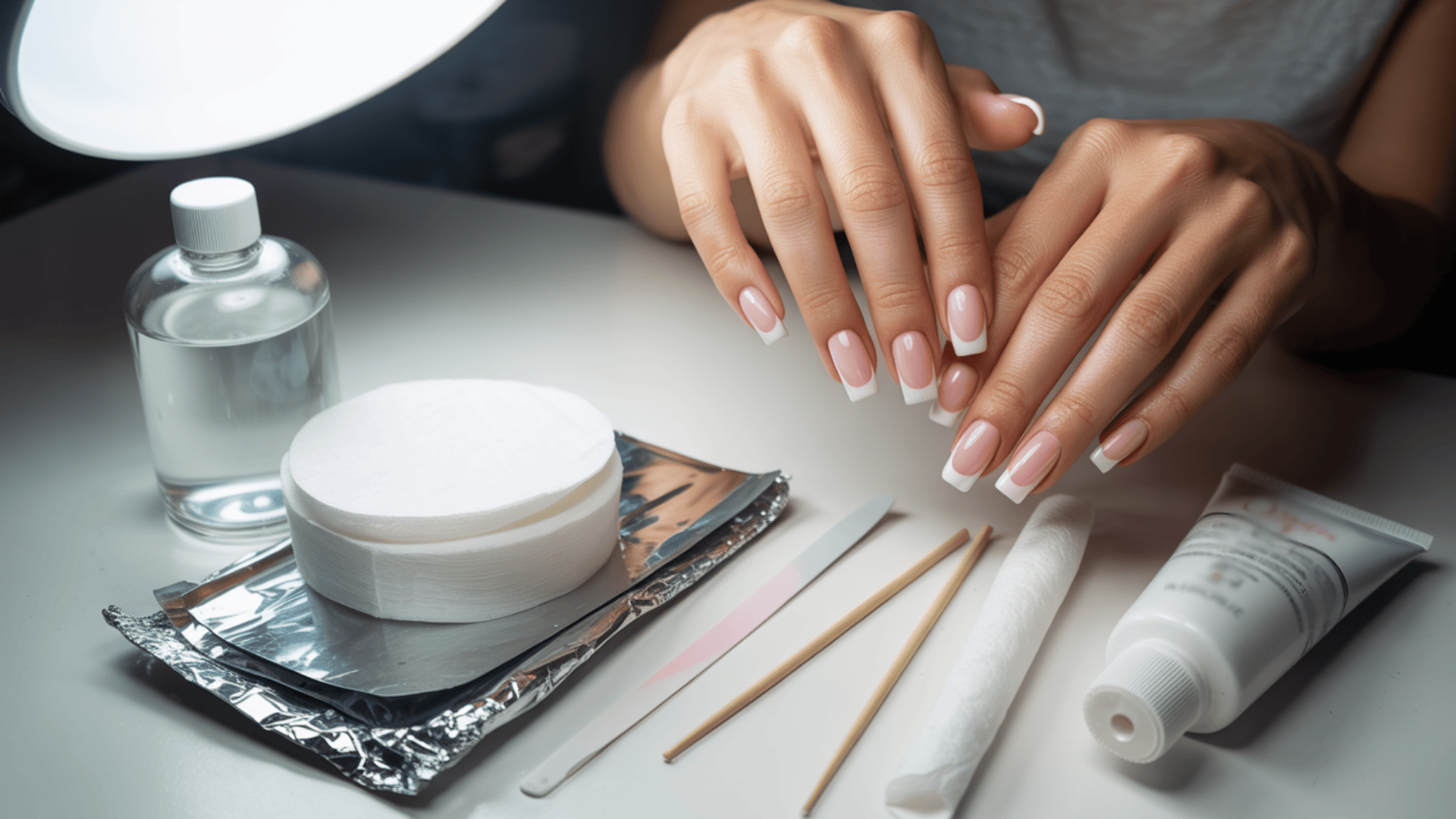
Let’s walk through each step of the actual removal process so you can do this safely at home.
Step 1: Trim and File Down the Acrylics
Use nail clippers to cut your acrylic nails as short as possible.
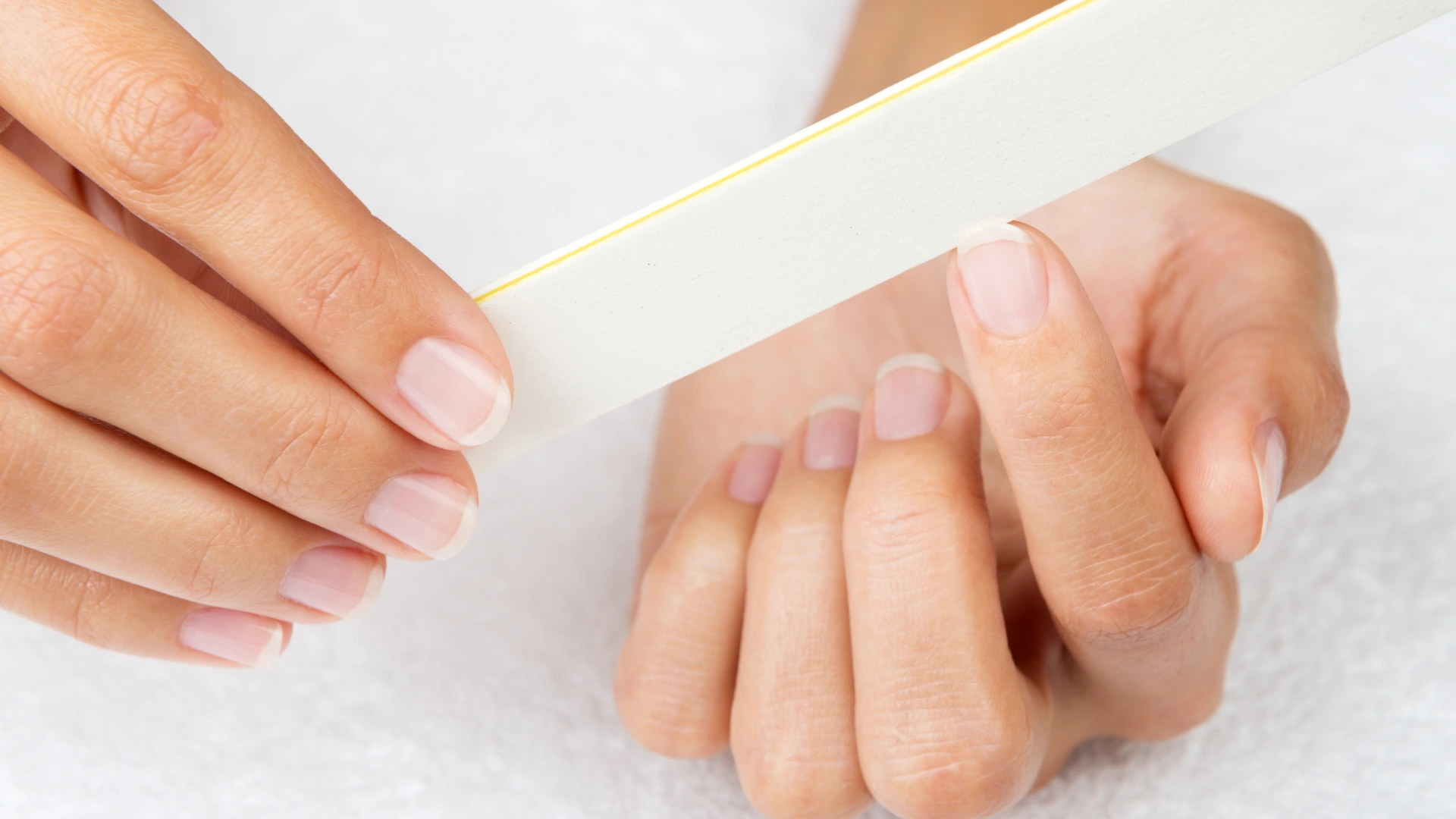
Then grab your nail file and buff off the shiny top coat. This helps the acetone soak in better. Don’t file too hard or you’ll damage your natural nail underneath.
Step 2: Soak Cotton Balls in Acetone
Take your cotton balls and soak them thoroughly in acetone. Make sure cotton is wet but not dripping.
You’ll need one cotton ball for each nail. Pure acetone works faster than nail polish remover, so stick with that.
Step 3: Wrap Your Nails in Foil
Place a soaked cotton ball on top of each nail. Wrap aluminum foil around your fingertip to hold the cotton in place.
The foil keeps the acetone from evaporating and speeds up the process. Let them sit for 15 to 20 minutes.
Step 4: Remove the Acrylic Gently
After soaking, unwrap one finger and check if the acrylic has softened.
Use your wooden stick to push off the acrylic gently. If it doesn’t come off easily, wrap it again and wait longer. Never force it off or pry at it.
Step 5: Moisturize Your Nails
Once all the acrylic is off, wash your hands with soap and water. Apply cuticle oil to each nail and rub it in well.
Finish with a good hand moisturizer. Your nails need this hydration after the acetone treatment.
When to Consider Professional Acrylic Nail Removal
Sometimes it’s better to visit a professional instead of DIY. Here are situations where you should skip the DIY route:
- Your nails are infected, swollen, or showing signs of fungus.
- The acrylic has lifted and caused pain or bleeding underneath.
- You have damaged or extremely weak natural nails.
- You’re allergic to acetone or have sensitive skin conditions.
- The acrylics are too thick or have multiple layers that you can’t handle.
Additional Effective Methods to Remove Acrylic Nails at Home
Besides the foil wrap method shown earlier, there are other easy ways to remove acrylic nails at home.
1. How to Take Off Acrylic Nails without Acetone
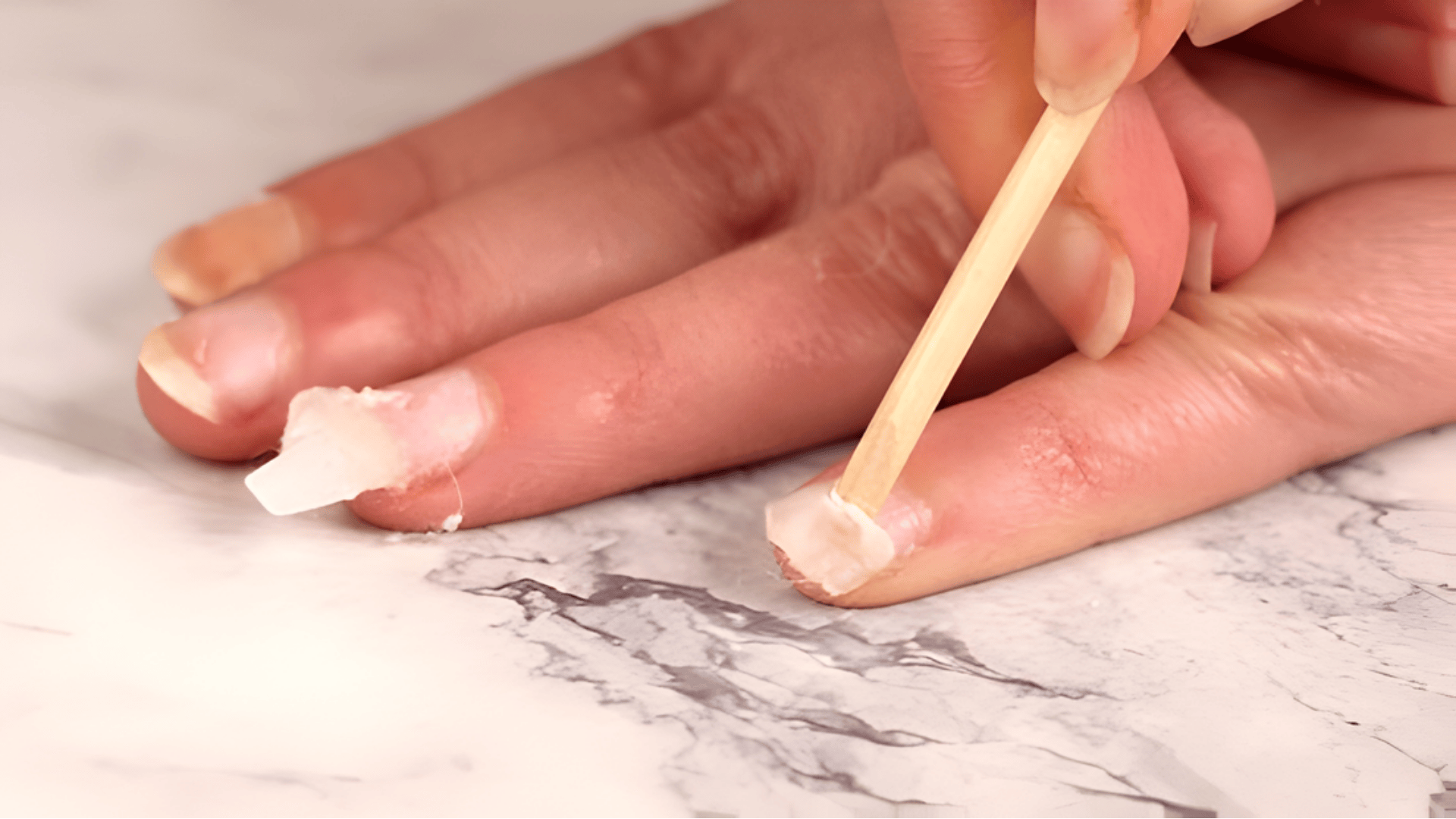
If you can’t use acetone, try this gentler alternative with hot water and oil.
Step-by-step procedure:
- Soak nails in hot, soapy water for 30 to 40 minutes.
- Add a few drops of oil to help loosen the glue.
- Gently wiggle and lift the acrylic with a wooden stick.
- File away any remaining bits carefully.
- This takes longer but is safer for sensitive skin.
2. How to Take Off Acrylic Nails with Dental Floss
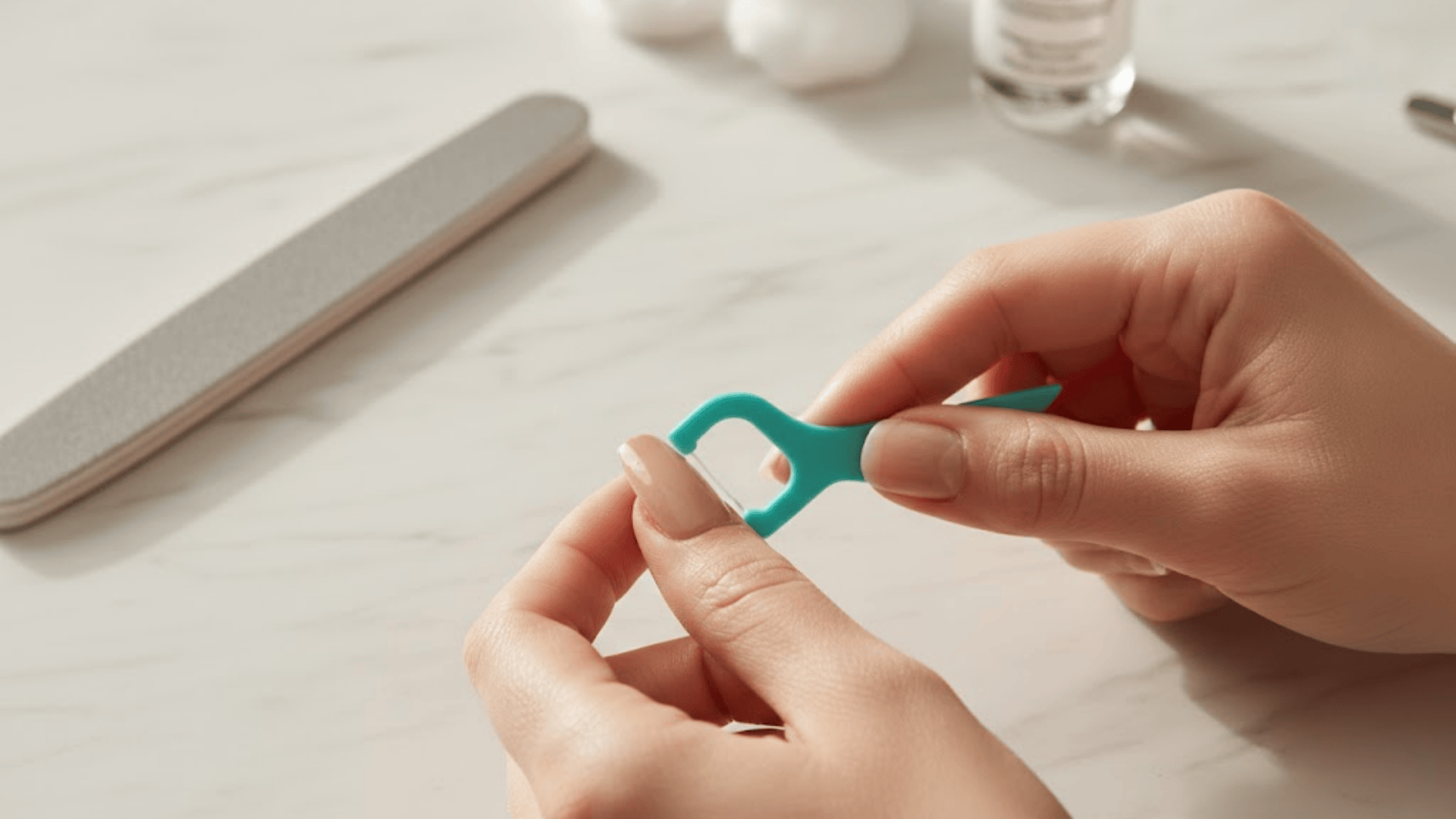
This quick method works if your acrylics have already started lifting from the nail bed.
Step-by-step procedure:
- Find where the acrylic has lifted from your natural nail.
- Slide dental floss under the lifted edge carefully.
- Gently saw back and forth to separate the acrylic.
- Work slowly from one side to the other.
Only use this if there’s already a gap.
3. How to Take Off Acrylic Nails with Rubbing Alcohol
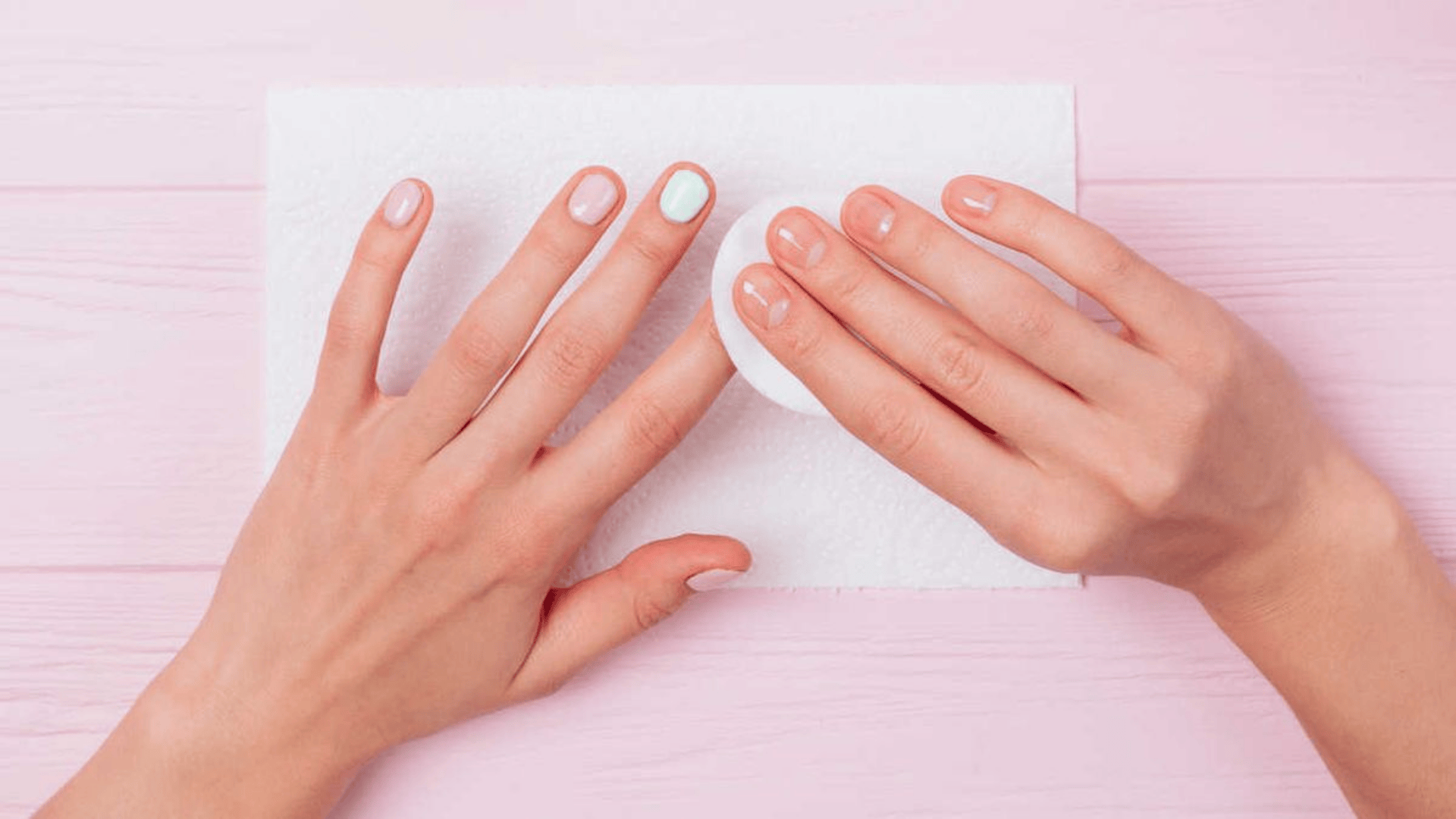
Rubbing alcohol is a milder option that takes more time but causes less dryness.
Step-by-step procedure:
- File the surface of your acrylic nails thoroughly.
- Soak cotton balls in rubbing alcohol.
- Place them on nails and wrap with plastic wrap.
- Let’s sit for 30 to 45 minutes.
- Remove and scrape off softened acrylic gently.
4. How to Take Off Acrylic Nails Using a Nail Drill
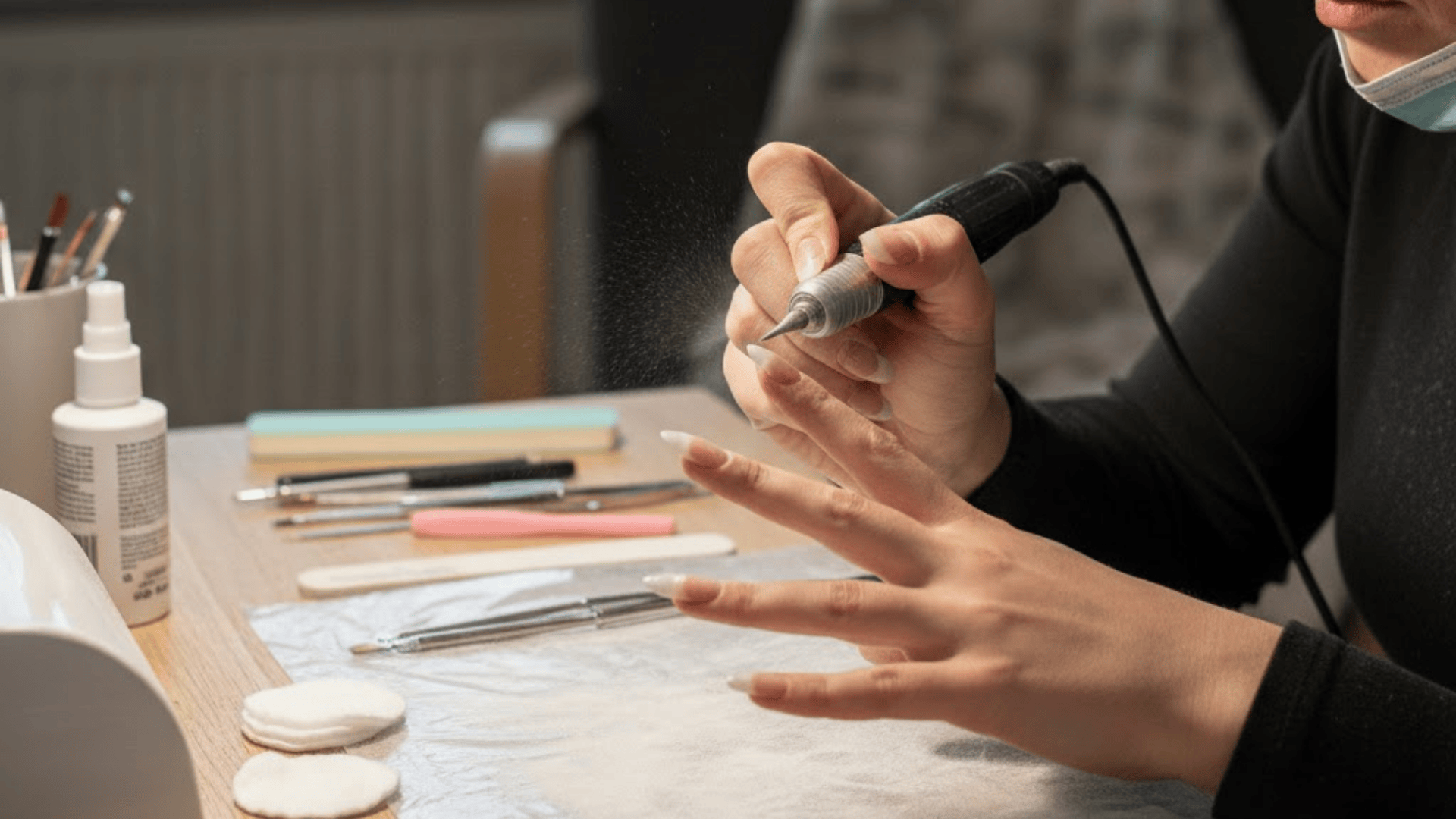
If you own an electric nail file, this professional method speeds up the process.
Step-by-step procedure:
- Set the drill to a low speed setting.
- Carefully file away the acrylic layer by layer.
- Stop when you see your natural nail showing through.
- Don’t press too hard or stay in one spot.
- Buff and smooth the surface when done.
Is Acetone Not Safe for The Nails?
Acetone is safe to use on nails when you handle it the right way, but it can cause dryness.
It works fast to break down shellac, gel, and regular polish. The problem starts when it stays on your nails for too long or when you use it many times in a short period. Your nails may feel dry, weak, or rough after repeated use.
The skin around your nails can also get dry or tight.
Most people can still use acetone without trouble as long as they follow reasonable care steps.
After removing polish, wash your hands, then apply cuticle oil and hand cream to bring back moisture.
What Not to do when Taking Off Acrylic Nails
Removing acrylic nails the wrong way can seriously damage your natural nails. Here are the mistakes you need to avoid.
Don’t peel or pick at the acrylic nails
Peeling may seem quick and easy, but it damages your natural nails by stripping layers, leaving them thin, weak, and painful. Healing can take months. Always soak them off properly instead.
Don’t skip filing the top coat
File away the shiny top layer first to allow acetone to penetrate, saving hours of soaking later.
Skipping this step prolongs removal.
Don’t use regular nail polish remover
Regular remover has less acetone and won’t break down acrylic properly. You’ll waste time and cotton balls with no results.
Pure acetone is what you need for this job. It works faster and more effectively.
Don’t forget to moisturize afterward
Acetone dries out nails and skin; skipping moisturizer makes them brittle. Apply cuticle oil and hand cream after removal to keep nails healthy and strong.
After-Care to Keep Your Natural Nails Healthy
- Apply cuticle oil twice daily to restore moisture and strength.
- Keep your nails short for at least two weeks while they heal.
- Use a nail strengthener or hardener to rebuild weak nails.
- Wear gloves when doing dishes or cleaning with chemicals.
- Avoid getting another set of acrylics for at least a month.
- Eat foods rich in biotin and protein to support nail growth.
- File nails gently in one direction to prevent splitting.
- Massage your hands and nails to improve blood circulation.
Final Thoughts
Taking off acrylic nails at home isn’t complicated when you follow the proper steps.
You have seen multiple methods, so pick the one that works best for you.
Remember to be patient during the removal process.
Rushing leads to damaged nails that take forever to heal. After removal, focus on the after-care routine. Your natural nails have been through a lot under those acrylics, so treat them gently.
Your nails will bounce back stronger if you moisturize regularly and give them time to breathe.
Frequently Asked Questions
What Makes Acrylic Nails Come Off Faster?
Improper nail prep, thick application, or acrylic touching skin causes premature lifting.
How to go Back to Natural Nails After Acrylics?
Trimming nails short to prevent breakage, and daily moisturizing with cuticle oil and hand cream.
Is it Better to File or Soak Off Acrylic Nails?
Soaking is the safest method, as filing increases the risk of damaging and thinning the natural nail plate.
What to Do when an Acrylic Nail Won’t Come Off?
Repeat the soaking process in pure acetone for an additional 10-15 minutes avoid forcefully picking or prying it off.