Want softer, smoother skin without spending a fortune at the spa?
Dead skin cells pile up on your face and body every single day. They make your skin look dull, feel rough, and can even clog your pores.
And let’s be honest, most of us don’t have time for complicated skincare routines that require a dozen steps.
Sugar scrubs are your answer. They’re gentle, affordable, and easy to use.
Plus, you probably already have everything you need sitting in your kitchen right now.
This detailed blog will show you exactly how to use sugar scrub to get that smooth, glowing skin you’ve been wanting.
What Does a Sugar Body Scrub do?
A sugar scrub is a physical exfoliator made with sugar granules and moisturizing oils.
The sugar does the scrubbing while the oil keeps your skin hydrated. It’s simple, effective, and gentle enough for most skin types.
What It Does for Your Skin:
- Removes dead skin cells: Removes the dull, rough layer sitting on your surface, revealing fresh skin underneath.
- Unclogs pores: Clears out oil, dirt, and debris that can lead to bumps and breakouts.
- Smooths texture: Makes rough patches softer and evens out bumpy areas over time.
- Boosts circulation: The massaging motion increases blood flow, giving your skin a healthy glow.
- Improves product absorption: Once dead skin is gone, your lotions and serums penetrate better instead of sitting on the surface.
- Prevents ingrown hairs: Keeps hair follicles clear so new hair grows out properly after shaving or waxing.
How to Use Body Sugar Scrub?
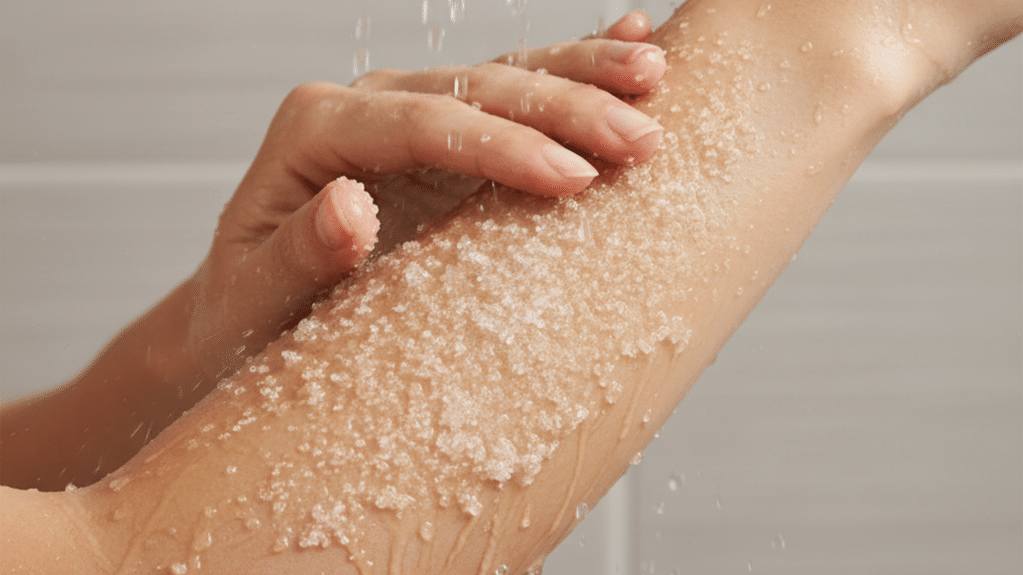
Using a sugar scrub is straightforward, but doing it right makes all the difference.
Follow these steps to get the best results without irritating your skin.
Step 1: Start with Damp Skin
Let warm water run over your skin for a minute or two. You want your skin damp, not dripping wet. The moisture helps the scrub glide smoothly and prevents the sugar from being too abrasive.
Don’t apply sugar scrub to completely dry skin
Applying sugar scrub directly can create friction, which will feel rough and won’t spread easily. This can irritate your skin.
Step 2: Scoop Out the Right Amount
Take a small handful of sugar scrub, about the size of a golf ball. You can always take some more in case you need, instead of wasting your product.
Step 3: Apply in Circular Motions
Gently massage the scrub onto your skin using circular movements. Light pressure is all you need to lift away dead skin cells. Applying a lot of pressure can cause breakouts and irritate your skin.
Step 4: Time It Right
Massage the scrub for about 30 seconds to one minute per area. Your whole body should take roughly 3-5 minutes total.
Step 5: Rinse Thoroughly
Use warm water to rinse away all traces of the scrub. The oil will leave a light layer on your skin, which is totally normal and helps lock in moisture.
Pat yourself dry with a towel instead of rubbing vigorously.
Step 6: Follow Up with Moisturizer
While your skin is still slightly damp, apply your regular body lotion or moisturizer. Freshly exfoliated skin absorbs products better, so this is the perfect time to hydrate.
You’ll notice your skin feels incredibly soft right after using a sugar scrub.
And who doesn’t want this, right?
Using a Body Scrub Effectively
How often you should exfoliate depends on your skin type, the scrub you’re using, and what your skin can tolerate without irritation.
For most people, using a sugar scrub 2-3 times per week works perfectly. This frequency keeps dead skin from building up while giving your skin enough time to recover between sessions.
Let’s learn how often you should use a body scrub based on your skin type.
| Skin Type | How Often to Scrub | Key Tips |
|---|---|---|
| Normal Skin | 2-3 times per week | Standard frequency works well. Adjust based on how your skin feels. |
| Oily Skin | Up to 3 times per week | Focus on oil-prone areas like the back and chest. Don’t overdo it—too much scrubbing triggers more oil. |
| Dry Skin | 2 times per week maximum | Be gentle and always moisturize afterward. Dry skin needs extra care. |
| Sensitive Skin | Once a week | Use finer sugar granules and light pressure. Scale back if you see redness or irritation. |
| Combination Skin | Varies by area | Scrub oily zones 2-3 times weekly, drier areas twice a week. Customize based on your body’s needs. |
Aftercare
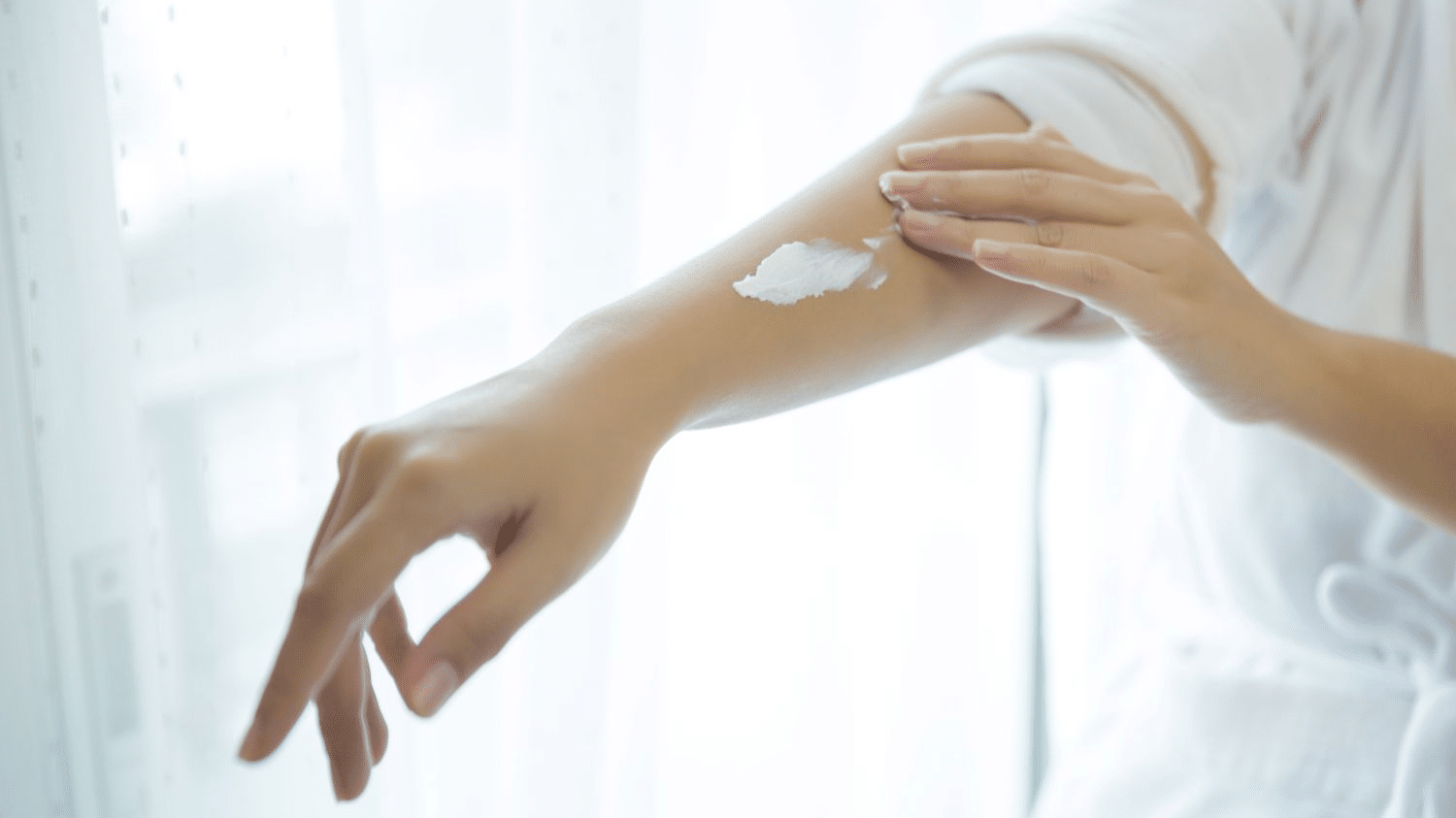
What you do after exfoliating matters just as much as the scrubbing itself. Proper aftercare helps your skin stay soft, protected, and irritation-free.
- Moisturize Immediately
- Avoid sun exposure
- Skip harsh products for 24 hours
- Don’t shave right after
- Stay hydrated
- Wear loose, breathable clothing
- Watch out for signs of irritation
Who Should Avoid DIY Sugar Scrub?
Sugar scrubs are generally safe for most people, but they’re not right for everyone.
However, people with certain skin conditions need to take extra precautions or totally avoid physical exfoliation.
- People with active or cystic acne
- People with Eczema or Psoriasis
- People with Rosacea
- Anyone with Open Wounds or Cuts
- Those with Sunburned Skin
- People Who Recently Had Chemical Peels or Laser Treatments
- Those Using Strong Prescription Skincare
If you’re unsure whether sugar scrubs are safe for your skin condition, don’t guess.
It’s always better to ask than to risk damaging your skin. A dermatologist can evaluate your condition and recommend the best kind of exfoliation.
Community Advice: Real Tips From People
The best advice comes from people who’ve been there and done that. Here are the suggestions from fellow sugar scrub users.
“Always Scrub Before Shaving, Not After”
Multiple users swear by this timing trick. Exfoliating before you shave lifts hairs away from the skin and removes dead cells that can clog your razor.
One user notes, “I used to get horrible razor burn until I started scrubbing first. Game changer.”
“Less Pressure Than You Think”
First-time users often scrub too hard, thinking more pressure equals better results.
Wrong. Light, circular motions work perfectly fine. Your skin doesn’t need aggressive scrubbing to shed dead cells.
“Schedule It After Workouts”
Some users time their exfoliation sessions right after exercise. Your pores are already open from sweating, which some people believe helps with the exfoliation process.
“It Won’t Fix Everything”
Keep your expectations realistic. Sugar scrubs make your skin softer and smoother, but they won’t eliminate cellulite, stretch marks, or deep scars.
As one honest reviewer notes, “My skin feels amazing after scrubbing, but my stretch marks are still there. That’s okay; I just have realistic expectations now.”
“Don’t Rinse in Freezing Cold Water”
Some people rinse with cold water, thinking it closes pores (it doesn’t, by the way).
But cold water also makes the oils harder to rinse off, leaving you feeling greasy. Stick with lukewarm water for the best rinse.
“Exfoliate Before Self-Tanner”
If you use self-tanner, scrub a day or two before applying it. This creates an even surface so your tan goes on smoothly without streaks or patchy spots.
Just don’t exfoliate right before tanning; freshly scrubbed skin can absorb too much product and look darker than you intended.
Wrapping Up
Sugar scrubs offer a simple, affordable way to keep your skin smooth and glowing.
You’ve learned how to apply them correctly, how often your skin type needs exfoliation, and what aftercare steps protect your newly refreshed skin.
Ready to give it a try? Grab your sugar scrub and spend five minutes pampering yourself.
What’s stopping you from getting started today?