Many people stand in front of their bathroom shelf each morning, unsure of what to use first.
Mornings move quickly, and understanding what skin needs can feel confusing.
Most people follow a morning face routine without knowing if the products are helping or just taking up time.
The truth is, a morning skincare routine doesn’t have to be long or stressful.
When the steps are done in the right order, skin can stay comfortable, fresh, and balanced throughout the day.
What is a Morning Skincare Routine?
A morning skincare routine is a set of steps people follow each day to clean, protect, and prep their skin.
It’s different from nighttime care because morning routines focus on protection.
Think of it this way: night routines repair skin while you sleep. Morning routines shield skin from daily stress like sun, pollution, and makeup.
Most morning routines take 5 to 10 minutes. They don’t need to be fancy or expensive.
A good routine does three main things:
- Removes oil and sweat from overnight
- Adds moisture back into skin
- Creates a barrier against environmental damage
The products used depend on skin type. But the basic concept stays the same for everyone.
Dermatologists recommend separating morning and night routines because skin behaves differently. Cortisol rises in the morning, affecting oil production.
Morning Skincare Routine Steps

Every effective morning face routine follows a specific order. This helps products work better and absorb properly into the skin.
Here are the essential steps:
Step 1: Cleanser
Start by washing away overnight buildup.
Oil, sweat, and remnants from nighttime treatments sit on the surface after hours of sleep.
Wet your face with lukewarm water first. Hot temperatures strip natural moisture, while cold water doesn’t remove debris effectively.
Massage a gentle cleanser in circular motions for 30 to 60 seconds.
Rinse thoroughly and pat dry with a clean towel. The right cleanser depends on your specific skin type and won’t leave skin feeling tight or greasy.
Step 2: Toner
Apply toner immediately after cleansing while skin is still slightly damp. This balances pH levels that shift during the cleansing process.
Pour a small amount onto a cotton pad or onto your palm, then press gently into your skin. Avoid rubbing or tugging.
Toners prepare the surface for better ingredient absorption in later steps.
Not all formulas work the same; alcohol-based versions can cause dryness and irritation, so read labels carefully before purchasing.
Step 3: Serum
Serums contain concentrated active ingredients that target specific issues. Dark spots, fine lines, and uneven texture respond well to the right formula.
Take 2 to 3 drops and warm them between your palms.
Pat onto face and neck using gentle pressure. Don’t rub vigorously.
Common morning options include vitamin C for brightness, hyaluronic acid for hydration, or niacinamide for pore control.
Wait 30 to 60 seconds before moving to the next product so ingredients can penetrate properly.
Step 4: Eye Cream
The skin around the eyes is thinner and more delicate than the rest of the face.
It shows signs of aging, fatigue, and dehydration faster.
Use your ring finger to apply a rice-grain amount under each eye. Start from the inner corner and tap gently outward. Never pull or stretch this fragile area.
Eye creams address puffiness, dark circles, and early wrinkles.
Caffeine-based formulas work well in the morning to reduce swelling.
Step 5: Moisturizer
Hydration keeps the skin barrier strong and functional. Even oily skin needs moisture to stay balanced.
Scoop a pea-sized amount and warm it between your hands. Smooth over face and neck in upward motions.
Moisturizers seal in all previous products and prevent water loss throughout the day. Pick one with ingredients like ceramides, glycerin, or hyaluronic acid for lasting results.
Gel formulas suit oily types, while cream textures benefit dry skin.
Step 6: Sunscreen
Sun protection is non-negotiable, regardless of weather or season. UV rays penetrate clouds, windows, and even light clothing.
Apply a nickel-sized amount to cover the entire face.
Don’t forget the ears, neck, and the back of the hands. SPF 30 or higher provides adequate defense against premature aging and skin damage.
Wait 15 minutes before going outside so the formula can set properly. Reapply every two hours if spending extended time outdoors.
Some people add face mist, facial oil, or lip balm as bonus steps.
Now, let’s look at the basic morning skincare routine for different skin types.
Morning Skincare Routine for Oily Skin
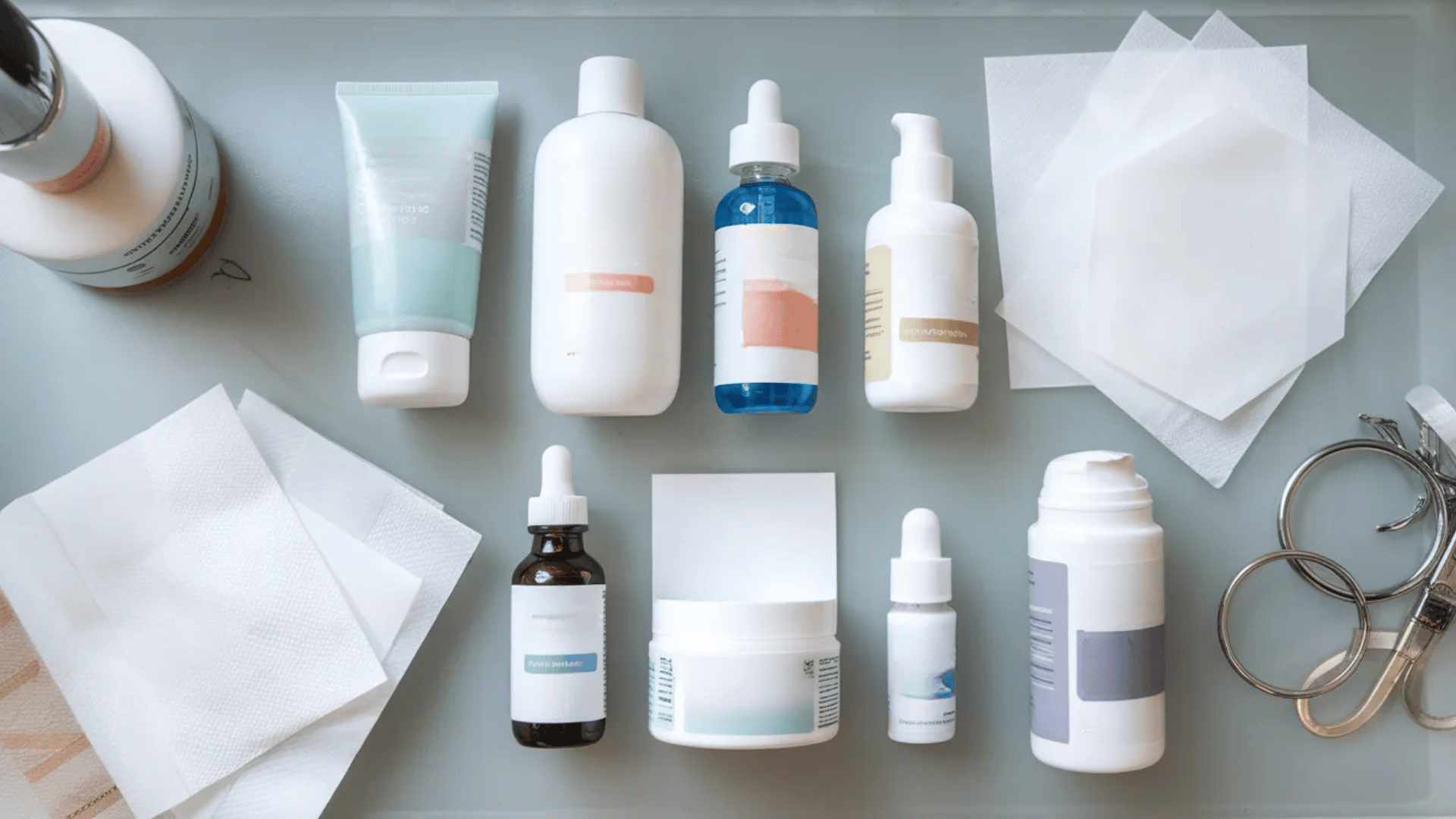
Oily skin produces excess sebum throughout the day.
This leads to shine, clogged pores, and sometimes breakouts. The key is to control oil without stripping the skin completely.
What to use:
- Foaming or gel cleanser to remove excess oil
- Alcohol-free toner to tighten pores
- Lightweight, water-based serum with niacinamide
- Oil-free moisturizer with a gel texture
- Matte-finish sunscreen that won’t feel greasy
A toner with salicylic acid works well here; it gets into pores and keeps them clear without over-drying the skin.
What to avoid: Heavy creams and thick lotions will make skin look shinier. Skip products with mineral oil or petroleum.
Blot skin with paper during the day instead of washing repeatedly. Over-washing triggers more oil production.
Morning Skincare Routine for Dry Skin

Dry skin lacks moisture and often feels tight or flaky. The focus is on adding and locking in hydration.
Without proper care, dry skin can become irritated, red, and uncomfortable.
What to use:
- Cream-based cleanser that won’t strip natural oils
- Hydrating toner with hyaluronic acid
- Serum packed with moisture-binding ingredients
- Rich, creamy moisturizer with ceramides
- Sunscreen with added moisturizing benefits
Ceramides are natural lipids in the skin barrier. When the barrier weakens, moisture escapes faster, so ceramide moisturizers target dry skin specifically, unlike thick creams.
What to avoid: Harsh cleansers and products with alcohol will make dryness worse. Avoid strong exfoliants in the morning.
Pro tip: Apply moisturizer while skin is still slightly damp. This seals in extra moisture.
Morning Skincare Routine for Glowing Skin
Glowing skin looks healthy, bright, and well-rested. It comes from proper care and the right products.
Dull skin happens from dead cell buildup, dehydration, and sun damage. The goal is to remove what dulls skin and add what brightens it.
Use a gentle cleanser with lactic acid or papaya extract.
Follow with vitamin C serum to boost radiance and fade dark spots. Apply hydrating toner with rose water.
Finish with moisturizer and SPF 30 or higher sunscreen.
Vitamin C serums take about 4 to 6 weeks of daily use before a visible difference in brightness shows up. Consistency matters more than concentration.
Extra Steps for Glow:
- Exfoliate 2-3 times per week to remove dead cells.
- Use a face mask once weekly for deep hydration.
- Drink plenty of water throughout the day.
- Get enough sleep so skin can repair itself.
- Eat foods rich in antioxidants, such as berries and leafy greens.
Pro tip: A few drops of facial oil mixed into moisturizer can give skin an instant, natural glow. Try rosehip or argan oil for the best results.
Daily Skincare Routine at Home
Building a daily skincare routine at home doesn’t require expensive spa treatments. Consistency matters more than costly products.
Morning basics: Start with clean hands. Remove any sleep mask or overnight treatment first. Then follow the six core steps mentioned earlier.
Creating the habit: Keep products visible on the bathroom counter. Set a phone reminder if needed. Make it part of the morning ritual, like brushing your teeth.
Budget-friendly tips:
- Drugstore products work just as well as luxury brands
- Buy travel sizes to test products before committing
- One good product beats ten mediocre ones
- Sunscreen is non-negotiable, even on cloudy days
Time-saving tricks: Prep products the night before. Use a moisturizer with SPF to combine two steps. Keep the routine simple on busy mornings.
The best routine is one that gets done every single day. Start small and build from there.
How Long Does a Morning Skincare Routine Take to Show Results?
Results don’t show up overnight.
Most people see improved hydration within 1 to 2 weeks of even using a moisturizer. Serums like vitamin C can take 4 to 6 weeks for brightness to visibly improve.
Sunscreen benefits build over months, protecting skin from further damage rather than giving instant results.
Acne-fighting ingredients like salicylic acid can take 6 to 8 weeks to show clear improvement.
The timeline varies by skin type and product.
But one thing stays consistent: skipping days slows everything down. Stick to the routine, and the skin responds.
Morning and Night Skincare Routine: Key Differences
Morning and night routines serve different purposes.
Morning care helps protect the skin from environmental damage. Night care focuses on repair and recovery while you sleep. Get a quick comparison:
| Aspect | Morning | Night |
|---|---|---|
| Goal | Protect | Repair |
| Cleanser | Gentle cleanse | Deep cleanse |
| Key Products | Vitamin C, sunscreen | Retinol, treatments |
| Moisturizer | Lightweight | Rich cream |
| Sunscreen | Required (SPF 30+) | Not needed |
| Time | 5-10 minutes | 10-15 minutes |
Both routines matter. Morning prep shields skin from daily stress. Night care helps skin heal and renew.
Morning Skincare Mistakes to Avoid
- Using hot water to wash your face strips natural oils; lukewarm water is better for preserving the skin barrier.
- Skipping sunscreen on cloudy days allows UV rays to pass through clouds, causing sun damage over time.
- Applying products out of order blocks absorption; always layer from thinnest to thickest.
- Over-layering active ingredients with too many at once irritates the skin.
- Use one or two targeted ingredients per application routine.
- Rushing through the routine shortens absorption time, as each product needs a moment before the next.
- Applying everything at once reduces effectiveness.
- Skin needs change with seasons; a summer routine may not suit winter skin.
Conclusion
So, what should a morning skincare routine include?
The answer is simpler than most people think.
Cleanse, tone, treat, moisturize, and protect with sunscreen. That’s it. The best morning face routine is one that fits into daily life and gets done consistently.
Start with these basics and see how your skin reacts. Pick one step to improve this week.
Small changes add up to real results over time.
Frequently Asked Questions (FAQ’s)
1. What is a Minimal Skincare Routine?
A minimal routine includes cleanser, moisturizer, and sunscreen, covering essential skin needs.
2. What Makes a Simple Skincare Routine Appropriate for Everyone?
Simple routines target the skin’s basic needs: cleaning, hydrating, and protecting, applicable to all skin types. People can add specific treatments based on personal concerns later.
3. How Can You Adjust Your Skincare Routine from Morning to Night?
Use lighter products and sunscreen in the morning, switch to richer creams and retinol at night, and skip sunscreen after dark.