
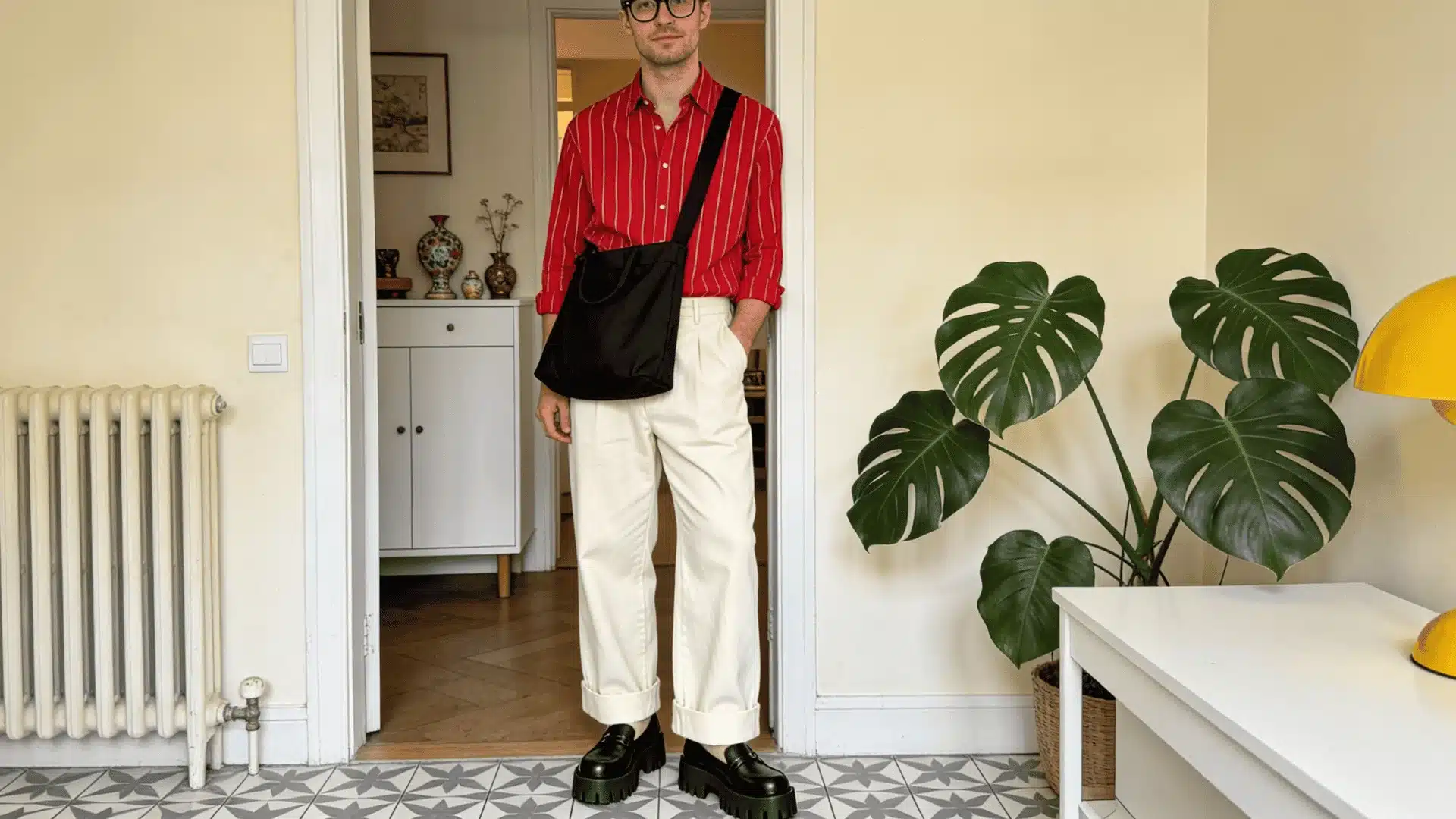
Key Takeaways
How millennials approach style differently from other generations
Styling techniques that maximize versatility and minimize clutter
The essential wardrobe pieces that defines the fashion
Why sustainability became central to millennial fashion choices
What is Millennial Fashion?
Millennial fashion reflects the fashion of a generation born between 1981 and 1996.
These individuals grew up during major tech and cultural shifts.
Key characteristics include:
- Adaptable items for multiple occasions
- Comfort paired with style
- Clean lines and neutral palettes
- Mix of high and low price points
Millennials often combine designer pieces with affordable basics. Thrifted finds sit alongside contemporary staples. Black, white, gray, and beige dominate their wardrobes.
My cousin wore a vintage Levi’s jacket over an H&M tee with designer jeans when he visited my home.
Nobody can tell which piece costs what. That’s exactly how millennials approach fashion.
Why Does it Matter?
Millennial fashion shapes how the industry operates now. This generation holds significant buying power and influences market trends.
Brands changed their strategies to meet millennial demands.
- Millennials drove the shift toward sustainable practices
- They popularized direct-to-consumer brands
- Athleisure became workplace acceptable because of them
- Quality over quantity changed production models
Social media gave millennials a voice. They share honest reviews and call out problematic brands.
How Millennial Fashion Differs From Gen Z and Gen X
Each generation approaches fashion differently, shaped by their experiences and values.
| Aspect | Gen X (1965-1980) | Millennials (1981-1996) | Gen Z (1997-2012) |
|---|---|---|---|
| Style Approach | Classic and perennial | Flexible and practical | Bold and experimental |
| Shopping Habits | Brand loyalty | Mix high and low | Thrift-first mindset |
| Key Influences | Grunge, simplicity | Athleisure, tech culture | TikTok, social media |
| Color Preferences | Neutral with edge | Muted neutrals | Bright, maximalist |
| Value Focus | Quality and longevity | Sustainability and function | Ethics and uniqueness |
| Work Style | Corporate dress codes | Smart casual | Gender-neutral, expressive |
Styling Techniques That Define Millennial Fashion
Millennials approach styling with intention, often choosing flexibility over excess. Their techniques focus on creating the most outfits from the fewest pieces.
Capsule Wardrobe Building
My cousin reduced her wardrobe to 40 pieces last year.
At first, she panicked. Now she says she’s never felt more confident getting dressed. Most millennials curate small, intentional collections for that exact reason.
They choose pieces that work together easily. This reduces decision fatigue and closet clutter.
Comfort Integration
Sneakers replace heels for many occasions. Stretchy fabrics matter as much as structure. Comfort no longer means sacrificing style.
High-Low Mixing
I’ve seen a designer handbag styled with thrifted jeans and a basic tee, and it looked intentional enough.
Pairing high and low pieces has become second nature. A luxury coat might be styled with budget denim. This approach makes fashion accessible without sacrificing quality where it counts.
Neutral Foundation Strategy
Black, white, gray, navy, and beige form the base for millennial fashion.
These colors mix effortlessly and never clash. Statement pieces add personality when needed.
Layering Mastery
On busy days, my older brother throws a blazer over a tee for meetings, then takes it off for coffee later.
That one layer shift completely changes the outfit. A blazer over a tee creates polish. Removing layer transitions makes the look go from formal to casual.
Simple Accessorizing
Less is more when it comes to accessories.
One quality bag beats multiple cheap options. Simple jewelry makes a greater impact than excessive pieces.
Millennial Fashion Trends (Must-Have Pieces)
Certain items define the millennial wardrobe. These pieces recur because they deliver both function and style.
1. Structured and Comfortable Denim
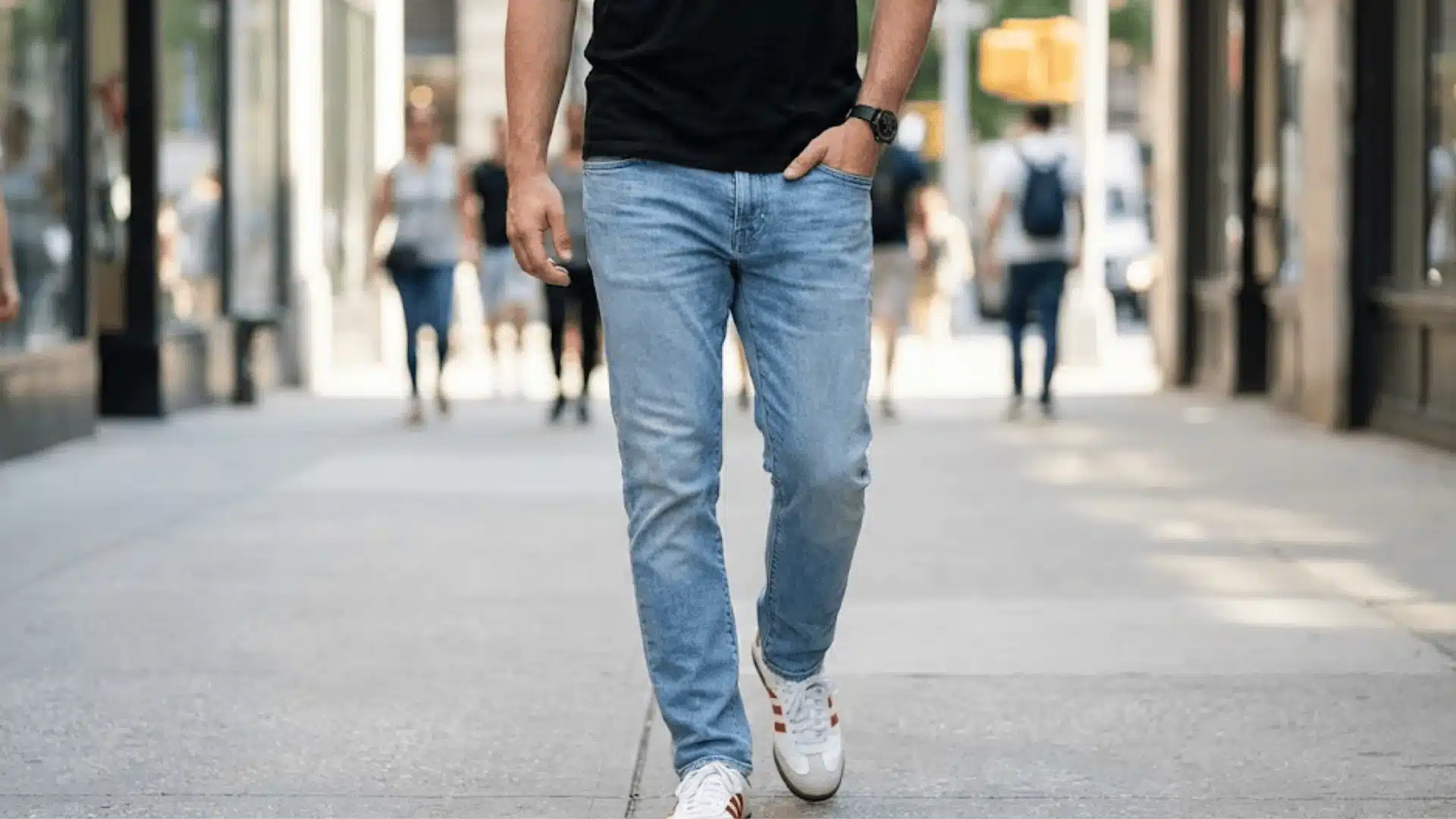
Denim remains a wardrobe cornerstone for millennials.
Mid-rise and high-rise fits dominate over low-rise styles. Straight-leg and wide-leg cuts replaced skinny jeans for most. Dark washes work for dressier occasions. Lighter washes suit weekends.
I refused to buy stretch denim for years, insisting on 100% cotton. I finally tried a pair and admitted I’d been wrong.
Stretch denim changed everything. Comfort matters without looking sloppy. The fabric moves with the body throughout long days.
Where to buy Quality Denim
1. Madewell – Offers a wide range of styles and cuts. Their “Perfect Vintage Jeans” live up to its name for straight-leg styles.
2. Aritzia – A premium Canadian brand known for fashion-forward fits.
Their Agolde collaboration offers high-quality denim with on-trend silhouettes. A friend bought their 90s pinched waist jeans and gets compliments every time she wears them.
3. Frame – Offers luxury denim with impeccable fit and construction. Their High Straight jeans are a millennial favorite for its flattering cut.
2. A Neutral Blazer

One great blazer is an essential item for millennial fashion. This piece transforms casual outfits instantly.
Black, navy, gray, or beige work best. Oversized fits feel current and comfortable. The blazer should layer over tees and button-downs equally well.
It dresses up jeans for dinners out. It adds polish to work-from-home video calls. Throw it over athleisure for quick errands.
Ideal options to buy Blazers
1. H&M – Budget-friendly options for experimenting with different styles before investing in higher-quality pieces.
2. Banana Republic Factory – Outlet pricing on professional staples. Their Rapid Movement blazers offer stretch and comfort for guys who hate stiff fabrics.
My friend who works from home bought one for video calls. He said it feels like wearing a structured sweatshirt. Comfortable enough to wear all day.
3. Everyday Sneakers
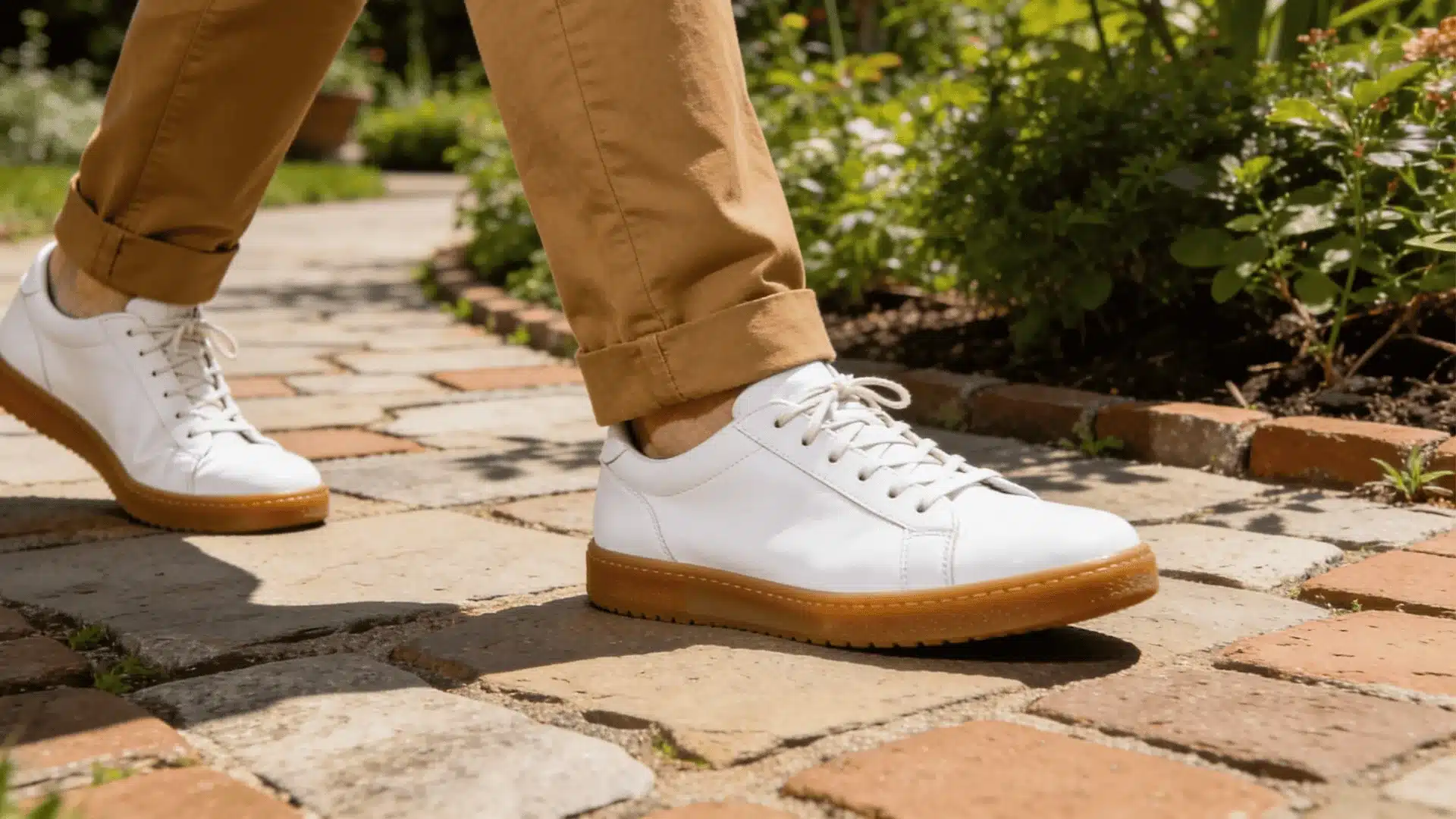
Sneakers became acceptable footwear for almost every occasion. Millennials drove this change completely.
White leather sneakers are the ultimate staple. They pair with dresses, jeans, and trousers. Clean and simple designs work best. Quality matters more than hype.
Comfortable insoles and durable construction justify higher prices. These shoes get worn nearly every day.
I bought $40 sneakers that fell apart in three months. Then, I finally invested $120 in a pair of quality leather sneakers. Three years later, it still looks great.
Where to buy Quality Sneakers
4. A Simple Crossbody or Tote Bag
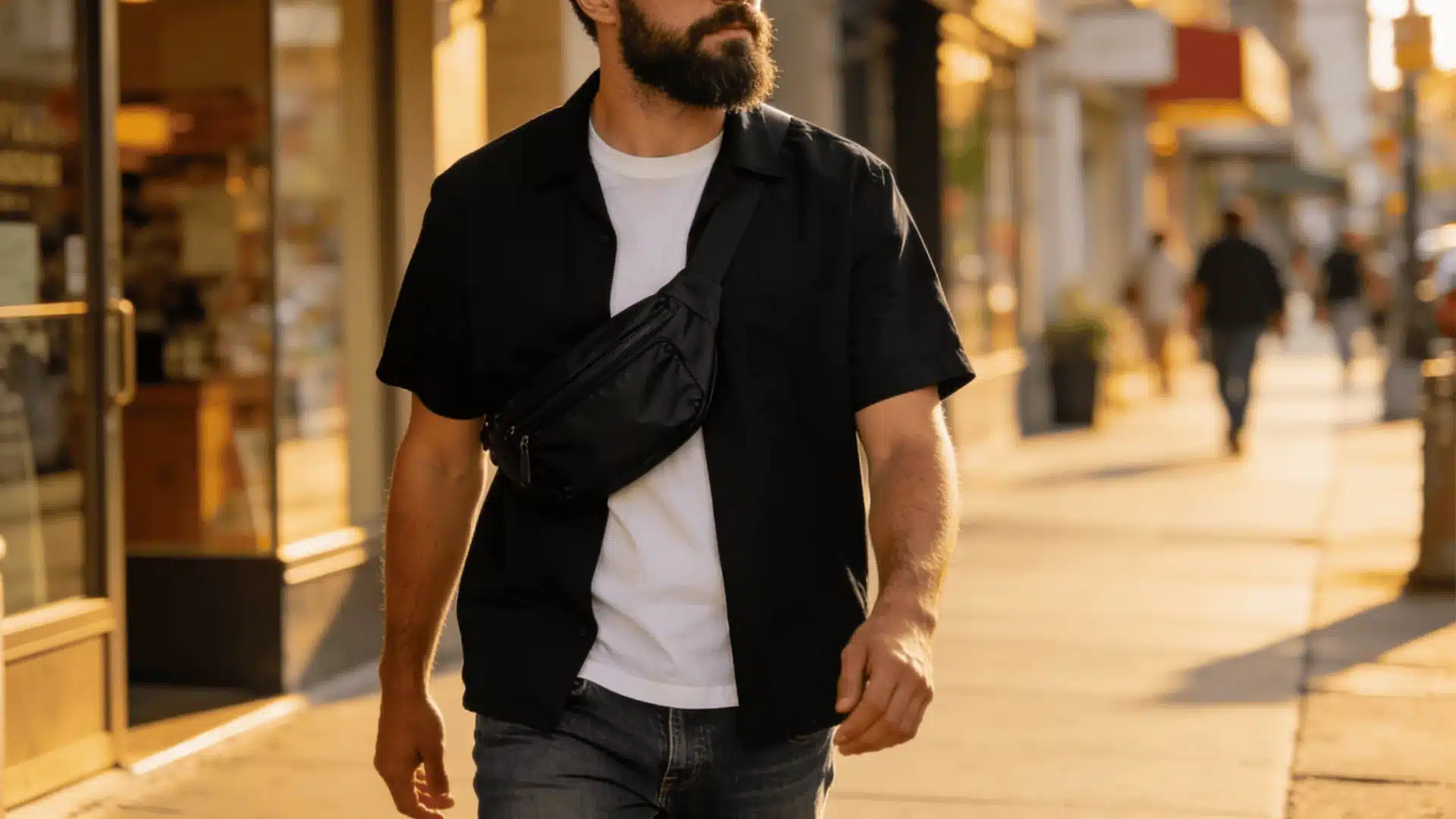
Bags need to be functional first, stylish second. Practical designs over trendy shapes enhance millennial fashion. Neutral colors again dominate. Black and brown leather work everywhere.
Crossbody bags free up your hands for your phone and coffee. They work on errands, travel, and casual outings. Leather or quality vegan alternatives age well.
Totes handle work laptops and gym clothes. Structured versions look professional—unstructured styles suit weekend activities.
Where to get Functional Bags
For tote bags:Longchamp USA offers the iconic Le Pliage, which folds flat for storage.
For crossbody bags:Mark Ryden specializes in anti-theft designs with USB charging ports.
My cousin brother used his for city travel and said the hidden zippers twice prevented pickpocketing during his trip to Europe last summer.
5. Quality Basics
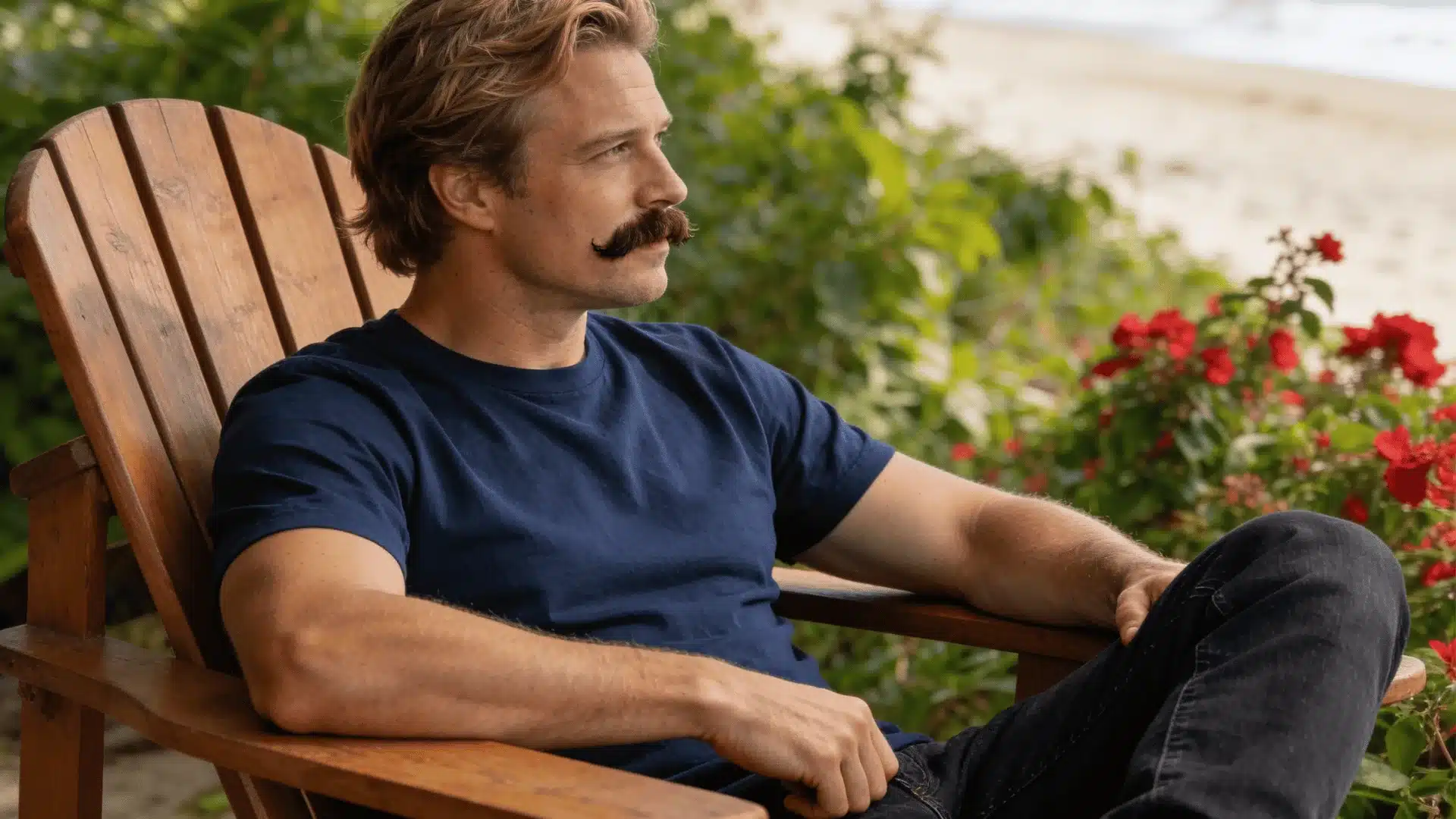
Basic doesn’t mean boring for millennials. They invest in higher-quality versions of everyday items.
Premium cotton tees fit better and last longer. Cashmere sweaters replace acrylic versions. Well-made basics elevate entire outfits.
If you’re looking for affordable basics that actually last, Uniqlo gives surprising quality. I bought three of their $15 tees. They’ve outlasted $40 tees from other brands.
6. Footwear Staples
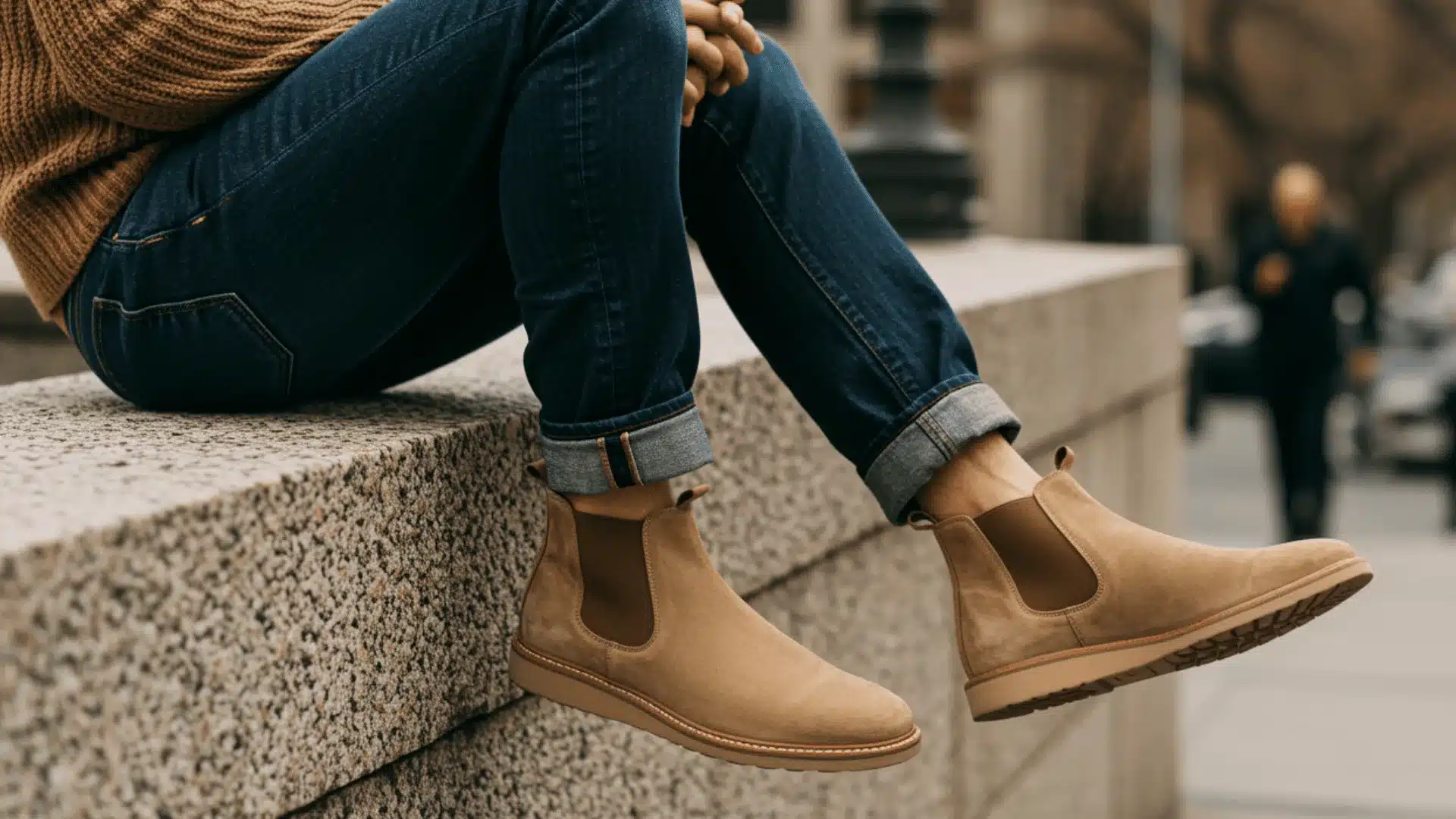
Beyond sneakers, millennials keep a small footwear collection. Each pair serves a specific purpose.
- Ankle boots work for three seasons. Chelsea or lace-up styles of black and brown leather are essentials.
- Loafers returned to popularity recently. They bridge sneakers and formal shoes perfectly.
- One pair of smart heels is perfect for special occasions. Neutral colors extend wearability across outfits.
My sister wears the same black Chelsea boots from September through May.
She pairs them with dresses, jeans, and work pants. One pair replaced the five seasonal shoes she used to rotate through.
7. A Go-To Outerwear Piece

Outerwear makes or breaks cold-weather style. Millennial fashion consists of pieces that look good.
A quality wool coat is suitable for formal situations. Camel, black, or gray work everywhere.
Puffer jackets became fashionable again. They provide warmth without bulk. Denim jackets work year-round as layering pieces.
Sustainability and Ethical Choices in Millennial Fashion
Millennials changed how fashion thinks about sustainability. They demand better practices from brands.
This generation asks tough questions before buying. Who made this? What’s it made from? How long will it last? These questions pushed industry changes.
Key sustainable practices millennials support:
- Choosing quality over quantity always
- Supporting transparent, ethical brands
- Repairing instead of replacing items
- Renting special occasion outfits
- Avoiding excessive trend participation
Millennials prove that style and ethics can coexist. Their choices continue to shape fashion’s future.
Final Thoughts
Millennial fashion is less about trends and more about making smart, lasting choices. For me, it came down to owning fewer pieces that actually work together.
A good pair of denim, a neutral blazer, and quality sneakers cover most situations without stress.
That’s the core of millennial fashion: practical, comfortable, and intentional.
If you want to refine your wardrobe, start with one solid staple and build from there.
Simple changes can make getting dressed much easier.
Frequently Asked Questions (FAQ’s)
1. Is Millennial Fashion Coming Back?
Millennial fashion never left. Its focus on quality basics and neutral palettes remains relevant and widely adopted today.
2. What Should Millennials be Wearing?
Neutral blazers, comfortable denim, useful sneakers, quality basics, and sustainable pieces that transition easily between occasions and seasons.
3. What are The Millennial Fashion Stereotypes?
Skinny jeans, side parts, athleisure everywhere, excessive avocado toast references, and an obsession with neutral color schemes.