That itchy, burning sensation spreading across the skin? It’s probably poison ivy.
The rash shows up hours or even days after touching the plant. But not everyone reacts the same way. Some people develop severe blisters while others barely notice.
This blog reveals how to identify poison ivy before contact happens.
It also explains proven causes, symptoms, and treatment for poison ivy on skin that actually relieve the symptoms.
Keep reading to protect yourself and your family from this common outdoor threat.
What is Poison Ivy?
Poison ivy is a common plant found across North America. It grows as a vine or shrub in wooded areas, gardens, and along trails.
The plant contains urushiol, an oily resin that causes allergic reactions in most people.
When skin touches this oil, it triggers an immune response. The result is an itchy, red rash with blisters.
Urushiol is potent. Even tiny amounts cause symptoms. The oil sticks to clothing, tools, and pet fur, too. It can transfer to the skin hours after the initial contact.
Symptoms of Poison Ivy
The body reacts to poison ivy within 12 to 72 hours after exposure.
Symptoms vary from person to person, but most people experience similar signs.
1. Redness and Inflammation
The skin turns red and swollen where contact occurred. This happens because the immune system fights the urushiol oil.
The affected area feels warm to the touch. Blood rushes to the site, causing visible inflammation that spreads gradually.
2. Intense Itching
The itching sensation becomes unbearable for most people. It worsens at night and disrupts sleep patterns.
Scratching provides temporary relief but spreads the rash further. The urge to scratch remains constant throughout the day and evening hours.
3. Blistering
Small fluid-filled blisters form on the irritated skin. They appear in lines or streaks where the plant brushes against the body.
These blisters can merge into larger ones. Breaking them open releases clear liquid but doesn’t spread the rash to others.
4. Burning Sensation
A burning or stinging feeling accompanies the rash. The skin feels like it’s on fire, especially during the first few days.
This discomfort intensifies when exposed to heat or warm water. Cold compresses provide temporary relief from the burning.
5. Skin Weeping and Oozing
The blisters eventually break open and leak clear fluid. This creates crusty patches on the affected areas.
The oozing continues for several days before drying up. Keeping the area clean prevents bacterial infections from developing in the open sores.
Causes of Poison Ivy Rash
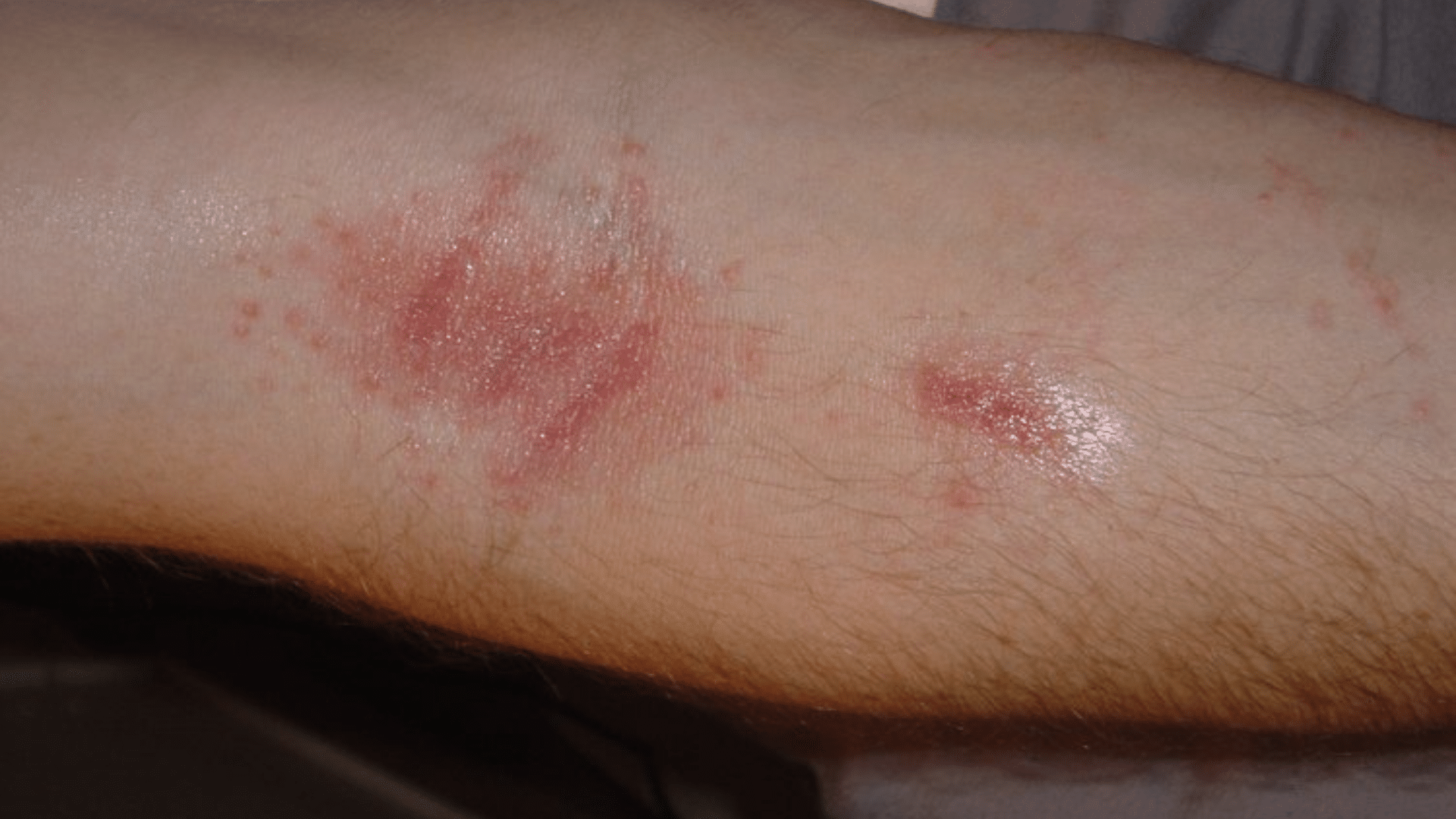
The poison ivy rash doesn’t happen by accident. Specific factors trigger the allergic reaction.
Understanding these causes helps people avoid contact and prevent future outbreaks.
Direct Contact with the Plant
Touching poison ivy leaves, stems, or roots releases urushiol oil onto the skin.
This direct contact is the most common cause. Even brushing against the plant briefly transfers enough oil.
The reaction starts within hours or days after exposure occurs.
Touching Contaminated Objects
Tools, gardening gloves, and camping gear can carry urushiol oil for months.
The oil doesn’t evaporate or break down easily. Touching these contaminated items spreads the allergen to the skin.
Shoes, backpacks, and sports equipment become carriers without people realizing it at first.
Contact with Pet Fur
Dogs and cats walking through poison ivy pick up urushiol on their coats.
Petting these animals transfers the oil to human hands and arms. The pets themselves don’t develop rashes, but they become carriers.
Washing pets after outdoor activities removes the oil and prevents transmission to family members.
Inhaling Smoke from Burning Plants
Burning poison ivy releases urushiol particles into the air as smoke.
Breathing this smoke causes severe reactions in the lungs and throat. The oil coats the respiratory system and triggers dangerous internal inflammation.
This method of exposure requires immediate medical attention and professional treatment.
Seasonal Exposure During Outdoor Activities
Hiking, camping, and yard work increase poison ivy contact during spring and summer.
The plant grows vigorously in warm weather and spreads quickly. People working outdoors often don’t notice the plant until symptoms appear.
Wearing protective clothing reduces the risk significantly during these activities.
Is Poison Ivy Contagious?
Poison ivy rash is not contagious between people. The fluid from broken blisters cannot spread the rash to others.
Only urushiol oil causes the allergic reaction, and blister fluid doesn’t contain this oil.
However, the oil itself can transfer from person to person. If someone has urushiol on their hands or clothes, touching them spreads it.
The rash appears contagious because it develops at different times on different body parts.
Areas with thinner skin react faster than thicker skin areas.
The Stages of Poison Ivy Rash
A poison ivy rash progresses through distinct stages. Each phase brings different symptoms and challenges.
1. Initial Contact and Absorption
Urushiol oil penetrates the skin within minutes of contact. The body begins absorbing the allergen immediately.
During this stage, no visible symptoms appear yet. Washing the area within 10 minutes can prevent the rash from developing at all.
2. Incubation Period
The immune system recognizes urushiol as a threat and starts preparing a response.
This silent period lasts between 12 and 72 hours after exposure. No outward signs show during this time. The body builds antibodies to fight what it perceives as harmful.
3. Early Rash Development
Red patches appear on the skin where contact occurred first.
The affected areas feel slightly itchy and warm to the touch. Small bumps start forming in lines or streaks across the skin.
This stage typically begins one to three days after the initial exposure happens.
4. Peak Inflammation and Blistering
The rash reaches its worst point during this stage. Large, fluid-filled blisters cover the affected areas completely.
Itching becomes intense and nearly unbearable for most people. Swelling increases significantly, and the skin feels hot and tender to any touch at all.
5. Weeping and Crusting
Blisters break open and release clear fluid onto the skin surface.
The area becomes wet and starts forming yellowish crusts over time. This stage lasts several days as the body begins healing.
Keeping the area clean prevents bacterial infections from complicating the recovery process significantly.
6. Healing and Resolution
The crusts dry up and eventually fall off the skin. New skin forms underneath the scabs as healing progresses.
Itching decreases gradually but may continue for a few more days. The entire healing process takes two to three weeks from start to finish.
Risk Factors Associated with Poison Ivy
Certain people face higher risks of poison ivy exposure than others.
Outdoor workers like landscapers, gardeners, and forestry workers encounter the plant frequently. Hikers, campers, and hunters also have increased contact opportunities in wooded areas.
Children playing outdoors may not recognize the plant and touch it accidentally.
People with previous reactions develop stronger sensitivities over time. Living near wooded areas or having poison ivy growing in yards increases exposure chances.
Approximately 85% of the population is allergic to urushiol and will develop rashes.
How to Identify Poisonous Plants?
Recognizing poisonous plants before touching them is the best prevention strategy.
1. Poison Ivy
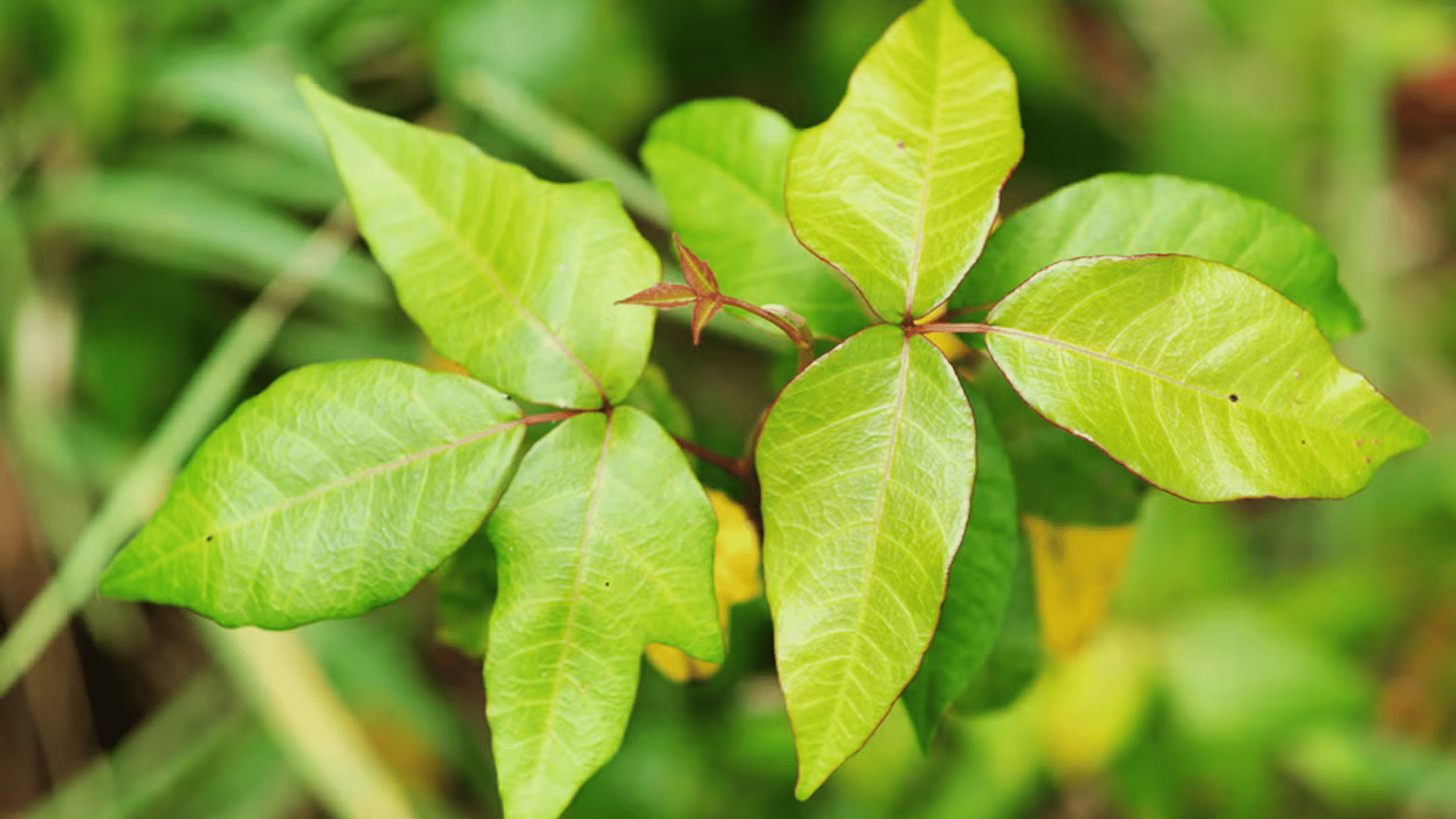
Poison ivy grows with three pointed leaflets on each stem.
The leaves have smooth or slightly toothed edges and appear shiny. The middle leaflet has a longer stem than the two side leaflets.
It grows as a climbing vine or ground cover in various environments.
2. Poison Oak
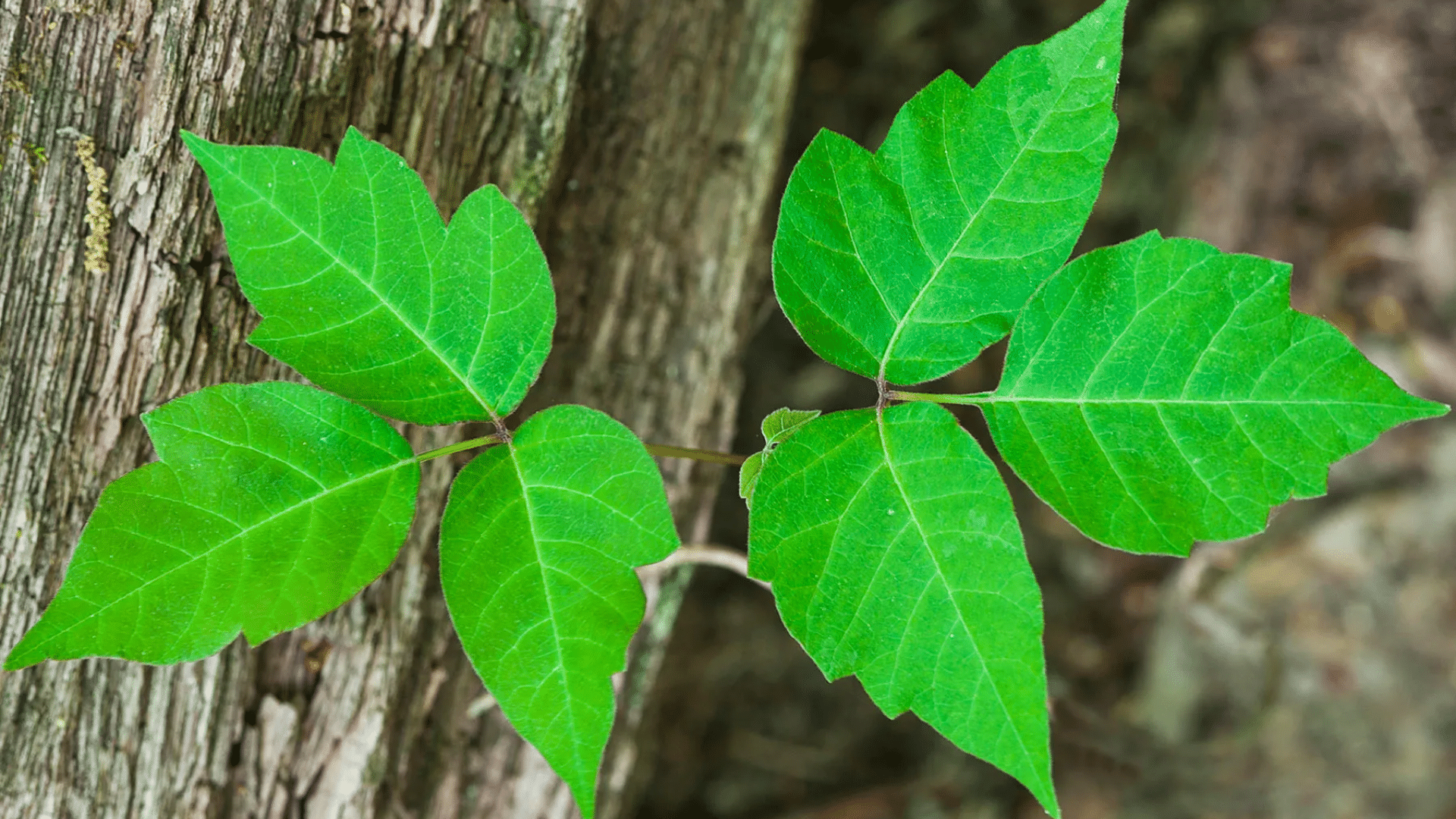
Poison oak also features three leaflets per stem, like poison ivy.
However, the leaves are rounded and lobed, resembling oak tree leaves. The plant grows as a shrub in the western regions of North America.
Leaves turn reddish in fall and may have fuzzy undersides throughout the growing season.
3. Poison Sumac
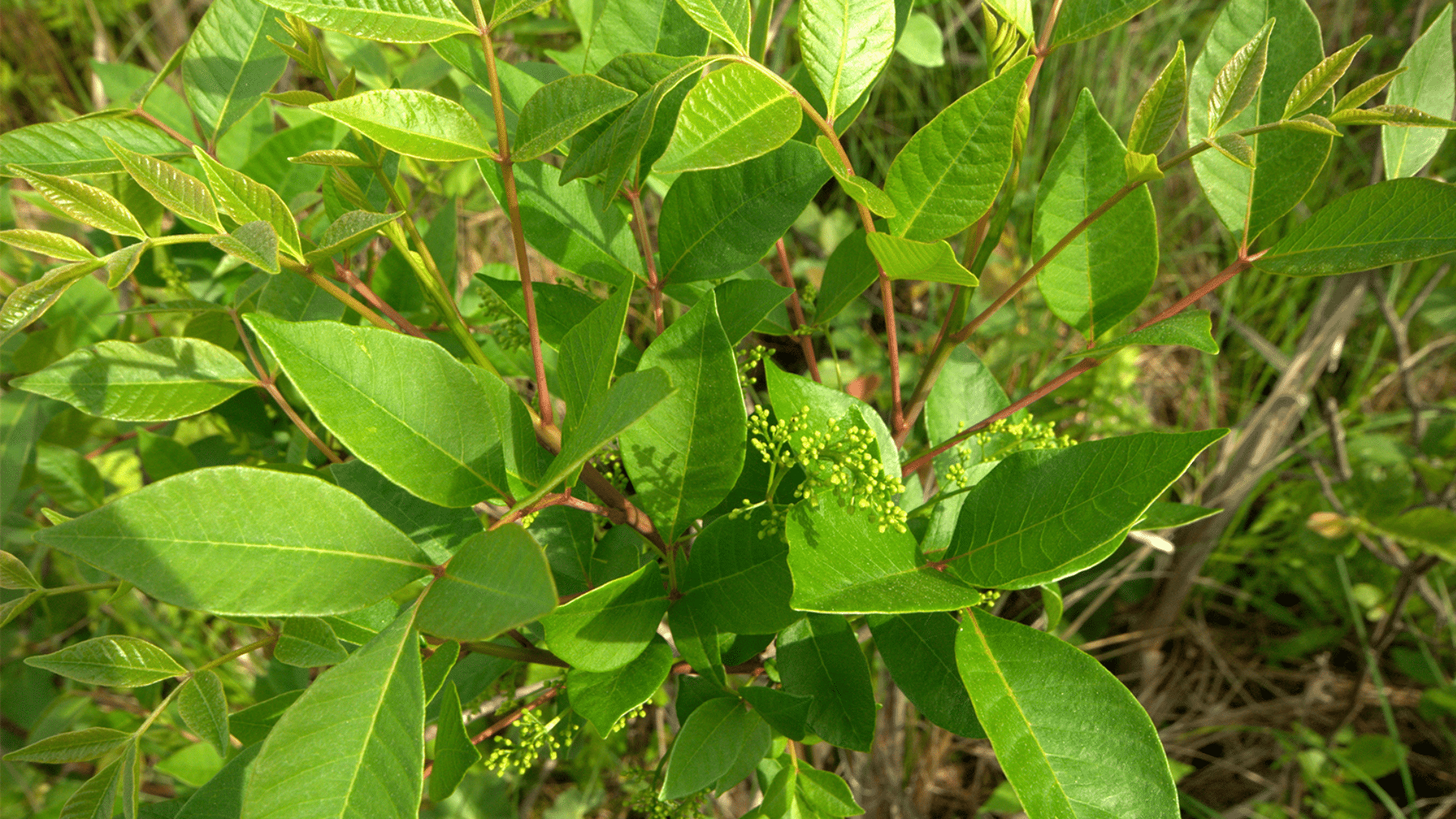
Poison sumac has 7 to 13 smooth-edged leaflets arranged in pairs along a central stem.
One single leaflet appears at the tip of each branch. The plant grows as a tall shrub or small tree in wet, swampy areas.
White or pale yellow berries hang in drooping clusters during the summer and fall months.
How to Relieve the Itch at Home?
Several home remedies provide quick itch relief for poison ivy rashes. Cold compresses can reduce inflammation and temporarily numb the affected area.
Applying calamine lotion or hydrocortisone cream soothes irritated skin effectively.
Oatmeal baths offer full-body relief for widespread rashes. Mix colloidal oatmeal with lukewarm water and soak for 15 minutes.
Baking soda paste also works well on smaller areas.
Avoid hot water as it worsens itching. Keep fingernails short to prevent scratching and breaking blisters.
Antihistamines taken orally reduce itching from the inside out.
Prevention Tips
Avoiding poison ivy entirely is easier than treating the rash later. Simple precautions protect skin from urushiol exposure.
- Wear long sleeves, pants, and gloves when hiking or working in areas with these plants.
- Wash skin immediately with soap and cool water if contact occurs within 10 minutes.
- Clean tools, shoes, and clothing that may have touched poison ivy to remove lingering oil.
- Apply barrier creams before outdoor activities to create a protective layer on exposed skin areas.
- Keep pets away from these plants and wash their fur if they’ve been in wooded areas.
- Remove poison ivy from yards carefully, using proper protective gear or hiring professional removal services.
When to See a Doctor?
Most poison ivy rashes heal at home without medical intervention.
However, certain situations require professional care immediately.
See a doctor if the rash covers large body areas or appears on the face, eyes, or genitals. Seek help when blisters become infected, show signs of pus, or experience increasing pain.
Difficulty breathing or swallowing indicates a serious allergic reaction needing emergency treatment.
A fever above 100°F suggests infection rather than just an allergic reaction.
If home treatments fail after seven days, medical intervention becomes necessary for stronger prescription medications.
Conclusion
Poison ivy on skin is uncomfortable but manageable with the right knowledge.
Recognizing the plant’s three-leaflet pattern saves people from painful experiences. Quick action after contact makes all the difference in preventing severe reactions.
Spending time outdoors shouldn’t mean suffering from itchy rashes.
Stay alert, take precautions, and enjoy nature safely. Share this information with family and friends who love hiking or gardening.