
Your feet do all the work, but do they get any credit? Probably not.
Most of us remember skincare and haircuts, but completely forget our feet exist. They support our weight daily, walk thousands of steps, and stay squeezed in shoes for hours.
Yet we treat them like an afterthought.
A pedicure fixes that problem. It’s not about vanity or looking fancy.
It’s about health and comfort. So what is a pedicure, and why should you care? Let me break it down.
What is a Pedicure?
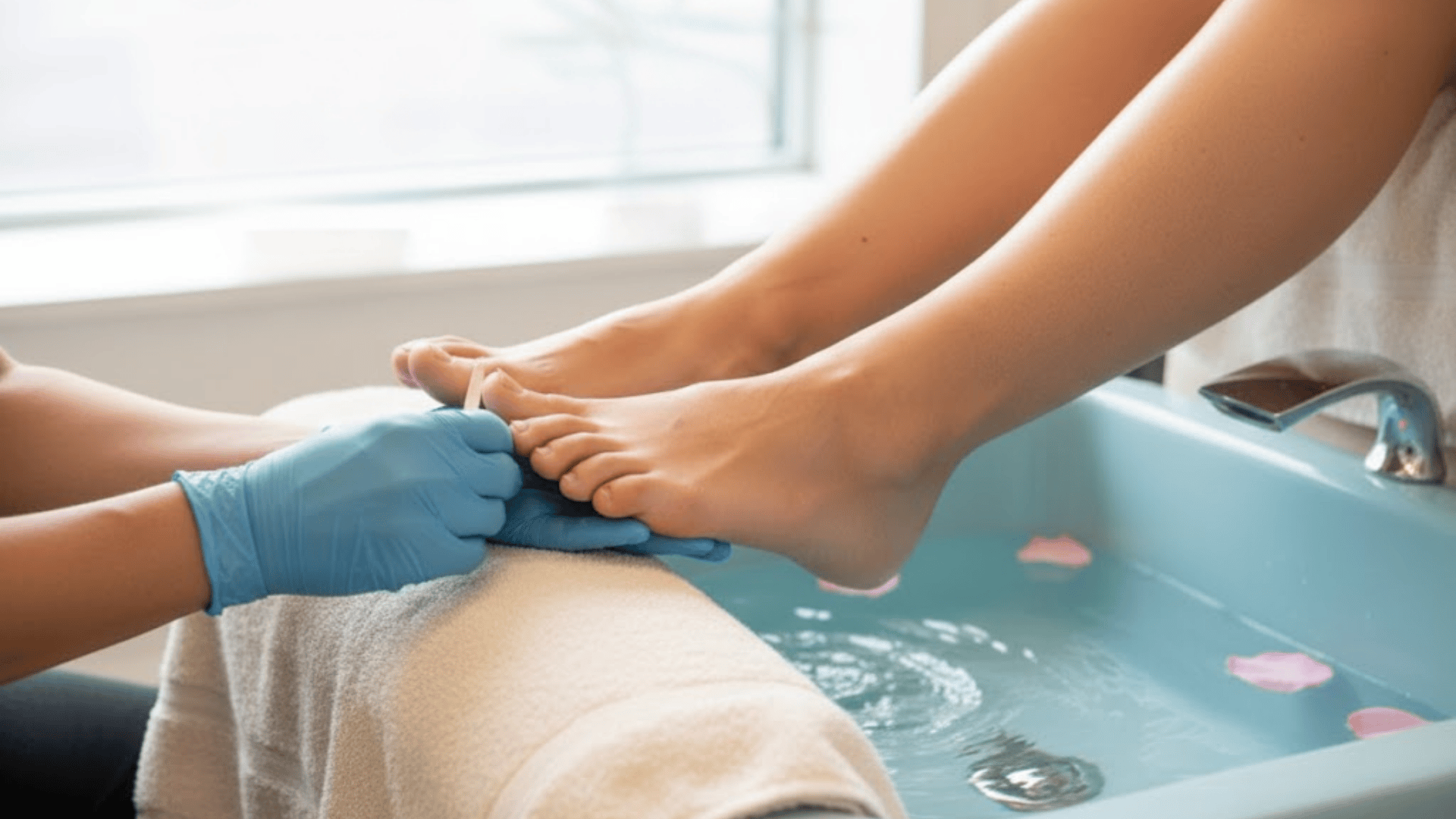
A pedicure is a beauty treatment for your feet and toenails.
It cleans, shapes, and polishes your nails while caring for the skin on your feet. Most pedicures happen at salons, but you can do them at home, too.
The Basic Steps:
- Your feet soak in warm water to soften the skin
- Dead skin gets removed from heels and soles
- Toenails are trimmed and shaped
- Cuticles are pushed back or trimmed
- A foot massage relaxes tired muscles
- Nail polish gets applied if you want it
The whole process takes about 30 to 60 minutes. The main goal is keeping your feet healthy and clean.
Types of Pedicure
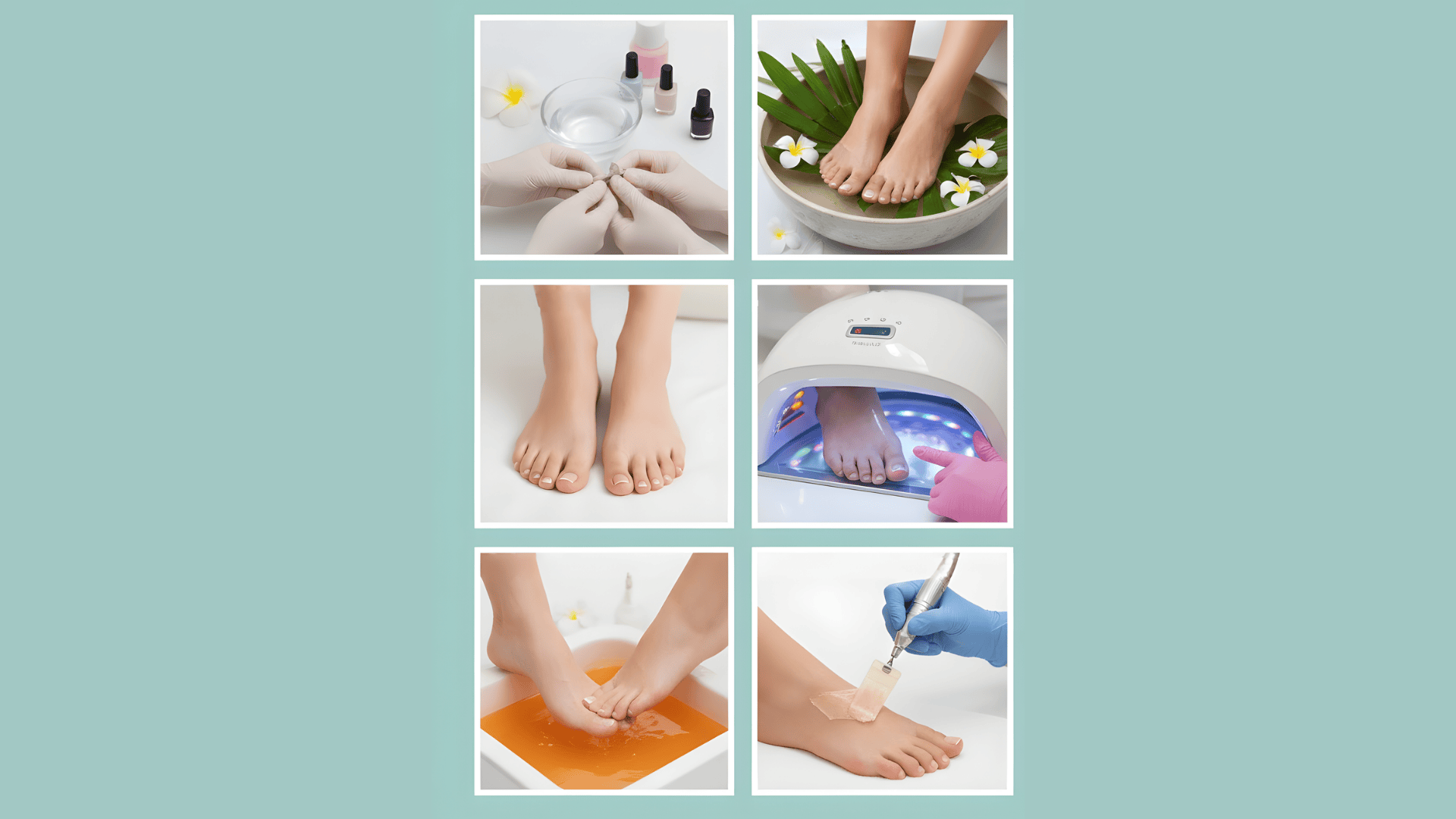
Not all pedicures are the same. Different types offer different benefits. Some focus on relaxation while others target specific foot problems.
1. Basic Pedicure
This is the standard treatment at most salons. It includes soaking, nail trimming, cuticle care, and polish.
Perfect for regular maintenance without extras.
- What You Get: Foot soak, nail shaping, cuticle work, light massage, and polish application.
- Budget: $25 to $35 on average. Most affordable option.
- Time Needed: About 30 to 45 minutes.
2. Spa Pedicure
Goes beyond the basics with added pampering.
You get scrubs, masks, and longer massage time. Great when you need extra relaxation and skin treatment.
- What You Get: Everything in a basic pedicure plus exfoliating scrub, moisturizing mask, extended massage, and sometimes hot towels.
- Budget: $40 to $60, depending on location.
- Time Needed: 60 to 75 minutes.
3. French Pedicure
Known for its classic look with natural pink base and white tips. Simple and timeless style that matches everything.
- What You Get: Standard pedicure steps with specific polish technique for a clean, natural look.
- Budget: $30 to $45, slightly more than basic.
- Time Needed: 40 to 50 minutes.
4. Gel Pedicure
Uses gel polish that lasts two to three weeks without chipping. Needs UV light to cure. Costs more but saves time on touch-ups.
- What You Get: Regular pedicure with gel polish application and UV curing instead of air drying.
- Budget: $45 to $65, premium pricing.
- Time Needed: 45 to 60 minutes.
5. Paraffin Pedicure
Warm paraffin wax covers your feet to moisturize deeply.
Helps with dry, cracked skin and improves circulation. Popular in the winter months.
- What You Get: Standard pedicure plus multiple dips in warm wax, then your feet are wrapped to let the wax penetrate.
- Budget: $50 to $70 for this specialty treatment.
- Time Needed: 60 to 75 minutes with wax cooling time.
6. Medical Pedicure
Performed by trained podiatrists or medical professionals who handle foot health issues. Not available at regular salons.
- What You Get: Clinical foot care addressing medical concerns like thick nails, corns, or diabetic foot issues.
- Budget: $70 to $120, often covered by insurance if medically necessary.
- Time Needed: 45 to 60 minutes.
7. Callus Peel Pedicure
Uses special chemical solutions to remove tough calluses and dead skin. Leaves feet incredibly smooth.
More intensive than regular scrubbing.
- What You Get: Chemical peel application that dissolves dead skin, followed by removal and moisturizing treatment.
- Budget: $55 to $75 for this specialized service.
- Time Needed: 50 to 70 minutes.
Pedicure for Women
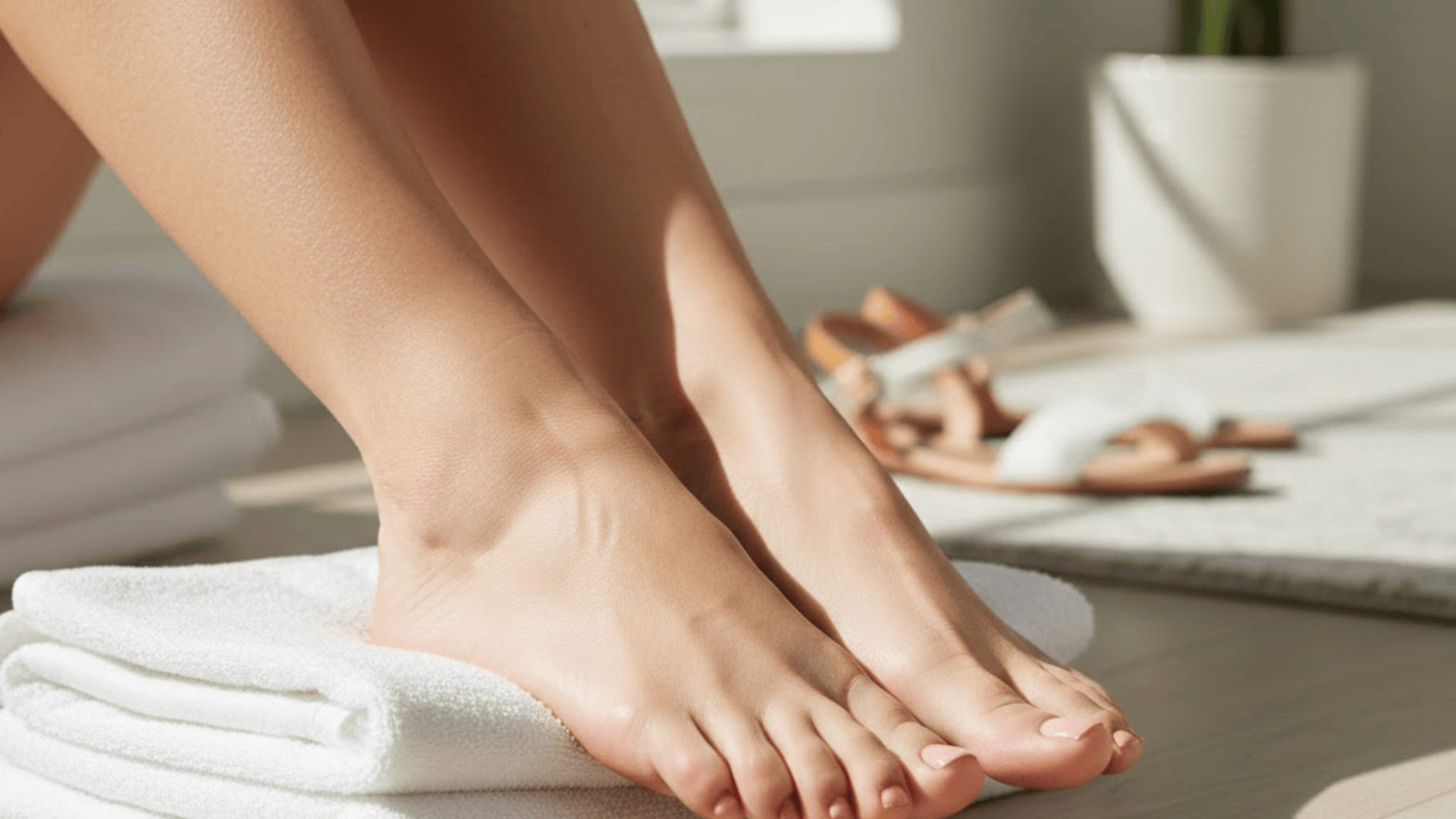
Women often see pedicures as part of their regular beauty routine. But what is a pedicure for women specifically?
It’s basically the same treatment with some preferences that differ from men.
Common Features Women Choose:
-
Polish Colors: Women typically pick from bold reds, soft pinks, or trendy nail art. The color options are endless.
-
Nail Shape: Most women prefer rounded or square shapes. Some go for almond or coffin styles for special occasions.
-
Added Treatments: Women often add exfoliating scrubs, moisturizing masks, or hot stone massages to their appointments.
-
Frequency: Many women get pedicures every three to four weeks. This keeps nails looking fresh and feet feeling soft.
Women also use pedicures for events. Weddings, vacations, and summer months see more bookings.
Open-toe shoes and sandals make well-groomed feet important.
Pedicure for Men
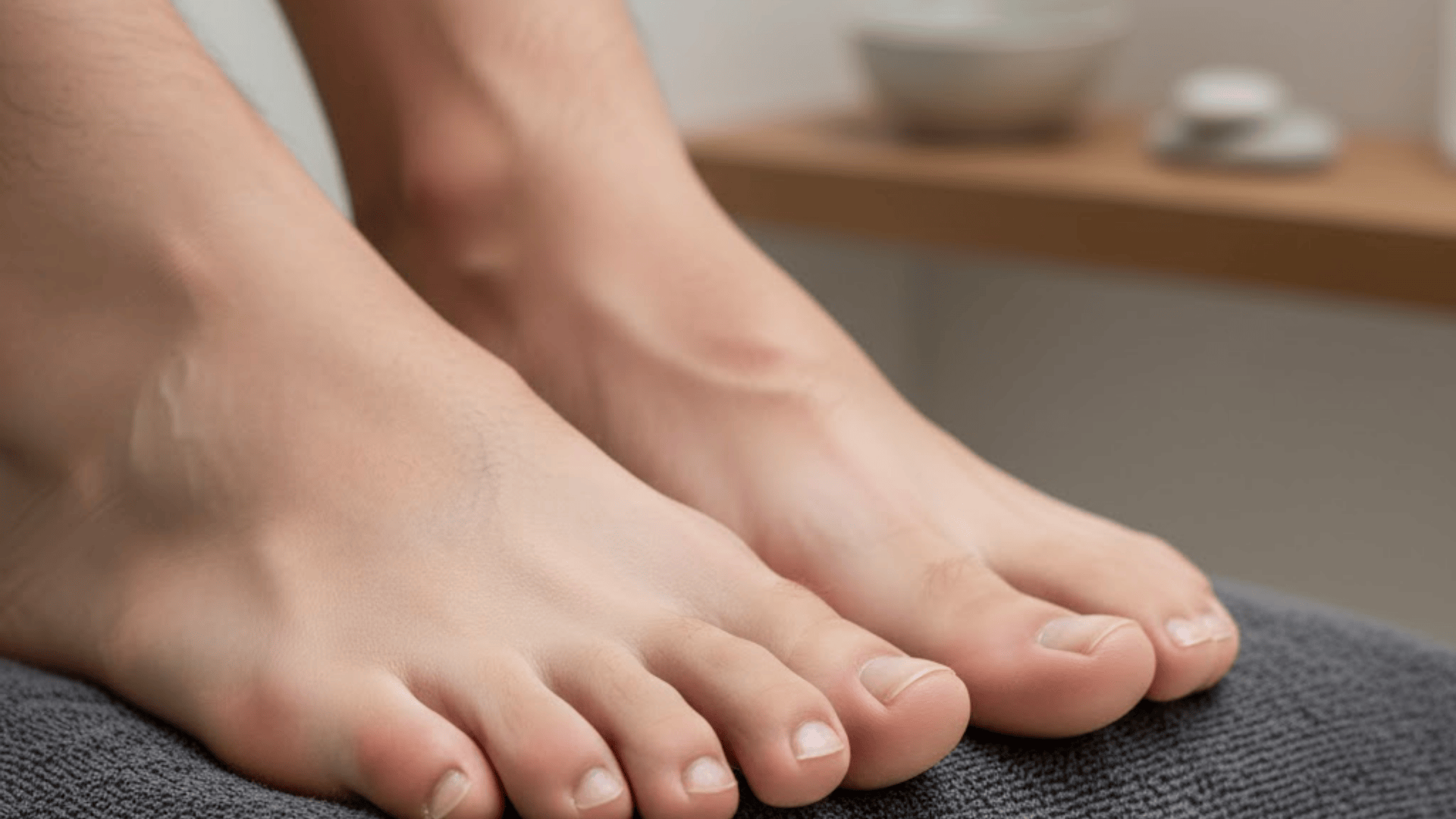
Men get pedicures too, and they’re becoming more common.
So what’s a pedicure like for men? The process stays mostly the same, but preferences differ.
How Men’s Pedicures Differ:
-
No Polish: Most men skip nail polish entirely. They want clean, trimmed nails without color.
-
Focus on Health: Men usually care more about foot health than appearance. They want calluses removed and nails properly cut.
-
Shorter Sessions: Male pedicures often take less time. No polish means quicker appointments.
-
Problem Solving: Men come in to fix issues like thick toenails, athlete’s foot, or cracked heels rather than for regular maintenance.
Why Men Should Get Pedicures?
Athletes benefit from regular foot care. Runners, hikers, and gym goers put extra stress on their feet. Pedicures prevent blisters and keep nails from causing problems in tight shoes.
Benefits of a Pedicure
Pedicures do more than make your toenails pretty. They offer real health benefits that improve your overall well-being.
Here’s why regular foot care matters:
Health Benefits:
-
Prevents Infections: Proper nail trimming stops ingrown toenails. Clean tools reduce fungal infection risks.
-
Improves Circulation: Foot massages boost blood flow. Better circulation means healthier feet and less swelling.
-
Removes Dead Skin: Exfoliation clears rough patches and calluses. Smooth skin is less likely to crack.
-
Catches Problems Early: Spot issues like discoloration or unusual nail growth before they worsen.
Mental Benefits:
Pedicures reduce stress. The warm water and massage help you unwind. Taking time for yourself improves mood and clarity.
Practical Benefits:
Clean nails make shoes more comfortable. Your feet smell better when dead skin is removed regularly.
For people with diabetes, professional pedicures become essential healthcare.
Difference Between Pedicure and Manicure
People often confuse pedicures with manicures. Both involve nail care, but they treat different body parts with different techniques.
| Aspect | Pedicure | Manicure |
|---|---|---|
| Target Area | Feet and toenails | Hands and fingernails |
| Session Length | 45 to 60 minutes | 30 to 45 minutes |
| Dead Skin Removal | Uses a pumice stone for calluses | Minimal, focuses on cuticles |
| Massage Duration | 10 to 15 minutes | 5 to 10 minutes |
| Frequency Needed | Every 4 to 6 weeks | Every 2 to 3 weeks |
| Main Purpose | Health and comfort-focused | Appearance focused |
Your feet handle more pressure and friction than your hands. They need deeper exfoliation and more intensive care.
Toenails grow slower but thicker, requiring different cutting techniques.
Related Read: American vs French Manicure – What to Get?
Conclusion
Now you know what is a pedicure, what’s a pedicure beyond polish, and what is pedicure care really about.
It keeps your feet healthy, comfortable, and problem-free. Regular treatments prevent infections, improve circulation, and catch issues early.
Men and women both benefit from proper foot care.
You don’t need fancy spa sessions every week. Even basic maintenance makes a difference.
Ready to give your feet the care they’ve earned?