
You just got your brows laminated, and they look incredible. Perfectly brushed-up brows need proper care to last. Brow lamination aftercare isn’t complicated, but it makes all the difference. Many spend money on this treatment only to see results fade quickly because they didn’t know what to do next. Skip a few simple steps, and you’ll watch your beautiful brows
Most Popular
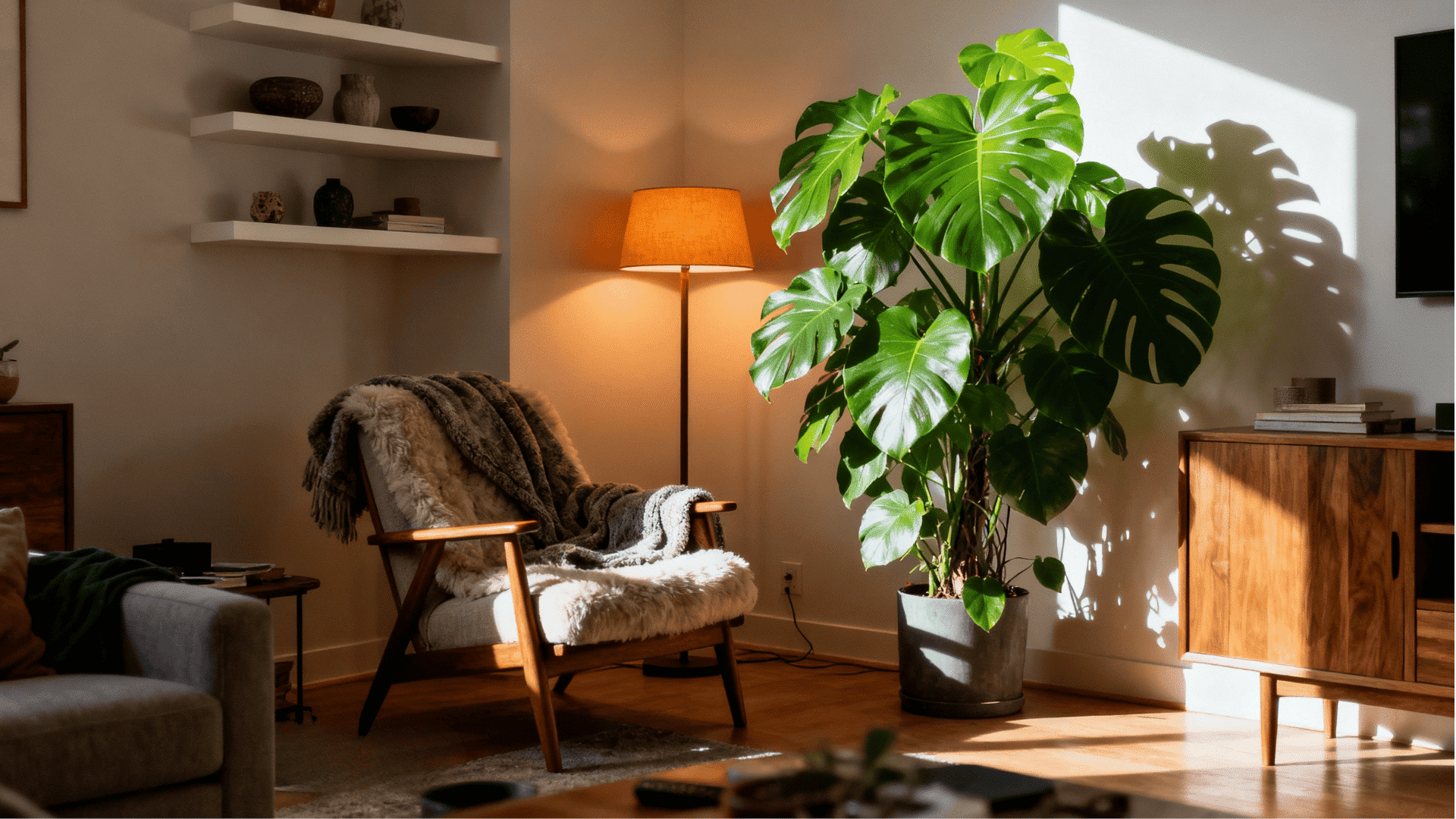
Got awkward corners in your living room that look boring? Most of us have at least one corner that feels wasted. Those empty corners are actually goldmines waiting to happen. They can become cozy reading nooks, stylish plant displays, or clever storage spots. You need the right ideas to make them work. This blog covers living room corner ideas to turn those forgotten corners into spaces you’ll actually love. No fancy renovations needed. Just simple, doable ideas that make your living room feel bigger and better. What to Put in Corner of Living Room? Living room corners matter more than you think. They’re not just leftover space. When used right, the whole room feels more complete and functional. Consider the size of the corner, how much light it gets, and what’s already around it. A bright corner near a window works differently from a dark one behind the sofa. Traffic flow matters too, as you wouldn’t want to bump into things when walking through. Before filling any corner, think about what your room actually needs. More seating? Storage? A spot to relax? The answer tells you precisely what should go there. Most Useful Living Room Corner Ideas Let’s look at specific corner living room ideas. These ideas work for different needs and budgets. Cozy Seating for Empty Corners Seating corners create comfortable spots where family members can relax, read, or enjoy quiet time away from the main activity areas. 1. Reading Chair with Floor Lamp Credit: Cozy & Classy Home A comfortable chair paired with good lighting creates the perfect reading spot. Position the lamp behind or beside the chair for proper illumination. Add a small side table to hold books and coffee. This setup turns a bare corner into a personal retreat. 2. Window Seat with Cushions Credit: Bambrise Built-in corner window seating uses natural light. Add thick cushions and pillows for comfort. Storage drawers below keep blankets and books handy. It’s a favorite for coffee or naps. 3. Loveseat or Small Sofa Credit: Imogene Spires A compact loveseat fits well in larger corners without crushing the space. Choose one with clean lines that matches existing furniture. It provides extra seating for guests. Position it at an angle for a more casual feel. 4. Rocking Chair with Ottoman Credit: Cardinalmemorials A rocking chair adds vintage comfort to any space, especially in family rooms, when paired with a matching ottoman for relaxing. The gentle rocking helps anyone unwind after long days. 5. Bean Bag or Floor Cushions Credit: Luiza Coker From all living room corner ideas, these Casual seating options, like bean bags, suit laid-back spaces perfectly. They’re easy to move around when needed. Teenagers especially love this flexible seating style. Choose washable covers for easy maintenance and longevity. 6. Corner Bench with Throw Pillows Credit: Géssia do A simple bench creates seating without taking up much space. Add colorful throw pillows to make it more inviting. This works excellently for entryway corners, too. The bench can double as a spot to put on shoes. 7. Papasan Chair Credit: THE AESTHETIC LIFE The round papasan chair fits naturally into corner spaces. Its bowl shape cradles the body for ultimate comfort. A thick cushion makes it perfect for lounging. This chair adds a bohemian touch to modern rooms. Style and Decor for Plain Corners Decorative corners add personality and visual interest to the room without requiring functional furniture or taking up valuable floor space. 8. Tall Indoor Plants Credit: Spenzzo Large floor plants, like fiddle-leaf figs, fill vertical space beautifully. They instantly bring life and color to empty corners. Plants also improve air quality in the room. Choose varieties that match the available light conditions. 9. Corner Shelving Unit Credit: Wayfair Open shelves display books, photos, and decorative items without blocking light, arranged at different heights for visual interest. They add storage and prevent the corner from feeling heavy. Paint shelves to match or contrast with walls. 10. Floor Mirror Credit: Best Of Decor A full-length mirror makes the room feel larger and brighter. Lean it against the wall for a casual look. Mirrors reflect light, making dark corners feel more open. Choose a frame style that complements existing decor. 11. Sculptural Floor Vase Credit: WealthyClick A statement vase with dried branches or pampas grass adds height. This option suits both modern and traditional spaces. The vertical element draws eyes upward and balances the room. Change the fillers seasonally for fresh looks. 12. Gallery Wall Corner Credit: HOME DECOR IDEAS Wrap-around gallery living room corner ideas work well. A wall that extends across two adjoining walls. Mix frame sizes and artwork styles for the character. This approach fills space with personal memories and art. Start from the corner and work outward for balance. 13. Decorative Ladder Credit: Susie Hanks Swain A wooden or metal ladder leans against the corner for a touch of rural charm. Drape blankets, hang plants, or display magazines on the rungs to add function and style while occupying the tiniest floor space. 14. Corner Lighting Fixture Credit: Adorn Homes An arching floor lamp or unique pendant light becomes a focal point. The right fixture adds style beyond just function. Consider dimmable options for mood lighting. Kid-Friendly Corner Child-focused corners provide kids with designated spaces for play, creativity, and learning while keeping the rest of the living room organized. 15. Play Tent or Teepee Credit: DIY | Home Decor | Home Improvement A small tent creates a special hideaway for children’s imaginative play. Kids love having their own little space within the room. Add soft rugs and pillows inside for comfort. This keeps toys somewhat contained in one area. 16. Toy Storage Bins Credit: Vonda Ilseng Stackable bins or cubbies organize toys while keeping them accessible. Label each bin so kids know where things belong. This teaches organization skills from an early age. Choose colorful bins that match the room’s theme. 17. Kids’ Book Nook Credit: OpalYasmin Low bookshelves with forward-facing book displays encourage young readers. Add a small rug and cushions to create a cozy spot. Good lighting helps them see the pages clearly. Rotate books regularly to maintain their interest. 18. ArtStation Credit: Emily’s Home Inspirations These living room corner ideas include a small table with art supplies for creative activities. Include storage for crayons, paper, and craft materials nearby. A washable mat underneath protects floors from spills. This gives kids a dedicated space for messy projects. 19. Dress-Up Corner Credit: Jiannajeremiah Install a small clothing rack for costumes and play clothes. Add a mirror at kid height so they can admire their outfits. A bin below holds accessories like hats and jewelry. This encourages imaginative play and keeps costumes organized. 20. Musical Instrument Corner Credit: Isabelle Designate space for child-sized instruments, such as keyboards or drums. Use a small rug to define the area. This gives young musicians a practice spot away from the main activities. Sound-absorbing panels can help minimize noise. Storage for Practical Corners Storage-focused corners solve clutter problems by providing organized spaces for everyday items, books, supplies, and household essentials that need a home. 21. Corner Cabinet Credit: Etsy A fitted corner cabinet maximizes storage in tight spaces for dishes, books, or entertainment equipment. Closed doors hide clutter, keeping a clean look. Choose glass-front styles to display special items. 22. Floating Corner Shelves Credit: Patience Wall-mounted living room corner ideas, shelves keep floors clear and add storage above, ideal for displaying collections or storing items. Easy to install with wall anchors. Vary shelf heights for visual appeal. 23. Storage Ottoman Credit: Jens Garten A cushioned ottoman offers hidden storage and extra seating by lifting the top to store blankets, remotes, or magazines. It’s adaptable for small spaces. Pick neutral colors to match furniture. 24. Corner Bar Cart Credit: Simply Wall Decor A rolling cart stores drinks, glasses, and bar accessories neatly. The wheels make it easy to move for entertaining. Between parties, it displays decorative bottles and glassware. Multiple tiers provide ample storage in a compact footprint. 25. Tall Bookshelf Credit: Lavish Lifestyles A narrow bookshelf uses vertical space for storage. Anchor it to the wall for stability. Combine books with decorative objects to prevent clutter, ideal for home offices or studies. 26. Basket Tower Credit: ComfyIdeas.com Stack woven baskets of graduating sizes for attractive storage solutions. They hold everything from blankets to toys to magazines. The natural texture adds heat to the space. Baskets are easy to pull down and access their contents. 27. Corner Desk Credit: Workspace Bliss A small desk, turned at a corner, becomes a functional workspace. Add a chair, task lighting, and wall-mounted organizers for a tidy office suitable for homework or bills. Keep supplies within reach without clutter. 28. Magazine Rack Credit: Etsy A freestanding rack organizes and easily accesses reading materials, taking up the least space and preventing paper clutter. Choose metal or wood to match the room’s style. Regular sorting stops old magazines from piling up. 29. Coat Tree Credit: WoodCraft Wonders A standing coat rack provides storage for jackets and bags. This works exceptionally well near entryways or mudrooms. Hooks at different heights accommodate family members of all ages. The compact base fits easily into corner spaces. How to Make Any Corner Look Better Measure the corner space before buying any furniture or decor items. Use vertical space with tall plants, shelves, or floor lamps to draw eyes upward. Layer lighting by combining overhead lights with table or floor lamps. Match corner additions to the existing room style and color scheme. Keep the traffic flow clear so people can walk through easily. Group items in odd numbers, like three or five, for better visual balance. Add texture through rugs, cushions, or woven baskets to create depth. Avoid overcrowding the corner with too many pieces at once. Use mirrors to reflect light and make small corners feel larger. Choose furniture pieces that fit the scale of the corner properly. Final Thoughts Those empty corners in your living room don’t have to stay empty anymore. You’ve seen different living room corner ideas to fill them. You don’t need a big budget or professional help to make these changes. Pick an idea that solves a real problem in your space. Maybe you need more seating or extra storage. Whatever you choose, make sure it fits your lifestyle and room flow. Grab that tape measure, pick your favorite idea, and give that corner some purpose. You’ll be surprised how much better your whole room feels.

You’re standing in the paint aisle, staring at two nearly identical cans. One says “ceiling paint,” and the other says “interior paint.” They look the same. They smell the same. So what gives? This question comes up constantly in DIY forums and Facebook groups. Some painters insist you need special ceiling paint, while others say regular wall paint works just fine. The debate gets heated, and the answers are all over the place. The truth is, there are real differences between ceiling and wall paint that can affect how your room turns out. What is Ceiling Paint? Ceiling paint is specifically formulated to go above your head and stay there without causing problems. It’s thicker than regular paint and almost always comes in a flat finish. 1. Why Flat Ceiling Paint Dominates Most ceiling paints have zero shine. Flat ceiling paint hides imperfections like cracks, texture inconsistencies, and drywall seams way better than anything with a sheen. When light hits a flat surface, it scatters instead of bouncing back at you. 2. What Makes it Different Low sheen: No glossiness means no glare from overhead lights or windows. High hide: Thicker formula covers old stains and discoloration in fewer coats. Light absorption: Designed to soak up light rather than reflect it into the room. What is Wall Paint? Wall paint comes in multiple finishes because walls take a beating. You touch them. Kids smudge them. Furniture scrapes against them. That’s why wall paint needs to be tougher than what goes on your ceiling. 1. The Finish Options Eggshell gives you a soft sheen that works in bedrooms and living spaces. Satin holds up better against moisture, so it’s suitable for kitchens and bathrooms. Semi-gloss is the tough guy that can take scrubbing in hallways and on trim. 2. Built for Real Life Wall paint fights off fingerprints and cleans up without the finish rubbing off. That bit of shine acts like a shield. When you drag furniture across the room and leave a mark, you can wipe it away. It’s made for the mess that happens when you actually live in a space. 3. When People Use Wall Paint on Ceilings Someone posted online about trying eggshell wall paint overhead to save a few bucks. “Every brush stroke shows up, and my window light makes it look streaky,” they said. Another person used satin on their ceiling and ended up with annoying shine spots. The lesson is pretty simple: wall paint does its job great on walls, but makes a mess of things when you put it above your head. Is Ceiling Paint Different From Wall Paint? So after hearing about both types, you’re probably wondering if they’re actually different or just marketing hype. The answer is yes, they’re built for other jobs. Feature Ceiling Paint Wall Paint Sheen Level Almost always flat with zero shine. Absorbs light instead of bouncing it back at you. Comes in eggshell, satin, or semi-gloss. Has some shine to create a protective surface. Thickness & Coverage Thicker formula that hides bumps, cracks, and texture issues in one or two coats. Thinner consistency that goes on smoothly but might need more coats to cover dark colors or stains. Durability Not meant to be touched or scrubbed. Just needs to sit up there and look good. Built tough to handle cleaning, scrubbing, and daily contact without wearing down. Application Experience Designed not to drip as much when you’re rolling overhead. Less splatter means less mess on you and your floors. It can drip more when used on ceilings. Works perfectly on walls, but gets messy above your head. Drying Time Dries faster, so you can do a second coat sooner, usually within 1-2 hours. Takes a bit longer to dry, often 2-4 hours between coats, because of the different formula. Pros and Cons Both types of paint do their jobs well, but they each have trade-offs. Knowing what you’re gaining and losing with each one helps you make more intelligent choices for your project. 1. Coverage and Hiding Power Ceiling paint goes on thick and covers imperfections in fewer coats. Hides texture, cracks, and old stains easily. Wall paint applies more thinly and smoothly. Takes more coats to cover dark colors or heavy texture, but creates an even finish on flat surfaces. 2. Durability and Cleaning Ceiling paint can’t be scrubbed or wiped down. Stains mean repainting that spot. Wall paint handles cleaning and stands up to daily contact. Wipes clean without losing finish, resists scuffs and fingerprints. 3. Light Reflection Ceiling paint absorbs light with its flat finish. No glare, no streaks showing up from windows or lamps. Wall paint reflects some light because of the sheen. Makes rooms brighter but shows roller marks and flaws when used overhead. 4. Application Experience Ceiling paint resists dripping when you roll it above your head. Less splatter, fewer messes on floors and furniture. Wall paint can drip more on ceilings. Works perfectly on vertical surfaces, but gets messy when gravity pulls it down. 5. Drying Time Ceiling paint dries in one to two hours between coats. Finish a room faster with less waiting around. Wall paint needs two to four hours to dry properly, a slower turnaround, but it’s worth it for the protective finish on walls. 6. Moisture Resistance Ceiling paint struggles in humid spaces without ventilation. It can develop issues in steamy bathrooms over time. Wall paint handles moisture better with its protective sheen. Better choice for kitchens, bathrooms, and high-humidity areas. The right choice comes down to which surface you’re painting and how that room gets used day to day. How to Choose the Right Paint for Your Space Picking between ceiling and wall paint isn’t complicated once you think about how the room actually works. A few quick factors tell you precisely what you need. Room Type Considerations Bedrooms and living rooms do fine with standard flat ceiling paint and eggshell walls. Kitchens and bathrooms need moisture-resistant wall paint and ceiling paint that can handle steam. Hallways and kids’ rooms benefit from tougher wall finishes like satin that clean up easily. Lighting Conditions Bright rooms with lots of windows need flat ceiling paint to avoid glare Dimly lit spaces can handle a bit more sheen without showing flaws Recessed lighting makes every imperfection visible, so go flat up top Ceiling Height and Surface Condition Low ceilings with texture absolutely need flat ceiling paint to hide bumps High ceilings hide flaws naturally, giving you more flexibility Cracked or patched ceilings require thick, high-hide ceiling paint for coverage Best Ceiling Paint and Wall Paint Recommendations You can read reviews all day, but some paints show up more often in the recommendations. Spot the ones that DIYers and pros actually buy and use on real projects. Top Ceiling Paints 1. Benjamin Moore Waterborne Ceiling Paint Benjamin Moore Waterborne Ceiling Paint hides well, doesn’t splatter much, and dries fast. If you want that smooth, professional look overhead, this one delivers without much fuss. 2. Sherwin-Williams Eminence Ceiling Paint Sherwin-Williams Eminence Ceiling Paint comes with primer already mixed in, and the coverage is solid. Contractors reach for this one because it saves time and holds up well. 3. Behr Premium Plus Interior Ceiling Flat Paint & Primer Ceiling Paint Behr Premium Plus Interior Ceiling Flat Paint & Primer Ceiling Paint goes on as a classic choice explicitly designed for ceilings with a flat, non-reflective sheen that hides flaws and reduces glare. 4. KILZ Stainblocking Ceiling Paint KILZ Stainblocking Ceiling Paint. Got water stains or smoke damage? This blocks them out while giving you the flat finish ceilings need. Top Wall Paints 1. Benjamin Moore Regal Select Interior Paint Benjamin Moore Regal Select Interior Paint: High-end performance with rich color that covers in fewer coats. Costs more, but the quality shows. 2. Sherwin-Williams SuperPaint Interior Acrylic Latex Sherwin-Williams SuperPaint Interior Acrylic Latex Tough enough for high-traffic spots like hallways and kids’ rooms. Sticks well and handles cleaning without wearing down. 3. Behr Premium Plus Ultra Behr Premium Plus Ultra, Paint and primer together at a price that doesn’t hurt. Does the job for most rooms without needing the premium stuff. 4. Valspar Interior High Hide Latex Paint Valspar Interior High Hide Latex Paint,Smooth finish, strong coverage, and low-odor formulas available. Solid middle-ground option that works for everyday painting projects. Tips for a Professional Look on Both Surfaces Getting that clean, finished look isn’t about expensive tools or secret techniques. It’s about doing the basics right and not rushing through the steps. Cut in edges with a brush first, then roll the main area while the edges are still wet, so everything blends together. Roll in a W pattern instead of straight lines to avoid visible streaks and lap marks Don’t overload your roller with paint, or you’ll end up with drips and uneven coverage. Apply thin coats instead of one thick coat, even if it means an extra trip for more paint. Remove painter’s tape while the paint is still slightly damp to get clean lines without peeling. Work in good lighting so you can actually see what you’re doing and catch mistakes early. Give the paint the full drying time listed on the can before doing a second coat, even if it looks dr.y Wrapping Up The difference between ceiling and wall paint comes down to function. Ceilings need flat finishes that hide flaws and don’t create glare. Walls need durable finishes that clean up and protect against daily wear. Using the right paint for each surface saves you from redoing work later. If this helped clear things up, share it with someone who’s about to pick up a paintbrush.