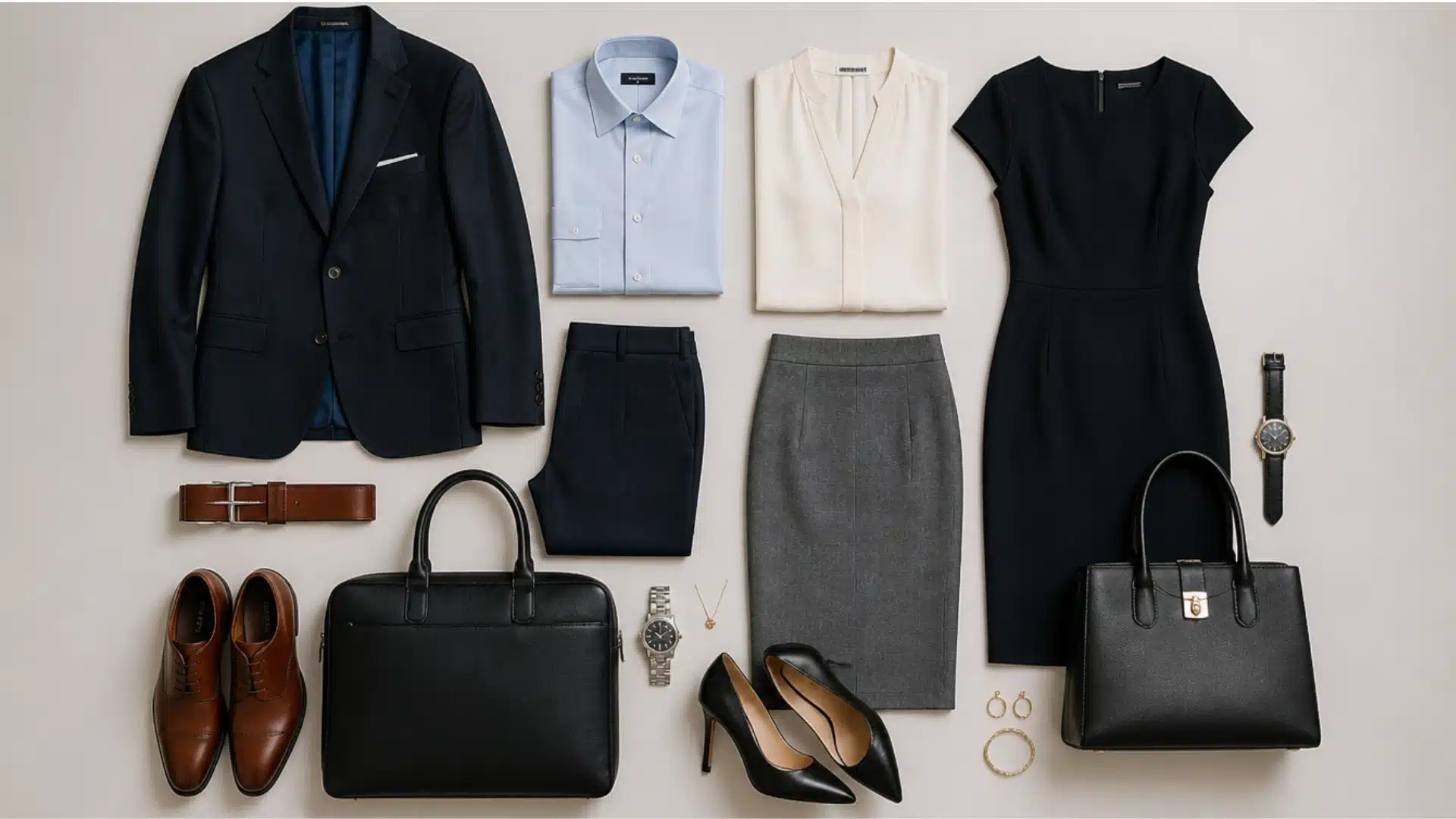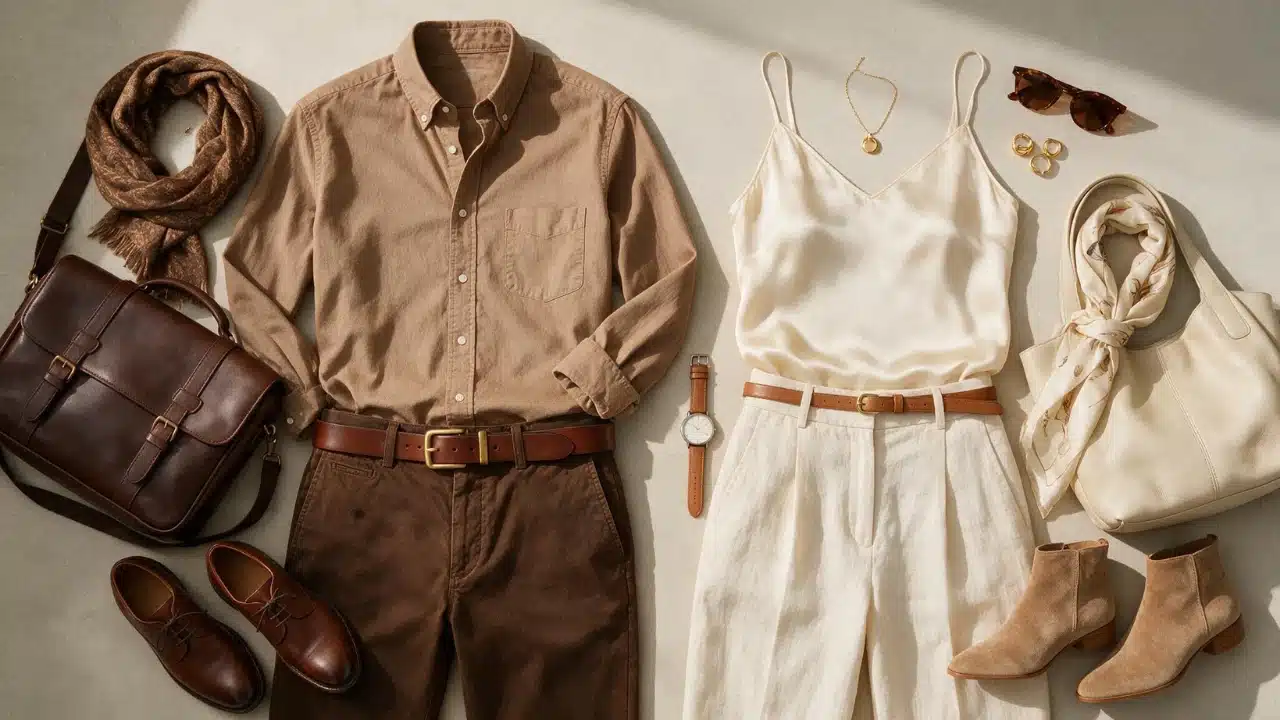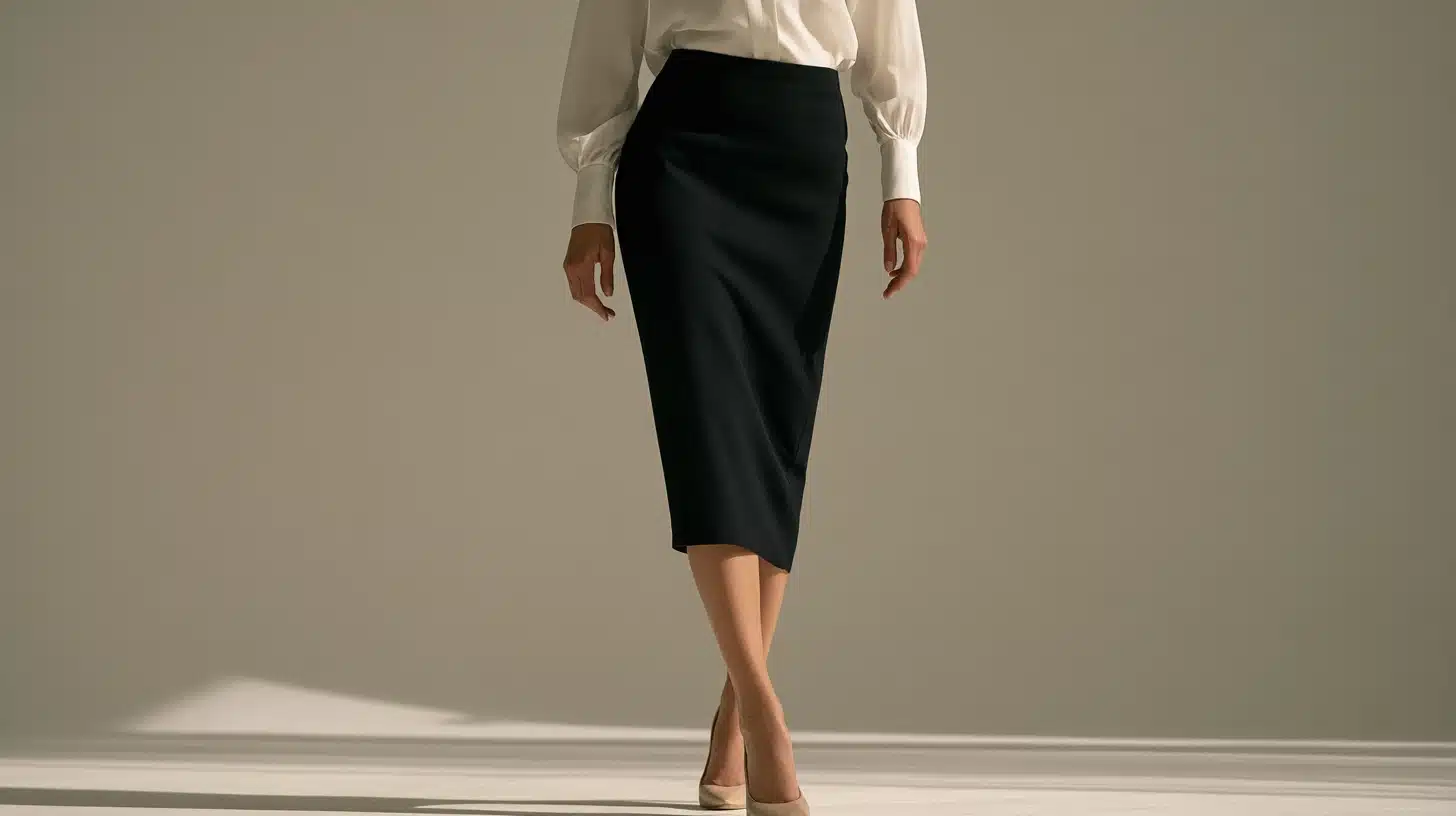
A skirt can make or break an outfit, and everyone knows it. It is one of the most versatile garments, as it can be worn to the office, for casual outings, or at important occasions. But not all skirt styles suit all body shapes. The design, length, and style of a skirt can completely change the look of an outfit.
Most Popular

Voice actors can earn very different amounts based on experience. So does the type of work and how often projects actually come through. Most work as freelancers, not employees with a fixed salary. Payment can come per project, per session, per finished minute, per word, sometimes even based on how the work gets used down the line. Commercials pay one way. Audiobooks, animation, video games, and e-learning each run on its own rate structure entirely. No single number covers what a voice actor makes. The real picture only shows up once you break down each payment type on its own. How Much Do Voice Actors Make? Voice actors’ salaries change a lot depending on where you look. Freelance or salaried, that’s the first big split, and it changes how someone gets paid from there. Right now, ZipRecruiter says the average is around $100,198 a year. But that number hides a big range underneath it, anywhere from $11,000 on the low end to$160,000 for people doing well in this field based on the experience. So does where someone lives and the type of job they land. Freelancers don’t really fit that same mold, though. Some get paid per project, others get paid per session, per finished minute, or sometimes just per word. However, when someone gets paid, their yearly total mostly comes down to two things: how much work they actually book and what rate they charge for it. An average salary number sounds official, but it’s really just a rough guess. It won’t tell you what any one voice actor actually takes home in a year. These numbers come from different payout research and industry estimates, not official records. Actual earnings can differ a lot from one voice actor to the next. Voice Actor Salary by Experience and Type of Work Experience helps, sure, but it doesn’t decide the pay cheque alone. Type of work matters. So does project size, how the recording gets used, and how steady the bookings actually are. Salary.com shows only a small jump across experience levels right now, about $44,455 for entry-level actors up to $74,251 for experts. That small gap says a lot. Yearly salary numbers alone don’t capture the full picture of freelance voice-over income. Beginner Voice Actors Most beginners start with small jobs. Demos get built; skills sharpen. Credits pile up slowly, along with a handful of repeat clients. Some newcomers online report that early pay swings wildly, and some newcomers earn very little while they’re still finding their footing. Mid-Level Voice Actors Better skills, better gear, a client list that’s finally solid. That combination lets mid-level actors land steadier work and push for better rates. Picking one specific type of voice-over to focus on helps too, making them stand out for the right projects. Experienced Voice Actors Strong performance skills, a track record people trust, a name that means something in the field- that’s what lets experienced pros charge more. Handling tougher projects helps too. Still, none of that automatically locks in a fixed yearly income. Bookings, clients, usage, workload all of it still shifts the final number by a lot. Common Types of Voice-Over Work Include Not all voice-over jobs pay the same way. Some pay by the word, others by the hour, session, or usage. A commercial and an audiobook rarely follow the same pricing rules. Type of Voice Work How pay is commonly structured Commercials Pay depends heavily on audience size, platform, market, and how long the ad actually runs. Audiobooks Usually priced by the finished hour, or by another rate both sides agree on. Animation and Dubbing Character work is sometimes paid per session, or per specific project other times. Video Games Rates shift based on session length, character complexity, project size, and how the work gets used. E-Learning and Corporate Narration Often priced by word, by finished minute, by finished hour, or per project. IVR and Online Content Phone prompts, YouTube videos, explainer videos; each type of digital content tends to use its own pricing setup. How Much Do Voice Actors Make Per Project? Voice actors often get paid per project rather than through a yearly salary. What they charge depends on the type of recording, script length, what the session needs, and how the finished audio will be used later. 1. Per Word Narration, e-learning, and some corporate work often use this model as their standard pricing method. The final pay comes straight from the number of words in the approved script, nothing more complicated than that, though rates shift depending on the type of content involved. 2. Per Finished Minute Pay here follows the length of the finished recording rather than how long the actual session takes. This works well when the final audio length is easier to know upfront than the total recording time, especially for scripted narration work. 3. Per Session Some jobs price around one scheduled recording block instead of the finished product itself. The fee shifts based on how long the session runs, how much prep it takes beforehand, and whether extra recording time is needed once the session starts. 4. Per Project A flat fee sometimes covers a whole job from start to finish, like an audiobook, a character role, or an explainer video for a company. The scope gets defined clearly upfront in most cases, so both sides know exactly what’s included before any recording begins. 5. Usage-Based Rates Commercial work often costs more depending on where the finished recording airs, how big the audience turns out to be, which platforms carry it, and how long the client plans to keep using the same recording across different campaigns or markets. There’s no single per-project rate that applies across the board. Project type, script length, usage rights, experience, and what the session demands all shape the final price. Top 5 Highest- Paid Voice Actors Long-running, iconic animated shows tend to pay their voice actors well. These five names often come up when the industry’s highest earners are in conversation. 1. Trey Parker South Park’s co-creator, Parker voices several main characters on the show himself. Most estimates put his net worth between $600 million and $700 million, though that figure covers his full career as creator, writer, producer, and voice actor combined, not voice-acting income alone. 2. Seth MacFarlane Peter Griffin, Stewie Griffin, and Brian Griffin. MacFarlane voices all three on Family Guy, along with work on American Dad! and other projects. Estimates put his net worth between $200 million and $300 million, though that number reflects his full career as a creator, writer, producer, and actor rather than voice work alone. 3. Hank Azaria Numerous Simpsons characters carry Azaria’s voice, and he’s also built a career in live-action television and film outside of that. Estimates place his net worth between $70 million and $90 million, covering his entire acting career rather than voice acting income specifically. 4. Nancy Cartwright Bart Simpson’s voice belongs to Cartwright, making her one of the more visible examples of a well-paid voice actor. The Simpsons cast pay reportedly hit as high as $400,000 per episode at its peak, with more recent reports citing closer to $300,000 per episode, though exact current pay stays unconfirmed publicly. 5. Dan Castellaneta Homer Simpson’s voice belongs to Castellaneta, and he’s regularly cited as one of the higher-paid voice performers in television. Reports place his per-episode pay at up to $400,000 during peak years, with more recent figures closer to $300,000, along with a reported net worth of around $85 million overall. These net worth and salary figures come from third-party estimates found online, including celebrity net worth sites and entertainment reporting. None of these numbers are confirmed directly by the individuals themselves, so treat them as approximate rather than exact. What Factors Affect a Voice Actor’s Income? Voice actor pay shifts a lot from one project or year to the next. Type of work matters, so does experience, how a recording gets used, and how often paid jobs land. Experience and Skill: More years usually means stronger performance skills and a track record clients trust, which is why a ten-year veteran can charge triple what a first-year actor charges for the same script. Type of Work: Commercials, animation, video games, e-learning, and audiobooks all price differently, so the category alone shifts what someone takes home. Usage Rights: A recording used in a national ad campaign is worth more than one used once and forgotten. Where it airs and how long it runs both change the price. Number of Bookings: More jobs usually means more money for the year, but one big project can still out-earn five small ones. Specialization: Getting really good at one type of work, like commercial reads or character voices, helps an actor stand out and opens doors general skill alone can’t. Client Base: One-time gigs pay once and disappear. Repeat clients bring in steadier income over time. Union vs. Non-Union Work: SAG-AFTRA sets a firm rate floor for union jobs. Non-union actors negotiate every rate themselves, project by project. Agent Representation: A good agent makes auditions easier to land, but that help isn’t free, usually a flat fee or a cut of the job. Marketing and Networking: Skill alone doesn’t book jobs. Regular auditions, self-promotion, and real industry connections do a lot of that work instead. Conclusion How much do voice actors make? There’s no single answer because earnings shift based on experience, type of work, project rates, usage rights, and how often paid jobs come in. Some build steady, full-time careers out of it. Others earn through occasional freelance jobs here and there instead. Salary estimates give a rough benchmark, sure, but real income really comes down to each actor’s clients, area of focus, rates, and workload. Frequently Asked Questions (FAQs) 1. Do Voice Actors Have to Pay for Their Own Recording Equipment? Most Freelancers Do. A decent mic, Headphones, and some editing software that’s usually where the spending starts before any paid work comes in. 2. Do Voice Actors Need Formal Acting Training? Not required, but it helps plenty. Classes work for some. Others learn through practice, feedback, and just taking on real paid jobs along the way. 3. Is Voice Acting Competitive? Extremely; thousands chase the same roles. Steady, paid work tends to go to actors with strong demos, solid bookings, and real connections built over years
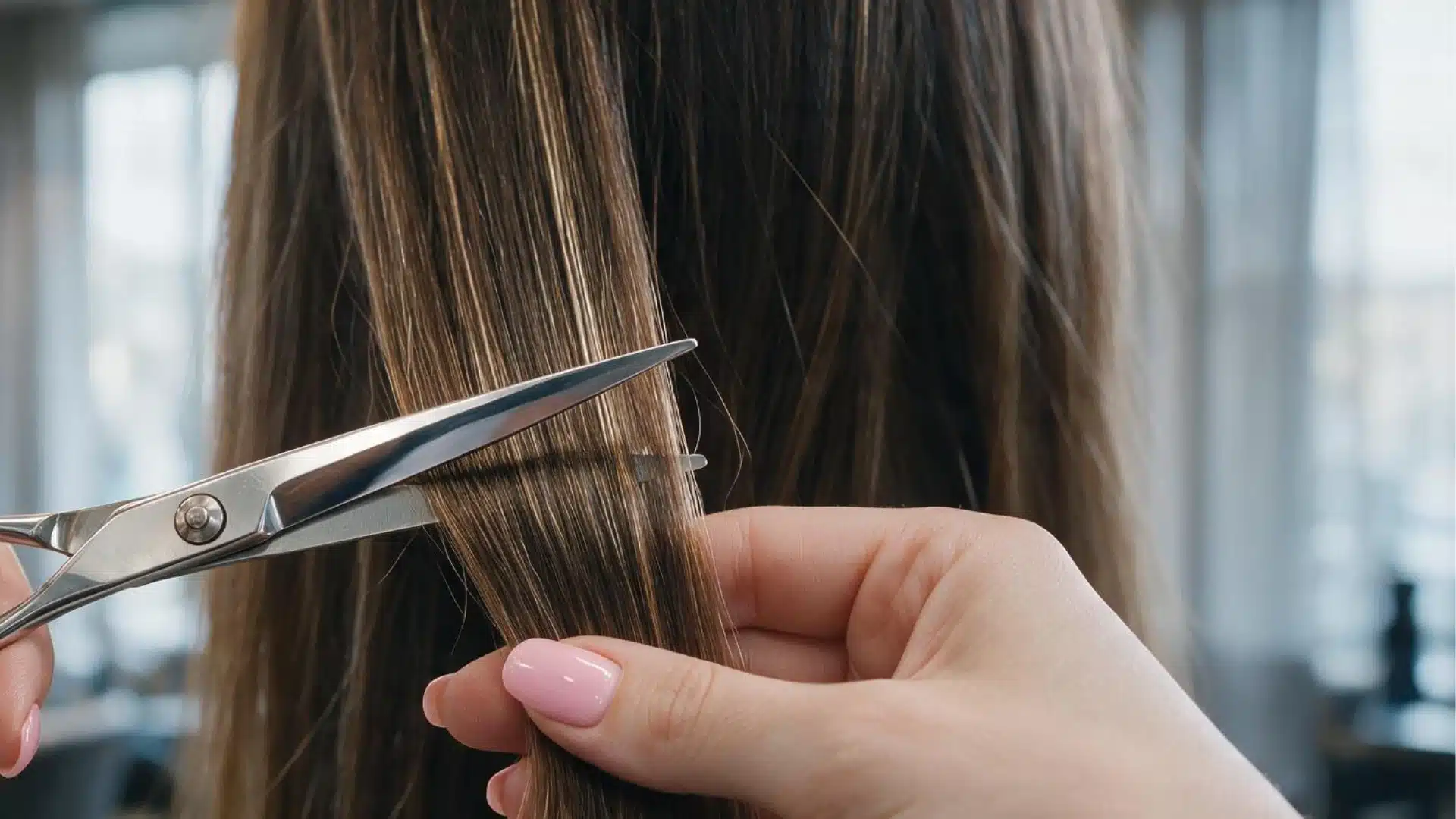
Hair looks great one week, then feels rough and tired at the ends the next. Timing is usually the real reason, not the wrong products. How often you should trim your hair depends on length, texture, and how much heat or color your hair deals with regularly. The question that pops up once in a while is, “How often should I cut my hair?” The honest answer is that a trim and a cut often mean different things. Growth changes the math too, since trimming for growth works differently than maintaining a short, sharp style. Is it Important to Get Regular Hair Trims? Split ends don’t just sit there quietly. Left alone, they creep up the hair shaft over time and turn a small problem into a much bigger one. Cutting them off early also means less tangling, since rough, dry ends catch on everything from brushes to sweaters. Hair also holds its shape longer with regular trims, especially cuts built on clean lines or layers. Wait too long between trims, and the ends start looking thin and feeling like straw underneath the fingers. Signs You Need a Trim Calendars help, but hair usually says more than any schedule could. Catching these signs early keeps damage from climbing higher up the strand. 1. Split or Frayed Ends Individual strands start forking into two or three thin pieces near the tip, especially on ends that haven’t been touched in months. That’s a clear signal a trim is overdue. 2. Increased Tangling Fingers or a comb catching mid-strand more often than before is a subtle but reliable clue. It usually shows up before split ends become visible, especially on hair that sees regular heat styling. 3. Hair Loses Its Shape A cut that used to look crisp can start sagging into something flat and undefined. Layers go first, then bangs, then any style built on sharp lines that need upkeep to hold. 4. Styling Takes Longer Than Usual Blow-drying or straightening dragging on longer than it should is rarely a fluke. Damaged ends refuse to hold heat or product the way healthy strands do. How Often to Trim Hair for Growth? Most stylists agree on a general range of 4 to 12 weeks, though the right number shifts based on hair type and condition. Fine or thin hair needs a trim every 4 to 6 weeks; those strands show damage and split ends sooner than other types. Medium to thick hair can stretch to 8 to 12 weeks, since it holds up longer between visits. Short cuts and precise styles need the same 4-to-6-week cadence to keep their lines sharp. Growing hair out also does well on an 8-to-12-week schedule, using small “dusting” trims that clear damage without cutting into length. Trimming will not speed up growth itself, since that happens at the root, not the ends. What it does is stop split ends from breaking off higher up the strand and quietly erasing length already gained. How Often Should You Trim Your Hair by Length and Style? Trim timing depends a lot on the cut itself. Short styles and precise shapes need more upkeep than longer, looser ones, and length and layers each have their own schedules. Short Hair and Pixies Shortcuts grow out fast, at least in how they look. The edges start looking uneven within a few weeks. A trim every four to six weeks keeps things sharp. Skip it too long, and the cut turns shaggy fast. Bangs and Fringe Bangs creep into the eyes faster than people expect, sometimes in just two weeks. A trim every two to four weeks keeps them at the right length. Waiting longer usually means pushing bangs aside or clipping them back throughout the day. Medium Length Medium hair holds its shape longer than short cuts do. A trim every six to eight weeks keeps the ends neat without cutting off too much. Push past that window, and things start looking uneven, especially around the face-framing pieces. Long Hair Long hair can go longer between trims, especially without much heat or color damage. Every three to four months usually keeps the ends in decent shape. Wait too long past that, though, and dryness and breakage tend to creep in. Layered and Shaped Cuts Layers lose their bounce faster than a blunt cut does. A trim every six to eight weeks keeps the movement looking sharp instead of flat. Skip trims for too long, and the layers start blending into one shapeless mass. Trim Frequency by Texture and Density Texture and thickness change how fast ends wear down. Fine hair usually needs more attention, while thick or coarse strands can go longer between visits. Fine or Thin Hair Fine strands snap easier than thicker ones, especially near the ends. A trim every four to six weeks helps avoid that thin, stringy look creeping in. Wait too long, and fine hair starts looking sparser than it already is. Thick or Coarse Hair Thick, coarse hair holds up well on its own and can often stretch to three or four months. The extra bulk hides small damage longer than fine hair ever could. Split ends still show up eventually, though, and start pulling at the shape. Straight and Wavy Hair Straight and wavy types usually land somewhere in the middle of the trim schedule. Every ten to twelve weeks keeps things looking fresh without too much fuss. Fine straight hair might need a shorter window than thicker waves do. Curly Hair Curls hide length changes well, so trims tend to wait longer than other textures allow. Every three to four months works for a lot of curly types out there. Dryness shows up fast in curls, so the ends matter more than a calendar. Coily Hair Coily hair shrinks up visually, which makes it easy to underestimate how much length is actually there. A trim every twelve weeks or so keeps ends in decent shape. Moisture matters more than timing here, since dry coils snap faster between cuts. When to Trim Based on Damaged or Treated Hair Damage from heat, color, or chemical processing can change the trim schedule quickly. Weakened strands need more frequent care to avoid worse breakage down the road. Heat-Styled Hair Daily blow-drying, straightening, or curling wears down the hair shaft over time. A trim every six to eight weeks helps remove damage before it spreads further up the strand. Skipping heat protection makes this timeline even more important. Color-Treated Hair Coloring, especially bleach, leaves hair more fragile at the ends. A trim every six to eight weeks keeps color-treated strands from splitting and looking dull. Deep conditioning between trims also helps slow down the damage. Chemically Processed Hair Perms, relaxers, and other chemical treatments change the hair’s structure at a deeper level. A trim every six weeks helps manage the extra fragility these treatments cause. Sometimes the damage runs too deep for a trim to fix, and heavily bleached hair may need a bigger cut to remove compromised sections. Keeping Your Hair Healthy Between Trims? Trims only cover part of it; the rest comes down to daily habits that protect hair between salon visits. Straighteners and blow-dryers add up fast in a daily routine, so skipping heat a few days a week gives strands a real break. The ends are the oldest part of any strand, so they dry out first; a leave-in or mask focused there helps keep brittleness away. Rough brushing snaps more hair than people expect, especially when it’s wet, so start detangling at the ends with a wide-tooth comb and work upward. Bleach, relaxers, and frequent coloring weaken hair structurally, so spacing out treatments and using bond-repair products afterward limits long-term fragility. Cotton pillowcases rub against hair all night and rough up the strands; silk or satin, or a loose braid before bed, cuts down on that friction. And pulling hair back tight day after day wears on the hairline over time, even when the damage isn’t obvious right away. The Bottom Line By now, the number matters less than what the ends actually look and feel like. A trim every six weeks suits some hair, while others go three or four months without trouble, and both can be right. Damage, styling habits, and how fast a cut grows out all decide where someone lands on that scale. The real answer to how often you should trim your hair comes down to staying ahead of split ends without cutting away healthy length for no reason. Watching the hair itself, instead of counting weeks, tends to work out better in the long run. Frequently Asked Questions 1. Does Hair Grow Back Faster After Shaving It All Off? No, shaving does nothing to speed up growth from the scalp. 2. Does Hair Need a Trim Before or After Coloring? Trimming first removes damaged ends that would otherwise soak up color unevenly. 3. Can Split Ends Be Repaired without Cutting Them Off? No, once they split, cutting is the only real fix.

Retro clothing is everywhere this year, and it definitely did not happen by chance. From 90s straight-leg jeans to the early 2000s metallics, past fashion trends have taken over social media, stores, and the streets in 2026. This blog covers what retro fashion means, why it keeps coming back, and how to wear it without looking like you raided a costume box No random picks here, just the looks people are actually wearing. What are Retro Fashion Trends? Retro fashion trends bring old styles back to life. They take looks from past decades, then make them feel new again. Think 70s flares, 80s power shoulders, or 90s straight-leg denim. The word “retro” simply means looking back. So retro fashion is mostly the 1970s through the early 2000s. That’s a little different from vintage. Vintage points to older, original pieces, while retro is more about reviving the style and the mood. Y2K Fashion Meaning: Why the 2000s Are Back Y2K simply stands for “Year 2000”. The name first came from a computer scare. People worried that machines would crash when the clock struck midnight on the new millennium. But today, the term means something very different. Y2K fashion now points to the bold, playful style of the late 90s and early 2000s. So what does that look like? Think low-rise jeans, tiny tops, and shiny metallic fabrics. Add butterfly clips, rhinestones, and chunky sneakers. It was loud, fun, and a little futuristic. So why is it back? The reason is nostalgia. Gen Z loves the fun, carefree feel and mixes it with modern pieces to make it their own. Retro Fashion Trends for Men Looking to add a touch of nostalgia to your wardrobe? The following trends are perfect for 2026: stylish and easy to wear. 1. Straight-Leg Denim (90s) Stylish, simple, and easy to match. This silhouette is right in the middle of skinny and baggy, so it looks great on almost everyone. It goes with a tucked-in T-shirt or an oversized jumper. Mid- or high-rise fits flatter everyone. It is a real all-rounder. 2. Tracksuits and Windbreakers Retro sports clothes are comfortable and trendy. Bright colors from the 90s and a loose fit make them stand out. They get their vintage look through color blocking and logos. The matching suit is already coordinated. And it can be worn while running errands, traveling, or having fun. 3. Vintage Graphic Tees Old band logos and retro prints never go out of style. Each tee adds personality and a story to a look. A faded, worn-in look makes them even better. They pair perfectly with jeans for a casual day. Layer one under a jacket for an easy mix. 4. Corduroy and Bomber Jackets Textured corduroy and classic bombers bring real 70s and 80s charm. Both layer well over tees, shirts, or jumpers. Corduroy adds a soft, retro feel, while a bomber keeps things sporty. And both work as an extra layer without losing any style. 5. Retro Knit Polos Striped or textured knit polos carry an easy 70s vibe. The classic collar makes them smart but never stiff. Wear one with jeans for a casual day. Or pair it with trousers for a clean, smart-casual look. 6. Leather and Denim Jackets Leather and denim jackets are retro staples that never date. Both add instant edge over almost any outfit. A leather jacket brings a tough, cool feel, while denim keeps things casual. Throw either over a tee or dress, and the look sharpens right up. Retro Fashion Trends for Women From flowing dresses from the 70s to Y2K sparkle, here are retro fashion trends for women that will be worth wearing in 2026. 1. Flared Jeans (70s) The flared jeans trend is all the rage. They not only elongate the legs but also add a breezy look. Moreover, the flares help balance a fuller lower body, creating an even silhouette. A fitted top completes the look, while platform shoes bring it right back to the 70s. 2. Power Shoulders (80s) Bold, structured shoulders add instant edge. They make any outfit feel sharp and confident. The shape draws the eye up and creates a strong line. A blazer is the easiest way to try them. A padded-shoulder dress works just as well for a night out. 3. Y2K Metallics Shiny skirts, tops, and bags bring the fun Y2K looks. They catch the light and turn heads fast. Silver and chrome tones feel the most current right now. One metallic piece is usually enough. Pair it with plain basics and let it be the star. 4. Slip Dresses (90s) Slip dresses are a 90s favorite that never really left. The soft, simple cut feels light, easy, and effortlessly cool. Wear one alone for a night out, or layer it over a plain tee for a relaxed daytime look. Chunky boots or sandals balance the soft fabric nicely. 5. Oversized Blazers A roomy blazer feels both retro and modern. It adds shape without feeling stiff. The loose cut looks easy, not formal. Throw it over jeans and a tee for a quick polish. Or layer it over a simple dress to smarten things up. 6. Maxi And Floral Dresses (70s) Flowy maxi dresses carry an easy 70s charm. Soft florals and breezy fabrics give them a bohemian feel. They flatter most shapes and keep things cool all day. Add sandals or boots, and the look is done. Characteristics and Appeal of the Retro Style Retro style has its own look and feel. A few traits recur, and they explain why so many people love it. Bold Colors and Prints Retro leans into color. Think earthy 70s browns, bright 80s tones, and playful 2000s shades. Patterns like florals, stripes, and geometric prints are common too. They add character that plain modern basics often lack. Statement Silhouettes The shapes tell the story. Flared legs, padded shoulders, and roomy cuts all stand out. Each decade has its own signature line. And that strong shape is what makes a piece read as retro. Fun, Expressive Details Small touches make a big difference. Metallic fabrics, chunky buttons, butterfly clips, and bold logos all count. These details feel playful rather than serious. So an outfit shows personality fast. A Comfortable, Easy Fit Lots of retro pieces are relaxed by nature. Loose denim, soft tees, and flowy fabrics feel good all day. Comfort is a big part of the appeal. And comfort never really goes out of style. A Nostalgic, Feel-Good Factor Retro taps into memory and mood. A print or shape can bring back music, movies, or a favorite decade. That warm, familiar feeling is a big part of the pull. And it works even on people who never lived through those years. How to Build Modern Outfits Using Retro Fashion Trends? Mixing old and new is easier than it looks. It comes down to balance. Get that right, and these simple steps make retro easy for anyone to pull off. Pick one standout retro piece, like flared jeans or a metallic top, and build the outfit around it. Pair it with modern basics, a vintage tee with plain straight-leg jeans, say, so the retro piece doesn’t feel like a costume. Keep everything else plain and neutral so that piece stays the focus. Ground the look with modern footwear, like clean white sneakers or simple ankle boots. Then add one or two small retro accessories, tinted sunglasses, a tiny bag, layered necklaces, and stop there. Conclusion So that’sretro fashion trends in a nutshell. They take the best looks from past decades and mix them with what you already own. And honestly, that’s why they keep coming back. They let anyone show personality without buying a whole new wardrobe. Pick one trend from this blog and try it this week, maybe those flared jeans or a vintage tee. Your closet has more retro potential than you think. Frequently Asked Questions (FAQs) 1. What is the 3-3-3 Fashion Rule? The trick is easy: select 3 tops, 3 bottoms, and 3 pairs of footwear. It becomes simple to wear many outfits using just those nine clothing items. 2. When is the Clothing Piece Called “Vintage” in 2026? The clothing piece is considered “vintage” if it is 20 to 100 years old. Thus, a vintage piece can be from the 1920s to 2006. 3. What Can Beginners Do to Wear Retro Clothes? It can be started by wearing only one retro piece, such as a vintage tee or a pair of flared jeans with modern basics.