Clear skin without harsh side effects sounds almost too good, right?
Azelaic acid has quietly built a reputation for fading acne scars, calming redness, and smoothing texture, all while staying gentle enough for sensitive skin.
In this blog, you will find a breakdown of how azelaic acid works, who it suits best, and what results people have actually seen.
What Azelaic Acid Can and Can’t Fix
Azelaic acid does its best work on three things: dark spots, redness, and mild acne. It fades hyperpigmentation left behind by old breakouts or sun damage.
It calms the flushed, blotchy look that comes with rosacea. And it clears clogged pores without the harshness of stronger acids like benzoyl peroxide.
Texture smooths out too, since it stops dead skin from piling up on the surface. It won’t erase deep acne scars, fine lines, or years of sun damage, so don’t expect it to do a retinol’s job.
It’s built for maintenance, not a quick fix. Stick with it, and your skin looks more even, calmer, and clearer over time.
How to Actually Use It?
Getting the basics right makes the difference between mild irritation and visible results.
- Apply once daily, morning or night
- Beginners or sensitive skin: start every other day and build up slowly
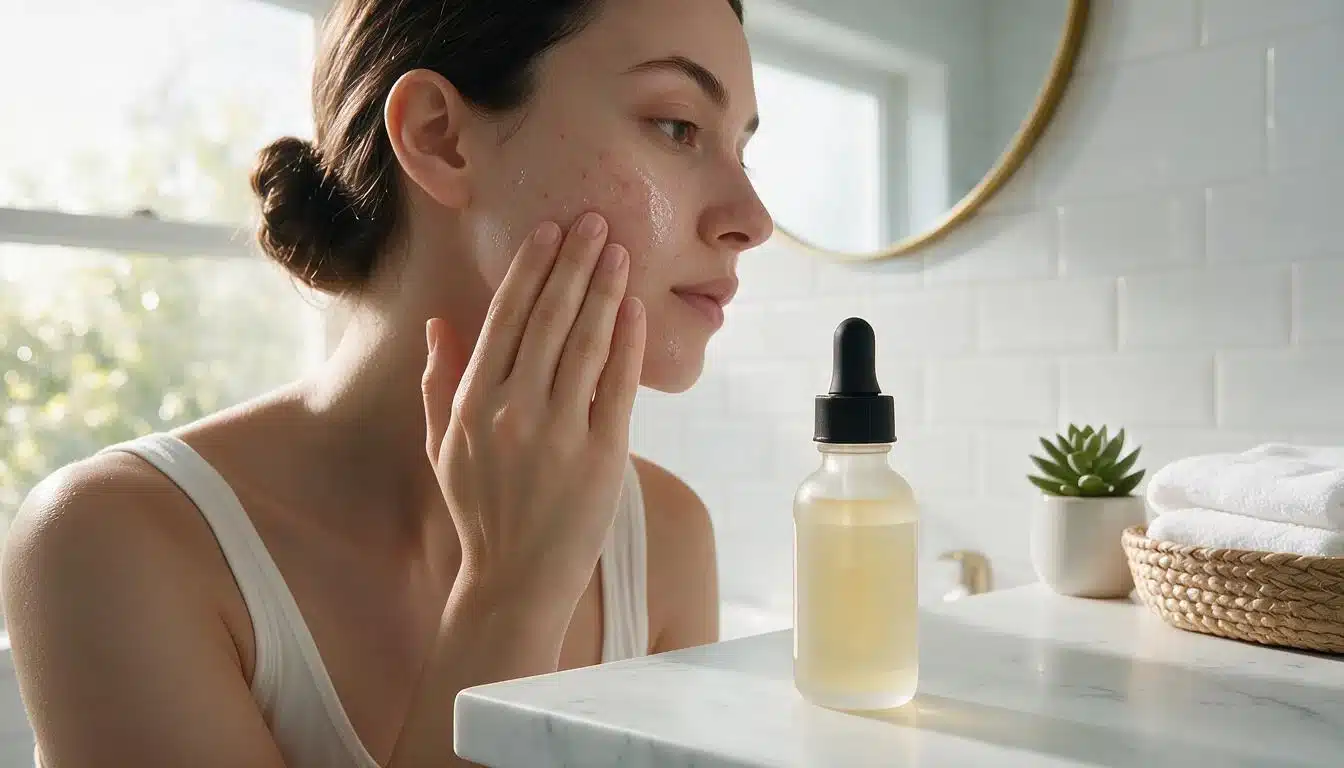
- Use a pea-sized amount for the whole face
- Apply to clean, dry skin, then follow with a moisturizer
More product or more frequent use won’t speed up results; it just raises the risk of dryness and irritation. Azelaic acid pairs well with gentle moisturizers and daily sunscreen.
Hold off on layering it with strong exfoliants like retinol or glycolic acid at first, since combining too many actives early on can trigger irritation.
Once skin tolerates it well, you can space these out on alternate days.
Azelaic Acid Before and After Timeline
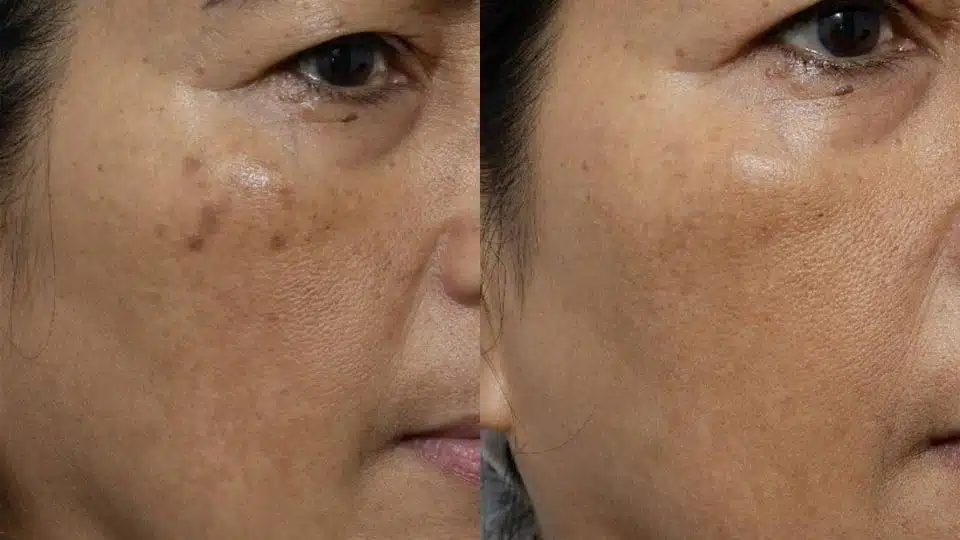
Image Credits: DermOnDemand
Results happen gradually, and each stage brings different changes. Staying consistent with the right amount and daily sunscreen gives the best chance of seeing real improvement.
Week 1
Skin is still adjusting during this stretch. Mild dryness, tightness, or slight redness can show up, especially with sensitive skin.
Apply a pea-sized amount once daily and follow with a moisturizer to ease irritation.
Weeks 2-4
Some people notice smoother skin and less redness here, while others go through a short purge as clogged pores clear faster than usual.
Stick with it consistently and wear sunscreen daily to protect fading dark spots.
Weeks 6-8
This is where before-and-after changes start standing out. Breakouts usually slow down, redness keeps improving, and post-acne marks begin fading. Stay with the routine instead of reaching for more product.
Around 12 weeks
Most people see their best results around the three-month mark. Skin tone looks more even, redness drops, and dark spots lighten. Keep up regular use and daily sunscreen to hold onto these gains.
For many, this is the clearest before-and-after result, and the point at which azelaic acid becomes a long-term routine rather than a short-term fix.
Does Azelaic Acid Cause Purging?
Yes, sometimes Azelaic acid speeds up cell turnover, so buildup that was sitting under the skin gets pushed to the surface faster than usual. For a couple of weeks, that can look worse before it looks better.
Signs It’s Purging, Not Acne
Purging shows up where you already break out: small whiteheads, clogged pores, stuff that clears in days instead of the week or two a normal pimple takes.
A bad reaction is a different story. New breakouts pop up somewhere you don’t usually get them, plus redness, itching, or that burning feeling on top. That kind of reaction doesn’t improve with more use. It gets worse.
How Long Does Purging Last?
Two to four weeks, usually. If it’s still going at six weeks, that’s not purging anymore; that’s your skin telling you the product or the frequency isn’t working.
Cut back, or get a dermatologist to take a look.
If irritation, redness, or new breakouts stick around past six weeks, that’s not purging anymore. At that point, cut back on how often you’re applying it, or check in with a dermatologist to rule out a reaction.
Which Azelaic Acid Strength Should You Choose?
The right strength depends on your skin, not just your goal. Going stronger too fast usually does more harm than good.
10% vs 15% vs 20%
| Strength | Best For | Notes |
|---|---|---|
| 10% | Beginners, sensitive/dry skin | Gentle introduction; brightens tone, fades mild discoloration with low irritation risk |
| 15% | Normal to combination skin, mild acne/PIH | Balanced potency; noticeable results for texture, redness, and pigmentation with manageable tolerance |
| 20% | Experienced users, stubborn acne/melasma | Strongest OTC option; faster results but higher chance of dryness, stinging, or peeling |
Start low (10%) and build tolerance over weeks before moving up. Always patch test, use sunscreen daily, and avoid pairing with strong actives (retinoids, AHAs) initially to prevent irritation. Consult a dermatologist for persistent or severe skin concerns before choosing your strength.
OTC vs Prescription
Most over-the-counter options top out around 10%, enough for mild concerns and general maintenance.
Prescription-strength versions, usually 15% to 20%, target more stubborn acne, rosacea, or pigmentation, and typically need a dermatologist’s guidance to use safely.
Some dermatologists suggest starting at 15% for faster results, but honestly, for sensitive skin, that’s too aggressive. Ten percent gives your skin room to adjust without a setback.
Conclusion
Give azelaic acid time, and the results catch up. The purge fades, redness settles, and what’s left is clearer skin with fewer dark spots.
Please don’t expect a dramatic transformation by week twelve; we’re looking for steady progress that holds up.
If irritation hangs around longer than it should, get a dermatologist to check it out, not because something went wrong, but to make sure the strength and routine actually suit your skin.
Stay consistent, wear sunscreen, and give it the time it needs. That’s really the whole story behind azelaic acid before and after.
Frequently Asked Questions (FAQs)
1. Can You Use Azelaic Acid Every Day?
Most people can, once their skin’s used to it. If you’re just starting, though, every other day is the safer bet.
2. Does Azelaic Acid Help with Wrinkles?
Not really its thing. It smooths texture, which can make fine lines look a little softer, but that’s a side effect, not what it’s designed for.
3. Can Azelaic Acid Be Used Around the Eyes?
Carefully, and in small amounts. Skip the skin right under the eye, though; it’s thinner and irritates easily.
4. Is Azelaic Acid Safe During Pregnancy?
Generally considered one of the safer actives for acne and pigmentation while pregnant, but check with your doctor first.
5. Can You Use Azelaic Acid with Vitamin C?
Yes, they get along fine. Just introduce them one at a time so you actually know what’s doing what if your skin reacts.