Sunburned lips can be painful, dry, swollen, and more uncomfortable than expected.
The skin on your lips is thinner than the skin on the rest of your face, so it burns faster after too much sun exposure.
Aquaphor is often used to protect dry, damaged lips, but is it the right choice for a sunburn?
You’ll find the symptoms to watch for, treatment options, recovery time, and signs that mean it’s time to seek medical care.
What are Sunburned Lips?
Burned lips occur when the delicate skin on your lips is exposed to too much ultraviolet (UV) radiation from the sun.
Unlike the rest of your skin, your lips contain very little melanin and have no oil glands, making them more likely to burn and dry out.
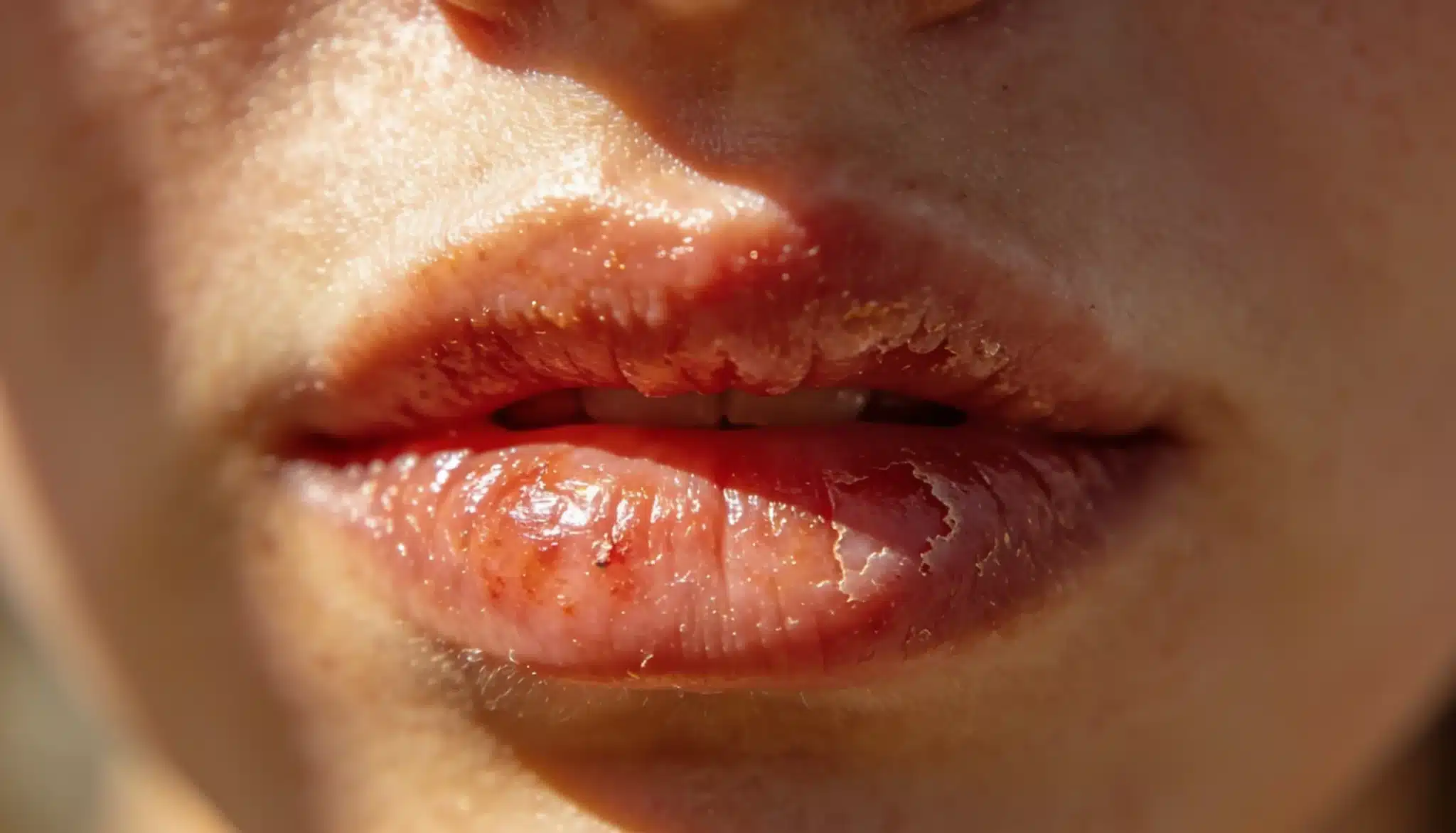
Common signs include redness, tenderness, swelling, and peeling.
The lower lip is affected more often because it faces direct sunlight.
Mild burns usually heal with proper care, while severe burns may require medical attention.
Symptoms of Sunburned Lips
Sun-damaged lips can cause different symptoms depending on how long they were exposed to the sun and how severe the burn is.
Signs often appear within a few hours and can worsen during the first day before they gradually improve.
1. Redness and Tenderness
Your lips may appear red or pink and feel sore to the touch. Everyday activities like eating, drinking, or smiling may become uncomfortable.
2. Burning or Stinging Sensation
A burning, tingling, or stinging feeling is common after a sunburn. The discomfort may be mild or more noticeable with deeper burns.
3. Dryness and Tightness
Sunburn can strip moisture from your lips, leaving them dry, rough, tight, or chapped.
4. Swelling
Mild swelling often affects the lower lip because it receives more direct sunlight than the upper lip.
5. Peeling or Flaking Skin
Dead skin may begin to peel as the damaged outer layer sheds during healing. Avoid pulling the loose skin.
6. Blisters
Severe sunburn can cause small, fluid-filled blisters. Leave them intact, as breaking them may increase the risk of infection.
7. Cracking or Bleeding
Lips that become very dry may crack and bleed, making them more sensitive and uncomfortable.
8. Pain while Eating or Drinking
Hot, spicy, salty, or acidic foods and drinks can irritate burned lips, worsening discomfort.
Ways to Treat Sun-Damaged Lips
Most sun-burned lips heal within a few days with proper care.
Treatment focuses on easing discomfort, protecting the damaged skin, and preventing further irritation while your lips recover.
Mild burns usually improve at home, but severe symptoms may require medical attention.
1. Cool Your Lips to Ease Discomfort
Apply a cool, damp cloth to your lips for 10 to 15 minutes several times a day. A cool compress can reduce the burning sensation, ease tenderness, and relieve mild swelling.
Avoid placing ice directly on your lips because extreme cold can damage sensitive skin and worsen discomfort.
2. Keep Your Lips Moisturized
Sunburn can leave your lips dry and more likely to crack.
Apply a gentle, fragrance-free ointment or lip moisturizer to reduce moisture loss and protect the skin barrier.
Occlusive products such as Aquaphor can help seal in moisture while the damaged skin recovers. Reapply the product as needed, especially if your lips begin to feel dry again.
3. Drink Enough Water
Sun exposure can leave your lips feeling dry, especially if you are also dehydrated.
Drinking enough water helps maintain your body’s normal hydration and may improve overall comfort as your lips recover.
Although water does not directly heal a sunburn, staying hydrated can help prevent further dryness.
4. Avoid Picking or Peeling Your Lips
Peeling is a normal part of the healing process after a sunburn.
Let the loose skin come off on its own instead of pulling or picking at it.
Removing peeling skin too early can expose the sensitive layer underneath, increase irritation, and raise the risk of infection.
5. Choose Gentle Foods and Drinks
Your lips may feel more sensitive than usual after a sunburn.
Soft, cool foods are often easier to eat while your lips recover.
Try to avoid hot, spicy, salty, or acidic foods and drinks because they can sting irritated skin and make eating more uncomfortable.
6. Stay Out of Direct Sunlight
Giving your lips a break from additional sun exposure can prevent the burn from becoming worse.
Spend time in the shade whenever possible, especially during peak UV hours.
If you need to be outdoors, wear a wide-brimmed hat to provide extra protection for your face and lips.
7. Use a Lip Balm with SPF Before Going Outdoors
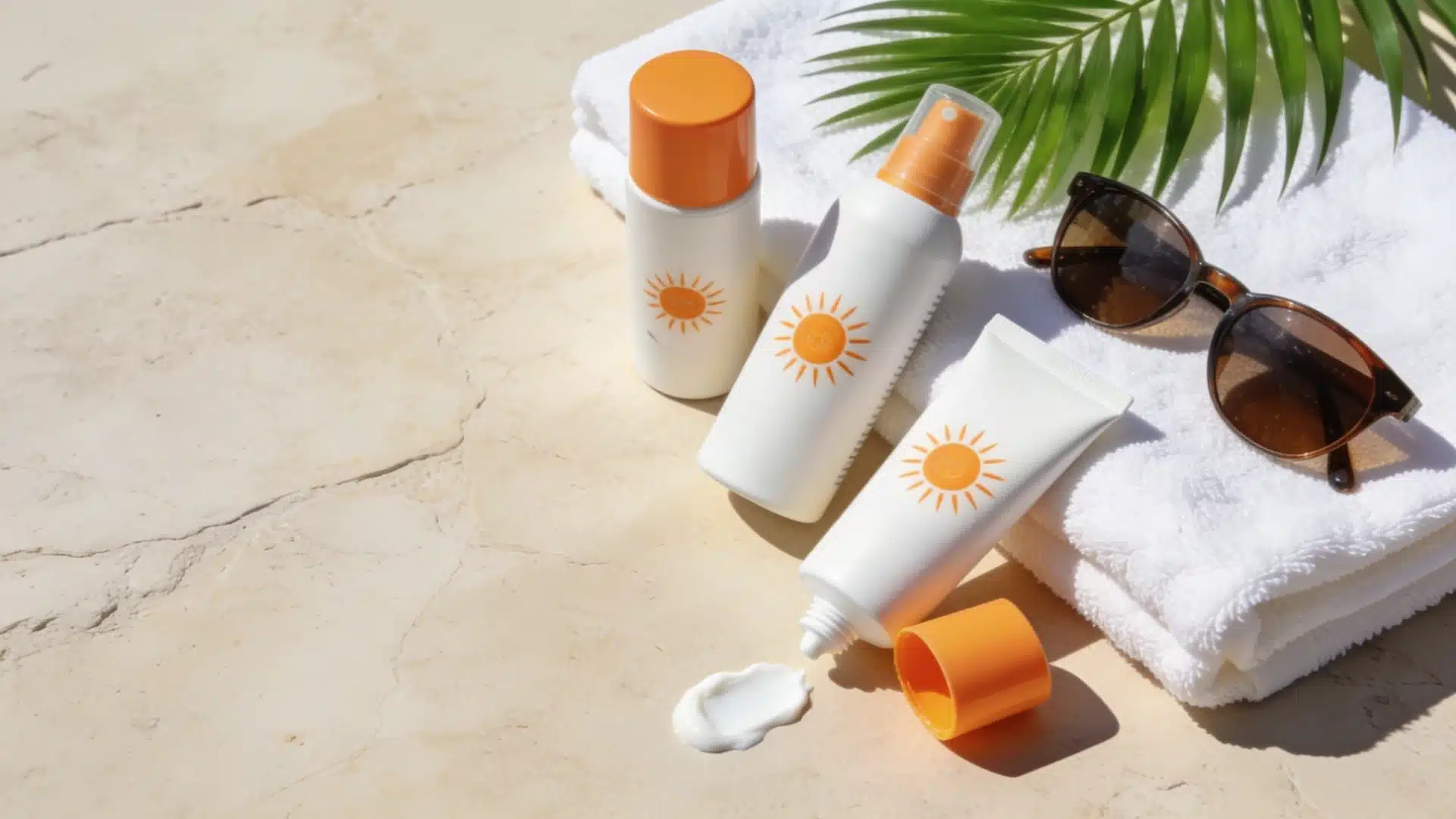
After the initial tenderness begins to improve, protect your lips with a broad-spectrum lip balm that contains SPF 30 or higher.
Apply it before going outside and reapply it as directed on the product label, particularly after eating, drinking, or extended time outdoors.
8. Consider an Over-the-Counter Pain Reliever
If your lips remain painful or swollen, an over-the-counter pain reliever may help reduce discomfort.
Follow the directions on the product label and speak with a healthcare provider if you have questions about which option is appropriate for you or if your symptoms continue to worsen.
9. Avoid Products That Can Irritate Your Lips
Avoid lip products that contain menthol, camphor, cinnamon, alcohol, or added fragrances until your lips have healed.
These ingredients can trigger stinging, increase dryness, or irritate already damaged skin.
Choosing gentle, fragrance-free products can make your lips feel more comfortable during recovery.
Is Aquaphor Good for Sunburned Lips?

Aquaphor is a skin protectant that can reduce moisture loss from burned lips by forming a protective barrier over the skin.
This barrier may make dry, cracked, or peeling lips feel more comfortable while the skin recovers.
Before applying it, gently clean and pat your lips dry, then spread on a thin layer as needed, especially after eating, drinking, or washing your face.
Aquaphor does not treat severe sunburn, prevent infection, or heal large blisters.
If swelling worsens, signs of infection develop, or your symptoms become severe or continue to worsen, contact a healthcare provider instead of relying on Aquaphor alone.
Recovery Timeline for Sunburned Lips
Recovery time varies based on how severe the sunburn is and how your lips respond to care. Mild sunburned lips often improve within a few days, while more severe burns can take longer.
First 24 Hours: Redness, tenderness, dryness, and a burning or stinging sensation usually appear first. Mild swelling may also develop during this time.
Days 2–3: Swelling often starts to decrease, while your lips may feel tighter or drier. Peeling or flaking skin can begin as the outer layer naturally sheds.
Days 4–7: Most mildly burned lips continue to improve. Peeling becomes less noticeable, discomfort eases, and the skin gradually returns to normal.
More Than One Week: If your lips remain very swollen, develop large blisters, show signs of infection, or your symptoms do not improve or continue to worsen, contact a healthcare provider for further evaluation.
Things to Avoid for Sun-Damaged Lips
Some everyday habits and products can make damaged lips more painful or increase irritation.
Avoiding them can protect the damaged skin and support normal recovery.
| Avoid | Reason |
|---|---|
| Picking or peeling loose skin | Can cause bleeding and increase the risk of infection. |
| Applying ice directly to your lips | May damage delicate skin. Use a cool, damp cloth instead. |
| Using lip products with menthol, camphor, alcohol, or strong fragrances | Can increase dryness, stinging, and irritation. |
| Eating hot, spicy, salty, or acidic foods | May worsen pain and sensitivity. |
| Licking your lips frequently | Can make your lips drier and delay healing. |
| Popping or breaking blisters | Increases the risk of infection and slows healing. |
| Spending long periods in direct sunlight | Can worsen the sunburn and delay recovery. |
When to Consult a Dermatologist?
Sunburned lips usually heal with home care, but certain symptoms require medical attention.
Contact a dermatologist if large blisters develop, swelling becomes severe, bleeding continues, or the lips show signs of infection such as pus, increasing redness, or warmth.
Medical advice is also recommended when the pain remains severe, healing does not begin after a week, or the condition continues to worsen.
A fever, chills, or signs of dehydration after a sunburn should be evaluated promptly because these symptoms can indicate a more serious reaction.
Preventing Sunburned Lips
Preventing damaged lips starts with reducing UV exposure and using proper sun protection.
Lips are more likely to burn because they contain very little melanin and lack oil glands, making them less resistant to the sun than other areas of the skin.
A few simple habits can lower the risk of sunburn and long-term sun damage.
Use a Broad-Spectrum Lip Balm with SPF 30 or Higher
Apply before going outdoors and reapply according to the product directions for continued UV protection. Reapply SPF lip balm after eating, drinking, swimming, or wiping your lips to maintain effective coverage.
Wear a Wide-Brimmed Hat
A wide-brimmed hat shades your face and lips, reducing direct sunlight exposure during outdoor activities.
Limit Sun Exposure During Peak UV Hours
Stay in the shade or spend less time outdoors between 10 a.m. and 4 p.m., when UV rays are strongest.
Protect Your Lips During Outdoor Activities
Take extra care when hiking, boating, skiing, on beach trips, or during other activities that involve prolonged sun exposure.
Keep Your Lips Moisturized
Use a gentle, fragrance-free lip moisturizer or skin protectant to reduce dryness and support the skin barrier.
Conclusion
Sunburned lips usually heal with basic care and protection from additional sun exposure.
Keeping your lips moisturized, avoiding products that can cause irritation, and using a skin protectant such as Aquaphor may reduce dryness and support the skin barrier during recovery.
If your symptoms become severe, continue to worsen, or you notice signs of infection, seek medical care promptly.
Daily use of a broad-spectrum SPF lip balm can lower the risk of future sunburn and UV-related lip damage.
Frequently Asked Questions (FAQs)
1. Can You Wear Lipstick on Sun-Damaged Lips?
No, wait until your lips heal to avoid further irritation and discomfort.
2. Can Wind Make Sunburned Lips Feel Worse?
Yes, wind can increase dryness, irritation, and discomfort during the healing process.
3. Can Children Get Sunburned Lips?
Yes, children can develop burned lips because their skin is more sensitive.