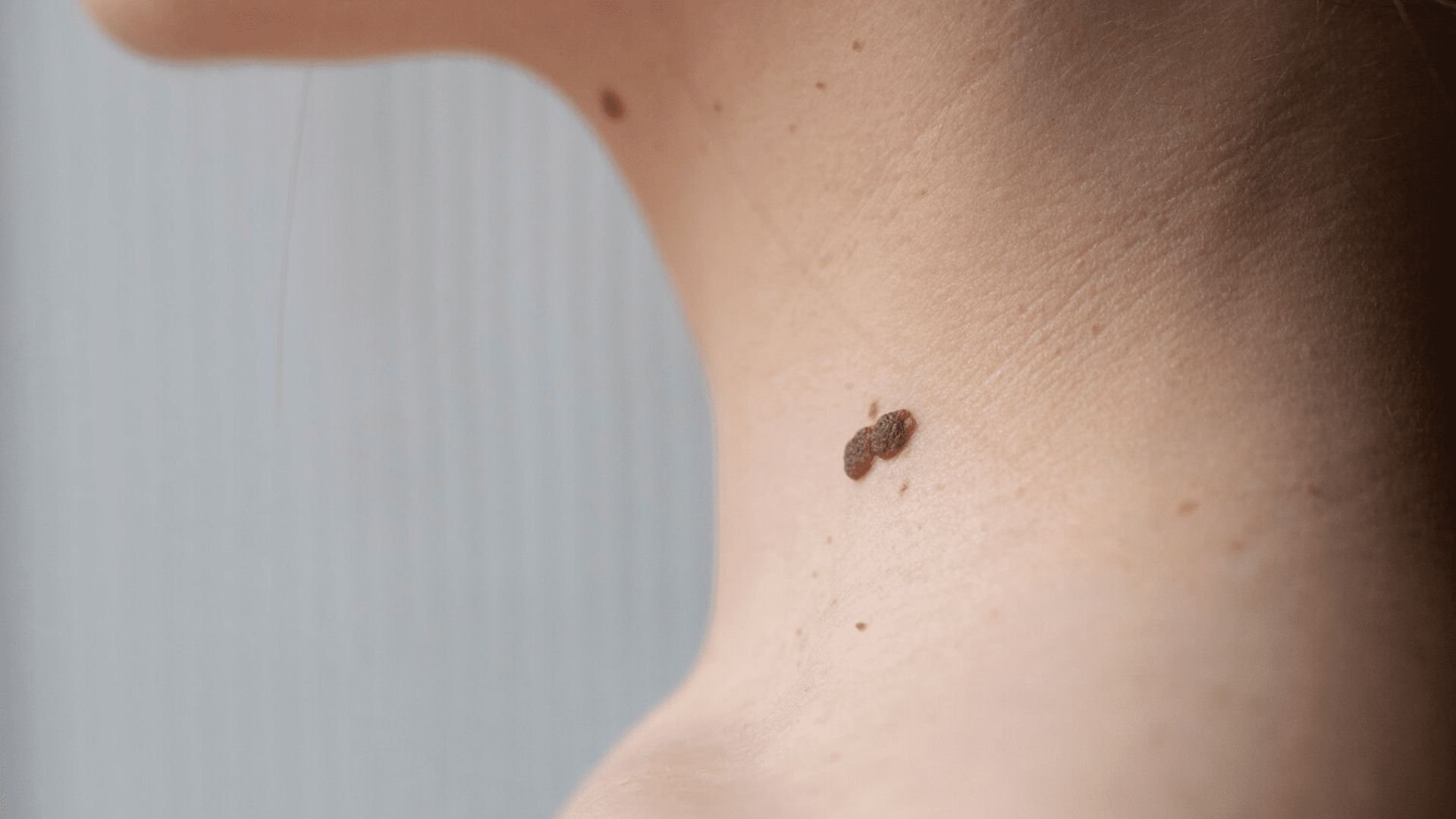
Woke up and noticed a small bump hanging from your neck? That’s probably a skin tag.
These harmless growths affect nearly half of all adults. They’re more common than most people think. And while they’re not dangerous, they can be frustrating to deal with.
You don’t have to live with them. Several safe methods can remove skin tags overnight.
You can try these treatments at home without spending a fortune or visiting a doctor.
What are Skin Tags?
Skin tags are small, soft pieces of skin that stick out from the body. They look like tiny balloons hanging by a thin stalk.
Doctors call them acrochordons. Most skin tags are harmless and painless. They don’t turn into cancer.
But they can be bothersome if they rub against clothes or jewelry.
Characteristics:
- Small in size, usually 2mm to 5mm
- Soft and movable when touched
- Flesh-colored or slightly darker than surrounding skin
- Painless unless twisted or irritated
- Can appear alone or in clusters
- More common in skin folds and creases
- Affect both men and women equally
- Often appear on neck, armpits, groin, and eyelids
Causes of Skin Tags
Doctors don’t know the exact cause of skin tags. But several factors make them more likely to develop.
Here are the main reasons why skin tags form on your body.
1. Friction and Rubbing
Skin tags often grow where skin rubs against skin or clothing. This constant friction irritates the outer layer.
The rubbing causes collagen fibers and blood vessels to clump together. Over time, these clumps form into skin tags.
That’s why they’re common in armpits, under breasts, and on the neck.
2. Age Factor
Skin tags become more common as you get older. Most people don’t get them until middle age.
Your skin changes as you age. It loses collagen and becomes thinner. These changes make it easier for skin tags to form.
People over 50 are most likely to develop them.
3. Weight and Obesity
Extra body weight increases your chances of getting skin tags. More weight means more skin folds.
These folds create areas where friction happens. Overweight people often have skin tags in multiple locations.
Losing weight can help prevent new ones from forming. But it won’t remove existing skin tags.
4. Hormonal Changes
Pregnancy can trigger skin tag growth in many women. Hormonal shifts affect how your skin behaves.
High levels of certain hormones make skin tags more likely. Some women develop them during their second trimester.
Others notice them after giving birth. The tags may shrink after hormone levels return to normal.
5. Genetic Predisposition
Skin tags often run in families. If your parents had them, you’re more likely to get them too.
Scientists believe certain genes make some people prone to developing skin tags. You can’t change your genetics.
But knowing your family history helps you understand your risk level better.
6. Diabetes and Insulin Resistance
People with diabetes develop skin tags more frequently. High blood sugar levels may play a role.
Insulin resistance is strongly linked to skin tag formation. If you have multiple skin tags, consider getting your blood sugar checked.
This could be an early warning sign of metabolic issues.
Risks Associated with Skin Tags
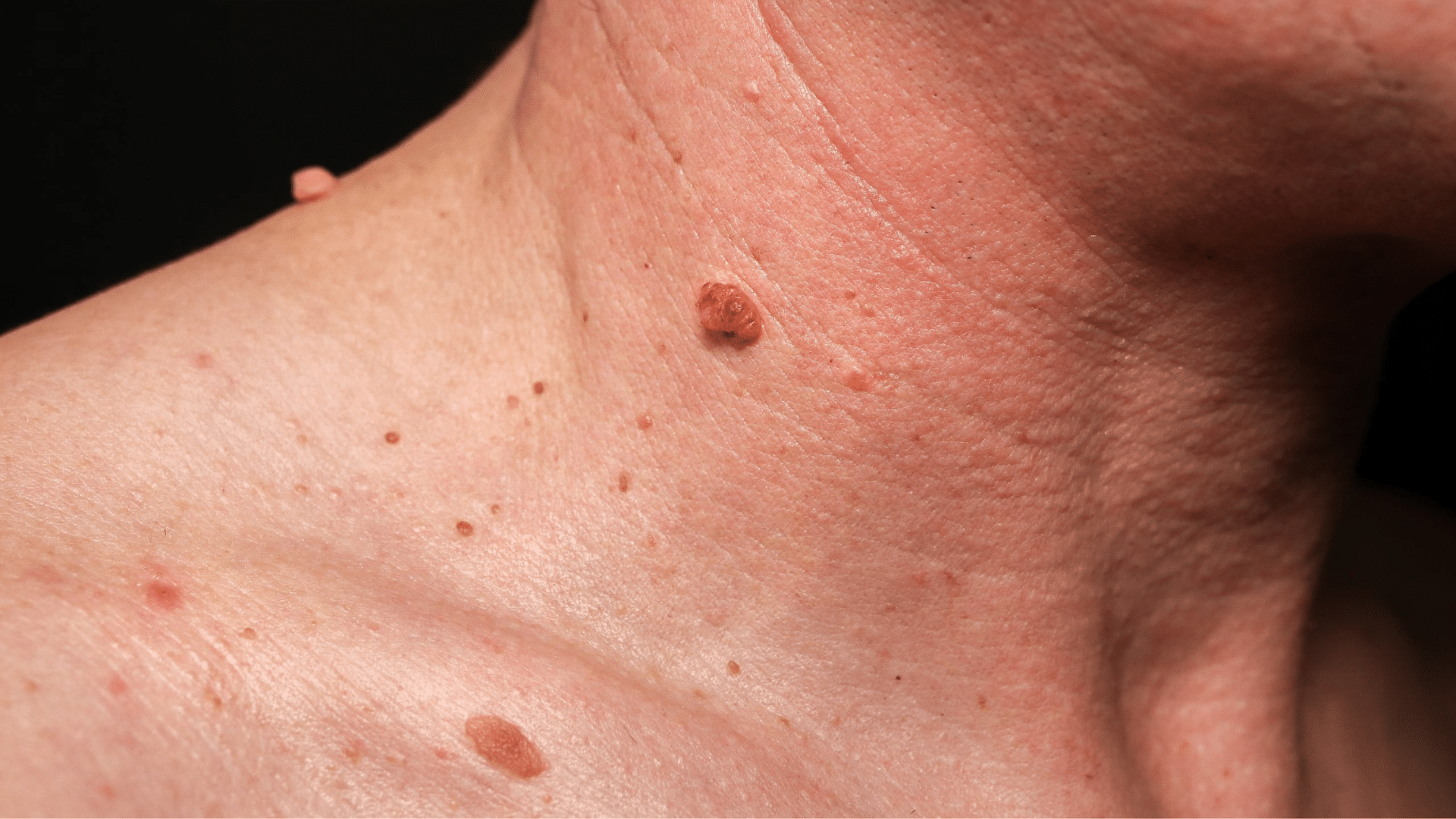
Skin tags themselves are not dangerous. They won’t harm your health in most cases.
But there are some risks you should know about before trying to remove them at home.
Infection Risk
Removing skin tags at home can lead to infections. Bacteria can enter through the open wound.
Dirty tools or unwashed hands make this worse. Signs of infection include redness, swelling, and pus. If you notice these symptoms, see a doctor right away.
Clean tools and proper aftercare reduce this risk.
Bleeding Issues
Skin tags have blood vessels running through them. Cutting or tying them off can cause bleeding.
Some people bleed more than others. The bleeding usually stops quickly with pressure. But if it doesn’t stop after ten minutes, seek medical help.
People on blood thinners face higher bleeding risks.
Scarring Problems
Improper removal can leave permanent scars on your skin.
The scar might be darker or lighter than surrounding areas. Some scars become raised or bumpy. Skin tags on visible areas like the face need extra care.
Professional removal reduces scarring chances. But home methods can work if done correctly and carefully.
Pain and Discomfort
Some removal methods cause pain during the process. Freezing treatments can sting or burn.
Tying off a skin tag hurts as it dies. The area might stay sore for several days afterward. Over-the-counter pain relievers can help.
But if pain is severe or lasts long, contact your doctor immediately.
How to Remove Skin Tags in One Night Naturally?
Removing skin tags overnight requires fast-acting methods.
The most effective approach is tying off the skin tag with dental floss or thread. This cuts off blood supply to the tag.
Without blood flow, the tissue dies and falls off. However, this is not safe and should be done after consulting a doctor.
Another quick method uses tea tree oil applied directly to the tag. Some people get results with apple cider vinegar soaked on a cotton ball.
Over-the-counter freezing kits also work fast. These methods may cause the tag to darken and drop off within 24 hours.
But this method is not fool proof.
Home Remedies for Skin Tag Removal
Home remedies work well for most skin tags. They’re affordable and easy to try.
For those who enjoy at-home skincare treatments, incorporating these targeted solutions alongside your regular routine can address multiple skin concerns effectively.
1. Tea Tree Oil
Tea tree oil is a natural antiseptic with strong properties. Apply it directly to the skin tag three times daily.
Use a cotton swab for precise application. The oil dries out the tissue over time. Most people see results within two weeks.
Some tags fall off sooner. Always dilute it with coconut oil if you have sensitive skin.
2. Apple Cider Vinegar
Apple cider vinegar breaks down skin tag tissue naturally. Soak a cotton ball in the vinegar.
Place it on the tag and secure with a bandage. Leave it overnight and remove in the morning. Repeat this process daily.
The skin tag will darken and eventually fall off. This usually takes one to two weeks to work completely.
3. Banana Peel Method
Banana peels contain enzymes that dry out skin tags. Cut a small piece of banana peel. Place the inside part against the tag.
Secure it with medical tape before bed. The enzymes work while you sleep. Remove the peel in the morning. Do this every night for several weeks.
The tag should shrink and drop off naturally.
4. Garlic Paste
Garlic has natural compounds that break down unwanted tissue. Crush fresh garlic to make a paste.
Apply it directly to the skin tag. Cover with a bandage to keep it in place. Leave it on overnight for best results. Wash it off in the morning.
The tag should fall off within a few days of treatment.
5. Castor Oil and Baking Soda
Mix castor oil and baking soda into a thick paste. This combination dries out the skin tag effectively.
Apply the paste to the tag twice daily. Cover it with a bandage each time. The mixture works by dehydrating the tissue.
Most skin tags fall off within two to four weeks. Keep the area clean between applications.
6. Vitamin E Oil
Vitamin E oil softens the skin tag over time. It makes the tag easier to remove.
Apply the oil directly three times per day. Gently massage it into the tag. The oil weakens the connection to your skin.
After a few weeks, the tag should come off. This method works best on smaller tags.
7. Lemon Juice
Lemon juice contains citric acid that dissolves skin tags. Apply fresh lemon juice with a cotton ball.
Let it dry naturally on the tag. Do this two to three times daily. The acid works by breaking down cells. The tag will dry out and fall off.
This method takes about two to three weeks to complete.
When Should You Not Go for Home Remedies?

Home remedies aren’t safe for everyone. Skip them if the skin tag is on your eyelid or near your eye.
The sensitive skin there can get damaged easily. Also avoid home treatments if the tag is very large or bleeds easily.
People with diabetes should see a doctor instead. Their wounds heal slower and get infected more often.
If you’re unsure whether a growth is really a skin tag, don’t treat it yourself. Strange colors, rapid growth, or unusual pain mean you need professional help.
Pregnant women should also consult their doctor before trying any removal method at home.
Surgical Procedures that Remove Skin Tags
Sometimes home remedies don’t work or aren’t appropriate for your situation. Medical professionals offer several safe removal options.
These procedures are quick and done in a doctor’s office. Here are the main surgical methods doctors use.
Cryotherapy (Freezing)
Cryotherapy uses liquid nitrogen to freeze the skin tag. The extreme cold destroys the tissue instantly.
The doctor applies the liquid with a spray or cotton swab. The tag turns white and dies within minutes. It falls off after a few days.
This method leaves minimal scarring. The procedure takes less than five minutes to complete.
Electrocautery (Burning)
Electrocautery burns off skin tags using electrical current. The doctor uses a special heated needle or wire.
The heat seals blood vessels as it removes tissue. This prevents bleeding during the procedure. The burned area forms a scab that heals quickly.
Local anesthesia numbs the area first. Most patients feel only slight discomfort during treatment.
Surgical Excision (Cutting)
Surgical excision involves cutting the skin tag with a scalpel. The doctor numbs the area with local anesthesia first.
They cut the tag at its base. Stitches are rarely needed for small tags. The doctor applies pressure to stop any bleeding.
A bandage covers the wound afterward. This method works best for larger skin tags.
Ligation (Tying Off)
Ligation cuts off blood supply to the skin tag. The doctor ties surgical thread around the base tightly.
Without blood flow, the tag dies and falls off. This process takes several days to complete. The method is painless after numbing medication.
It’s commonly used for tags with thin stalks. No cutting or burning is involved in this procedure.
Laser Removal
Laser removal uses focused light beams to destroy skin tags. The laser vaporizes the tissue without touching your skin.
This method causes very little bleeding or scarring. It’s ideal for removing multiple tags at once.
The procedure is quick and relatively painless. Doctors often use it for tags on the face. Recovery time is shorter than other methods.
What is the Recovery Time of Skin Tags?
Recovery time depends on the removal method you choose.
Home remedies like tea tree oil or apple cider vinegar take one to three weeks to work completely. The skin tag falls off and the area heals within days after that.
Medical procedures offer faster results. Cryotherapy and electrocautery sites heal in seven to ten days.
Surgical excision might take two weeks for full recovery. Laser removal heals the quickest, often within five to seven days.
Skin Tag Removal Care Tips
After removing a skin tag, proper care helps healing. Good aftercare prevents infection and reduces scarring.
- Keep the area clean by washing it gently with mild soap and water twice daily
- Apply an antibiotic ointment to the removal site for the first few days to prevent infection
- Cover the wound with a clean bandage until it forms a scab and starts healing
- Avoid picking at scabs or touching the area with dirty hands during the healing process
- Watch for signs of infection like increased redness, swelling, pus, or unusual warmth around the site
- Stay out of direct sunlight and use sunscreen on the healed area to prevent dark spots
When to See a Doctor About Skin Growths?
See a doctor if a skin growth changes color, shape, or size quickly. Bleeding without injury is another warning sign.
Growths that are painful, itchy, or inflamed need medical attention. If you have many skin tags appearing suddenly, get checked for diabetes.
Large skin tags or ones in sensitive areas require professional removal. Don’t treat growths on your eyelids yourself.
Any bump that looks irregular or has multiple colors could be serious.
If you’re unsure whether it’s a skin tag or something else, always consult a dermatologist. Early detection of skin problems prevents complications later.
Warts vs Skin Tags
People often confuse warts with skin tags. But these two skin growths are quite different.
| Feature | Skin Tags | Warts |
|---|---|---|
| Cause | Friction and rubbing of skin | Viral infection (HPV) |
| Appearance | Soft, hanging flesh-colored bumps | Rough, raised bumps with black dots |
| Texture | Smooth and soft to touch | Hard and rough surface |
| Location | Neck, armpits, groin, eyelids | Hands, feet, fingers, face |
| Attachment | Connected by thin stalk | Flat against skin surface |
| Contagious | No, cannot spread to others | Yes, can spread through contact |
| Pain Level | Painless unless irritated | Can be painful, especially on feet |
| Color | Flesh-colored or slightly darker | Grayish, brown, or skin-colored |
| Growth Pattern | Appear individually or in small groups | Often appear in clusters |
| Removal | Easy to remove at home | Requires stronger treatment methods |
Wrapping Up
Skin tags are common and harmless growths that bother many people. You now know several safe methods to remove them at home.
But remember, not every bump is a skin tag. If you’re unsure, see a doctor first. Large tags or ones in sensitive spots need medical care. Watch for warning signs like bleeding, color changes, or pain.
Take care of the area after removal. Keep it clean and covered. Most tags heal within two weeks.
Start your treatment today and feel confident in your skin again.
Frequently Asked Questions (FAQ’s)
Can a Person Cut Off a Skin Tag with Nail Clippers?
No, cutting skin tags with nail clippers is dangerous. It causes heavy bleeding, infection risk, and scarring. Always use sterile medical tools instead.
Do Skin Tags Spread on The Body?
No, skin tags don’t spread like infections. They’re not contagious. New ones form due to friction, aging, or hormonal changes in different body areas.
Can Skin Tags Come Back After Treatment?
Yes, skin tags can grow back in the same spot if not removed completely. New ones may also form elsewhere due to ongoing friction.