
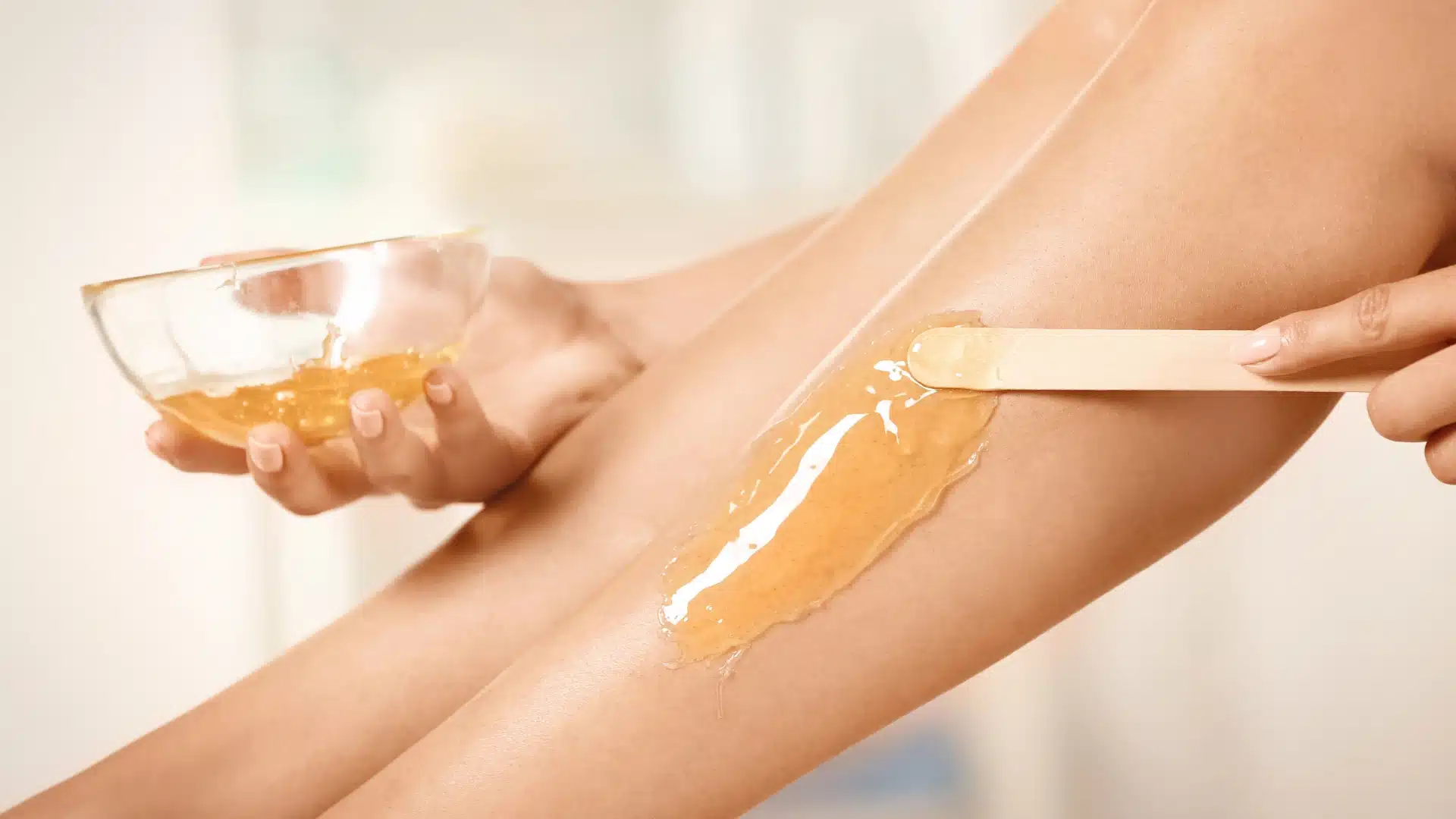
Ever wonder why some people stay smooth for weeks after waxing, while others see hair pop back in days?
It’s not random. Several things decide how long waxing results really last. Hair growth cycle, skin type, and aftercare all play a role.
This blog explains what affects the duration of waxing results, so readers know what to expect and how to stretch those days a bit longer.
How Long Does Waxing Last?
Waxing results usually last between three and six weeks. The exact time depends on the body area and hair type. Legs and arms often stay smooth for about four to six weeks.
The underarms and bikini area tend to grow back faster, closer to three to four weeks. Facial hair, like on the upper lip, may return within two to three weeks.
This happens because facial hair grows quicker than hair on other parts of the body. Everyone’s hair grows at a different pace, so results can vary from person to person.
Still, most people notice smoother skin for at least three weeks after a wax.
Factors That Affect Hair Regrowth After Waxing

Not everyone’s hair grows back at the same speed after waxing. Several personal factors decide how fast or slow regrowth happens.
Genetics
Hair growth patterns often run in families. Some people naturally have fast-growing hair, while others see slower regrowth.
This is passed down through genes. So if a parent has quick hair growth, their child may notice similar results after waxing, regardless of the technique used.
Hormones
Hormonal changes affect how fast hair grows back. Pregnancy, puberty, and conditions like PCOS can speed up regrowth.
Hormones control hair follicle activity, so any shift in hormone levels can shorten or extend how long waxing results last.
Area of the Body
Different body parts grow hair at different speeds. Facial hair and underarms usually grow back faster than legs or arms.
This happens because hair growth cycles vary by location. Areas with quicker cycles may need more frequent waxing to stay smooth for longer.
Hair Thickness and Length
Thicker, coarser hair often grows back sooner than fine hair. Hair length also matters, since longer hair may have already started a new growth cycle.
This is also tied to how long hair should be to wax, since length affects how well the wax grips it. Thinner hair tends to take a bit longer to become visible after being removed from the root.
Waxing Frequency
Waxing regularly over time can slow down hair growth. This happens because repeated waxing weakens hair follicles.
People who wax often may notice thinner hair and longer gaps between sessions compared to those who wax less frequently.
Does Waxing Help with Strawberry Legs?
Waxing can genuinely help with strawberry legs, and often more than shaving does.
Because waxing pulls hair out from the root rather than cutting it at the surface, hair regrows finer and blunt-free, which reduces strawberry legs.
It also exfoliates the skin’s top layer as the wax is removed, lifting away dead skin cells and trapped debris from pores, so pores appear less clogged and less noticeable.
That said, waxing isn’t a total fix; it works best alongside regular exfoliation, moisturizing, and sometimes ingrown-hair treatments, since pore size and skin texture also play a role.
Habits that Will Make Waxing Easy and Long Lasting
Waxing doesn’t have to be a dreaded chore; with the right habits, it becomes quicker, less painful, and the results last far longer between sessions.
A little prep and aftercare go a long way toward smoother skin and fewer ingrown hairs.
1. Let Hair Grow to the Right Length
Hair should be about ¼ inch long (roughly 2 weeks of growth) before waxing.
Too short and the wax can’t grip it properly, leading to breakage instead of full removal; too long makes the process messier and more painful than necessary.
2. Exfoliate a Day or Two Before
Gently scrub the area 24–48 hours prior to waxing to remove dead skin cells.
This helps lift trapped hairs closer to the surface, allows the wax to adhere better, and significantly reduces the risk of painful ingrown hairs afterward.
3. Avoid Sun Exposure Beforehand
Skip tanning, sunbathing, or tanning beds for at least 24–48 hours before your appointment.
Sunburned or overly sensitive skin reacts poorly to waxing, increasing irritation, redness, and the chance of lifting skin along with the wax.
4. Keep Skin Taut During the Process
Whether waxing yourself or visiting a professional, stretching the skin taut helps the wax grip hair more effectively and reduces pain.
Loose skin can cause bruising, uneven removal, and unnecessary tugging that leaves skin sore.
5. Moisturize Generously After
Once waxing is done, apply a fragrance-free, soothing moisturizer or aloe vera to calm the skin.
This reduces redness, prevents dryness, and helps skin heal faster, keeping it soft and smooth for longer.
6. Avoid Hot Showers and Sweat Right After
Skip hot showers, saunas, swimming, or intense workouts for 24 hours post-wax.
Open pores are more vulnerable to bacteria and irritation immediately afterward, so keeping skin cool and clean prevents breakouts and infections.
7. Exfoliate Regularly Between Sessions
Continue gentle exfoliation 2–3 times a week between waxes.
This prevents dead skin buildup, keeps ingrown hairs at bay, and ensures new hair grows in finer and straighter, making each future wax easier.
Why Does Waxing Last Longer Than Shaving?
Shaving only cuts hair at the skin’s surface, so it grows back within days. Waxing pulls hair out from the root.
This means hair takes much longer to grow back, since it has to start a fresh hair growth cycle.
- Anagen Phase: This is the active growth stage. Hair is firmly attached to the root here, so waxing removes it completely and delays regrowth for weeks.
- Catagen Phase: During this short stage, hair growth slows down, and the follicle begins to shrink. Hair removed now takes longer to return.
- Telogen Phase: This is the resting stage before hair sheds naturally. Waxing hair in this phase leads to the longest smooth results overall.
Does Waxing Reduce Hair Growth Over Time?
Yes, waxing can reduce hair growth over time, and there’s a real reason behind it. Each time hair gets pulled from the root, the follicle takes a small hit.
Repeated waxing weakens these follicles bit by bit. Over months and years, this often means thinner, sparser hair that grows back slower than before.
It’s not an overnight change, but people who wax consistently do notice this shift. So while one wax won’t stop hair growth completely, sticking with it long term genuinely makes a difference.
The Bottom Line
So, how long does waxing last? On average, results stick around for three to six weeks, depending on the body area and personal factors like genetics and hormones.
Having information on how long hair should be before waxing helps get the best results each time. And yes, waxing reduces hair growth over time with regular sessions.
The key takeaway is that consistency and proper preparation make all the difference.
Anyone looking for longer-lasting smooth skin should book their next appointment on time and follow good aftercare habits.
Frequently Asked Questions (FAQs)
1. Do Gynecologists Recommend Waxing Before Appointments?
Gynecologists don’t require waxing before visits. It’s a personal choice. Many people feel more comfortable with less hair, but hygiene matters more than hair removal.
2. Why is Gen Z Moving Away from Regular Waxing?
Many Gen Z individuals prefer natural body hair or minimal maintenance. Social media has normalized this shift, making waxing a personal choice rather than an expectation.
3. Do Celebrities Prefer Shaving Over Waxing?
Celebrities often choose both, depending on their schedule. Waxing offers longer-lasting smoothness, while shaving works well for quick touch-ups.






One Response
test