Your pillowcase is touching your face and hair for 7–8 hours every night. And the wrong pillowcase can cause frizzy hair, dry skin, and restless sleep.
And the right one can help you improve your hair, skin, as well as sleep quality.
You’ve probably heard that satin vs silk pillowcase are both good for you. But which one actually wins?
Let’s find out.
Satin and Silk: What Separates the Two?
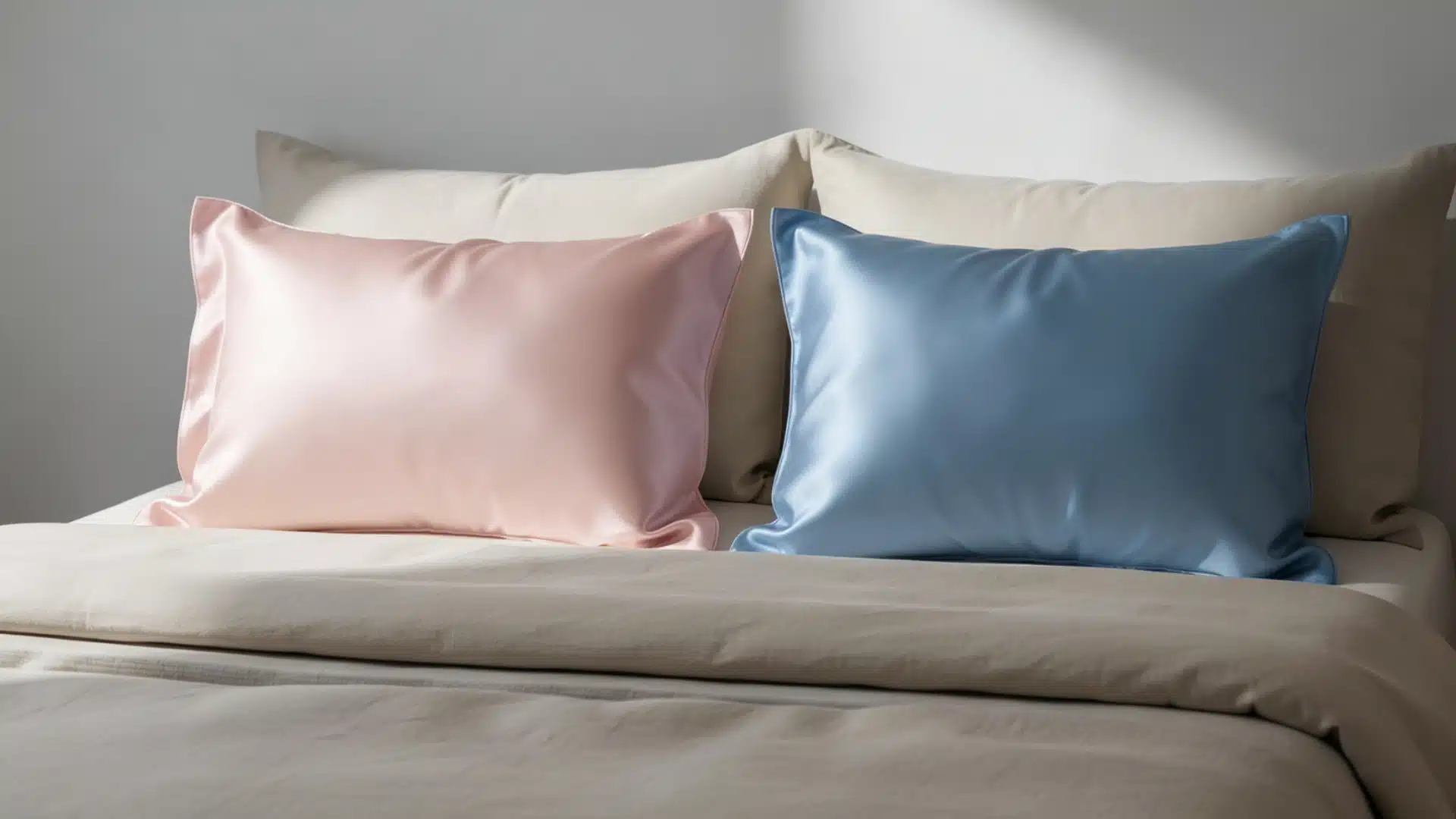
The common misconception among people is that satin and silk are the same thing, as they look and they feel alike.
But silk is a natural fiber. It comes from silkworms and has been used as a natural resource for thousands of years.
Satin, on the other hand, is not a material, it is a weave structure.
That weave can be made with polyester, nylon, or even silk. And that gives it a smooth, slippery surface that looks a lot like silk.
But the material underneath that smooth finish matters a lot.
It affects how well the fabric breathes, how long it lasts, and what it actually does for your hair and skin overnight.
Is Silk or Satin Better for Hair?
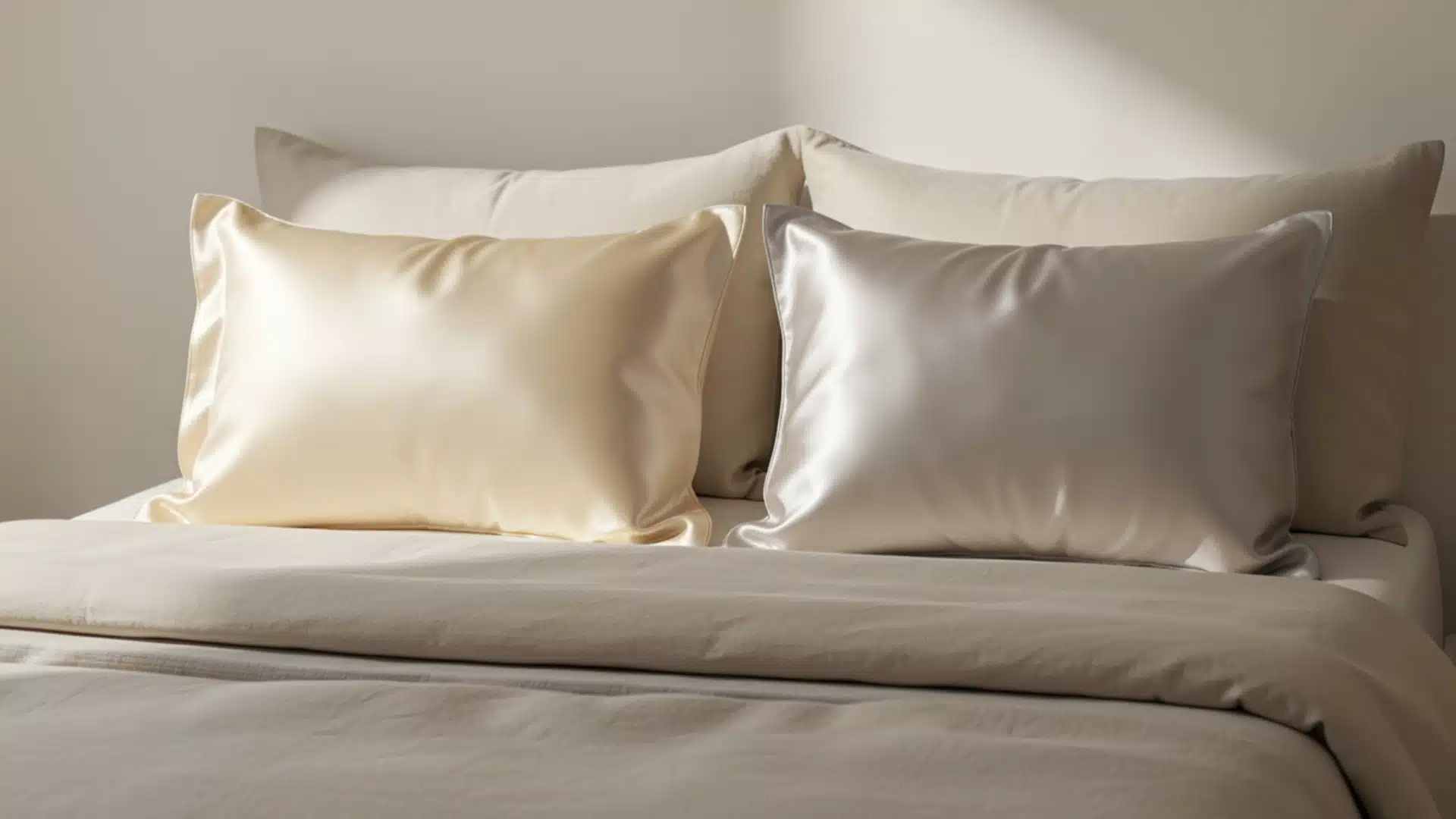
To determine the real winner between them, a few key factors should be considered.
1. Friction and Hair Breakage
Silk wins here by a mile. Its naturally smooth surface creates very little friction against your hair strands.
Less friction means less pulling, less snapping, and less breakage overnight.
Satin is also low-friction, but silk’s natural protein structure is defined by silk fibroin, a fibrous protein characterized by an amino acid sequence of glycine, alanine and serine.
This gives it a slight edge for finer or more fragile hair.
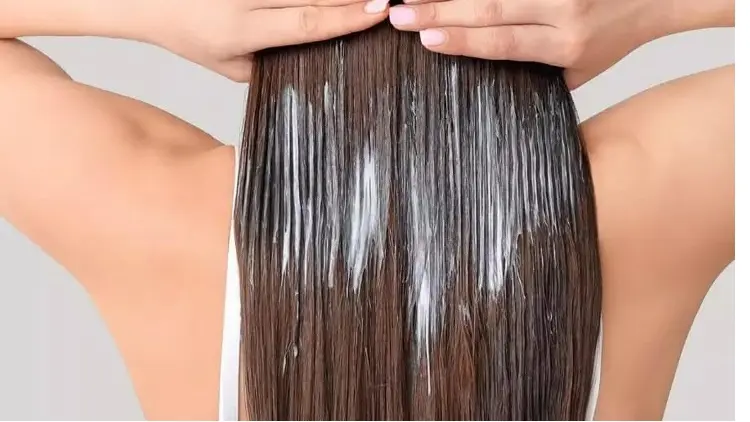
If friction damage has already left your hair feeling brittle and snapped, try a weekly deep conditioning mask with coconut oil or argan oil.
2. Frizz Reduction
Both materials reduce frizz compared to cotton, but silk pulls ahead of satin in this.
It has a naturally smooth weave that lets hair glide without roughing up the cuticle. Satin does a solid job, especially polyester satin.
But silk has an edge here because of its natural composition.
3. Moisture Retention
Silk, again, is the clear winner. It is a natural fiber that does not pull moisture away from your hair while you sleep.
If dry or chemically treated hair is your concern, silk helps keep your strands more hydrated throughout the night.
If your hair has been feeling dry and straw-like from sleeping on the wrong fabric, try applying a small amount of leave-in conditioner to your ends each night before bed.
4. Tangles and Bedhead
Both satin and silk are equal here.
Waking up with fewer tangles is something both deliver well, especially for thick or curly hair. Either option is a solid upgrade over a rough cotton pillowcase.
5. Cost vs. Benefits
For some people, the cost vs benefits is always the deciding factor in choosing between a satin vs silk pillowcase.
| Factor | Silk Pillowcase | Satin Pillowcase |
|---|---|---|
| Average Price | $50–$100+ | $10–$30 |
| Breathability | High | Low to Moderate |
| Durability | High with Care | Moderate |
| Hair Benefits | Excellent | Good |
| Best For | All Hair Types, Fine or Fragile Hair | Budget-Friendly Everyday Use |
The Real Question: Does Your Hair Type Prefer Satin or Silk?
Even though silk is a common winner in the satin vs silk pillowcase battle, it’s important to consider the fact that not every hair type responds the same way to these fabrics.
Your curl pattern, thickness, and hair health all play a role in what works best for you.
Curly or Coily Hair
Both satin and silk work well here.
They reduce friction and help preserve your natural curl pattern while you sleep, keeping coils from getting crushed or stretched out overnight.
Fine Hair
Silk tends to be the better pick for fine hair.
Its surface is slightly gentler, which helps reduce the small amounts of friction that can still cause breakage.
Dry or Damaged Hair
If your hair is dry or already stressed, silk is the smarter option.
It breathes better and does not strip moisture from your strands the way polyester satin can.
Thick or Straight Hair
Thick or straight hair is generally more resilient and does not need the added benefits that silk brings.
Hence, satin takes the lead here, as it provides better protection against friction and tangles.
Your Skin Has a Favorite Too: Satin vs Silk for Overnight Comfort
This might come as a surprise to you, but your hair is not the only thing that benefits from a better pillowcase.
Your skin feels the difference too.
Sleeping on a smooth surface reduces the tugging and pulling that cause sleep creases.
Neither satin nor silk can erase wrinkles, but both cut down on the nightly friction that leads to skin irritation and those temporary lines you wake up with.
For sensitive skin, silk stands out.
It is naturally breathable, regulates temperature well, and does not pull moisture away from your face overnight.
Satin does reduce friction and feels smooth, but polyester satin traps heat and sits less gently against the skin.
If overnight skin comfort is a priority for you, silk is simply the better investment.
Beyond Pillowcases: Are Satin and Silk Eye Masks Worth It?
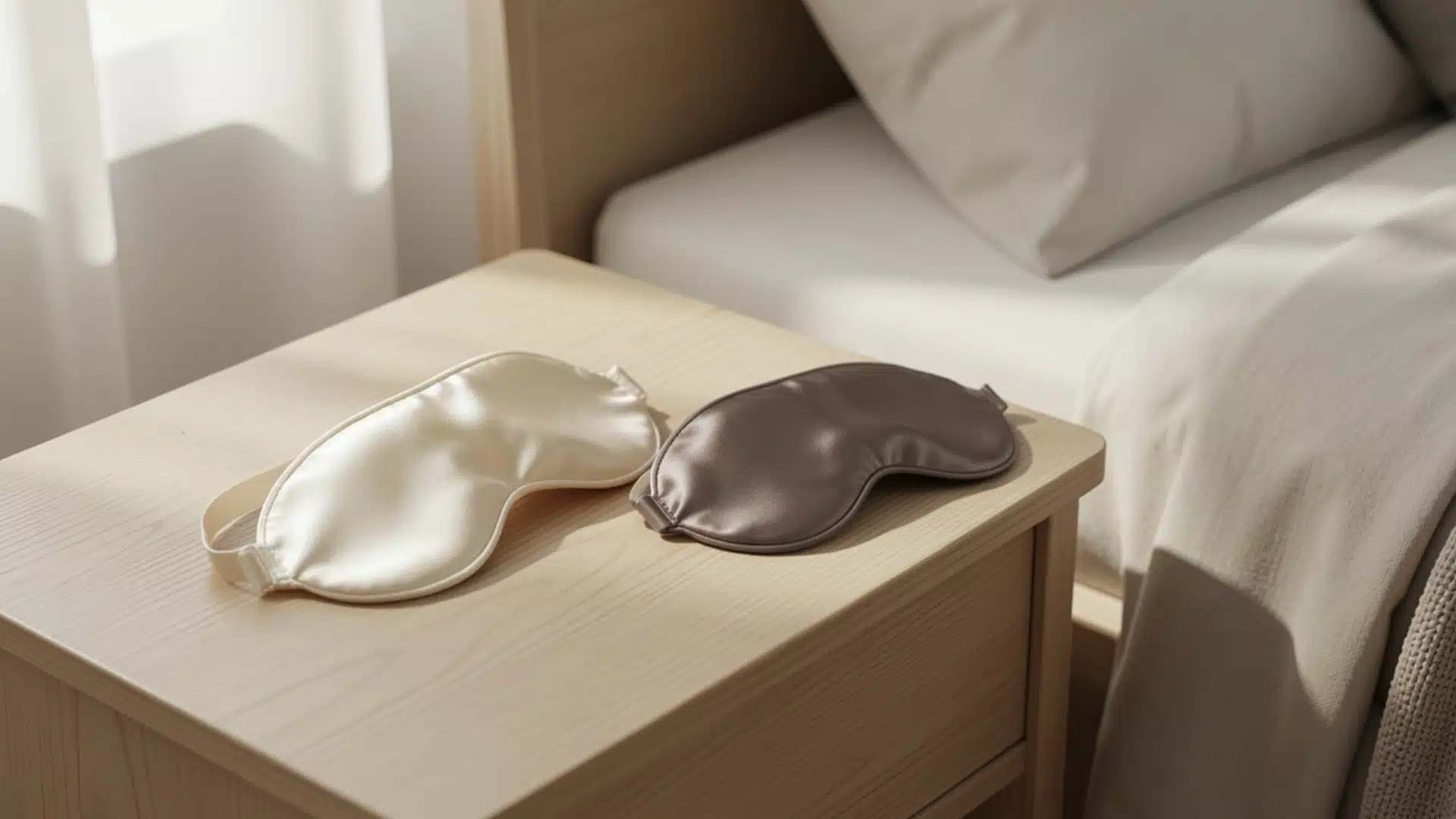
In this hair-and-skin debate, eyes are something that gets overlooked. But the fabric touching the skin around your eyes all night actually matters more than you think.
As always, silk is the better choice for eye masks.
The skin around your eyes is thin and sensitive, and its natural, breathable fabric sits gently against it without causing irritation or pulling.
Satin eye masks work too, but polyester satin can feel slightly rough on that area over time.
If you have already invest in a silk pillowcase, pairing it with a silk eye mask just makes sense. It’s good for the eye and the matching looks is a cherry on the top.
Which Silk Helps You Sleeping Better or Satin?
When it comes to sleep comfort, both silk and satin have a clear edge over regular cotton. But they work a little differently.
Silk is a natural fiber. It regulates temperature well, keeping you cool in summer and warm in winter. That makes it a great choice for people who sleep hot or cold.
Satin, on the other hand, is usually made from polyester. It stays smooth and cool to the touch, but it doesn’t breathe as well as silk does.
Both fabrics feel soft against your skin.
But if you want a more comfortable, sweat-free night’s sleep, silk tends to win. Satin is still a solid option, though, especially if budget matters to you.
The Final Verdict
So, in this satin vs silk pillowcase debate, silk takes the win.
It breathes better, retains moisture, and sits more gently against both your hair and skin. But satin is not far behind.
If budget is a concern, a high-quality satin pillowcase still delivers real results.
Before choosing, always consider your hair type as well. Silk is the preferred option for most hair types, but satin is preferred for thick, straight hair.
So choose wisely, and decide who you want as your sleep buddy.
Frequently Asked Questions (FAQs)
1. Can Bed Bugs Live on Silk Sheets?
Yes, they can. Bed bugs live in your mattress and bedding regardless of fabric type. Silk does not repel or prevent them.
2. Do Dermatologists Recommend Silk Pillowcases?
Many do. Silk is gentle on sensitive skin, reduces friction, and does not strip moisture. It is a common recommendation for skin and hair care.
3. Can I Put 100% Silk in the Dryer?
No. Heat damages silk fibers quickly. Always air-dry silk pillowcases flat or hang them out of direct sunlight to keep them in good shape.