
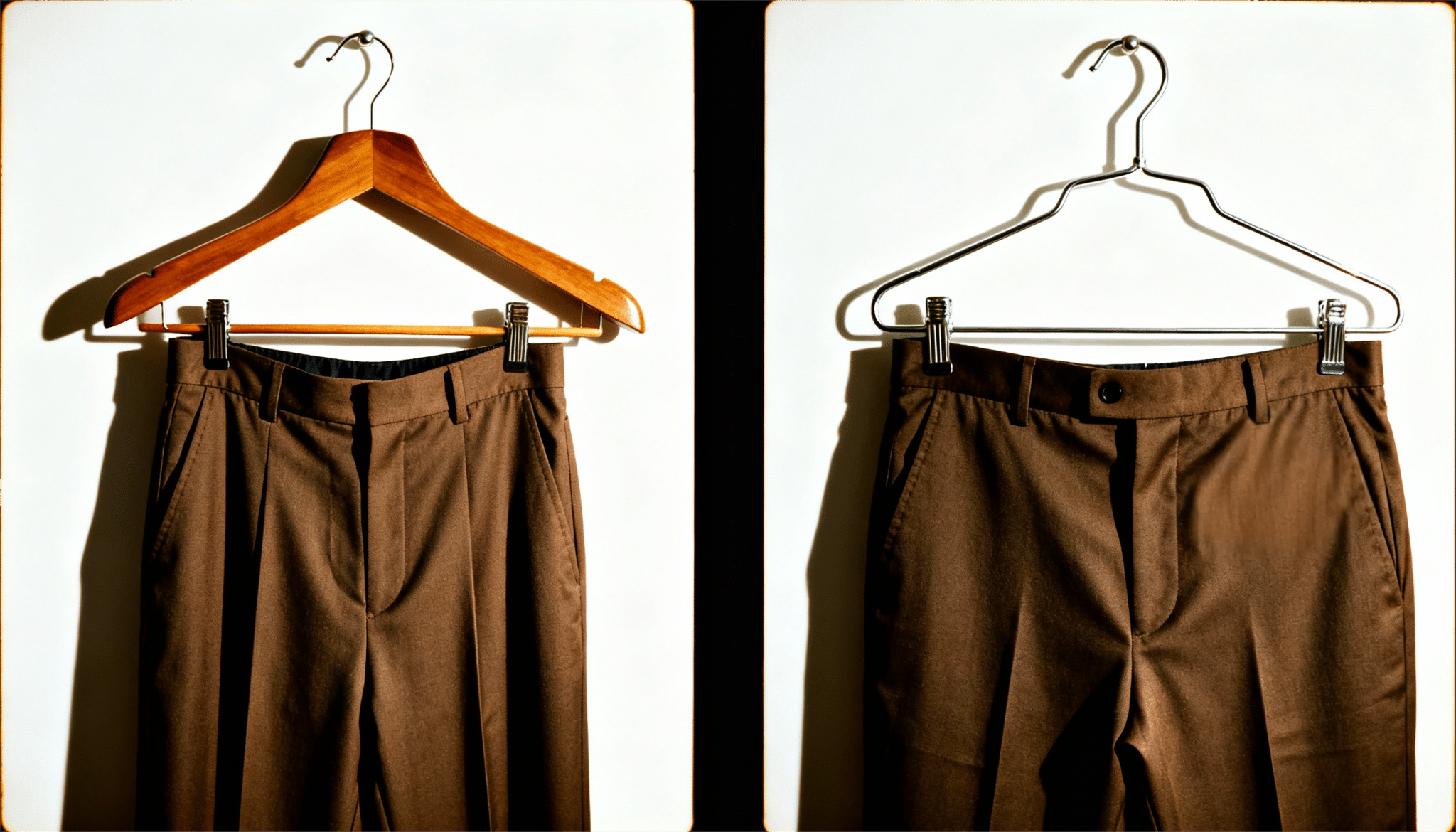
The words trousers and pants mean different things in different places. And using the wrong term can lead to some awkward moments.
I know it’s confusing.
Let’s know more about trousers vs pants and where to use which term.
What are Trousers?
Trousers are garments that cover both legs separately, running from the waist down to the ankles.
The word comes from the Irish “triubhas” and has been around since the 1600s. Back then, trousers were mainly worn by men, but that’s changed completely now.
They’re what most people outside North America call the bottom half of their outfit.
But in British English, Australian English, and many other English-speaking regions, “trousers” is the go-to term for any leg-covering clothing.
Jeans? Trousers. Chinos? Trousers. Dress pants for work? Still trousers.
What are Pants?
The word “pants” is actually short for “pantaloons,” a tight-fitting leg covering popular in the 1800s.
Pants mean completely different things depending on where you’re standing on the globe.
And that’s where the confusion starts.
In American English, pants are exactly what British people call trousers. They’re the outer garment covering your legs from the waist to the ankles.
Americans use “pants” for jeans, khakis, dress slacks, and any other leg-wear you’d wear in public.
In British English, pants are underwear. Yes, you read that right. When a Brit says “pants,” they’re talking about what Americans call underpants or boxers.
It’s the garment you wear under your trousers.
Trousers vs Pants: Quick Overview
Same clothing, different words based on location.
| Trousers | Pants (US) | Pants (UK) |
|---|---|---|
| Outer leg clothing | Outer leg clothing | Underwear |
| UK, Australia, Europe | USA, Canada | UK, Australia |
| Jeans, chinos, dress pants | Jeans, khakis, slacks | Boxers, briefs |
When to Use Which Term?
Geography determines meaning. Same word, totally different clothing items depending on your location.
Choosing the right term depends entirely on who you’re talking to and where you are. It’s not about which word is “correct.”
Both are valid in their respective regions.
Use Trousers When
- You’re in the UK, Australia, New Zealand, or most Commonwealth countries
- Writing for international audiences
- You want to sound more formal or British
- Shopping in European stores or reading British fashion magazines
Use Pants When
- You’re in the United States or Canada
- Talking to American audiences
- You want to sound casual and American
- Shopping at US retailers or reading American-style guides
While Shopping Internationally
When traveling or shopping internationally, pay attention to local terminology.
Asking for “pants” in a London shop might direct you to the underwear section. Similarly, saying “trousers” in an American mall might get you confused looks.
When shopping online, check the website’s origin.
British sites use “trousers” in their categories, while American sites list “pants.” This helps you find out product sections more easily.
Trousers vs Pants: Cultural Differences in Terminology
Language shapes how we see clothing, and this debate is a perfect example of English splitting into regional flavors.
The Atlantic Divide
British and American English are divided after the American Revolution.
While Britain kept “trousers” for outer legwear, Americans shortened “pantaloons” to “pants” and ran with it. This created one of the most confusing gaps in clothing vocabulary between the two cultures.
Beyond Just Two Words
The differences don’t stop at trousers and pants. There are terms for legwear.
| Item | British English | American English |
|---|---|---|
| Underwear | Pants, knickers (women) | Underpants, underwear |
| Athletic shorts | Shorts, sports shorts | Gym shorts, athletic shorts |
| Swimwear (men) | Swimming trunks, budgie smugglers | Swim trunks, board shorts |
| Formal wear | Suit trousers | Dress pants, slacks |
Australian and Canadian English
Australians generally follow British conventions but have their own slang. You might hear Australians say “dacks” for trousers or pants, adding another layer to the mix.
But Canadians use “pants” like Americans, but British influence means “trousers”, especially in formal contexts.
Trousers vs Pants for Ladies
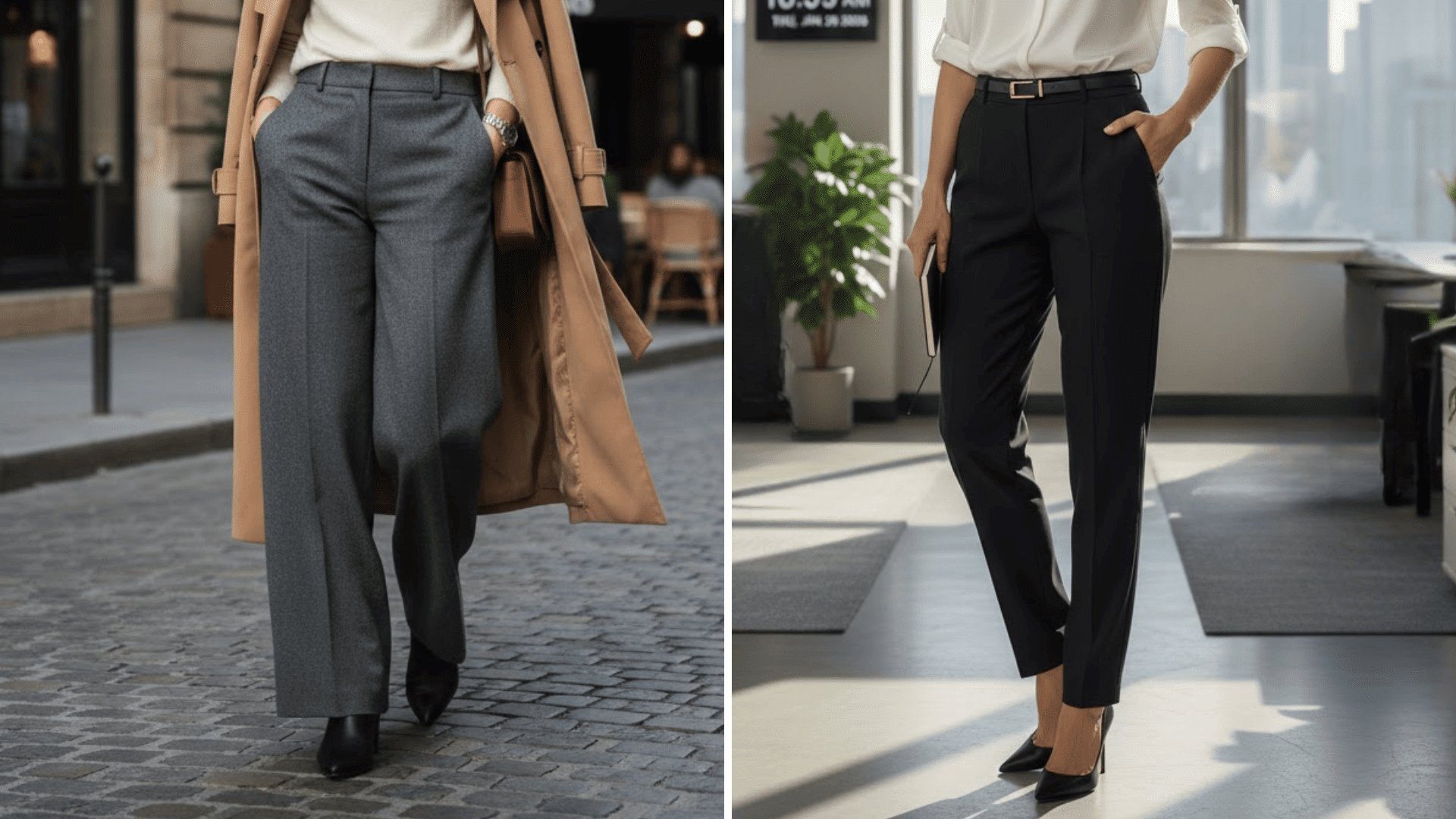
Women’s leg-wear follows the same terminological differences as men’s, just with extra style categories.
British women wear “trousers,” American women wear “pants”, as we know.
A woman in London shops for smart trousers for work, while her counterpart in New York looks for dress pants.
Different Women’s Styles
Women’s fashion includes more types of legwear that work across both dialects.
- Leggings: Tight, stretchy pants worn for exercise or casual outfits.
- Jeggings: Jean-style leggings that are part denim and stretch wear.
- Palazzo pants: Wide-leg, flowing trousers (Americans still call them “pants” despite the name)
- Capris: Cropped pants ending mid-calf, universally recognized.
- Culottes: Wide-leg cropped trousers that resemble a skirt.
Underwear Terminology for Women
The underwear confusion gets even more complex for women.
British women wear “knickers” or “pants” as underwear, while Americans say “panties” or “underwear.” This adds another layer to the trousers-and-pants fiasco.
Are Jeans Trousers or Pants?
Jeans are both; it depends on where you are.
In British English, jeans are a type of trousers made from denim. In American English, they’re a type of pants. The garment itself doesn’t change.
Both regions recognize “jeans” as the term for denim legwear, so everyone understands.
But if you’re being more general, British speakers say “I’m wearing trousers,” while Americans say “I’m wearing pants,” even when those trousers or pants are jeans.
Influence of Global Media
Global media is blurring the lines between trousers and pants, though regional preferences remain strong.
American Media Dominance
Hollywood films, TV shows, and streaming platforms have spread American terminology worldwide.
Young people in Britain, Australia, and other Commonwealth countries use “pants” after growing up watching American content.
British Influence in Fashion
British fashion magazines, designers, and retail brands keep “trousers” alive in global fashion vocabulary.
Publications like Vogue UK and brands like Burberry consistently use “trousers,” backing the term’s association with style and culture.
Social Media’s Role
Instagram, TikTok, and YouTube create a mixed linguistic environment.
Fashion influencers from different countries use their local terms, exposing audiences to both versions. A British creator might say “trousers” while an American uses “pants” in the next video you watch.
Trousers vs Pants vs Slacks vs Chinos
“Trousers” and “pants” mean the same thing but in different countries. “Slacks” and “chinos” are types of pants or trousers.
| Term | What It Means | Where Used |
|---|---|---|
| Trousers | Any legwear from the waist to the ankles | UK, Australia, Europe |
| Pants | Any legwear from the waist to the ankles | USA, Canada |
| Slacks | Dressy, loose-fitting pants | Mostly USA |
| Chinos | Cotton pants, casual style | Everywhere |
Conclusion
So this was trousers vs pants, which are the same garment with different names.
Neither term is wrong. They’re just products of English’s evolution across different regions.
Understanding this difference helps you communicate clearly when traveling, shopping internationally, or chatting with friends from other countries.
Start paying attention to how people around you describe their clothing.
Do let us know what term you use, trousers or pants?