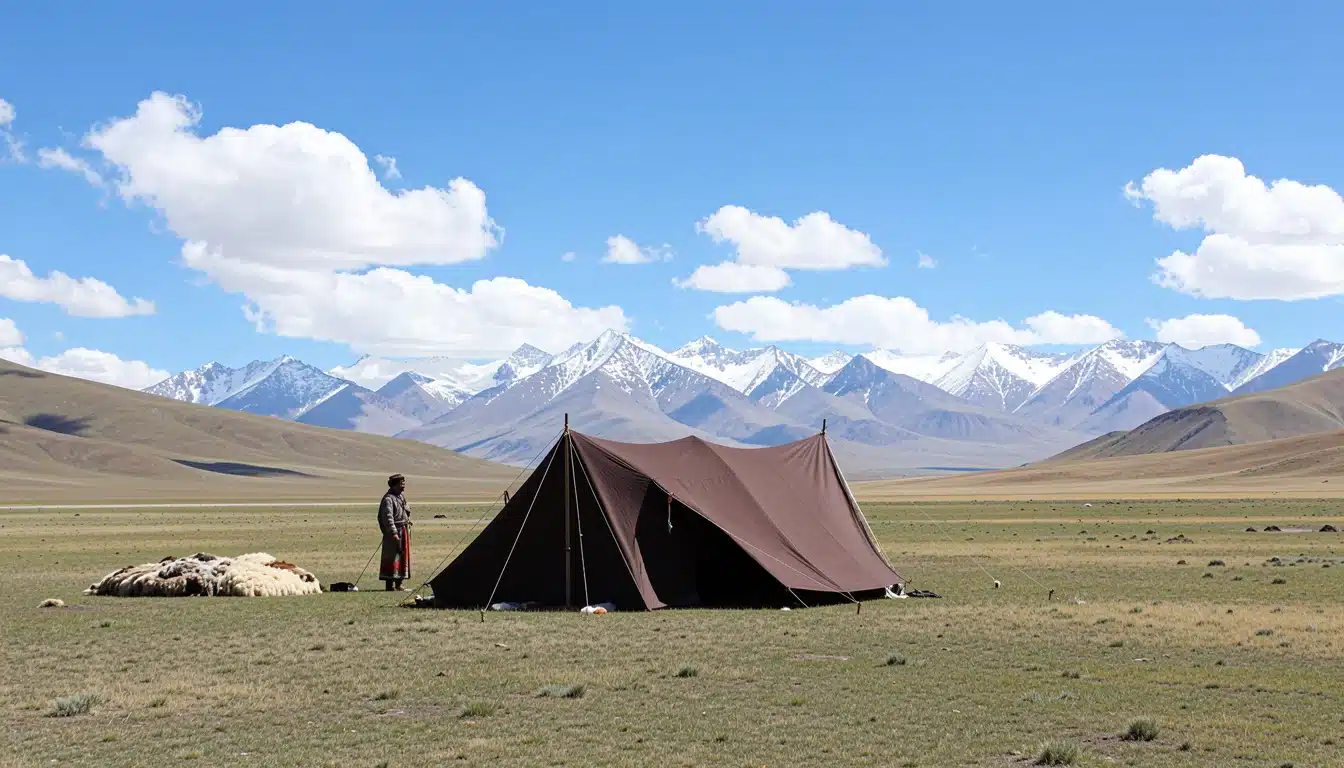
Some people wake up in a new city every few weeks and call it home for a while. Others never leave their hometown but still wonder what a nomad is and whether the word fits their own restless streak.
The idea sounds simple, yet it covers dozens of different ways to live, work, and get from one place to the next.
Freedom shows up a lot in these stories, but so do money worries, loneliness, and long nights figuring out visas or Wi-Fi.
Real stories, honest pros and cons, and steps for actually pulling this off make up what comes next.
What is a Nomad?
A nomad lives without one fixed address, moving from place to place instead of settling down for good. That flexibility sits at the center of the entire lifestyle.
Long before laptops and Wi-Fi passwords, whole communities lived this way out of necessity, following water, food, and grazing land for their animals.
Groups like the Bedouin built an identity around movement, treating it as a resource rather than a burden. Modern versions look different on the surface but share the same instinct.
A remote worker with a laptop carries forward what herders once practiced: staying mobile on purpose. The upside is real freedom and constant change.
The downside includes shaky income, distance from family, and the daily hunt for stable internet. Neither version is easy, and neither fits everybody.
The Many Faces of Nomadic Life
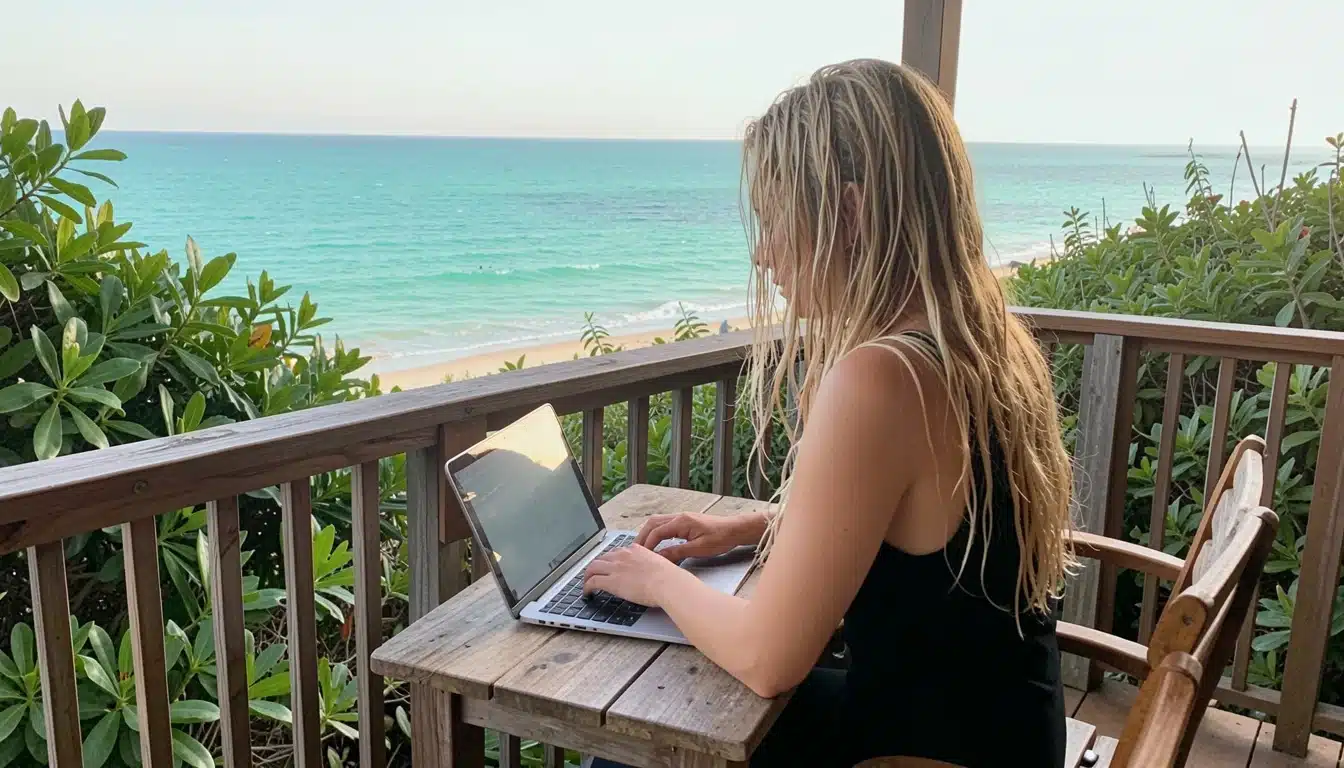
Nomadic living never followed just one script, and it still doesn’t today. Tribes, remote workers, and long-term travelers all answer the same restless pull in completely different ways.
Traditional and Tribal Nomads
Long before remote work existed, entire tribes moved by necessity rather than choice. Bedouin communities crossed deserts following water and grazing land for their herds.
Mobility wasn’t a lifestyle trend; it was survival, woven into family structure, trade, and even religious tradition passed down for generations.
Digital Nomads and Remote Workers
A newer wave swapped camels for laptops and deserts for coworking spaces. These workers stay connected online while changing locations every few weeks or months.
Some stick to one country, while others cross borders constantly.
Backpackers, Expats, and In-Between Travelers
Plenty of long-term travelers don’t fit neatly into either category above. A backpacker might start with a short trip and never quite go home.
Others settle into one foreign city for years, building a life abroad without ever calling themselves permanent residents there.
Retired Nomads
Some people wait until retirement to start this lifestyle, often after decades of planning around a pension or savings. A steady income back home removes the pressure to work while traveling.
Half-and-Half or Seasonal Nomads
Others split the year in two, working a seasonal job like ski instruction or hospitality, then traveling once the season ends.
This pattern offers steady income for part of the year and full freedom for the rest.
House-Sitting and Volunteer Nomads
A smaller group trades labor or property care for free housing, using platforms built for pet-sitting or farm work in exchange for a place to stay.
This route lowers the cost of entry significantly, though it demands more flexibility and less independence than paid travel.
What is a Nomadic Lifestyle?
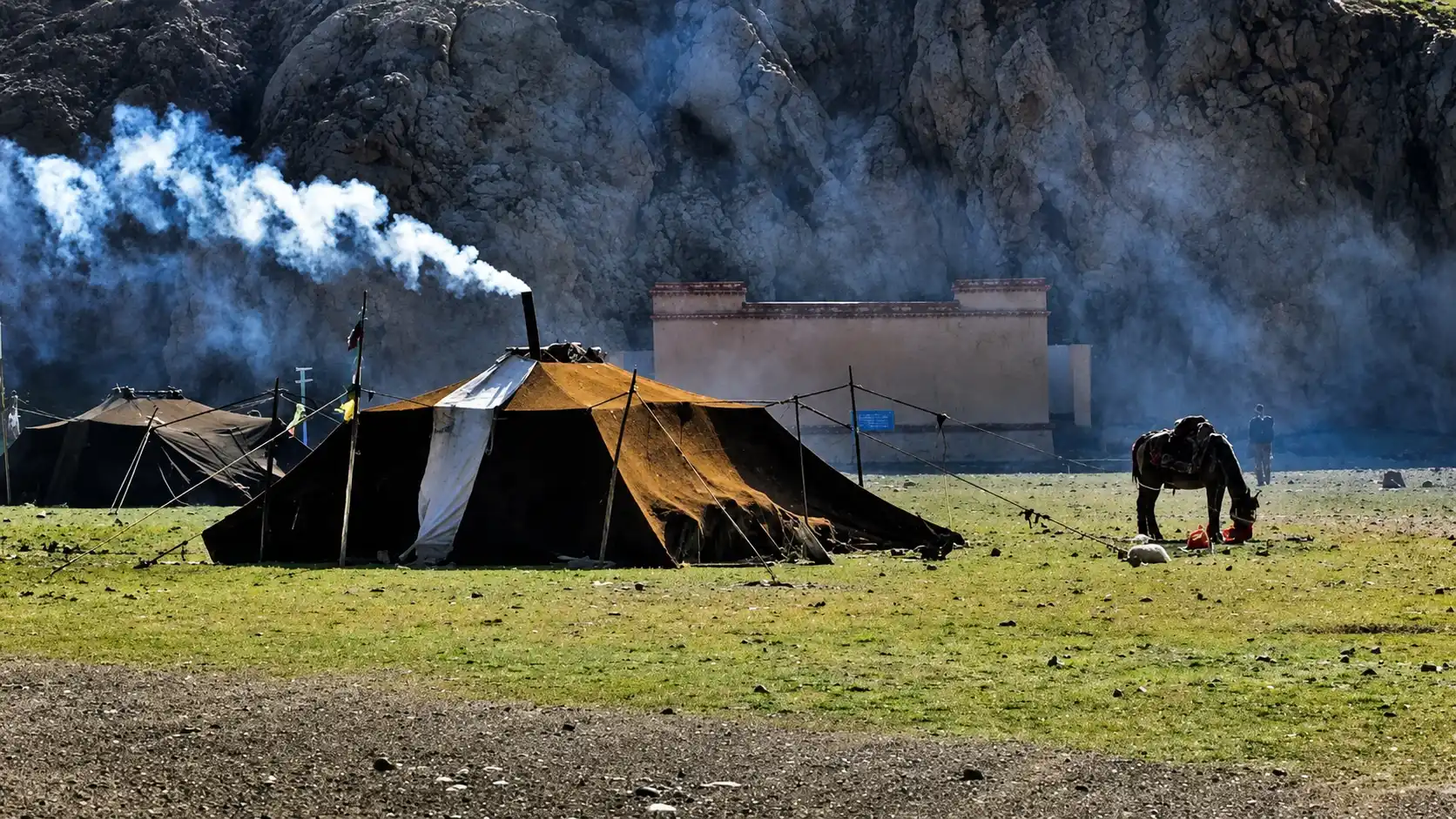
The theory behind nomads sounds simple enough on paper. Living it day to day is a different story entirely, and the gap between the two catches plenty of people off guard.
How Nomads Choose Where to Live?
Cost of living usually decides the first move, since a weak paycheck stretches further in some countries than others.
Visa rules matter too, since certain places welcome remote workers with open-ended stays while others cap visits at thirty days.
A Typical Day in A Nomad’s Life
A morning might start with checking a laptop battery before checking anything else.
Work hours get squeezed between errands, unfamiliar bus routes, and the search for a café that won’t kick anyone out for overstaying a coffee.
Some evenings bring a shared meal with other travelers. Other nights are just quiet, alone, and a little dull.
None of it looks like an endless vacation once bills and deadlines show up on schedule anyway. Nonstop travel wears a person down fast, no matter how polished the photos look from the outside.
Pros and Cons of Nomadic Life
Every upside in this lifestyle tends to carry a matching downside somewhere close behind. Weighing both sides honestly matters more than chasing the highlight reel alone.
| Pros | Cons |
|---|---|
| Freedom to choose where and how each day unfolds | Loneliness that creeps in faster than expected |
| Constant new scenery and fresh experiences | Unstable or unpredictable income |
| Boredom rarely settles in for long | Missing family events and milestones back home |
| Lower cost of living in many regions | Rising travel costs from visas and last-minute flights |
| Freedom from clutter and unnecessary belongings | Complicated or costly health coverage abroad |
| Flexible work hours and career independence | Unreliable Wi-Fi that sometimes costs more than rent |
Real Stories From the Road
One traveler spent time living alongside herding families in Mongolia, moving with them across wide stretches of open steppe.
Life there ran on the rhythm of livestock and seasons rather than calendars or contracts.
Motorbikes and solar panels have crept into daily routines by now, yet the core stays the same: movement as identity, not inconvenience.
Another traveler left home for what was meant to be a short teaching stint abroad and never quite settled back into old routines.
Years passed without a clear label for that kind of life, until a chance meeting with fellow long-term travelers finally put language to the experience.
Neither path started with a five-year plan or a tidy explanation. Both stories point to the same quiet truth: this lifestyle rarely gets chosen all at once. It tends to happen gradually, one extended trip at a time.
Why People Choose This Lifestyle?
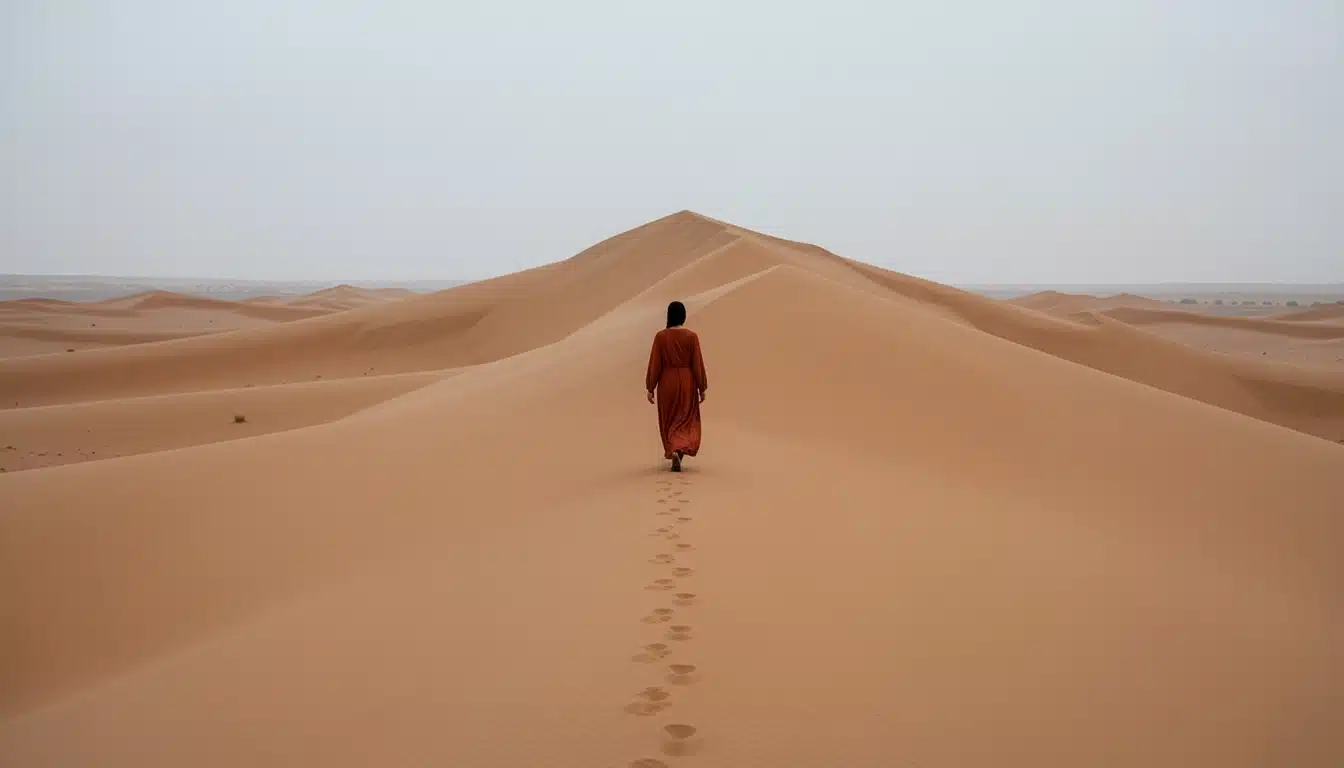
Reasons for leaving a fixed address rarely come down to just one thing. They tend to stack up slowly until staying put stops making sense.
1. Freedom and Flexibility
Waking up without a fixed schedule pulls plenty of people toward this kind of life. Choosing where to sleep, work, and eat without asking permission carries real weight.
2. New Cultures and New Connections
Unfamiliar places force fast adaptation, whether that means new customs or a few words of another language. Friendships form quickly on the road and often stick for years.
3. Simpler Living, Fewer Things
Carrying life in a suitcase forces hard choices about what actually matters. Owning less often brings unexpected relief rather than loss.
4. Remote Work and Career Freedom
A steady internet connection now replaces the office for a growing number of workers. That kind of career flexibility barely existed a generation ago.
Is This Lifestyle Right for You?
Not everyone thrives without a fixed address, and that has nothing to do with courage.
People who enjoy this life tend to handle uncertainty well and feel comfortable in unfamiliar surroundings rather than stressed by them.
Someone who values routine or needs a stable social circle nearby might find this lifestyle draining rather than freeing. Neither type is wrong.
A few honest questions help clarify things: Is there a way to earn income without being tied to one location?
Can a few months of expenses sit in savings as a buffer? Straightforward answers here reveal more than any amount of planning ever could.
Become a Modern Nomad
Turning this lifestyle from an idea into reality takes more planning than most travel does. A few clear steps make the shift less overwhelming.
Build an Income You Can Take Anywhere
Freelancing, remote employment, or a small online business all work, as long as a laptop and Wi-Fi are enough to get paid.
Plan Your Budget and Must-Haves
Health insurance and an emergency fund come first, before flights or gear get booked. Costs shift a lot by country, so a rough monthly budget helps avoid surprises.
Start Slow, Then Go Further
A short trial trip, even just a few weeks somewhere new, tends to answer questions no amount of research can.
Jumping straight into a year abroad without testing one month first often backfires.
Join a Nomad Community Before You Leave
Online groups and forums connect people already living this way, long before a flight gets booked.
Conclusion
Herding families in Mongolia and remote workers logging into video calls from a rented room share more in common than it first seems.
Both point to the same core idea behind what it means to be a nomad: choosing movement over a fixed address, on purpose.
Fitting into this lifestyle comes down to personality and timing more than bravery.
Anyone still turning the idea over now has real stories, honest trade-offs, and a clear starting point instead of just a passing thought.
Frequently Asked Questions
1. Do Nomads Need to Pay Taxes in The Country They Are Traveling In?
Usually not, unless a stay crosses that country’s tax residency threshold.
2. Can Someone Live a Nomadic Lifestyle with Children?
Yes, though schooling and stability needs usually call for slower, longer stays.
3. Is It Safe to Travel Alone as A Nomad?
Safety varies by destination, so research and local connections matter most.
4. What Happens to Mail and Official Paperwork without A Permanent Address?
Many nomads use a virtual mailbox or a trusted family member’s address.
5. Do Nomads Need a Special Visa to Work Remotely from Another Country?
Some countries require a digital nomad visa; others only allow unpaid tourist stays.