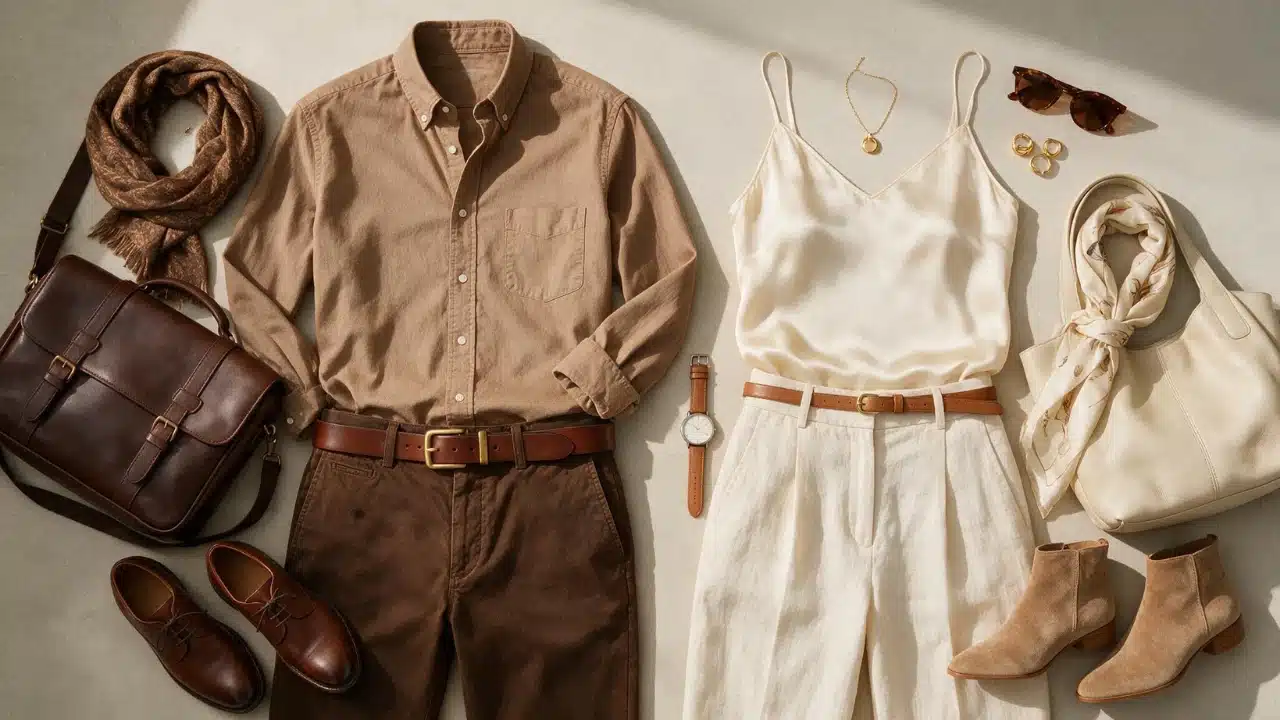
Khaki sits in your closet, but you’re probably stuck pairing it with the same three colors every single time and think what color goes with khaki pants? When you know which colors make khaki appear polished instead of plain, you’ll create outfits that feel effortless yet graceful. Moreover, you’ll get way more wear out of those khaki pieces collecting dust
Most Popular

Not all hair gels are created equal; this one comes straight from your kitchen. I’m not here to dump every DIY hair hack onto your screen. Just the one that actually earns its keep on my bathroom shelf. This flaxseed gel recipe? It’s the kind I’ve whipped up, tested, and trusted so many times that it basically has its own fan club. Some days it’s a quick ten-minute fix; other days it feels like a cozy self-care project. Either way, it gives me shine, hold, and that “did they just leave the salon?” vibe without the salon price tag. Fair warning! Once you see how ridiculously easy and effective this flaxseed gel is, you’ll start side-eyeing every overpriced bottle in your stash. Spoiler: they won’t stand a chance. Why Flaxseed Gel is Your New Hair Hero Flaxseeds pack a surprising punch when it comes to hair care. These tiny seeds contain natural mucilage, which creates a gel-like substance when boiled with water. This mucilage acts as a gentle hold agent that won’t leave your hair crunchy or stiff. Unlike commercial products, flaxseed hair gel contains omega-3 fatty acids that actually nourish your scalp. It’s completely free from sulfates, parabens, and artificial fragrances that can irritate sensitive skin. Additionally, it works on all hair types, including curly, straight, thick, and fine. And the cherry on top is that you control what goes into it. Want extra moisture? Add a drop of your favorite oil. Need a stronger hold? Use less water next time. This natural alternative costs less than $2 to make and lasts up to two weeks in the refrigerator. Ingredients for Your Flaxseed Hair Gel Recipe Here’s everything you need to make this simple, natural hair gel: Ingredient Amount Purpose Flaxseeds (whole) 2 tablespoons Creates the gel base through natural mucilage Water 1 cup Extracts the gel from the seeds Vitamin E oil (optional) 3-4 drops Acts as a natural preservative Essential oil (optional) 2-3 drops Adds fragrance and benefits Honey (optional) 1 teaspoon Provides extra moisture and shine Notes: Use whole flaxseeds, not ground ones, for the best results Brown or golden flaxseeds work equally well Choose essential oils like lavender, rosemary, or peppermint Raw honey works better than processed honey All optional ingredients can be mixed and matched based on your hair needs This recipe makes about half a cup of gel, which should last 1-2 weeks when stored properly in the refrigerator. A Step-By-Step Flaxseed Gel Recipe for Curly & Frizzy Hair Making your own flaxseed gel is surprisingly simple and takes less than 20 minutes from start to finish. This recipe creates a medium-hold gel that’s perfect for defining curls and controlling frizz without pressing down your hair. Follow these easy steps to create your natural hair styling solution. Step 1: Measure and Combine Your Ingredients Place 2 tablespoons of whole flaxseeds in a small saucepan. Add 1 cup of water and gently stir. Make sure you’re using whole seeds, not ground ones, as they release more gel. Step 2: Bring the Mixture to a Boil Put your saucepan on medium-high heat and bring the water to a rolling boil. You’ll notice the water starting to get slightly thick and foamy. This usually takes about 3-4 minutes, depending on your stove. Step 3: Reduce the Heat and Simmer Lower the heat to medium-low and let the mixture simmer for 8-10 minutes. Stir occasionally with a wooden spoon to prevent sticking. The liquid should become noticeably thick and gel-like. Step 4: Test the Consistency Lift your spoon and observe how the liquid returns to the pot. If it drips slowly and coats the spoon, it’s ready. If it’s still too thin, simmer for another 2-3 minutes. Step 5: Strain the Gel Pour the mixture through a fine-mesh strainer or cheesecloth into a clean bowl. Press the seeds gently with the back of a spoon to extract more gel. Don’t throw away the seeds yet – you can use them for a second batch. Step 6: Add Optional Ingredients Once the gel has cooled slightly, mix in your vitamin E oil, essential oils, or honey, if using. Stir well to combine everything evenly. Allow the gel to cool completely before transferring it to storage containers. For a much detailed flaxseed gel recipe, check out the YouTube link below: How to Use Your Flaxseed Gel for Bad Hair Day Rescue Begin with damp hair for optimal results. Towel-dry your hair until it’s slightly damp but not dripping wet. Take a small amount of gel from your homemade flaxseed gel recipe – about a quarter-size dollop for medium-length hair. Rub it between your palms to warm it up before applying. Work the gel through your hair using a scrunching motion if you have curls, or smooth it out for a straight style. Focus on the mid-lengths and ends rather than your roots to avoid pressing your hair down. For extra frizz control, apply the gel in sections. Don’t worry if your hair feels a bit crunchy at first – this is normal. Once your hair is completely dry, gently scrunch out the crunch with your hands or a microfiber towel. You’ll be left with soft, defined hair that stays put all day without that sticky feeling. Storage, Shelf Life, and Sustainability Tips Your homemade gel needs proper storage to stay fresh and effective. Since this flaxseed gel recipe contains no artificial preservatives, following these storage guidelines will help you get the most out of your natural hair care solution. Refrigerator storage: Keep your gel in a clean, airtight container in the fridge for up to 2 weeks Freezer option: Pour gel into ice cube trays and freeze for up to 3 months – thaw one cube as needed Room temperature: Only leave out what you’ll use that day, as the gel spoils quickly without refrigeration Clean containers: Always use sterilized jars or bottles to prevent bacterial growth Sustainability bonus: Compost the leftover flaxseeds after straining – they make excellent fertilizer for plants Batch cooking: Make smaller batches more frequently rather than large amounts that might spoil Say Goodbye to Bad Hair Days So that’s it! The only flaxseed gel recipe I actually trust to show up for my hair every single time. No complicated steps, no mystery ingredients, no false promises. Just a simple, natural gel that makes my curls (and my wallet) ridiculously happy. I’ve lost count of how many times I’ve made it, but I can promise this: once you whip up your first batch, there’s no going back. Those store-bought bottles? They’ll be collecting dust while you’re busy flaunting shiny, healthy, salon-worthy hair straight out of your kitchen. Tried it? Loved it? Drop your flaxseed gel story in the comments below!
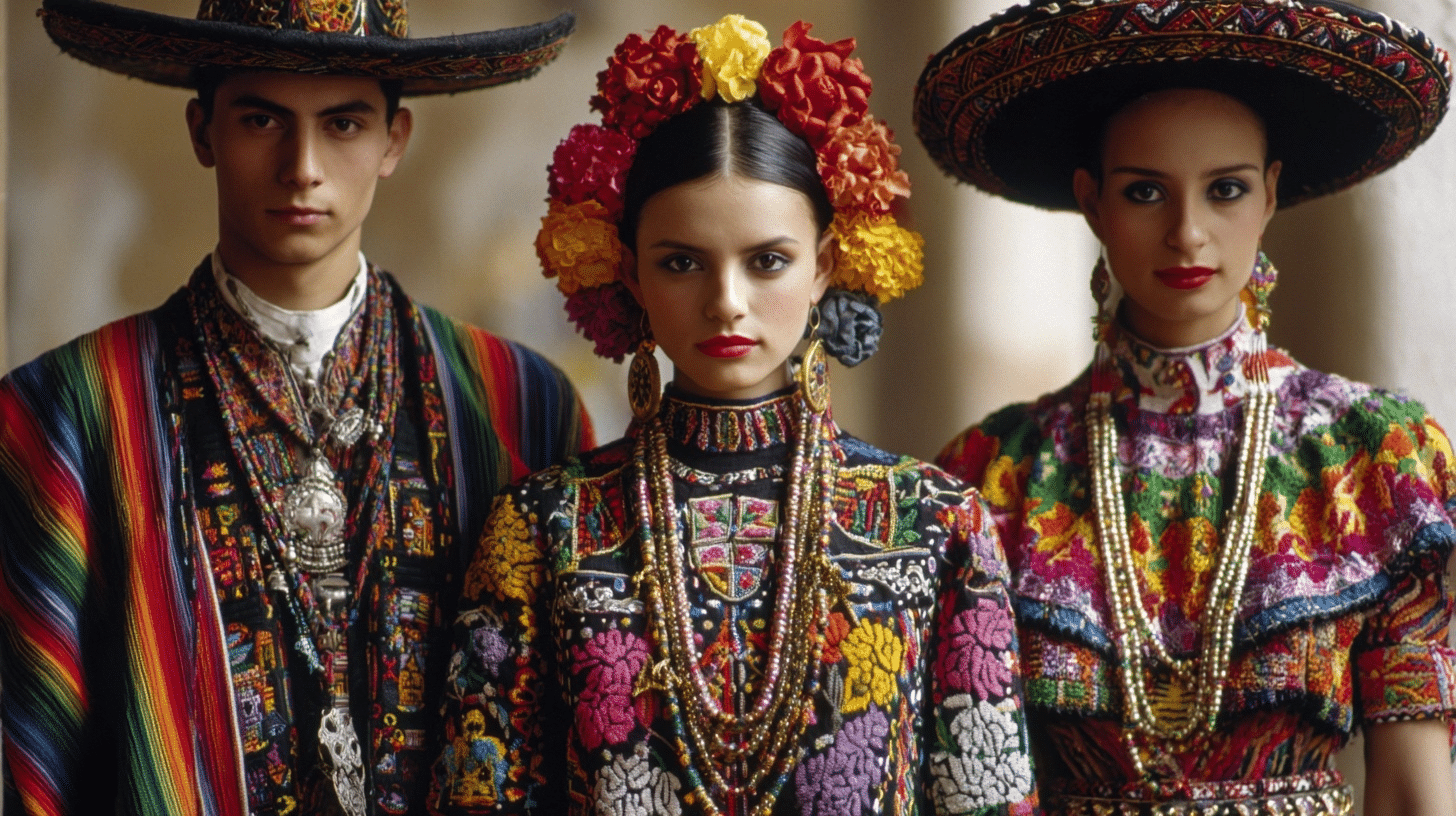
From the intricate embroidery that takes months to complete to the symbolic meanings behind every pattern, Mexican clothing is like wearing history. These outfits tell stories that go back hundreds of years. Once you learn about the craftsmanship behind a simple huipil or the cultural significance of a charro suit, you’ll never look at Mexican fashion the same way again. Ready to look into this colorful world of threads and traditions? History of Traditional Mexican Clothing Mexican clothing history is like a long-simmering recipe: indigenous roots mixed with Spanish influence, stirred with creativity, and seasoned by local traditions. Before conquest, communities crafted impressive textiles. The Aztecs and Maya weren’t only building pyramids; they wove masterpieces with symbolic patterns that reflected their beliefs, nature, and identity. In the 1500s, Spanish materials and styles fused with native methods to create hybrids; after independence, regional weaving and embroidery flourished as communities preserved distinct traditions. Today, traditional textiles attract global attention for their beauty and cultural depth. Artisans adapt to new markets while honoring ancestral techniques, meanings, stories, and identities. Features of Traditional Mexican Clothing Mexican clothing doesn’t just look pretty; every thread has a purpose. The colors aren’t random splashes of paint; they’re carefully chosen symbols that tell stories about everything from social status to religious beliefs. Feature Description Bright, symbolic colors Each hue carries meaning (red for strength, blue for protection) Hand-embroidered details Flowers, animals, and geometric patterns tell cultural stories Natural materials Cotton, wool, and silk that breathe with the climate Regional variations Different states have their signature styles and techniques Functional design Loose fits and flowing fabrics are perfect for warm weather Staple Pieces of Traditional Mexican Clothing Ready to build your Mexican wardrobe? These are the must-have pieces that form the backbone of traditional Mexican fashion. Each one has its own personality and perfect occasion. Women’s Essential Pieces Mexican women’s clothing is all about celebrating femininity while staying comfortable. These pieces flow beautifully, breathe with the climate, and make every woman feel like she’s walking through a garden party. The embroidery alone could keep you staring for hours. 1. Huipil The huipil is basically a work of art you can wear. This loose-fitting dress or tunic comes in countless variations depending on the region. Recommendation: Cadena Collective -Túnica Huipil 2. Rebozo Think of the rebozo as the Swiss Army knife of Mexican clothing. This long, woven shawl can serve as a blanket, a baby carrier, a head covering, or a stylish accessory. Mexican women have been using rebozos for centuries, and each one tells a story through its intricate weaving patterns and colors. Recommendation: Rodeo Durango- Rebozo de Virgen de Guadalupe / Virgin Mary Shawl 3. Tehuana Dress When you want to make a statement, nothing beats a Tehuana dress. This outfit from the Isthmus of Tehuantepec features a fitted bodice and a flowing skirt, often decorated with flowers and lace. Recommendation: Tehuana Huipil Dress, Tehuana Embroidered from Oaxaca Vintage Mexican 4. Embroidered Blouses These beautiful tops are perfect for adding a touch of Mexican flair to any outfit. The embroidery ranges from simple flower patterns to complex designs that take weeks to complete. Recommendation: Traditional Mexican Blouse Men’s Classic Looks Mexican menswear strikes the perfect balance between rugged and refined. These pieces prove that traditional doesn’t mean boring; they’re built for comfort but designed to make an impression. 5. Charro Suit The charro suit is what happens when a cowboy meets class. This mariachi-inspired outfit features a fitted jacket and matching pants, often accompanied by decorative buttons and embroidery. Recommendation: Alcana’s Western Wear- Beige-Gold-Charro-Suit 6. Guayabera The guayabera is arguably the most practical piece in Mexican men’s wear. This comfortable, lightweight shirt with its distinctive pleats and pockets makes it instantly recognizable, and the breathable fabric keeps you cool in warm weather. Recommendation: Fiesta Latina Artisanal Boutique- Guayabera Long Sleeve 7. Sarape Half blanket, half cape, all style: that’s the sarape. This colorful woven garment can be worn over the shoulders or wrapped around the body. Each region has its own color patterns and weaving techniques, making every sarape unique. Recommendation: Sanyork Fair Trade-Sarape Cotton Heavy Weave Unisex Favorites Some pieces are too good to be limited to one gender. These multipurpose items work for everyone, proving that great design is truly universal. They’re practical, stylish, and have been pleasing people of all ages for generations. 8. Sombreros Forget the tourist stereotypes; genuine sombreros are serious sun protection that happens to look great. These wide-brimmed hats come in various styles, from simple straw versions to elaborate felt ones decorated with intricate patterns. Recommendation: Vaquero Boots- Sombreros Charros Natural 9. Huaraches These traditional leather sandals might look basic, but they’re surprisingly comfortable and durable. The woven leather design allows your feet to breathe while providing good support. Recommendation: Cadena Collective- Andy Huarache – Mocha How Artists Brought Traditional Mexican Clothing to the World Artists didn’t merely wear Mexican clothing; they converted it into a global cultural phenomenon. Through paintings, photographs, and performances, they introduced the world to the grace of traditional Mexican dress well before social media emerged. By featuring Mexican garments in their creations, they shared an entire heritage with audiences unlikely to visit Mexico. Visual Artists Who Sparked Global Interest These visionary artists employed their creations to convert Mexican garments into compelling cultural symbols that garnered global recognition. Frida Kahlo An icon of Mexican fashion, Frida Kahlo’s self-portraits, featuring traditional Tehuana dresses and rebozos, established Mexican attire as a renowned global style. Her courageous decision to don indigenous clothing as a political declaration motivated countless individuals to appreciate Mexican dress for its beauty and significance. Diego Rivera His murals, portraying figures in traditional Mexican clothing, introduced these outfits to international art galleries and museums. Rivera’s work helped position Mexican attire as an emblem of cultural heritage and artistic manifestation. Modern Cultural Bridges Today’s digital age has created new ways for Mexican clothing to cross borders and capture hearts worldwide. Fashion Photographers: Contemporary photographers now regularly feature Mexican traditional clothing in international fashion magazines, elevating these pieces from ethnic wear to high fashion. Social Media Trendsetters: Today’s cultural ambassadors utilize Instagram and TikTok to showcase Mexican clothing to millions of followers, making traditional pieces trendy among younger global audiences. Museum Exhibitions: International museums now regularly feature Mexican textile exhibitions, introducing traditional clothing to art lovers and culture enthusiasts worldwide. Conclusion Traditional Mexican clothing proves that fashion can be so much more than just looking good. These pieces carry centuries of history, cultural meaning, and incredible craftsmanship in every stitch. Mexican clothing offers something special that modern fashion often misses: soul. Plus, wearing these traditional pieces helps keep ancient arts alive and supports the communities that create them. So next time you see someone wearing a beautiful huipil or a sharp charro suit, remember: they’re not just wearing clothes. They’re carrying on a tradition that connects the past with the present, one colorful thread at a time.