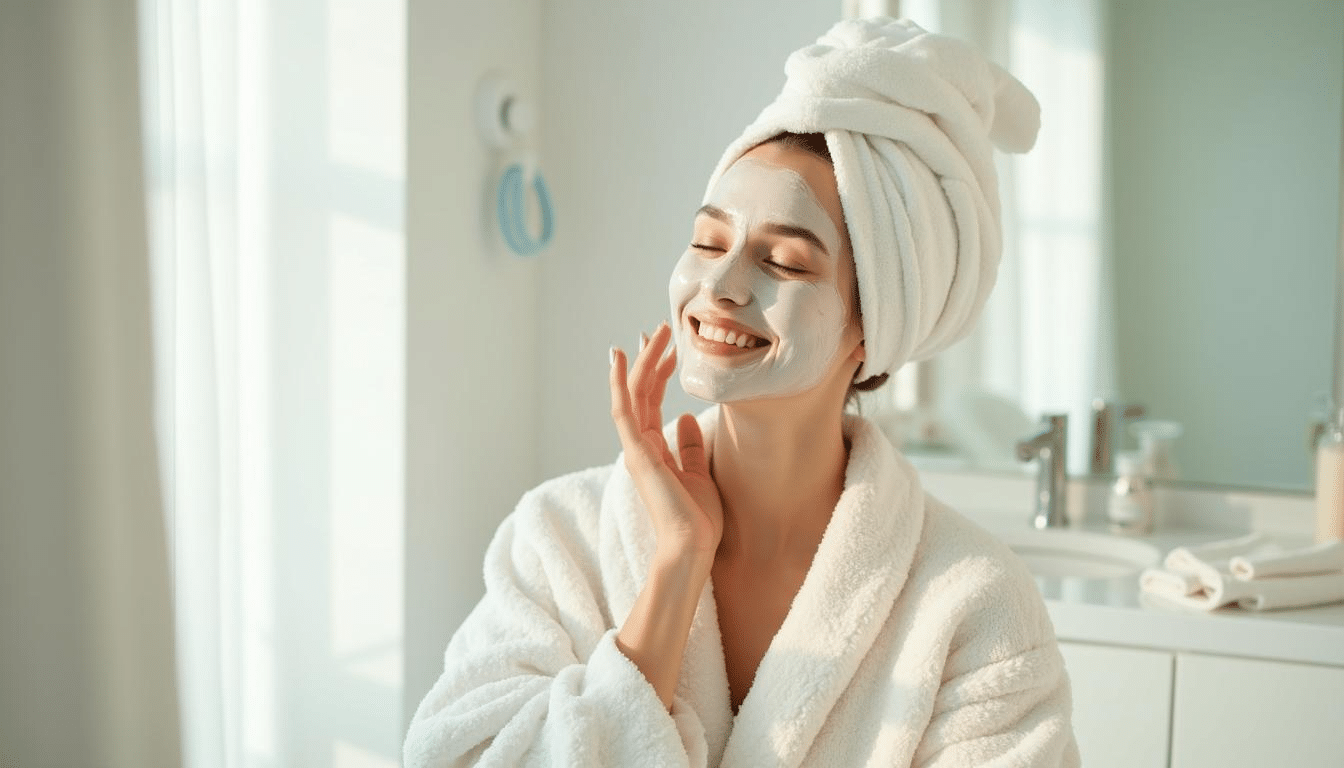
Not every skincare routine requires a drawer full of expensive products; sometimes the best glow comes from simple steps you can do at home. I’m not here to overwhelm you with limitless spa tricks or complicated hacks. Just the method I keep returning to whenever my skin feels dull, tired, or in need of a reset. These at-home facial steps
Most Popular

Everyone’s doing it wrong. Too quick and nothing happens. Too long and you’re basically torturing yourself for no reason. The sweet spot isn’t what you think. I’ve done the freezing research so you don’t have to. Why I Decided to Try It My skin looked awful, and nothing was working. You know when your face just feels blah? That was me. My usual face wash wasn’t helping, and I looked tired all the time. Plus, my pores looked huge in every mirror. Then everyone started discussing the ice water thing. My friends were posting about it, and people on social media wouldn’t shut up about how great their skin looked after doing it. At first, I thought it was dumb. Like, really? Just cold water? But I kept hearing the same thing over and over, people saying it actually worked. I was getting desperate. My skin products weren’t doing anything, and I didn’t want to spend more money on fancy stuff that might not work either. So I figured, why not? Thirty seconds of being cold couldn’t be worse than looking in the mirror and hating what I saw. Sometimes you just have to try the weird thing everyone’s talking about. How Long I Dipped My Face in Ice Water I started like a total baby, barely ten seconds before gasping for air. The cold burned, and I thought this was ridiculous. After a few days, fifteen seconds felt normal. Then twenty, then thirty. Now, thirty seconds is my sweet spot every morning, long enough for that skin-tightening rush without going numb. I tried forty-five seconds once, thinking longer meant better. Wrong. My face felt dead for five minutes. Thirty seconds works for me, but everyone’s different. My friend Sarah maxes out at twenty seconds, while my sister does a full minute like it’s nothing. The timing really depends on your cold tolerance and how sensitive your skin is. Some mornings when the ice is extra frozen, even my usual thirty seconds feels brutal. Other days, I could probably go longer. The key is finding what feels right for you and sticking with it. What an Ice Water Face Dip Actually Is Okay, let’s break this down because it sounds way fancier than it is. How I Set It Up I grabbed a big bowl from my kitchen. Nothing special, just something wide enough for my whole face. Filled it with cold tap water, then dumped in a bunch of ice cubes. I used my phone timer because I’m not good at counting when my face is freezing. That’s it. No special equipment or fancy setup needed. Simple Breakdown for Beginners You literally just stick your face in cold water. Hold your breath, dunk your face from forehead to chin, count to 15 or 30, then come up for air. Some people do it once, others do a few rounds with breaks. The water should be cold enough that you go “whoa” when you touch it, but not so cold that it hurts. My First Time The cold hit my face like a slap, and I immediately wanted to pull back up. My skin felt tingly and weird, like when you go outside in winter without a coat. But here’s the thing: after I dried off, my face looked different. Not amazing or anything, but definitely more awake. Like I’d been outside in fresh air instead of staring at my phone all morning. It was weird, but kind of addictive too. Benefits of an Ice Water Face Dip 1. Reduces puffiness and swelling: Cold water constricts blood vessels, which can help decrease fluid retention under the eyes and around the face. 2. Temporarily tightens pores: Although pore size cannot be permanently changed, cold water can cause the skin to contract. 3. Boosts circulation for a natural glow: When exposed to cold, the body increases blood flow to warm the skin back up. This surge in circulation can create a refreshed, radiant look that many describe as a “healthy glow.” 4. Calms redness and irritation: Ice water can act as a natural anti-inflammatory. It may temporarily soothe flushed or irritated skin, making it a quick fix for mild inflammation. 5. Helps manage excess oil (short-term): Cold water can slow down overactive sebaceous glands, which may reduce shine for a few hours. 6. Provides a mental and physical refresh: Beyond skincare, an ice water face dip delivers a strong wake-up effect. The cold shock can leave people feeling energized, alert, and even less stressed. Safety Tips & Precautions Don’t be stupid about this; it’s just cold water, but you can still mess it up. Know Your Limits: If your face starts burning or going completely numb, you’re done. I learned this the hard way when I tried to be tough and ended up with a red, angry face for an hour. Skip It If You’re Sick: Got a cold or sinus infection? Don’t do this. The shock can make congestion worse, and you’ll just feel miserable. Wait until you’re feeling normal again. Sensitive Skin Warning: If you have rosacea, eczema, or super sensitive skin, check with someone who knows what they’re talking about first. The cold can trigger flare-ups in some people. Don’t Overdo It: Once a day is plenty. I tried doing it morning and night for a week and my skin got irritated. Your face needs recovery time too. Hygiene Matters: Use clean water and a clean bowl every time. Don’t reuse yesterday’s ice water—that’s just gross and asking for bacteria problems. Listen to Your Body:Some days your skin might feel more sensitive than others. If it doesn’t feel right, skip it. This isn’t supposed to be torture. Alternatives to Ice Water Face Dips Not everyone enjoys plunging their face into a bowl of icy water. There are plenty of gentler alternatives that can still provide similar de-puffing, circulation-boosting, and soothing effects. Ice Rollers Ice rollers are handheld tools stored in the freezer and rolled across the face. They deliver cooling benefits without the mess of a bowl of water. Many people prefer them because they can target specific areas like the under-eyes or jawline while still helping to reduce puffiness and increase circulation. Chilled Spoons Metal spoons placed in the refrigerator overnight can work wonders for tired eyes. Resting them on puffy areas in the morning helps reduce swelling and refresh the skin, making them a convenient and budget-friendly option. Refrigerated Skincare Products Keeping skincare products like serums, moisturizers, or sheet masks in the fridge gives them an added cooling effect. This not only enhances their soothing properties but also makes a skincare routine feel more refreshing, especially in hot weather. Cooling Face Masks Gel-based cooling masks are designed to be stored in the fridge and applied directly to the skin. They provide an even, gentle cooling sensation that covers the whole face, making them ideal for people with sensitive skin who can’t tolerate direct ice water contact. Conclusion After weeks of freezing my face every morning, I realized 15 to 30 seconds is the sweet spot. Start small, work up, and listen to your skin. Will it change your life? No. Will it wake you up and give you decent skin for free? Yes. The best part isn’t the results; it’s proving you can handle something uncomfortable first thing in the morning. If you can shock your face with ice water, you can handle whatever the day brings. Try it for a week. Share how it goes!
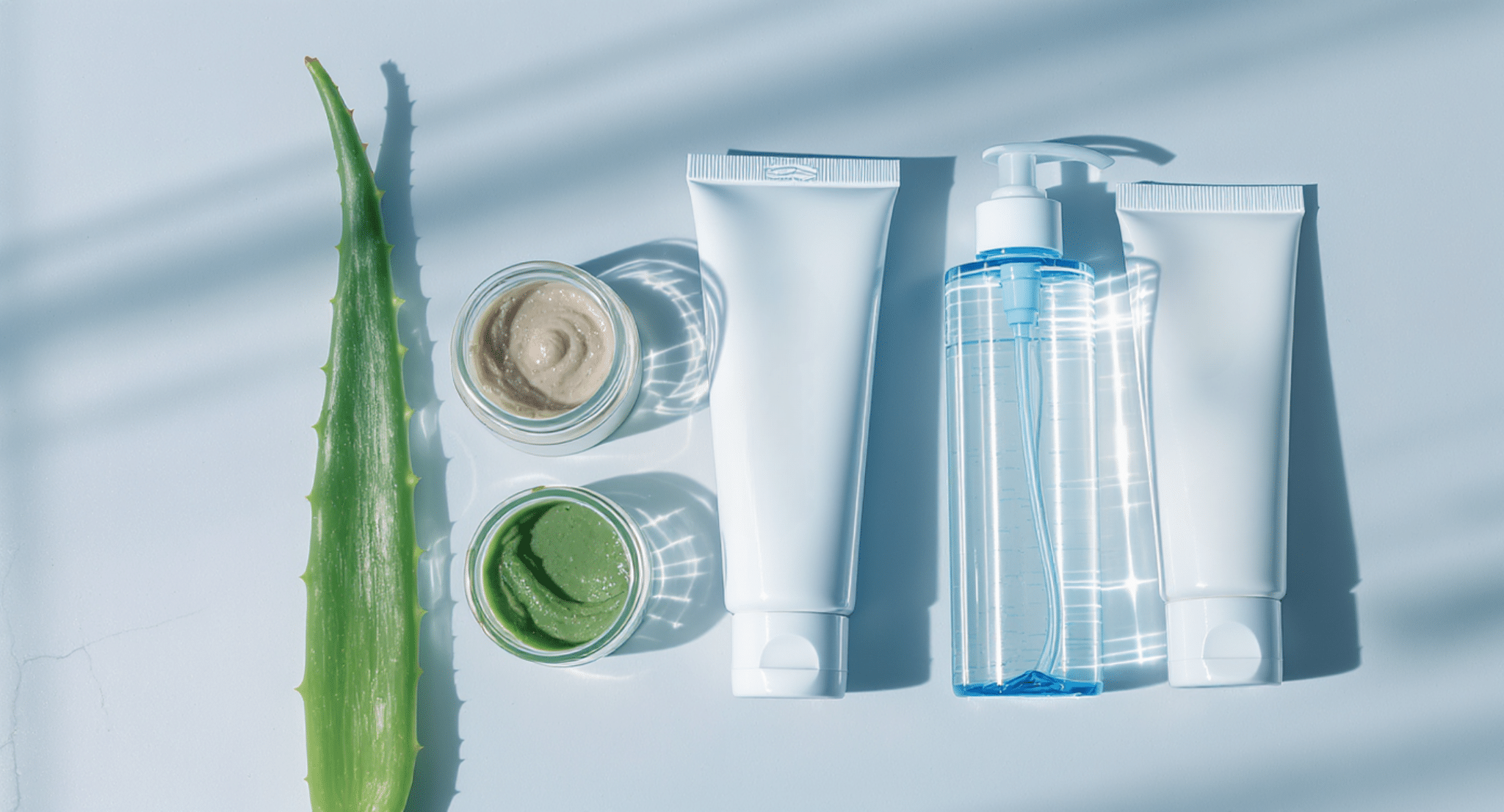
Not every trending skincare hack deserves a spot on the bathroom shelf; some belong firmly in the “don’t try this at home” category. When it comes to acne remedies, the internet is full of quick fixes. Ice cubes, lemon juice, and even toothpaste. But here’s the burning question people keep asking: Does toothpaste help with pimples, or does it just make things worse? By the end, you will know if this household staple is a secret weapon for breakouts or just another skincare myth ready to be retired. Why People Think Toothpaste Helps Pimples The idea that toothpaste can treat pimples has been around for decades. Your mom might have told you about it, or maybe you saw it in an old magazine. But where did this belief come from? This idea stems from ingredients that appear to have acne-fighting properties. Many people believe it works because toothpaste contains ingredients such as triclosan and menthol. When people ask if toothpaste helps with acne, they’re often thinking about how it dries out their mouth bacteria. The logic makes sense at first. If toothpaste kills germs in your mouth, why wouldn’t it work on your face? Plus, some people notice their pimples dry up after using it. This quick result makes them believe they’ve found a miracle cure that’s already sitting in their bathroom. Does Toothpaste Help With Pimples? The Risks You Need to Know While toothpaste might seem like a quick fix, it is more complicated than you think. Using toothpaste on a pimple can actually cause more harm than good. Let’s break down what really happens when you try this popular home remedy. 1. It Can Burn Your Skin Toothpaste contains harsh chemicals that weren’t designed for your face. These ingredients can cause serious skin damage if left on overnight. The main culprits include: Sodium lauryl sulfate – strips natural oils Fluoride – can trigger allergic reactions Menthol – causes burning sensations Whitening agents – bleach and irritate the skin 2. It Dries Out Your Skin Too Much Your skin needs some natural oils to stay healthy. Toothpaste removes all moisture from the area, which sounds good in theory, but creates new problems. Over-drying leads to: Increased oil production as your skin tries to compensate More breakouts in the surrounding area Painful cracking and irritation 3. It Can Leave Dark Spots The chemicals in toothpaste can cause post-inflammatory hyperpigmentation. This means dark spots that persist long after the pimple has gone. These dark marks happen because: Harsh ingredients damage skin cells Inflammation triggers excess melanin production Damaged skin takes months to heal properly Some people are more prone to scarring than others 4. It Can Cause Allergic Reactions Many people don’t realize they’re sensitive to toothpaste ingredients until they put it on their face. The skin on your face is much thinner and more sensitive than inside your mouth. Common allergic reactions include: Red, swollen bumps around the treatment area Itchy, burning sensations that won’t go away Blistering or peeling skin Spreading rash beyond the original pimple 5. It Disrupts Your Skin’s Natural pH Balance Toothpaste is highly alkaline, with a pH of around 9-10, while healthy skin needs to remain slightly acidic, with a pH of 4.5-5.5. This huge difference throws your skin’s protective barrier completely out of whack. When your skin’s pH gets disrupted: Harmful bacteria can multiply more easily Healing processes slow down significantly You become more prone to infections and breakouts Safer and More Effective Alternatives Instead of asking the question Does toothpaste help with pimples and risk skin damage, there are proven treatments that actually work. These alternatives are gentler on your skin while being more effective at treating pimples. Here are better solutions that dermatologists actually recommend: Treatment How It Works Best For Time to See Results Salicylic Acid Unclogs pores and reduces inflammation Blackheads and whiteheads 2-4 weeks Benzoyl Peroxide Kills acne bacteria and dries excess oil Inflamed pimples 1-2 weeks Tea Tree Oil Natural antibacterial with anti-inflammatory properties Sensitive skin types 2-3 weeks Ice Cube Reduces swelling and numbs pain Fresh, inflamed pimples 10-15 minutes Hydrocolloid Patches Draws out pus and protects from bacteria Active breakouts 8-12 hours Daily Rituals for Clear, Healthy Skin Rather than asking Does toothpaste help with pimples, focus on building a consistent skincare routine. Good daily habits can prevent breakouts before they start and keep your skin healthy in the long term. Wash your face twice daily with a gentle, non-comedogenic cleanser to remove dirt and excess oil Use lukewarm water instead of hot water to avoid stripping your skin’s natural moisture barrier Apply a lightweight, oil-free moisturizer even if you have oily skin to maintain proper hydration Never skip sunscreen during the day, as UV damage can worsen acne and cause dark spots Change your pillowcase twice weekly to reduce bacteria transfer while you sleep Avoid touching your face throughout the day to prevent spreading germs and oils Remove makeup completely before bed using a gentle makeup remover or micellar water Signs It’s Time to Call a Skin Expert While many pimples can be handled at home, some situations require professional help. A dermatologist can provide treatments that work faster and prevent permanent damage to your skin. 1. Your Acne is Getting Worse Despite Treatment: If you’ve tried over-the-counter products for 6-8 weeks without improvement, it’s time to see a professional. Persistent or worsening breakouts often need prescription medications. 2. You’re Developing Cystic Acne: Large, painful bumps under the skin that don’t come to a head need professional treatment. These deep infections can cause permanent scarring if not handled properly. 3. Acne is Affecting Your Daily Life: When breakouts impact your confidence, work, or social activities, professional help can make a real difference. Mental health matters just as much as physical health. 4. You’re Seeing Scarring or Dark Spots: Any signs of permanent damage require immediate professional attention to prevent further scarring and fade existing marks. 5. You Have Hormonal Acne: Breakouts that flare up with your menstrual cycle or appear along your jawline and chin often need hormonal treatments that only doctors can prescribe. Patching It Up The question – Does toothpaste help with pimples lingers as one of the most common skincare myths, but the truth is clear: it does more harm than good. Toothpaste can burn, irritate, and leave lasting marks, making it an outdated trick best avoided. Instead, trust proven options like salicylic acid, benzoyl peroxide, or tea tree oil, along with consistent daily habits that keep skin clear and healthy. Ready for clearer skin? Start with science, not shortcuts.
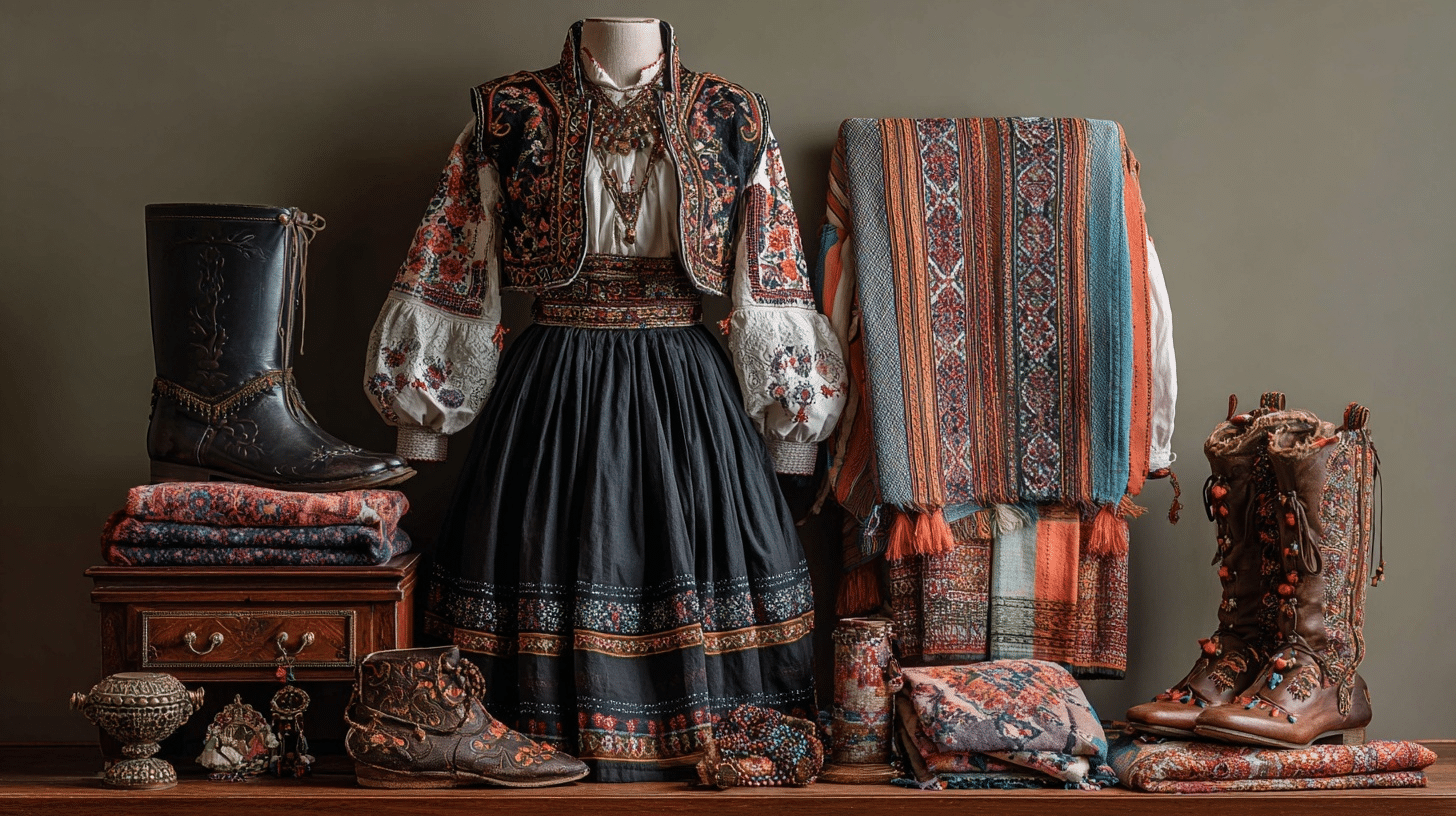
There’s something magical about folklore dresses that evokes a sense of connection to stories passed down through generations. You know that feeling when you see someone wearing a flowing peasant blouse or embroidered vest? That’s folklore style calling your name. It’s about wearing history, tradition, and a little bit of mystery. Ready to add some storytelling magic to your wardrobe? Let me show you how folklore fashion can turn your everyday look into something truly special. What Does Folklore Mean in Fashion Folklore fashion is like wearing your grandmother’s stories. It pulls inspiration from traditional clothing that common people wore centuries ago. Think peasant dresses, embroidered blouses, and handwoven fabrics that tell tales of simpler times. This style celebrates the everyday heroes of history. Not the kings and queens, but the farmers, artisans, and storytellers who kept culture alive through their clothing. Folklore fashion honors these forgotten fashion moments. The beauty lies in its authenticity. Every stitch, pattern, and fabric choice connects us to real people who lived real lives. It’s fashion with a soul and a story to tell. A Brief History of the Roots of Folklore Fashion Here’s how folklore fashion evolved from humble beginnings to runway magic: Medieval Beginnings Medieval peasants laid the foundation for the development of the folklore style. They wore practical linen tunics, woolen cloaks, and leather accessories. These weren’t fashion statements but survival gear that happened to look beautiful. Renaissance Folk Traditions The Renaissance brought more decorative elements. Regional differences emerged as communities developed their own embroidery patterns, color combinations, and silhouettes. Each village had its signature style. Industrial Revolution Impact Machine production threatened handmade traditions. But folklore fashion survived because people valued the personal touch. Hand-embroidered details became symbols of resistance against mass production. Modern Revival Movements The 1960s folk revival brought these styles back. Designers started incorporating traditional elements into contemporary fashion. Suddenly, peasant tops and prairie skirts became symbols of counterculture. Key Pieces Used in Folklore Style Clothing Ready to build your folklore wardrobe? These essential pieces form the backbone of authentic folklore fashion, each carrying centuries of tradition and style. Clothing Piece Description Traditional Origins Peasant Blouse Loose-fitting top with gathered sleeves and embroidered details Eastern European farm workers Prairie Skirt Long, flowing skirt with multiple tiers or layers American frontier women Embroidered Vest Sleeveless jacket with intricate needlework patterns German and Austrian folk costumes Corset Top Structured bodice with lace-up front or back Medieval European undergarments Folk Boots Leather boots with decorative stitching or buckles Rural working communities Shawl/Wrap Woven or crocheted covering for shoulders Traditional women’s accessories Mix and match them to create looks that feel both timeless and fresh. How is Folklore Modernized by Designers Contemporary designers breathe new life into traditional designs, creating pieces that honor the past while resonating with today’s fashion lovers. Updated Silhouettes: Designers take traditional shapes and adjust them for modern bodies. A peasant blouse gets a fitted waist, or a prairie skirt becomes midi-length for everyday wear. Luxury Fabrics: High-end materials replace rough homespun cloth. Silk replaces linen, cashmere substitutes wool, creating folklore pieces suitable for upscale occasions and red carpets. Contemporary Color Palettes: Traditional earth tones expand to include modern colors. Designers add pastels, metallics, and bold hues while maintaining the folkloric essence and authentic feel. Mixed Cultural Elements: Modern folklore fashion borrows from multiple traditions. A dress might combine Mexican embroidery with Scandinavian silhouettes, creating globally inspired pieces. Technology Integration: Machine embroidery recreates hand-stitched looks more quickly and affordably. Digital printing reproduces traditional patterns on modern fabrics, making folklore more accessible to a wider audience. Conclusion Folklore fashion connects us to something bigger than trends. It reminds us that style has always been about storytelling, community, and celebrating the beauty in everyday life. Whether you choose one statement piece or build an entire folklore wardrobe, you’re participating in a tradition that spans centuries. So, the next time you slip on that embroidered blouse or flowing skirt, remember that you’re wearing a piece of history.