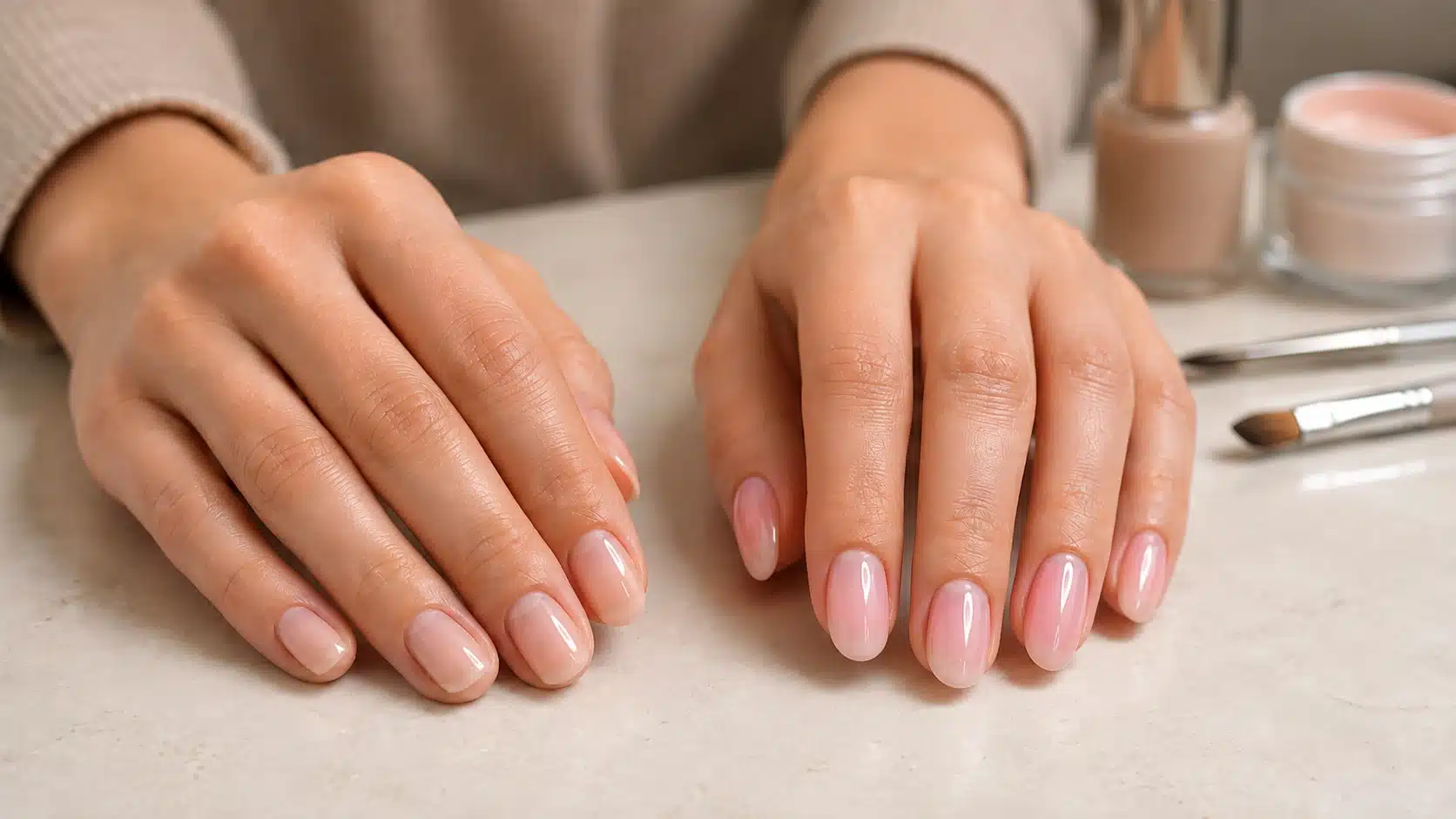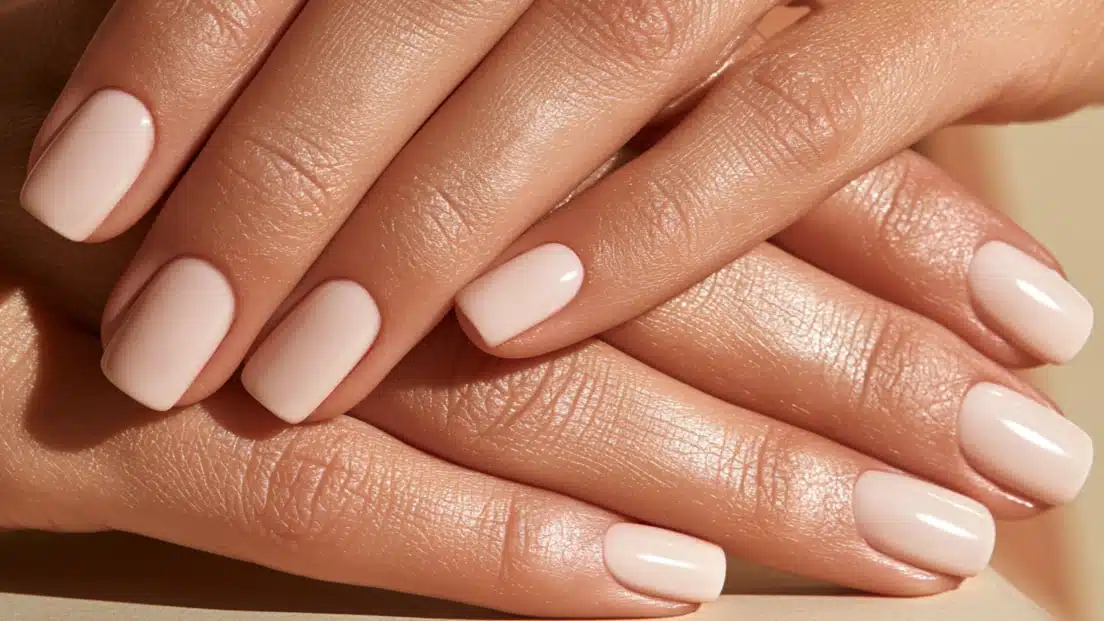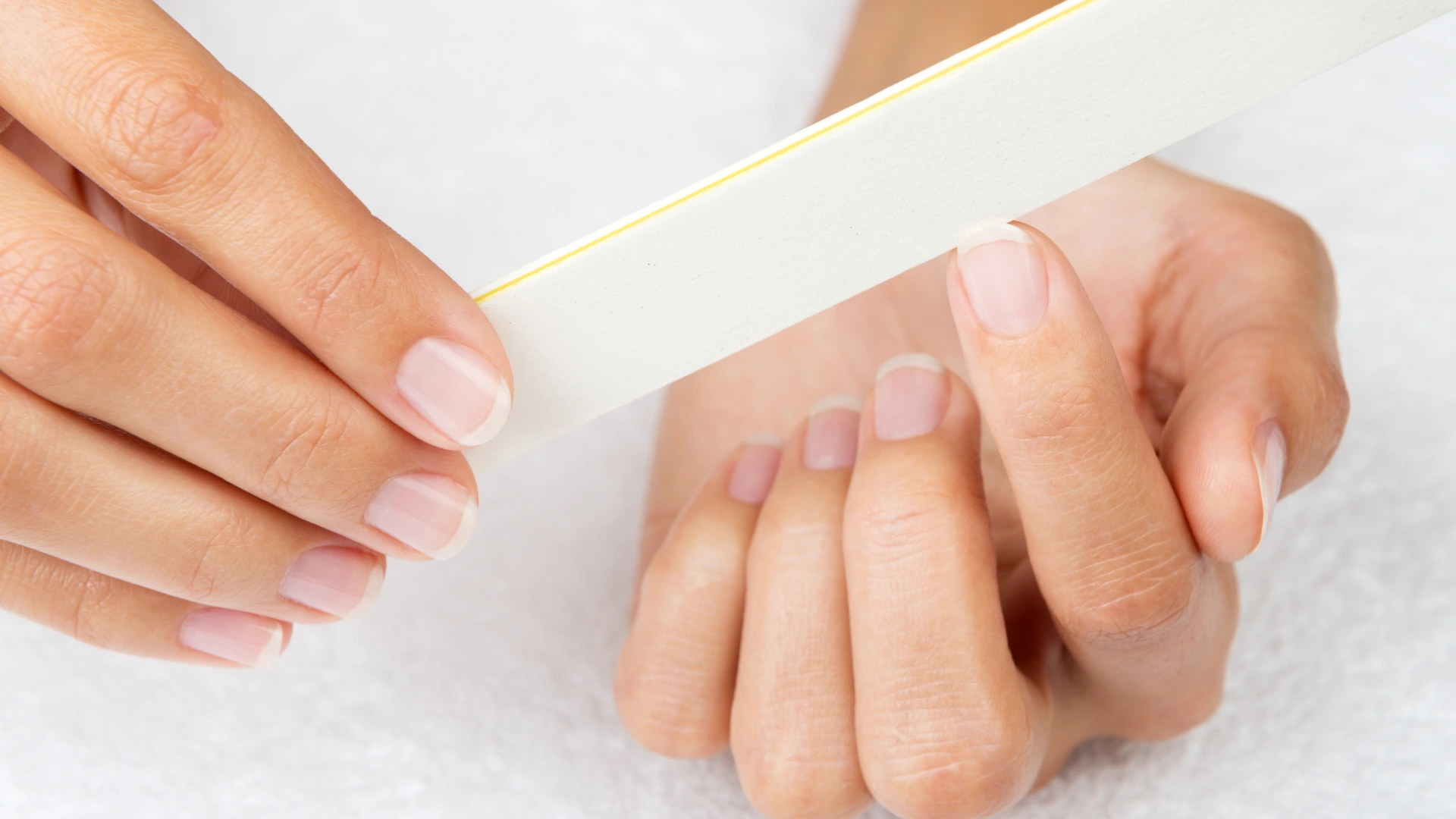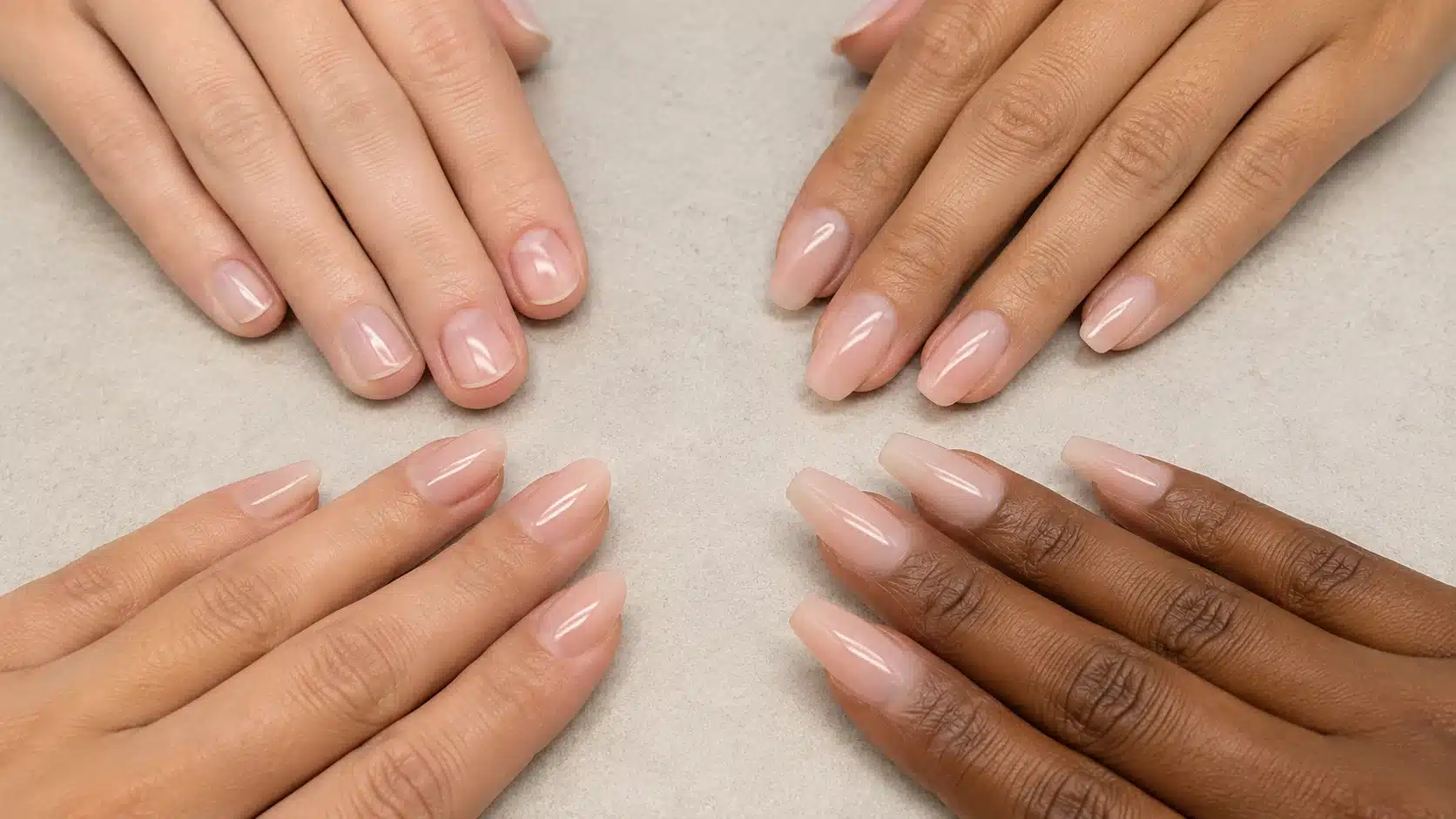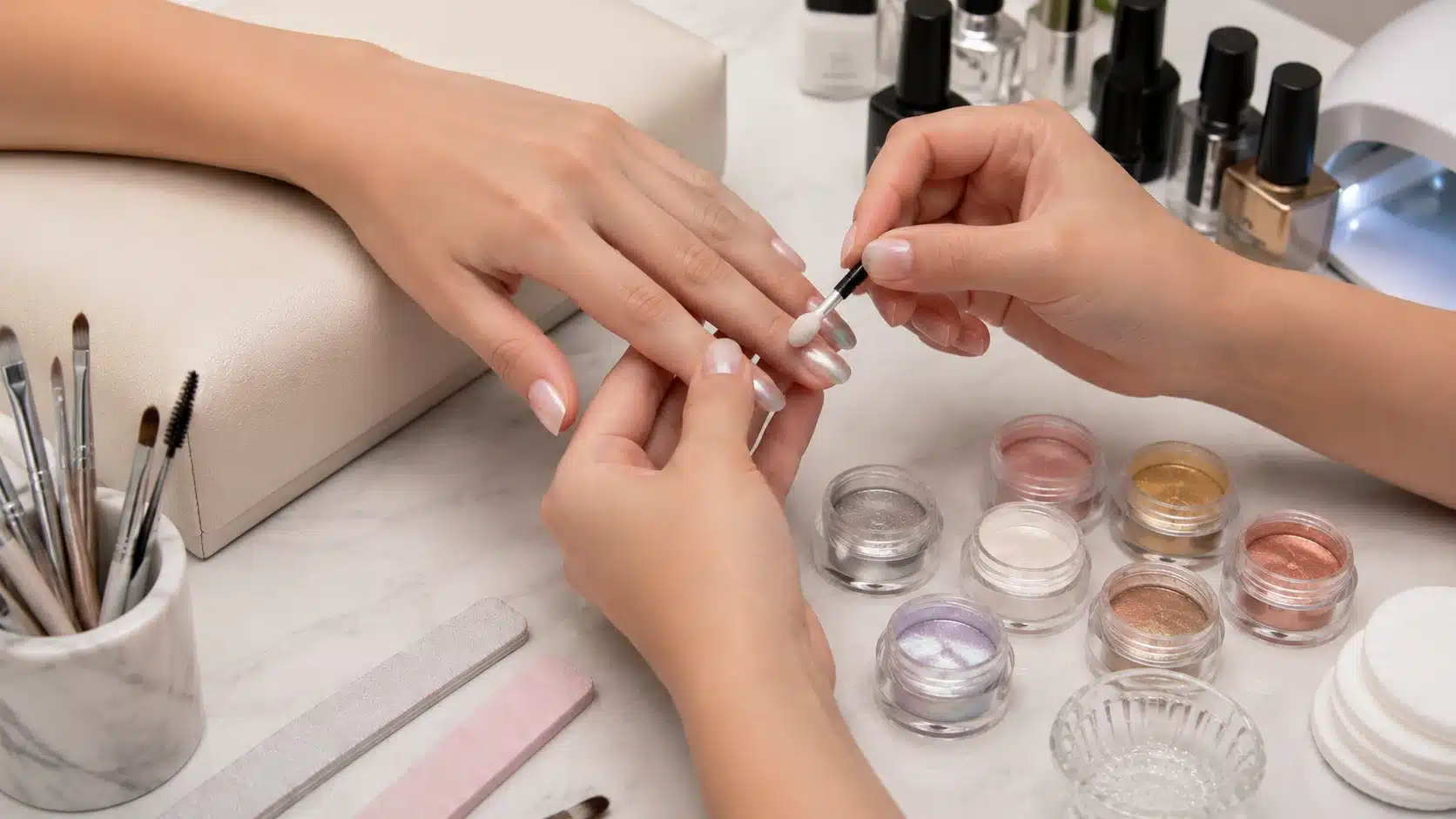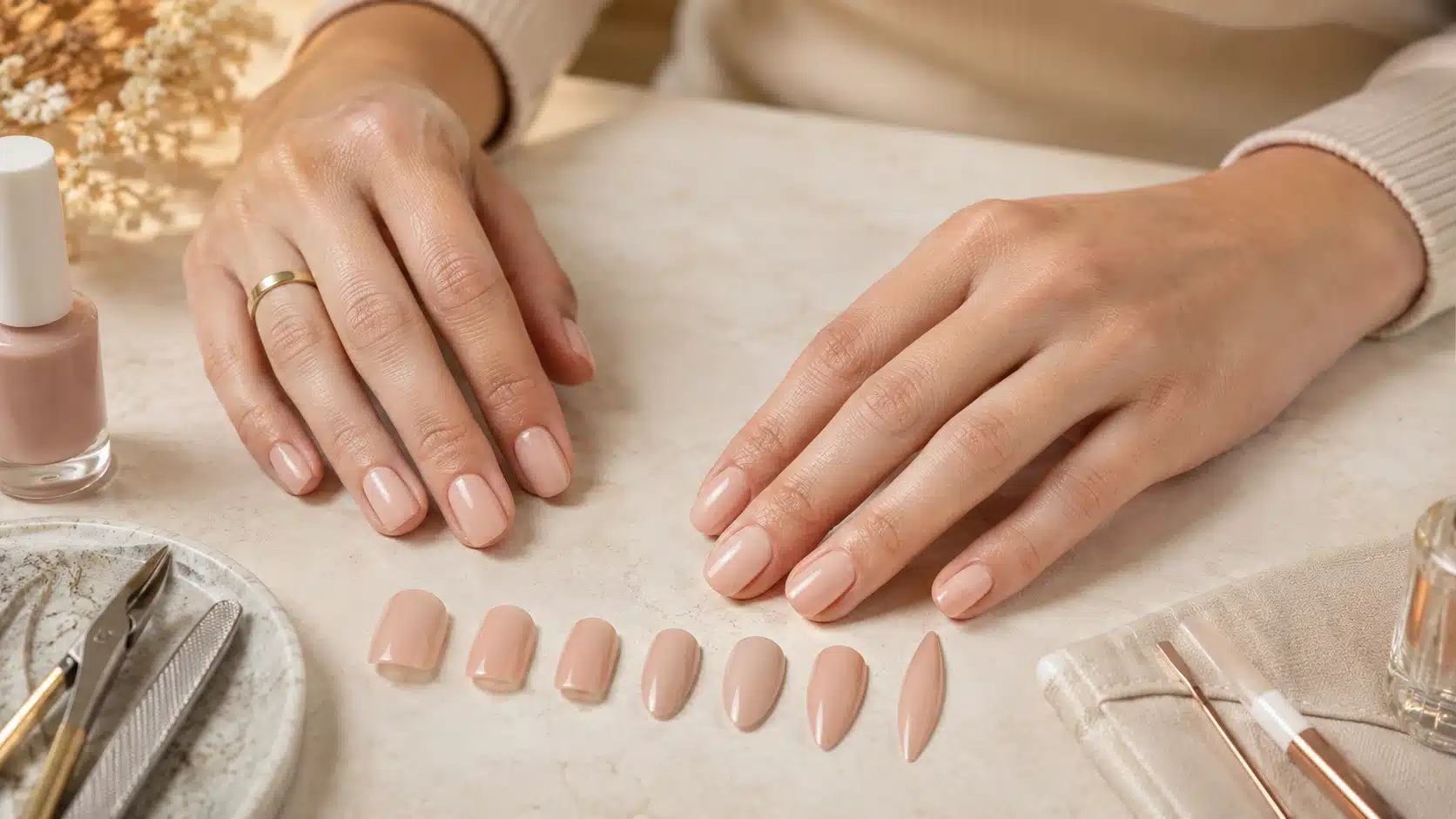
While a manicure can look picture-perfect at first glance on another person’s hands, it might feel entirely different on your own fingertips.
Inspiration pictures show an accomplished trim, yet don’t reveal finger lengths or the nail state or upkeep that goes into it.
Instead of copying someone else’s manicure, focus on finding a shape that suits your natural nails and does not interfere with everyday tasks.
When you analyze your hands first, then select the primary shapes against them, you can achieve a well-proportioned look that is both comfortable and low-maintenance.
Let’s Start with the Basics
In natural light, observe your hands before applying any product or length to your nail tips.
Finger Length
Rather than estimating the size of each finger, hold the hand against your palm and note relative proportions in length and breadth.
The hand shape will be compact, long, or proportionate.
Then examine the breadth and narrowness or rounded shape of the fingertips.
These details provide a proportional basis before considering nail bed width and available finger surface to work with.
Nail Bed Width
Compare the nail with the fingertip looking from directly above.
If your nail plate doesn’t occupy its share of the width of the finger, the fingertip is visible on the edges when you look from above.
It’s normal if the width of the nail plate approximates that of the tip of the finger. A nail that widens beyond the limits of the tip is a wide nail plate.
Just see several of your fingers – on the same hand, they might differ in width.
Cuticle Curve
The natural curve at the base of the nail can be rounded, oval, or slightly straight. The identical line repeated at the tip tends to create a visually well-balanced nail.
Curved nail cuticles pair well visually with round or oval nails; straight cuticles can work well with square or squoval nails, but are only suggestions.
Natural Growth
A fingernail could have an outside curve, be rounded, flared out, tilted to one side, or curved into the fingertips, with or without a gap on the sidewalls.
These curves affect what shape a nail can become without damaging the nail structure.
Types of Nail Shapes You Should Know Before Your Next Manicure
The main nail types are different in their sidewalls, corners, taper, and free edges.
Round Nails
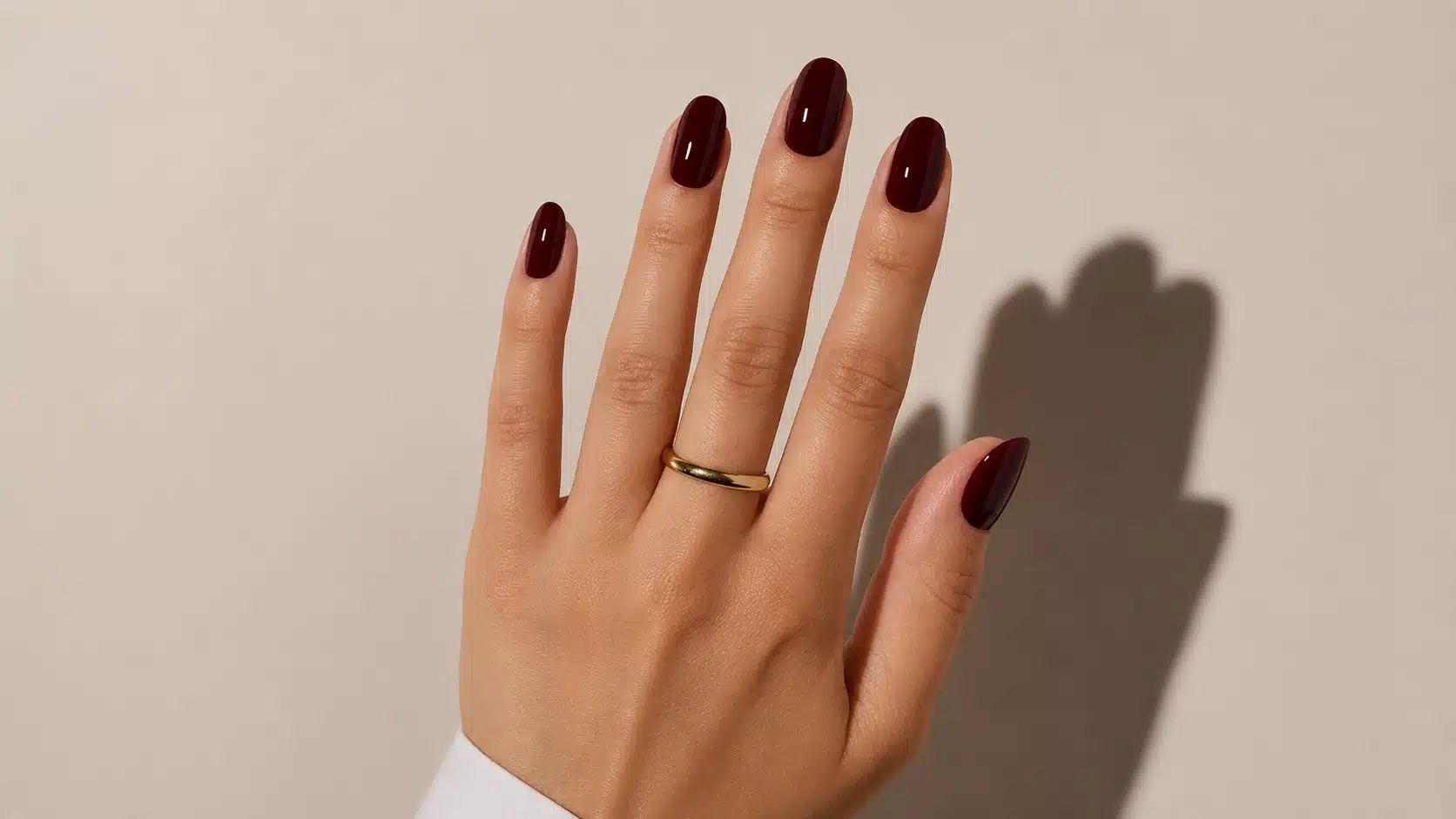
Round nails mimic the natural curve around the finger. The sidewalls remain fairly vertical before merging into a perfectly curved, semicircular shape.
Its continuous curve closely follows the fingertip and creates the softest outline among the main nail shapes.
Unlike an oval, it preserves more width through the sides and has a shorter-looking tip.
Oval Nails
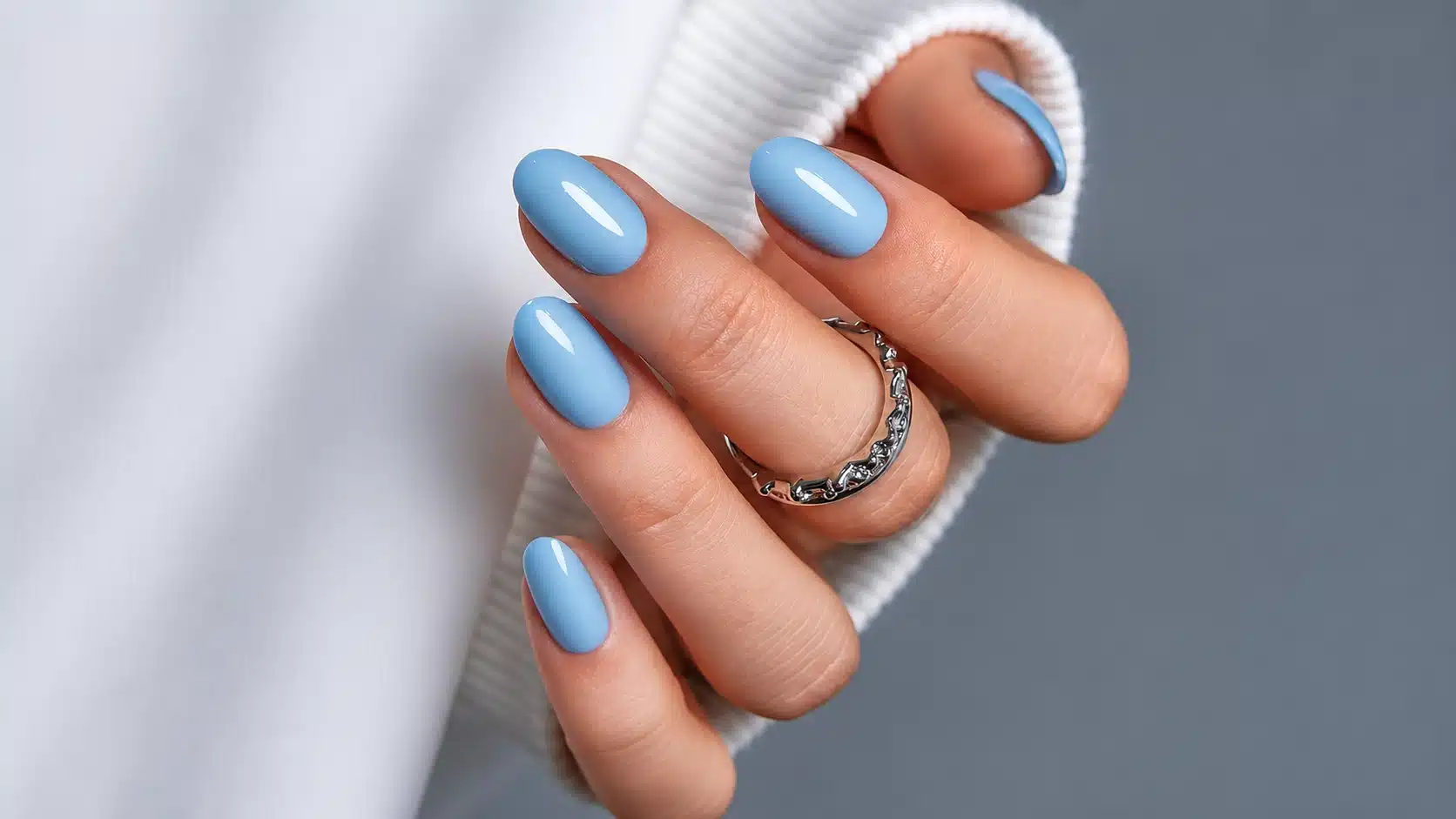
Soft tapering along the sidewalls, with the top gently elongated along a rounded line without forming an apex shape.
Oval nails should be narrower at the point than the round nail. The transition from the sides to the tip should remain even and symmetrical.
Square Nails
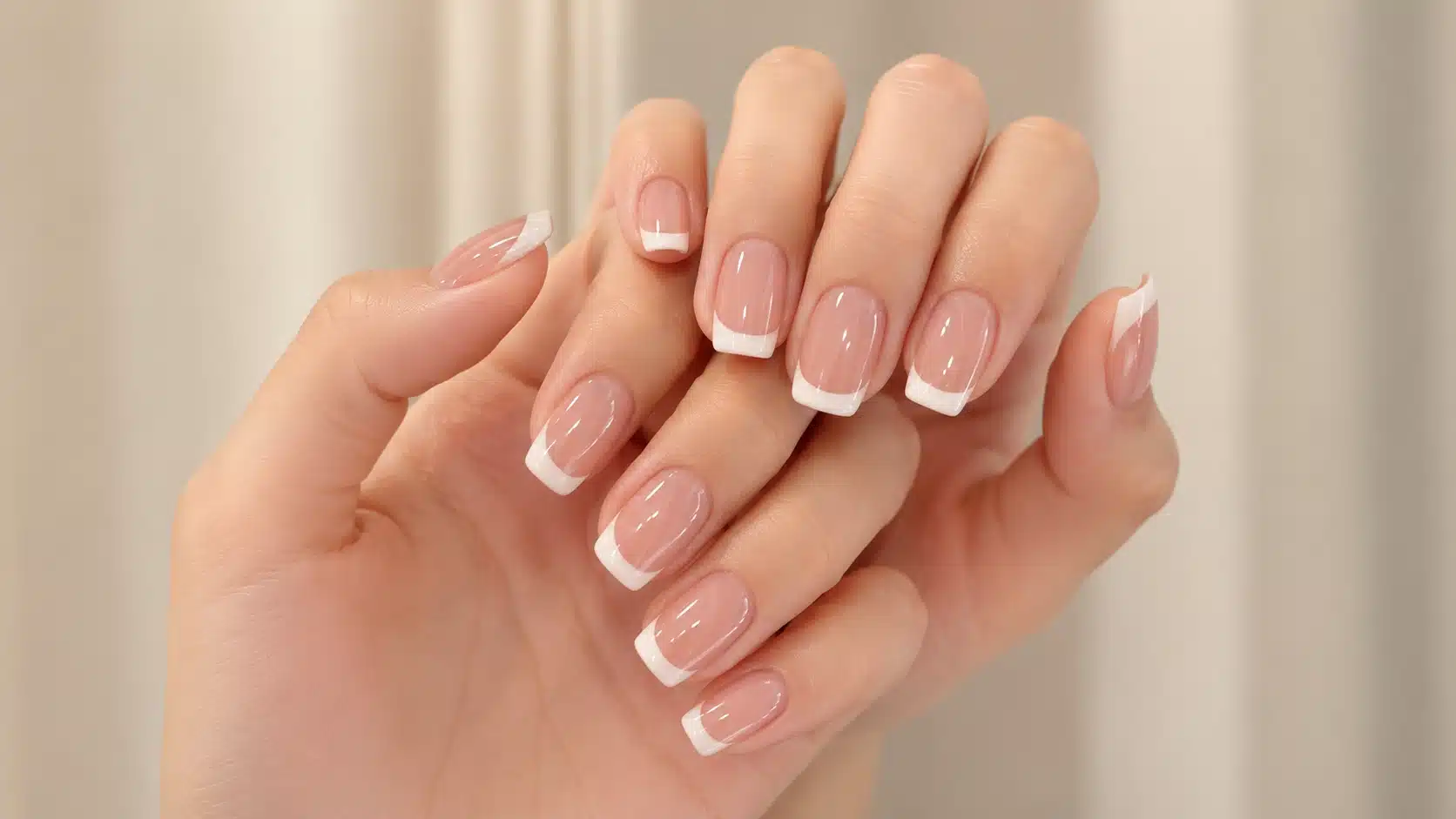
Square nails have straight, perpendicular sidewalls, crisp 90-degree corners, and a flat free edge.
Their consistent width creates a bold, balanced, and highly structured appearance.
This clean, sharp shape works especially well for strong natural nails, nail extensions, and sleek modern manicure designs.
Squoval Nails
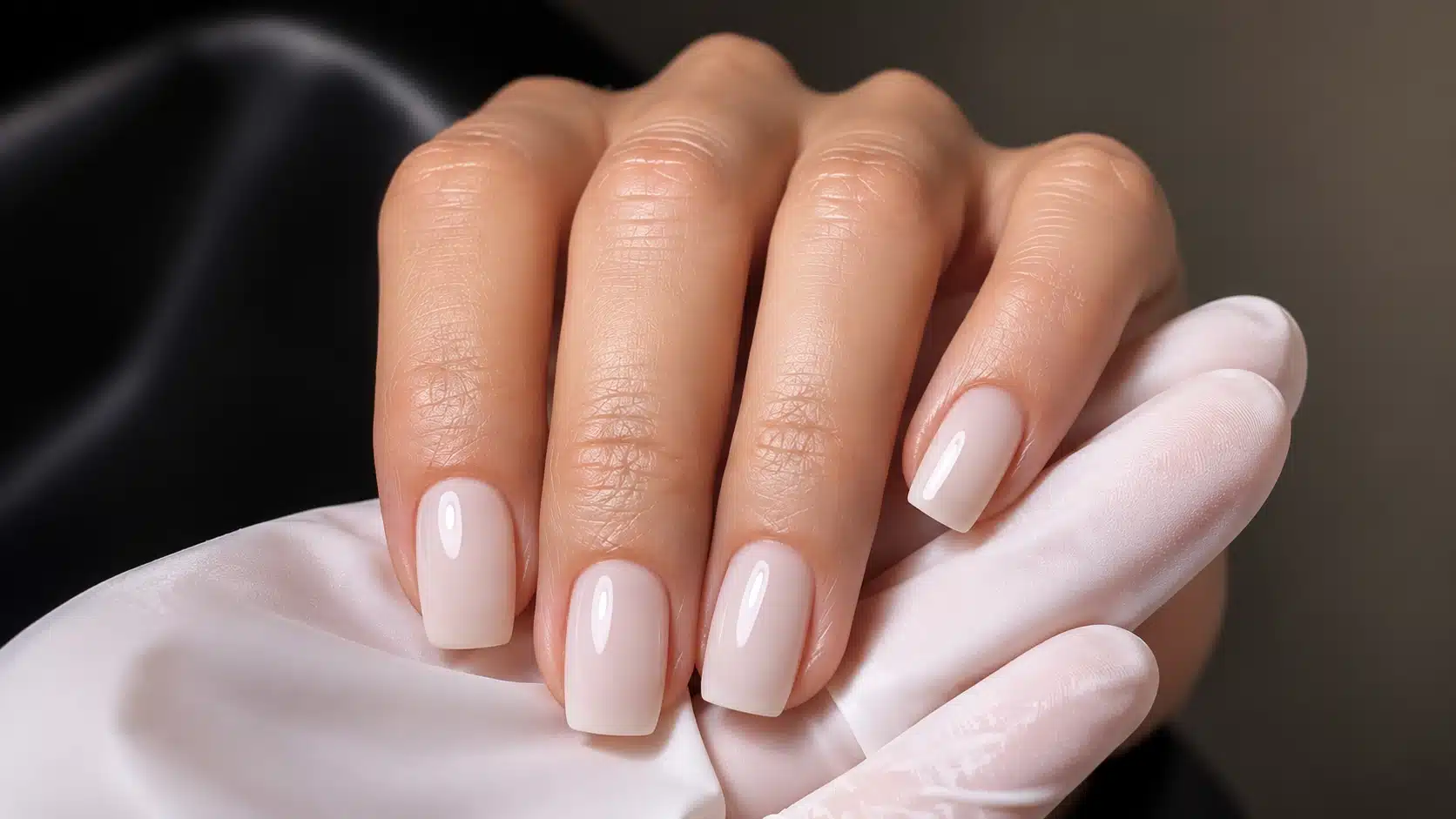
Soft square nails feature a straight free edge with gently rounded corners, combining the structure of a square shape with smoother contours.
The center remains noticeably flat, while the softened edges create a less sharp, geometric appearance that feels balanced, neat, and easy to wear.
Almond Nails
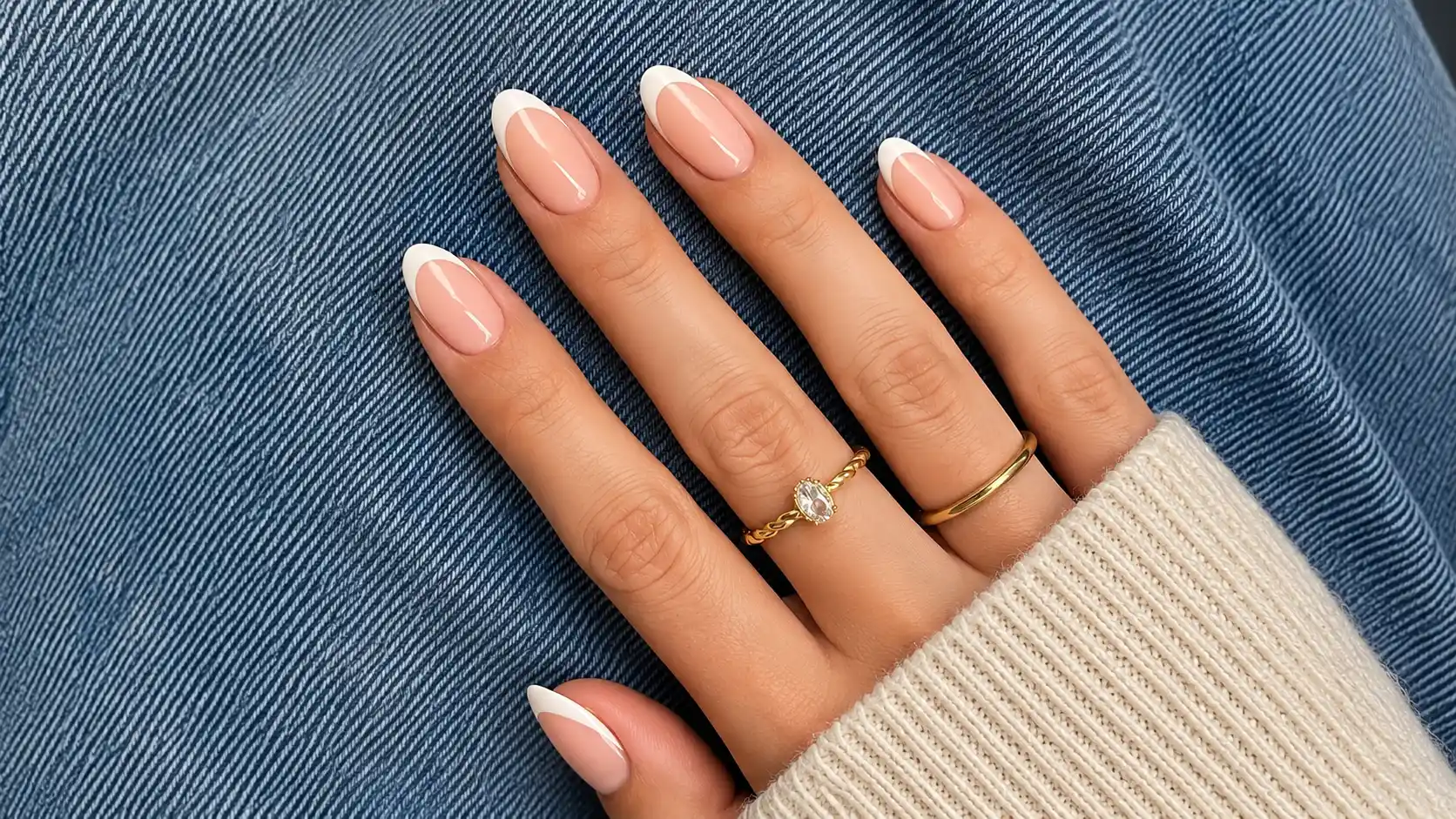
Almond nails have sidewalls that narrow evenly before meeting at a soft, rounded central point.
They are slimmer than oval nails and resemble stilettos without the sharp tip.
Both sides should taper at matching angles, since uneven shaping can make the peak look crooked despite balanced length.
Coffin or Ballerina Nails
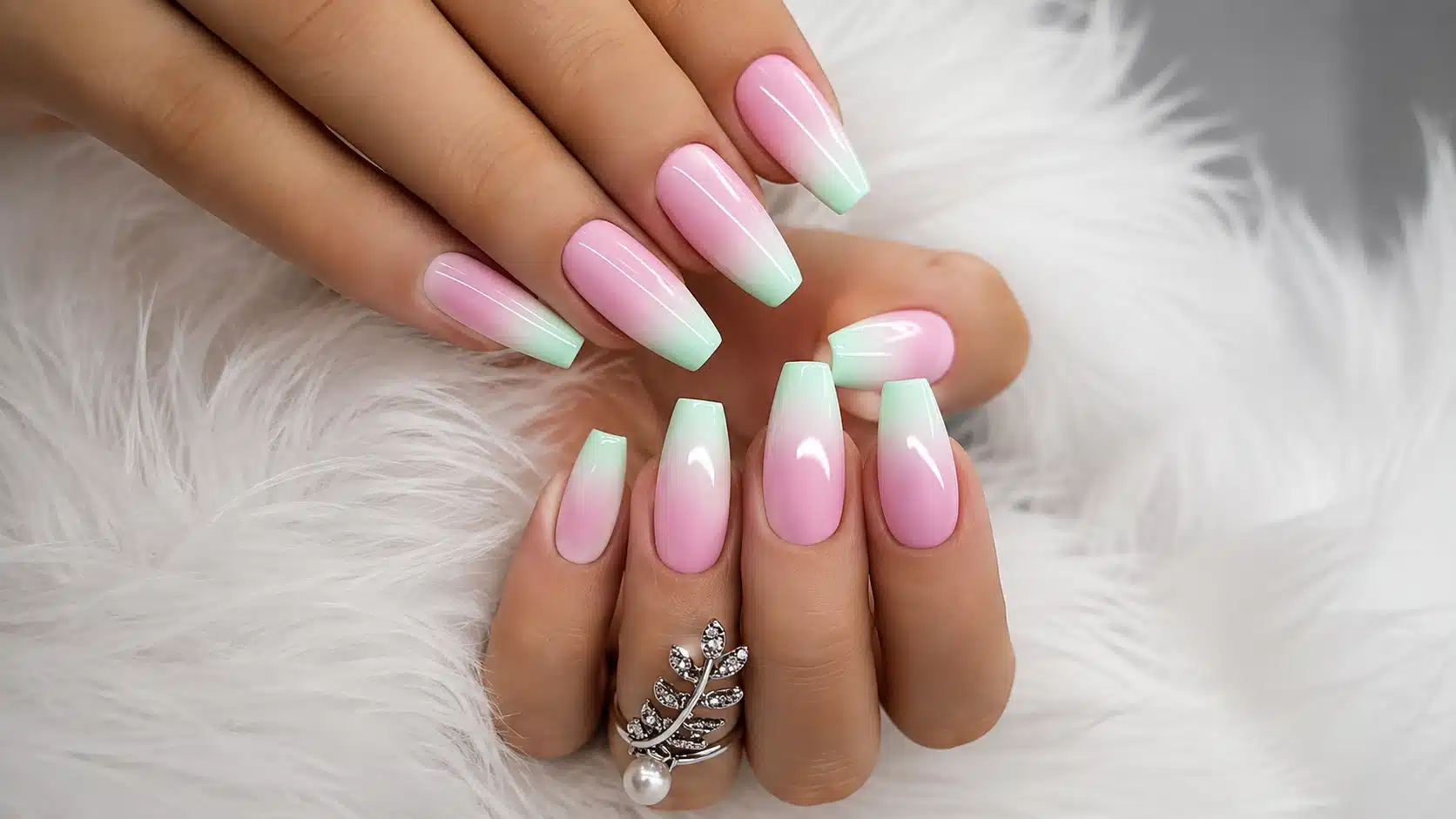
Coffin nails feature inward-sloping sides that narrow toward a flat, squared tip.
The straight end separates them from almond and stiletto shapes, while the tapered walls distinguish them from square nails.
Ballerina nails usually have slightly softer angles, creating a more delicate version of the coffin shape.
Stiletto Nails
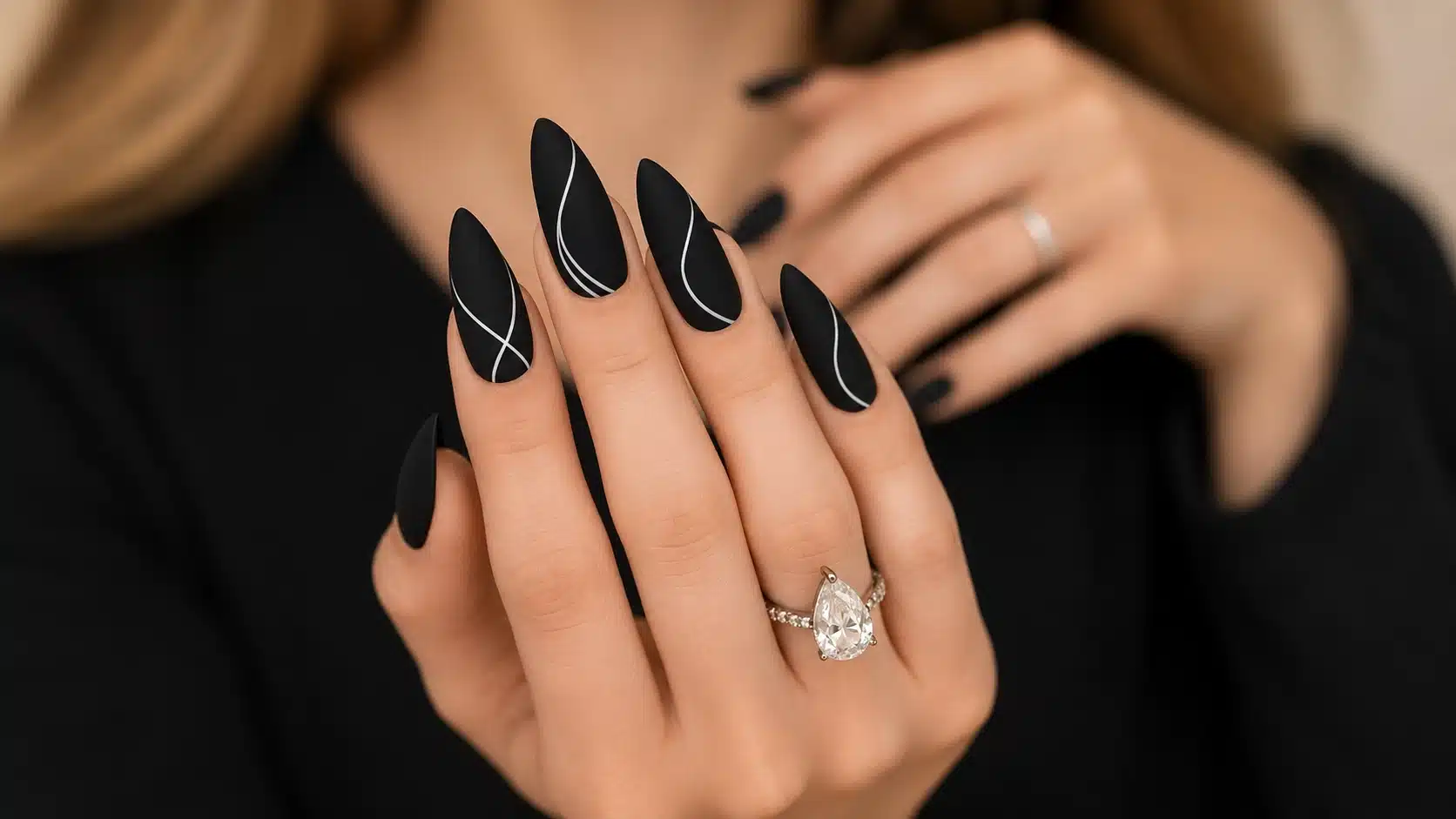
Stiletto nails feature sidewalls that taper sharply toward a fine, pointed tip. Their steep angles and narrow center create a more dramatic look than almond, coffin, or oval shapes.
For a balanced finish, the point should align precisely with the center of each finger.
Lipstick Nails
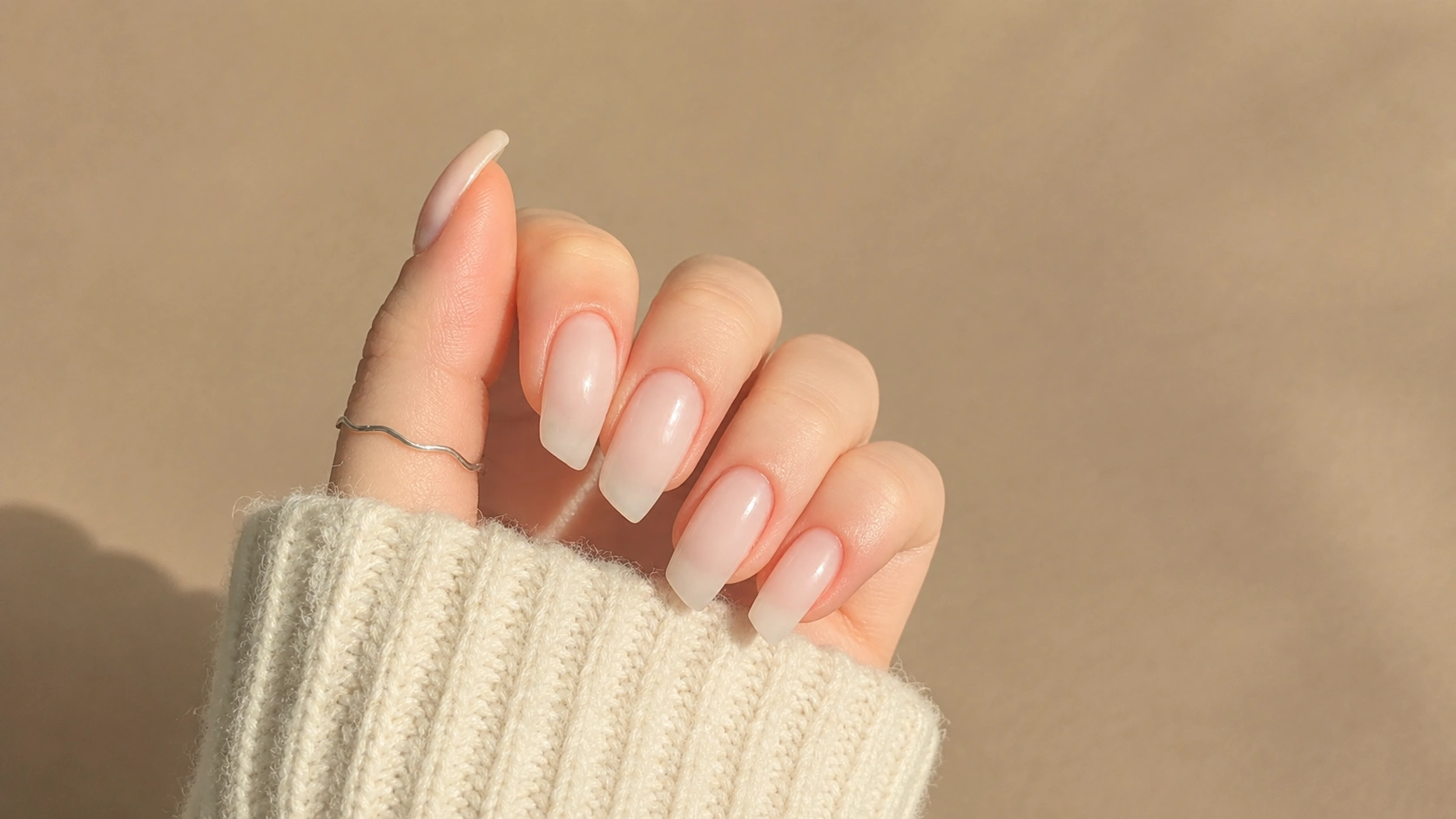
Lipstick nails feature one sharply angled edge that cuts diagonally across the nail tip.
The shape resembles the slanted surface of a fresh lipstick bullet, while the opposite side remains straight, creating a bold, asymmetrical, and fashion-forward manicure with a clean, flat-tipped finish.
At a Glance: Best Nail Shapes for Different Hands
Use finger length and nail bed width together when comparing options.
| Hand Characteristics | Suitable Starting Shapes | Result |
|---|---|---|
| Short fingers with wide nail beds | Oval or almond | Adds length and reduces visible width |
| Short fingers with narrow nail beds | Oval or squoval | Creates gentle length without excessive taper |
| Long fingers with wide nail beds | Almond or coffin | Balances width with a narrower tip |
| Long fingers with narrow nail beds | Square or squoval | Adds definition and visual width |
| Petite hands | Round or soft oval | Maintains balanced proportions |
| Average fingers and nail beds | Squoval, oval, or almond | Offers flexibility across several styles |
Choose a Shape Your Nails Can Support
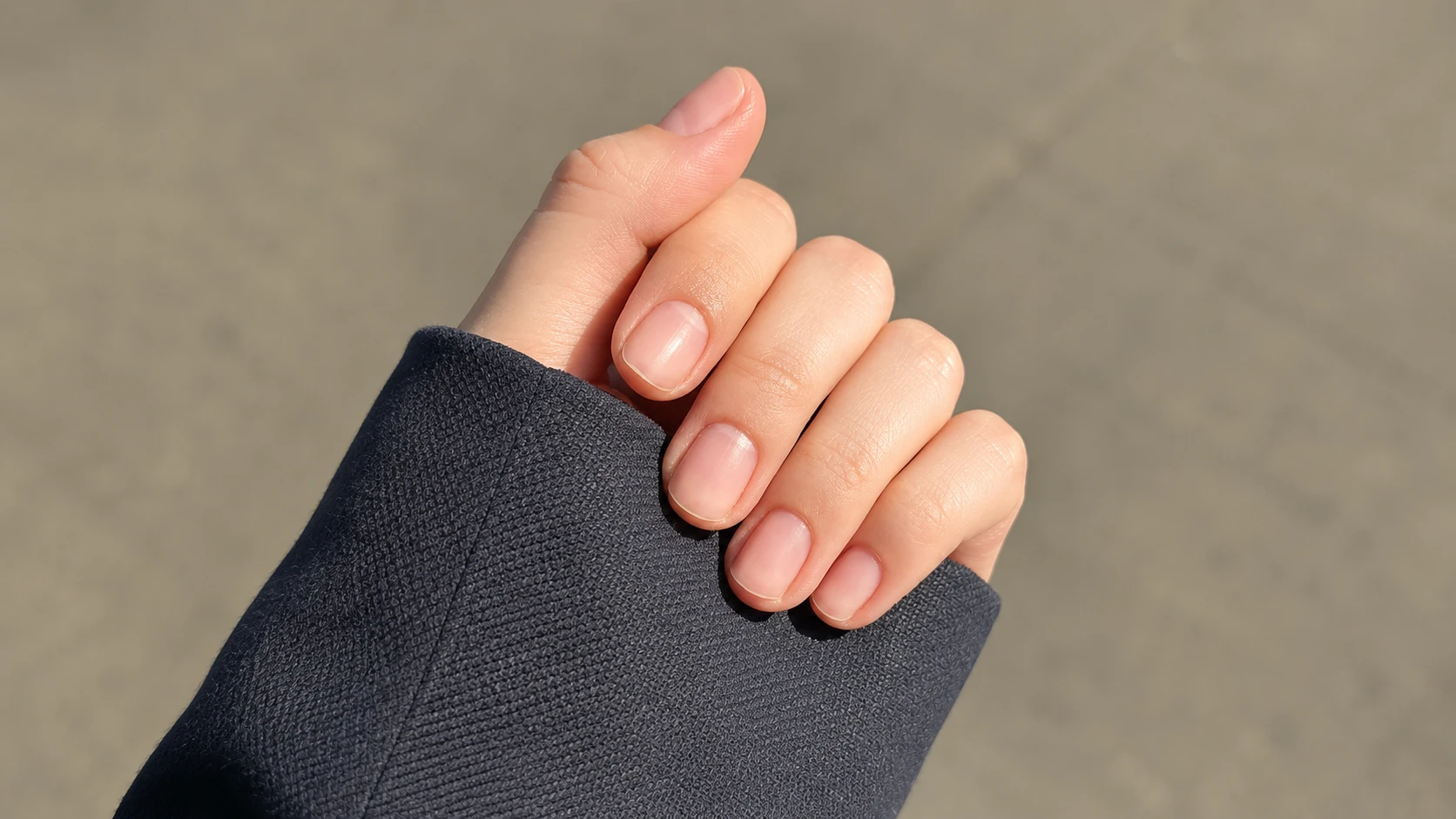
What nail shape you can achieve depends on the length of your nails and their condition.
Short Natural Nails
A round, squoval, or soft square shape does not need much free edge.
You will maintain much of the width of natural nails on a small size and still be easily recognizable. A soft oval shape may also work when the nails extend slightly beyond the fingertip.
Medium-Length Nails
Medium-length nails provide more room to refine curves, corners, and gentle tapers. Oval, square, squoval, and soft almond shapes can usually be distinguished clearly at this stage.
The choice depends on how much free edge is available and whether the natural sides remain even.
Very Long Nails, or Extensions
Longer nails create enough visible space for shapes with stronger angles, narrow tips, or flat tapered ends.
Extensions can also correct uneven length across the hand and provide a more consistent foundation when natural nails grow at different rates.
Weak or Peeling Nails
Weak nails need a shape that preserves support through the sides and does not concentrate pressure at a narrow point.
Round and squoval outlines are usually easier to maintain because their edges are compact and their corners are softened.
Keep the length manageable while peeling or damaged areas grow out, and avoid using filing alone to force a dramatic taper.
Select a Shape for Your Lifestyle
A manicure should allow normal daily movement without making basic tasks difficult.
Active or Hands-On Work
If you are involved with regular cooking or other kitchen tasks, light chores like housecleaning or gardening.
Or any form of physical activity or exercise, health-related care for others, child care, or working with tools can benefit from a smaller free edge on the nail.
Avoid having nails long enough that they impede your grip, hook on equipment, or are subjected to repetitive pressure during common activities.
Frequent Typing
For comfortable typing, the free edge should allow the finger pads to contact the keys without forcing the hands into an unnatural angle.
Touchscreen users should also check whether the length affects tapping accuracy. A small adjustment in length may matter more than changing the entire shape.
Low-Impact Routines
These procedures will keep your fingers, nails, cuticles, and hands healthy even as they grow long.
People can wear long stiletto, coffin, or almond-shaped nails when their fingertips apply minimal stress to their hands.
When using tight spaces, close up the container to a bottle or use the key in the Jewelry you’ve made.
Take care when grabbing for items in space where that would involve straining the nails to reach them.
Limited Maintenance Time
Be aware of how the line will continue to look once the nail grows out a bit.
The lines will hold together until after sharp points, angled corners, and tapered flat finishes begin to show the different rates at which our nails grow.
The more exact the silhouette, the more often it may need refining.
Match the Shape to Your Style
Once the realistic choices have been exhausted, make your final decision.
- Choose what flatters or suits your general personal style.
- Color and finish can change the character of the same outline.
- Sheer or neutral shades soften strong corners, while dark polish emphasizes the silhouette. Vertical details can create a longer appearance.
- French tips draw attention to the free edge, and embellishments add more visual weight to wide or dramatic shapes.
- Nail polish can make a style more pronounced or more subtle.
Using nude tones with angular shapes or polish to complement more angular shapes, while detailing such as chrome, dark finishes, graphics, or stones enhance other styles.
Final Thoughts
Your shape selection is not set in stone. Try it for one full manicuring period and look at it as your nails grow and as it impacts everyday activities.
See where asymmetry begins to creep in-that will give you a much greater clue of whether the shape really works for you or not than assessing it purely on the day you get it.
At your next manicure, you might be able to make minor alterations to your chosen style and achieve a beautiful result.
Frequently Asked Questions (FAQs)
1. What is the Easiest Nail Shape to Maintain?
The easiest option is usually the shape closest to the nail’s natural growth pattern. Less corrective filing is needed when the chosen curve, width, and corners already resemble the natural free edge.
2. What is the Best Shape for Broad Nail Beds?
Oval and almond shapes can visually narrow broad nail beds, but they are not the only options. A softly finished squoval can work when the reader prefers a shorter, lower-maintenance manicure.
3. Can Short Nails Still Look Shaped and Defined?
Yes. Definition comes from consistency rather than extreme length. Keeping every free edge even, matching the corner softness across the hand, and correcting small asymmetries can make short nails look intentional.