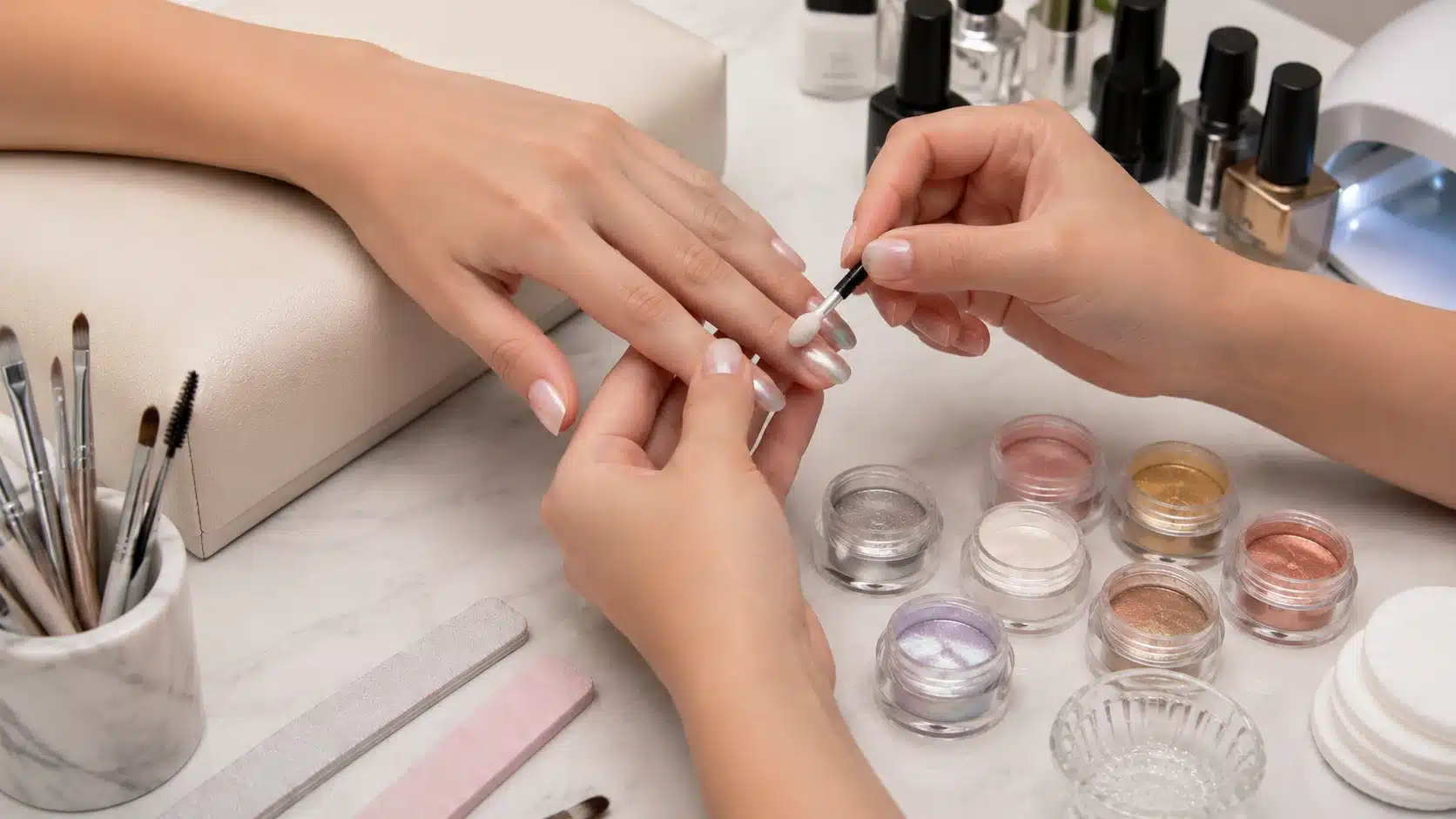
Dry, peeling, or over-trimmed cuticles make your hands look rough and feel sore.
These sections cover what your nail cuticles are, why they matter, and how to care for them at home.
You’ll also learn what to do before and after a manicure, and how to catch a problem before it turns into an infection.
Importance of Nail Cuticles
Cuticles play a bigger role in nail health.
This thin layer of skin at the base of the nail acts as a natural seal, protecting the nail matrix (where new nail growth begins) from bacteria, fungi, and other pathogens.
When cuticles are cut too aggressively or removed entirely, this protective barrier is broken, increasing the risk of infection, inflammation, and painful hangnails.
Rather than cutting cuticles, dermatologists recommend gently pushing them back after softening with moisturizer or during a warm soak.
Regular cuticle care, hydrating with oil, and avoiding harsh trimming keep nails strong, promote healthy growth, and prevent infections, making it an essential part of any nail care routine.
Healthy Cuticles vs Unhealthy Cuticles
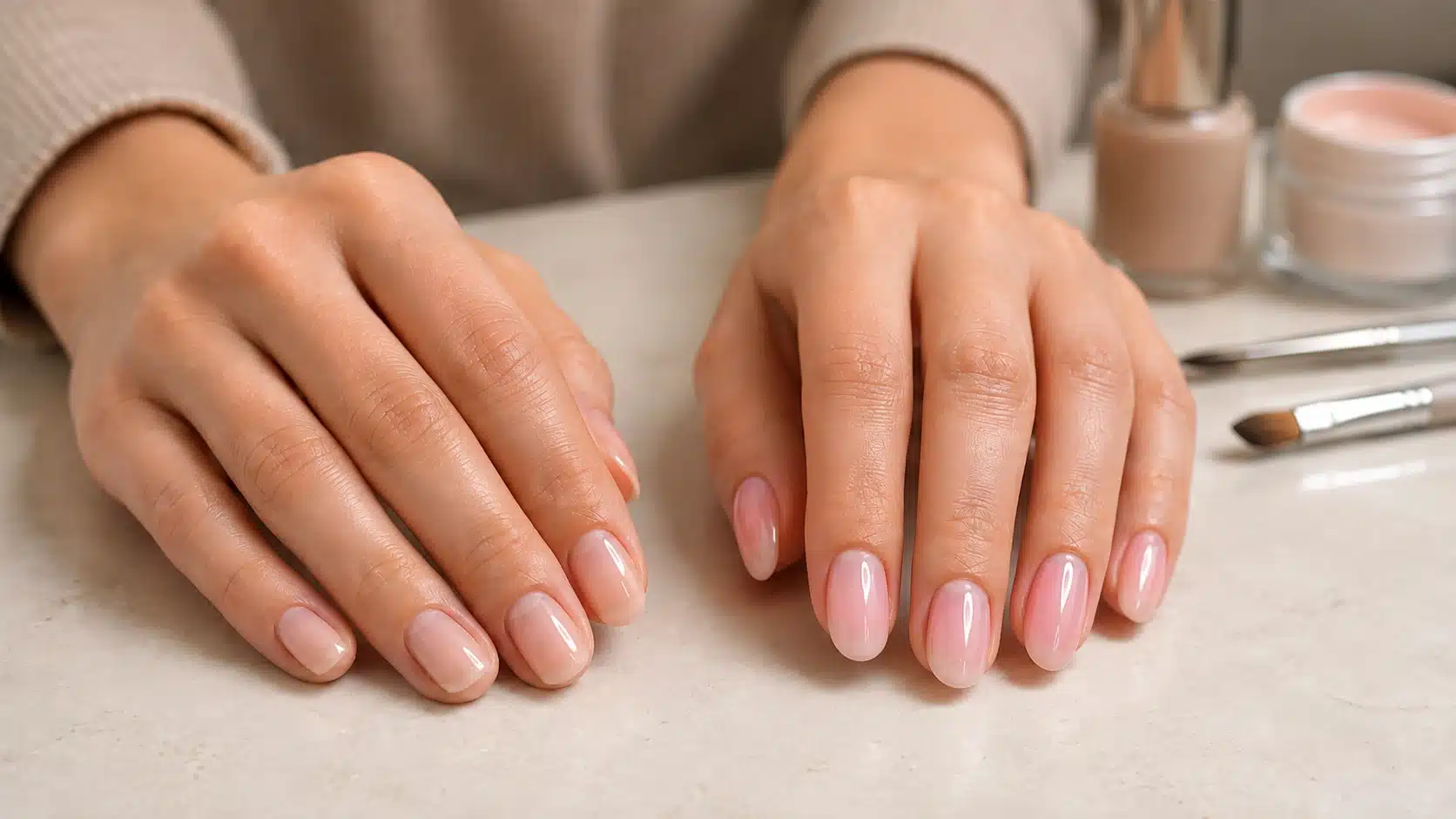
Healthy cuticles look smooth and sit neatly against the nail with no redness or pain.
Unhealthy ones turn dry, cracked, sore, or swollen, and the nail itself may change shape or color.
Unhealthy cuticles don’t always mean infection, but redness, pus, ongoing pain, or nail changes are signs you shouldn’t ignore.
| Healthy Cuticles | Unhealthy Cuticles |
|---|---|
| Smooth and soft | Dry, cracked, or peeling |
| No redness or swelling | Red, sore, or swollen skin |
| Attached neatly to the nail base | Torn, lifted, or overcut |
| No pain or pus | Pain, pus, or tenderness |
| Nails grow normally | Nail shape or color may change |
How to Take Care of Your Cuticles at Home
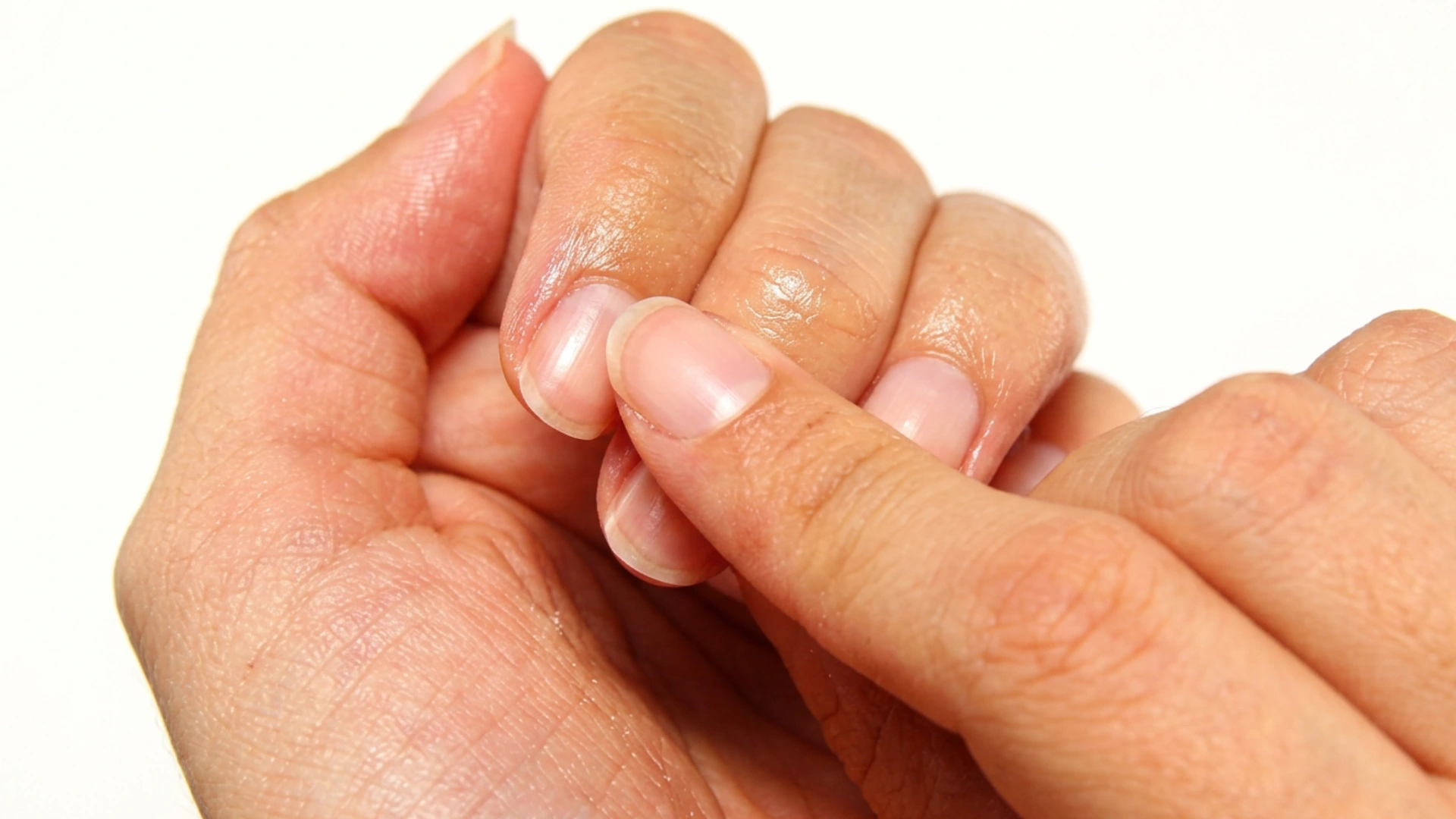
A good routine is short and gentle. The steps below follow the order that works best, moving from soaking to moisturizing to gently pushing back.
Take care of your nails and cuticles, and make any nail design you want without worrying about the damage.
1. Soften the Cuticle
Never work on your cuticles while they’re dry, as that can cause them to split and tear.
Fill a small bowl with warm, soapy water and soak your fingertips for 5 to 10 minutes. This softens the dead skin and loosens built-up debris safely.
2. Moisturize Daily
Apply a dedicated cream, oil, or thick petroleum jelly straight onto your nail beds every day.
Massaging a rich moisturizer into the base of your nails right before bed keeps the skin soft and pliable, preventing the cracks that turn into hangnails.
3. Push Back Gently
After your bath or soak, use a clean, rounded cuticle pusher or a wooden orange stick to ease the softened skin back toward the base of your finger.
Work with very light pressure, letting the tool glide smoothly across the nail surface instead of forcing it.
4. Trim only Loose Hangnails
Keep your cuticle nippers strictly for pieces of completely dead, loose skin or detached hangnails that might catch on clothing.
Never use nippers to cut into the continuous, intact rim of skin protecting the nail base.
5. Wear Gloves for Chores
Household cleaners, dish soaps, and long stretches in hot water strip away the natural oils that protect your hands.
Always slide on a pair of rubber or latex gloves before you start chores to keep your skin from drying out.
Signs of Nail Cuticle Infection
When the protective cuticle seal breaks, bacteria such as Staphylococcus or fungi can enter, causing an infection called paronychia.
- Common symptoms include:
- Redness in one spot
- Clear swelling around the edges of the nail
- Skin that feels hot to the touch
- Small, fluid-filled blisters
Left untreated, the infection can warp your nail plate, change its color, or make it detach from the skin underneath.
Consult a doctor if you notice pus draining from your nail wall, experience severe throbbing pain, see redness spreading down your finger, develop a fever, or notice your nail lift entirely off the bed.
How to Take Care of Your Cuticle?
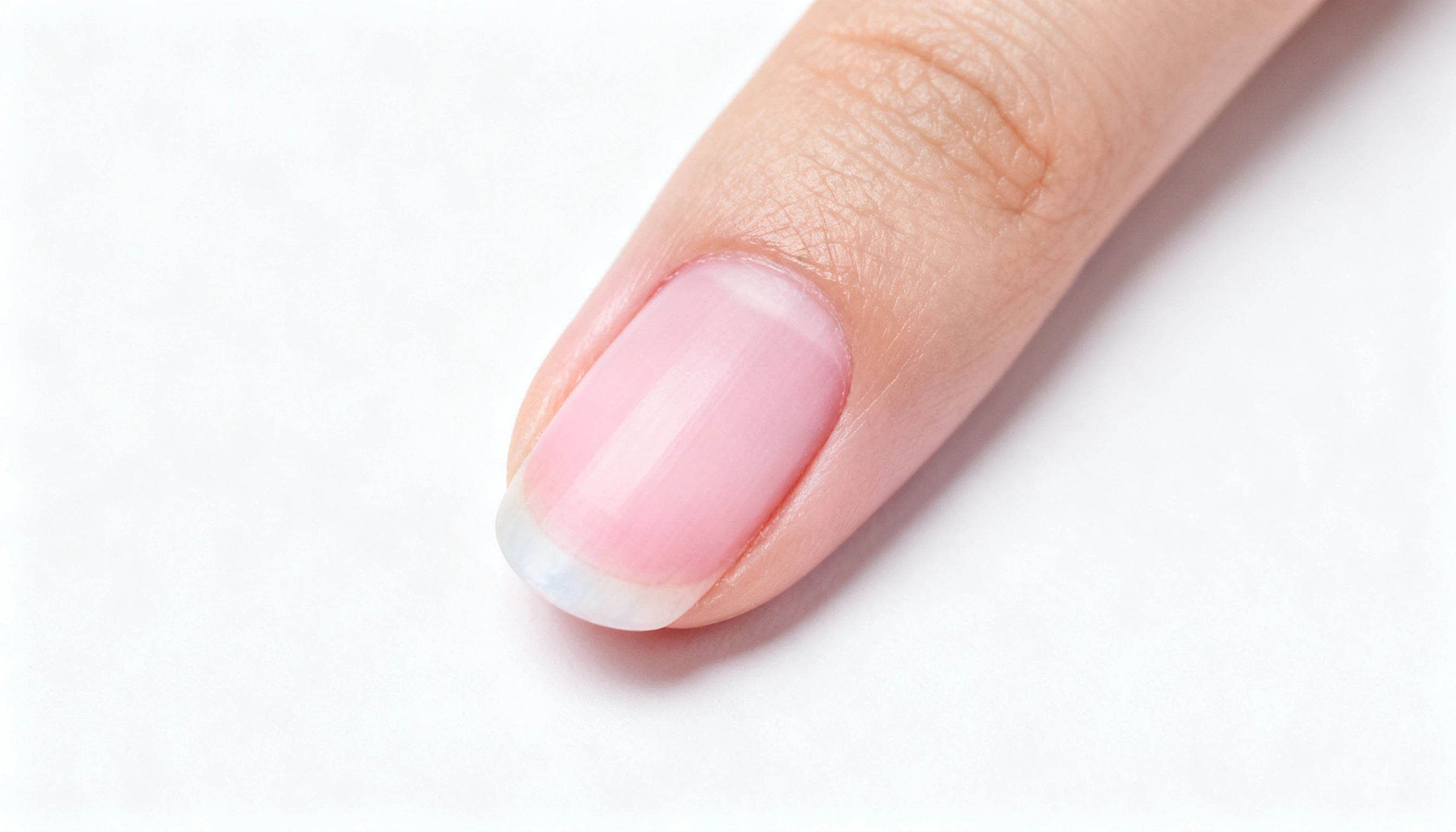
Cuticle care doesn’t stop at the salon door. What you do in the days leading up to an appointment determines how your nails hold up afterward.
Prep well beforehand so your cuticles are soft and intact, then keep them moisturized once you’re home.
Before a Manicure
- Scrub your hands and under your nails thoroughly before your appointment.
- Resist the urge to pick, scratch, or bite at loose skin in the days leading up to your visit.
- Apply moisturizer generously for the 48 hours beforehand to give your skin maximum flexibility.
- Tell your nail technician clearly that you want your cuticles gently pushed back, not trimmed or clipped.
- Only book clean salons that use autoclaves to sterilize their metal tools.
After a Manicure
- Apply a drop of cuticle oil to your fresh manicure every morning and night.
- Never peel or pick at lifting gel or acrylic edges, since that tears away real nail and skin.
- Slip on protective gloves before you do the dishes or use chemical cleaners.
- Clip any post-salon hangnails cleanly with sanitized tools instead of pulling them.
- Check around your fingers daily for early signs of throbbing, redness, or heat.
The Bottom Line
Your cuticles protect the part of your nail you can’t see, so care for them instead of cutting them away.
Keep the routine simple: clean, soften, moisturize, gently push back, and leave the seal intact. If you spot redness, pus, or spreading pain, see a doctor rather than treating it at home.
If you have any tips, drop them in the comments below and help others to achieve healthy cuticles.
People May Ask
1. Why are My Cuticles Peeling?
Cuticles usually start peeling due to dryness or damage from cold weather, frequent handwashing, harsh products, or acetone.
2. Can Damaged Cuticles Grow Back?
Usually yes, with gentle care and time, unless there’s repeated trauma or infection.
3. How Often Should I Use Cuticle Oil?
You can safely apply it several times a day, and a generous amount right before bed gives the best results.