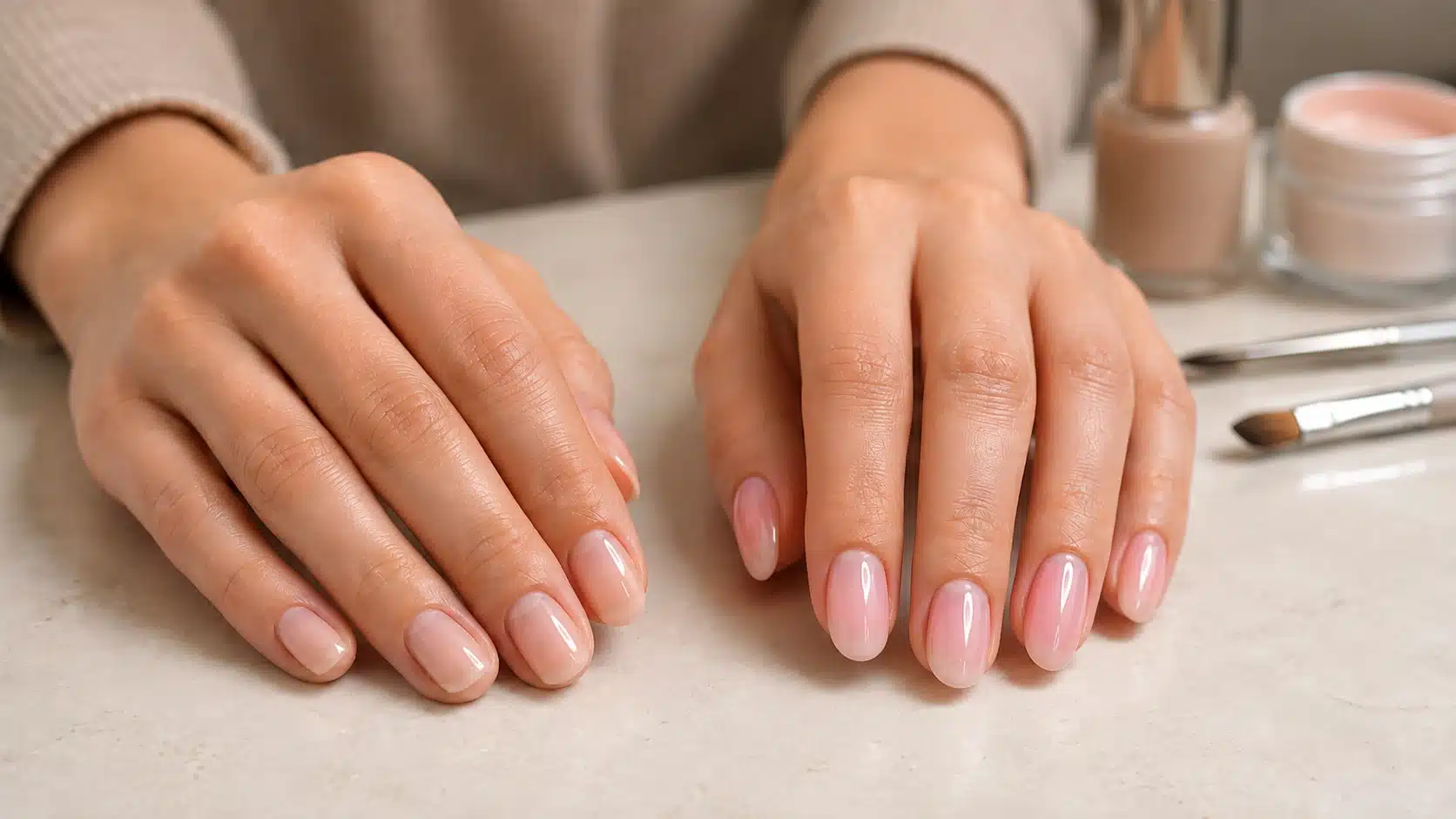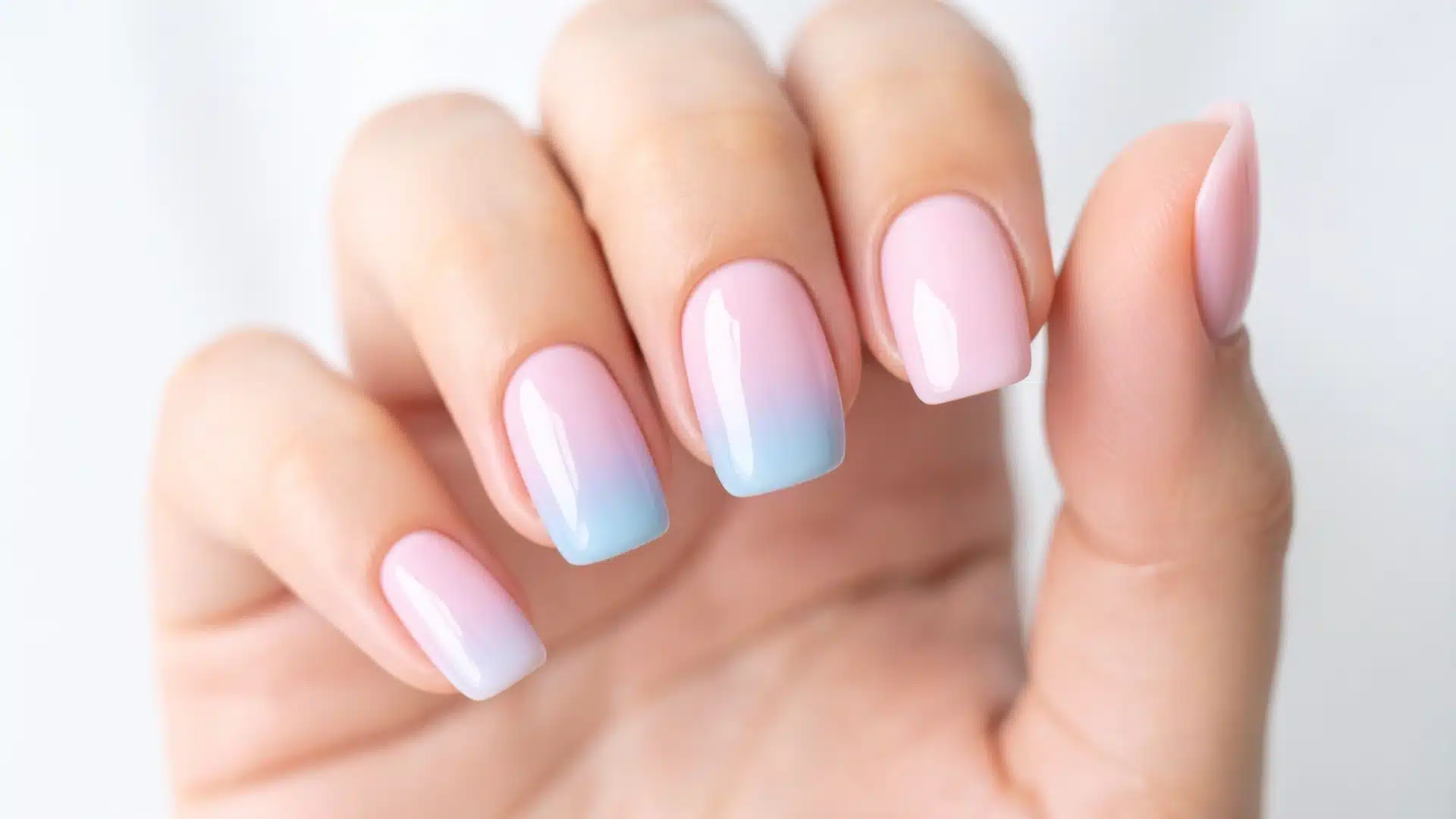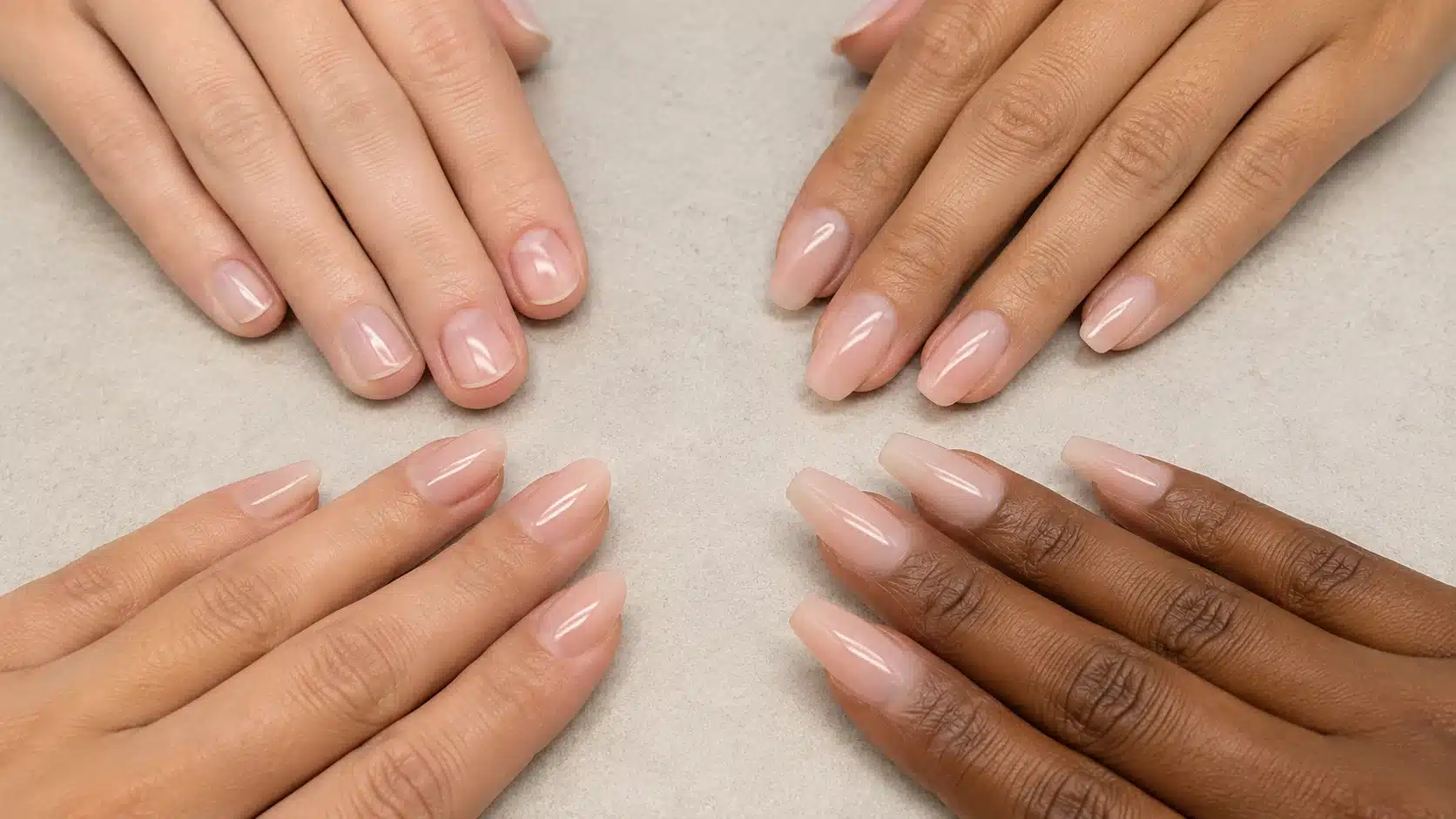
Natural nails can look polished while still feeling thin, flexible, or prone to breaking underneath.
That is why many people ask whether builder gel is good for their nails, especially after repeated gel polish, acrylic applications, or rough removal.
Builder gel can protect weak natural nails by adding a supportive overlay that reduces bending and breakage, but it does not permanently repair the nail plate.
Results depend on the formula, curing process, technician’s skill, maintenance schedule, and removal method.
If used carelessly, it may contribute to thinning, lifting, irritation, or allergic reactions.
Is Builder Gel Actually Good for Your Nails?
Yes, builder gel can be good for weak, flexible, or breakage-prone nails when it is applied, cured, maintained, and removed correctly.
It creates a structured layer over the natural nail, helping reduce bending, splitting, and snapping during everyday activities.
Builder gel does not chemically strengthen or heal the natural nail. Its benefit comes from temporary reinforcement while the product remains in place.
Once removed, the nail returns to its natural condition unless healthier nail growth has replaced the previously damaged area.
Problems are more likely when the nail plate is overfiled, uncured product touches the skin, an unsuitable curing lamp is used, lifted gel is ignored, or the coating is picked away.
Builder gel can be helpful, but application and aftercare largely determine the outcome.
What Builder Gel is and How it Works?
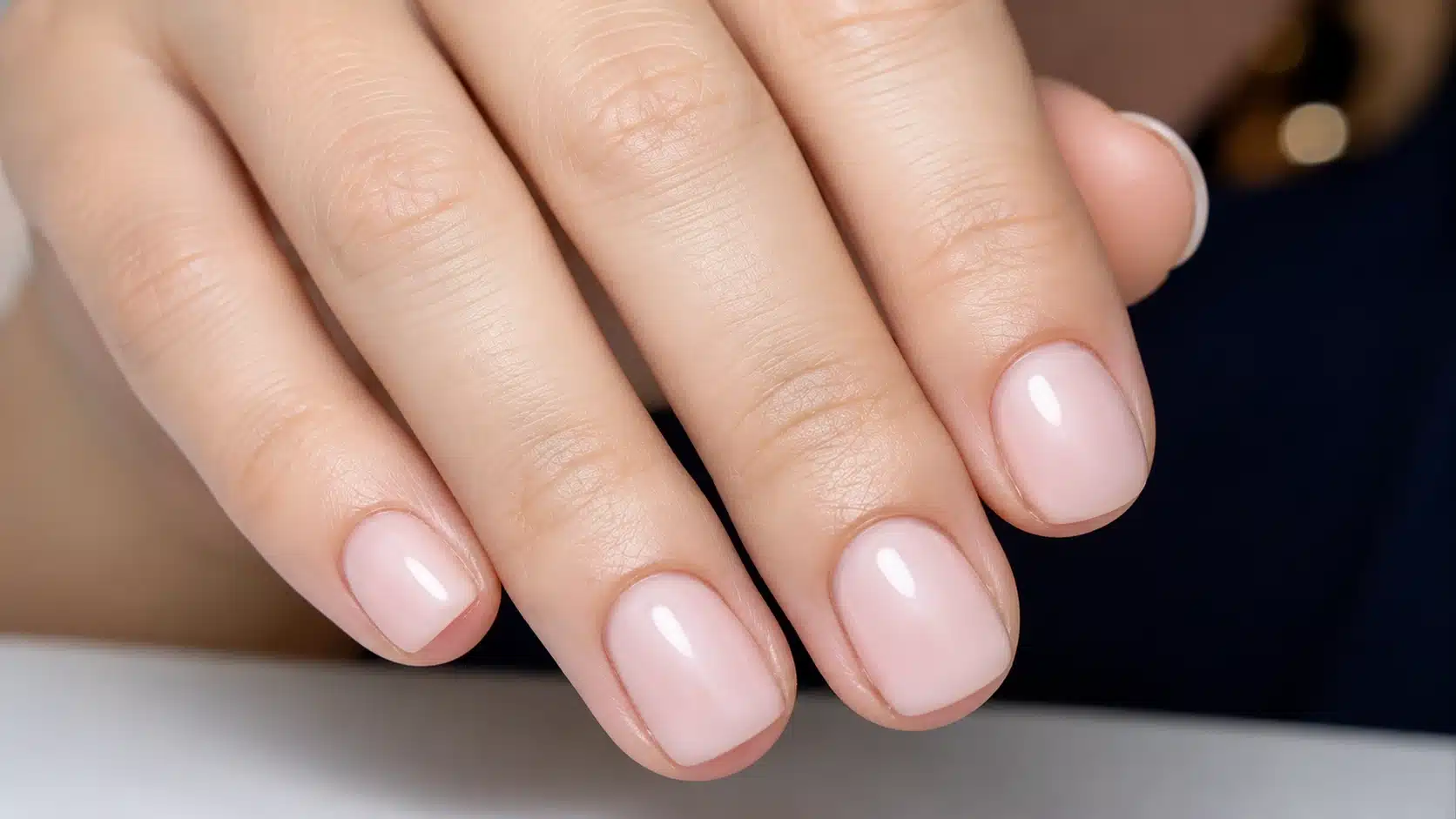
Builder gel is a thicker gel product used to reinforce natural nails, create overlays, or add limited length.
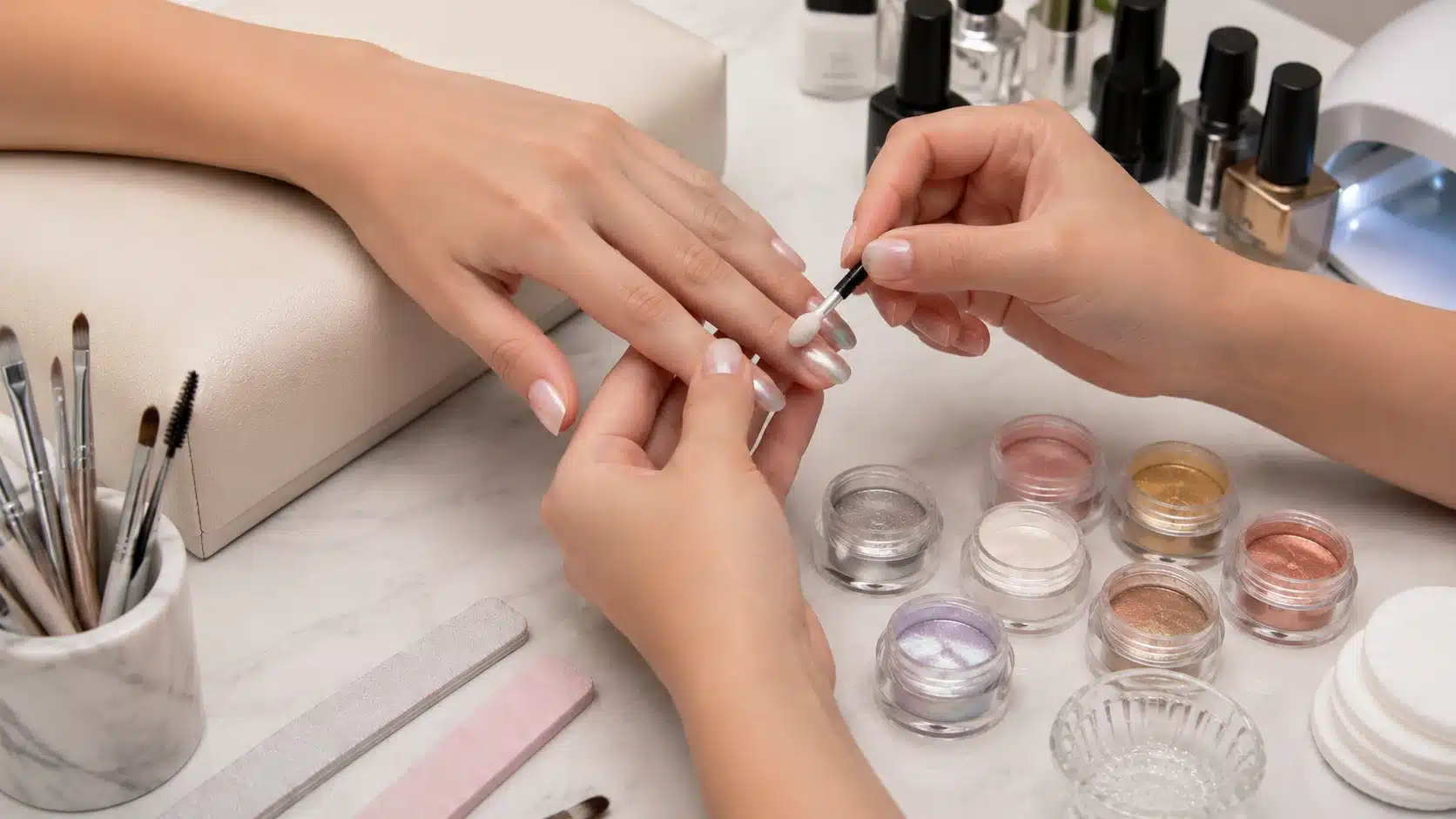
It is placed over the nail, shaped to create an even structure, and cured under a compatible LED or UV lamp.
Unlike regular gel polish, builder gel is designed to create strength and shape rather than color alone.
The technician usually adds more product around the stress area while keeping the coating thinner near the cuticle and free edge.
Builder Gel as a Natural Nail Overlay
An overlay is builder gel applied directly over the natural nail without adding an extension.
It suits people who want extra support while keeping their existing nail length. The overlay acts as a protective coating.
It does not change how the natural nail grows, but it can help reduce breakage while the nail continues growing underneath.
Soft, Semi-Hard, and Hard Builder Gel
Soft builder gels are usually the most flexible and may soak off with acetone. Semi-hard formulas provide more structure but vary in their removal requirements.
Hard builder gels create a more rigid coating and generally need to be filed down or grown out.
Because categories and formulas vary between brands, confirm the product’s flexibility and removal instructions before application.
How Can Builder Gel Help Weak Natural Nails?
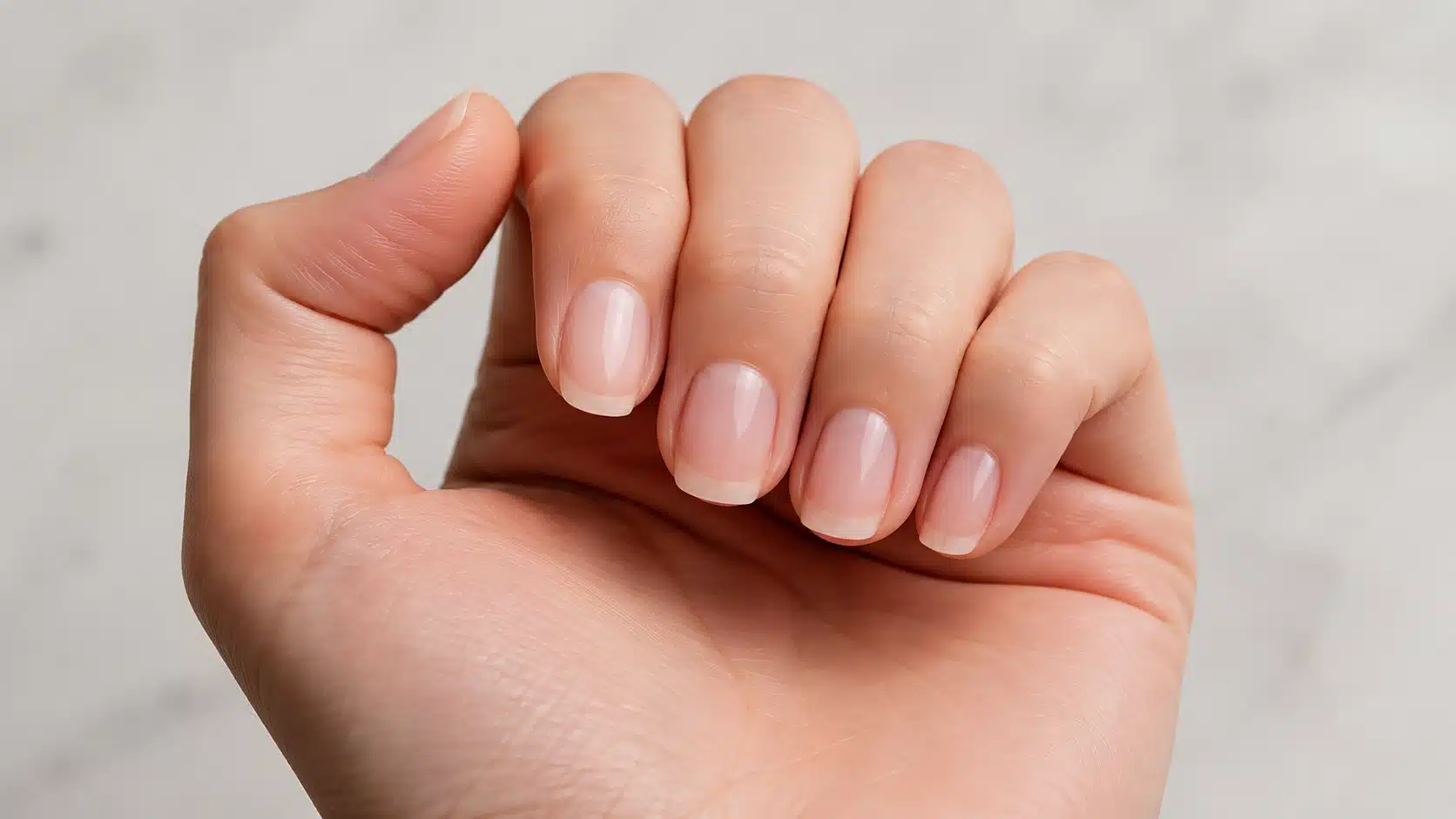
Builder gel forms a thicker and more supportive coating than regular gel polish. This extra structure can reduce movement in thin nails and protect the free edge from everyday pressure.
Its main benefits include:
- Reducing bending in thin or flexible nails
- Helping prevent splitting and snapping
- Supporting the nail’s stress area with a shaped apex
- Allowing natural nails to retain more length
- Providing a smooth base for color or nail art
- Lasting longer than many gel polish manicures
- Allowing maintenance fills instead of complete removal
These benefits can help natural nails retain length, but the overlay must remain properly balanced and maintained to continue providing support.
When Builder Gel Can Damage Your Nails
Builder gel does not automatically damage natural nails; problems usually come down to how it’s applied, cured, maintained, or removed rather than the product itself.
Risks tend to increase when:
- Buffing or Filing is too Aggressive: Deep filing or heavy buffing can thin the nail plate and leave it weak.
- Uncured Gel Touches the Skin: This, along with overly thick layers or an incompatible lamp, raises the risk of irritation and sensitization.
- Product is Picked or Peeled Off: This pulls at the nail plate and can strip away healthy layers along with the gel.
- Damage is Covered Rather than Addressed: Cracks, lifting, infections, or nail separation should never be covered with more product; they need to be dealt with directly.
A couple of things worth keeping in mind: a HEMA-free label doesn’t guarantee an allergy-free formula, since other acrylates may still be present.
And while acetone can dry out nails and surrounding skin, it’s usually less concerning than scraping, excessive filing, or repeated contact with uncured gel.
Careful technique and timely repairs at every appointment go a long way toward keeping these risks in check.
Who is Builder Gel Best For?
Builder gel may suit people with thin, flexible, peeling, or breakage-prone nails who want added reinforcement without committing to rigid extensions.
Builder gel should be delayed when there are open cuts, inflamed skin, unexplained discoloration, nail separation, pain, swelling, discharge, or a previous acrylate allergy.
These concerns should be assessed before another enhancement is applied.
It may also suit people growing out previous extensions, maintaining short natural nails, or seeking a structured manicure without adding significant length.
Builder Gel vs Other Nail Enhancements
Builder gel sits between thin gel polish and more rigid extension systems. The right choice depends on the condition of the natural nails, desired length, lifestyle, and preferred removal method.
| Nail System | Main Purpose | Flexibility | Typical Removal |
|---|---|---|---|
| Builder gel | Reinforces natural nails and adds structure | Flexible to moderately rigid | Soak-off or file-off |
| Regular gel polish | Adds lasting color and shine | Thin and flexible | Usually soaked off |
| Hard gel extensions | Creates rigid overlays or longer sculpted extensions | More rigid | Filed off |
| Acrylic | Adds maximum strength and length | Generally rigid | Filed and soaked |
| Dip powder | Creates a thick, chip-resistant coating | Less flexible | Filed and soaked |
| GelX | Adds pre-shaped full cover extensions | Varies by product | Soaked or filed |
Builder gel provides more structural support than regular gel polish while often feeling more flexible than acrylic. However, formulas and application techniques vary, so one system is not automatically safer for everyone.
What Happens During a Builder Gel Manicure?
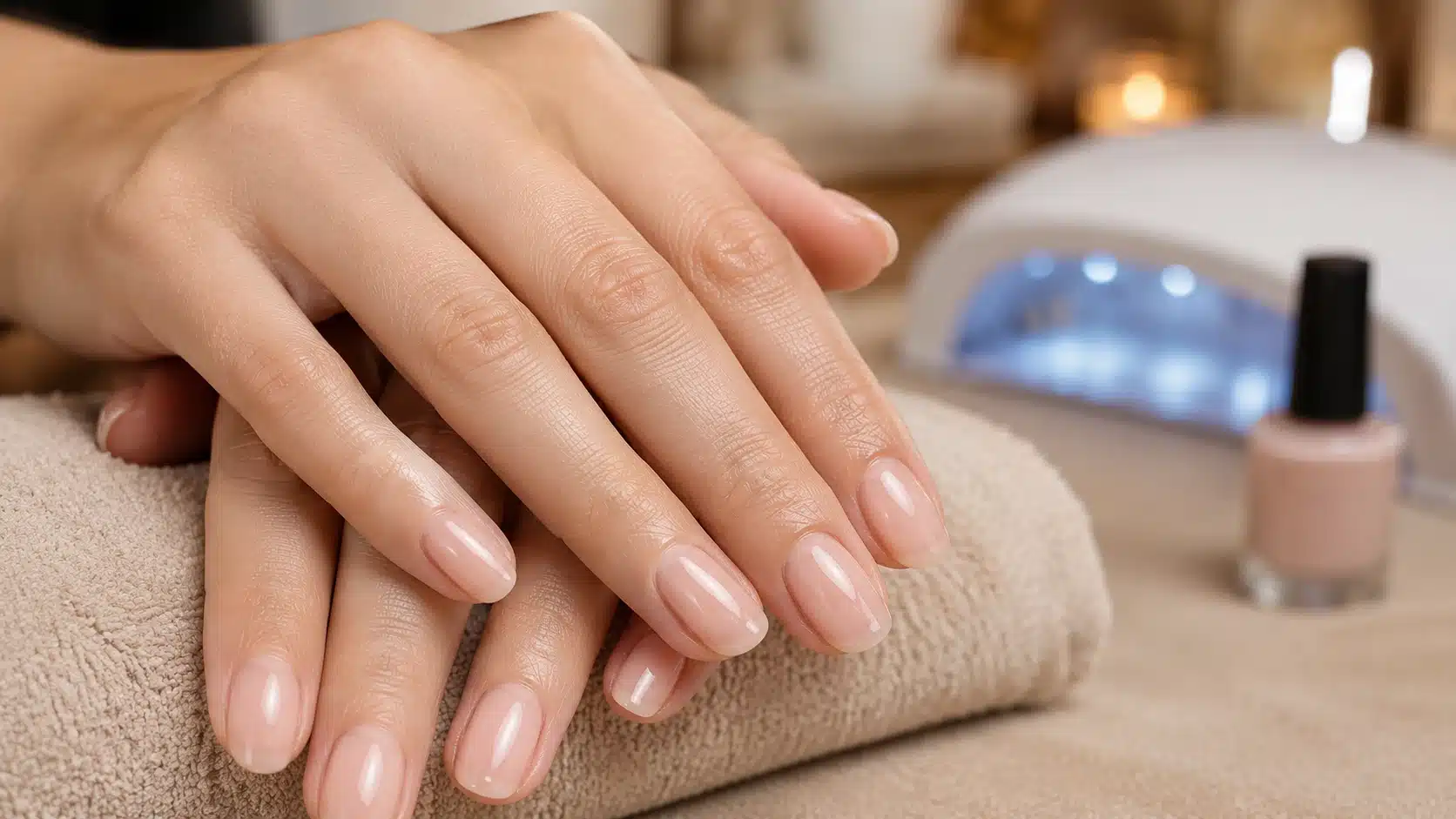
A builder gel appointment usually takes longer than a standard gel polish service because the product must be shaped and balanced carefully.
The process generally includes:
- Assess the condition of the natural nails.
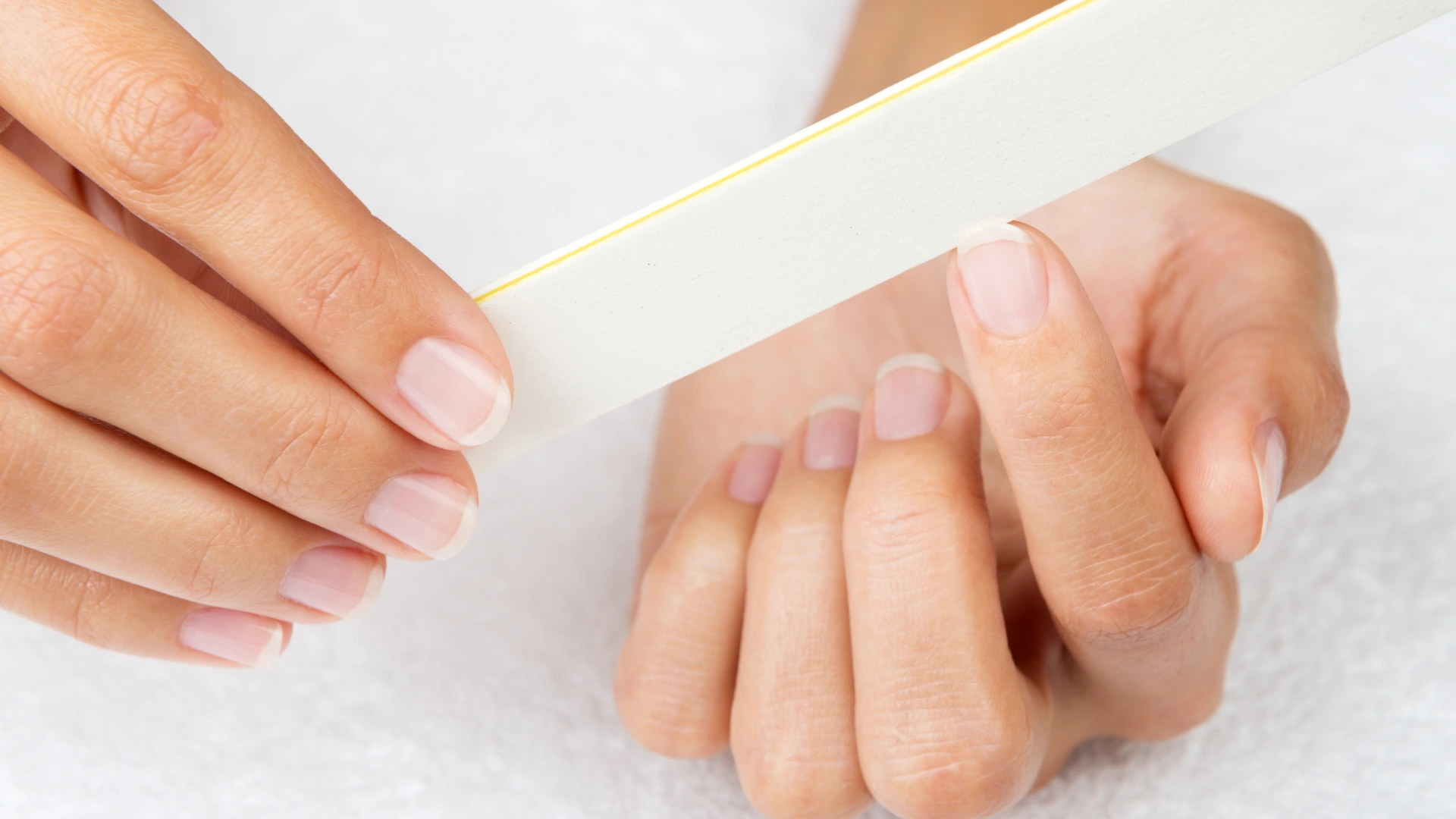
- Clean, shape, and gently prepare the nail plate.
- Remove cuticle area buildup without excessively cutting healthy skin.
- Apply a base or bonding layer when required.
- Place builder gel and form a balanced apex.
- Cure each layer for the recommended time.
- Refine the surface and check the structure.
- Apply color, nail art, or top coat.
Uncured gel should not touch the skin, and the curing lamp should be designed for the product being used.
How Long Does Builder Gel Last?
Many builder gel manicures require maintenance after around three to four weeks, although wear time varies with nail growth, nail length, formula, application quality, lifestyle, and aftercare.
A practical maintenance timeline looks like this:
Fresh application – visible growth after one to two weeks – assessment or fill around weeks three to four.
Lifting, cracking, pain, or discoloration should be checked immediately rather than left until the next scheduled appointment.
How to Remove Builder Gel Without Damaging Your Nails?
Safe removal begins by identifying the product type. Not all builder gels dissolve in acetone, and treating a file-off formula like a soak-off product can lead to excessive scraping.
Never pick, peel, or bite builder gel away. These actions can pull layers from the natural nail plate.
Removing Soak-Off Builder Gel
The top coat is gently reduced before acetone-soaked cotton and foil are applied. Once the gel softens, only the loosened material should be removed.
If the product remains firm, it needs more soaking time. It should not be scraped aggressively or forced from the nail.
Removing File-Off Builder Gel
Hard or FileOff builder gel must be carefully reduced with a hand file or efile. A trained technician can control the pressure and avoid filing into the natural nail.
In some cases, a thin layer may be left in place and grown out rather than removing every trace of product.
How to Keep Builder Gel Nails Healthy?
Healthy builder gel wear depends on careful habits between appointments, not only on the initial application.
Choose a technician trained in the product system, keep uncured gel away from the skin, and make sure the correct lamp is used for curing.
Apply cuticle oil regularly, moisturize after washing, and wear gloves during cleaning or prolonged water exposure.
Avoid using nails to pry, scrape, or open objects, since this can cause lifting or cracks.
Book maintenance before the gel becomes heavily grown out, and have damaged areas repaired promptly.
Before curing, apply broad-spectrum SPF 30 or higher to the hands or wear UV-protective fingerless gloves.
Warning Signs Builder Gel is Not For Your Nails
Stop further applications and have the nails assessed if any of these signs develop:
- Redness, itching, swelling, or burning
- Blisters or a rash on the fingers
- Irritation spreading to the face, neck, or eyelids
- Persistent tenderness under the coating
- Repeated lifting shortly after application
- Nail separation from the nail bed
- Green, yellow, brown, or unexplained discoloration
- Pus, warmth, or swelling
- Severe thinning, peeling, or ridging after removal
These symptoms should not be covered with another gel application, as doing so may hide or worsen the underlying problem.
Final Thoughts
Builder gel can be a suitable option for thin, flexible, or breakage-prone nails when the natural nail and surrounding skin are healthy.
It provides temporary reinforcement rather than permanent repair, so careful preparation, compatible curing, timely fills, and formula-appropriate removal remain essential.
When correctly selected and maintained, builder gel can reduce everyday breakage and help natural nails retain length without requiring rigid extensions.
Frequently Asked Questions (FAQs)
1. Can Builder Gel Be Used on Short Nails?
Yes. Builder gel can reinforce short natural nails through an overlay, adding support and structure without requiring tips, extensions, or extra length.
2. Can Builder Gel Be Applied Without Color?
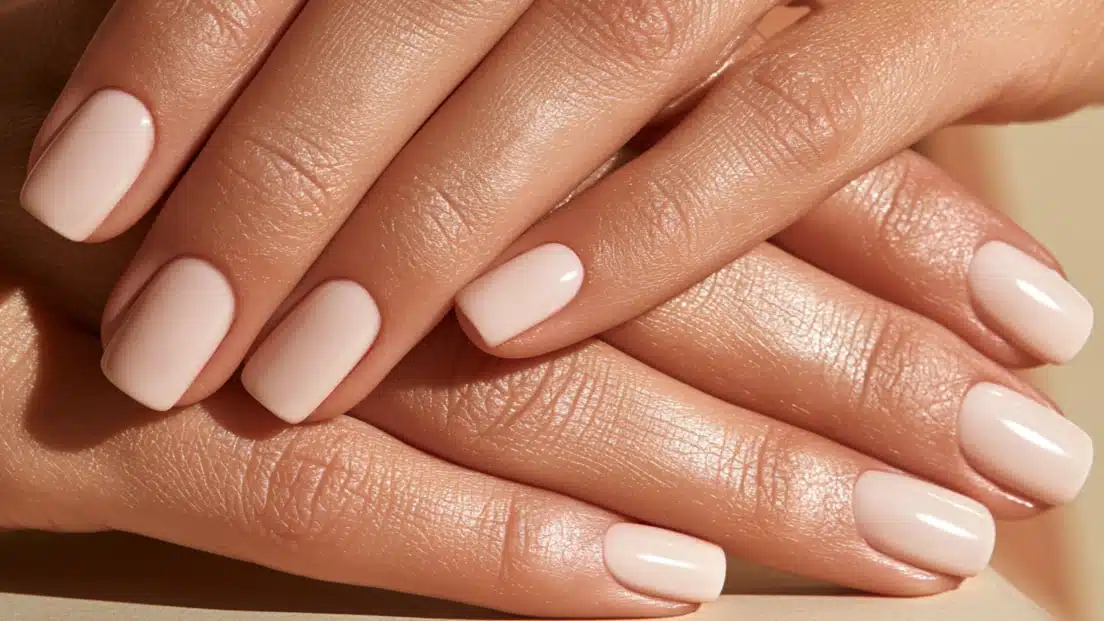
Yes. Clear, nude, or lightly tinted builder gel can be worn alone for a natural finish without adding separate gel polish.
3. Does Builder Gel Feel Thick on the Nails?
Builder gel is thicker than regular gel polish, but a well-balanced application should feel smooth, comfortable, and not excessively heavy or bulky.
4. Can Builder Gel Add Length to Natural Nails?
Yes. Certain builder gel formulas can create short extensions, although the result depends on the product, application method, and condition of the natural nail.
5. How Can You Tell Whether Builder Gel is Soak-Off?
Check the manufacturer’s instructions or ask the nail technician, because appearance alone cannot confirm whether builder gel should be soaked or filed off.