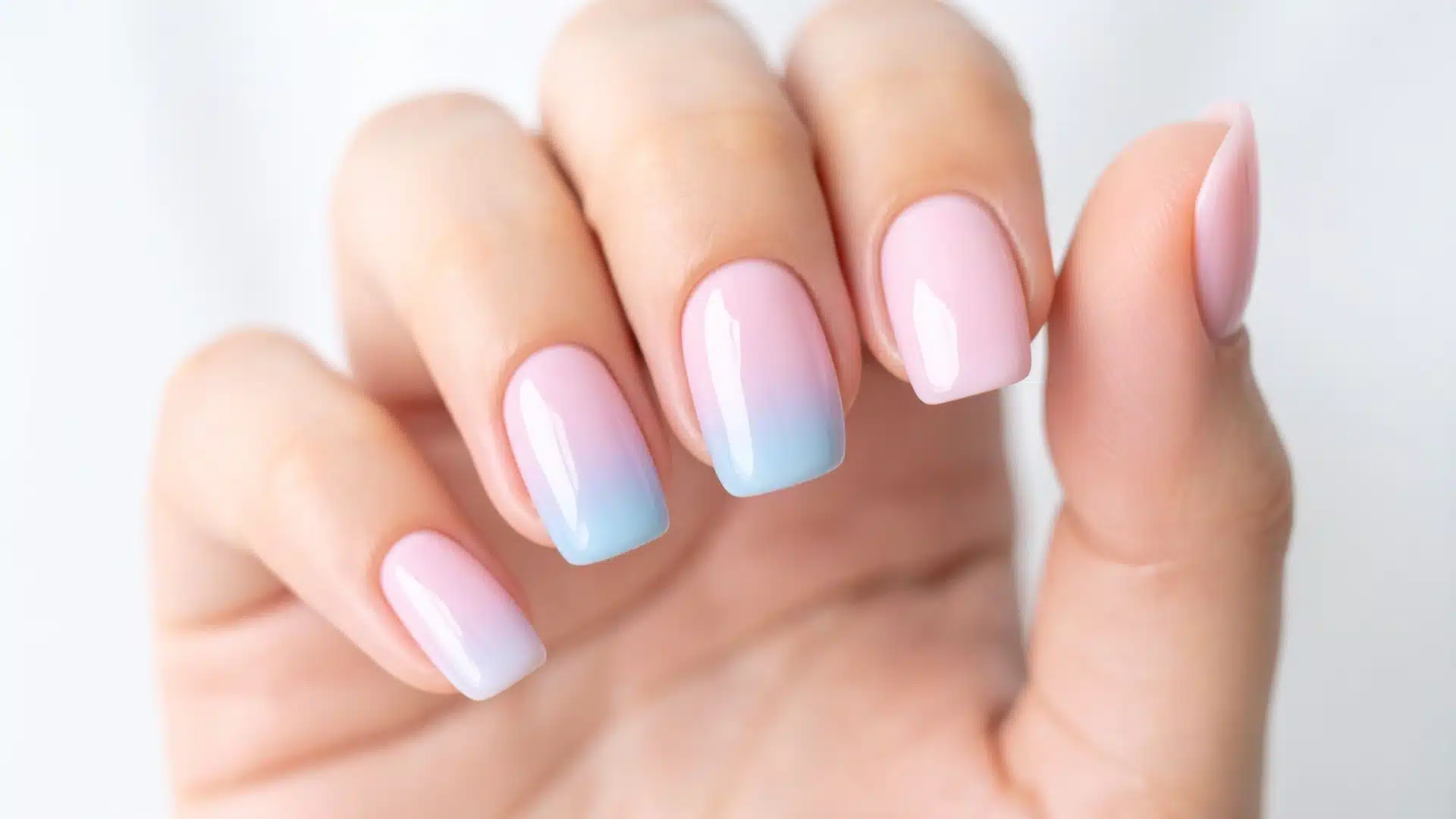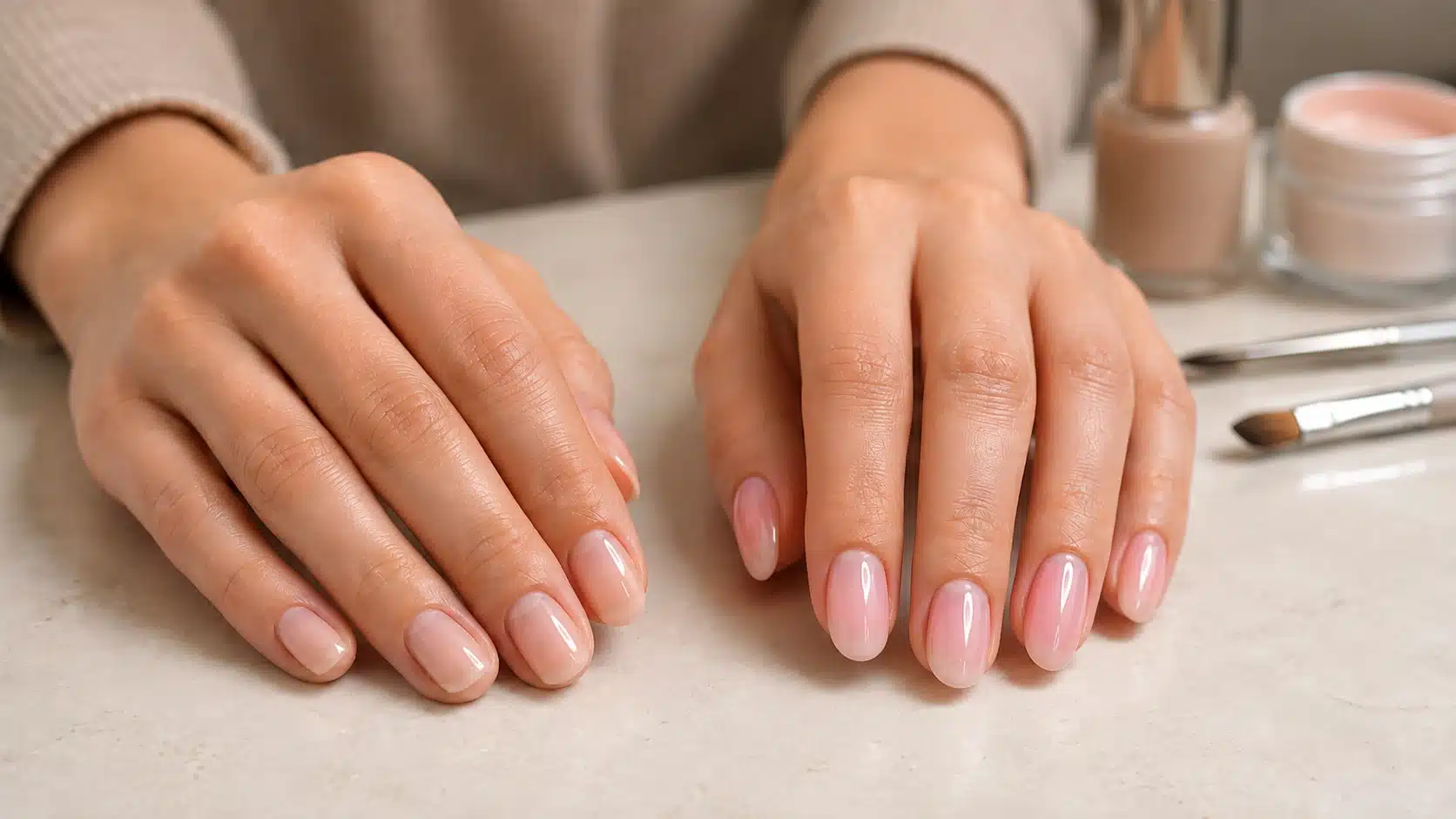
Choosing between builder gel and hard gel can feel confusing because both add structure, strength, and length to nails.
The difference lies in how each product behaves, what extension length it supports, and how it is applied and removed.
A clear builder gel vs hard gel comparison can help you avoid choosing a formula that feels too flexible, too rigid, or unsuitable for your preferred length.
By the end, you can match the gel type to your natural nails, preferred shape, skill level, and daily routine.
What are Builder and Hard Gel?
Builder gel and hard gel are structural nail products used to strengthen natural nails, build an apex, correct uneven shapes, and create extensions.
Builder gel can range from soft to semi-hard, and can be soak-off or file-off depending on the product.
Some formulas suit natural-nail overlays, while firmer types can support short or medium extensions. Hard gel cures into a firm, durable structure that cannot be soaked off and must usually be filed away.
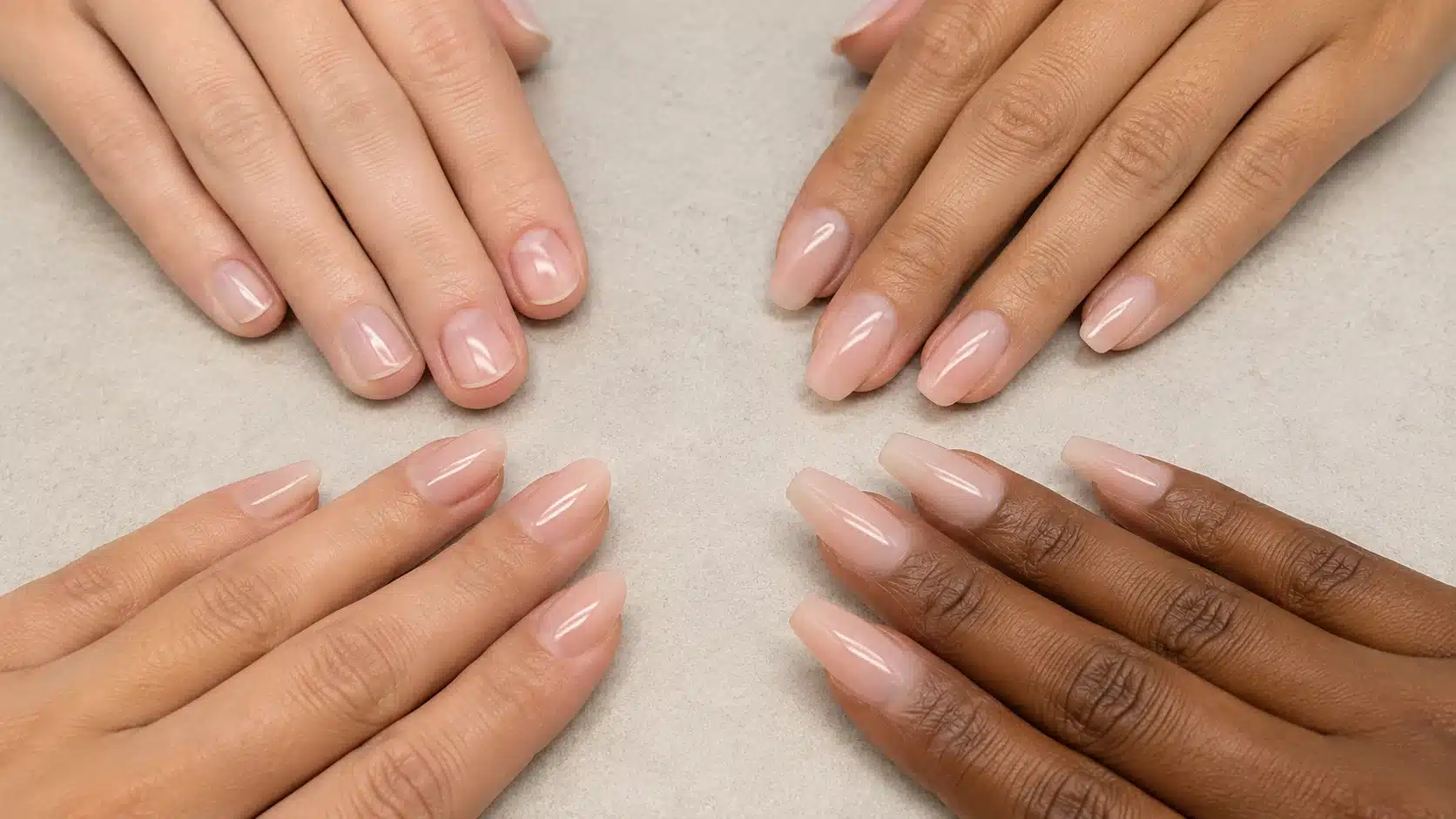
Its rigidity makes it suitable for stronger overlays and longer almond, coffin, square, or stiletto extensions.
Key Differences Between Builder Gel vs Hard Gel
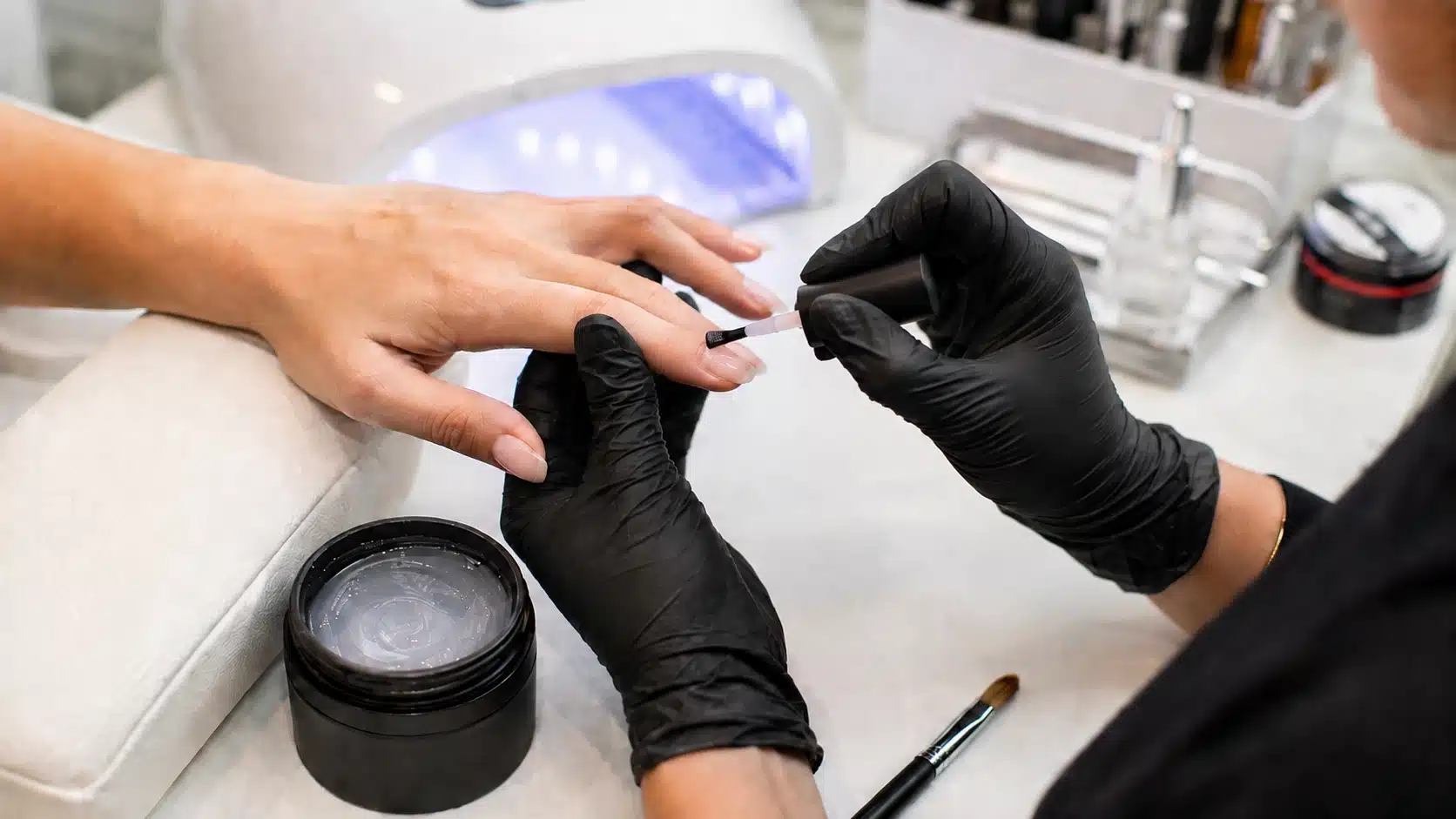
Builder gel and hard gel can both add structure and strength, but they behave differently in wear, removal, flexibility, and extension support.
These eight differences make the choice easier.
1. Strength and Durability
Hard gel is generally more rigid and better suited to enhancements that need strong structural support. It holds its shape well, especially when used for longer extensions.
Builder gel strength varies by formula. Firmer builder gels can provide substantial reinforcement, while softer versions are better suited to natural nails and shorter lengths.
For everyday overlays, builder gel can still provide enough durability without the same level of rigidity as hard gel.
2. Flexibility
Many builder gels have more flexibility than hard gel, allowing the enhancement to move slightly with the natural nail. This can make them comfortable for people whose nails naturally bend.
Hard gel cures into a firmer structure with less movement. That rigidity helps maintain longer shapes but may feel less forgiving on very flexible natural nails.
The exact flexibility of builder gel still depends on the formula, since not every builder product behaves the same way.
3. Nail Length and Extensions
Builder gel can support short or medium extensions when the formula is firm enough for added length. It also works well for building a small free edge or adding structure to shorter nail shapes.
Hard gel is usually the stronger choice for longer sculpted extensions. Its rigid cured structure can support almond, coffin, square, and stiletto shapes while helping the extension maintain its form.
Product instructions should still guide the maximum recommended length.
4. Natural Nail Overlays
Builder gel is commonly used over natural nails to add structure, reinforce weak areas, and create a balanced apex without adding much length. Its range of flexible formulas makes it suitable for many natural-nail services.
Hard gel can also be used as an overlay, especially when firmer support is required.
However, its greater rigidity may not suit every flexible nail plate, so the condition and movement of the natural nail should be considered.
5. Application Process
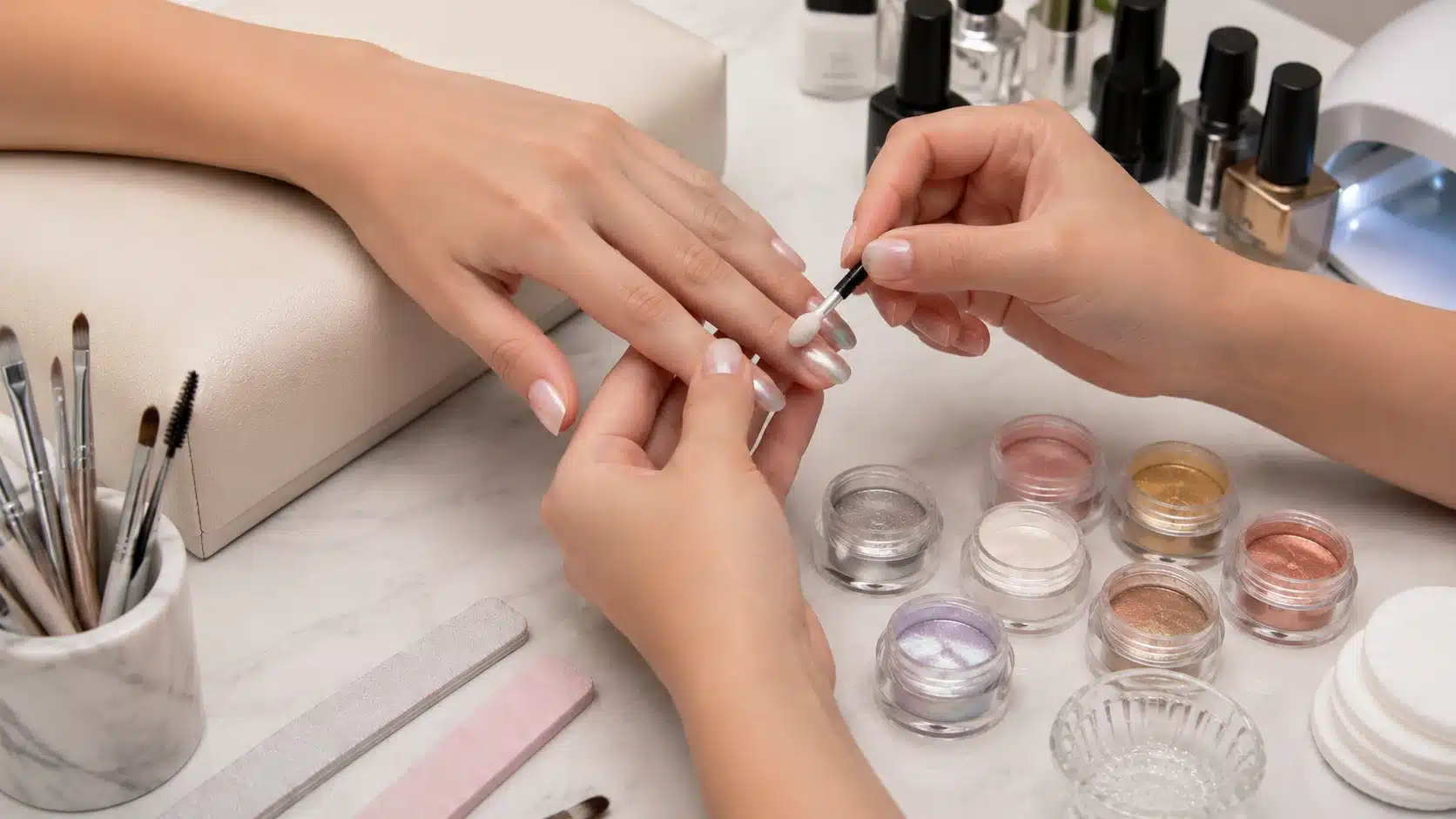
Builder gel is often available in brush-on bottles, which can make application convenient for overlays and shorter enhancements.
Some formulas also self-level, helping create a smooth surface with less filing. Hard gel commonly comes in a pot and is applied using a separate gel brush.
This gives greater control when building an apex or sculpting longer extensions, but shaping the product evenly can require more practice and technical skill.
6. Removal Process
Removal depends heavily on the builder gel formula. Some builder gels are soak-off products that can be softened with acetone, while others must be reduced or removed by filing.
Hard gel is non-soakable and normally requires careful filing for removal or product reduction.
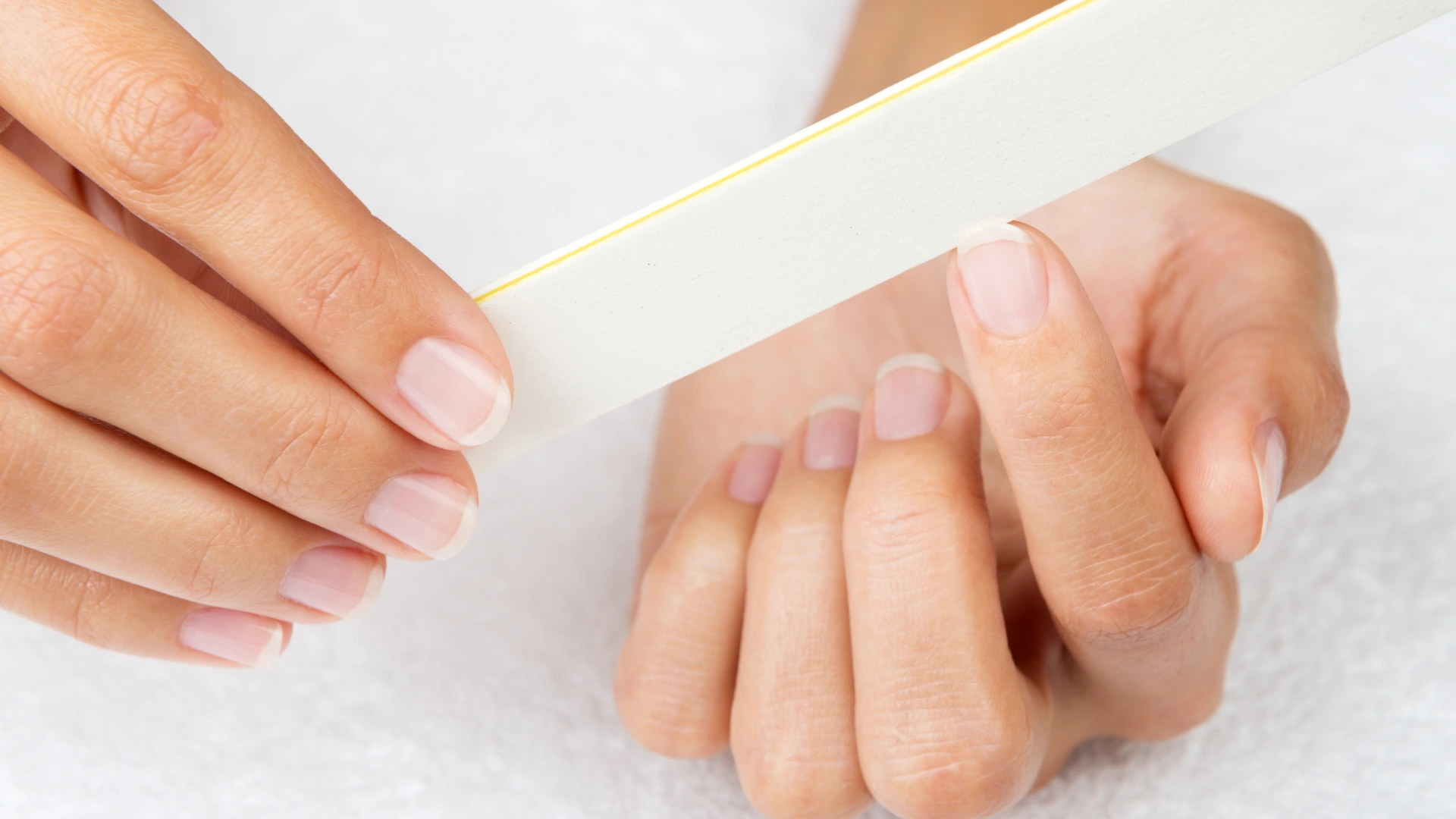
Because filing too aggressively can damage the natural nail, professional removal is often the safer choice, particularly when a full hard-gel enhancement needs to be taken off.
7. Maintenance and Fills
Both builder gel and hard gel can usually be maintained through fills or rebalancing rather than completely removed at every appointment. As the natural nail grows, new product can be added near the cuticle and the structure reshaped.
Builder gel may feel simpler to maintain for shorter natural-nail overlays, especially with bottle formulas.
Hard gel works well for repeated fills on extensions because the existing structure can often remain while the grown-out area is corrected.
8. Look and Feel
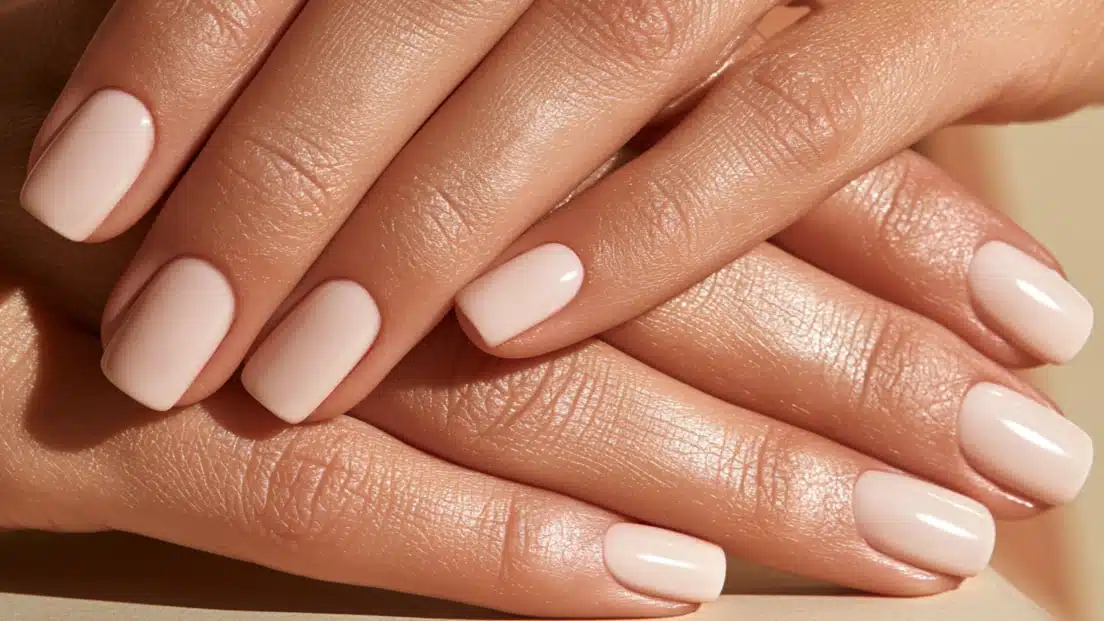
Builder gel often creates a lighter, more flexible feel, particularly when applied as a thin structured overlay on natural nails. Neutral and clear formulas can also give a clean appearance without adding noticeable bulk.
Hard gel can still look thin and natural when applied correctly, but its firmer structure may feel more rigid.
The final appearance depends largely on product thickness, shaping, nail length, and the technician’s application rather than the gel category alone.
Builder Gel vs Hard Gel: Which is Better for Your Nails?
The better option depends on your natural nail strength, preferred length, and how much structure your manicure needs.
Builder gel generally suits people who want reinforcement with some flexibility, while hard gel works better when stronger support is needed for longer extensions.
Removal preference also matters because some builder gels can soak off, while hard gel normally requires filing.
Choose Builder Gel If
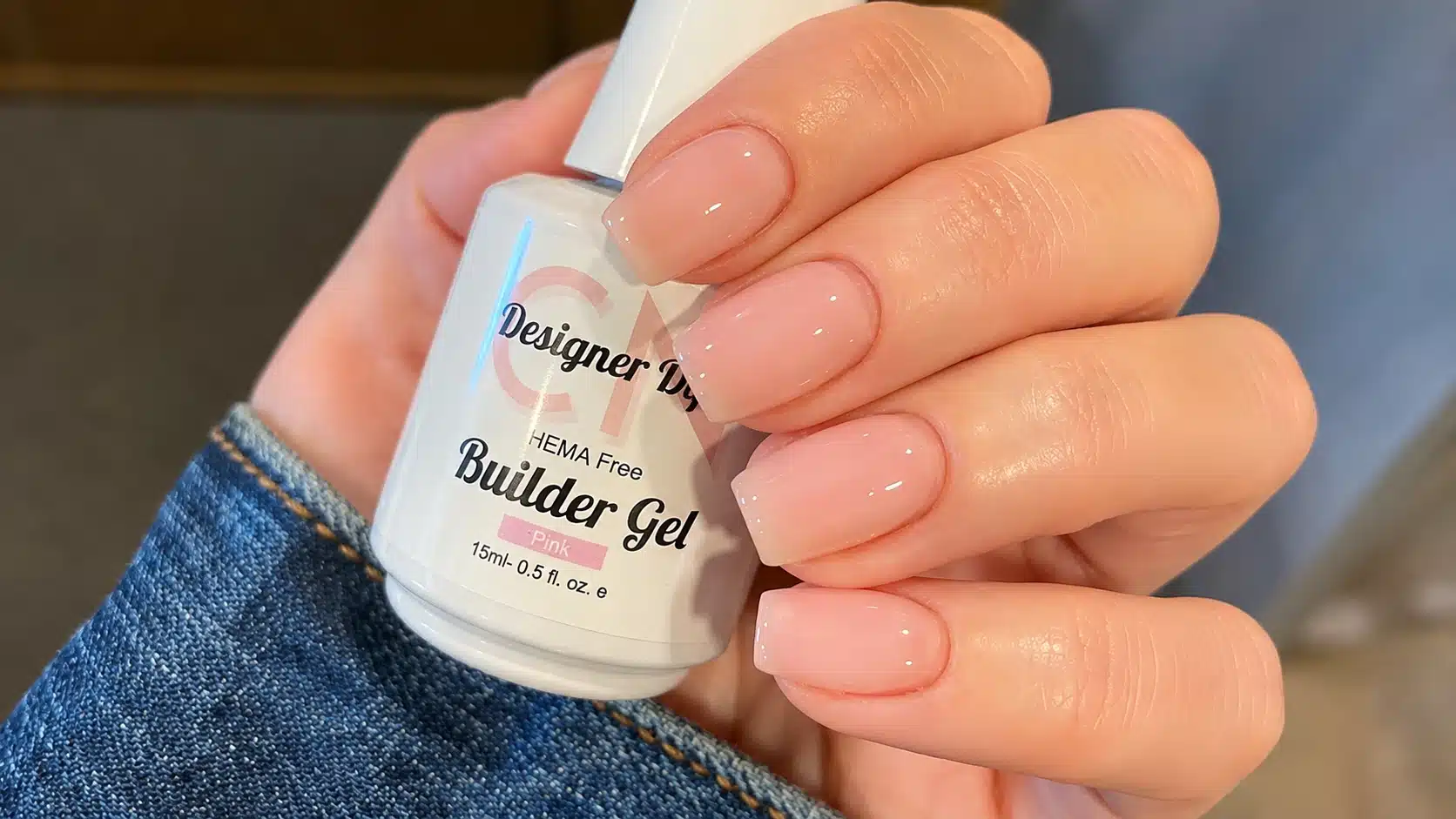
Builder gel may be the better fit when you mainly want strength without creating a very rigid enhancement.
- Natural Nail Support: You want to reinforce weak or easily bending natural nails.
- Shorter Lengths: You prefer short-to-medium nails rather than long extensions.
- Added Flexibility: You want the enhancement to move slightly with the natural nail.
- Removal Options: Your chosen builder formula offers soak-off removal.
- Natural Feel: You prefer a structured manicure that still feels relatively light on the nail.
Choose Hard Gel If
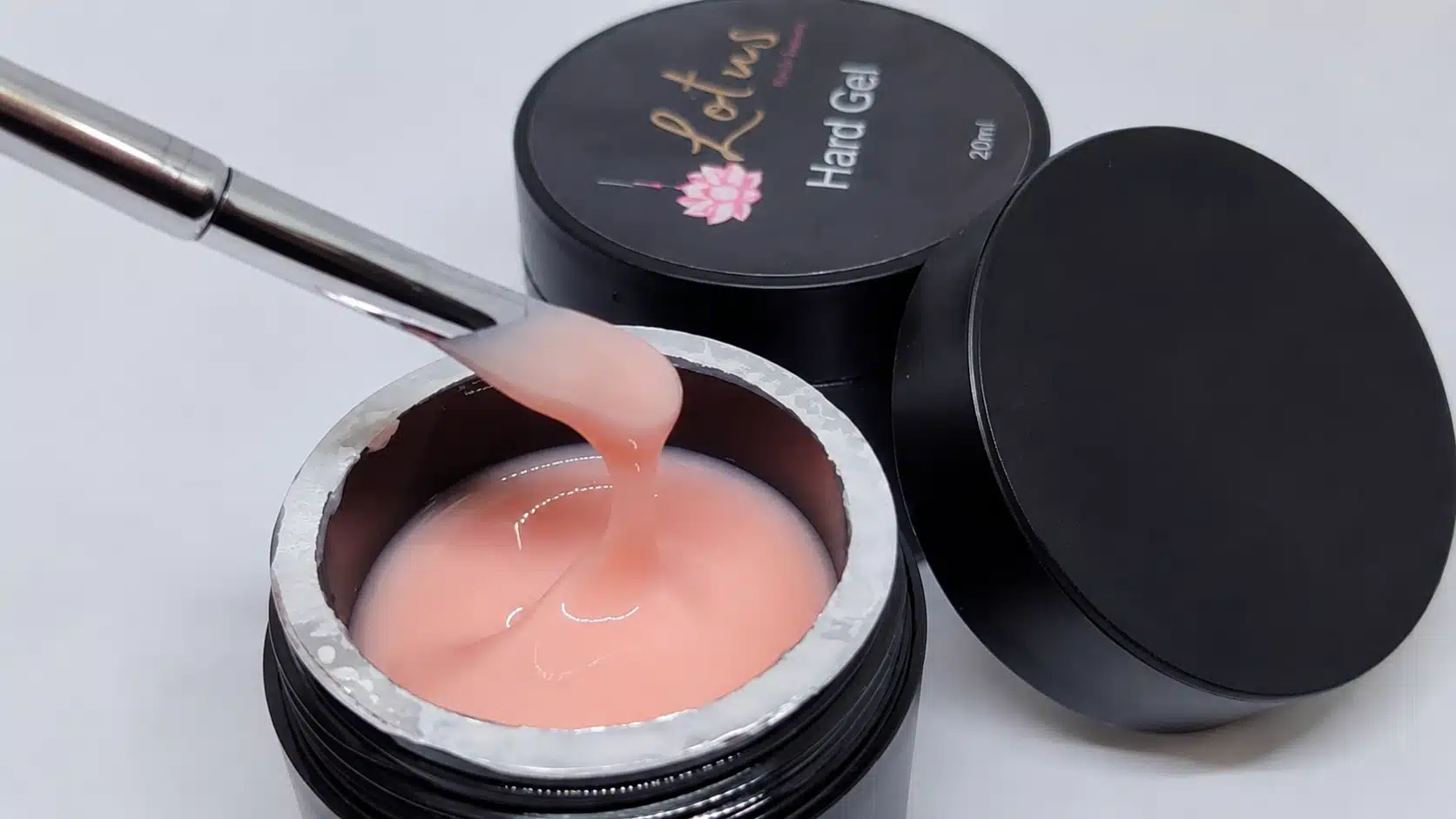
Hard gel makes more sense when the manicure needs greater rigidity and structural support.
- Longer Extensions: You want longer sculpted extensions with a stable structure.
- Firm Support: Your nails would benefit from greater rigidity.
- Long-Term Durability: Strength and shape retention are major priorities.
- File-Off Removal: You are comfortable having the product professionally filed down or removed.
Suitability for Different Natural Nails
Natural-nail condition should guide product selection rather than assumptions about softness or hardness.
Flexible nails may suit a builder formula that retains slight movement, while firmer nails may work with a more rigid builder or hard gel system.
Thin nails do not automatically need the softest option, and brittle nails do not always benefit from the hardest product.
Selection should reflect the condition of the nail plate, intended shape, added length, and pressure created by daily activities.
Gel can provide temporary structure, but it does not heal damaged nails.
Enhancements should be postponed when nails are painful, inflamed, separating from the nail bed, severely peeling, or showing unexplained discoloration.
Safety and Allergy Considerations
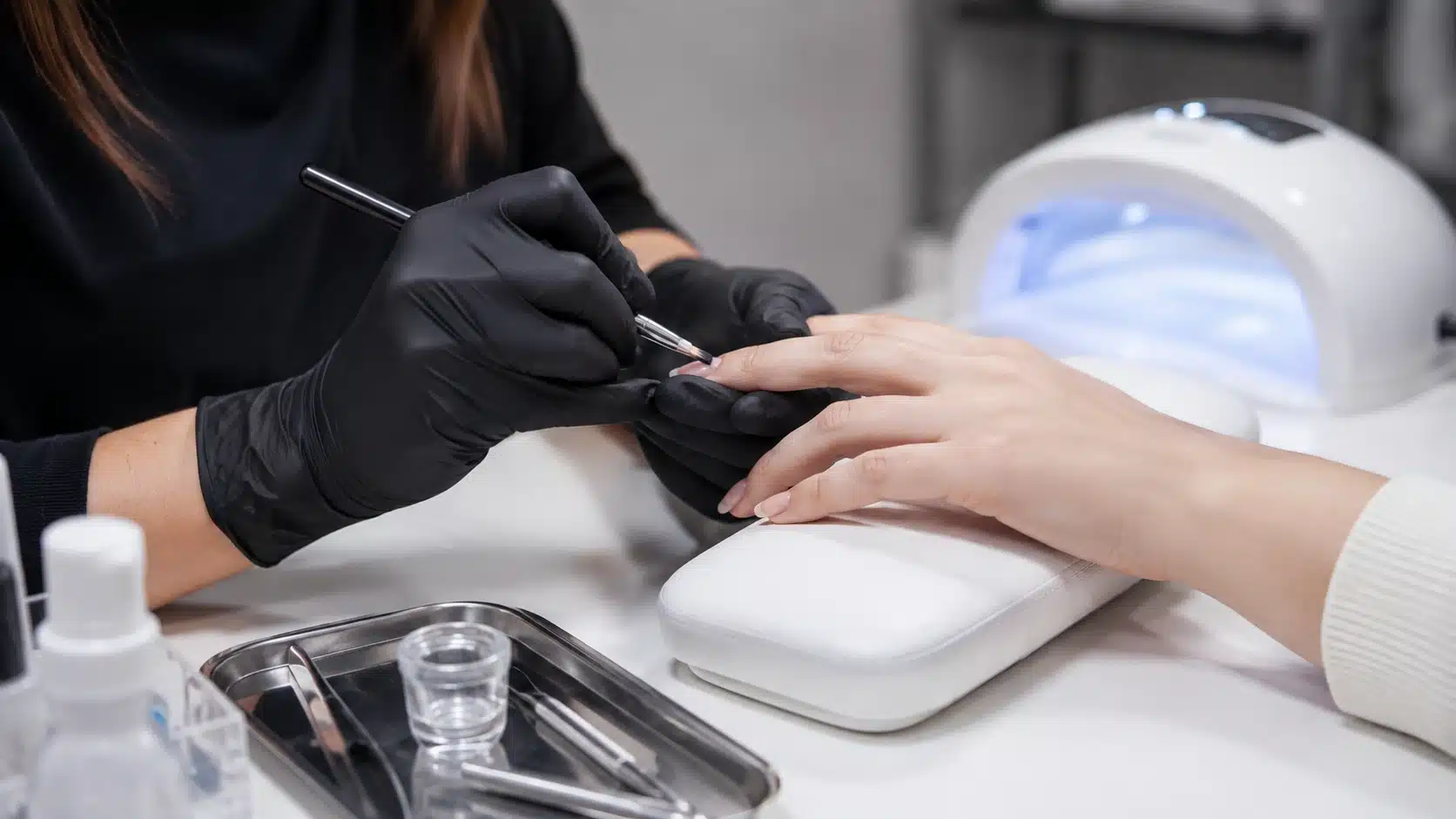
Neither builder gel nor hard gel is automatically safe or damaging. Problems are more likely when uncured product touches the skin, gel is not cured completely, lifted areas are ignored, or the natural nail is filed too aggressively.
Possible reaction signs include itching, redness, swelling, burning, blistering, cracked skin, and nail lifting.
Symptoms may also appear on the fingers, eyelids, face, or neck after exposure. Stop using the gel if a reaction develops, and seek medical advice if symptoms spread, worsen, or return.
HEMA-free products are not completely allergy-free because they may still contain other acrylates or methacrylates.
Careful application, avoiding skin contact, and responding promptly to warning signs can reduce avoidable risks.
Questions to Ask Before Choosing a Gel
Before choosing a gel system, confirm whether the formula is soak-off or file-off and what extension length it supports.
Ask how firm it becomes after curing, whether it requires a separate base coat, which lamp is compatible, and whether the enhancement can be maintained through fills or rebalancing.
It is also important to consider whether the product suits the natural nail and the amount of pressure created by work, cleaning, typing, or other daily activities.
These details are more useful than relying only on service names such as BIAB, builder gel, structure gel, or hard gel.
Frequently Asked Questions (FAQs)
1. Can Builder Gel or Hard Gel Be Worn Without Color?
Yes. Clear, nude, milky, or tinted builder gel and hard gel can be worn without additional color when finished with the compatible top coat recommended for the system.
2. Do Builder Gel and Hard Gel Need a Top Coat?
Most systems require a compatible top coat to protect the surface and create the intended finish. However, requirements vary, so follow the instructions for the exact formula.
3. Can Regular Gel Polish Be Applied Over Builder or Hard Gel?
Yes. Compatible gel polish can be applied over a properly prepared builder-gel or hard-gel surface and finished with the top coat recommended for the product system.