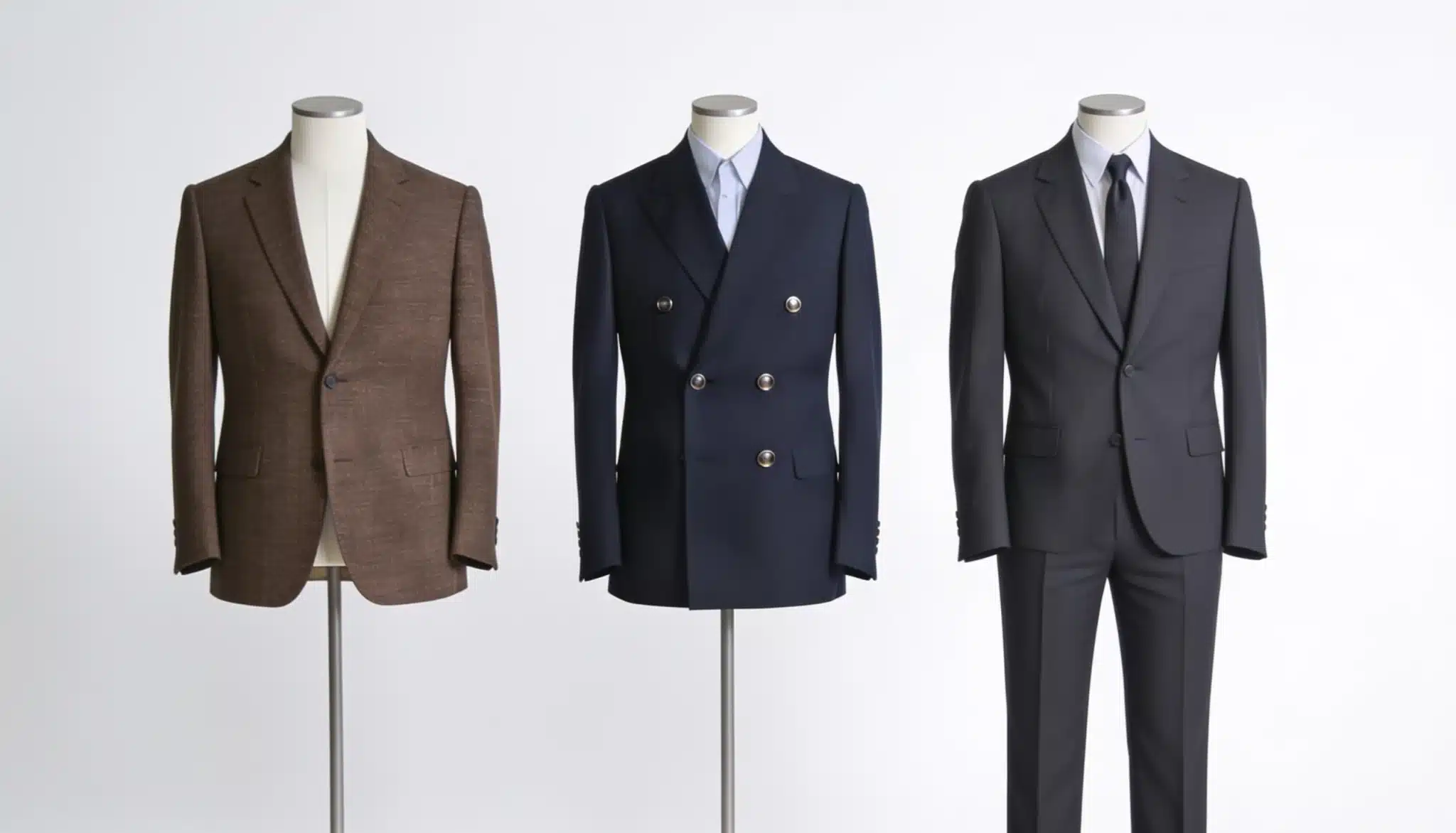
Face piercings have moved well beyond the realm of subculture statement pieces. Today, a septum piercing is just as likely to show up on a runway as it is at a coffee shop.
This shift has made face piercings a popular form of self-expression; they let people signal personality and style without using words.
Picking a facial piercing also includes understanding bone structure, skin thickness, nerve placement, and lifestyle. All these factors largely influence which facial piercing will suit you.
If you are looking for information on face piercings and how to choose one, then this facial piercing guide is for you. Keep reading!
Face Piercing Jewelry Guide
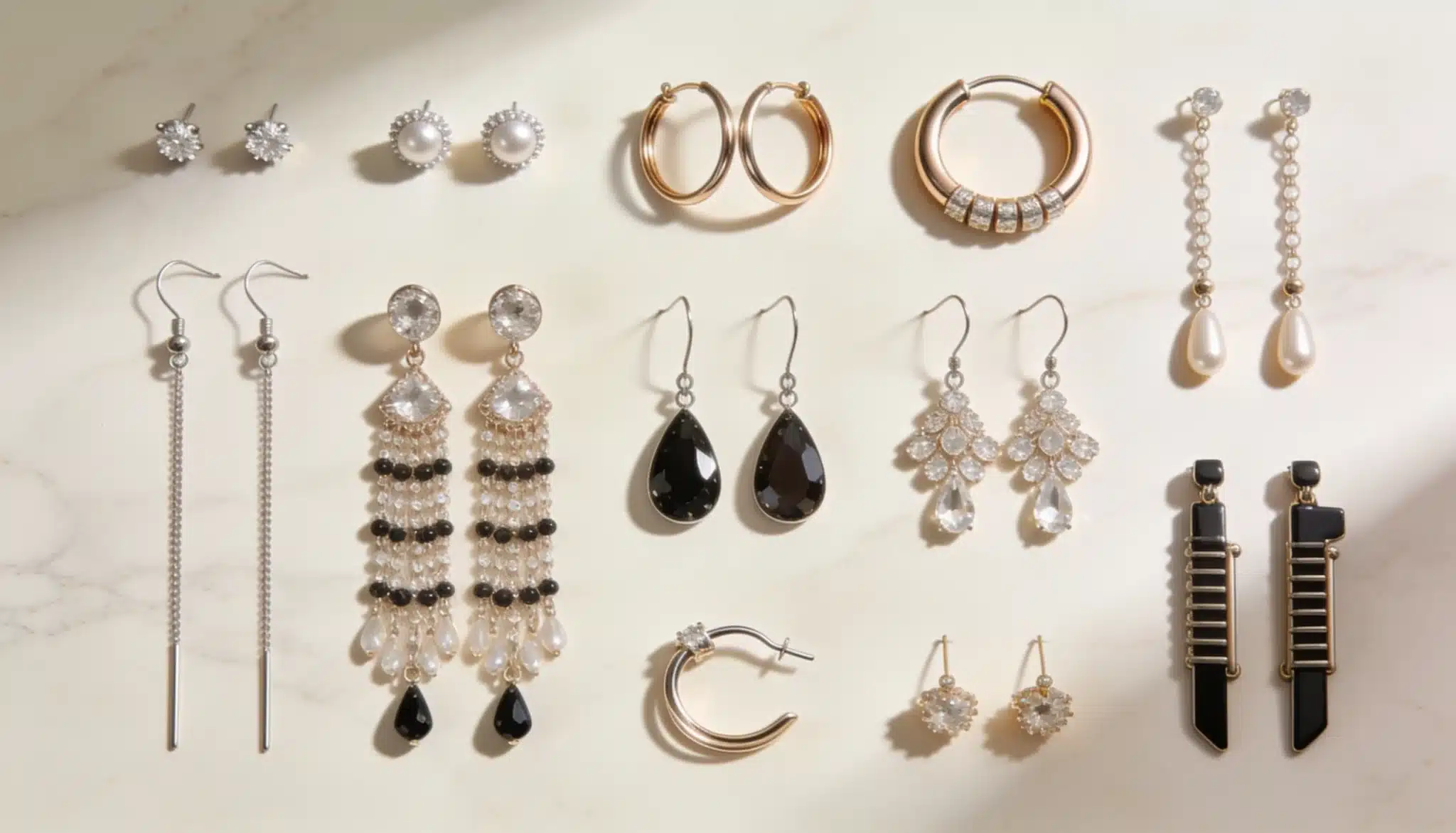
Some exclusive types of jewelry make it easier to break in facial piercings and also make it look stylish and cool.
These pieces have been used for a long time and are used by informed piercing artists.
Studs
Studs are simple, low-profile, and ideal for piercings like the nostril, labret, or Monroe.
They sit flush against the skin, which makes them a practical choice for anyone who wants a piercing that’s easy to overlook when needed.
Hoops and Rings
Hoops work well for septum, nostril, and eyebrow piercings, offering a bolder look than a stud.
They’re also easier to clean around, since there’s more visible surface area to reach during aftercare.
Barbells
Curved or straight barbells are standard for eyebrow, bridge, and rhino piercings.
The bar shape distributes pressure evenly across the piercing, which is part of why they’re preferred for surface and cartilage piercings.
Labret Studs
Labret studs feature a flat back disc that sits comfortably against the inside of the lip or cheek, making them the standard jewelry for nearly every lip piercing style, from a classic labret to snake bites.
Flat-Back Jewelry
Flat-back jewelry uses a threadless or push-pin design instead of a traditional screw-back, which reduces irritation to the inside of the mouth.
This is the easiest type of accessory for a new piercing, as it helps ease the skin and swelling.
Best Materials
Titanium and niobium resist irritation best for new piercings, especially in the healing stage.
- Titanium: hypoallergenic, lightweight, sensitive-skin friendly
- Niobium: durable, nickel-free, budget-friendly
- Gold (14k+): safe once healed, pricier
- Surgical Steel: common, can irritate sensitive skin
Types of Face Piercings
There are numerous types of face piercings, each one unique and personalized. Every type of face piercing makes a statement of its own, and that is why they are wildly popular.
1. Eyebrow Piercing

Credit: oabolaralcanna
An eyebrow piercing sits along the brow bone, usually pierced with a curved barbell. It is a surface-level piercing, which means it runs through a layer of skin rather than cartilage.
- Pain and Risk: It doesn’t cause too much pain or carry much risk of injury.
- Injury: Nerve damage and friction due to incorrect placement.
- Healing Time: Heals within 6-8 weeks.
- Anatomy Placement: Standard placement sits vertically or horizontally above the eyebrow.
- Best Jewelry Materials: Implant-grade titanium, Niobium, Gold.
2. Bridge Piercing
Credit: a. xiumei
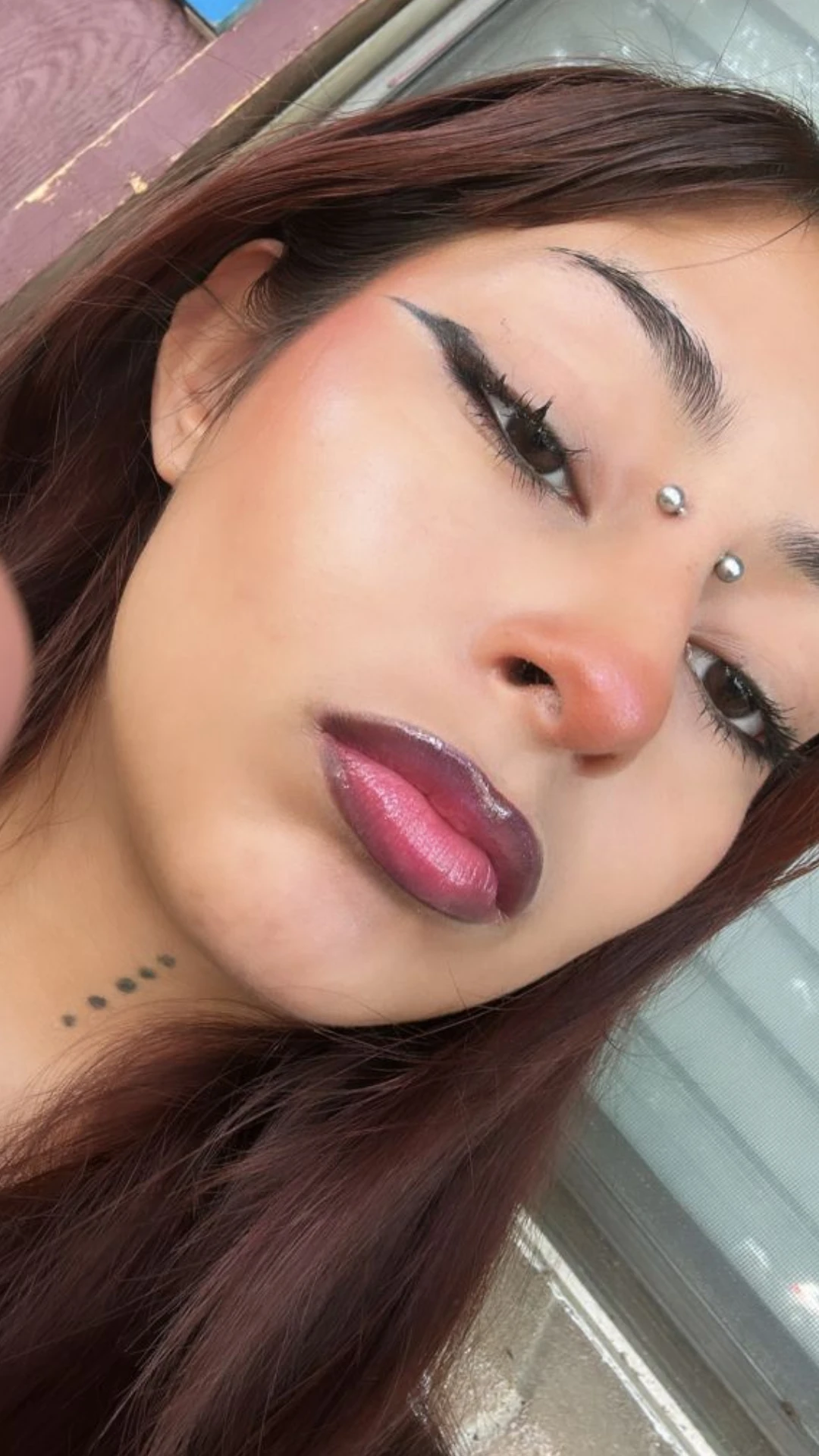
This piercing is also known as an erl piercing. This is also a surface-level piercing that requires enough pinchable skin to be done safely.
It is a bold look, but carries more risk than an eyebrow piercing because of its alignment.
- Pain and Risk: Mild to moderate. Can cause interference when wearing glasses.
- Injury: It can cause scarring because the anatomy placement has a high rejection rate.
- Healing Time: 2-4 months.
- Anatomy Placement: It is placed horizontally across the bridge of the nose, between the eyes.
- Best Jewelry Material: Straight barbell, implant-grade titanium or Niobium.
3. Anti-Eyebrow Piercing

Credit: lunawieiad
The anti-eyebrow piercing is a striking alternative to the typical brow piercing. This one also needs pinchable skin to ensure a safe, clean result. It is also known as a teardrop piercing.
- Pain and Risk: Mild. Carries high rejection risk.
- Injury: Causes bruising and swelling; a black eye is common in the first few weeks.
- Healing Time: 4-6 months.
- Anatomy Placement: Sits right below the eye, on the upper cheekbone.
- Best Jewelry Material: Flat-foot surface bar, microdermals, and implant-grade titanium.
4. Nostril Piercing
Credit: theuniquewoman
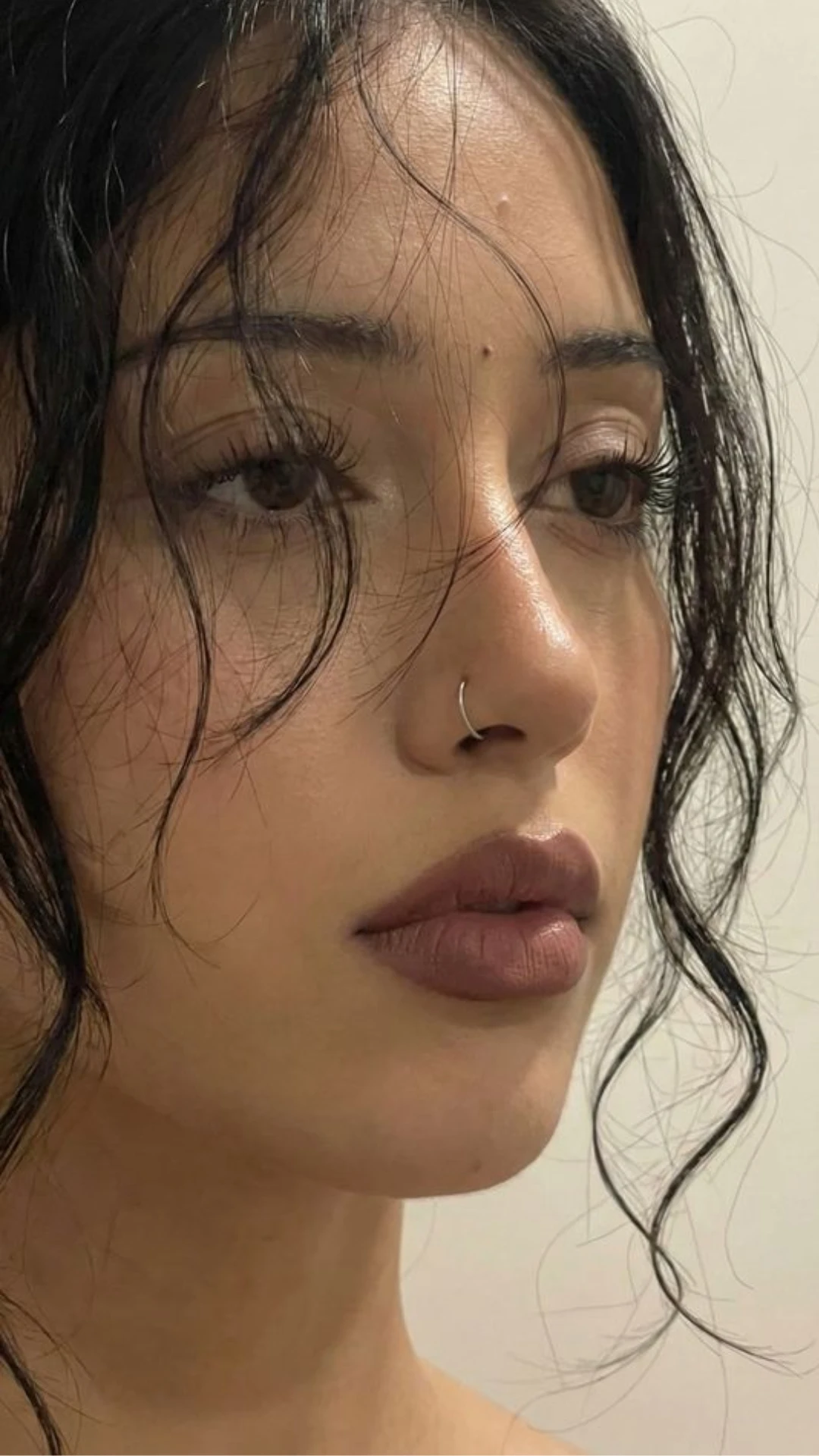
The classic nostril piercing is the most common facial piercing, mostly because of cultural traditions and ease of expressing one’s identity and style.
- Pain and Risk: Low to moderate. Infection rates are higher.
- Injury: Initial bleeding, swelling, accidental pull-outs, and internal swelling.
- Healing Time: 2-4 months.
- Anatomy Placement: The fleshy part of the nostril, just above the crease, is pierced with a hollow needle. According to bone structure, the sweet spot is determined.
- Best Jewelry Material: It works well as a stud, hoop, and ring in gold, silver, and titanium.
5. High-Nostril Piercing

Credit: ksu
A small twist on the classic nose piercing. This one is placed higher and gives an edgy look.
Some people choose it solely to express personality, and some choose it because this version of nose piercing suits their face more.
- Pain and Risk: Carries a higher risk of infections and moderate pain.
- Injury: Severe swelling, internal swelling, scarring, and severe irritation bumps.
- Healing Time: 9-12 months with meticulous aftercare.
- Anatomy Placement: Placed higher on the nostril, creating an angular look. It passes through a slightly thicker cartilage.
- Best Jewelry Material: Threadless or press-fit implant- grade titanium, flat-back labret studs mostly. No hoops or rings.
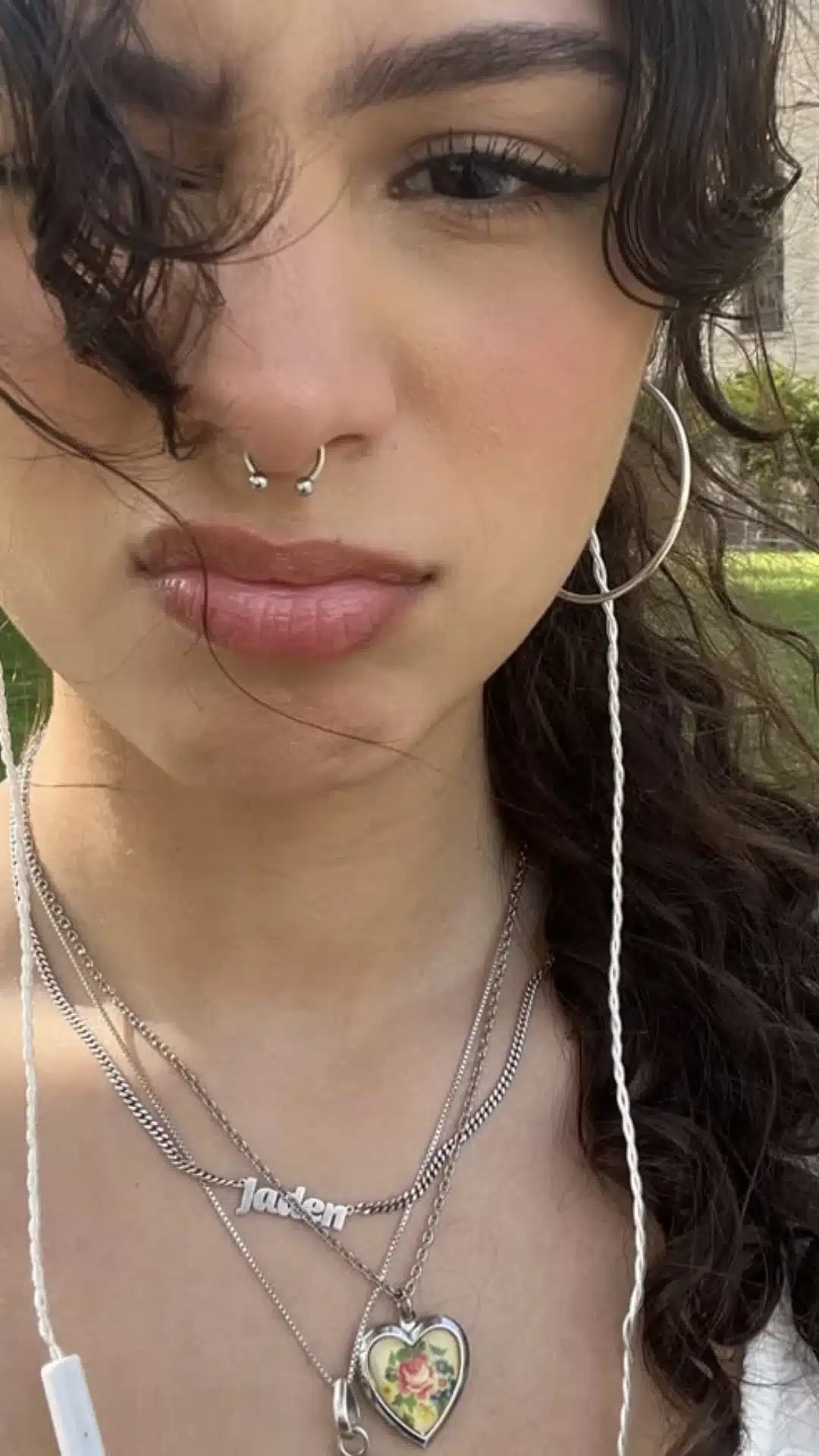
6. Septum Piercing
Credit: Jaden
This is a bolder nose-piercing choice, quite popular nowadays.
It’s also the most versatile type of nose piercing because it can be taken off whenever needed, e.g., for school, work, or any other formal occasion.
- Pain and Risk: Moderate. Can cause tightness and soreness, or a crooked piercing on a nerve, especially with a deviated septum.
- Injury: Prolonged bleeding, irritation.
- Healing Time: 2-3 months.
- Anatomy Placement: Goes through the thin strip of tissue just in front of the nasal cartilage.
- Best Jewelry Material: Seamless rings and circular barbells in gold, titanium, and silver.
7. Rhino Piercing

Credit: VogueTaiwan
Short for “Rhinoceros”, a rhino piercing is another bold look, which is far less common. A very specific shape of nose looks good with this piercing.
- Pain and Risk: Moderate to high. It carries a higher risk of rejection and internal swelling.
- Injury: Severe pain, nerve damage, and prominent scarring.
- Healing Time: 9-12 months.
- Anatomy Placement: Runs vertically through the tip of the nose, entering near the nostrils and exiting at the top of the nose tip. Passes through more tissue than a standard nostril piercing.
- Best Jewelry Material: Curved barbell, gold or titanium. Avoid silver and nickel. Some popular choices include horn and spike-shaped jewelry.
8. Cheek Piercing

Credit: sensitivebr4t
Also known as a dimple piercing, is an advanced type of facial piercing. It is used to accentuate existing dimples or create an effect of having dimples.
It is high-maintenance and requires intensive aftercare and oral hygiene.
- Pain and Risk: Moderate to high. Carries risk of infection and prolonged pain.
- Injury: Salivary gland injury, teeth and gum infections, internal bleeding, and nerve damage.
- Healing Time: 8-12 months.
- Anatomy Placement: These face piercings sit directly over a natural or desired dimple and are pierced through the fleshy part of the cheek.
- Best Jewelry Material: Biocompatible flat plastic studs, Titanium studs, and flat-back labret studs.
Because this area moves the most when you talk, eat, and smile, it takes longer to heal and get used to and carries a risk of irritation if the jewelry isn’t the right size.
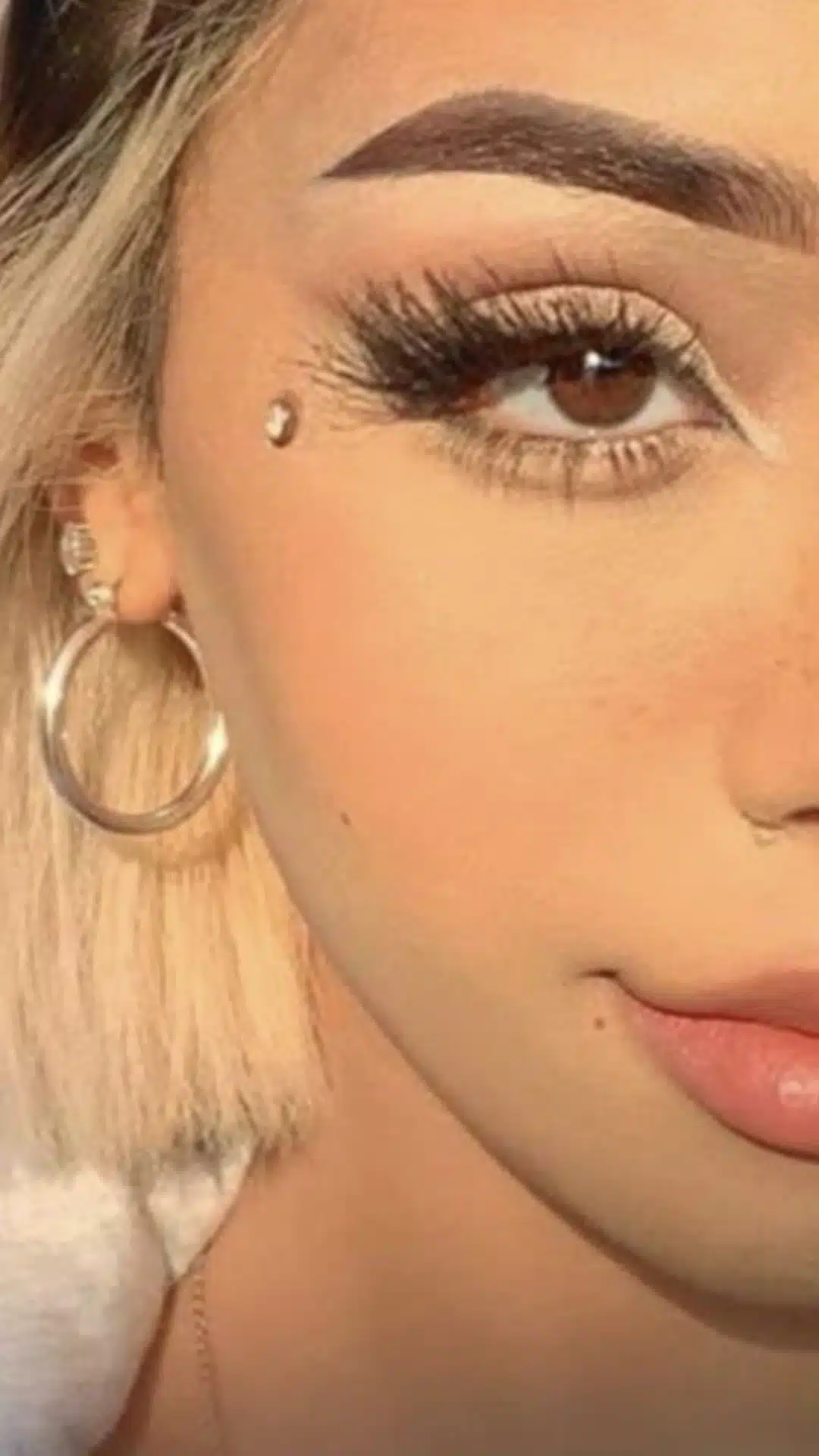
9. Dermal Cheek Piercing
Credit: Cloe
Adermal cheek piercingis an alternative way to get the look of a dimple piercing without passing a needle completely through your cheek muscle into your mouth.
- Pain and Risk: Moderate to high. Major risk of infections and rejection.
- Injury: Deep facial scarring, difficulty in removal, and accidental ripping.
- Healing Time: 2-4 months
- Anatomy Placement: The piercer places a single, small metal anchor completely underneath the surface of your skin.
- Best Jewelry Material: Implant- grade titanium.
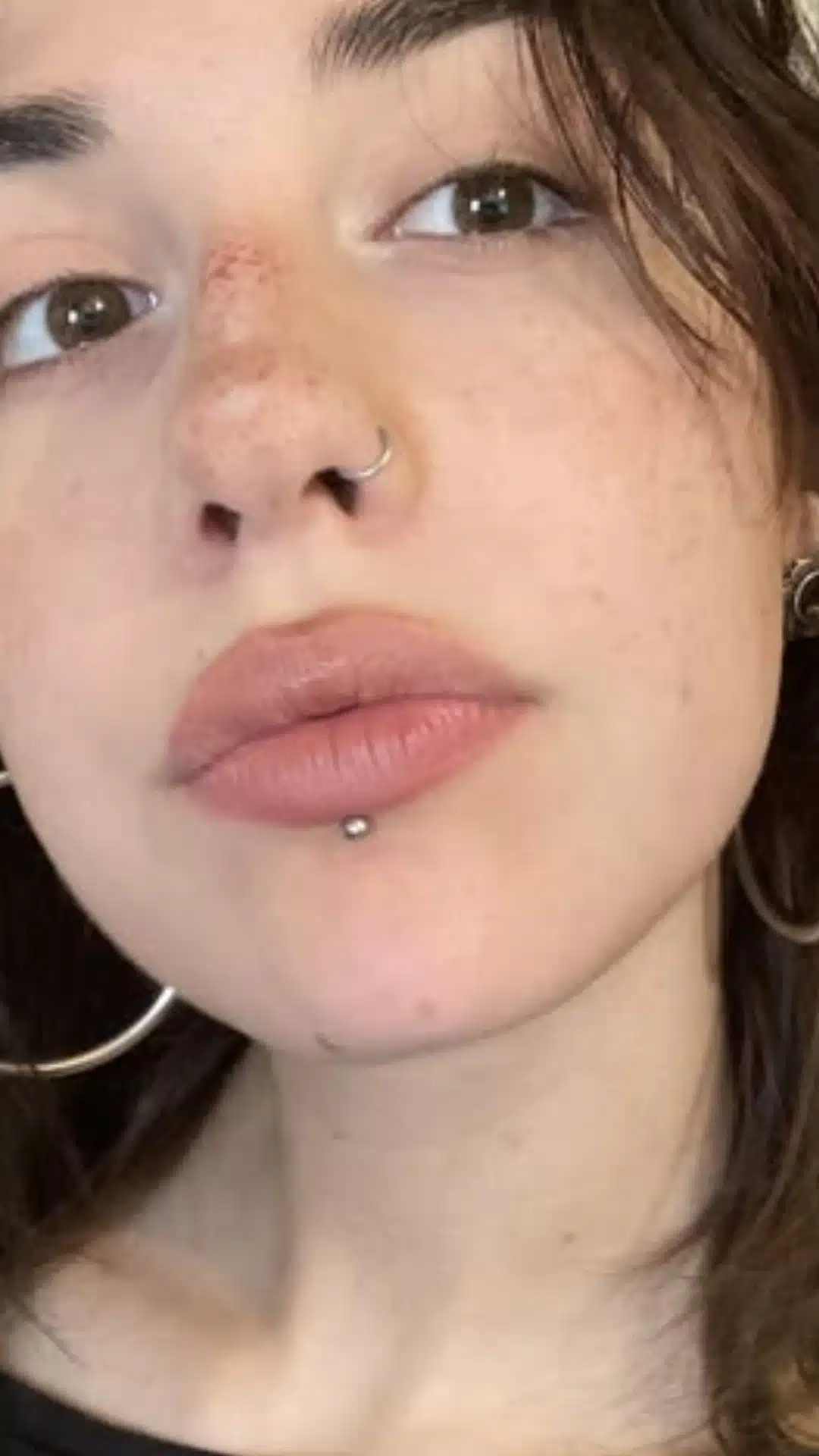
10. Labret Piercing
Credit: pulce!
A labret piercingsits centrally beneath the lower lip, offering a classic facial modification that can complement many facial structures.
- Pain and Risk: Low to moderate. Chances of oral infections.
- Injury: Dental erosion, continuous fluid drainage, gum recession, and swelling.
- Healing Time: 2-4 months.
- Anatomy Placement: Placed horizontally centered right below the vermilion border of the lower lip, sitting flat against the tissue.
- Best Jewelry Material: Implant-grade titanium and biocompatible gold.
11. Vertical Labret

Credit: site-365.us
A highly popular variation of the classic lip piercing. This adds more edge to your lip piercing.
- Pain and Risk: Low to moderate. One of the safest facial piercings because it sits entirely on the outside of your mouth.
- Injury: Tearing, drying of lips, and excessive peeling.
- Healing Time: 2-3 months.
- Anatomy Placement: Placed exactly in the dead center of the lower lip, passes vertically through the center of the lower lip.
- Best Jewelry Material: Curved barbells, studs, implant-grade titanium.
12. Side Labret

Credit: Mary
Offers the same styling versatility as a classic labret but shifts the focal point to accent one side of your smile. It is uncommon and only suits a few people.
- Pain and Risk: Low to moderate. Risk of transferring facial bacteria and infections.
- Injury: Gum and tooth erosion and intense swelling.
- Healing Time: 3-6 months.
- Anatomy Placement: Placed off- center under the lower lip, sitting on either the left or right side of the mouth, aligned to match the natural curve of your jaw and smile.
- Best Jewelry Material: Biocompatible gold, implant-grade titanium. Studs and rings are a popular choice.
13. Monroe Piercing

Credit: Bianca
This face piercing is named after iconic actress Marilyn Monroe and her upper lip beauty spot. This is a bit of an edgy and glam look.
- Pain and Risk: Low to moderate. Risk of constant exposure to dental fluids.
- Injury: Dental erosion and tissue embedding.
- Healing Time: 2-3 months.
- Anatomy Placement: It is precisely positioned on the left side of the upper lip, typically nestled within the natural soft indentation above the canine tooth.
- Best Jewelry Material: Flat-back labret, biocompatible gold or silver, and studs.
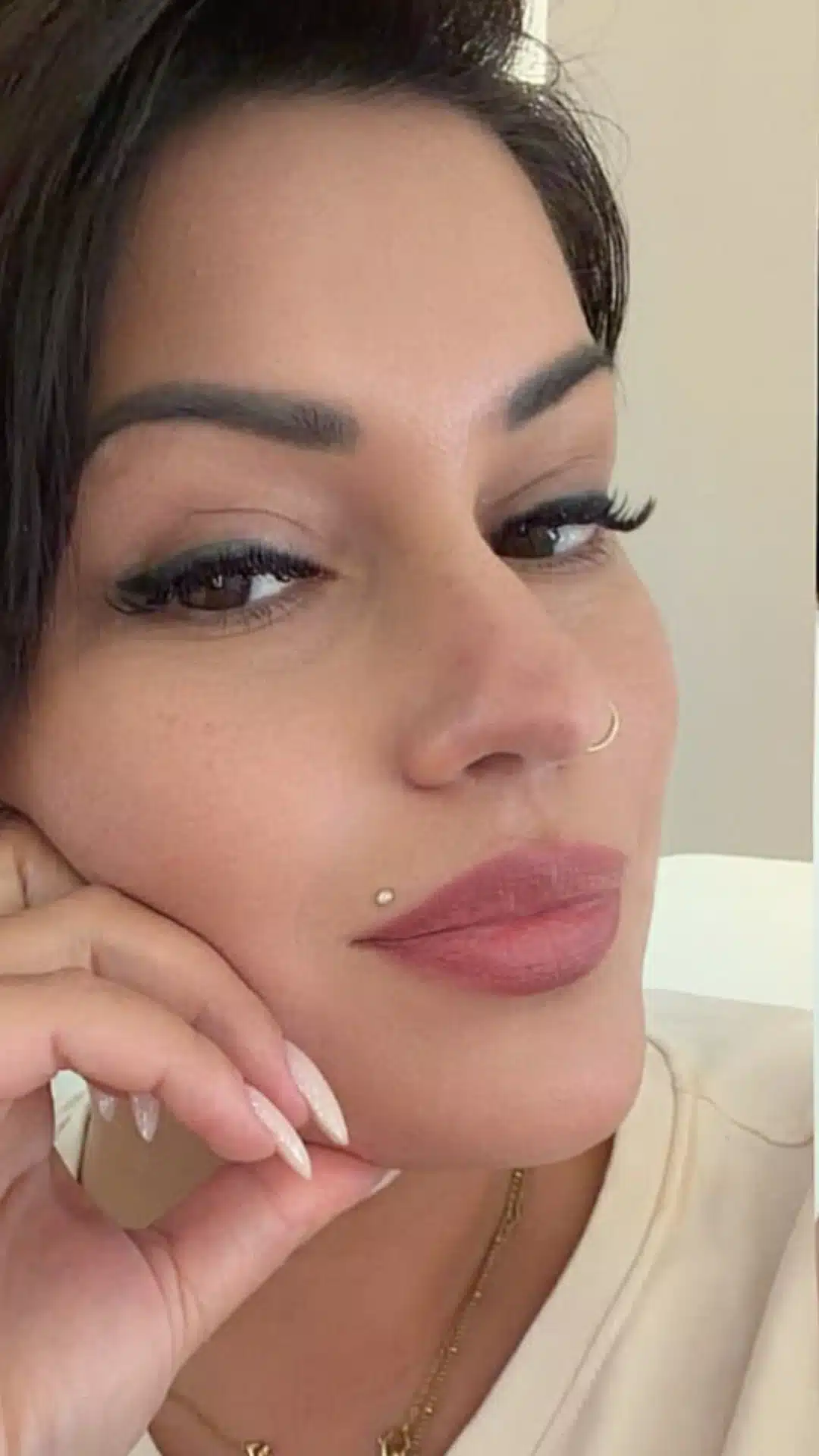
14. Madonna Piercing
Credit: Alena
This piercing is the mirror image of the Monroe piercing; it is placed on the opposite side, but the process is similar. This one is named after pop singer Madonna.
- Pain and Risk: Low to moderate. Risk of infection and nerve damage.
- Injury: Similar to Monroe piercing, dental erosion and tissue embedding.
- Healing Time: 2-3 months.
- Anatomy Placement: It is precisely positioned on the right side of the upper lip, typically nestled within the natural soft indentation above the canine tooth.
- Best Jewelry Material: Implant-grade titanium and biocompatible gold and silver studs.
15. Medusa Piercing

Credit: TimmarieMarsh
Also known as thephiltrum piercing, is a bolder and centered version of the Monroe and Madonna piercing. It is actually quite common and quite popular in fashion campaigns.
- Pain and Risk: Moderate pain. Carries a risk of bacterial infection and nerve damage.
- Injury: Gum recession, severe swelling, and internal bleeding.
- Healing Time: 2-4 months.
- Anatomy Placement: Aligned horizontally and vertically inside the exact center of the philtrum dip, balancing perfectly with your septum and cupid’s bow.
- Best Jewelry Material: Flat-back titanium labrets, biocompatible gold, and silver studs.
16. Jestrum Piercing

Credit: Jesse
This is the vertical version of Medusa piercing. It is also called vertical philtrum piercing. Jestrum piercing is a bolder version and creates a unique look.
- Pain and Risk: Moderate to high. Exposure to sweat and dust can increase the risk of infection.
- Injury: Asymmetric healing and scarring.
- Healing Time: 2-3 months.
- Anatomy Placement: Placed precisely in the dead center of your philtrum, perfectly bisecting the cupid’s bow of your upper lip.
- Best Jewelry Material: Curved barbells and titanium studs.
17. Ashley Piercing
Credit: Glaminati
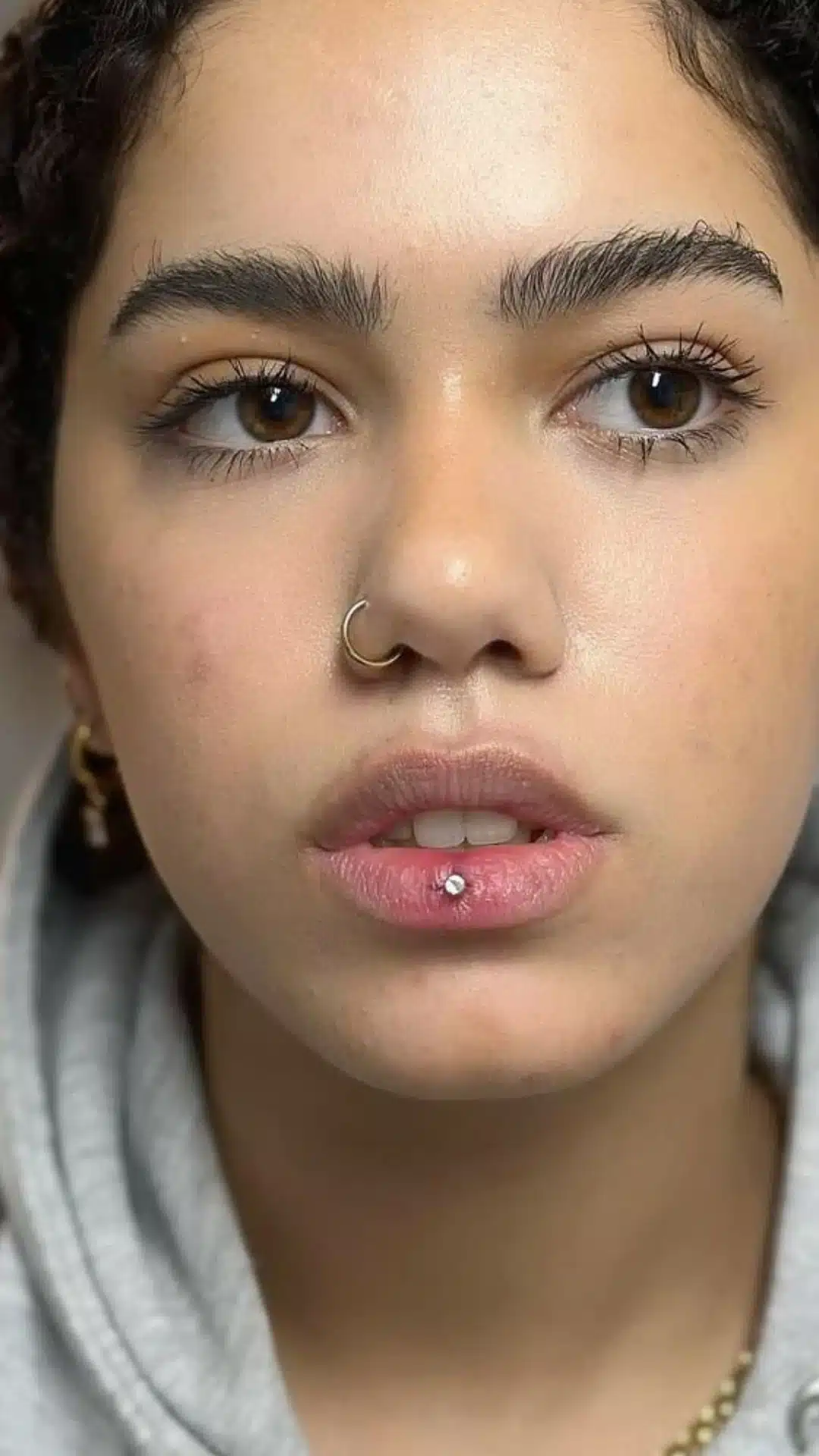
Also known as an inverted vertical labret. It is a direct lip piercing that highlights the lower lip. It looks rebellious and creates a strong impression.
- Pain and Risk: Moderate to high. Oral infection risk is higher.
- Injury: Tooth enamel erosion and severe swelling.
- Healing Time: 3-6 months.
- Anatomy Placement: Positioned precisely in the dead center of the lower lip’s pink flesh, offering a distinct single-gem aesthetic.
- Best Jewelry Material: Flat-back labret studs, implant-grade titanium, single-gem studs.
18. Dahlia Piercing

Credit: Trevrez
The Dahlia piercing, also known as the”joker line piercing”, is a very distinct type of face piercing.
It is unique and used more for aesthetic purposes and highlighting smile lines or the corners of the lips. It is quite punk.
- Pain and Risk: Moderate to high. Risk of infection and bacterial formation due to saliva, food, and pollution.
- Injury: Tooth chipping, scarring, and saliva pooling.
- Healing Time: 4-6 months.
- Anatomy Placement: Placed symmetrically, less than an inch from the corners of the lips, following the natural crease of your smile line.
- Best Jewelry Material: Implant-grade titanium and flat-back labrets.
19. Cyber Bites
Credit: Hayley Morgan
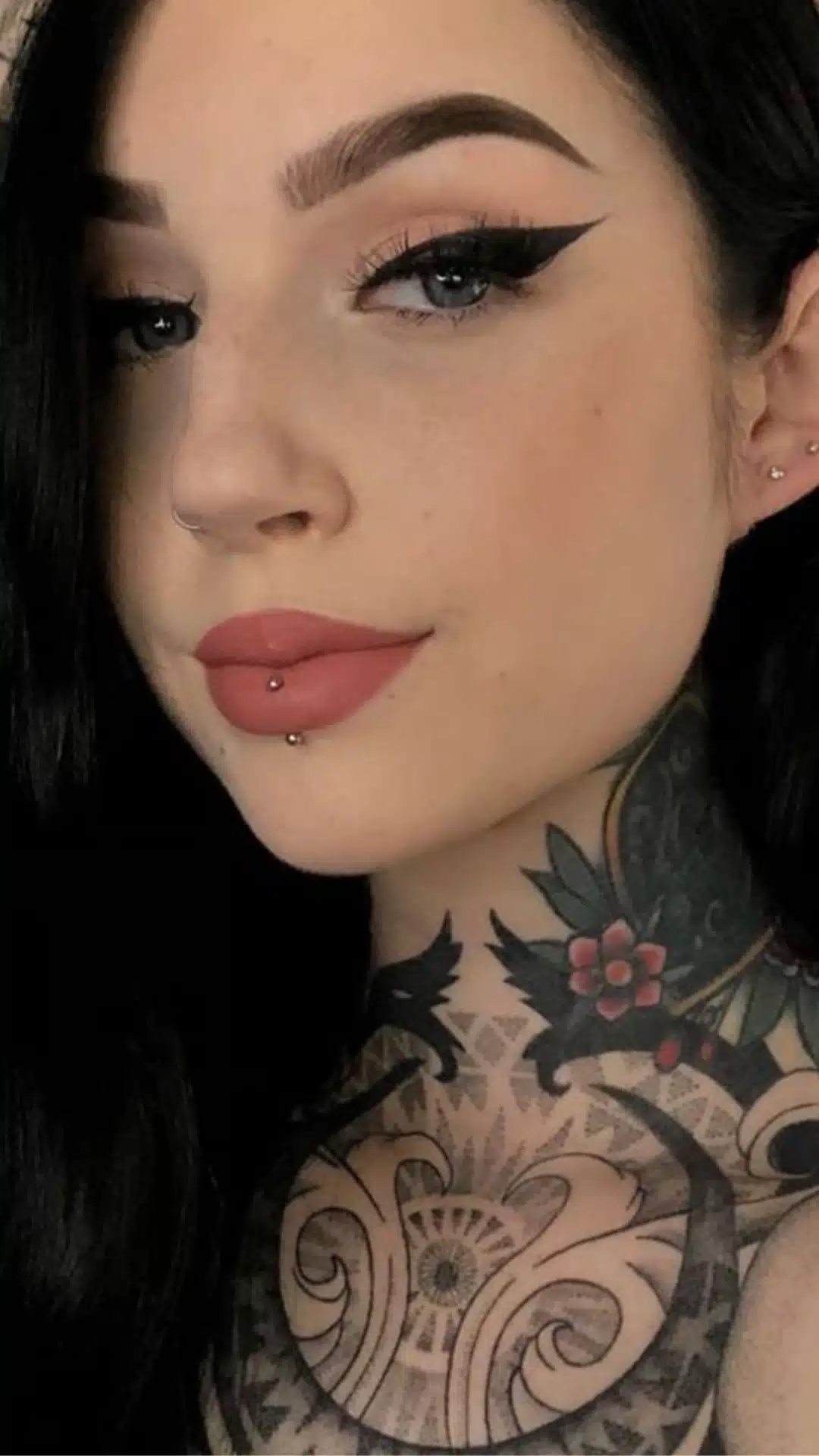
The Cyber Bites piercing combines a Medusa (philtrum) piercing above the upper lip with a Labret piercing centered below the lower lip.
The vertical alignment creates a bold, symmetrical look that is popular in alternative, gothic, punk, and cyber-inspired styles.
- Pain and Risk: Moderate. Since it involves two separate piercings, discomfort is greater than a single lip piercing.
- Injury: Tooth enamel wear, gum recession, and jewelry rubbing against the teeth.
- Healing Time: 3-5 months
- Anatomy Placement: One piercing is centered in the philtrum and the other is centered just below the lower lip, creating a perfectly vertical alignment.
- Best Jewelry Material: Implant-grade titanium
How to Choose the Right Face Piercing?
It is important to know which face piercing suits you and which doesn’t.
There is a right face piercing for everyone, and understanding what suits your face and personality will definitely make more of a statement.
Consider Your Facial Anatomy
Start with what your face can actually support.
A piercer can tell you in minutes whether you have enough pinchable skin for a bridge piercing or enough cartilage depth for a rhino piercing.
This saves you from picking a style that’s more likely to migrate or reject.
Match Your Piercing to Your Personal Style
Some piercings, like a single nostril stud or a subtle Monroe, blend into an everyday look. Others, like Dahlia bites or a bridge piercing, are meant to be noticed.
Think about whether you want your piercing to be a quiet detail or a focal point.
Think About Work, School, and Lifestyle
If your job or school has a dress code, prioritize piercings that are easy to conceal or remove temporarily, like a septum ring that flips up or a small nostril stud.
Piercings on the lips and cheeks are harder to hide and worth thinking through before booking an appointment.
Face Piercing Aftercare
Aftercare is everything. This is where the healing for your facial piercings truly begins.
Almost all face piercings have a similar aftercare routine, so the basic items you need are easily available in a local drugstore or online.
It is important to prioritize this aftercare routine to prevent infections, delayed healing, or scarring.
Daily Cleaning Routine
Clean your piercing once or twice a day with a saline solution, either store-bought or mixed at home with non-iodized salt and distilled water.
Gently saturate the area, let it sit for a minute, then rinse; there’s no need to rotate or twist the jewelry during cleaning.
Products To Use And Avoid
- Use sterile saline solution, fragrance-free soap for the surrounding skin.
- Avoid alcohol, hydrogen peroxide, and harsh antibacterial ointments, which can dry out tissue and slow healing.
- Avoid aggressive over-cleaning, which can irritate a piercing just as much as under-cleaning.
Final Words
Face piercings offer countless ways to express your personality, whether it’s a subtle nostril stud or a bold bridge piercing.
The right choice comes down to your anatomy, your style, and how the piercing fits into your daily life, not just what’s trending.
Working with a reputable piercer, investing in quality jewelry, and sticking to proper aftercare will make the biggest difference in how well your piercing heals.
Take your time researching before you commit, and you’ll end up with a piercing you’re genuinely happy to wear for years.
Frequently Asked Questions (FAQs)
1. Which Face Piercing is Best for Beginners?
The nostril and labret piercings are usually recommended first, since they involve a straightforward piercing process.
2. Can I Wear Makeup After Getting A Facial Piercing?
It’s best to avoid applying makeup directly on or near a fresh piercing for the first few weeks, since products can introduce bacteria and irritate healing tissue.
3. How Do I Know if My Piercing is Infected?
Look for spreading redness, increased warmth, thick yellow or green discharge, and pain that worsens rather than improves.
4. Are Face Piercings Suitable for Every Face Shape?
Not always. Piercings like the bridge or dimple depend on specific anatomical features.