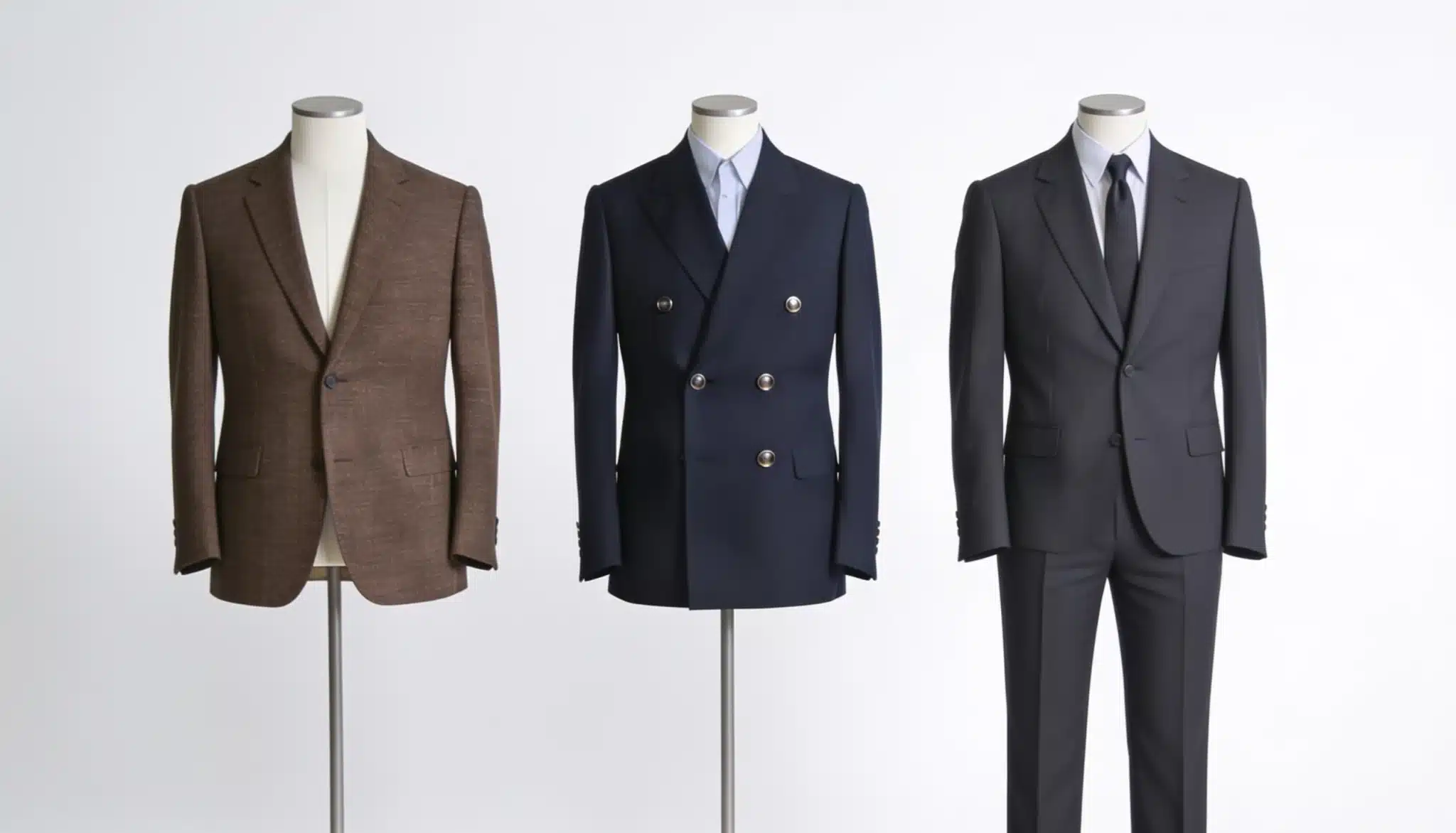
A wedding invite says cocktail attire, and three jackets in the closet all look the same at first glance.
Grabbing the wrong one can throw off an entire outfit before a single word gets spoken.
Sport coat vs blazer confusion trips up plenty of people, since both jackets share a similar cut and often the same dark shade.
Suit jackets add one more layer to the mix-up. The next few lines lay out what sets each jacket apart and the right moment to wear it.
What is a Sport Coat?
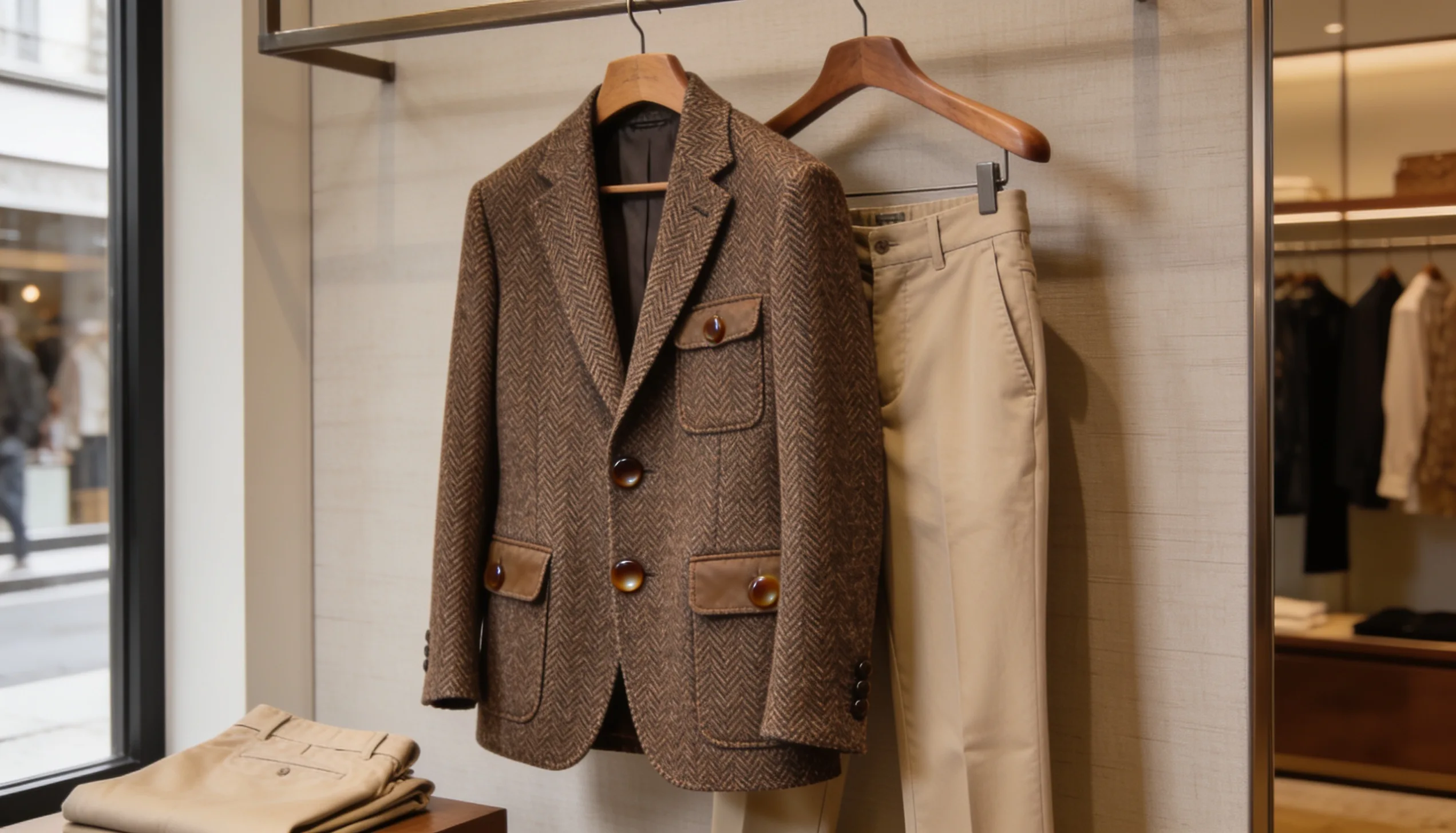
A sport coat starts as a single jacket, built to stand on its own. It never comes with a matching pair of trousers, unlike the jacket half of a suit.
No suit ever comes along to complete it or back it up. That stand-alone quality is really the whole point behind this piece.
The Origin of the Sport Coat
Hunters and horseback riders needed something sturdier than a suit jacket, and that need shaped the earliest sport coats.
Thick wool held up against wind and rain far better than delicate suiting fabric. The name stuck long after most wearers stopped riding anywhere near a horse.
Key Characteristics of a Sport Coat
A sport coat is the most casual option of the three, with a few traits that set it apart.
- Pattern usually takes center stage, more often than a solid shade
- Checks, plaids, and herringbone show up often, giving each jacket its own personality
- Buttons stay understated, typically horn, wood, or plastic
- Patch pockets appear often, instead of the flap style common on dressier jackets
Common Fabrics
Texture plays a big role in a sport coat’s character.
Tweed and rougher wool blends bring warmth for cooler months, while lighter cotton or linen blends handle warmer weather with ease.
This wider range of fabrics gives sport coats more personality than either a blazer or a suit jacket typically offers.
Typical Styling
Styling stays flexible with a sport coat. Pair it with jeans for a laid-back weekend look, or dress it up with chinos and a collared shirt for a casual office day.
A common misstep involves wearing a heavily patterned sport coat with equally busy trousers. Let one piece carry the pattern, and keep the other solid.
What is a Blazer?
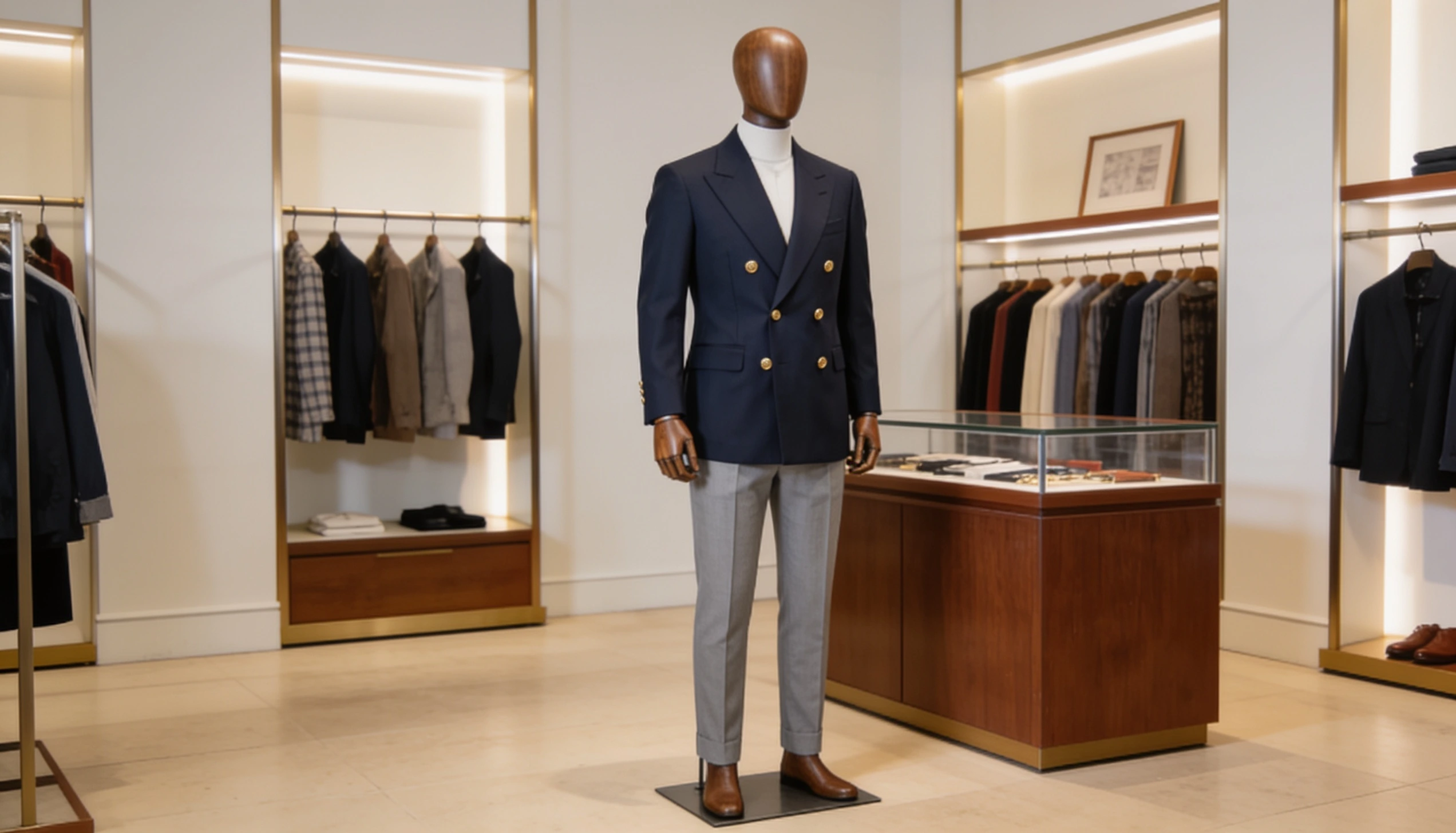
A blazer almost always stays solid in color and uses metal buttons instead of the horn or plastic ones seen on other jackets.
That combination of a plain color with shiny hardware sets a blazer apart at a glance.
A blazer without those buttons is just a solid jacket, missing its signature detail.
The Origin of the Blazer
Rowing clubs in 19th-century England get credit for the blazer’s name, with one Cambridge crew wearing bright red jackets on the water.
Sailors in Britain’s navy wore a similar style around the same period, minus the loud color. Both threads eventually met in the navy blazer worn today.
Key Characteristics of a Blazer
A blazer sits in the middle ground of the three, marked by a handful of signature traits.
- Metal buttons in brass, gold, or silver tones, often set apart with a raised design.
- Structured shoulders and a fitted cut, giving a slightly sharper silhouette
- Notch or peak lapels, depending on the style
- Patch pockets on more casual versions, flap pockets on dressier ones
Signature Buttons
Metal buttons remain the clearest giveaway on any blazer. Brass and gold tones lean traditional, often stamped with a crest or a simple pattern.
Silver and pewter tones read a touch more modern. Either way, that hardware does most of the work in telling a blazer apart from a plain solid sport coat.
Common Colors
Navy sits at the top of the list, followed closely by black and deep shades of green or maroon.
These darker, solid tones keep a blazer looking sharp across a wide range of settings, from a casual dinner to a semi-formal event.
What Is the Difference Between Sport Coat vs Blazer?
Fabric, construction, color, and formality all shift slightly across these three jackets, even when they look similar at first glance.
Breaking each factor down side by side makes the differences much easier to spot.
Fabric and Texture
Sport coats lean on thicker, textured wool like tweed, which holds heat well but can feel bulky in warm weather. Blazers use smoother, lighter wool or cotton for a cleaner look.
Suit jackets follow whatever weight the full suit calls for, so fabric can range from lightweight tropical wool to heavier winter cloth, depending entirely on the season the suit gets built for.
Construction and Structure
Suit jackets typically rely on full canvassing, a hidden layer that shapes the chest and lapel and helps the jacket hold its form over years of wear.
Blazers often follow similar construction, though sometimes lighter.
Sport coats vary the most, from fully structured builds with padded shoulders to soft, unstructured designs that feel closer to a shirt than a formal jacket.
Colors, Patterns, and Buttons
Checks and herringbone show up often on sport coats, while blazers stick to solid navy, black, or green with metal buttons in brass or silver.
Suit jackets take a quieter approach, matching their trousers exactly in both color and pattern.
Formality Levels
Formality climbs in order here: sport coat first, then blazer, then suit jacket. Sport coat suits a backyard barbecue. A blazer works for a client dinner.
A suit jacket takes the top spot, reserved for interviews, weddings, and other settings where a sharp, matched look matters more than comfort or ease of movement.
Matching Pants Requirements
A blazer never requires a match, though solid trousers pair naturally, and a sport coat carries that same freedom, often paired with contrasting trousers.
A suit jacket sits at the opposite end entirely, built to stay locked to its matching pants at all times, since separating the two pieces changes how formal the whole outfit reads.
Overall Versatility
Sport coats generally win this category, moving easily between jeans and dress pants. Blazers come in close behind, dressing up a casual outfit or dressing down a formal one.
Suit jackets rank lowest here, since pulling one away from its matching trousers tends to look mismatched, leaving fewer practical ways to wear it outside its intended pairing.
Matching pants requirements offer the fastest gut check when unsure which jacket fits an occasion.
Sport Coat vs Blazer vs Suit Jacket
Three simple rules separate these jackets before shopping for any of them. A sport coat carries a pattern and pairs with trousers in a different fabric.
A blazer stays solid in color with metal buttons on the front, while a suit jacket matches its trousers exactly.
Formality sets them apart too, sliding from casual to dressy. The table below lays out what a sports coat is and what makes a blazer distinct.
| Feature | Sport Coat | Blazer | Suit Jacket |
| Formality | Casual | Semi-formal | Formal |
| Fabric | Tweed, wool blends, textured cloth | Solid wool, cotton, or blends | Matches trouser fabric exactly |
| Pattern | Checks, plaids, herringbone | Solid color | Solid or subtle pattern, matched to pants |
| Buttons | Horn, plastic, or wood | Metal (brass, silver, or gold) | Horn or plastic, matched to fabric |
| Matching Pants | Not required | Not required | Required |
| Best Occasions | Weekend outings, casual Fridays | Smart casual events, club functions | Weddings, interviews, formal business |
When to Wear Each Jacket?
Matching the right jacket to the right setting keeps any outfit from feeling out of place. A quick guide through common occasions makes that choice easier.
Business and Office Wear
A blazer works well in most office settings, striking a balance between polished and approachable.
A suit jacket is appropriate for more formal workplaces, especially client meetings or interviews. A sport coat suits offices with a relaxed dress code.
Weddings and Formal Events
Suit jackets remain the safest choice for formal weddings, especially evening ceremonies. Daytime or outdoor weddings with a relaxed dress code call for a blazer instead.
Casual or rustic wedding settings suit a sport coat far better than a formal jacket.
Smart Casual Outfits
Blazers shine in smart casual settings, especially when paired with dark jeans or chinos.
Sport coats handle this look just as well, often with a slightly more relaxed feel. Suit jackets rarely work on their own in this kind of setting.
Travel and Everyday Wear
Sturdy fabric and flexible styling make sport coats the top pick for travel and daily wear.
Warmer climates make blazers a reasonable choice for occasional daily wear, too. Suit jackets are reserved for more formal travel occasions rather than everyday use.
Matching the dress code, wardrobe, climate, and budget helps narrow down the right jacket fast, without much guesswork.
Wrapping Up
Fabric, buttons, and matching trousers turn out to be the real markers separating these three jackets.
A sport coat adds pattern and texture, a blazer stands out with its solid color and metal buttons, and a suit jacket stays paired with its matching pants.
Formality and versatility shift depending on which one gets pulled off the hanger.
Sport coat vs blazer confusion tends to fade once those small details become second nature. That wedding invite or office dress code now clearly points to the right jacket.
Frequently Asked Questions (FAQs)
1. Are Double-Breasted Blazers Still in Style?
Yes, they remain popular for weddings, dinners, and dressier semi-formal occasions today.
2. Can a Suit Jacket Be Altered to Work as A Sport Coat?
Sometimes, though, bold or textured fabrics adapt far better than subtle pinstripes.
3. What Shirt Works Best Under a Sport Coat?
Oxford cloth or chambray shirts pair naturally with the texture of a sport coat.
4. How Often Should a Blazer Get Dry Cleaned?
Roughly once per season under normal wear, it works well.
5. Is a Tuxedo Jacket the Same as a Suit Jacket?
No, tuxedo jackets use satin lapels, which are strictly reserved for black-tie events.