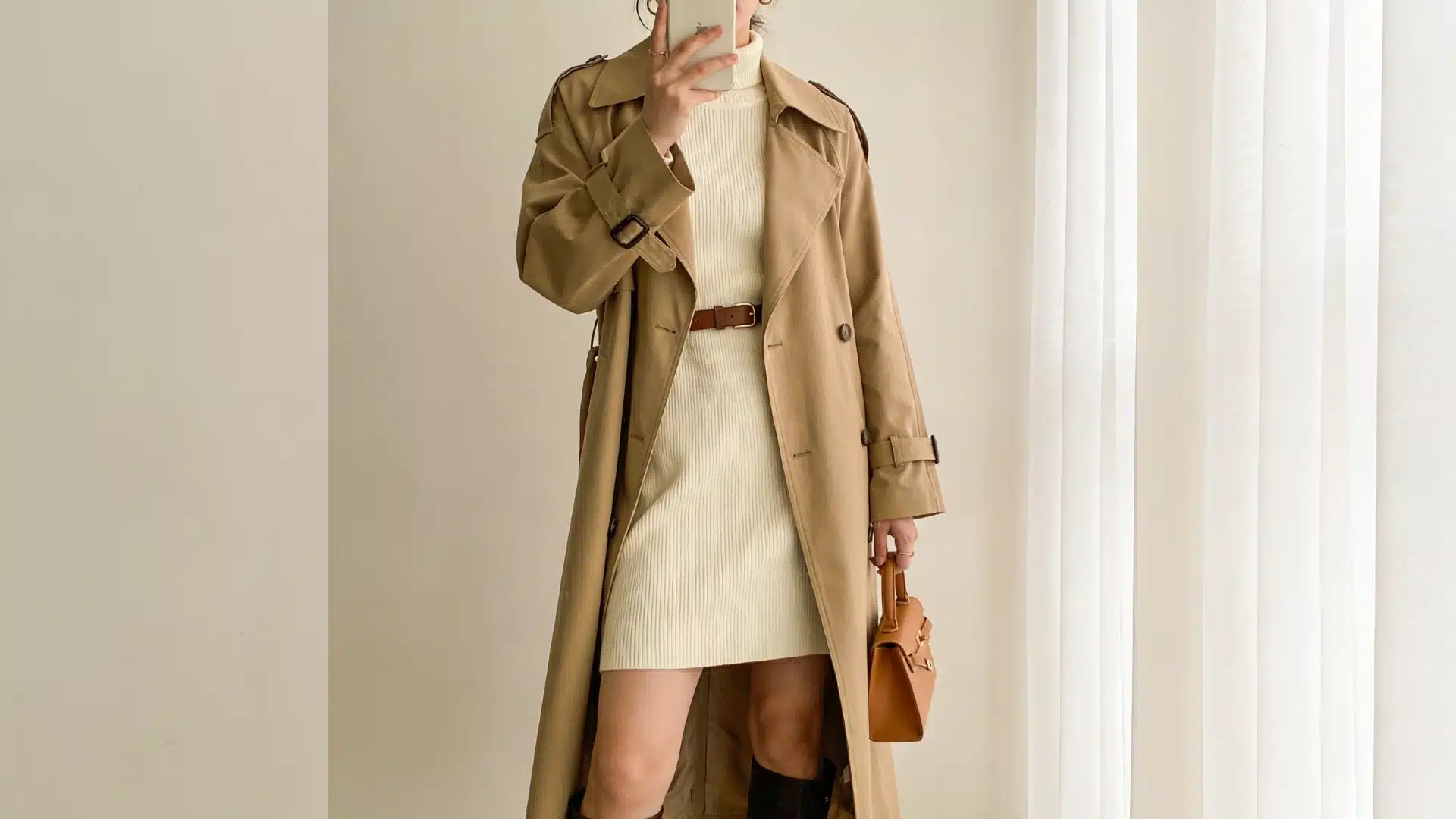
Most people wear clothes every day but still feel like they have nothing to wear. Can you relate?
That feeling usually means one thing: you haven’t found your sense of dress yet. And that’s completely okay.
Finding your way of dressing is about not following trends or buying more clothes. It’s about figuring out what feels right for you.
Stick with me, and I’ll cover simple steps on how to find your style that would actually help you.
Why is it Necessary to Find Your Own Style?
What people think is just about looking good. But it goes deeper than that. When you understand how to find your style, getting dressed becomes easy.
You stop wasting time staring at a full wardrobe and feeling like you have nothing to wear.
You save time, money, and a lot of daily frustration. Your appearance also speaks for you before you say a word.
It’s the reason two people can wear the same plain white tee, and one looks intentional while the other looks like they got dressed in the dark.
Once you know what you like and why, getting dressed stops being a daily guessing game. You stop buying things that sit unworn at the back of your wardrobe.
Why Finding Your Style isn’t as Easy as it Sounds?
It sounds simple, but it’s easy to get stuck. Most people run into the same roadblocks and don’t even realize it. The most common ones are
- Too many options: Walking into a store or scrolling online can feel overwhelming. Everything looks good until you get home.
- Comparing yourself to others: You see someone else’s style, and suddenly yours feels wrong to you.
- Not knowing where to start: Most people just don’t know the first step to take.
- Inconsistent choices: One day you want casual, the next you want formal. It’s hard to find a middle ground.
How to Find Your Style? 5 Simple Ways
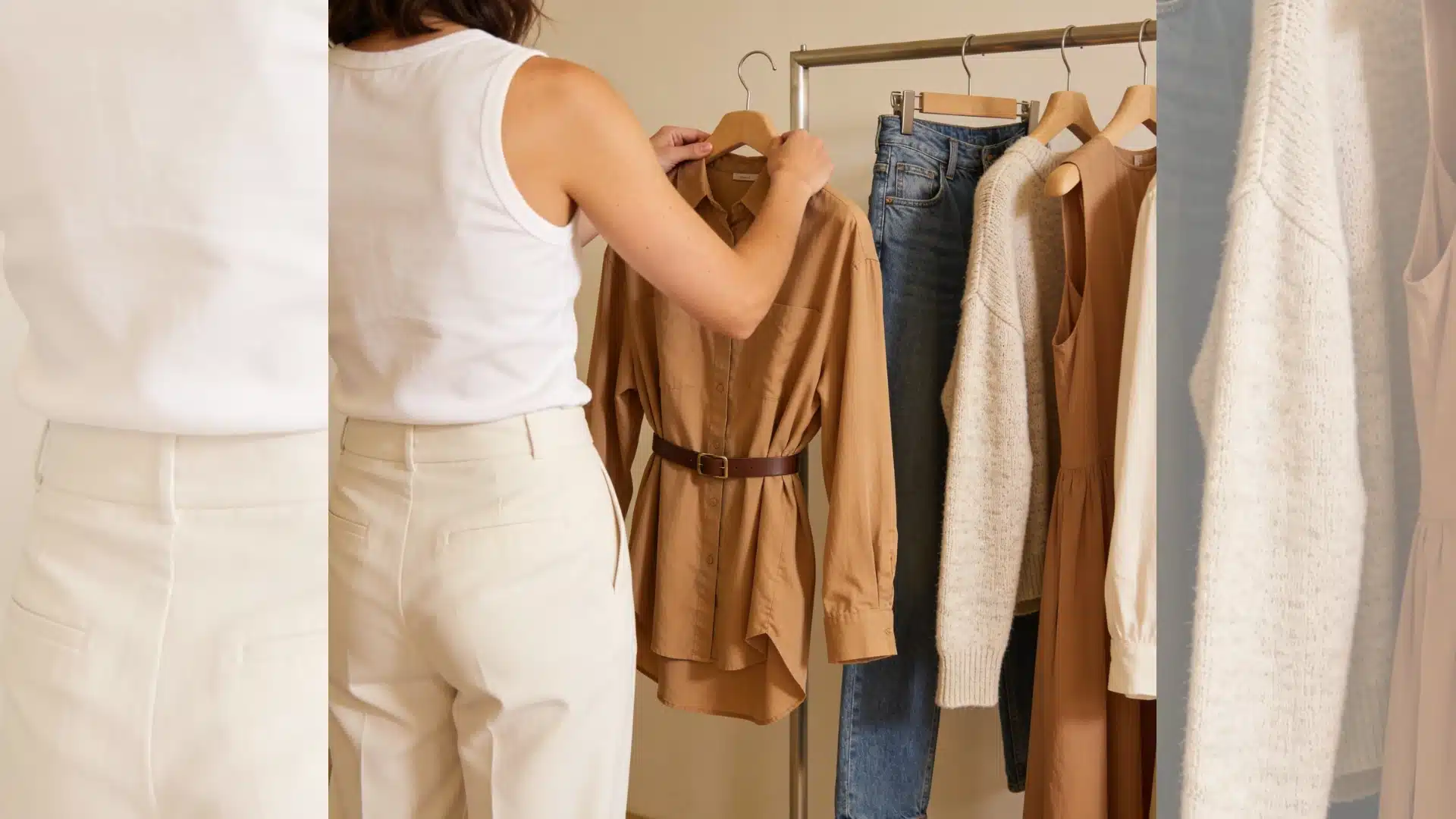
Finding your style doesn’t happen overnight. It’s a gradual process that gets clearer the more you pay attention to what you like and what you don’t.
You don’t need a big budget or a wardrobe overhaul to get started. You just need to pay attention to what you already own and how it makes you feel.
Below are simple, practical steps to help you figure out your personal dressing.
1. Start by Understanding What You Already Like
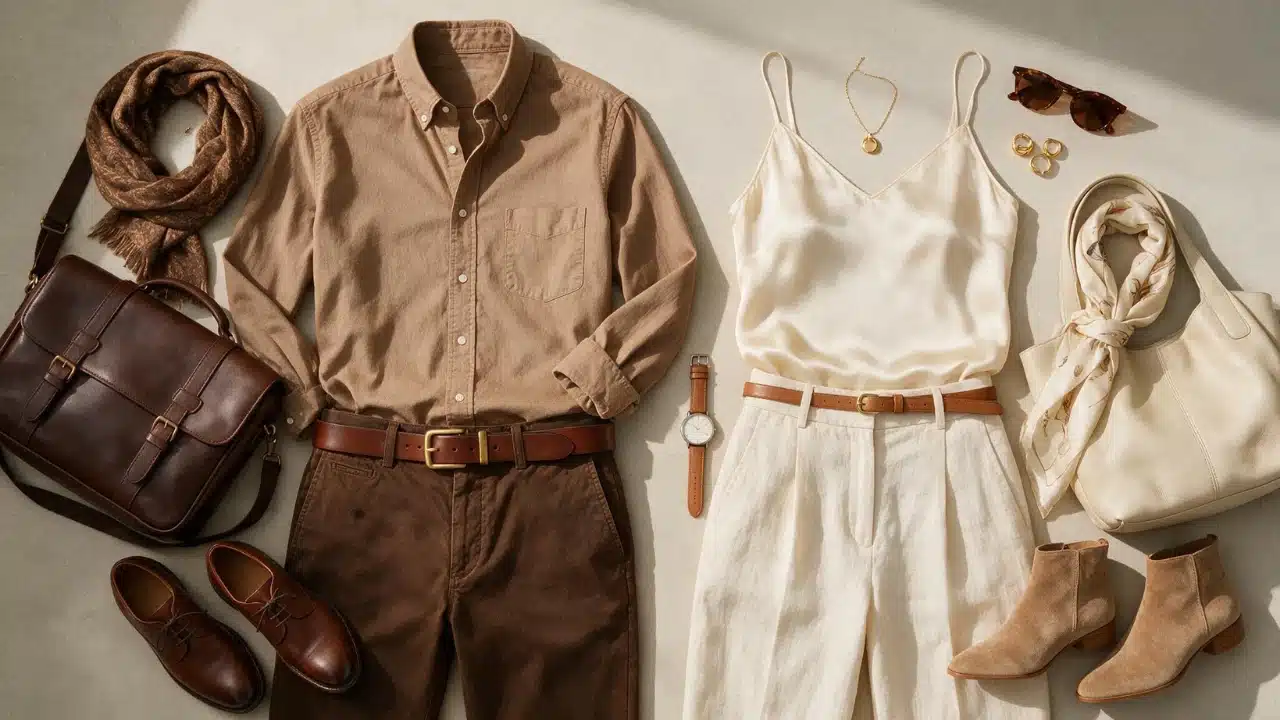
Before buying anything new, look at what you already own. Pick out the pieces you reach for the most and ask yourself why. Is it the color? The fit? The fabric?
Those answers tell you a lot about your natural styling preferences.
2. Find Your Style Inspiration
Look around for looks that catch your eye. It could be someone you know, a celeb, a magazine, or a social media page.
Save them. After a few weeks, look back. If you keep saving oversized silhouettes in neutral tones, that’s not random; that’s your taste showing up consistently.
3. Build Your Own Color Palette
Finding the right colors makes a visible difference. Wearing a color that suits your skin tone means you look more awake, more put together without changing anything else about the outfit.
You look fresher, feel better, and putting outfits together becomes much easier.
| Step | What to Do | Why it Helps |
|---|---|---|
| Identify Your Colors | Pick colors you feel most confident in | They suit your skin tone and personality |
| Add Neutrals | Start with white, black, beige, and gray. | They go with almost everything |
| Add Statement Shades | Pick one or two bold colors you love | Keeps outfits interesting without overcomplicating things |
| Mix and Match | Choose colors that work well together | Makes getting dressed quicker and easier |
4. Invest in Quality Basics
Basics are the backbone of any good wardrobe.
A plain white tee, a well-fitted pair of jeans, and a simple black dress- these pieces have been reliable for decades because they work with almost everything you already own.
A good-quality basic will outlast several cheap versions and hold its shape longer.
Basics That Always Work
Good basics always hold their ground. These are the reasons they matter more than you think:
- They work across seasons, occasions, and different styles.
- They save you money in the long run.
- They make building outfits much easier.
- They never feel out of place, no matter what’s trending.
Examples: Jeans, T-shirts, Shirts, Jackets
Key Pieces to Start With
These are the pieces every wardrobe needs:
- Jeans: A well-fitted pair works for casual and smart casual looks.
- Tees: Plain, simple, and easy to pair with almost anything.
- Shirts: Great for layering or wearing on their own.
- Jackets: A denim vest is a great starting point if you want something versatile and easy to wear without overcomplicating your look.
Focus on Fit and Durability
A cheap piece that fits well always looks better than an expensive one that doesn’t.
When shopping for basics, check the stitching, fabric quality, and how well it fits your body. Those three things matter most.
5. Experiment with Your Style
The only way to find what works is to try things out. Don’t be afraid to mix things up a little.
Try New Combinations: Take pieces you already own and pair them in different ways. A shirt you’ve only worn tucked in might work completely differently left out over wide-leg trousers.
Step Slightly Out of Your Comfort Zone: Try one new thing at a time. A different color, a new silhouette, or a style you’ve been curious about. Small steps make a big difference.
Keep What Works, Drop What Doesn’t: Did it feel right? Did you feel good in it? If yes, keep it. If not, move on. It’s that simple.
Understanding Your Body Shape is Key to Finding Your Look
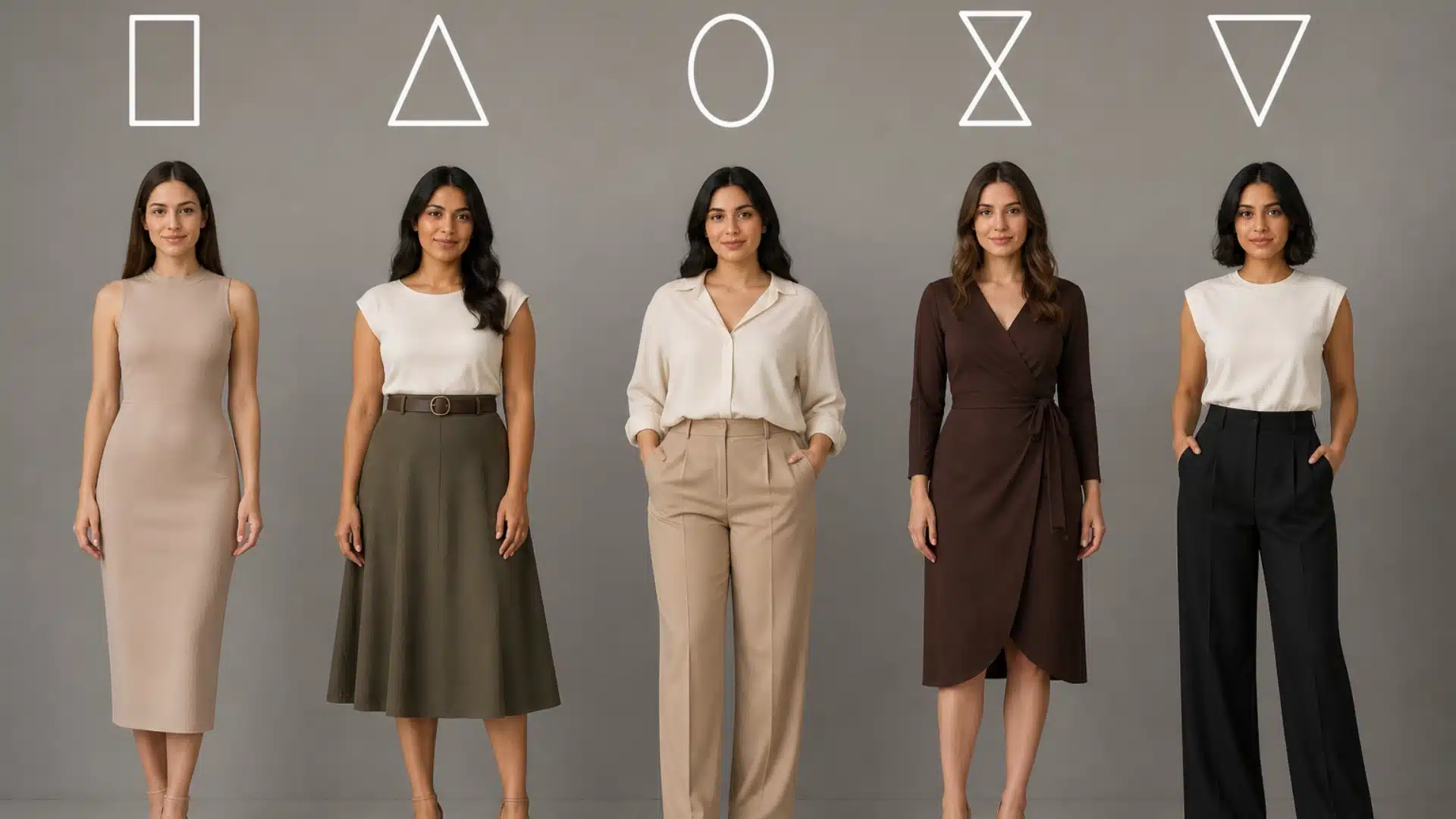
Knowing your body shape helps you pick clothes that fit well.
When your clothes are proportioned for your shape, they look more intentional, even when the outfit is simple.
What fits well with a pear body shape might not fit well with an apple body shape. So it’s necessary to know your body shape.
Rectangle Body Shape
- Key Characteristics: Shoulders, waist, and hips are roughly the same width. You have a straight, athletic build.
- Style Goal: Create the illusion of curves and definition around the waist.
- Key Pieces: Belted dresses, peplum tops, and wide-leg trousers.
Pear Body Shape
- Key Characteristics: Hips are wider than shoulders. You carry most of your weight in the lower body.
- Style Goal: Balance the upper and lower body by drawing attention upward.
- Key Pieces: Boat neck tops, structured jackets, and a-line skirts.
Apple Body Shape
- Key Characteristics: You carry weight around the midsection. Shoulders and hips are similar in width.
- Style Goal: Draw attention away from the midsection and create a longer, leaner look.
- Key Pieces: V-neck tops, empire-waist dresses, and straight-leg trousers.
Hourglass Body Shape
- Key Characteristics: Shoulders and hips are roughly equal in width with a naturally defined waist.
- Style Goal: Highlight the waist and keep proportions balanced.
- Key Pieces: Wrap dresses, fitted tops, and high-waisted bottoms.
Inverted Triangle Body Shape
- Key Characteristics: Shoulders are broader than hips. You have a strong upper body.
- Style Goal: Add volume to the lower body to balance out the broader shoulders.
- Key Pieces: Flared skirts, wide-leg pants, and simple fitted tops.
What Happens When You Don’t Have a Defined Style?
Without a clear sense of dress of your look, things can go wrong pretty quickly.
Most people don’t even realize it’s happening until they’re stuck in the same frustrating cycle. Take a look at what it usually looks like when you don’t have a defined sense of dressing:
- Every trend looks good in the store but feels wrong at home.
- Your wardrobe fills up fast, but nothing seems to match.
- You spend more than planned and still feel like you have nothing to wear.
- Getting ready in the morning takes longer than it should because nothing feels right together.
- You walk out of the house unsure, and that follows you into the rest of the day.
Finding Your Style, Your Way
It takes a bit of time to find your style, but every step is worth it. Start small, be honest with yourself, and don’t rush the process.
Look at what you already own, build on it, and slowly shape a wardrobe that feels like you.
Remember, knowing how to find your way to dress well isn’t about getting every outfit right.
It’s about building a wardrobe that actually reflects who you are, so getting dressed stops feeling like a problem to solve
So take one step at a time and enjoy the process.
Frequently Asked Questions (FAQ’s)
1. How to Find Your Style of Clothing?
Start by looking at what you already own and love. Notice patterns in color and fit, then build from there slowly.
2. How Long Does it Take to Find Your Personal Style?
It varies for everyone. Some people figure it out in a few weeks; others take months.
3. Can Your Style Change Over Time?
Yes, absolutely. Your style grows as you do. It’s completely normal for your preferences to shift as your lifestyle and personality change.