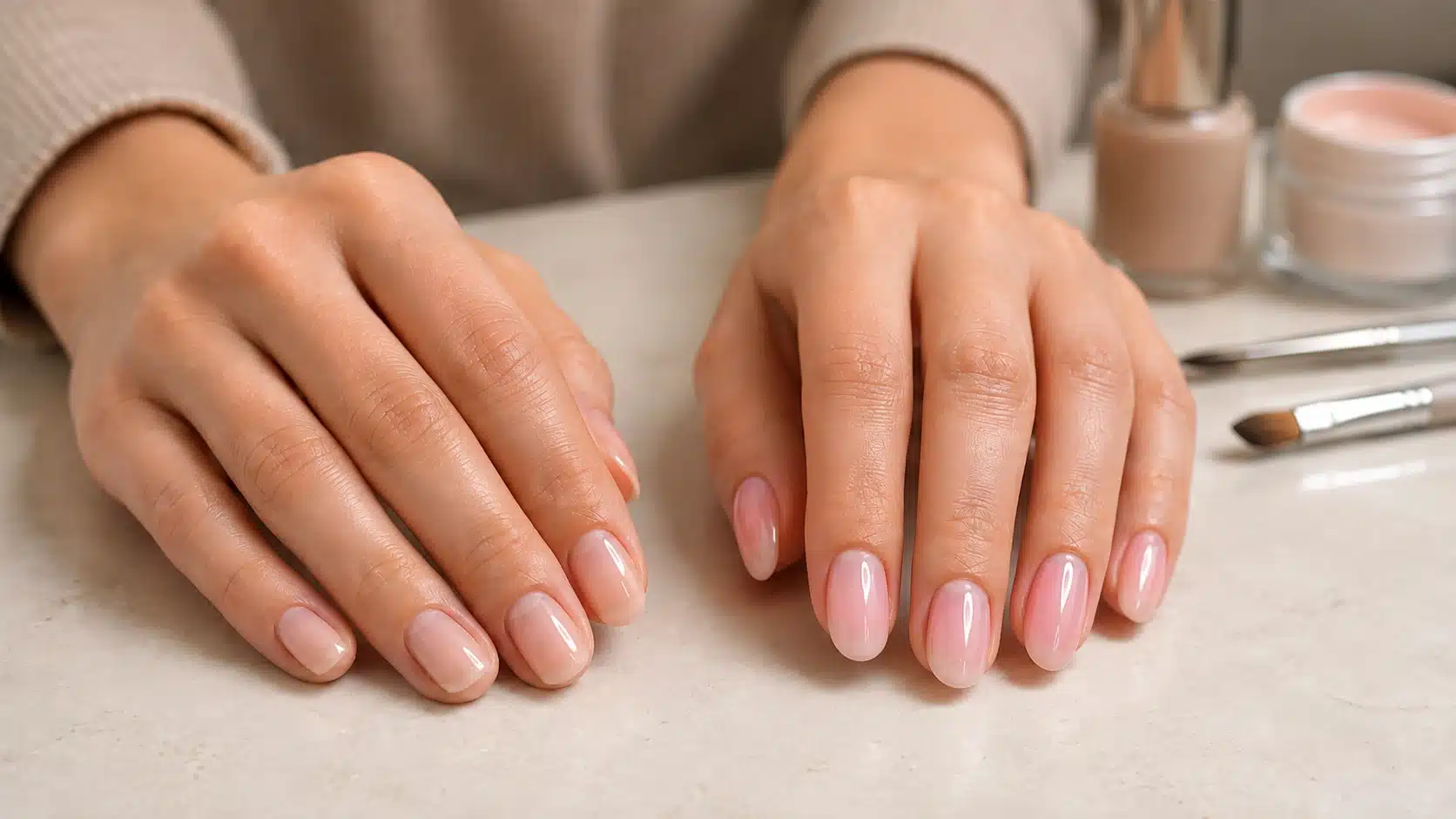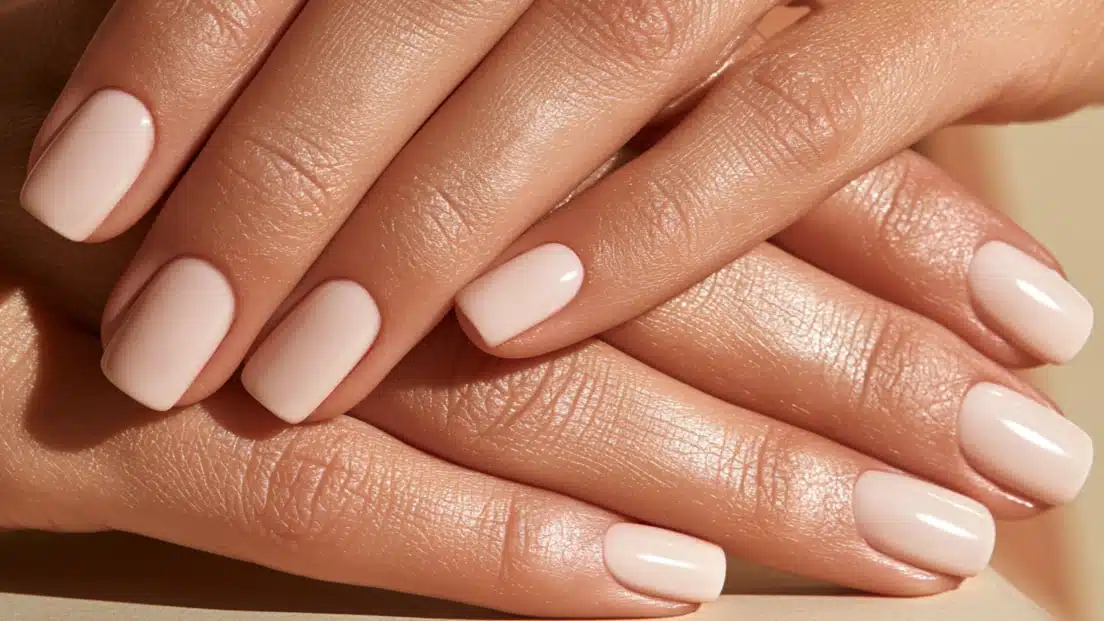
Dip powder nails have become a favorite choice for many people because they are durable, lightweight, and leave a smooth, glossy finish that can last for weeks.
People worry about damaging their natural nails during the process.
Dip nails can seem locked in place, but they soften and release with acetone if you don’t rush the soak.
What are Dip Nails?
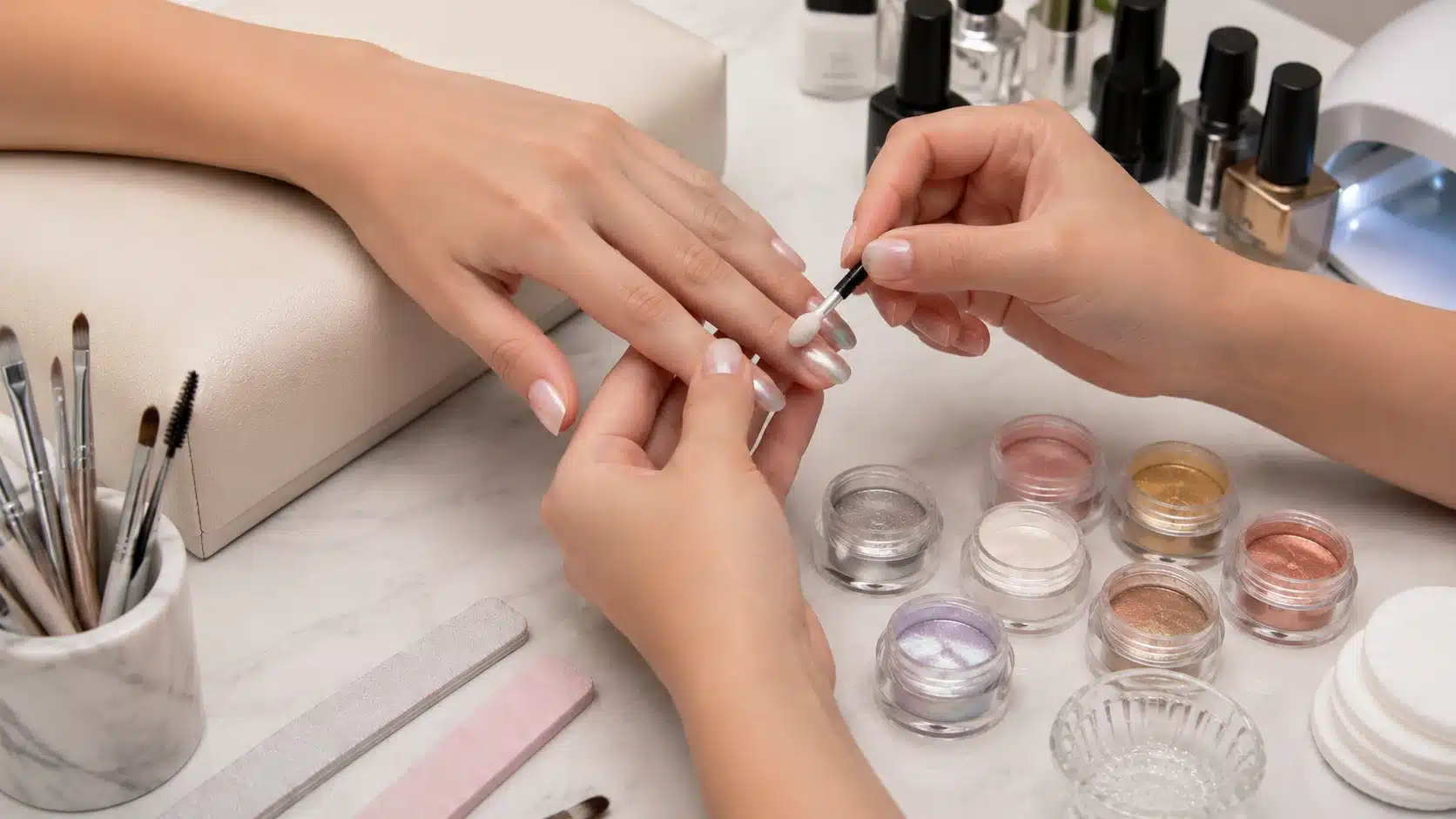
Dip nails are a popular manicure option that uses colored powder instead of traditional nail polish.
Unlike gel, dip powder hardens instantly without UV, which means it bonds more strongly and requires acetone to remove.
When applied, the powder is layered over a base coat and sealed with a topcoat, creating a strong, durable finish that feels solid immediately.
People love dip nails because they are long-lasting, chip-resistant, and provide a polished look.
The process is smooth and convenient, making it a favorite for those who want salon-quality nails at home.
What Do You Need?
A list of things that you’ll need for taking off dip nails:
- Pure acetone
- Nail clippers
- Cotton balls
- A nail buffer
- Foil
- Cuticle oil
Step-By-Step Guide: How to Remove Dip Powder Nails?
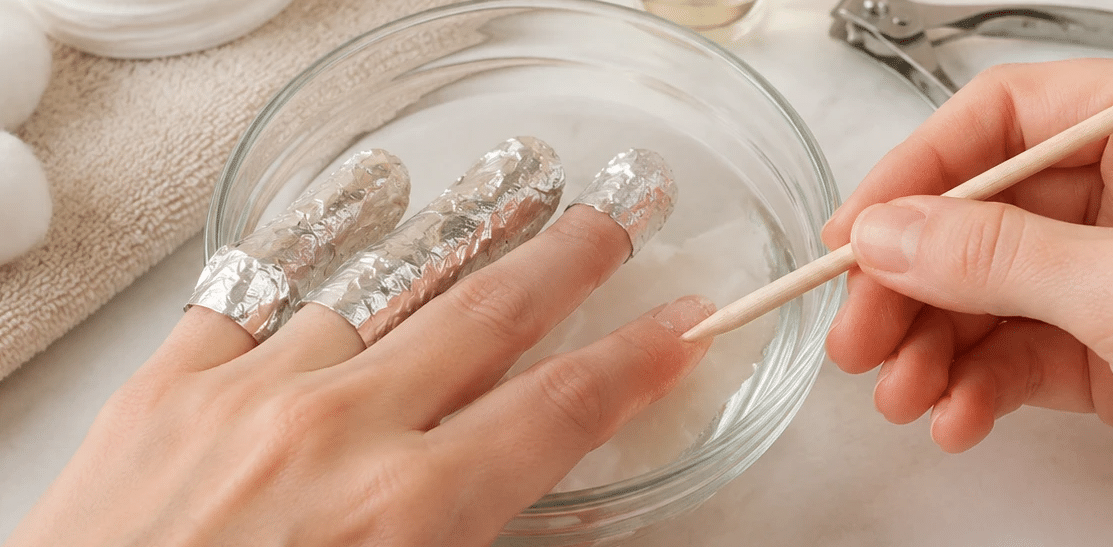

Simple steps for safely removing dip-powder nails.
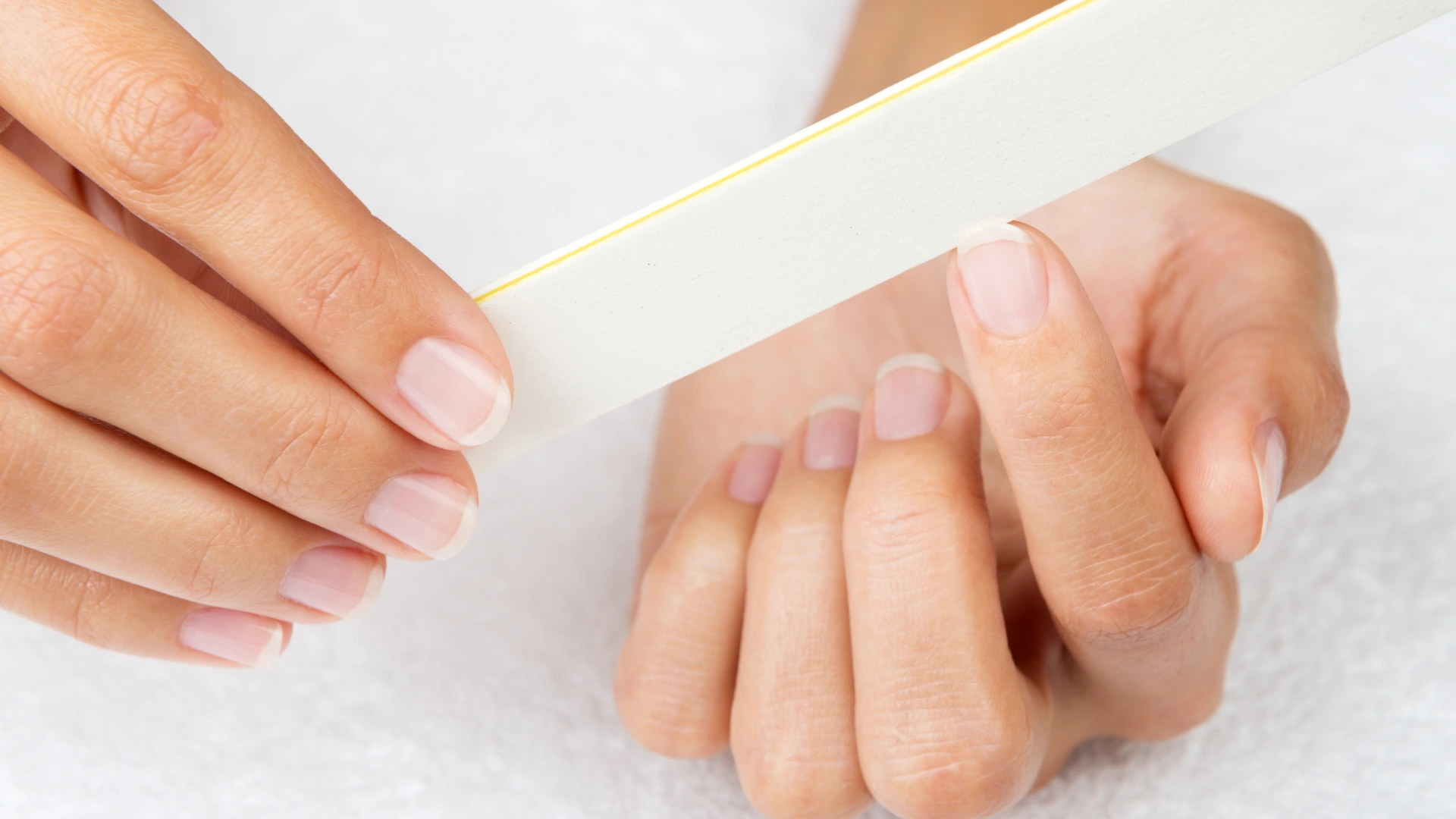
Step 1: Cut And File the Top Layer
The first step is to cut your nails and gently file them if you have any extra length from the dip powder.
File down the top layer to break the seal. The less powder left, the faster acetone works.
Avoid the common mistake of peeling off the dip, even if it starts lifting, because this can rip your natural nail, leaving it weak and thin.
Step 2: Soak Nails in Acetone Bag
There are two ways through which you can do it:
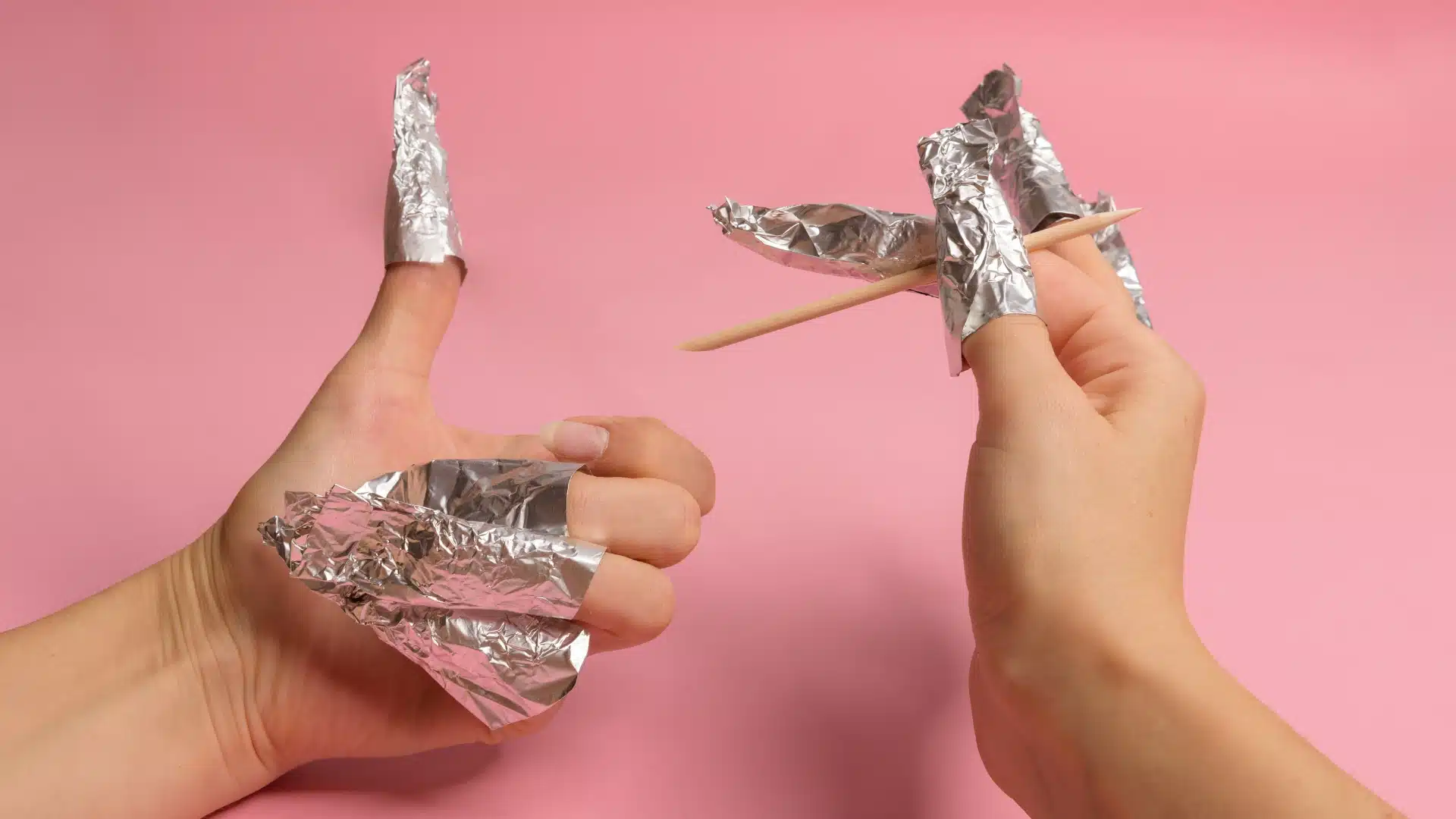
Foil Method
- Dip cotton balls in acetone
- Place balls on each nail
- Wrap the nail with foil
- Keep it for 10-5 minutes
Bowl Soak Method
- Pour acetone into a small bowl.
- Keep nails in that bowl for 15-20 minutes.
- Keep a check on the dip.
Avoid heating acetone, as it’s highly flammable, and don’t use regular nail removers, as they won’t dissolve the dip powder.
Step 3: Gently Push Softened Dip Off Your Nail
After the dip loosens, use a cuticle stick to push it so that the polish scrapes off.
But if it doesn’t come off, keep the nails in acetone water or acetone balls for 5-10 more minutes. And then the dip should come out without much pressure.
But if it resists, soak it for a few more minutes until it comes off easily.
Step 4: Buff and Moisturize
Once the dip power is done and a tiny bit of polish still remains on the nail, don’t worry.
Take your buffer and gently use it to remove excess polish. This will also provide a smooth finish on your nails.
Now, if the shape of your nails is uneven, use a file to shape them, then wash your hands and apply some moisturizer.
Aftercare Tips for Healthy Nails
Once your dip nails are off, follow these few tips to keep your nails healthy:
1. Moisturize right away: Acetone dries out your nails and skin badly. So apply cuticle oil or a good hand cream as soon as you’re done.
2. Give your nails a break: Try not to jump straight into another set. Let your natural nails breathe for a week or two.
3. Buff gently, not often: A light buff smooths out rough spots, but doing it too much will thin the nail. So, once is usually enough.
4. Keep them trimmed: Shorter nails are less likely to break while they recover. Trim and file them into a neat shape.
5. Eat and hydrate well: Drink plenty of water and eat a balanced diet. Nails grow stronger from the inside, so what you eat really matters.
Can You Do it Without Acetone?
Yes, you can remove dip nails without acetone, but it takes a lot of time and requires more filing.
Some people have success using acetone alternatives, such as alcohol or white vinegar, because they have similar properties.
But professionals suggest using acetone, as dip powder is highly durable and does not dissolve easily.
If you are not using acetone, file the layer carefully to remove most of the product, then use a buffer to smooth the nail surface.
It is a slower process, but with patience, it can be done safely.
Alternative Methods
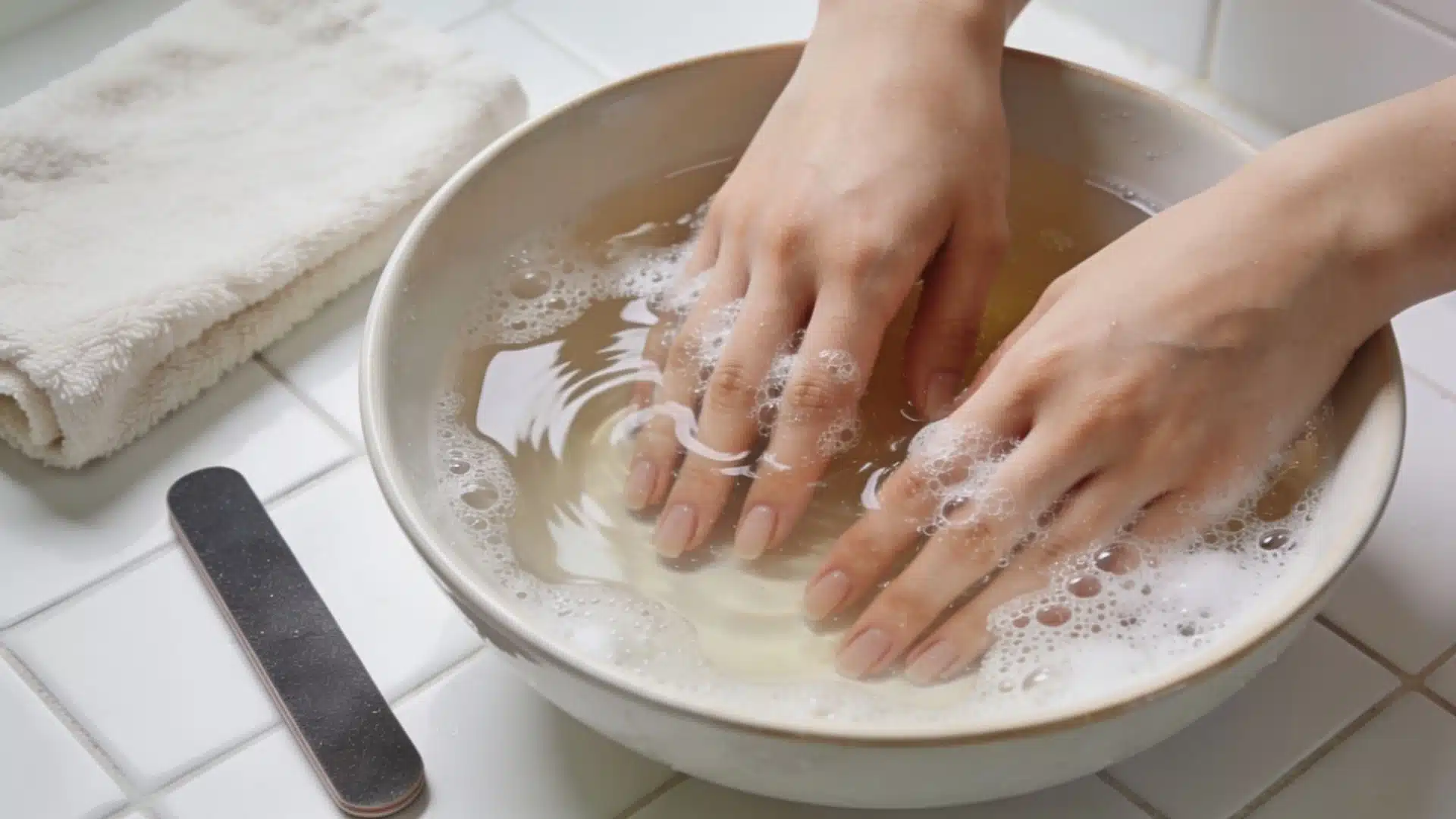
Acetone isn’t always available, so here are a few alternatives worth knowing:
Warm Soapy Water Soak
- Mix warm water with a bit of dish soap or hand soap.
- Soak your nails for 15-20 minutes to loosen the layers.
- Gently push the softened dip off with a cuticle stick.
- This is slow and won’t fully remove the dip, but it’s gentle on your nails.
Filing It Down
- Use a coarse nail file to slowly buff away the dip layers.
- Go easy and stop before you hit your natural nail.
- Finish with a buffer to smooth the surface.
- No soaking needed, but it takes patience and a steady hand.
Acetone is still the fastest and safest bet. But if it irritates your skin or you’ve run out, these methods work too, with a little extra time.
The Bottom Line
Removing dip nails at home is super easy and cost-effective if you follow the steps properly and stay patient throughout the process.
Above, we have provided you with an outline to remember, as it is one of the safest ways to learn how to remove dip nails at home.
Keep in mind that acetone can be highly dehydrating for your skin and nail beds.
That’s why it is recommended to apply cuticle oil, hand cream, or moisturizer immediately after the process.
Frequently Asked Questions (FAQs)
1. Can You Remove Dip Powder Nails without Acetone?
Yes, you can file down the layers carefully and use a buffer to smooth the nails, though it takes longer than using acetone.
2. How to Keep Nails Healthy?
Moisturize Cuticles, avoid harsh chemicals, eat a balanced diet, and give nails breaks from polish or enhancements.
3. Why Do Dip Nails Not Come Out After Soaking?
Dip nails may remain because the product wasn’t fully filed or soaked long enough to break down the layers.