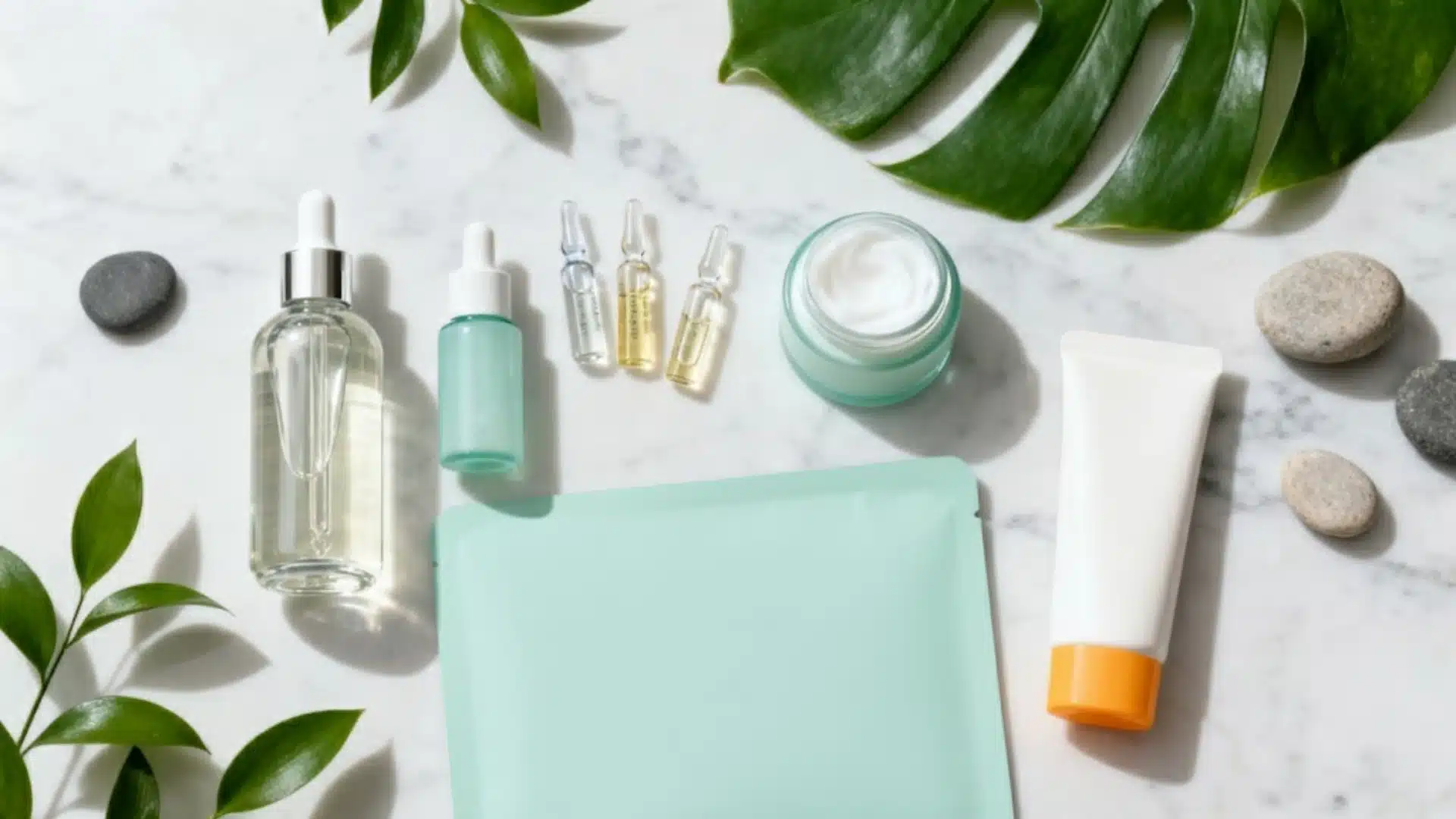
Korean skincare routines have become popular worldwide for a reason.
They swear radiant, glowing, healthy-looking skin. Most people don’t know where to start.
Which steps really matter? Getting that glow isn’t complicated.
Breaking down the ten Korean skincare stepsthat can change your skin. They make it clearer, smoother, and more luminous than ever.
The Philosophy of Korean Skincare
Korean skincare follows a different approach than Western beauty routines.
It focuses on prevention rather than correction. The goal is to maintain healthy skin before problems arise, not just fix issues after they appear. Korean methods treat moisture as essential, not optional.
This keeps skin naturally plump and glowing.
Consistency matters more than expensive products; daily routines lead to better results than periodic treatments.
Korean skincare also favors gentle care. Harsh scrubs and strong acids take a back seat.
Instead, the focus is on nourishing the skin with layers of light products.
This builds skin health over time without causing damage or irritation.
Benefits of Following Korean Skincare Steps Consistently
Sticking to a Korean skincare routine brings fundamental, visible changes. Here’s what consistent practice delivers:
1. Improved Hydration and Skin-Barrier Health
Layering products helps lock in moisture.
A strong skin barrier protects against pollution and irritation.
2. Better Product Absorption
Each step prepares the skin for the next. This means serums and treatments work more effectively.
3. Long-Term Glow Rather than Short-Term Results
Korean skincare builds healthy skin over months, not days.
The focus is lasting radiance, not temporary fixes.
4. Customizable for Different Skin Types
Oily, dry, sensitive, or combination skin can all benefit.
People adjust steps based on what their skin needs most.
The Korean Skincare Steps
Korean skincare follows a structured routine with specific steps. Each one serves a clear purpose.
Here’s the complete order:
- Oil-based cleanser: Removes makeup and sunscreen.
- Water-based cleanser: Cleans remaining dirt and sweat.
- Exfoliator: Sloughs off dead skin cells.
- Toner: Balances pH and preps skin.
- Essence: Hydrates at a cellular level.
- Serum: Targets specific skin concerns.
- Sheet mask: Delivers concentrated ingredients.
- Eye cream: Treats the delicate eye area.
- Moisturizer: Locks in all previous layers.
- Sunscreen: Protects from UV damage (morning only).
Not everyone needs all ten steps daily. The routine adapts to individual skin needs and schedules.
TheFull Korean Skincare Routine
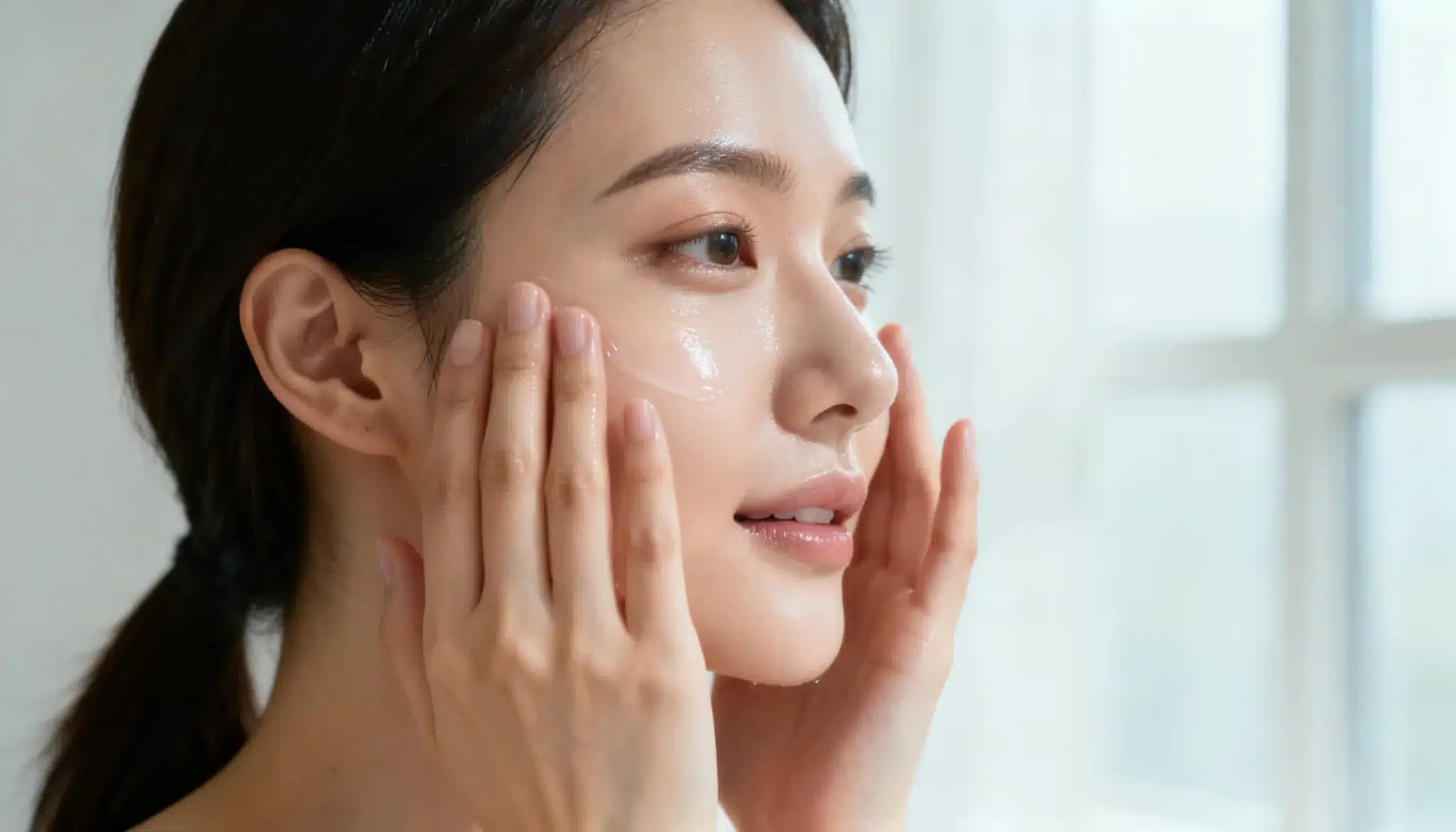
Each step in this routine serves a specific purpose. Here’s how they work together to improve your skin.
Step 1: Oil Cleanser
Oil cleansers melt away makeup, sunscreen, and sebum, the light yellow fluid.
This first cleanse removes products that water alone can’t touch. Even those with oily skin benefit from oil cleansers, which don’t strip away natural moisture.
Massage the oil onto dry skin for thirty seconds. Then add water to emulsify, then rinse off.
Step 2: Water-Based Cleanser
The second cleanse targets sweat, dirt, and residual buildup.
Water-based cleansers use gentle surfactants to clean without harshness. Double cleansing matters because a single step isn’t enough.
The oil cleanser handles oil-based impurities. The water cleanser removes everything else.
Choose a low-pH formula. This keeps skin balanced. Gel, or cream, all textures work, depending on preference.
Double cleansing reduces breakouts within two weeks. My skin stopped feeling rough after I stayed consistent.
Step 3: Exfoliation
Exfoliation removes dead skin cells that make skin look dull. Doing it too often causes irritation and damage.
Chemical exfoliators use AHAs or BHAs. These dissolve dead cells gently.
Physical exfoliators use particles to manually scrub the skin. Korean skincare favors chemical exfoliation. It’s more controlled and less abrasive. Use it two-three times weekly, not daily.
Do not exfoliate every day. Your skin can feel burned and flaky. Use it twice a week only.
Step 4: Toner
Korean toners are different from Western astringents. They add hydration rather than remove it.
Toners prep the skin to absorb subsequent products better. Pat toner onto clean skin with hands or a cotton pad. It balances pH after cleansing and starts the hydration process.
Look for ingredients like hyaluronic acid or glycerin. These draw moisture into the skin immediately.
Step 5: Essence
Essence is the heart of Korean skincare steps.
This product hydrates more deeply than toner. It contains fermented ingredients or concentrated actives. Essences improve skin texture and boost cell turnover.
They feel lightweight but deliver powerful results over time.
Apply essence after toner, pressing it gently into skin. A little goes a long way.
At first, essence feels like fancy water. After three weeks, the skin will have a natural glow. It will be plump and smooth, not tight.
Step 6: Serum or Ampoule
Serums target specific concerns. Acne, dark spots, fine lines, or redness; there’s a serum for each issue.
Ampoules are more concentrated versions of serums. Use them when skin needs extra help. Common ingredients include niacinamide for brightness, retinol for aging, and tea tree oil for acne.
Choose based on what your skin needs most right now.
Niacinamide helps with pores and gives skin a glow. Vitamin C fades dark spots. Centella calms redness and irritation.
Step 7: Sheet Mask
Sheet masks deliver concentrated ingredients in one sitting. The sheet keeps the serum pressed against the skin, allowing it to absorb more effectively.
Use masks once or twice weekly, not daily. Overuse can dominate skin or cause breakouts.
Apply after essence and serum. Leave on for fifteen-twenty minutes, then pat the remaining product in. No need to rinse.
Step 8: Eye Cream
The eye area is thinner and more delicate than the rest of the face. It shows aging signs first.
Eye cream prevents fine lines, puffiness, and dark circles. Start using it early, even in your twenties.
Dab a rice-grain amount around the orbital bone. Use your ring finger; it applies the gentlest pressure.
Step 9: Moisturizer
Moisturizer seals in all the previous layers. It prevents water loss and keeps skin soft.
Choose based on skin type. Gel moisturizers suit oily skin.
Cream textures work better for dry skin. Combination skin might need both in different areas. Apply moisturizer as the last step before sun protection or sleeping masks.
Step 10: SPF or Sleeping Mask
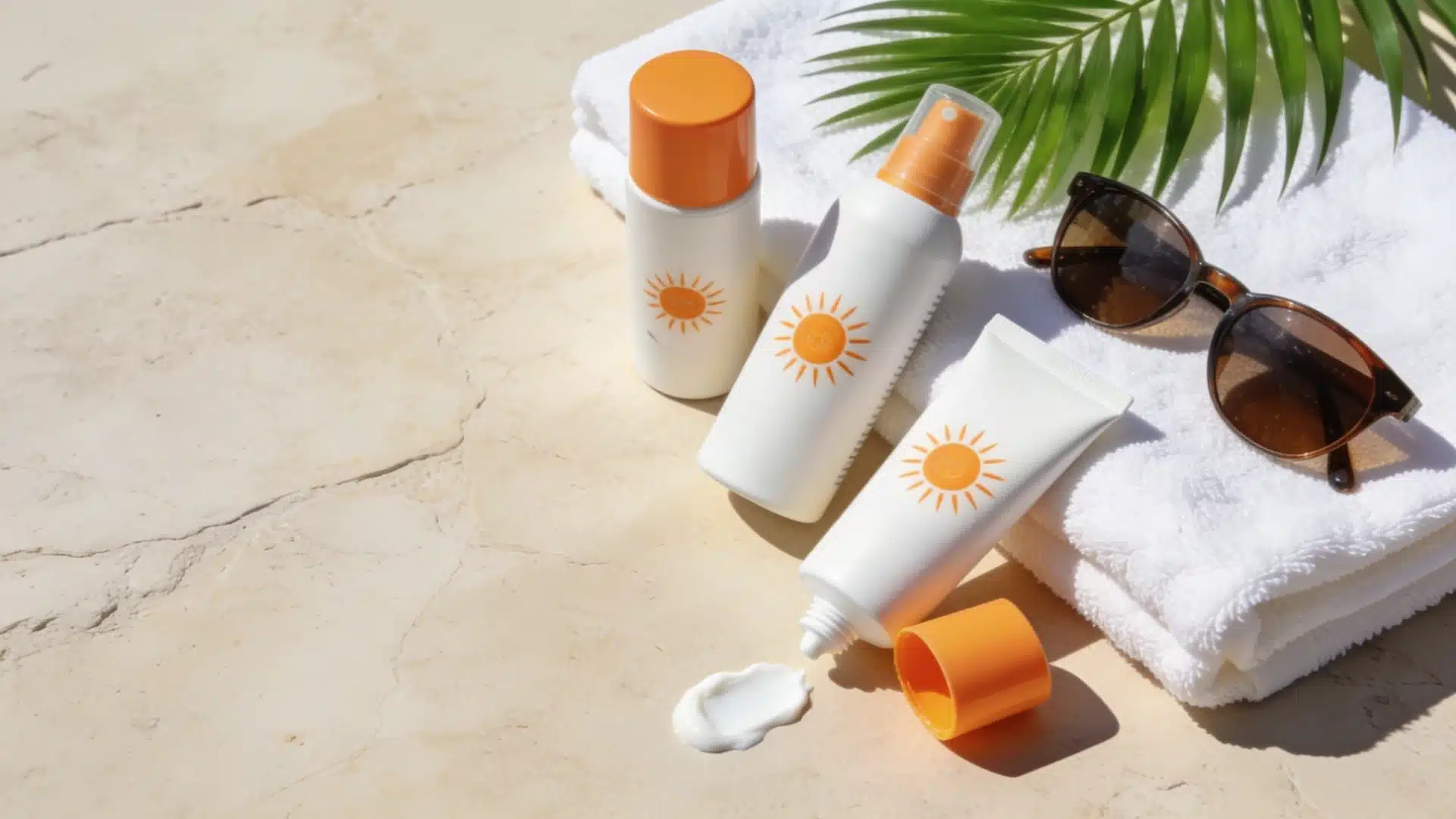
Morning routines end with sunscreen. SPF thirty or higher protects against UV damage, premature aging, and dark spots. Apply it every single day, even when it’s cloudy.
These thick, occlusive treatments lock in moisture overnight. Wake up with plump, hydrated skin.
Both options protect the skin: one protects against external damage, and the other supports overnight repair.
My Results After Trying Korean Skincare
The changes didn’t happen overnight, but they were real. Here’s what I noticed week by week:
Week 1: Hydration improvement
My skin felt softer and less tight. The dry patches around my nose started to fade.
Week 2: Smoother texture
The rough bumps on my forehead felt different. My skin looked more even when I touched it.
Week 3: Fewer breakouts
New pimples stopped appearing as often. The ones I had healed faster than usual.
Week 4: Glow and clearer tone
People started asking whether I had changed anything. My skin had a natural brightness I hadn’t seen in years. Dark spots looked lighter.
The routine works because of consistency, not because of perfection.
Day vs Night Korean Skincare Routine
Morning routines are faster and lighter. Night routines allow time for deeper treatment and hydration.
Mornings focus on protection. Nights focus on repair and treatment.
| Step | Morning Routine | Night Routine |
|---|---|---|
| Step 1 | Water-based cleanser only | Oil cleanser (to remove SPF/makeup) |
| Step 2 | – | Water-based cleanser |
| Step 3 | Toner | Toner |
| Step 4 | Essence (optional, if time allows) | Essence |
| Step 5 | Lightweight serum (vitamin C, niacinamide) | Treatment serum (retinol, AHA/BHA) |
| Step 6 | Eye cream | Eye cream |
| Step 7 | Moisturizer (gel or lightweight) | Moisturizer (cream or richer texture) |
| Step 8 | SPF thirty or higher (must) | Sleeping mask (optional, one-two time/week) |
| Extras | Skip exfoliation and sheet masks | Exfoliate two-three times/week, sheet mask one-two times/week |
Who Should Try Korean Skincare Steps?
Korean skincare works for almost everyone and adapts to individual needs.
Beginners vs skincare enthusiasts: New users can start with three-five core steps.
Experienced folks might enjoy the whole ten-step routine. There’s no pressure to do everything at once.
Dry, oily, acne-prone, and sensitive skin: Dry skin benefits from the hydration layers. Oily skin appreciates lightweight textures.
Acne-prone skin responds well to gentle care. Sensitive skin thrives without harsh ingredients.
Basic routines vs. complete ten-step adaptation: Not everyone needs all ten steps every day.
Some people use a simplified morning routine and expand at night.
How to Test Your Skin Type
Knowing your skin type helps you choose the right products. Wash your face with a gentle cleanser.
Don’t apply any products afterward. Wait for thirty minutes.
A simple test you can do at home.
- Oily skin: Your entire face looks shiny. Pores appear larger, especially on your nose and cheeks.
- Dry skin: Your face feels tight and uncomfortable. You might see flaky patches or rough areas.
- Combination skin: Your T-zone (forehead, nose, chin) looks oily. Your cheeks feel normal or dry.
- Sensitive skin: Your face feels irritated, red, or itchy. It reacts easily to products or weather changes.
- Normal skin: Your face feels comfortable with no tightness or excess oil. Lucky you!
This test works best in the morning after you’ve slept, when your skin is in its natural state.
Key Takeaway
Korean skincare steps aren’t about perfection or following every rule exactly.
It’s about finding what works for your skin and schedule. Start small, stay consistent, and adjust as needed. Some days might include all steps, while others require just the basics.
The real benefit comes from treating skin gently over time.
Healthy, glowing skin is a process, not a quick fix. Build a routine that feels sustainable, not stressful.
Frequently Asked Questions
1. What are the 10 Korean Skincare Steps?
The 10 steps are oil cleanser, water cleanser, exfoliator, toner, essence, serum, sheet mask, eye cream, moisturizer, and sunscreen (morning) or sleeping mask (night).
2. What is the Best Korean Skincare Routine?
The best routine varies by skin needs. Begin with cleansing, toner, essence, moisturizer, and sunscreen. Add steps based on concerns and time.
3. Is Korean Skincare Good for YourSkin?
Yes, Korean skincare benefits your skin by boosting hydration, which helps pigmentation and uneven tone. Select products based on your skin type and concerns.