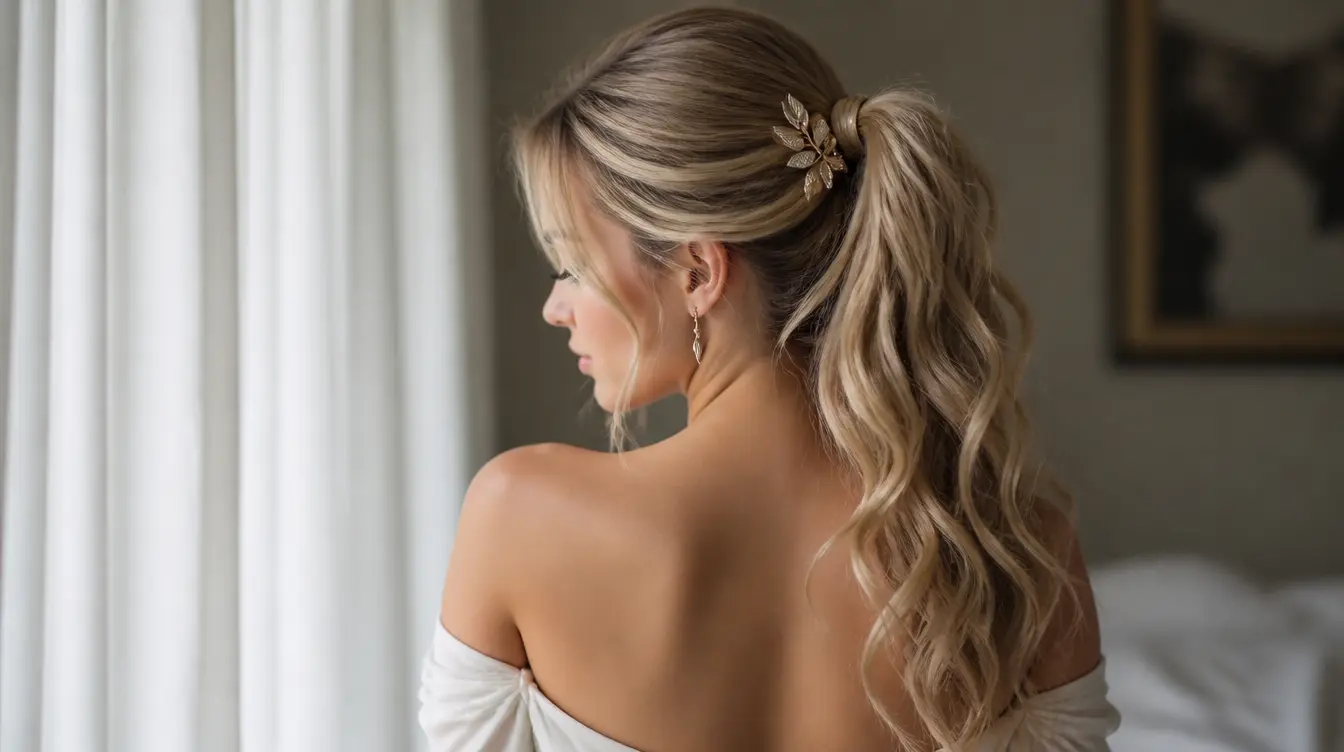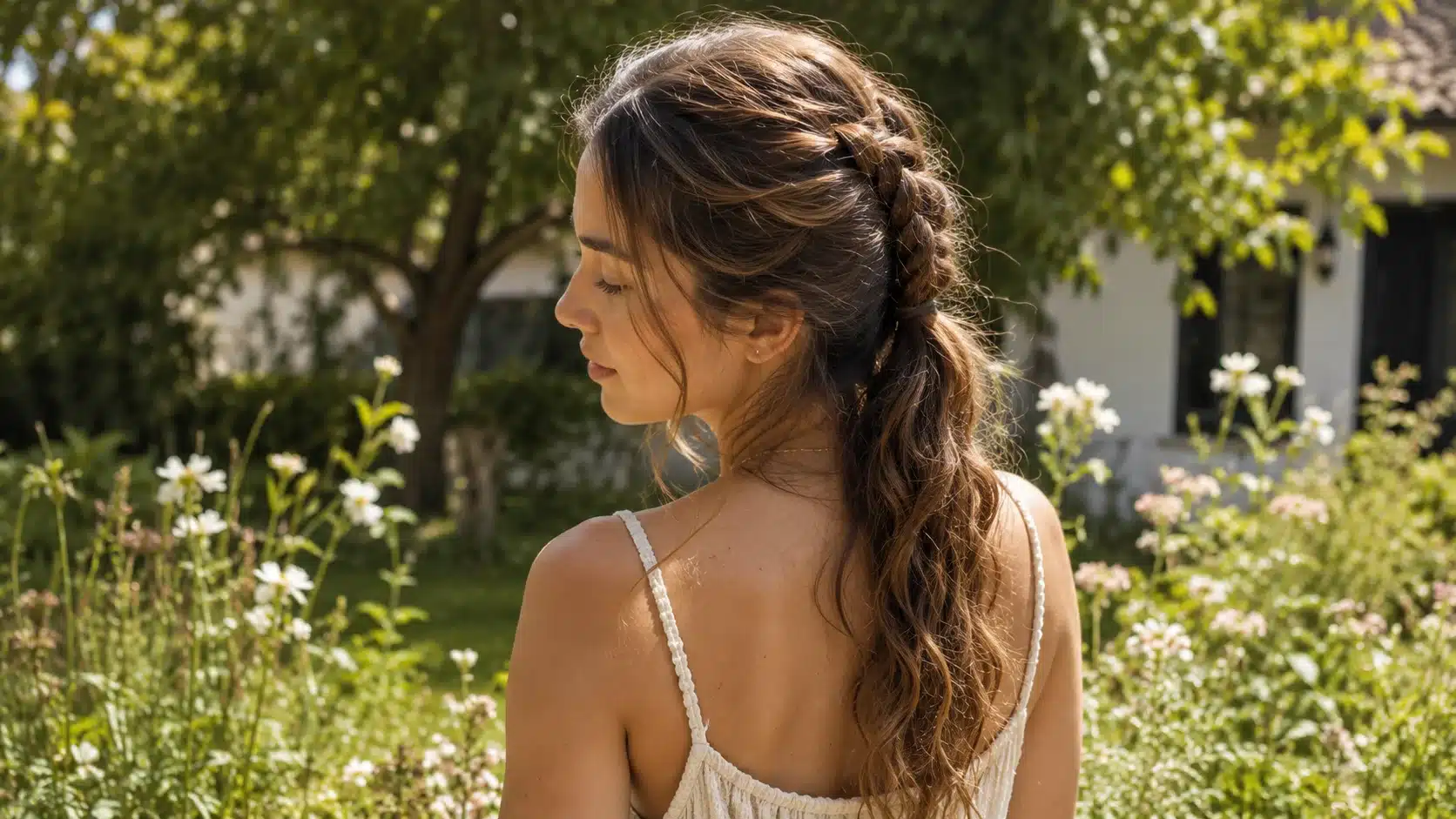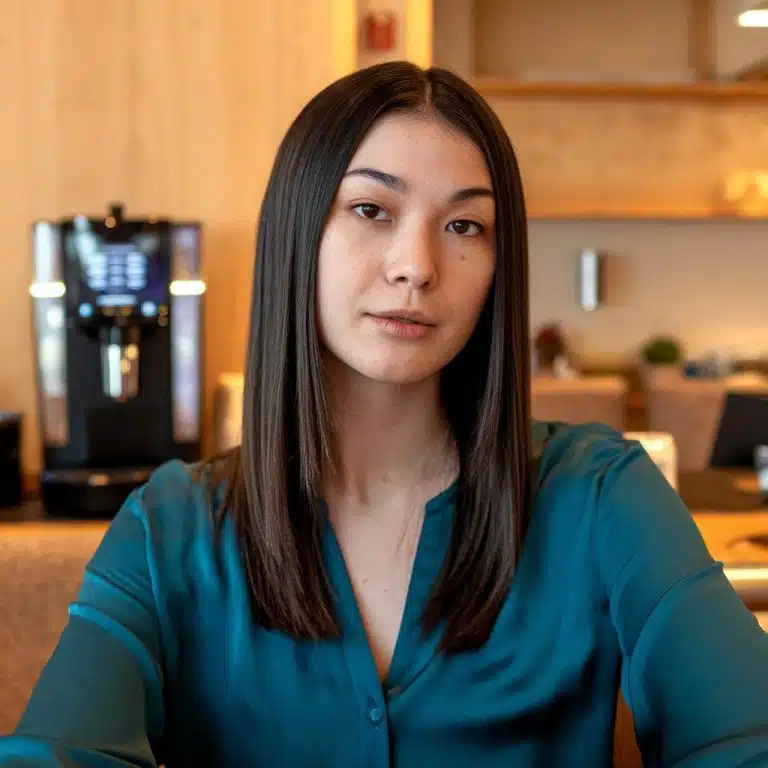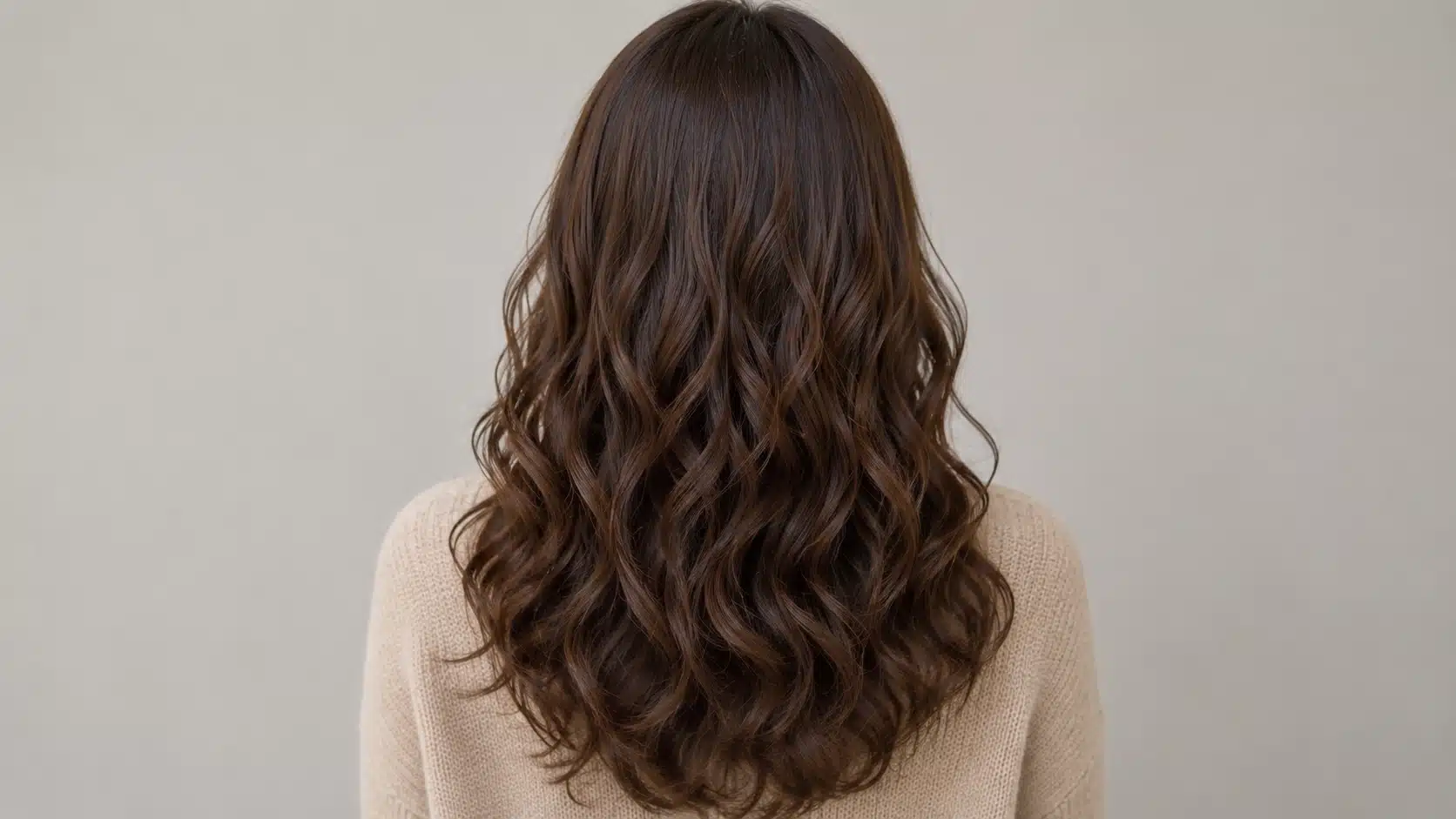
Some mornings, straight hair may seem lifeless.
That’s where a curly perm comes into the picture. This method creates gentle, natural-looking waves without the need for heat tools or hours spent curling.
In recent years, salons have noticed an increase in clients requesting it, and it’s clear why. The results appear natural, not excessive.
However, not all wavy perms appear identical. Some form relaxed beach waves, while others provide a firmer, elastic consistency.
This post outlines types of wavy perm, making it easy to choose the appropriate one.
What is a Wavy Perm?
A wavy perm uses larger rods than a curly perm. This creates loose, soft waves instead of tight curls.
A body wave works the same way but often uses bigger rollers for a more relaxed look. The three treatments overlap, but the wave size sets them apart.
The perming process starts with a chemical solution. This solution breaks down the hair’s natural bonds.
Stylists then wrap sections of hair around rods. Once set, a neutralizer locks in the new wave pattern. The result is soft, bouncy texture that lasts for months.
This style works best for straight hair that won’t hold a curl, fine or flat hair that needs more body, and thick hair, since the waves add shape without heavy layers.
Cold Perm vs Hot Perm
Perms fall into two main categories: cold and hot. The difference comes down to heat. That single factor changes the curl pattern, the styling routine, and even the price.
| Feature | Cold Perm | Hot Perm |
|---|---|---|
| Heat used | None, chemical solution only | Heat-controlled rods plus a milder solution |
| Curl pattern | Tight, defined curls | Soft, loose waves |
| Best hair type | Coarse or resistant hair | Fine, thin, or longer hair |
| Frizz level | Can frizz more in humid weather | Smoother, less frizz |
| Processing time | 2 to 3 hours | 3 to 4 hours |
| Typical cost | Lower | Higher |
| How long it lasts | Several months | Up to 6 months |
Cold perms suit coarser, healthy hair and give tighter curls at a lower cost. Hot perms suit finer or longer hair, since heat creates a softer wave with less frizz.
Hair health, budget, and desired curl size usually decide which option works better for a specific person.
Types of Wavy Perm
The right wave perm depends on hair type, styling habits, and desired look, not trends alone. A trusted stylist can help match the perfect style to real hair, not just a photo.
1. Loose Body Wave Perm
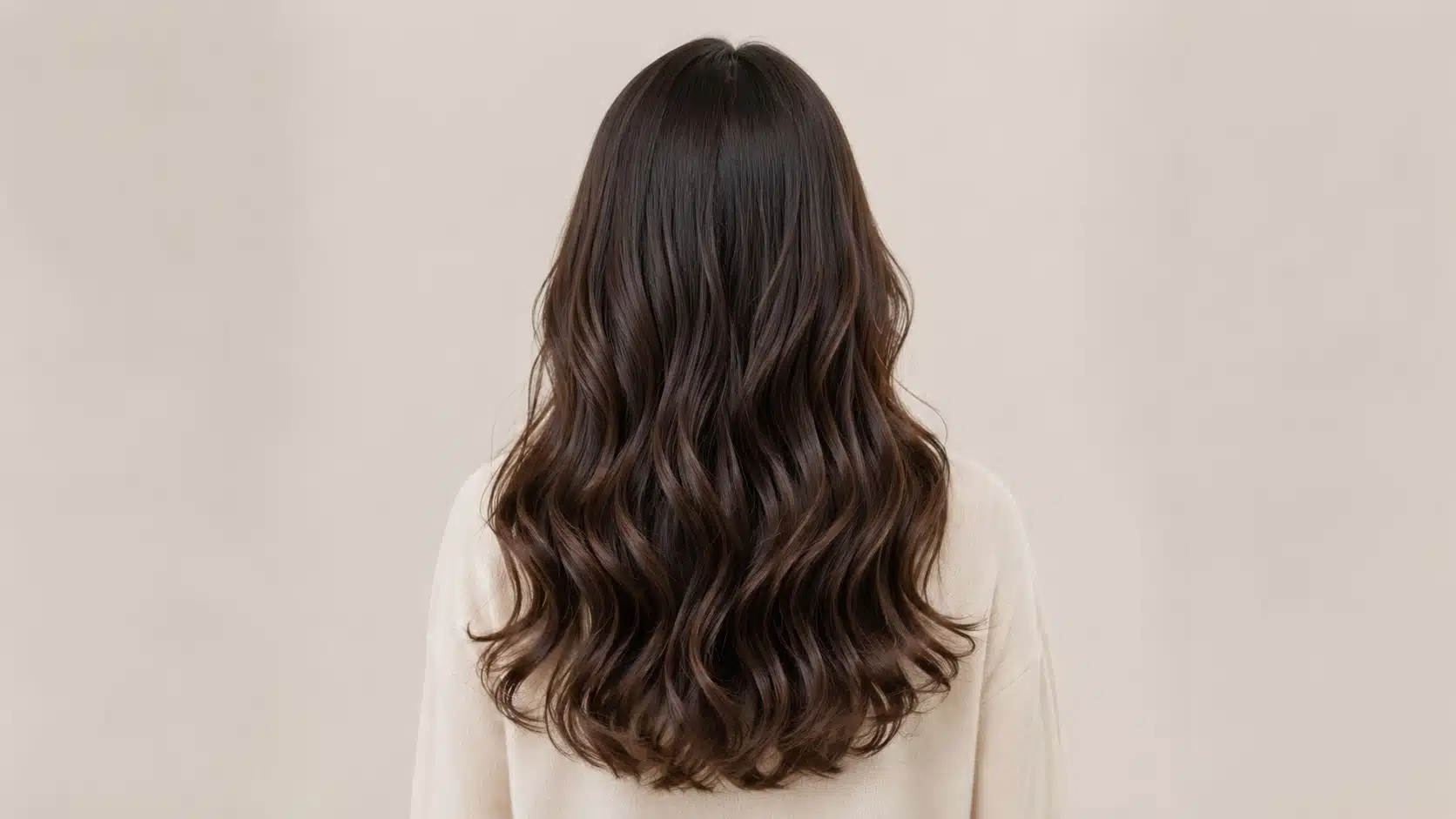
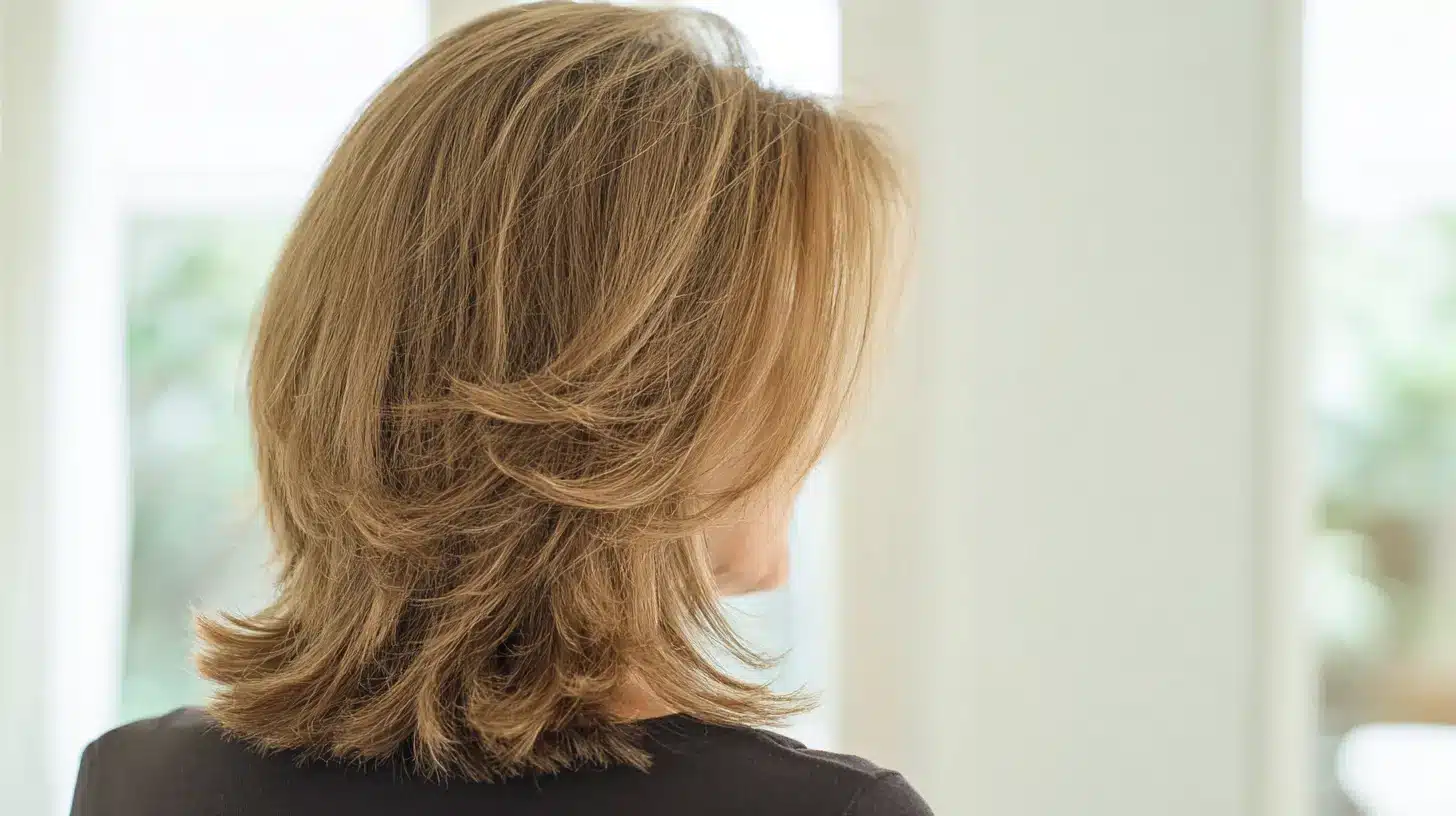
A loose body wave perm uses large rods to create relaxed waves. It gives hair natural movement without tight curls.
Straight hair that won’t hold a curl benefits the most, and medium to long hair works best with this style.
Fine or medium hair holds the wave nicely, and thick hair also does well, since the loose pattern doesn’t feel heavy. Daily styling stays minimal once the perm settles.
2. Beach Wave Perm
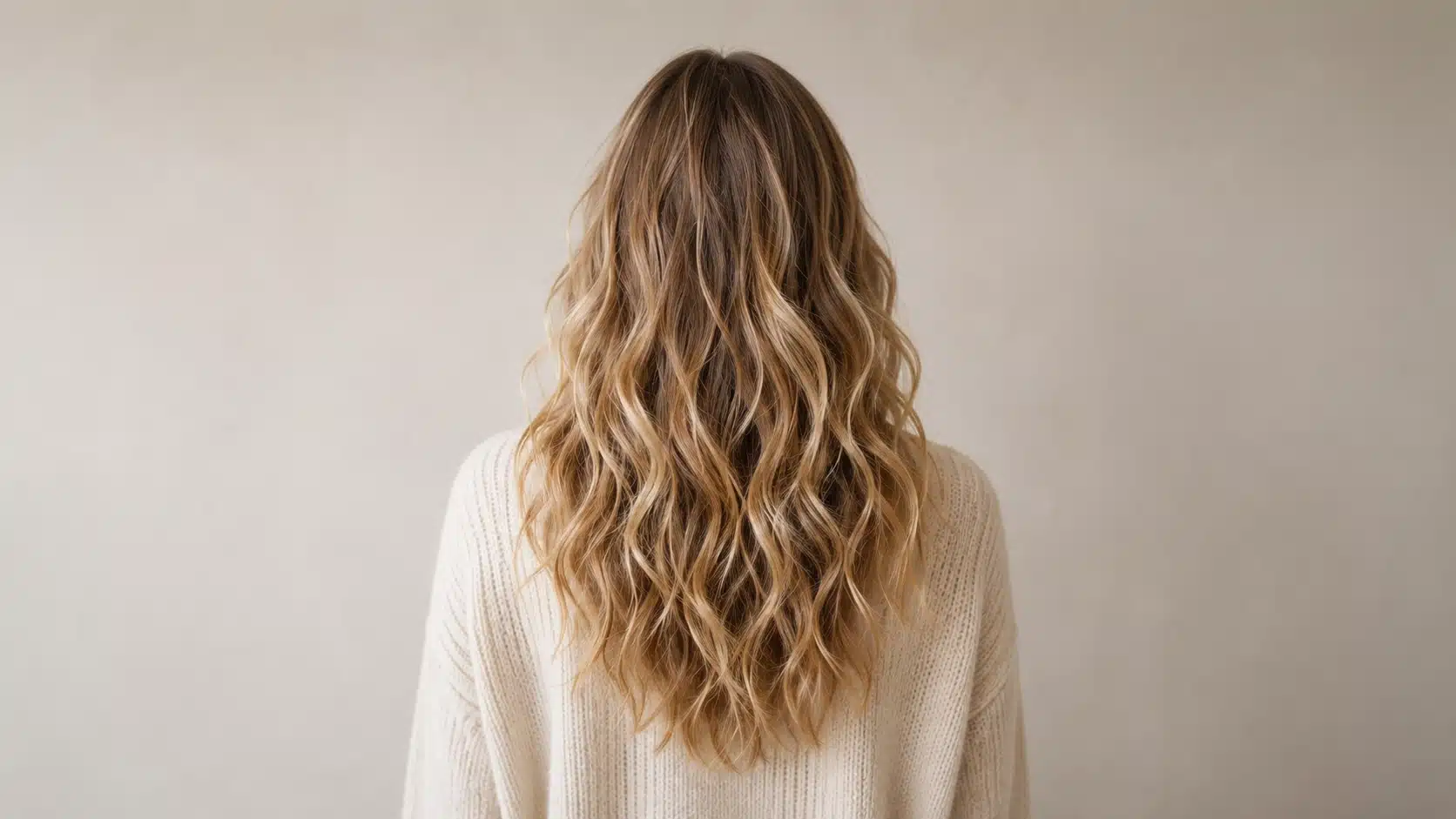
A beach wave perm creates tousled, undone-looking waves. The finish looks casual, like hair air-dried after a day at the beach.
Medium to long hair suits this style best. Stylists use varied rod sizes for a less uniform texture. This adds to the relaxed effect.
Fine hair gains texture, while thick hair gets a softer shape. Little upkeep is needed beyond a light mousse or salt spray.
3. Spiral Wave Perm
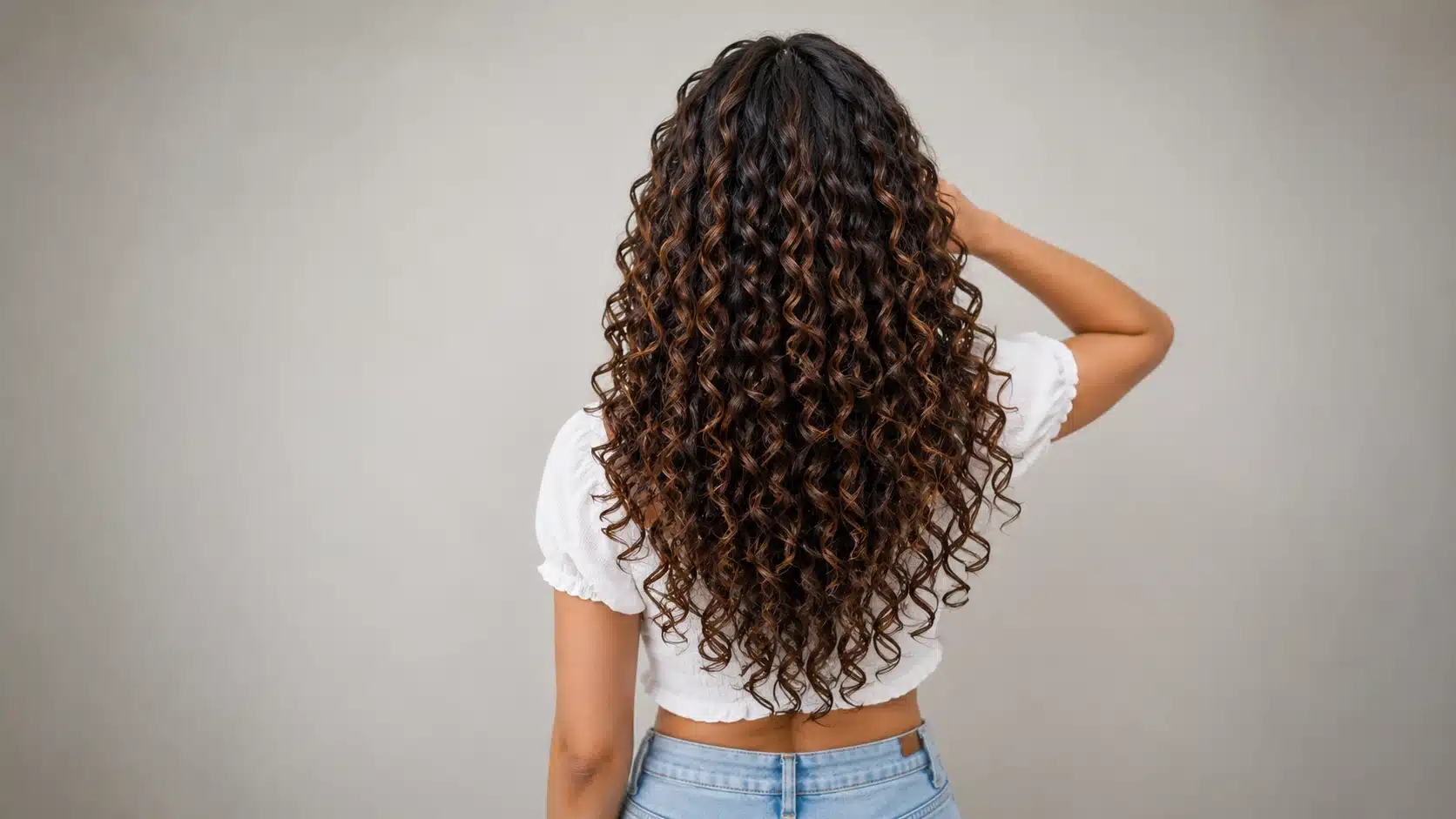
A spiral wave perm wraps hair vertically around thin rods. This creates defined, springy curls with plenty of volume. Long hair shows off the spiral shape best.
The tighter curl pattern lasts longer than looser perms. People with fine or thin hair often choose this style for extra body.
Anyone wanting bold, noticeable texture finds this perm a solid choice. The look stays bouncy for months with proper care.
4. Root Wave Perm
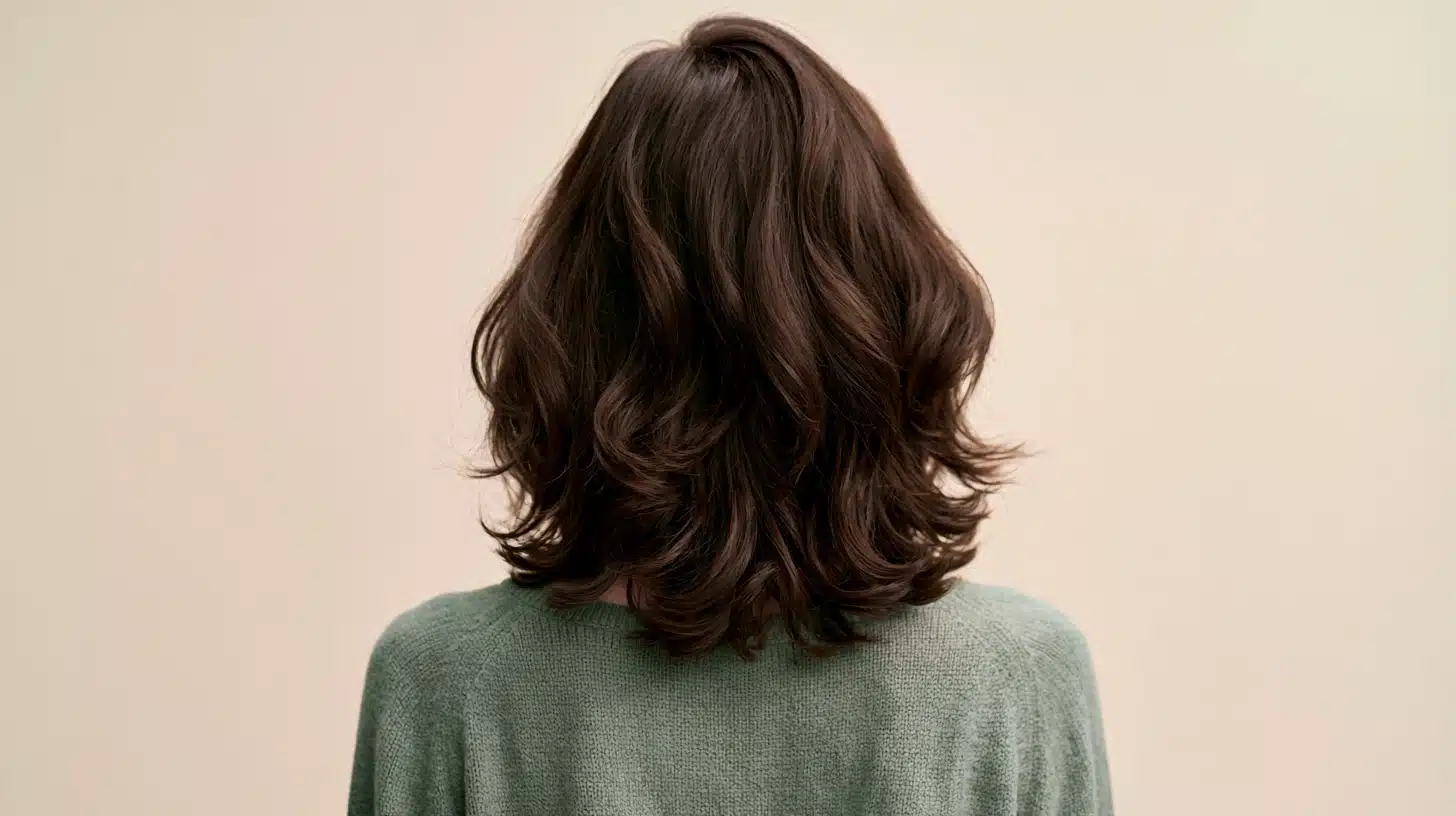
A root wave perm focuses only on the roots. Stylists apply the solution near the scalp, leaving the ends untouched. This lifts flat hair and adds instant volume.
Fine or thin hair benefits the most from this treatment. The ends stay soft and keep their natural fall. Results last around a month, so touch-ups happen often.
5. Digital Wave Perm
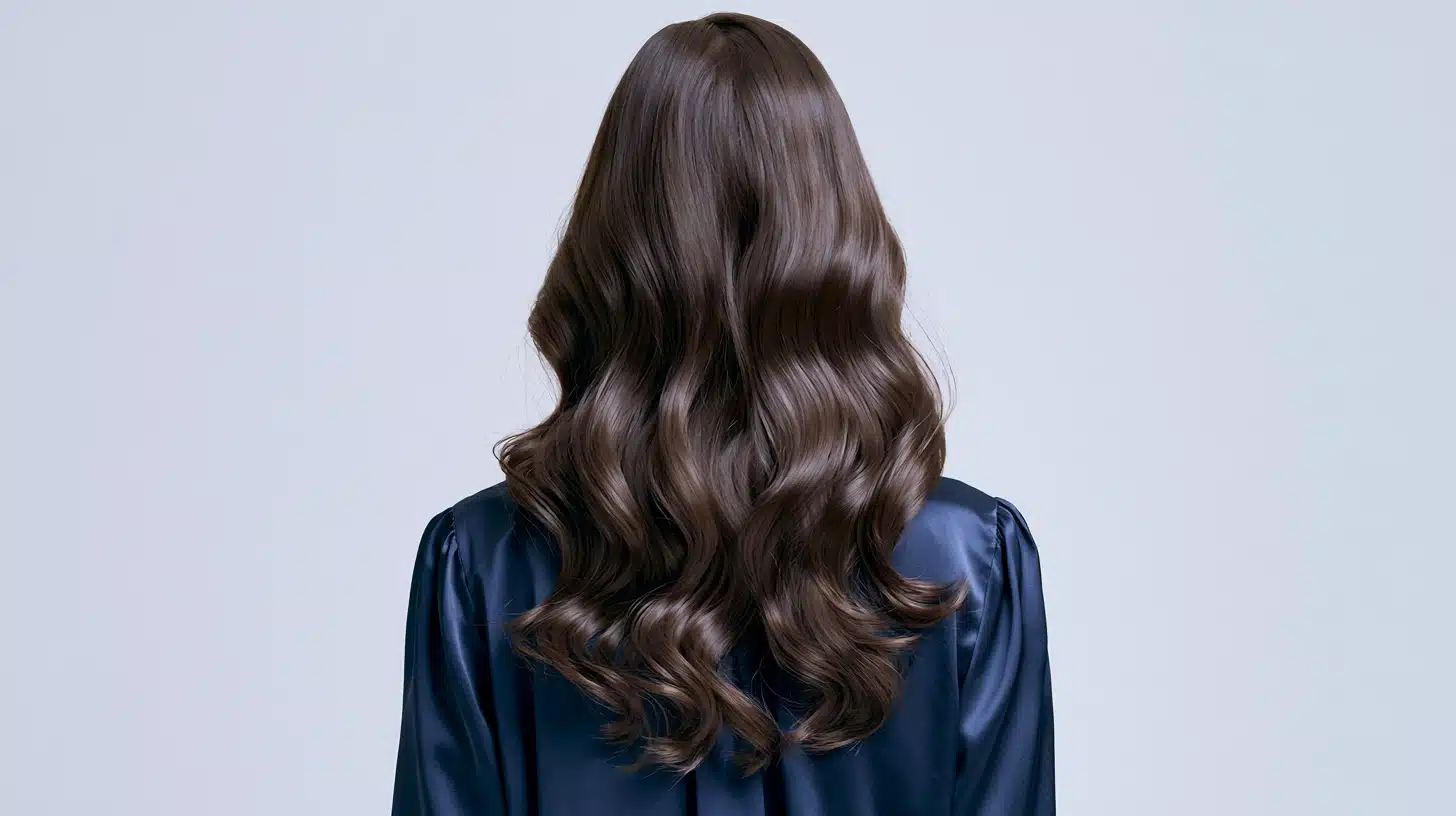
A digital wave perm uses heated rods along with the chemical solution. This combination creates soft, polished waves that look natural when dry.
It works well on coarse or resistant hair types, common in many Asian hair textures. The process takes longer than a cold perm, but results last up to a year.
Hair feels smoother and shinier afterward. This makes it a popular pick for lasting, low-effort waves.
6. Stack Perm
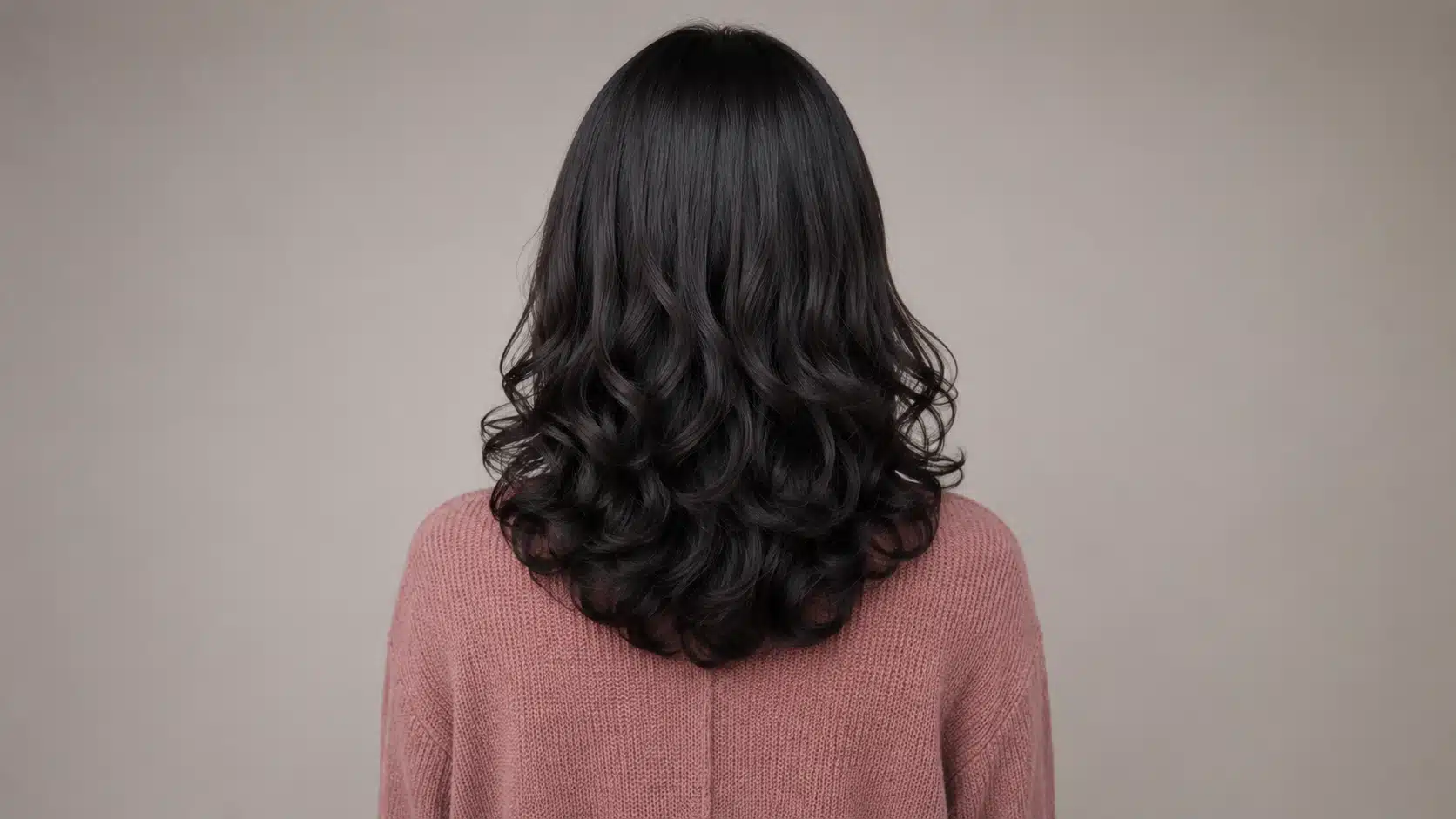
A stack perm leaves the roots straight and curls only the middle and lower sections. This creates volume without touching the top layer.
Different rod sizes blend the waves into a natural, layered look. Straight or wavy hair works well with this technique. Medium to long hair shows the layered effect best.
The style suits anyone wanting fuller ends without a full head of curls.
7. Multi-Texture Wave Perm
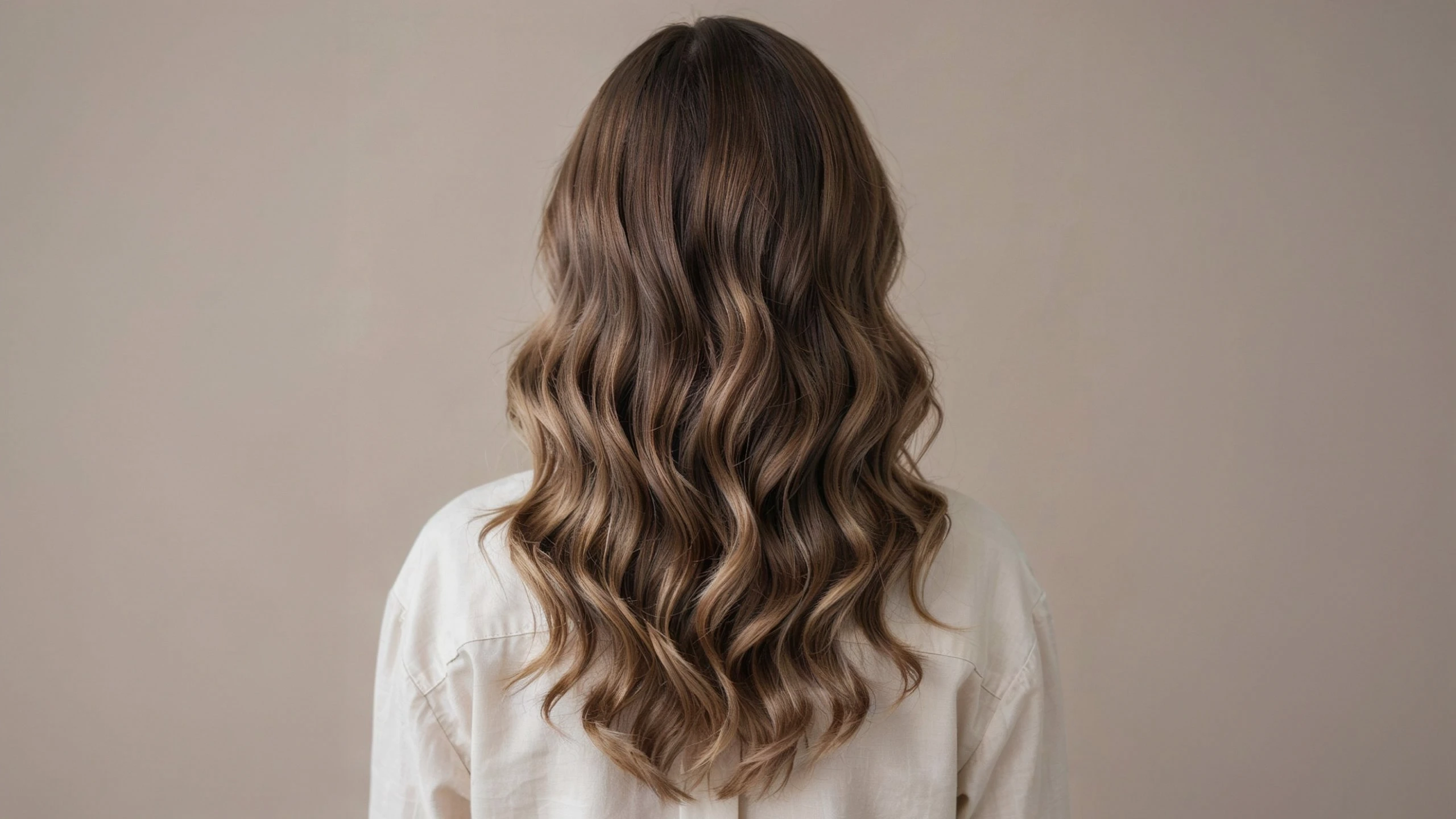
A multi-texture wave perm mixes different rod sizes in one treatment. This creates a blend of tight and loose curls throughout the hair.
The result looks close to naturally wavy hair, not a uniform pattern. Medium to long hair shows this texture mix best, since shorter hair can look too tight.
The variation adds movement and depth. Many stylists recommend this option for a softer, more believable finish.
8. Partial Wave Perm
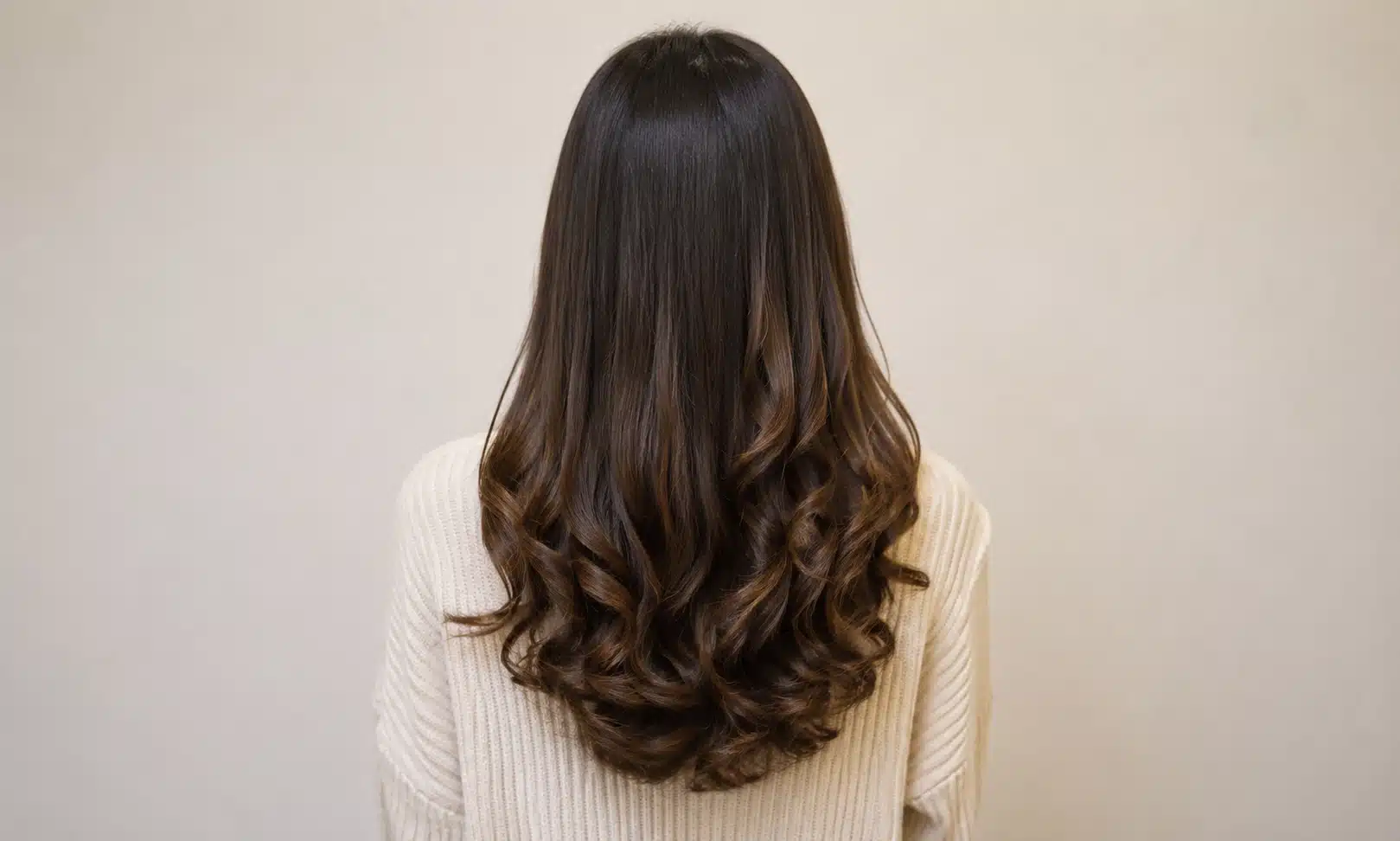
A partial wave perm treats only certain sections of the hair, not the whole head. Stylists often target the ends, roots, or one layer.
This blends new waves with the hair’s natural texture. It suits people who already have some curl and want to boost it in specific spots.
9. Soft Layered Perm
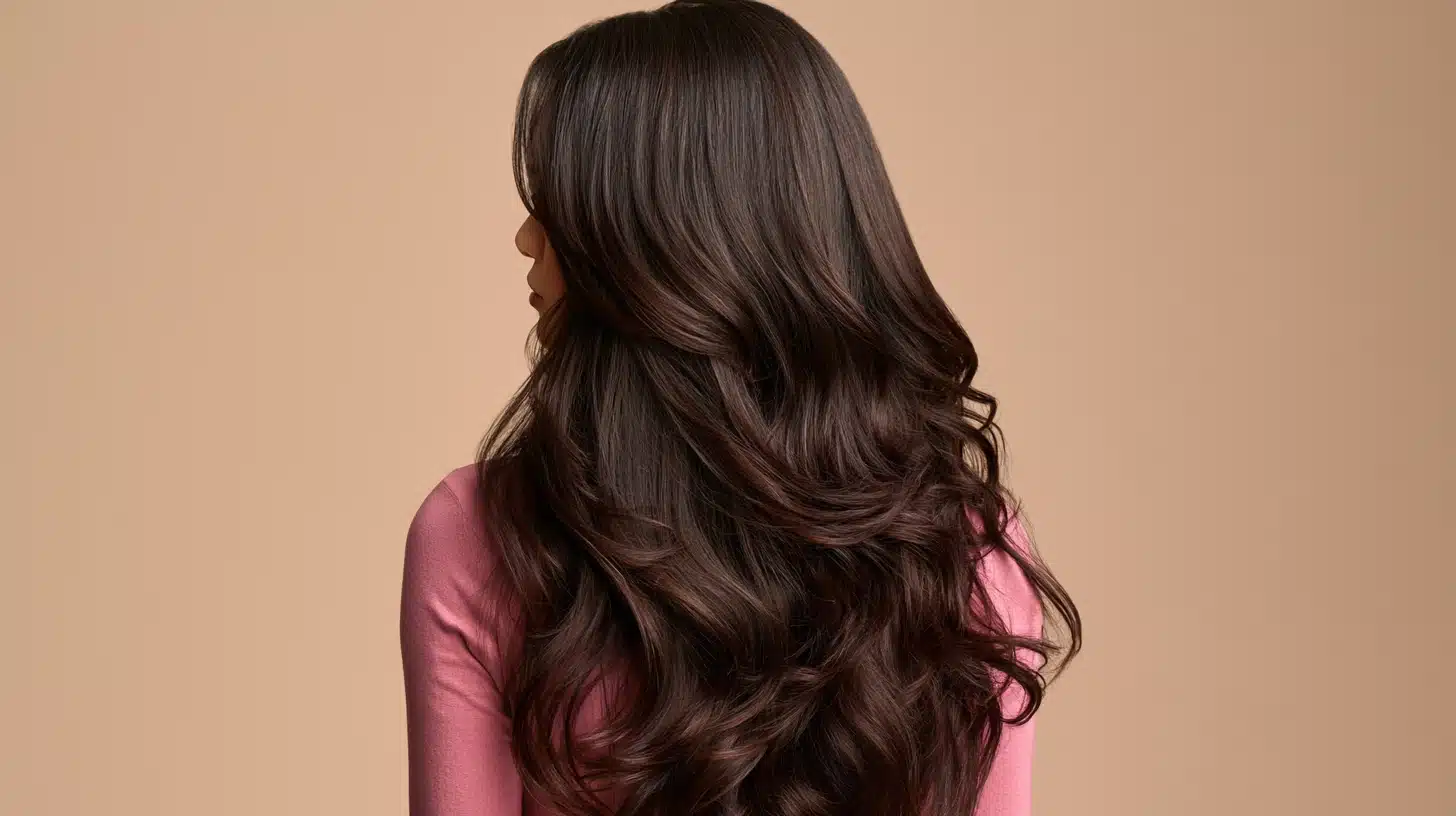
A soft layered perm follows the shape of a layered haircut. Rods are placed along each layer to create gentle, flowing waves. This keeps the cut’s shape while adding soft movement.
The waves stay loose, not tight or springy. Long or medium layered hair benefits most from this technique. It works well for anyone who wants texture without changing their existing haircut.
10. Long Hair Wave Perm
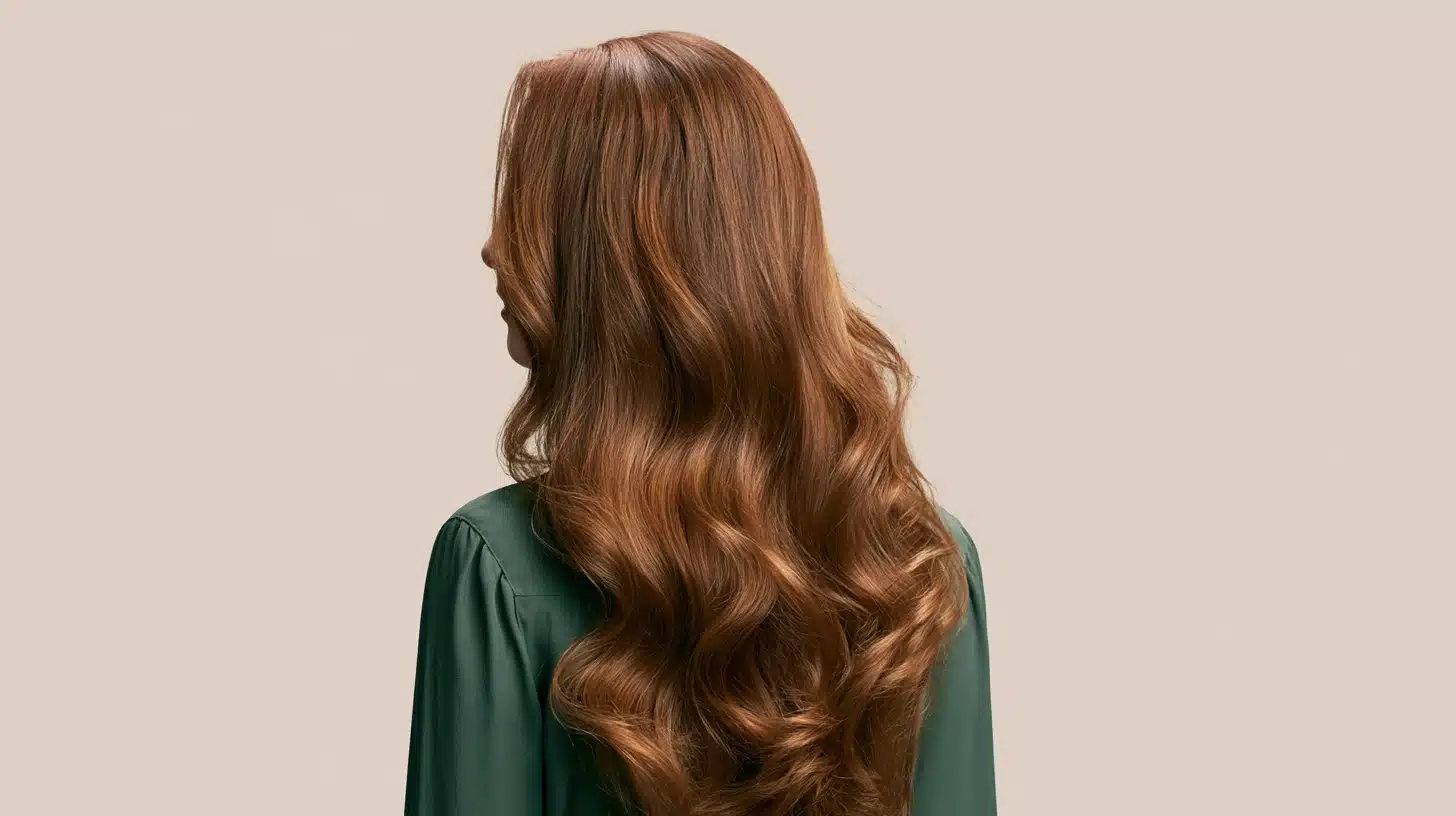
A wave perm for long hair uses larger rods to keep the length intact. The waves stay loose and gentle, not tight coils that shorten the hair.
Stylists often perm only the mid-lengths and ends to protect the roots. After the treatment, air-drying with a light curl cream keeps the shape soft.
11. Short Hair Wave Perm
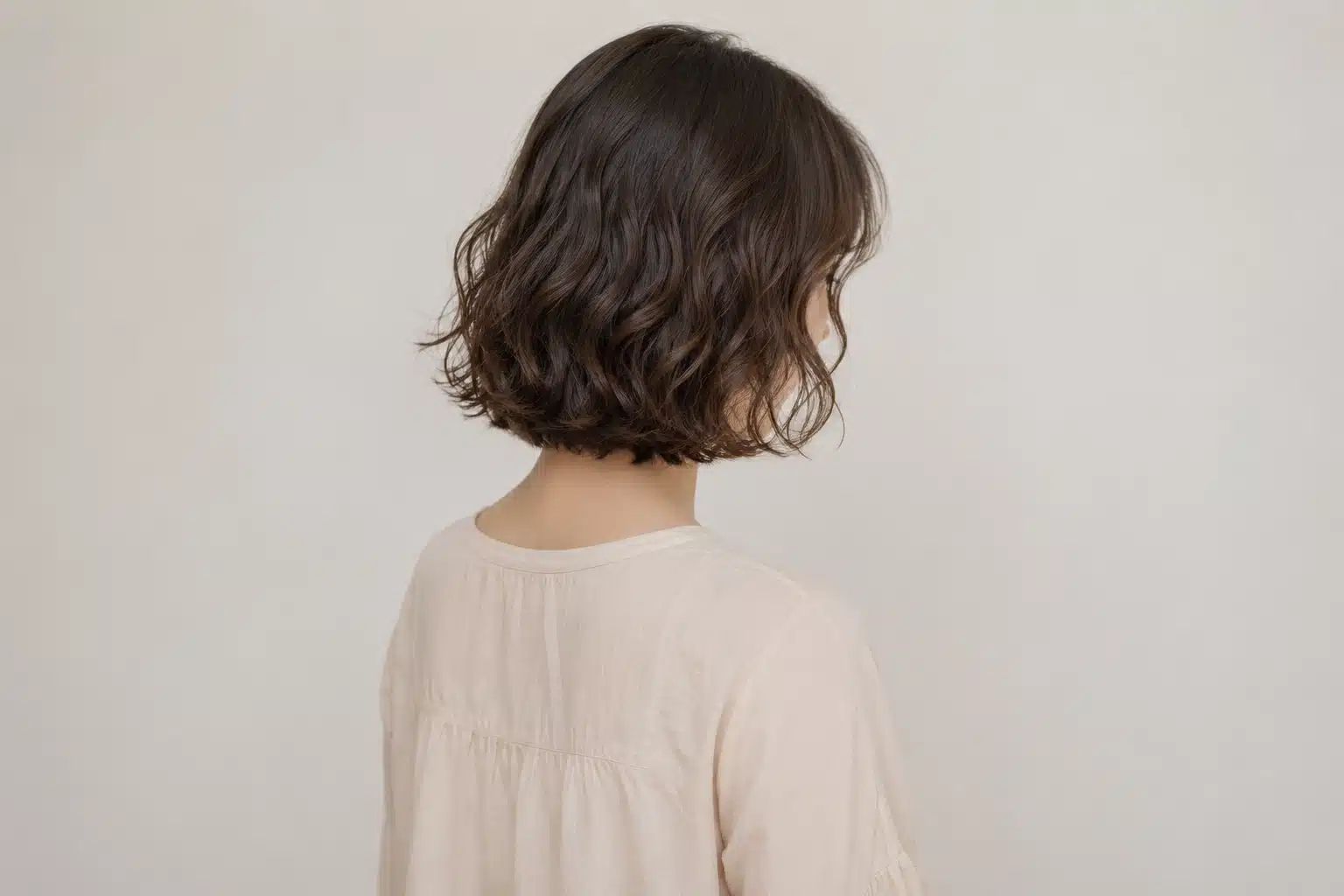
A wave perm for short hair adds texture and body to bobs and pixies. Smaller rods work best, since short strands need tighter waves to hold shape.
This style gives fine, flat hair extra fullness without daily styling. Bob cuts often get soft waves near the ends for movement. Pixie cuts use small curls throughout for a fuller look.
The perm grows out gracefully as hair lengthens over time.
12. Korean Wave Perm
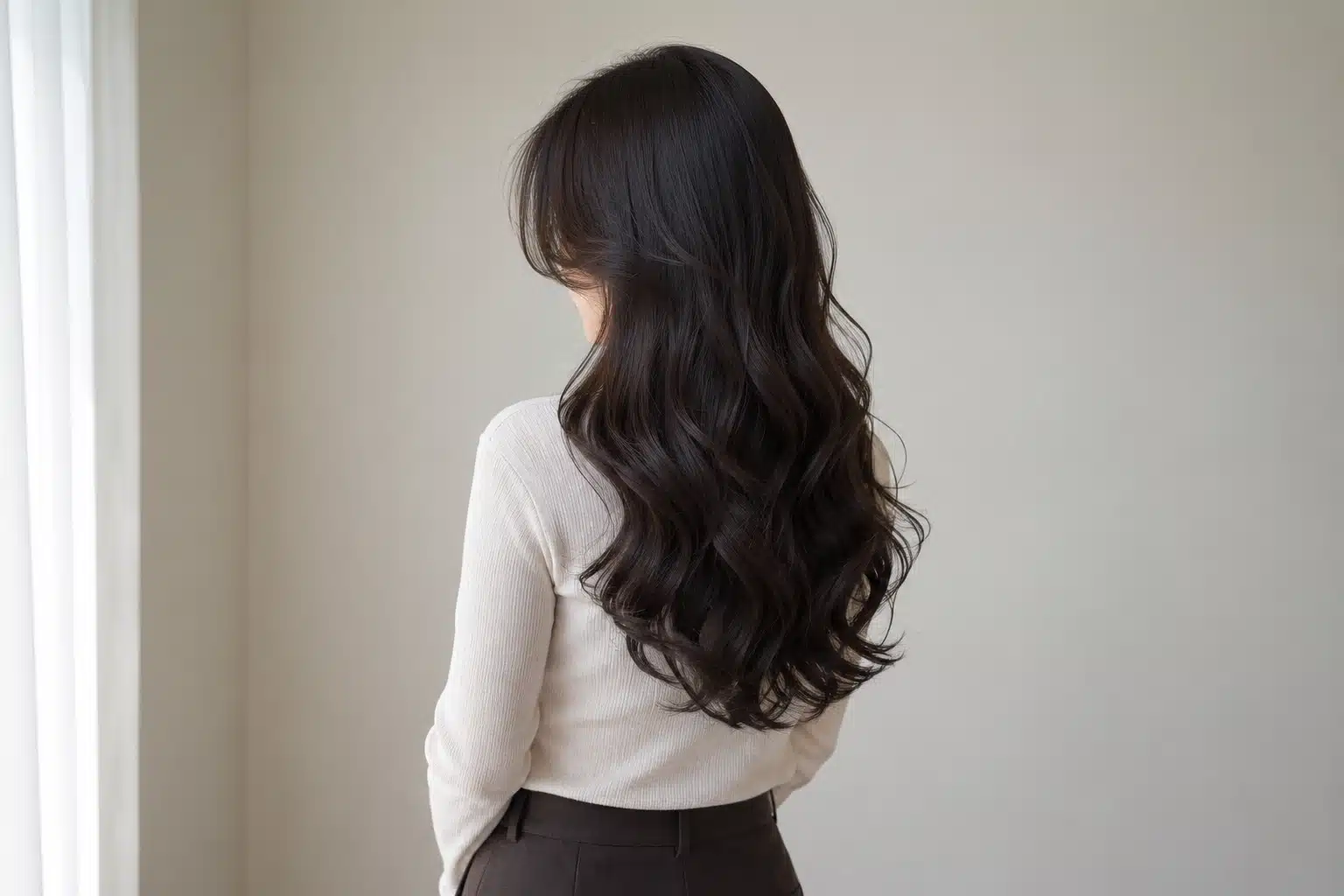
A Korean wave perm creates soft, airy waves that fall naturally. The finish looks light, not stiff or heavily set. Digital perms often help produce this style, since heat gives the waves a smoother shape.
This perm suits people wanting a natural K-drama-style look. It works on most hair types, except very damaged or bleached strands. Low daily upkeep makes it a popular modern choice.
13. Volumizing Wave Perm
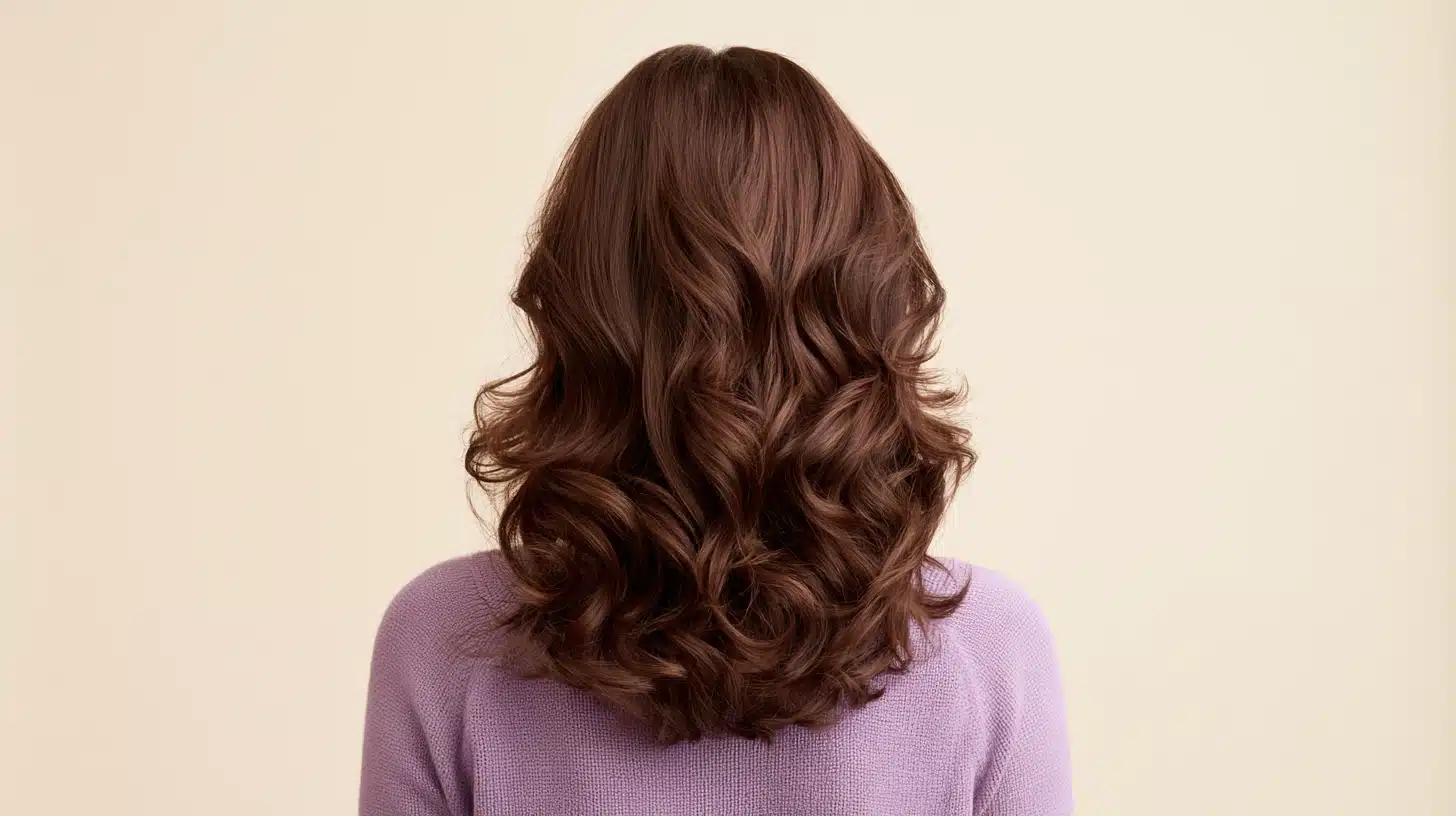
A volumizing wave perm focuses on fullness rather than tight curls. Larger rods lift flat sections and add body throughout the hair.
Thin or limp hair gains the most noticeable change from this treatment. The waves stay soft, so the style still looks natural, not overdone.
Roots get extra lift, while the rest of the hair gains gentle movement. This perm works well before special events or for everyday fullness.
How Long Does a Wavy Perm Last?
Most wavy perms last three to six months, though results vary from person to person. Looser waves relax faster than tighter curls, and thick or coarse hair tends to hold the pattern longer than fine hair.
Several factors affect this timeline: hair type, the perm technique used, the aftercare routine, and even exposure to sun, chlorine, or humidity.
Faster hair growth also pushes the wave pattern out sooner.
A few signs signal it’s time for a touch-up. Roots start looking noticeably straighter than the rest of the hair, curls feel loose and lose their shape, and volume begins to flatten out.
Wavy Perm Aftercare Tips
This needs a little extra care to stay soft, bouncy, and frizz-free. Below are the tips on how to keep it looking fresh between salon visits.
Washing and Conditioning
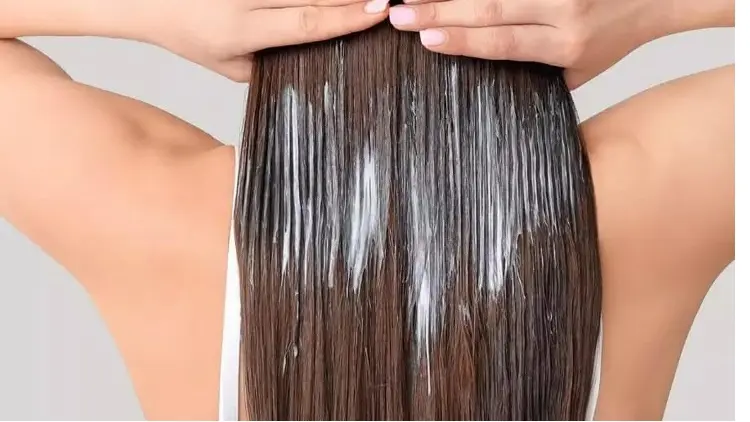
Use a sulfate-free shampoo and wash less often. Choose a moisture-rich conditioner, deep condition weekly, and detangle wet hair with a wide-tooth comb.
Best Styling Products
Apply mousse or curl cream on damp hair for even hold. Skip heavy oils. A lightweight gel adds definition without residue.
Drying Without Causing Frizz
Blot hair with a microfiber towel instead of rubbing it. Scrunch curls upward, air-dry when possible, and skip brushing once hair is dry.
Sleeping With a Wavy Perm
Use a silk or satin pillowcase to reduce friction. The pineapple method, gathering curls loosely on top, also protects the shape overnight.
Trim every six to eight weeks to remove split ends. This keeps the wave pattern even and the style looking fuller.
How Much Does It Cost?
Most wavy or body wave perms cost $70 to $150, while beach wave perms run closer to $100-$200. Short hair costs less than long or thick hair, and touch-ups usually run 50-75% of the original price.
Several factors shift the number: hair length and thickness, the perm type chosen, salon location, and the stylist’s experience level.
Digital and spiral perms typically cost more than basic waves, and city salons charge more than smaller towns.
Choosing the cheapest option isn’t always wise, though. Perms are a chemical treatment, not a simple haircut, and an inexperienced stylist risks uneven curls or damage.
Finding the Right Wavy Perm for Your Hair
A wavy perm isn’t a one-size-fits-all decision. The right choice depends on hair health, how much daily styling feels manageable, and the finish someone actually wants, not just what looks trendy in a photo.
Some hair holds a wave with almost no effort. Other hair needs a more tailored approach, a patient stylist, and realistic expectations about upkeep and cost.
A quick, honest consultation goes a long way. It turns a vague idea into a plan built around real hair, not someone else’s results.
Frequently Asked Questions (FAQs)
1. Can Hair Be Colored Before or After Getting a Wave Perm?
Wait two to three weeks between the two treatments. Coloring first is usually safer than perming first.
2. Can Men Get a Wave Perm?
Yes, wavy perms work well on men’s hair too. Korean wave and loose body wave are popular picks.
3. Does a Home Perm Kit Work as Well as a Salon Treatment?
Home kits are cheaper but far less predictable. A salon perm gives safer, more even results.