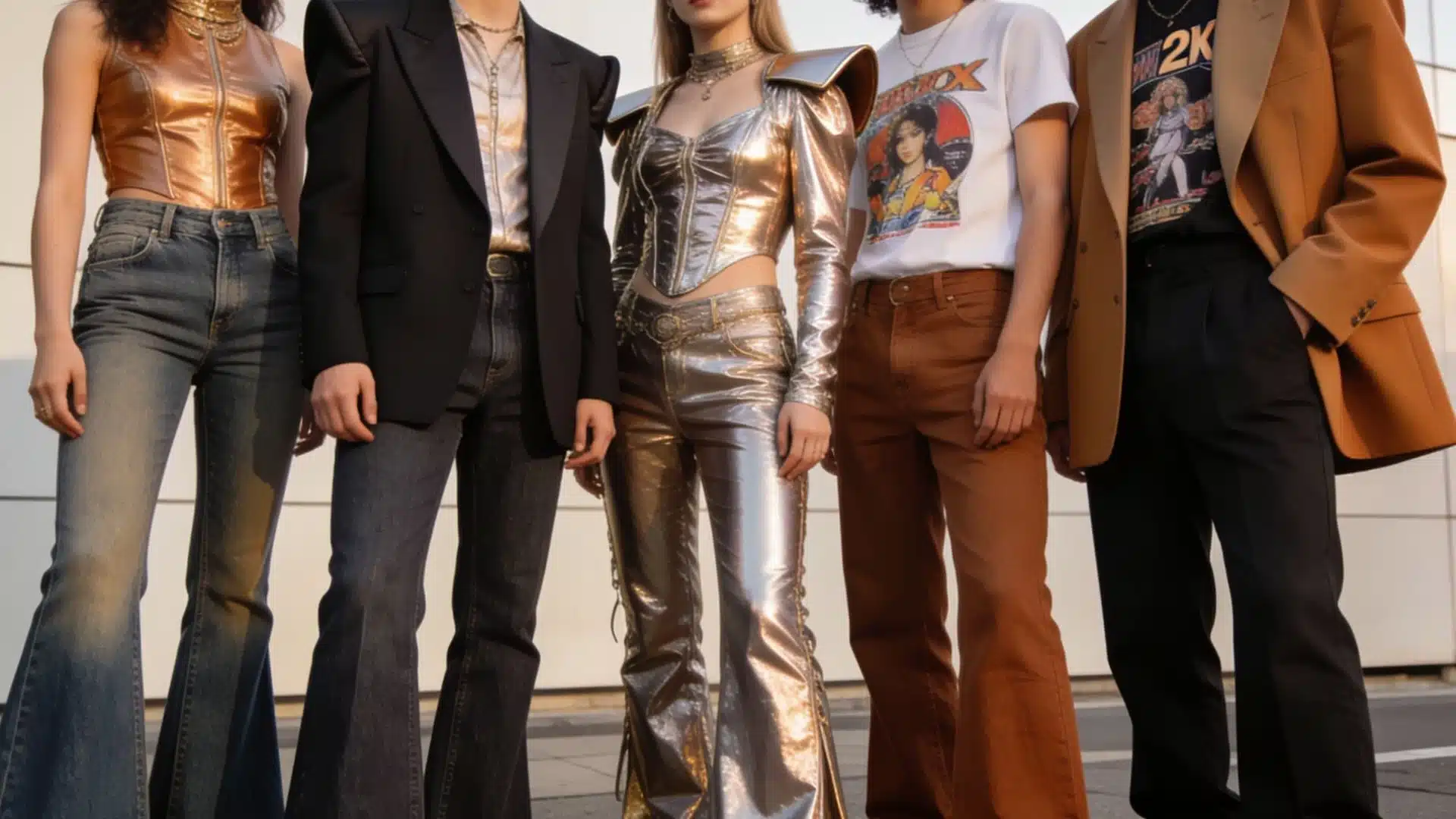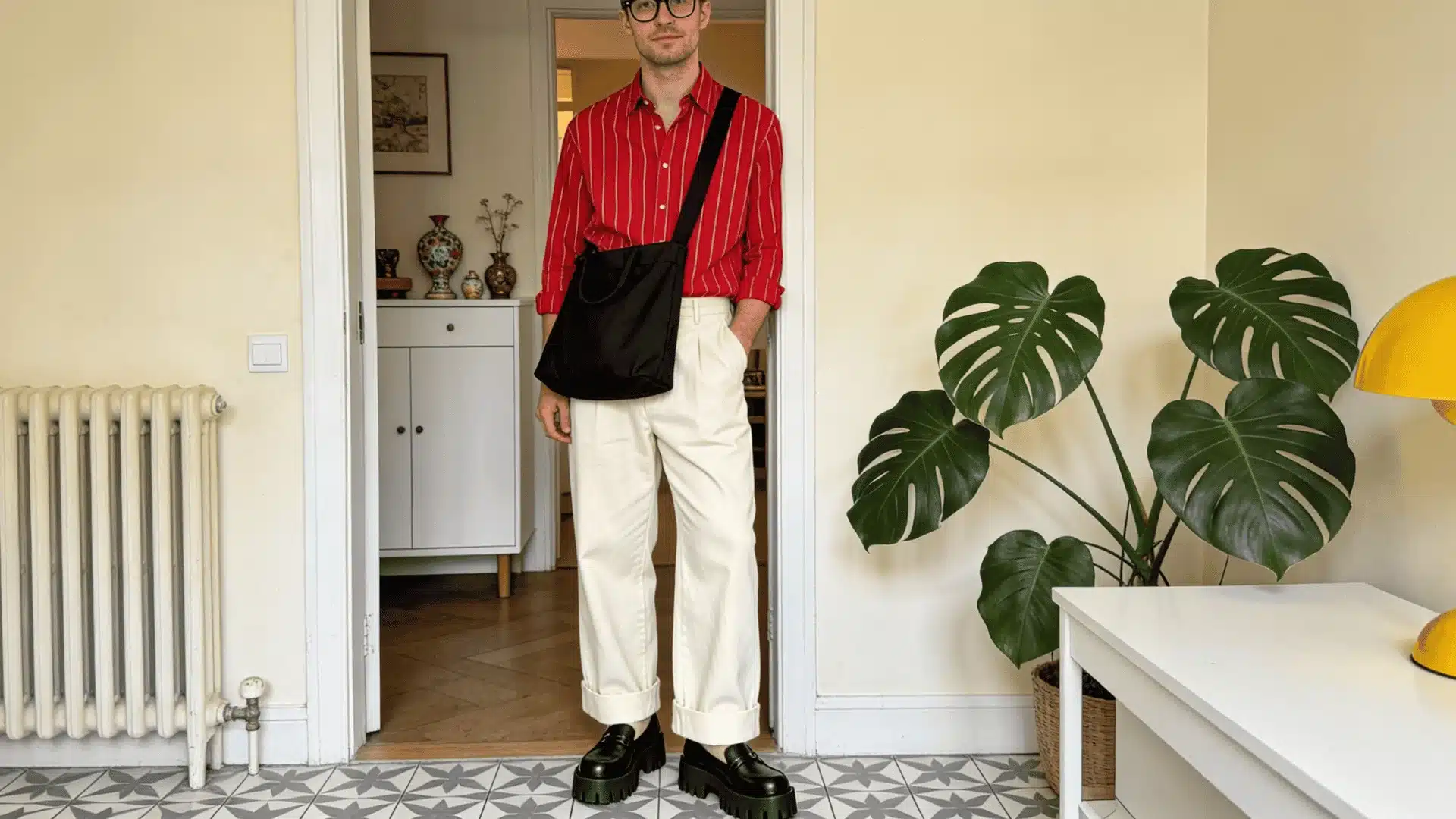
Key Takeaways How millennials approach style differently from other generations Styling techniques that maximize versatility and minimize clutter The essential wardrobe pieces that defines the fashion Why sustainability became central to millennial fashion choices What is Millennial Fashion? Millennial fashion reflects the fashion of a generation born between 1981 and 1996. These individuals grew up during major tech and cultural
Most Popular
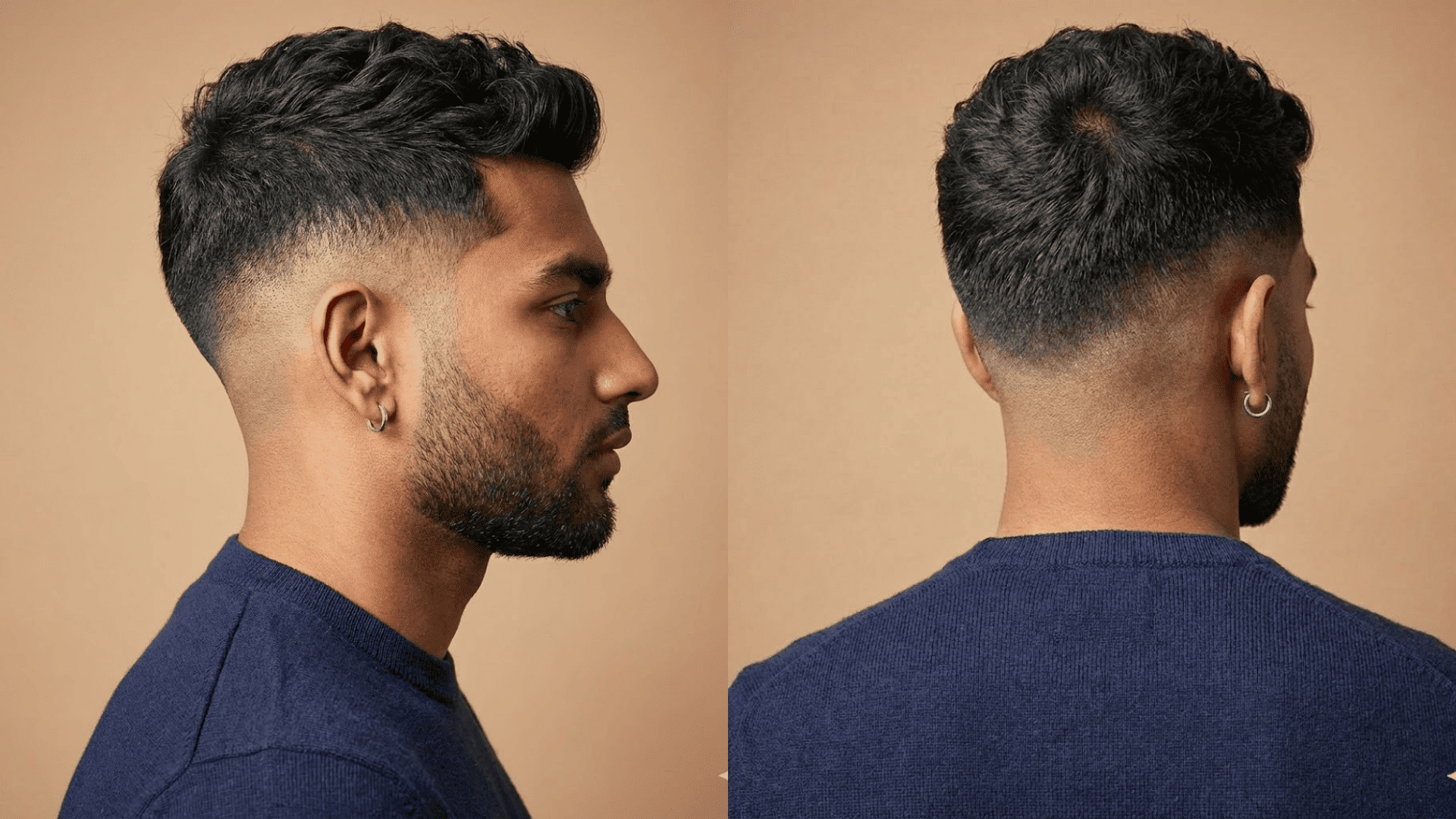
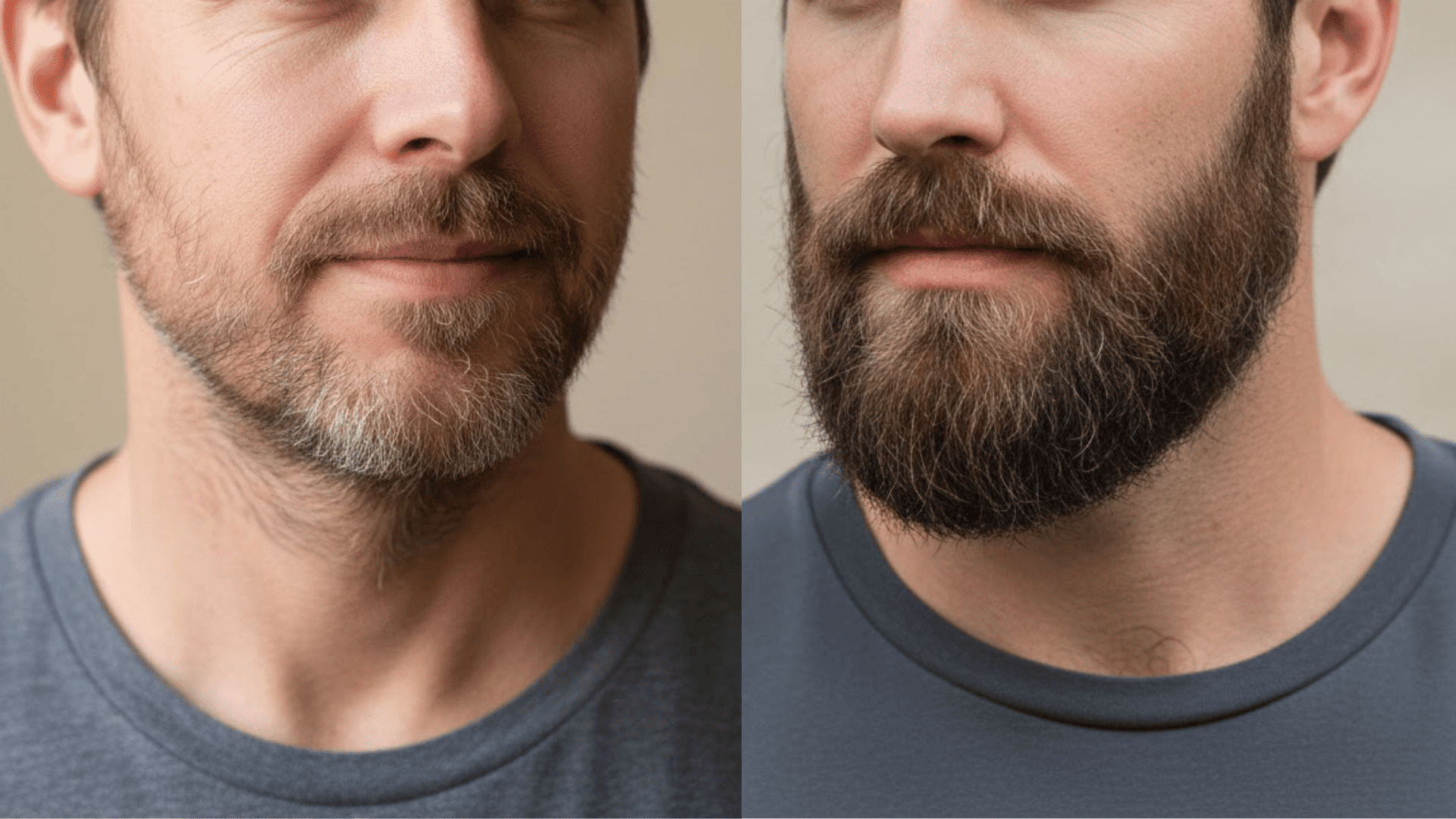
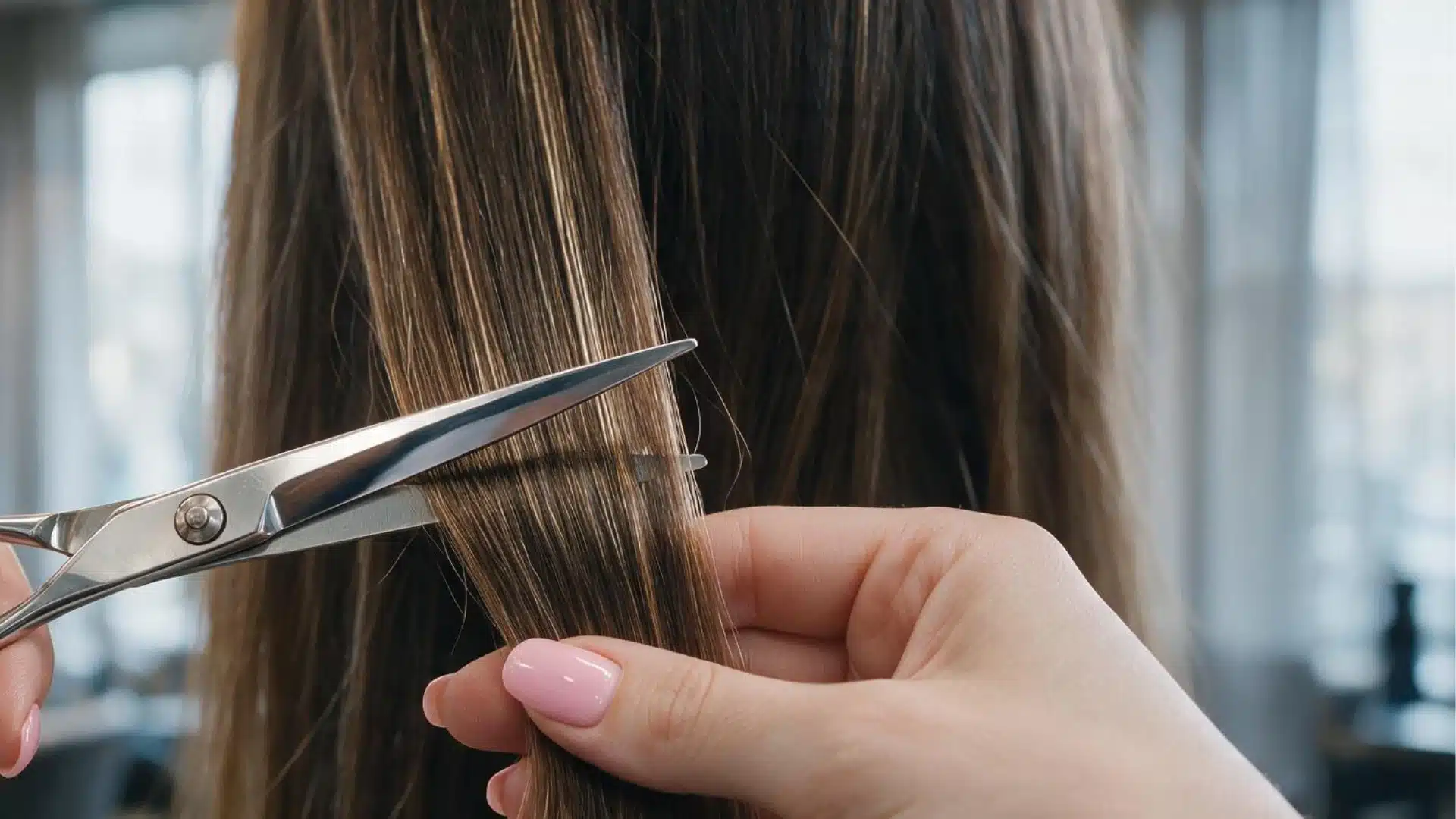
A low fade haircut is one of those styles that looks effortlessly sharp – clean on the sides, smooth through the blend, and polished enough to wear anywhere. But getting it right takes more than a quick trip to the barber’s chair. From understanding where the fade starts to knowing how it differs from a high fade, the details matter more than you’d think. Whether you’re asking your barber for one or attempting it yourself, this guide breaks down everything you need to nail that perfect low fade every single time. Let’s begin. What is a Low Fade Haircut? A low fade haircut starts just above the ears. The hair gradually gets shorter as it moves down to the neckline. Think of it like a smooth transition from longer hair on top to almost nothing at the bottom. Feature Description Where it begins The fade starts low on the head, right around ear level or just above it Smooth blending Barbers use clippers to create seamless shifts between lengths. No harsh lines appear Style flexibility Pair this with any look on top, from buzz cuts to textured styles to curls This cut works for everyone. You get a polished appearance without going too extreme. Plus, it grows out nicely between appointments. Getting the Right Low Fade Haircut for Men This haircut is everywhere right now. It gives you a clean, modern appearance that works for the office or a night out. There’s something about that gradual taper that just makes any style look more intentional and put-together. Right now, the trend leans heavily toward keeping length on top, which gives you plenty of room to play with your look. Men are pairing their fades with textured crops, slicked-back styles, and effortlessly messy fringe. Want a little extra edge? A hard part carved into the fade adds sharp definition that turns heads for all the right reasons. To keep it looking fresh and barbershop-crisp, you’ve got to stay consistent with upkeep. Here’s a simple routine to stick to: Book your barber every 2 to 3 weeks: fades grow out fast, and that clean blend won’t last long without a touch-up Use a gentle, scalp-friendly shampoo: harsh formulas can dry out the freshly faded skin on your sides Keep a trimmer at home: your neckline can get scruffy between visits, and a quick tidy-up makes a real difference Moisturize the faded areas: shaved skin needs hydration to stay smooth and irritation-free Get the cut right, keep up with the care, and your low fade will always look like you just walked out of the chair. Will a Low Fade Haircut Suit You? Probably? Yes. It works across hair types, face shapes, and lifestyles in a way that very few styles can pull off. But “probably” isn’t good enough when you’re about to sit in the barber’s chair, so let’s break it down properly. It Comes Down to Your Face Shape Face shape is the first thing worth thinking about. Not because some faces “can’t” wear a low fade, but because knowing yours helps you customize the cut to work harder for you. Oval face: You’ve hit the jackpot. Almost every variation of the low fade works here. Pair it with whatever you want on top and it’ll look intentional. Round face: Go for more height and volume on top. The low fade keeps the sides tight without making your face look wider, while the length on top adds a slimming effect. Square face: The strong jawline you already have pairs naturally with a low fade. Keep the top textured or slightly messy to soften those angles a little. Oblong or rectangular face: Avoid too much height on top. A mid-length, side-swept style balanced with a clean low fade keeps proportions looking natural. Diamond face: The low fade works well here by keeping width at the sides minimal and letting your cheekbones do the talking. What About Hair Type? Straight hair: Looks sharp and clean with a low fade. Slick it back or go for a textured crop and you’re sorted. Wavy hair: The natural movement on top pairs beautifully with a tight, clean fade on the sides. It creates contrast without trying too hard. Curly hair: Honestly, curly hair and low fades were made for each other. The volume on top balanced with faded sides is a combination that just works. Thick hair: A low fade helps manage bulk while keeping the style structured and intentional. Thin or fine hair: The fade draws attention away from density and lets the styling on top do the heavy lifting. What’s Your Lifestyle Like? Work in a corporate or professional setting? The low fade haircut is clean and polished enough to fit right in. More of a casual, streetwear kind of guy? Pair it with a textured top or messy fringe and it feels completely at home. Active lifestyle? The tight sides stay neat even when you’re sweating it out, making it a practical choice beyond just looks. So, Should You Get One? If you want a versatile, modern cut that works with your natural features rather than against them – yes, a low fade haircut is absolutely worth trying. Start with a classic low fade, see how it sits on you, and then dial in the details from there. Worst case? Hair grows back. Best case? You’ve found your signature look. Low Drop Fade Haircut vs Low Taper Fade Haircut – Is There Any Difference? Two haircuts. Similar names. Completely different results. The low drop fade and low taper fade get mixed up so often, just like a mullet fade haircut, that even some barbers use the terms loosely, but your hair will tell the difference the moment the clippers are done. So before you point at a photo and hope for the best, here’s what actually separates the two. So, What’s the Low Drop Fade? The low drop fade gets its name from the way the fade line drops – curving downward behind the ear and following the natural contour of your head. It creates a rounded, almost arc-like shape at the back. This gives it a softer, more relaxed finish that works beautifully with curly hair, waves, or any style that benefits from a natural, flowing silhouette. It’s a bit bolder in shape, but still keeps things clean. Quick Comparison Feature Low Drop Fade Low Taper Fade Fade Line Shape Curved, drops behind the ear Straight, horizontal Overall Look Relaxed, rounded, stylish Clean, structured, classic Best For Curly, wavy, or thick hair All hair types Style Vibe Bold yet natural Polished and professional Maintenance Every 2–3 weeks Every 2–4 weeks Face Shape Suitability Oval, round, square Works for all face shapes Versatility Great for casual styles Suits both casual and formal Barber Skill Required Moderate to high Moderate The difference is really in the shape of the journey the fade takes. Pick the one that matches how you want to show up in the world, and let your barber handle the rest. Classic Low Fade Haircut Ideas Trending in 2026 The classic version never goes out of style. It keeps things simple and timeless without following trends. This style suits men who want reliability. It is perfect for job interviews, family gatherings, or casual weekends. 1. Low Fade with Side Part Credit: STYLEMEN salón A side part adds instant structure. The barber creates a defined line on one side of your head using clippers or a razor. Styling steps: Apply pomade to damp hair (dime-sized amount) Use a fine-tooth comb to create the part Comb hair smoothly to the side Takes under three minutes total. Works best with straight or slightly wavy textures. 2. Low Fade with Slick Back Credit: Vale Núñez The slick back style shows confidence. You need at least 3 to 4 inches on top for proper execution. It gives you that classic Hollywood looks that never fail to impress. This look demands attention and works perfectly for nights out or special events. 3. Short Crop Fade Look Credit: HEARTAFACT A short crop offers maximum convenience. Perfect for active lifestyles and hot weather conditions. Athletes and gym goers particularly appreciate how this style handles sweat without losing its shape. Benefits you’ll enjoy: Wake up and go styling No products required (optional use) Athletic, clean appearance 4. Low Fade with Comb Over Credit: Cool Mens Hair The comb over brings sophistication to your appearance. Keep 2 to 3 inches of length on top. It’s a mature style that works especially well for men in their thirties and beyond. Product recommendations: Lightweight pomade for natural movement Styling cream for softer hold Avoid heavy gels that create stiffness Hair moves from one side to the other in smooth motion. Modern versions look relaxed while adding height and dimension. Blow dry in the direction of the part first, then apply product. Most men do it the other way around and wonder why the part won’t sit clean. 5. Ivy League Cut Fade Credit:MensHairCuts An Ivy League cut brings preppy style. This combination balances polish with casual ease. The look originated on college campuses, but now suits men in any setting. A dab of product and a quick brush through completes the look in seconds. 6. Crew Cut Low Taper Fate Credit: Men’s Flair The crew cut paired with a low fade haircut is ultra practical. Military precision meets everyday wearability. You get a no-nonsense appearance that commands respect in any environment. Why choose this combination: The top measures about half an inch Zero styling time required Keeps you cool in summer heat Low Fade Haircut for Curly Hair Curly hair and low fades create perfect harmony. The fade keeps sides neat while curls take center stage on top. Find a barber experienced with curly hair for optimal results. They understand how curls behave and grow. 7. Low Fade with Natural Curls Credit: souzinha Let your curls express themselves naturally. This style requires minimal effort beyond basic care. Your natural texture becomes the star of the show while the fade keeps everything balanced. Daily routine: Apply leave-in conditioner to damp hair Scrunch curls gently upward Weekly maintenance: Trim every 6 to 8 weeks Use a silk pillowcase to reduce frizz 8. Low Fade Curly Top Credit: Well Groomed Gentleman – Barbershop A curly top creates a striking contrast with faded sides. Keep 2 to 4 inches of length on top, depending on curl tightness. The volume on top balances perfectly with the clean, tapered sides below. Styling products: Curl-defining cream Anti-frizz serum Light-hold gel for definition Moisture-rich shampoo and conditioner Apply products when hair is soaking wet for the best curl formation. 9. Low Taper Fade with Curly Fringe Credit: Forte Series by Alex Costa A curly fringe adds personality and movement. The front section falls forward slightly, creating visual interest. This youthful style works particularly well for men who want to soften their facial features. Best for: Loose, bouncy curl patterns Those with oval or heart-shaped faces 10. Low Fade with Tight Curls Credit: Modern Gentleman Magazine Tight curl patterns benefit tremendously from this style. The contrast between cropped sides and full curls on top is striking. Men with coily hair types find that this cut manages their texture beautifully. Care tips: Moisturize daily with natural oils Use a wide-tooth comb only when wet Protect curls at night with a satin bonnet 11. Low Fade with Medium Curly Length Credit: BeTrendsetter Medium-length curls (2 to 3 inches) offer versatility. You can wear them loose, pulled back, or styled to the side. This length gives you multiple looks from one haircut, maximizing your styling options. This length works for professional and casual settings equally well. Low Fade Haircut for Black Men Black men have perfected this style over the years. The cut works beautifully with all textures, from waves to coils to locs. 12. Low Fade with Waves Credit: The Trend Scout Wave patterns look exceptional with tight, clean sides. The contrast makes waves pop visually. This style has deep roots in Black barbering culture and continues to be a favorite choice. Wave Routine: Brush in circular motions for 15 minutes daily Apply wave pomade before brushing Get a fresh fade every 2 weeks Use a hot towel treatment weekly 13. Low Fade with Short Afro Credit: Highanthony A short afro sits perfectly atop faded sides. This celebrates natural texture while maintaining neat definition. The rounded shape on top creates a powerful, confident silhouette. Keep it moisturized and use a pick to shape throughout the day. 14. Low Fade with Twists Credit: Znwhite Twists add a unique styling dimension. Two-strand or three-strand twists work equally well with faded sides. This protective style promotes healthy hair growth while keeping you looking fresh. Maintenance: Retwist every 1 to 2 weeks Sleep with a satin bonnet or durag Apply oil to the scalp regularly This protective style promotes hair growth while looking stylish. 15. Low Fade with Line Up Credit:JR Kirkendoll A crisp lineup elevates this cut significantly. Barbers shape your hairline and create sharp temple edges. The precision detailing makes every aspect of your appearance look intentional and well-groomed. 16. Low Fade with Sponge Curls Credit: Blogs by Christian Women Sponge curls create a defined, uniform texture. Use a curl sponge tool on short to medium-length hair. This trendy style offers texture without the commitment to longer curl patterns or locs. How to Achieve Sponge Curls: Start with damp, moisturized hair Rub the sponge in circular motions Low Fade Haircut vs Mid Fade Haircut vs High Fade Haircut Each sits at a different point, creates a different silhouette, and suits different styles and face shapes. Here’s a side-by-side breakdown to make the choice easier. Feature Low Fade Mid Fade High Fade Where It Starts Just above the ear, near the neckline Around the temples, midway up the head At or above the temples, high on the sides Overall Look Subtle and clean Balanced and versatile Bold and dramatic Best For Professional settings, understated style Everyday wear, most face shapes Statement looks, streetwear, confident styles Hair on Top Works with any length Works with any length Best with volume or height on top Face Shape Suitability All face shapes All face shapes Best for oval and oblong faces Style Vibe Classic and polished Balanced and modern Sharp and edgy Maintenance Every 2–4 weeks Every 2–3 weeks Every 1–2 weeks Skin Exposure Minimal Moderate Maximum Versatility Very high High Moderate Popular Pairings Slick back, textured crop, side part Quiff, pompadour, crew cut Mohawk, high top, buzz cut Simply put: if you want something clean and low-key, go low. If you want balance without going too bold, the mid fade hits the sweet spot. And if you’re the kind of guy who walks into a room and wants his haircut noticed first, the high fade haircut was made for you. Conclusion Getting the perfect low fade haircut doesn’t have to be complicated. You now know what to ask your barber and how to style it for your hair type. From classic looks to curly styles, this cut adapts to your needs. So what’s next? Book that appointment and try it yourself. Want more grooming tips? Check out our other hair guides. Your best look is just one haircut away. Frequently Asked Questions (FAQ’s) 1. How Often Should I Get a Low Fade Haircut? A low fade looks its best when trimmed every 2 to 3 weeks. Leaving it longer than that and the blend starts to grow out and lose its sharpness. 2. Can I do a Low Fade Haircut at Home? It’s possible with the right clippers and guards, but tricky to get clean on your own. For your first time, a barber is always the safer bet. 3. Does a Low Fade Work for all Hair Types? Yes. Straight, wavy, curly, thick, or fine, the low fade adapts well across the board. 4. What Should I Tell my Barber to Get a Low Fade? Ask for a low fade starting just above the ear, and bring a reference photo. That combination leaves zero room for miscommunication. 5. How do I Maintain a Low Fade Between Barber Visits? Keep a trimmer handy for neckline touch-ups, moisturize the faded skin to avoid irritation, and use a gentle shampoo to keep the scalp healthy and clean. 6. What Hairstyles Work Best With a Low Fade? The low fade pairs well with almost anything – textured crops, slick backs, messy fringe, quiffs, and even buzz cuts.

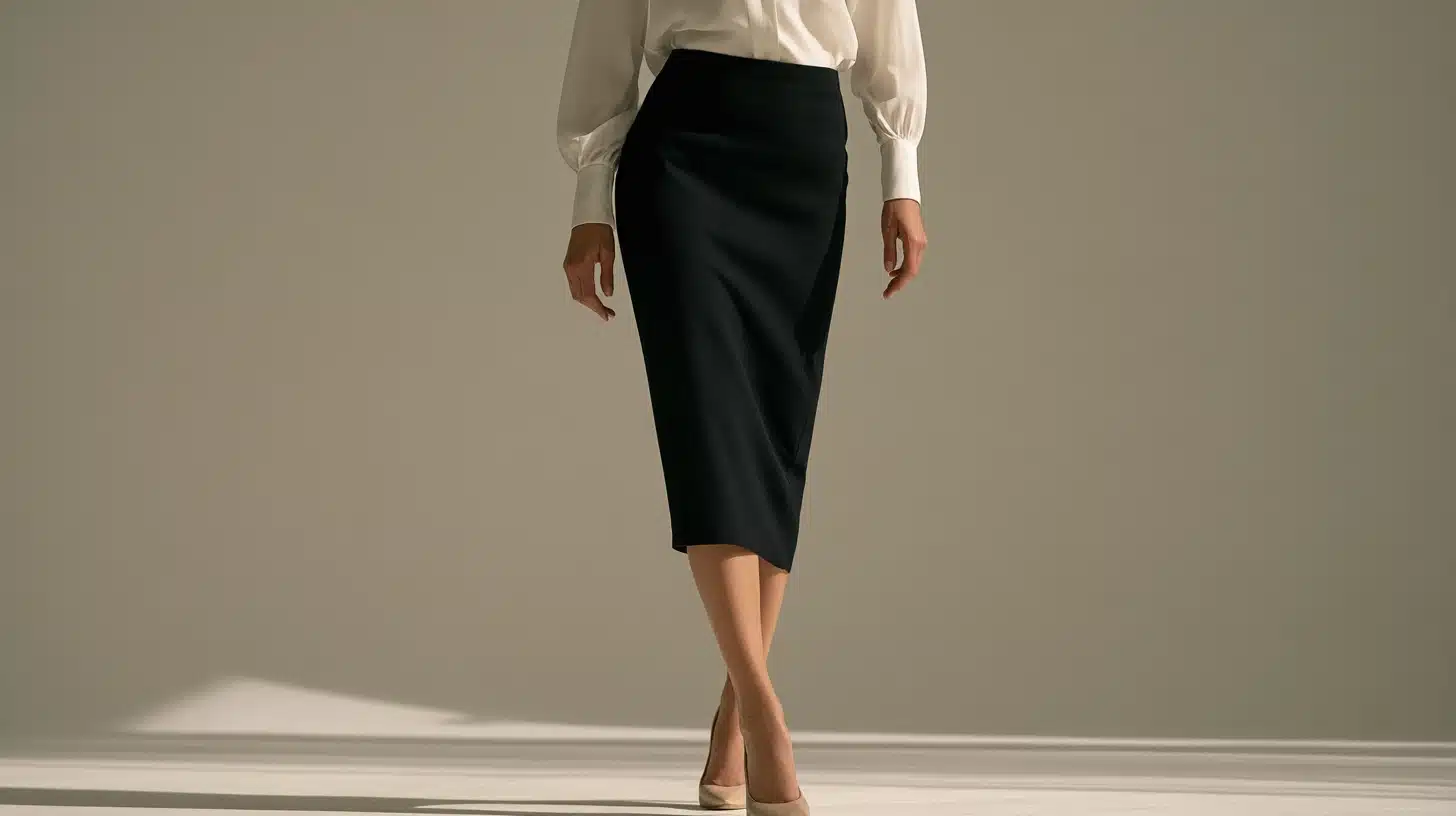
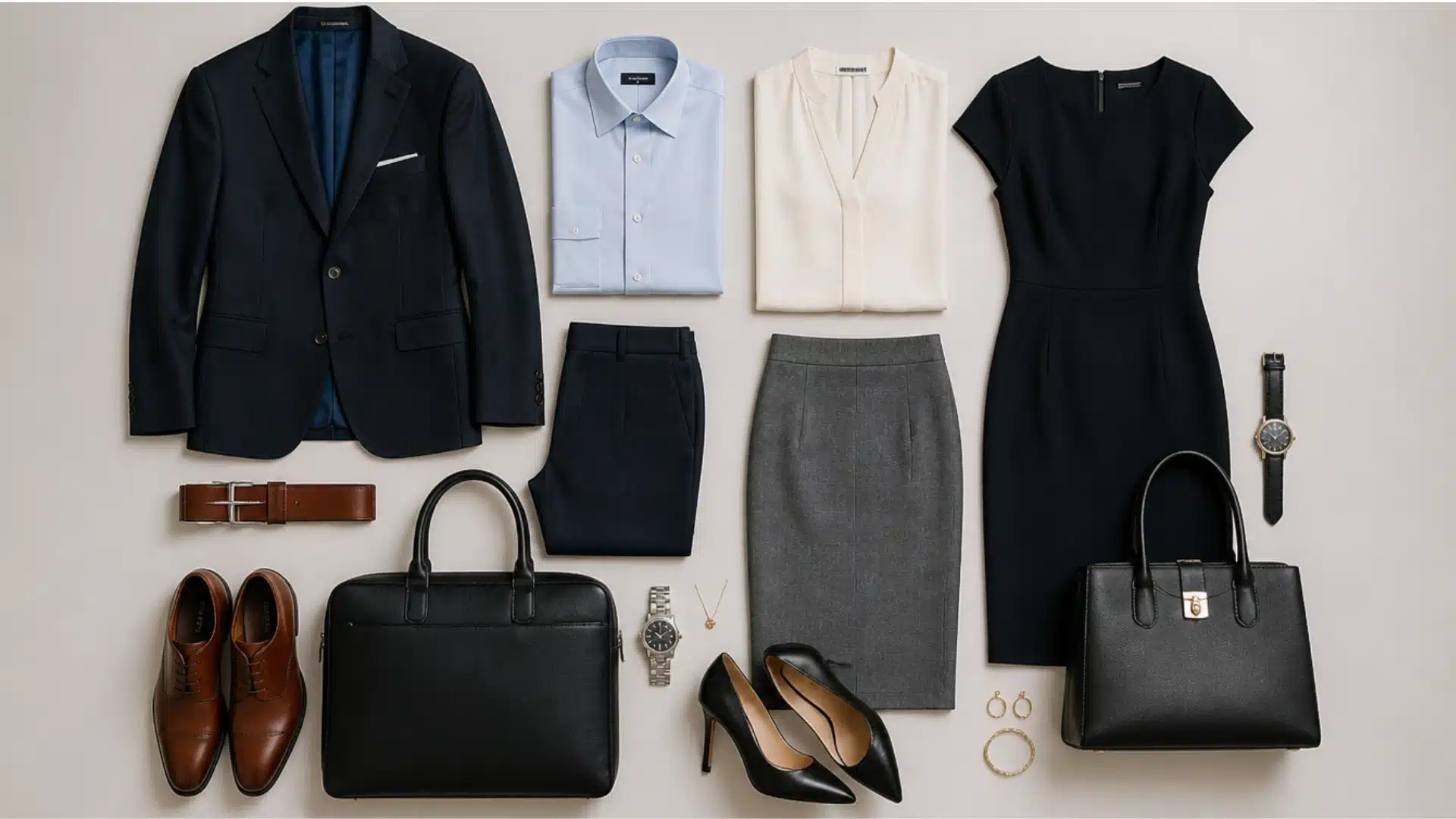
Looking to add a sweater to your work outfit, but stuck? Is a sweater business casual? I know the feeling. You’ve got a perfectly good sweater hanging in your closet, and you’re staring at it, wondering. It’s frustrating when the line between professional and too casual feels blurry. Plus, with office temperatures swinging wildly, you need something comfortable. And at the same time, make sure you don’t get called into a meeting about appropriate attire! What is Business Casual? Business casual sits between formal office wear and everyday clothes, being professional yet relaxed. The main rule is to look neat and professional without being overly formal. For most workplaces, business casual means you can skip the full suit and tie. Different companies have different takes on business casual, though. A tech startup’s version might be more relaxed than a law firm’s. If in doubt, refer to your employee handbook or observe what others are wearing. Is a Sweater Business Casual? Yes, sweaters are absolutely business casual, but not all sweaters. The right sweater can look just as professional as a blazer. They keep you warm, look polished, and fit perfectly within business casual guidelines, such as crew necks V-necks cardigans turtlenecks The fabric and color matter too. Wool, cashmere, cotton blends, and merino wool all read as professional. Neutrals like navy, black, gray, and beige are safe bets. Avoid anything neon, distressed, and loud graphics. Business Casual vs. Business Professionals Confused about what the real difference between business casual and business professional is? Well, they are not very different, but some characteristics vary. Business Casual Business Professional Relaxed but polished Formal and traditional Pair with loafers, flats, or clean leather shoes Pair with dress shoes, heels, or oxfords Watch, simple jewelry Ties, cufflinks, structured bags Solid colors, subtle patterns Stick to navy, black, gray, and white colors Optional Required or highly recommended Comfortable yet professional Authoritative and corporate Types of Business Casual Sweaters: Popular Choice Choosing the right sweater style can make a big difference to your professional look. Some sweaters scream “boardroom ready”, while others belong at brunch. 1. Crew Neck Sweaters Crew necks have a round neckline that sits at the base of your neck. They’re clean, simple, and work for both men and women. Stick to solid colors or subtle patterns for the best professional vibe. 2. V-Neck Sweaters V-necks are perfect when you want to show off a nice shirt underneath. The V-shape creates a flattering line that looks polished and intentional. 3. Cardigans Cardigans are incredibly adaptable and work as a blazer alternative. For women, cardigans are perfect for wearing over a dress for that chic yet professional look. Button-up or open-front styles both work. Remember, keep them fitted, not baggy. 4. Turtlenecks Turtlenecks bring a sleek, modern edge to business casual. Both men and women can pull off this look, especially in fall and winter. Choose fitted styles in neutral colors for the most professional appearance. 5. Quarter-Zip Sweaters Quarter-zips hit that sweet spot between sporty and professional. They’re great for business casual Fridays or more relaxed office environments. The partial zipper adds visual interest without being too casual. 6. Sweater Vests Sweater vests are making a comeback in professional settings. They are easy to style and add dimension to your outfit. They’re perfect for layering without adding bulk. Tips to Style a Sweater for a Business Casual Look A sweater can look amazing or miss the mark depending on how you style it. Here are some quick tips. Pick the Right Fit: Your sweater should skim your body without being skin-tight or oversized. Avoid anything cropped. Layer Like a Pro: You can wear collared shirts under crew necks. Or you can layer sweaters over button-downs or blouses for polish. Choose Quality Fabrics: Stick with merino wool, cashmere, or cotton blends. They look refined and hold their shape. Stick to Professional Colors: Navy, gray, black, and beige are safest. Jewel tones like burgundy or forest green add personality without going overboard. Pair with Appropriate Bottoms: Men should wear dress pants or chinos. Women can choose trousers, pencil skirts, or tailored pants. Add the Right Footwear: Dress shoes, loafers, or ankle boots keep things polished. Keep It Clean: A wrinkled or pilled sweater instantly kills your professional vibe. Sweaters That Are Not Business Casual Not every sweater belongs in the office. Some styles are just too relaxed, no matter how you dress them up. Hoodies: Hoodies scream casual weekend, not workday. Casual tech startups might let them slide, but most offices won’t. Oversized or Chunky Knit Sweaters: Chunky knits with thick, bulky textures look sloppy rather than polished. Stick with fitted or slightly relaxed styles instead. Holiday or Novelty Sweaters: Yes, ugly Christmas sweaters are fun at parties. And no, they’re not for the workplace. Distressed or Ripped Sweaters: Intentionally distressed sweaters with holes, frayed edges, or ripped details might be trendy, but they’re not professional. Neon or Extremely Bright Colors: A sweater in highlighter yellow or electric pink might turn heads, but not in a professional way. They work for a music festival but not for a Monday meeting. Are Oversized Sweaters Really Not Work-Appropriate? Oversized sweaters walk a fine line between cozy-chic and straight-up sloppy at work. In most traditional offices? They’re a BIG NO! They can look like you rolled out of bed or borrowed someone’s closet. But in creative industries and startups? They often welcome the oversized look. Pair an intentionally oversized sweater with fitted trousers and sleek accessories, and it becomes a statement piece. Office wear today has changed and become more flexible, except for those who need that fitted, professional look. Channel the energy of your workplace and wear what makes you confident. Seasonal Tips for Wearing Sweaters in The Workplace Different seasons call for different sweater strategies. Knowing when to wear what is essential. Fall Sweaters Fall is peak sweater season. Go for medium-weight knits in warm tones like burgundy, burnt orange, or mustard alongside your classic neutrals. Layering works beautifully now; try a crew neck over a crisp button-down or a cardigan over a blouse. Winter Sweaters Winter calls for merino wool, cashmere, and thick cotton blends that keep you warm without looking bulky. Turtlenecks really shine in winter, especially under blazers. Darker colors like charcoal, navy, and black dominate this season. Spring Sweaters Spring means transitioning to lighter-weight sweaters. Cotton blends and fine knits work perfectly as temperatures warm up. Pastels and lighter neutrals like cream, light gray, and soft blue fit the season. Cardigans over sleeveless tops give you flexibility as the day heats up. Summer Sweaters Yes, you can wear sweaters in summer. Just stick to lighter colors that don’t absorb heat. Lightweight cotton or linen-blend sweaters in breathable fabrics are your go-to. Short-sleeve sweaters can work in business casual settings. Concluding So, is a sweater business casual? Yes, it can be. Paying attention to your office culture and dress is what’s important. What flies at a startup might not work at a law firm, and that’s okay. When you’re unsure, go with classic styles in neutral colors. It can’t be wrong there. Give it a try and comment on how you liked it. We’d love to hear from you.

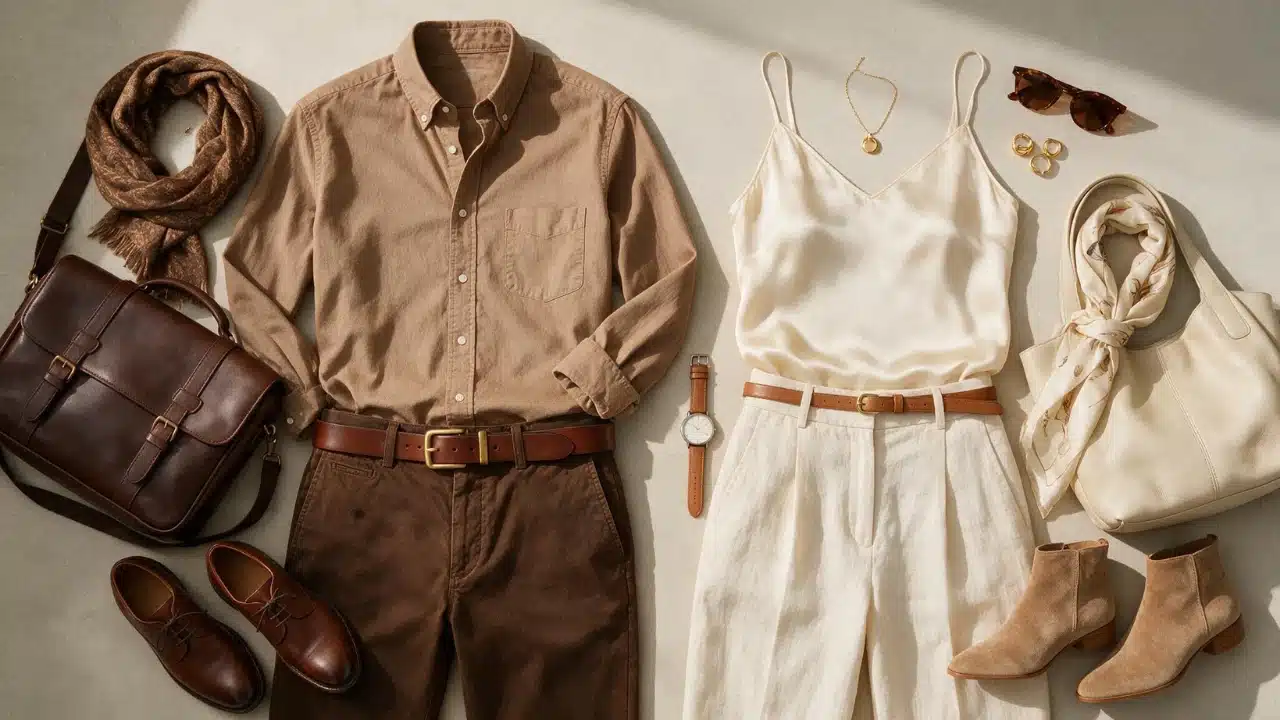
Three years ago, my days ran on autopilot: wake, rush, skip meals, and collapse. It was exhausting. Sunday evenings felt heavy. Poor sleep and weekly headaches became normal. Then one day, something had to change. Small shifts followed. Fewer commitments. Better boundaries. More rest. That’s when living a simple life stopped feeling like a dream. Life felt lighter and more meaningful. If you’re feeling stretched thin, you’re not alone. What Living a Simple Life Means to Me Simple living isn’t about owning nothing or cutting out everything you enjoy. For a long time, that’s what I thought it meant. So I ignored it. But the real idea is different. It’s about removing what doesn’t add value and making room for what does. Less chasing. More appreciative. That includes food, too. Eating nutritious, simple meals instead of complicated ones made a real difference in my daily energy and focus. The core stays simple. Strip away the excess and focus on what actually matters to you. Foundation of my Simple Life: Key Principles Intentionality: Making conscious choices instead of living on autopilot. Contentment: Finding satisfaction in what’s already here. Quality over quantity: Choosing fewer but better things. Present focus: Spending time on today, not yesterday’s regrets or tomorrow’s worries. Personal values: Letting beliefs guide decisions, not society’s expectations. These principles work together. They create a framework that helps you say no to distractions. The hardest one for me was contentment. I was always chasing the next thing: a better job, a bigger goal, more stuff. It took me a while to realise that enough was already sitting right in front of me. And once that clicked, everything else started falling into place. Benefits of Living Simply Choosing simplicity pays off in ways you might not expect. Less Stress, More Peace Fewer possessions mean less to clean and organize. Your mind gets a break from constant decisions. Mental health improves, which opens up to creativity and provides rest. Financial Freedom I spend way less now that I buy only what I need. Saving becomes easier. My savings account actually grows each month, not shrinks. Many people work less or retire earlier because they need less money to feel content. Better Health Simple living leads to better sleep and lower anxiety. You have time to cook real food and exercise. Mental clarity improves when your environment isn’t chaotic. Stronger Connections Fewer distractions mean more time for relationships in my life. Family dinners happen often. Friends get my full attention now, not half my focus while scrolling through feeds. “The ability to simplify means to eliminate the unnecessary so that the necessary may speak.” – Hans Hofmann These benefits build on each other. Financial freedom reduces stress. Less stress improves health. Better health gives energy for relationships. Practical Ways to Simplify Life in The Modern World Modern life throws complexity at you from every angle. But you can fight back with small, deliberate changes that add up over time. 1. Declutter Your Place I started with one junk drawer. Removed things I hadn’t touched in a year. That clear drawer gave me unexpected peace. 2. Limit Social Media Use Set specific times to check your feeds. Turn off notifications. Unfollow accounts that make you feel bad. Try one digital detox day per week. The reclaimed time will genuinely surprise you. 3. Stop Comparing Your Life to Others Comparison complicates everything. I used to constantly scroll and question my pace, my progress, and my choices. Once I focused on my own values instead of others’ highlights, contentment finally felt possible. A healthy lifestyle genuinely thrives when comparison fades from your daily thinking. 4. Create a Capsule Wardrobe Keep clothes that fit well. Donate the rest. A smaller wardrobe means faster mornings and less laundry. 5. Set Boundaries with Technology My phone now charges in the living room, not in my bedroom. That one change improved my sleep instantly. “Do not disturb” stays on during meals and family time. Apps that wasted time without adding anything useful got deleted. Technology should serve you, not the other way around. 6. Prioritize Time for Self-Care Schedule breaks like you schedule meetings. Take walks, read, or just sit quietly for a few minutes. Even 15 minutes daily makes a real difference. Without proper rest, simplicity becomes just another thing on your list that you’re falling behind on. 7. Simplify Your Meals My family plans a weekly menu every Sunday. Batch cooking saves weeknight stress. Simple, fresh meals beat complicated ones every time. 8. Focus on Relationships Not every friendship needs to stay. I started spending time with people who actually added something positive to my life. Real conversations replaced quick catch-ups. Quality time replaced expensive outings. Strong relationships don’t need much. Just presence and honesty. 9. Simplify Your Daily Schedule I used to pack my calendar until there was no breathing room at all. Now I leave intentional gaps between tasks. A simple schedule means you stop racing the clock and start feeling more in control of your own day. 10. Stop Multitasking and Do One Thing at A Time Jumping between tasks left me drained by noon. So I stopped. One task at a time changed everything. Focusing fully on one thing at a time made everything feel more manageable. Tasks got done faster, and the day felt calmer overall. 11. Reduce Decision Fatigue Too many small daily choices wear you down before the day even starts. I set up simple routines for breakfast, sleep time, and weekly errands. Less deciding means less mental clutter and a calmer start every morning. 12. Learn to Let Go of Perfection This one was genuinely hard for me. Every task had to be perfect; the house, work, even relationships. That pressure was exhausting and constant. Simple living taught me to focus on progress instead. Life got lighter the moment I stopped trying to control every single outcome. 13. Simplify Your Goals and Focus on One Priority at A Time I used to chase multiple goals at once. I was worn out constantly. Now I pick one major goal per season. 14. Simplify Your Morning Routine I used to wake up and check my phone first thing. That alone set a rushed tone. Now mornings are predictable. Wake up. Stretch. Drink water. Sit quietly. Fewer steps mean fewer decisions and calmer days. 15. Practice Saying “No” Without Explaining Everything Not every request needs a yes. I started by simply responding, “I can’t commit to that right now.” Boundaries remove resentment. When you say yes less often, your yes becomes far more meaningful to everyone around you. 16. Reduce Noise in Your Environment I stopped the TV running in the background. Stopped podcasts during every task. Silence became something to be appreciated rather than avoided. Mental clarity improved almost immediately after that one small shift in my daily habits at home. 17. Keep a Short To-Do List My old lists had twenty tasks. I’d finish five and feel like I failed. Now, three priorities per day are enough. If those get done, the day counts as productive. Simplicity in planning builds momentum rather than guilt every evening. 18. Unsubscribe From Unnecessary Emails Marketing emails flooded my inbox daily. I spent one afternoon unsubscribing from dozens of lists. A cleaner inbox reduces daily stress more than you expect. 19. Limit News Consumption Staying informed is important. Being constantly hit by headlines doesn’t. I now check the news once a day instead of throughout the day. Less exposure to negativity made my mental state more stable, more focused, and noticeably calmer within just a few weeks. 20. Simplify Your Social Commitments I stopped attending events out of obligation. Now I ask myself one question before saying yes: Will this add real value to my life? Quality interactions replaced crowded schedules. Fewer gatherings meant better conversations and more energy left for people who truly matter to me. 21. Create Small Daily Rituals Simple rituals anchor your day. For me, it’s evening tea without screens. Just quiet reflection. Rituals create rhythm, and rhythm creates steadiness. 22. Keep One Ongoing Declutter Rule Instead of massive clean-outs, I follow one simple rule: when something new comes in, something old goes out. This prevents buildup before it starts. Maintenance is always easier than a full overhaul when things pile up over time. 23. Streamline Your Finances Cancel unused subscriptions. This one change freed up $200 monthly for me. Set up automatic bill payments. Track spending with a simple app or notebook. Financial simplicity reduces stress and helps you see where money actually goes every month. Minimalism vs. Simple Living People often use these two terms as if they mean the same thing. They don’t. Here’s a quick breakdown: Point Minimalism Simple Living Main Focus Owning fewer things Living with less stress Goal Cut down possessions and clutter Cut down life’s overall complexity Lifestyle Scope Mostly physical belongings Covers time, habits, money, and mindset Approach Often follows strict personal rules More flexible and personal Success Looks Like Less stuff at home More peace in daily life Home Style Clean, bare, very little decor Can feel simple even with meaningful items Spending Style Buy only the bare essentials Spend with intention and avoid waste Daily Life Organised, decluttered routine Slower pace with fewer commitments Biggest Benefit Less clutter, more freedom Less pressure, more balance Best For People buried in belongings People are burned out by life Simple living is the bigger idea. Minimalism can sit inside it, but it doesn’t have to. You don’t need to own items to live simply. The real point is the same for both: fewer distractions and more room for what actually matters. As Leo Babauta says, “Simplicity boils down to two steps: Identify the essential. Eliminate the rest.” Challenges with Living a Simple Life Simple living sounds great in theory. Practice brings real obstacles. Social Pressure: A friend once said, “You can afford more, so why don’t you?” People questioned my choices often. Staying true to my values while keeping those relationships wasn’t always easy. Consumer Culture: Ads hit you from every direction. Sales create urgency. Society quietly links success to owning more. Resisting that message takes real daily effort. Initial Effort: Decluttering took me three months. One weekend, I nearly filled those donation bags back up. Old habits felt safer. Pushing through that moment was hard but worth it. Fear of Missing Out: What if you need that item later? What if others move forward and you don’t? These thoughts crept in earlier than I expected. Almost Going Back: Six months in, a stressful work period hit. Late-night online shopping crept back in. I caught it early and stepped back. That moment reminded me exactly why I started. Conclusion: Appreciate a Simple Life Living a simple life isn’t a destination you reach someday. It’s the choices that we make every single day. Start small with one area that causes the most stress. Your closet, your schedule, or your spending. That’s what worked for me. Simple living gives you something priceless: time and energy for what truly counts. My mornings now are quiet, slow, and calm. Three years ago, that felt impossible. Today it feels normal. That shift made everything worth it. So, start living a healthy life with us. Frequently Asked Questions (FAQs) 1. What is the Happiest Age in Life? For younger adulthood (around 20s/30s) and especially in older age (around 70). 2. At What Age is Life Most Stressful? Younger generations (Gen Z and Millennials) report peak stress around age 25. 3. Why is Simplicity so Powerful? Simplicity allows you to direct all your energy and power toward one thing. 4. What is an Example of a Simple Life? The examples include writing, reading/learning, walking, and other activities such as eating simple food and meditating.