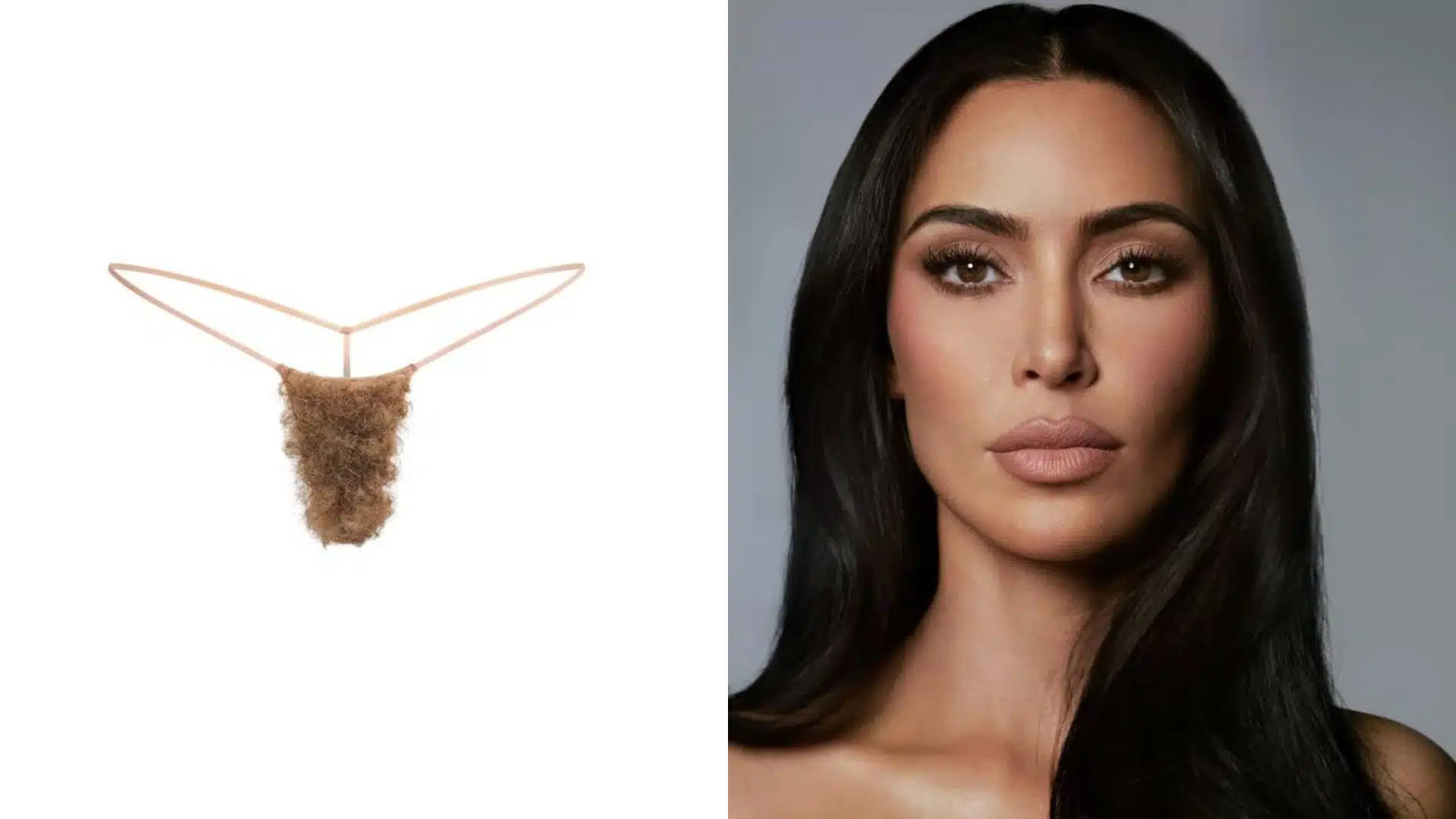
Kim Kardashian is the talk. And her latest SKIMS drop, the Ultimate Bush thong collection, is doing exactly that. It’s bold, it’s body-positive, and it’s got everyone curious. The design celebrates natural body hair – pubic hair to be specific, in a way that mainstream fashion rarely does. SKIMS has always pushed boundaries, but this one feels different. It’s personal,
Most Popular
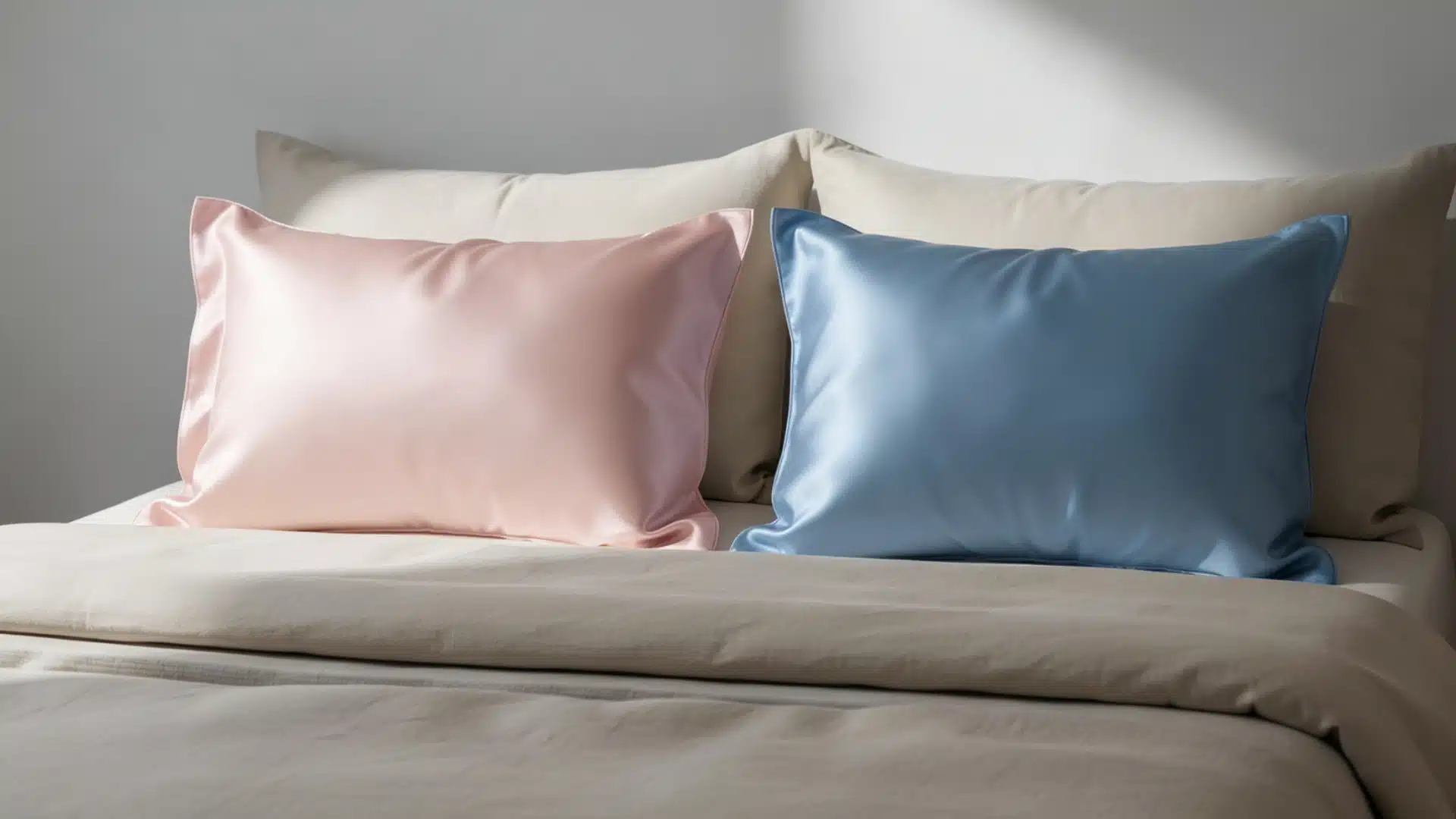
Your pillowcase is touching your face and hair for 7–8 hours every night. And the wrong pillowcase can cause frizzy hair, dry skin, and restless sleep. And the right one can help you improve your hair, skin, as well as sleep quality. You’ve probably heard that satin vs silk pillowcase are both good for you. But which one actually wins? Let’s find out. Satin and Silk: What Separates the Two? The common misconception among people is that satin and silk are the same thing, as they look and they feel alike. But silk is a natural fiber. It comes from silkworms and has been used as a natural resource for thousands of years. Satin, on the other hand, is not a material, it is a weave structure. That weave can be made with polyester, nylon, or even silk. And that gives it a smooth, slippery surface that looks a lot like silk. But the material underneath that smooth finish matters a lot. It affects how well the fabric breathes, how long it lasts, and what it actually does for your hair and skin overnight. Is Silk or Satin Better for Hair? To determine the real winner between them, a few key factors should be considered. 1. Friction and Hair Breakage Silk wins here by a mile. Its naturally smooth surface creates very little friction against your hair strands. Less friction means less pulling, less snapping, and less breakage overnight. Satin is also low-friction, but silk’s natural protein structure is defined by silk fibroin, a fibrous protein characterized by an amino acid sequence of glycine, alanine and serine. This gives it a slight edge for finer or more fragile hair. If friction damage has already left your hair feeling brittle and snapped, try a weekly deep conditioning mask with coconut oil or argan oil. 2. Frizz Reduction Both materials reduce frizz compared to cotton, but silk pulls ahead of satin in this. It has a naturally smooth weave that lets hair glide without roughing up the cuticle. Satin does a solid job, especially polyester satin. But silk has an edge here because of its natural composition. 3. Moisture Retention Silk, again, is the clear winner. It is a natural fiber that does not pull moisture away from your hair while you sleep. If dry or chemically treated hair is your concern, silk helps keep your strands more hydrated throughout the night. If your hair has been feeling dry and straw-like from sleeping on the wrong fabric, try applying a small amount of leave-in conditioner to your ends each night before bed. 4. Tangles and Bedhead Both satin and silk are equal here. Waking up with fewer tangles is something both deliver well, especially for thick or curly hair. Either option is a solid upgrade over a rough cotton pillowcase. 5. Cost vs. Benefits For some people, the cost vs benefits is always the deciding factor in choosing between a satin vs silk pillowcase. Factor Silk Pillowcase Satin Pillowcase Average Price $50–$100+ $10–$30 Breathability High Low to Moderate Durability High with Care Moderate Hair Benefits Excellent Good Best For All Hair Types, Fine or Fragile Hair Budget-Friendly Everyday Use The Real Question: Does Your Hair Type Prefer Satin or Silk? Even though silk is a common winner in the satin vs silk pillowcase battle, it’s important to consider the fact that not every hair type responds the same way to these fabrics. Your curl pattern, thickness, and hair health all play a role in what works best for you. Curly or Coily Hair Both satin and silk work well here. They reduce friction and help preserve your natural curl pattern while you sleep, keeping coils from getting crushed or stretched out overnight. Fine Hair Silk tends to be the better pick for fine hair. Its surface is slightly gentler, which helps reduce the small amounts of friction that can still cause breakage. Dry or Damaged Hair If your hair is dry or already stressed, silk is the smarter option. It breathes better and does not strip moisture from your strands the way polyester satin can. Thick or Straight Hair Thick or straight hair is generally more resilient and does not need the added benefits that silk brings. Hence, satin takes the lead here, as it provides better protection against friction and tangles. Your Skin Has a Favorite Too: Satin vs Silk for Overnight Comfort This might come as a surprise to you, but your hair is not the only thing that benefits from a better pillowcase. Your skin feels the difference too. Sleeping on a smooth surface reduces the tugging and pulling that cause sleep creases. Neither satin nor silk can erase wrinkles, but both cut down on the nightly friction that leads to skin irritation and those temporary lines you wake up with. For sensitive skin, silk stands out. It is naturally breathable, regulates temperature well, and does not pull moisture away from your face overnight. Satin does reduce friction and feels smooth, but polyester satin traps heat and sits less gently against the skin. If overnight skin comfort is a priority for you, silk is simply the better investment. Beyond Pillowcases: Are Satin and Silk Eye Masks Worth It? In this hair-and-skin debate, eyes are something that gets overlooked. But the fabric touching the skin around your eyes all night actually matters more than you think. As always, silk is the better choice for eye masks. The skin around your eyes is thin and sensitive, and its natural, breathable fabric sits gently against it without causing irritation or pulling. Satin eye masks work too, but polyester satin can feel slightly rough on that area over time. If you have already invest in a silk pillowcase, pairing it with a silk eye mask just makes sense. It’s good for the eye and the matching looks is a cherry on the top. Which Silk Helps You Sleeping Better or Satin? When it comes to sleep comfort, both silk and satin have a clear edge over regular cotton. But they work a little differently. Silk is a natural fiber. It regulates temperature well, keeping you cool in summer and warm in winter. That makes it a great choice for people who sleep hot or cold. Satin, on the other hand, is usually made from polyester. It stays smooth and cool to the touch, but it doesn’t breathe as well as silk does. Both fabrics feel soft against your skin. But if you want a more comfortable, sweat-free night’s sleep, silk tends to win. Satin is still a solid option, though, especially if budget matters to you. The Final Verdict So, in this satin vs silk pillowcase debate, silk takes the win. It breathes better, retains moisture, and sits more gently against both your hair and skin. But satin is not far behind. If budget is a concern, a high-quality satin pillowcase still delivers real results. Before choosing, always consider your hair type as well. Silk is the preferred option for most hair types, but satin is preferred for thick, straight hair. So choose wisely, and decide who you want as your sleep buddy. Frequently Asked Questions (FAQs) 1. Can Bed Bugs Live on Silk Sheets? Yes, they can. Bed bugs live in your mattress and bedding regardless of fabric type. Silk does not repel or prevent them. 2. Do Dermatologists Recommend Silk Pillowcases? Many do. Silk is gentle on sensitive skin, reduces friction, and does not strip moisture. It is a common recommendation for skin and hair care. 3. Can I Put 100% Silk in the Dryer? No. Heat damages silk fibers quickly. Always air-dry silk pillowcases flat or hang them out of direct sunlight to keep them in good shape.
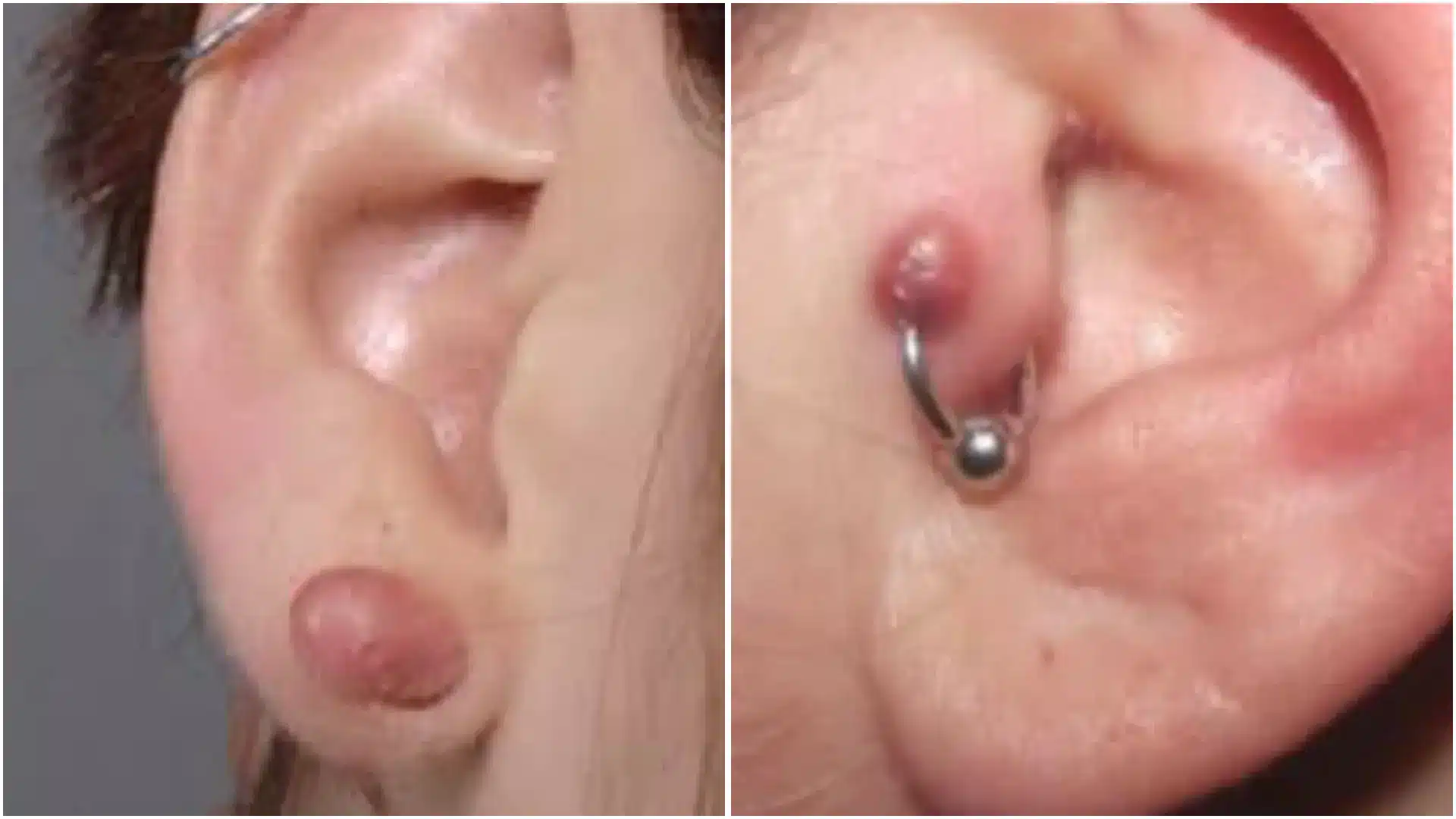
That red bump near your piercing is stressing you. Is that a keloid or a piercing bump? Most people can’t tell the difference, and that leads to ignorance, which often worsens the condition. This blog breaks down the difference between a keloid and a piercing bump so you know what you’re dealing with and what to do next. What is a Keloid and a Piercing Bump? A keloid is an overgrowth of scar tissue. It forms when your skin heals too aggressively after an injury. Your body produces too much collagen, and the scar grows beyond the original wound. Keloids are firm and raised and can continue to grow on the skin over time. They don’t go away on their own. A piercing bump is a small, raised lump that forms near a piercing. It usually appears within a few weeks of getting pierced. It is often caused by irritation, improper aftercare, or low-quality jewelry. Unlike a keloid, a piercing bump is temporary. With the right care, it can go away on its own. Difference Between a Keloid and a Piercing Bump The following is a simple breakdown to help you tell the difference between a keloid and a piercing bump. Appearance A keloid feels firm and rubbery and grows beyond the piercing site, while a piercing bump feels soft, stays close to the piercing hole, and may have fluid inside. Keloids darken over time and continue to grow, whereas piercing bumps are temporary and usually resolve with proper care. Size and Growth A keloid starts small but grows steadily beyond the piercing site, whereas a piercing bump stays small and contained near the piercing hole. A piercing hole does not spread or grow larger. Timeline A keloid can take weeks or months to appear after a piercing, whereas a piercing bump appears within the first few days or weeks. A piercing bump is an early sign of irritation and responds quickly to proper care and treatment. Treatment A piercing bump often heals on its own with saline cleaning and higher-quality jewelry, whereas a keloid requires professional medical treatment. Doctors may recommend steroid injections, laser therapy, or surgical removal. Keloids can return even after treatment, so early action and consistent follow-up with your doctor are important. How to Prevent Keloids?
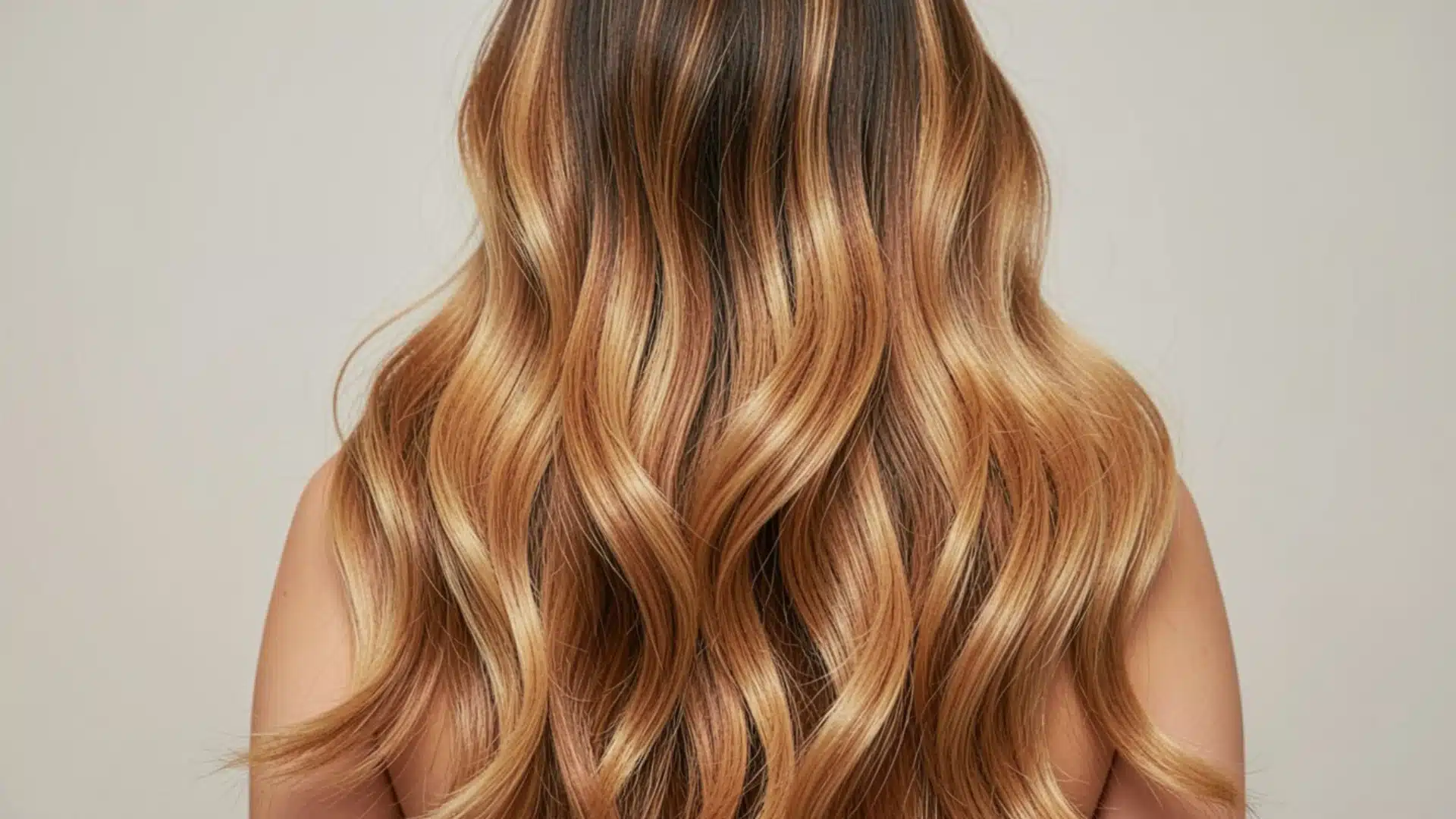
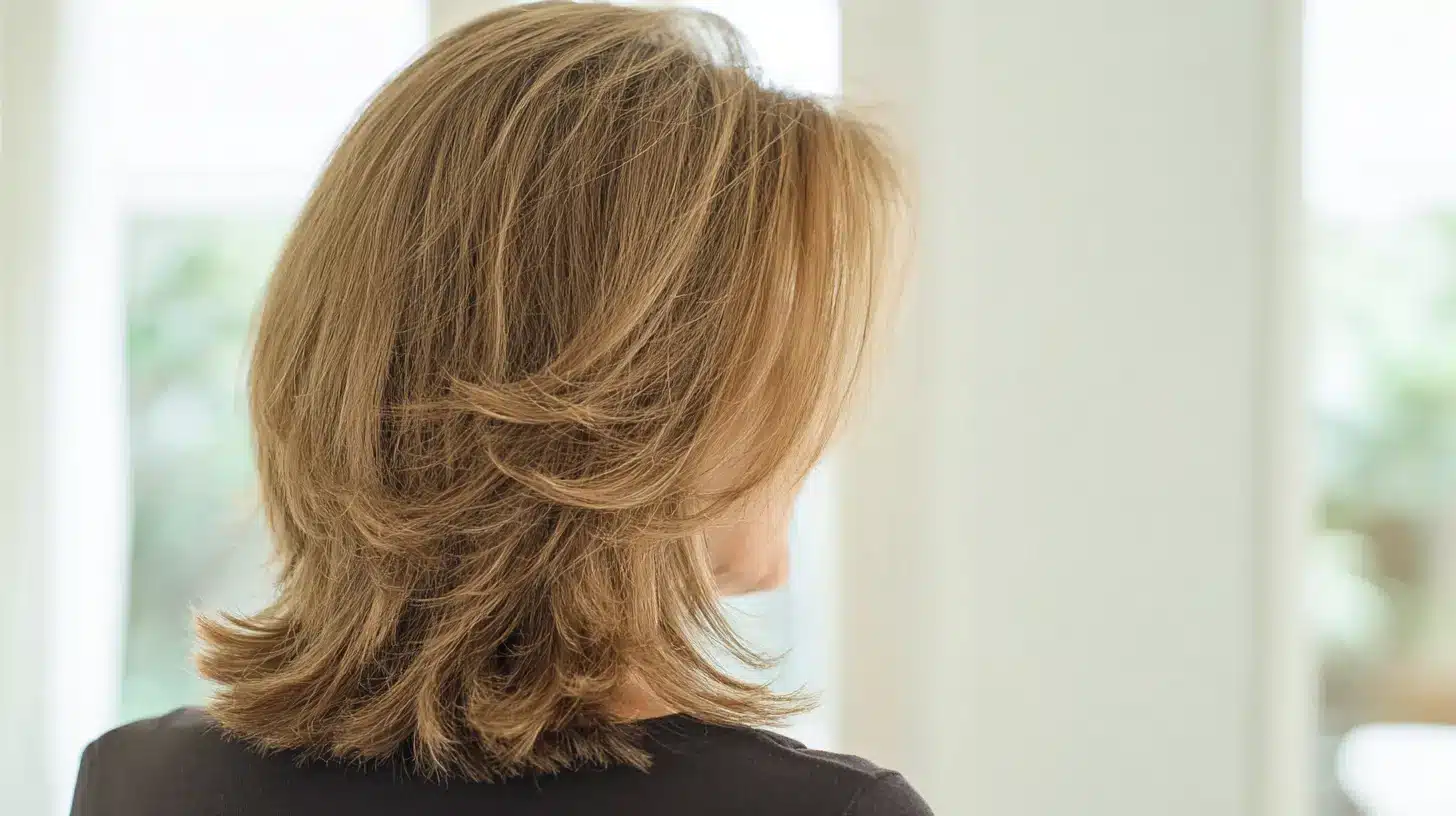
You’ve probably stood in front of a mirror thinking, partial or full highlights? Both options have their place. But the right one depends on your hair goals, your budget, and how much upkeep you’re ready for. In this blog, you’ll get a clear breakdown of partial vs full highlights, what they are, how they work, and which one suits you best. The Basic Difference Between Partial vs Full Highlights To put it simply, partial highlights cover only a section of your hair. Full highlights, on the other hand, cover your entire head. With partial highlights, your stylist works only on the top layer, crown, or front sections. It’s a focused treatment. While full highlights go through every layer, including the top, middle, and underneath. Placement is another factor separating them. Partial highlights are great for adding brightness around your face. While full highlights give you an all-over color change. Partial highlights usually take 45 minutes to 1.5 hours. While full highlights can run 2 to 3 hours or more. Partial vs Full Highlights: What Suits Your Hair Type? One of the most important things to consider while choosing between partial vs full highlights is your hair type. Because the wrong choice here can make your hair look flat or overdone. 1. Fine Hair Partial highlights work better for fine hair, as too much color can make thin strands look overprocessed and weak. This highlight adds brightness on top without putting stress on every strand throughout your head. 2. Thick Hair Full highlights suit thick hair well, as dense hair can handle more color without looking overdone. Going full coverage ensures the highlights show through every layer. 3. Curly Hair Partial highlights are a great fit for curly hair, as curls naturally diffuse color and create shadow between ringlets. Highlighting just the top sections and face-framing highlights lets the color catch the light where it matters most. 4. Straight Hair Full highlights work well on straight hair. Every strand is visible and lies flat, so color placed underneath shows through easily. Different Hair Highlight Techniques Explained Be it full or partial, neither highlight is applied the same way. Each technique uses a different method for applying color, which completely changes the final look. 1. Balayage Chunky highlights use wider sections of hair. Your stylist separates thick strands and applies color in bold, visible blocks. The contrast between your natural color and the highlighted sections is strong and intentional. This gives off a very high-impact look. This goes with thick or coarse hair. The bold sections show up well against dense hair and create a strong, defined contrast. Cost Comparison: Partial vs Full Highlights Knowing what each option costs before you book your appointment is a pocket-friendly move. It helps you plan your budget and avoid surprises at the checkout counter. Highlight Type Brand/Product Used Average Cost (USD) Partial Highlights Wella Koleston Perfect ~$9.95–$15 per tube Partial Highlights Redken Shades EQ ~$20–$35 per tube Partial Highlights L’Oréal Majirouge ~$7–$23 Full Highlights Schwarzkopf BlondMe ~$35–$50 Full Highlights Wella Blondor ~$35–$45 Full Highlights Redken Flash Lift ~$35–$50 Popular Highlight Looks Worth Trying There are so many highlight looks out there, and it can be hard to know where to start. Some looks work better as partial highlights, while others shine when done as full highlights. To choose what’s right is the aim. Sun-Kissed Balayage (Partial) Balayage, as a partial highlight, focuses color on the top layers and ends. It gives your hair a warm, natural glow without touching every strand, and the result looks like you spent a summer outdoors. It’s soft, effortless, and grows out beautifully with very little upkeep needed. Caramel and honey tones work best here. This look suits medium to long hair, the length gives the color space to blend and fade naturally. Face Framing Highlights (Partial) Face-framing highlights are placed only around your hairline and front sections. They brighten your complexion and draw attention to your face. It’s a subtle but effective change. You get the glow of highlights without committing to color all over your head. Warm blonde and copper tones complement most skin tones here. It’s good for all hair types, especially those trying highlights for the very first time. All-Over Foil Highlights (Full) All-over foil highlights wrap every section of your hair in foil from root to tip. The result is bright, even, and consistent throughout. It’s one of the most classic full highlight techniques and gives you maximum lift and coverage across your entire head. Ash blonde and platinum shades work well here. It’s suited for thick hair, as the strong formula lifts dense strands evenly from root to tip. Dimensional Full Highlights (Full)