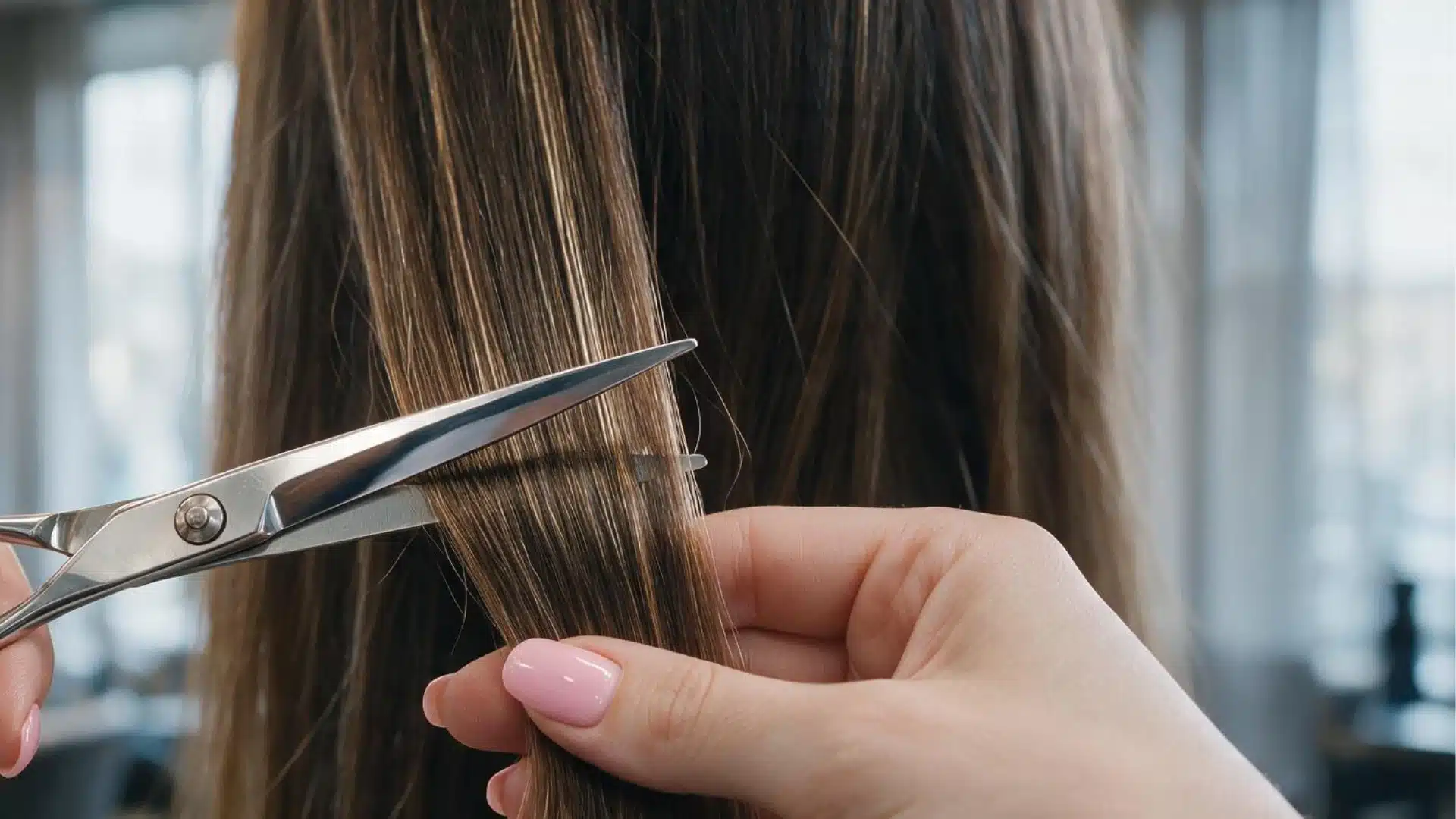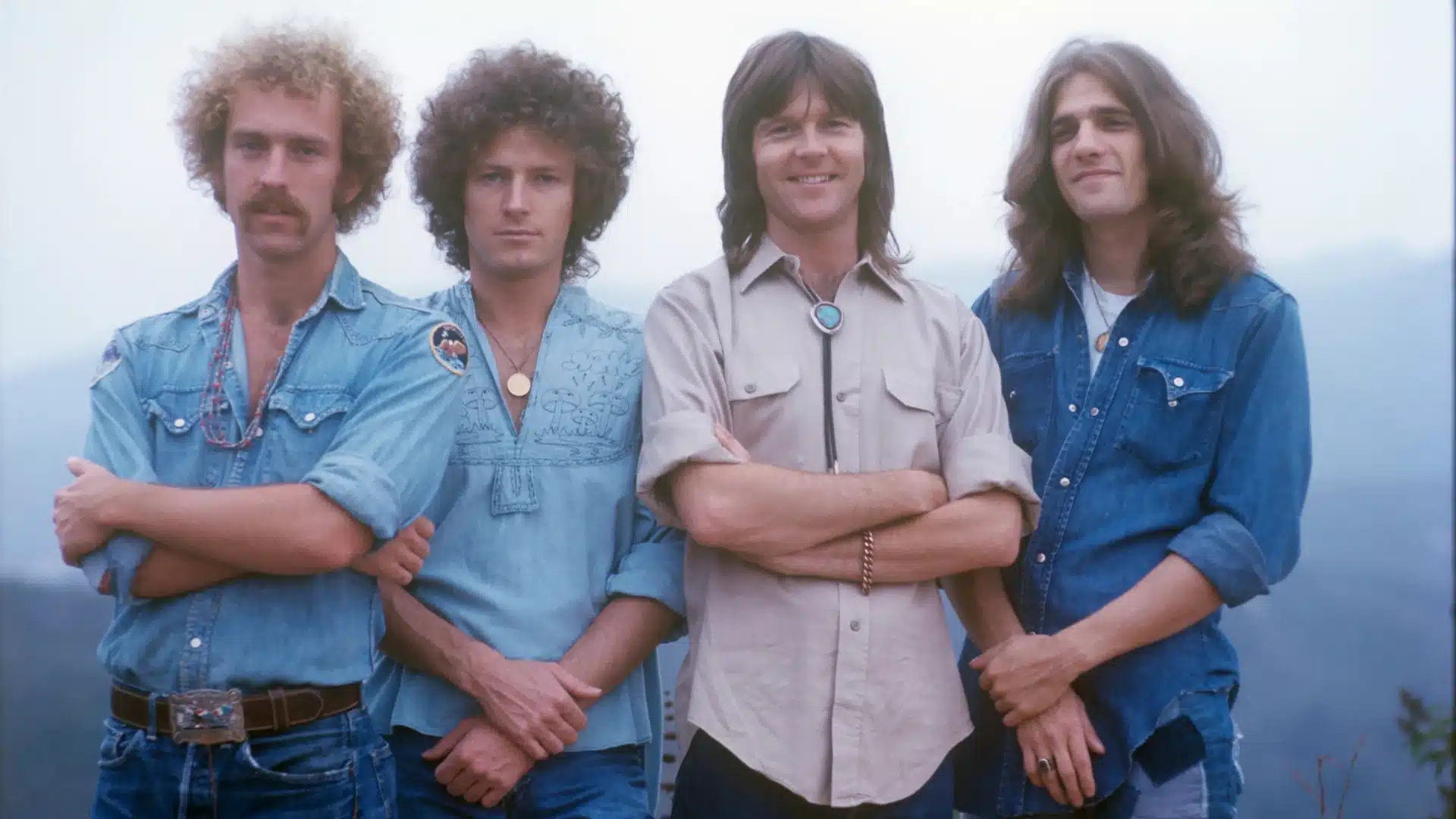
The Kentucky Derby is one of the biggest horse racing events. It’s not just a style, but that’s a personality. But don’t worry, styling Kentucky Derby outfits for men isn’t as hard. All you need is to know what and how to wear it. Kentucky Derby Outfit Features A Kentucky Derby outfit at its core is a smart, put-together look
Most Popular
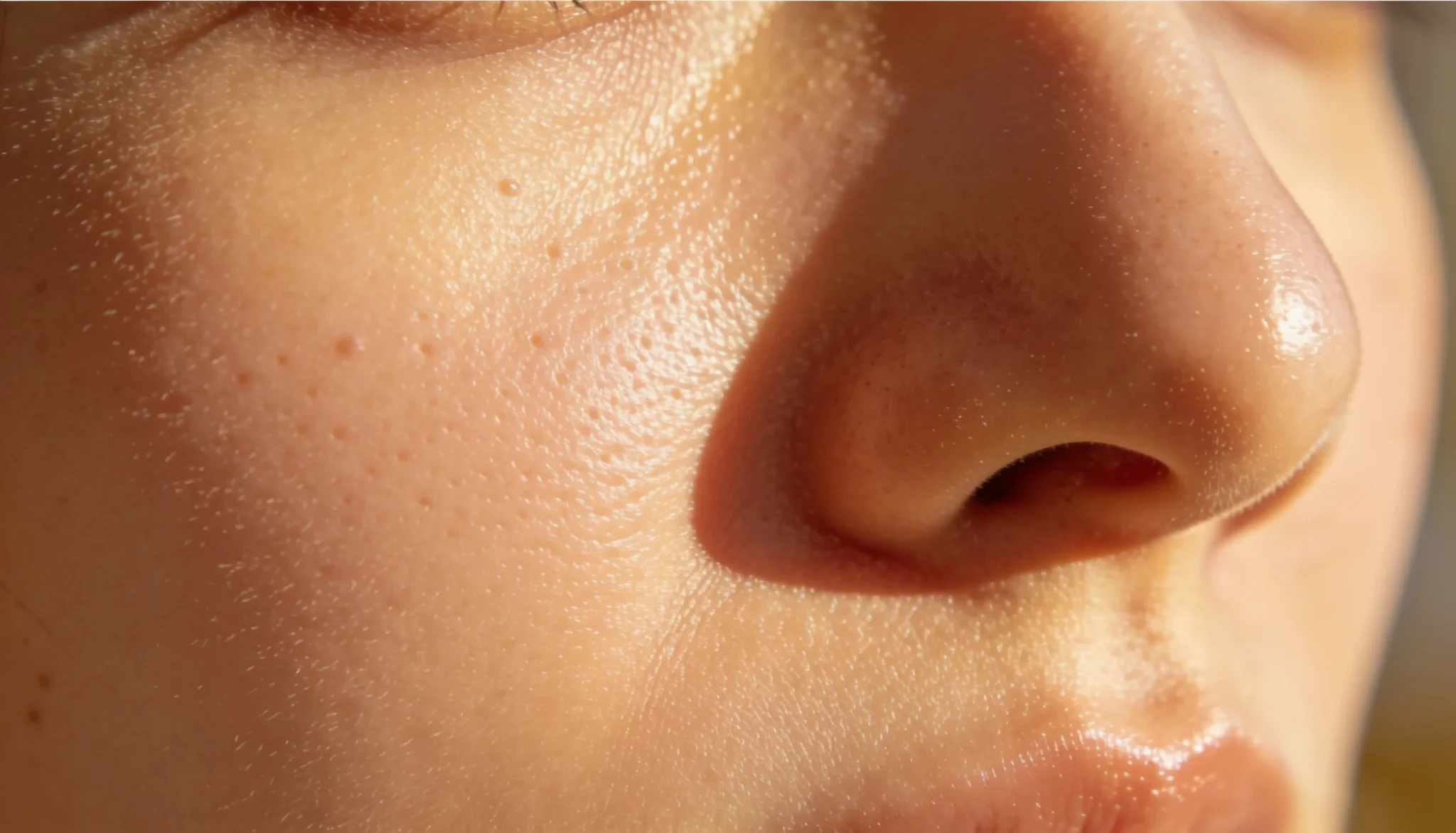
Big pores never really go away. You wash, you scrub, and you try every cream on the shelf yet they show up in the mirror, looking even bigger under harsh light. Pores can look much smaller with proper care. Still, a few simple habits and products can shrink how they appear, so the skin looks smoother and more even. In this blog, I’ll break down how to shrink pores in plain, easy steps, follow along! What are Pores? Pores are tiny openings on your skin, and each one connects to a hair follicle and an oil gland underneath. The pores on the face have an important role in letting out oil, called sebum, which keeps your skin soft and protected. They also let your skin breathe and push out sweat. Well, do you even know that pores are genetic, too? Yes, if your parents had large pores, there is a chance you’ll have them too. As they are largely shaped by the skin type you inherit. But remember, pores aren’t a flaw. They’re a normal part of healthy skin. What Causes Large Pores? Large pores don’t just appear out of nowhere. A few common reasons are behind them, and knowing these makes them easier to manage. Aging: As you age, your skin loses collagen and elastin, which causes your pores to widen. Sun Damage: Getting exposed to the sun is crucial, but overexposure leads to pores that look pretty large. Oil Production: Pores are found in the places where more oil-releasing sebaceous glands are located, so, if you have oily skin, your pores are more likely to appear. Hormonal Changes: Pores become more visible when puberty hits, as hormonal shifts cause sebaceous glands to release more oil. Best Ways to Shrink Your Pores Here are some ways that will help you to know how to get rid of pores on your face: 1. Regular Skin Care Routine Our skin also needs a little bit of pampering, and that’s important for keeping pores in check. Like, use a gentle cleanser, and apply moisturizer to your face. Make it a skincare habit in the morning and evening. 2. Removing Dead Skin In the market nowadays, there are various peeling solutions that help buff away your dead skin. Peels such as Glycolic acid, a common AHA, and Salicylic acid, are widely used. 3. Apply Sunscreen Another good tip to reduce pores on the face is to apply SPF during the daytime. UV rays can dry your skin, which can make your skin pores look larger. So, it is recommended to use SPF 50 PA+++ to protect your skin and re-plump it with moisture. 4. Remove Makeup Before Bed Remember to always remove makeup before bed. The reason is that makeup can clog those small pores and worsen them. If you don’t want that simple message on your face with cleanser, use moisturizer or toner and get a good night’s sleep. 5. Retinoids Retinoids are vitamin A derivatives, and they’re one of the best things for your skin. They boost collagen and speed up cell turnover, so your skin stays firm and your pores look tighter. Start slow, maybe twice a week, since they can be strong at first. And always use them at night. 6. Salicylic Acid (BHA) Salicylic acid goes deep into the pore and clears out trapped oil and dead skin making your pores look smaller. It works great for oily and acne-prone skin. Look for it in cleansers or toners, and use it a few times a week. 7. Niacinamide Niacinamide is a form of vitamin B3, and it’s gentle enough for most skin types. It helps control oil and keeps pores from looking stretched. It also calms redness along the way. You’ll find it in plenty of serums and moisturizers for daily use. Does Microneedling Help Shrink Pores? Microneedling is a procedure performed by your derm and is one of the most effective ways to reduce pores on your face. The treatment uses tiny needles to make small pricks in your skin. Then those tiny pricks push your skin to make more collagen as it heals. And more collagen means firmer skin and tighter-looking pores. Over a few sessions, the pores on your face start to look smaller and less obvious. Your skin also feels smoother and a bit more even-toned. If you are you someone who’s scared of needles? Don’t worry. First, a numbing cream is applied, so most people feel only a light scratching. Just know that microneedling is done by a professional. It’s not something you try at home. Common Myths About Enlarged Pores The Internet leads us to believe various myths about how to shrink pores. And you might have come across some of those myths: 1. You can open and close your pores. That’s not really true. Pores can look stretched or tighter, but they don’t have muscles, so they can’t actually open and shut like a door. 2. You can get rid of pores completely. Nope. You can make them look smaller, but you can’t remove them. Pores are a key part of how your skin works, helping you sweat and stay soft. 3. Cold water closes pores for good. Cold water or ice only tightens them for a short while. The effect fades quickly, and it won’t permanently shrink pores. Conclusion Overall, pores are important for healthy skin. They let sweat and natural oils reach the surface, so they’re doing more good for your skin. But large pores can still feel weird when you see them. There are simple ways to reduce them, even if you can’t remove them. Cleanse your skin properly, apply moisturizer, and never skip your SPF. Add in ingredients like retinoids or niacinamide, and you’ll notice the changes soon. Frequently Asked Questions (FAQs) 1. Does Makeup Make Large Pores Worse? Heavy or oil-based makeup can clog pores and make them look bigger. 2. Can Ice Cause Irritation if Pores are Large? Ice itself won’t harm large pores, but applying it directly can irritate skin. Wrap it in a cloth and keep each session short. 3. Does Exfoliating Make Pores Less Noticeable? Yes, gentle exfoliating clears out dead skin and oil, so pores look smaller. 4. Can Diet Help in Shrinking Pores? Diet won’t shrink pores, but not eating greasy, sugary foods can reduce excess oil. More water and fresh products help skin look clearer.
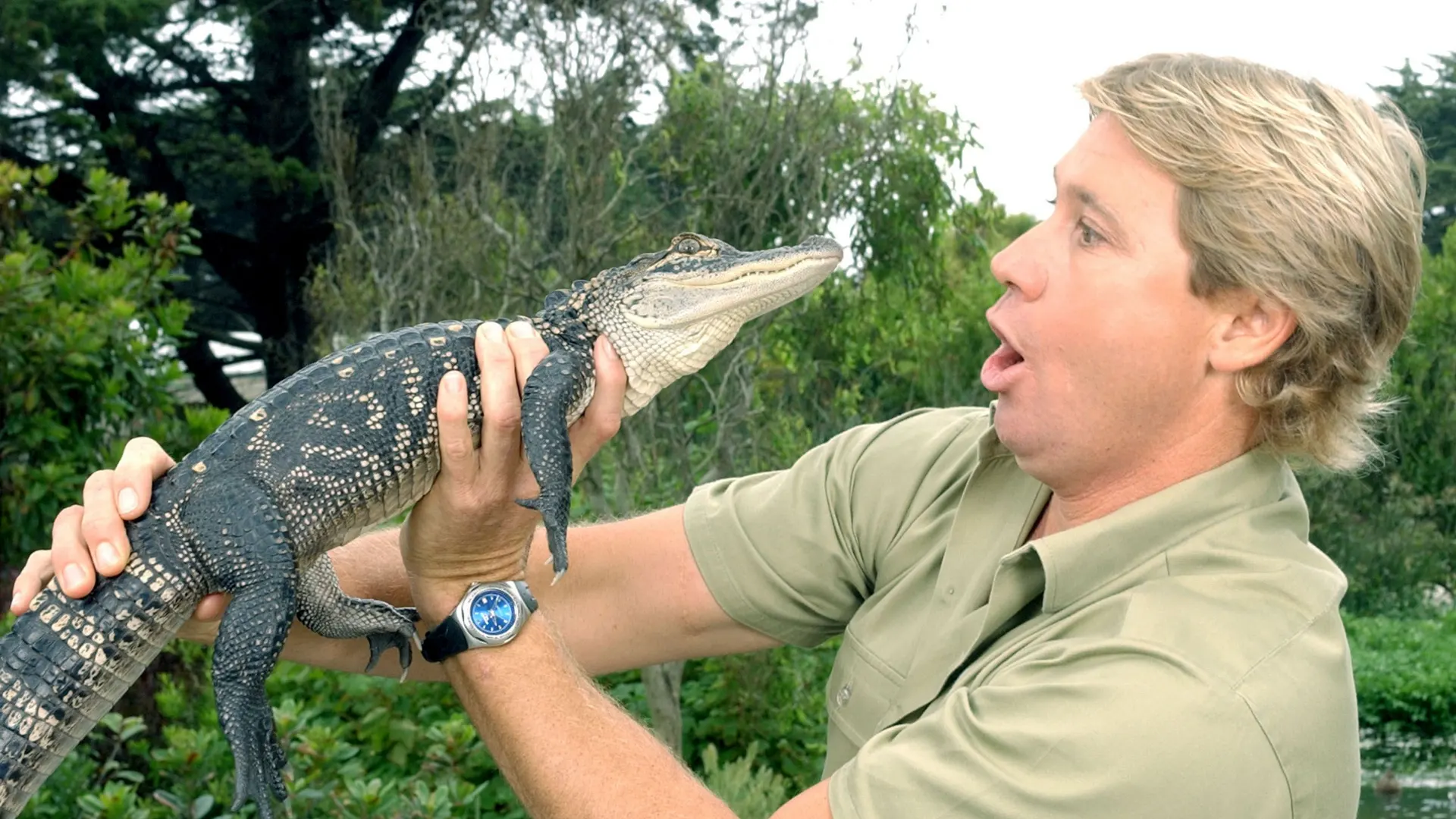
There are only a few people in this world, alive or dead, who leave a mark on people’s hearts that stays long after their death. Steve Irwin, aka “The Crocodile Hunter,” is certainly one of them. But the story of his demise is one wound, one mark that still “stings” a lot of hearts. So, the question is, how did Steve Irwin die? And what’s the story of one routine dive that led to one unthinkable outcome? Meet Steve Irwin, AKA “The Crocodile Hunter” Steve Irwin was an Australian wildlife expert, zookeeper, and TV personality born on February 22, 1962. The roots of his love for animals were planted early, as he grew up surrounded by them, thanks to his parents, who ran a reptile park in Queensland. And the famous nickname “The Crocodile Hunter” wasn’t just given to him. He earned it through his fearless work with some of the world’s most dangerous reptiles. His TV show of the same name aired in over 130 countries, making him a global name. But Steve’s story was a lot more than just a TV show. At his core, Steve was a genuine lover of wildlife and wild habitats. His childlike excitement made him impossible not to love. How Did Steve Irwin Die? Image Credits: The Aumnibus On the tragic day of September 4, 2006, Steve Irwin was in the waters of Batt Reef, near Port Douglas in Queensland, Australia. It was supposed to be another one of his routine dives, to film an underwater documentary called “Ocean’s Deadliest.” But something happened that made it not just a routine dive. That morning, he swam over a short-tail stingray resting on the ocean floor. The ray felt threatened and reacted fast. It struck Steve in the chest with its barbed tail, and the barb pierced straight through his heart. And unfortunately, Steve Irwin died that day. The Stingray Encounter: What Happened that Day? Now, you must have a broader picture of how Steve Irwin died, but there’s more to what happened to Steve Irwin. The small details and the things that led to his unfortunate demise. 1. Why did Steve Approach the Stingray? Steve swam toward the bull stingray for a filming shot. It was a routine move for a documentary sequence he was recording. 2. How the Stingray Reacted? The ray felt cornered and threatened. In a split-second defensive move, it thrust its barbed tail upward, striking Steve directly in the chest. 3. Witness Accounts from the Crew Crew members on site watched in shock. Cameraman Justin Lyons, who was filming, later said it happened faster than anyone could react or intervene. Decoding Steve Irwin’s Last Moments The moment the barb struck, Steve’s crew was concerned and moved fast. Cameraman Justin Lyons was right there and pulled him onto the boat immediately. According to him, Steve was in and out of consciousness. The crew immediately started CPR (Cardiopulmonary resuscitation) on the boat. But unfortunately, the CPR alone wasn’t enough. What Steve desperately needed at that moment was immediate medical attention. But Batt Reef was 20-30 minutes from the hospital, and the helicopter took an hour to arrive. The crew attempted to stop the bleeding, but a stingray’s barb near the heart caused damage that is almost impossible to treat, even in a hospital setting. Which, sadly, made Steve’s demise a locked-in possibility the moment Stingray struck him. How big was the stingray that killed Steve Irwin? The stingray was roughly 7 feet wide. Its tail barb, which can grow up to 8 inches long, was what caused the fatal wound. 19 Years Later: How Steve Irwin’s Legacy Lives On? Image Credits: Los Angeles Times Steve may be gone, but his work lives on to this date. Thanks to his wife, Terri Irwin, and their children, Bindi and Robert, everything has been carried forward with the same passion he had. Australia Zoo has grown into one of the most respected wildlife facilities in the world. The Wildlife Warriors conservation program, which Steve co-founded, continues protecting endangered species globally. His TV show still airs worldwide, inspiring millions of wildlife lovers. Steve’s impact on wildlife education remains deeply felt. He made people care about animals, and that doesn’t fade because of one tragedy. Actor and close friend Russell Crowe gave a moving recorded tribute speech: “We’ve all lost a friend, we’ve lost a champion, and you have been headline news on CNN for a week. There are not many Zoo keepers who would command that attention, mate. And all that means is that you got your message across. Final Thoughts A rare and tragic accident that shocked the entire world, and one which still remains unforgettable because the world lost someone truly irreplaceable. Fortunately, his legacy lives on through his wife and kids. Steve Irwin lived exactly the way he wanted, close to nature, full of joy. That’s a life worth remembering and worth dying for. Frequently Asked Questions (FAQs) 1. Did Steve Irwin’s Wife Remarry After He Died? No, Terri Irwin has not remarried. She has spoken publicly about still loving Steve and continuing his conservation work. 2. What Animal Did Steve Irwin Fear the Most? Steve once admitted that parrots made him nervous. 3. Did Steve Irwin Ever Hunt? No, Steve was strongly against hunting. He believed in protecting wildlife, not harming it.
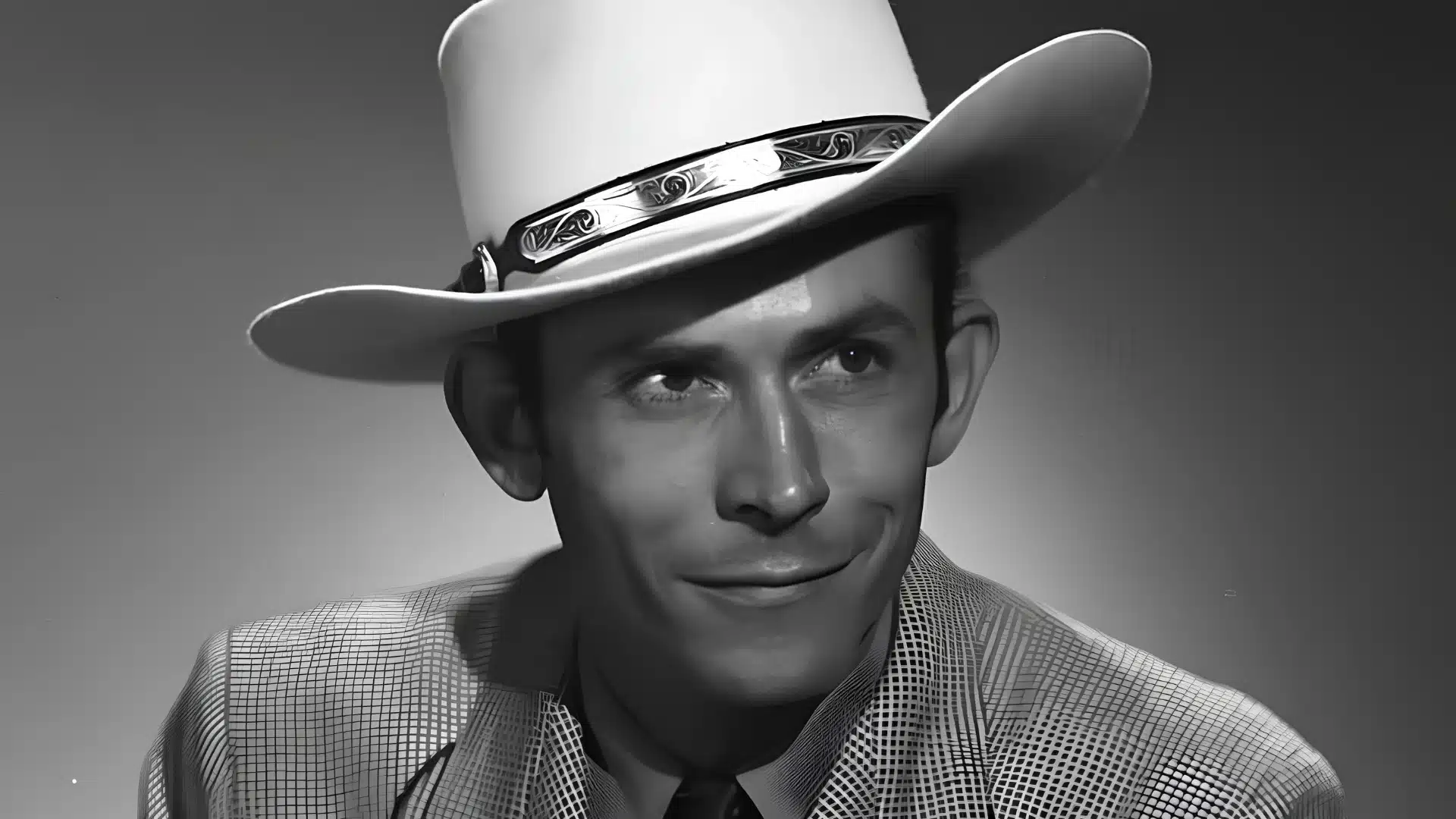
Hank Williams, a name that would have brought any country music lover to their feet in the 20th century. But how did that pathway to stardom end on the back seat of a Cadillac on New Year’s Day? How did Hank Williams die? And why is his death so mysterious even after 73 years of his untimely demise? Hank Williams: The Country Music Legend Hank Williams was born on September 17, 1923, in Butler, Alabama. The singer experienced financial hardship early in his life, as he grew up poor. But that didn’t kill the aspiring musician inside him. He taught himself guitar and started performing in his teens. And thanks to this dedication, by his mid-20s, he was one of the most recognized voices in America. “Your Cheatin’ Heart,” “Cold, Cold Heart,” and “I’m So Lonesome I Could Cry” weren’t just hits; they were songs that made people relate to his voice. That’s why they loved him. He sang what they felt. But that remarkable career ended so mysteriously that it still makes the conspiracy theory lovers scratch their heads. How Did Hank Williams Die? Image Credits: uDiscover Music It was New Year’s Day, 1953. Hank Williams was supposed to be on stage in Canton, Ohio. Instead, he never made it. He had climbed into the back seat of his powder-blue Cadillac sometime the night before. His driver, Charles Carr, was behind the wheel, heading through the cold winter roads. And somewhere along the way, Hank supposedly died. Carr found him in rigor mortis at the gas station stop. Meaning Hank Williams died way earlier and was already in a cold state. Official reports pointed to acute right ventricular dilation (heart failure) as the cause. But Hank had a long history of back pain and heavy drinking. And to add to that, there were some eerie details from his last 24 hours. Those details made people wonder, was it really that simple? What year did Hank Williams Die? Hank Williams died in the year 1953. He was only 29 years old. What Happened in Hank Williams’ Last 24 Hours? The facts surrounding Hank’s last day alive are what make his death so mysterious. A sick man was given injectionsin Knoxville at the hotel, loaded into a car overnight, and found dead by morning. That does not sound like a natural death story. It’s full of gaps and eyebrow-raising details. 1. The Doctor’s Visit Before leaving, a doctor reportedly gave Hank two injections of morphine and vitamin B12. Reports from people around him said he looked pale before the trip. Additionally, Hank had taken chloral hydrate (a heart depressant) for 9 days prior. This created a lethal combination with the morphine. The chloral hydrate was prescribed by Dr. Toby Marshall, who had a FAKE medical diploma. 2. A Long Night on the Road A young driver named Charles Carr, just 18 years old, was hired to chauffeur Hank through the night. The two made stops along the way. At one point, Hank was helped out of the car. Witnesses recalled he seemed barely conscious, almost limp on his feet. At a stop in Knoxville, Tennessee, two hotel porters reportedly helped carry Hank to his room. He appeared so out of it that people around him grew visibly concerned. Finally, after some time, Carr discovered Hank was dead at the gas station stop in Oak Hill, meaning Hank had died between 11 PM December 31 and 3 AM January 1. Official Cause of Death vs. Public Speculation The official finding was direct: Hank Williams died of heart failure. And given his history of years of heavy drinking, a weakening body, and drug use (morphine + chloral hydrate), that made sense. His physical decline in the years before his death was visible to anyone around him. But public speculation believed in a different reality. People started asking hard questions. Morphine injections were given just hours before he died; medical records from that night were incomplete. Witnesses told different stories. And unlike today, there was no thorough autopsy investigation to settle the debate. The gaps in the record left just enough room for doubt to grow. Inside Internet Archive: Theories Surrounding Hank Williams’ Death The strange details surrounding Hank’s final hours give an eyebrow-raising angle in speculating how did Hank Sr die. Over the years, fans, researchers, and writers have pieced together conflicting accounts and reached their own conclusions. Theory 1: Natural Causes Many people believed that Hank’s stressful life, combined with constant exhaustion from touring and years of substance abuse, caused him to simply give out. Theory 2: Medication Overdose Some theorize the morphine injections given before the trip were too much for his weakened body. A possible interaction with alcohol and chloral hydratemay have made things far worse. Theory 3: Medical Negligence Many have questioned the doctor with a fake diploma who gave those injections. Others argue Hank should never have been cleared to travel at all, given how sick he clearly was. Theory 4: Confusion and Contradictory Reports Witnesses gave different versions of that night. Key details were missing or never recorded properly. Those gaps fed rumors for decades and kept the questions alive. Final Thoughts So, how did Hank Williams die? Well, officially, it’s heart failure caused by drugs and alcohol. But the unanswered questions, the missing records, and the conflicting stories have kept the mystery alive for over 70 years. But what requires no proof is the mark he has left on country music. The theories might be open to interpretation, but the legacy he left behind will always outlive them all. Frequently Asked Questions (FAQs) 1. Did Hank Williams Have an Illegitimate Child? Yes. Hank Williams fathered an illegitimate daughter named Jett Williams. 2. Was Hank Williams an Alcoholic? Yes. Hank struggled with alcohol for most of his adult life. It affected his health, his relationships, and his career significantly in his final years. 3. Who Gets Hank Williams Royalties? Hank Williams’ royalties are split between his two children: Hank Williams Jr. and Jett Williams.