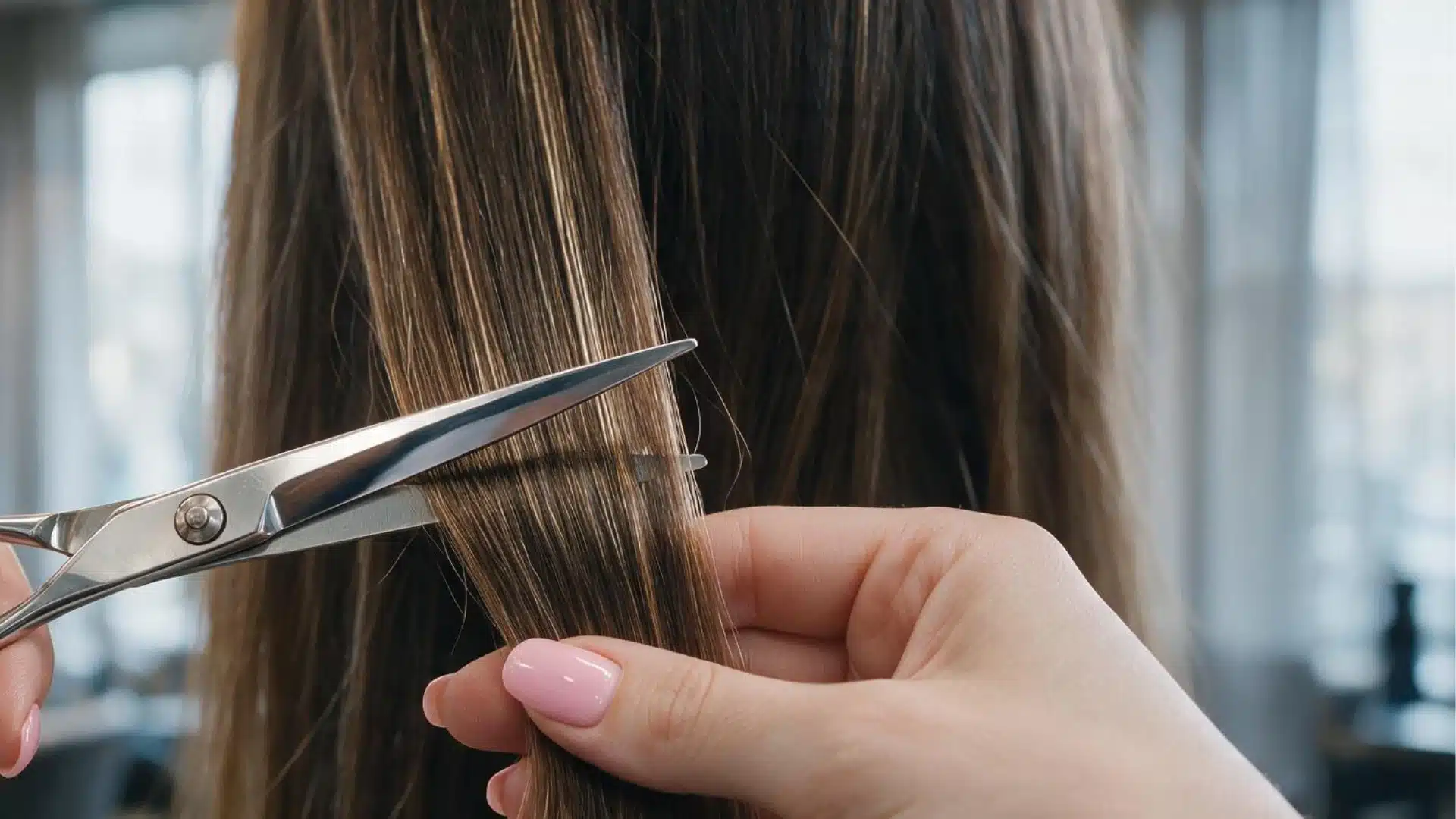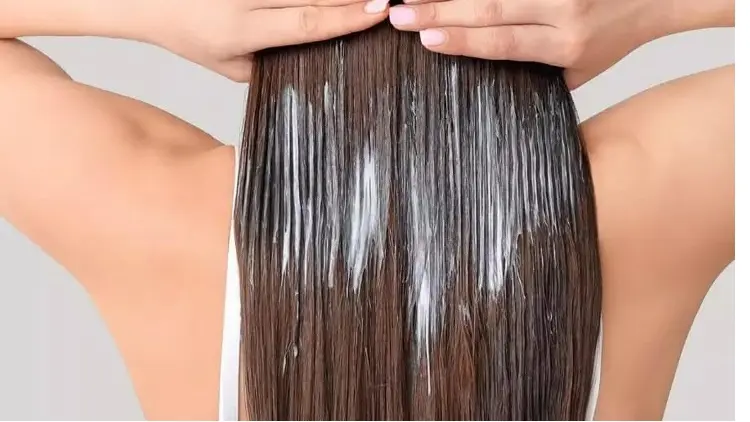
At some point, we have all wondered how to use leave-in conditioner. Most people own leave-in conditioners, but very few use them correctly. Use too much leave-in conditioner, and your hair becomes flat and greasy by midday; use too little, and it will have no effect whatsoever. So, let’s learn how to use leave-in conditioner and get that smooth hair.
Most Popular
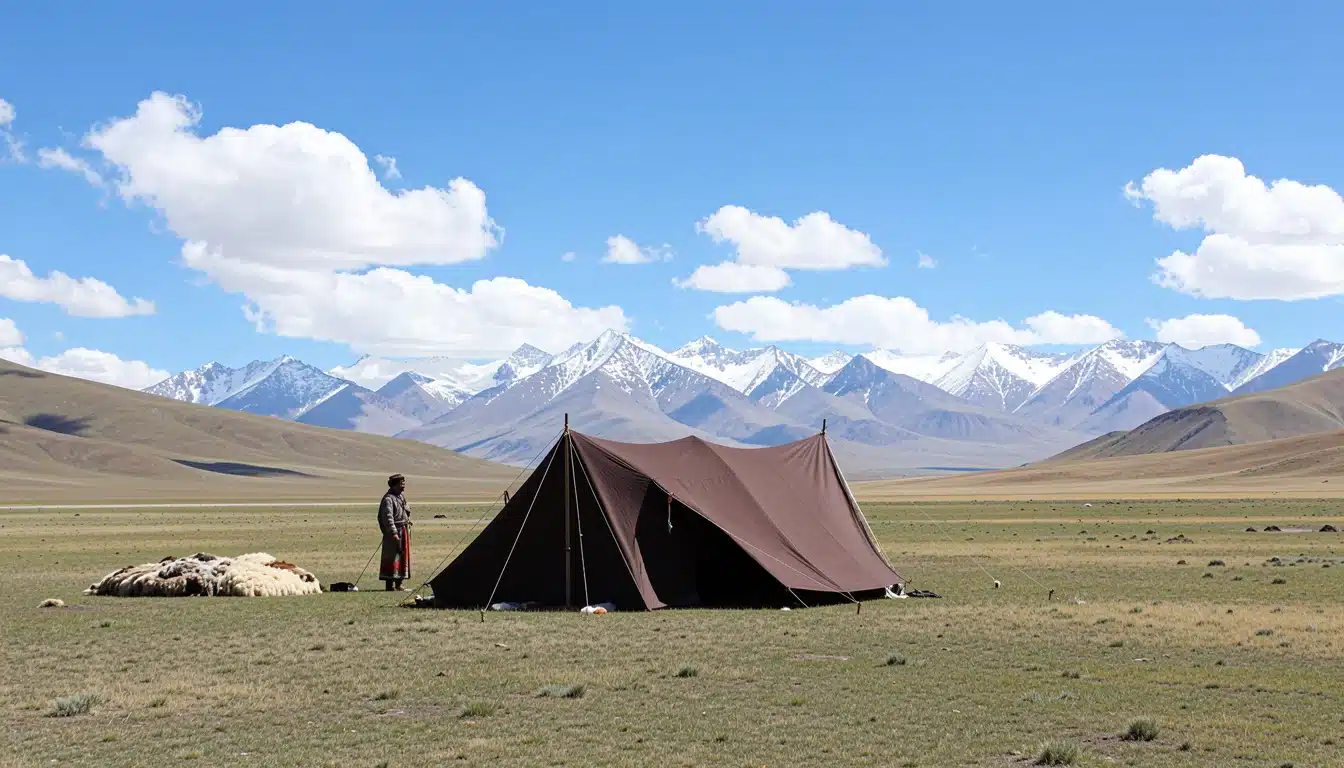
Some people wake up in a new city every few weeks and call it home for a while. Others never leave their hometown but still wonder what a nomad is and whether the word fits their own restless streak. The idea sounds simple, yet it covers dozens of different ways to live, work, and get from one place to the next. Freedom shows up a lot in these stories, but so do money worries, loneliness, and long nights figuring out visas or Wi-Fi. Real stories, honest pros and cons, and steps for actually pulling this off make up what comes next. What is a Nomad? A nomad lives without one fixed address, moving from place to place instead of settling down for good. That flexibility sits at the center of the entire lifestyle. Long before laptops and Wi-Fi passwords, whole communities lived this way out of necessity, following water, food, and grazing land for their animals. Groups like the Bedouin built an identity around movement, treating it as a resource rather than a burden. Modern versions look different on the surface but share the same instinct. A remote worker with a laptop carries forward what herders once practiced: staying mobile on purpose. The upside is real freedom and constant change. The downside includes shaky income, distance from family, and the daily hunt for stable internet. Neither version is easy, and neither fits everybody. The Many Faces of Nomadic Life Nomadic living never followed just one script, and it still doesn’t today. Tribes, remote workers, and long-term travelers all answer the same restless pull in completely different ways. Traditional and Tribal Nomads Long before remote work existed, entire tribes moved by necessity rather than choice. Bedouin communities crossed deserts following water and grazing land for their herds. Mobility wasn’t a lifestyle trend; it was survival, woven into family structure, trade, and even religious tradition passed down for generations. Digital Nomads and Remote Workers A newer wave swapped camels for laptops and deserts for coworking spaces. These workers stay connected online while changing locations every few weeks or months. Some stick to one country, while others cross borders constantly. Backpackers, Expats, and In-Between Travelers Plenty of long-term travelers don’t fit neatly into either category above. A backpacker might start with a short trip and never quite go home. Others settle into one foreign city for years, building a life abroad without ever calling themselves permanent residents there. Retired Nomads Some people wait until retirement to start this lifestyle, often after decades of planning around a pension or savings. A steady income back home removes the pressure to work while traveling. Half-and-Half or Seasonal Nomads Others split the year in two, working a seasonal job like ski instruction or hospitality, then traveling once the season ends. This pattern offers steady income for part of the year and full freedom for the rest. House-Sitting and Volunteer Nomads A smaller group trades labor or property care for free housing, using platforms built for pet-sitting or farm work in exchange for a place to stay. This route lowers the cost of entry significantly, though it demands more flexibility and less independence than paid travel. What is a Nomadic Lifestyle? The theory behind nomads sounds simple enough on paper. Living it day to day is a different story entirely, and the gap between the two catches plenty of people off guard. How Nomads Choose Where to Live? Cost of living usually decides the first move, since a weak paycheck stretches further in some countries than others. Visa rules matter too, since certain places welcome remote workers with open-ended stays while others cap visits at thirty days. A Typical Day in A Nomad’s Life A morning might start with checking a laptop battery before checking anything else. Work hours get squeezed between errands, unfamiliar bus routes, and the search for a café that won’t kick anyone out for overstaying a coffee. Some evenings bring a shared meal with other travelers. Other nights are just quiet, alone, and a little dull. None of it looks like an endless vacation once bills and deadlines show up on schedule anyway. Nonstop travel wears a person down fast, no matter how polished the photos look from the outside. Pros and Cons of Nomadic Life Every upside in this lifestyle tends to carry a matching downside somewhere close behind. Weighing both sides honestly matters more than chasing the highlight reel alone. Pros Cons Freedom to choose where and how each day unfolds Loneliness that creeps in faster than expected Constant new scenery and fresh experiences Unstable or unpredictable income Boredom rarely settles in for long Missing family events and milestones back home Lower cost of living in many regions Rising travel costs from visas and last-minute flights Freedom from clutter and unnecessary belongings Complicated or costly health coverage abroad Flexible work hours and career independence Unreliable Wi-Fi that sometimes costs more than rent Real Stories From the Road One traveler spent time living alongside herding families in Mongolia, moving with them across wide stretches of open steppe. Life there ran on the rhythm of livestock and seasons rather than calendars or contracts. Motorbikes and solar panels have crept into daily routines by now, yet the core stays the same: movement as identity, not inconvenience. Another traveler left home for what was meant to be a short teaching stint abroad and never quite settled back into old routines. Years passed without a clear label for that kind of life, until a chance meeting with fellow long-term travelers finally put language to the experience. Neither path started with a five-year plan or a tidy explanation. Both stories point to the same quiet truth: this lifestyle rarely gets chosen all at once. It tends to happen gradually, one extended trip at a time. Why People Choose This Lifestyle? Reasons for leaving a fixed address rarely come down to just one thing. They tend to stack up slowly until staying put stops making sense. 1. Freedom and Flexibility Waking up without a fixed schedule pulls plenty of people toward this kind of life. Choosing where to sleep, work, and eat without asking permission carries real weight. 2. New Cultures and New Connections Unfamiliar places force fast adaptation, whether that means new customs or a few words of another language. Friendships form quickly on the road and often stick for years. 3. Simpler Living, Fewer Things Carrying life in a suitcase forces hard choices about what actually matters. Owning less often brings unexpected relief rather than loss. 4. Remote Work and Career Freedom A steady internet connection now replaces the office for a growing number of workers. That kind of career flexibility barely existed a generation ago. Is This Lifestyle Right for You? Not everyone thrives without a fixed address, and that has nothing to do with courage. People who enjoy this life tend to handle uncertainty well and feel comfortable in unfamiliar surroundings rather than stressed by them. Someone who values routine or needs a stable social circle nearby might find this lifestyle draining rather than freeing. Neither type is wrong. A few honest questions help clarify things: Is there a way to earn income without being tied to one location? Can a few months of expenses sit in savings as a buffer? Straightforward answers here reveal more than any amount of planning ever could. Become a Modern Nomad Turning this lifestyle from an idea into reality takes more planning than most travel does. A few clear steps make the shift less overwhelming. Build an Income You Can Take Anywhere Freelancing, remote employment, or a small online business all work, as long as a laptop and Wi-Fi are enough to get paid. Plan Your Budget and Must-HavesHealth insurance and an emergency fund come first, before flights or gear get booked. Costs shift a lot by country, so a rough monthly budget helps avoid surprises. Start Slow, Then Go FurtherA short trial trip, even just a few weeks somewhere new, tends to answer questions no amount of research can. Jumping straight into a year abroad without testing one month first often backfires. Join a Nomad Community Before You LeaveOnline groups and forums connect people already living this way, long before a flight gets booked. Conclusion Herding families in Mongolia and remote workers logging into video calls from a rented room share more in common than it first seems. Both point to the same core idea behind what it means to be a nomad: choosing movement over a fixed address, on purpose. Fitting into this lifestyle comes down to personality and timing more than bravery. Anyone still turning the idea over now has real stories, honest trade-offs, and a clear starting point instead of just a passing thought. Frequently Asked Questions 1. Do Nomads Need to Pay Taxes in The Country They Are Traveling In? Usually not, unless a stay crosses that country’s tax residency threshold. 2. Can Someone Live a Nomadic Lifestyle with Children? Yes, though schooling and stability needs usually call for slower, longer stays. 3. Is It Safe to Travel Alone as A Nomad? Safety varies by destination, so research and local connections matter most. 4. What Happens to Mail and Official Paperwork without A Permanent Address? Many nomads use a virtual mailbox or a trusted family member’s address. 5. Do Nomads Need a Special Visa to Work Remotely from Another Country? Some countries require a digital nomad visa; others only allow unpaid tourist stays.
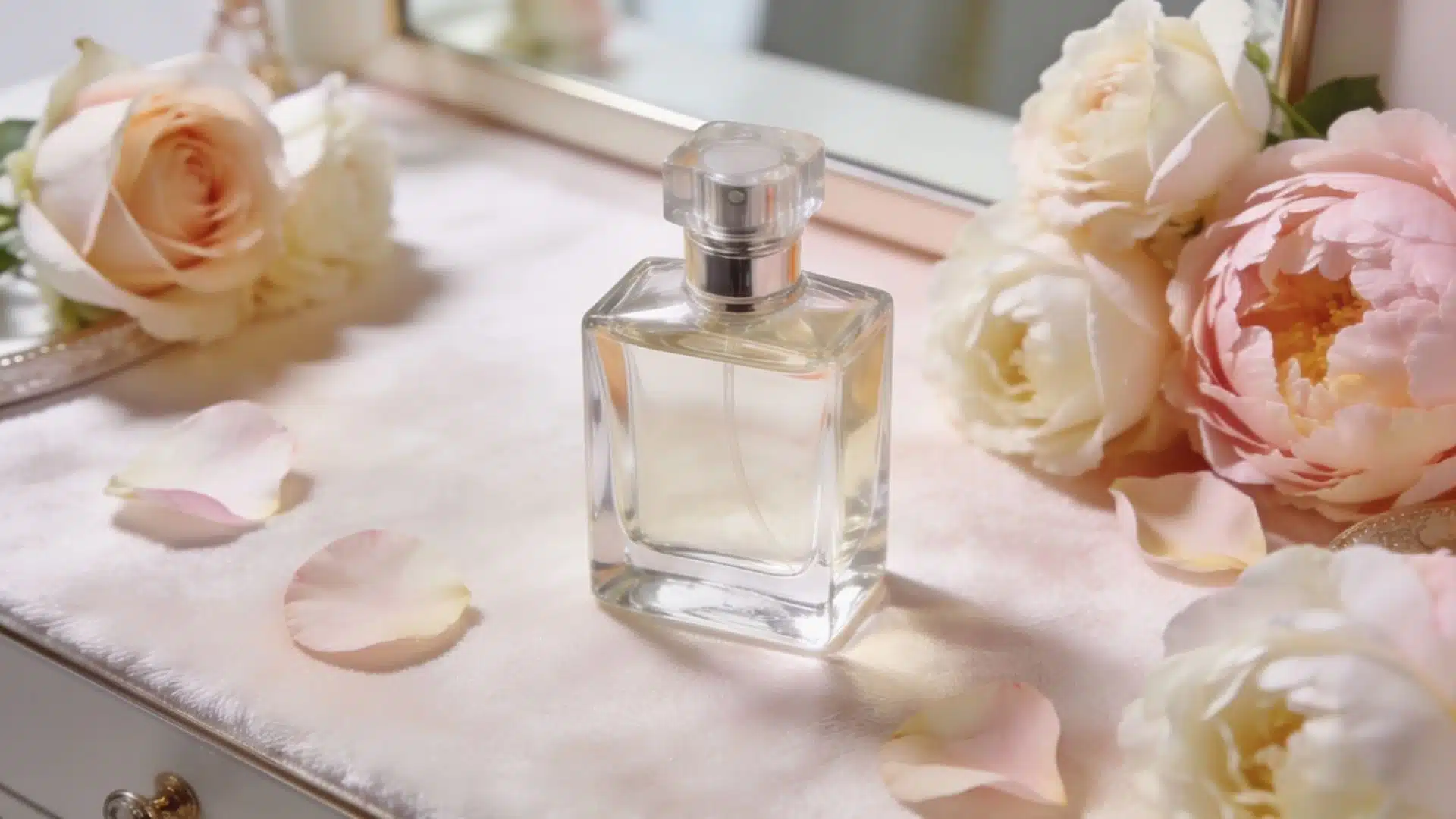
Perfume shopping can feel confusing, since there are so many labels and names in the market. Eau de toilette shows up on every bottle. And it simply indicates how much fragrance oil is in the mix. Eau de toilette is lighter than the perfume, and it fades a bit faster. That makes it great for daily wear and warmer days. The price often sits lower, too, and many shoppers appreciate that. Plenty of people reach for it without knowing the reason behind the name. This manual will break down what eau de toilette means and everything you need to know. What Does Eau De Toilette Mean? Eau de toilette carries a story in its name. The words are French, and they roughly mean “grooming water.” Back in the day, people kept a scented water on the dressing table, or “toilette,” and splashed it on while getting ready. It marked the finish of a wash-up routine. The custom spread across Europe over the years and stuck around. Today the name still points to a gentle scent worn close to the skin, meant for regular, feel-fresh moments. Features Eau de toilette Meaning “Grooming water” in French Fragrance oil Around 5 to 15 percent Rest of the mix Mostly alcohol and water Scent strength Light and fresh How long does it last Roughly 2 to 4 hours Best for Daily wear, work, warm days What Does EDT Mean in Perfume? EDT is just short for eau de toilette. You will spot it on bottles, boxes, and price tags, often printed in small letters near the name. Brands use it as a quick label so shoppers can tell one strength from another at a glance. So when you see “EDT” on a scent you like, it points to the lighter version of that fragrance. The letters signal a scent with a smaller share of oil, around 5 to 15 percent. That lower amount shapes how the fragrance behaves on your skin. It stays soft, feels fresh, and works well for regular days. In short, EDT means an easy, everyday scent. How to Apply Eau De Toilette the Right Way? Using eau de toilette The right way takes just a few simple steps and makes it even more long-lasting 1. Start With Clean, Moist Skin Fragrance clings best to skin that’s dry and lightly moisturized. Dry off fully after a shower, then smooth on an unscented lotion before you spray. Wet skin can water the scent down, while lotion gives the oils something to hold onto. 2. Aim For Your Pulse Points Focus your sprays on pulse points like the wrists, neck, behind the ears, inner elbows, or behind the knees. These warm spots give off gentle heat all day. That warmth helps the scent lift off your skin and spread softly around you. 3. Use The Right Amount Eau de toilette is a lighter fragrance, so 3 to 5 sprays are usually enough for a balanced scent. Hold the bottle about 4 to 6 inches away from your skin when applying. Avoid using too much, as an overpowering fragrance can bother you and those around you. 4. Spray, Don’t Rub Resist the urge to rub your wrists together after spraying. That motion crushes the scent molecules and speeds up the fading. Let the fragrance dry naturally on your skin. Give it a moment to settle, allowing the scent to develop smoothly and wear evenly throughout the day. 5. Store it Well Keep your eau de toilette away from the bathroom, where steam, humidity, and changing temperatures can affect its scent. Instead, store the bottle in a cool, dark place, away from direct sunlight and heat. Proper storage helps preserve the fragrance’s freshness, quality, and character for years. Difference Between Eau De Toilette and Eau De Parfum Eau de toilette and eau de parfum look alike on the shelf, but they differ in a few key ways. Features Eau de toilette Eau de parfum Fragrance oil Around 5 to 15 percent Around 15 to 20 percent Scent strength Light and fresh Richer and fuller How long does it last Roughly 2 to 4 hours Roughly 6 to 8 hours Projection Stays close to the skin Spreads a bit more Best for Daily wear, work days Evenings, special events Price Usually cheaper Usually costs more The gap really comes down to oil. Eau de parfum packs more of it, so the scent lasts longer and lingers for hours. Eau de toilette keeps things light, which makes it easy to wear all day without much fuss. One is not better than the other. It just depends on what the moment calls for. A quiet workday leans toward eau de toilette, while a night out fits eau de parfum well. Bottom Line Eau de toilette is simply a lighter scent, built on a smaller share of oil. It smells clean, sits gently, and asks for a quick refresh now and then. That easy balance is the whole point. You get an easy, wallet-friendly scent for regular days, without the heavier commitment of a full perfume. So the next time a bottle reads “eau de toilette,” the choice feels clear. Are you ready to find one that fits you? Then go and take a sniff of a few, and let personal taste lead the way. Frequently Asked Questions (FAQs) 1. Is Eau De Toilette for Men or Women? It works for both. Eau de toilette is a concentration level, not a gender, so it covers men’s and women’s scents alike. 2. How Long Does Eau De Toilette Last? It usually lasts for about 2 to 4 hours on the skin. A quick spray midday brings it back. 3. Is Eau De Toilette Better for Daily Use? Yes, its light scent suits work and warm days. It smells pleasant without taking over the room. 4. What is the 3:1:1 Rule for Perfume? This is a TSA travel rule: each liquid must be 3.4 ounces or less, all in one quart-sized bag, one bag per person.
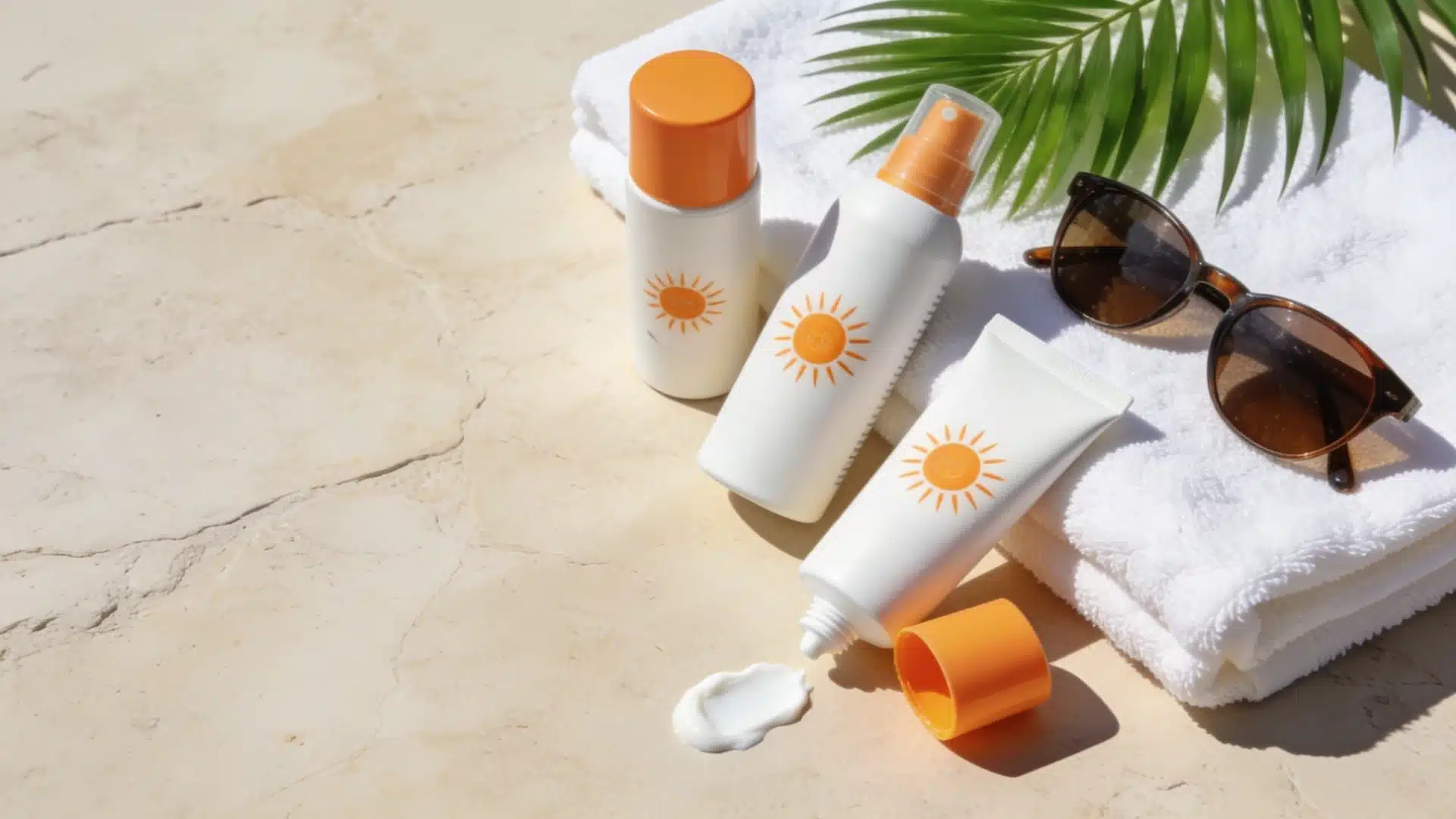
Ever put on sunscreen and end up looking like a ghost in every photo? Most people want real protection, not a chalky white face or clogged pores. This post breaks down the best mineral sunscreen picks for every skin type, based on real feedback, ingredients, and everyday feel. What is Mineral Sunscreen? Mineral sunscreen blocks the sun’s rays. Zinc oxide and titanium dioxide sit on top of your skin and reflect sunlight away. It works the moment you apply it, so there’s no waiting around. The FDA classifies both of these minerals as safe and effective, which is why dermatologists often recommend them first. This type of sunscreen has been used for decades, long before newer chemical filters entered the market. Ingredients to Look For Knowing what’s in the bottle helps you pick a formula that actually works for your skin. Zinc Oxide Zinc oxide blocks both UVA and UVB rays. It also calms irritated skin, making it a strong pick for sensitive types. Titanium Dioxide Titanium dioxide blocks UV rays but works best against UVB. It feels lighter on the skin, though it offers less coverage on its own. Reef-Safe Ingredients Reef-safe sunscreens skip chemicals like oxybenzone and octinoxate. Mineral formulas are usually reef-safe by nature, but always check the label. Helpful Skincare Ingredients Many mineral sunscreens add antioxidants, hyaluronic acid, or squalane. These extras hydrate the skin and fight free-radical damage. What to Avoid if You Have Sensitive Skin Skip fragrance, alcohol, and synthetic dyes, since they often trigger redness. Choose non-nano zinc formulas for a gentler feel. Best Mineral Sunscreen Picks Every skin type needs a different kind of protection. Here are seven picks worth trying, based on real reviews and testing. 1. Best Overall Mineral Sunscreen La Roche-Posay Anthelios Mineral SPF 50 checks almost every box, offering broad-spectrum protection with a light, non-greasy feel that holds up in water for 80 minutes. It’s best for anyone who wants strong protection without a heavy feel. Reviewers say it mattifies oily patches without feeling sticky and layers well under makeup. Pros include broad-spectrum coverage and a fit for most skin types. Cons are the higher price and a texture that may feel too light for very dry skin. 2. Best for Sensitive Skin Blue Lizard Sheer Face Mineral SPF 50 Sunscreen Lotion skips fragrances and chemical filters completely, relying only on mineral actives. It’s best for people prone to redness, stinging, or breakouts from sunscreen. This sunscreen doesn’t sting, even with heavy sweat. Pros are its fragrance-free formula and reef-safe ingredients. Cons include a thicker feel upon application and limited shade options. 3. Best for Oily and Acne-Prone Skin This sunscreen dries down matte and won’t add shine or clog pores. Australian Gold Botanical Mineral Lotion SPF 50 is best for anyone who wants shine control along with sun protection. It glides on smoothly and skips the white cast. Pros are its oil-free, matte finish at a budget-friendly price. Cons are the botanical scent and the need for reapplication after heavy sweating. 4. Best for Dry Skin This formula adds squalane for extra hydration, leaving skin moisturized instead of tight or flaky. Biossance Squalane + Zinc Sheer Mineral Sunscreen SPF 30 is best for dry or flaky skin that needs both sun protection and hydration. Pros include its hydrating formula and use as a makeup primer. Cons are the smaller bottle size and higher price. 5. Best Budget Mineral Sunscreen This sunscreen offers solid protection at a fair price and is easy to find at most retailers. It’s best for families or anyone who wants effective protection without overspending. Thinkbaby Sunscreen SPF 50, light citrus scent, makes it easier to apply to kids. Pros are its affordability and kid-friendly scent. Cons include separation in the tube over time and the need for more frequent reapplication. 6. Best Tinted Mineral Sunscreen Credits: Amazon Physical Fusion UV Defense SPF 50 adapts to different skin tones and skips the ashy or gray cast common in tinted formulas. It’s best for anyone who wants to skip foundation while staying protected. Pros are its universal tint and smooth makeup layering. Cons are the higher price for the size and limited water resistance. 7. Best Water-Resistant Mineral Sunscreen EltaMD UV Sport Sunscreen Lotion SPF 50 is built for sweat and swimming; this sunscreen holds up for 80 minutes in water and skips fragrances and oils. It’s best for swimmers, athletes, or anyone who spends long hours outdoors. Pros include long water resistance and high zinc oxide content. Cons are a heavier feel and a higher price point. Mineral vs Chemical Sunscreen: Overview Point Mineral sunscreen Chemical sunscreen How it works Sits on the skin and reflects UV rays Absorbs into the skin and converts UV rays to heat Best for Sensitive skin A lighter, more invisible feel Finish Can leave a slight white cast Blends in more clearly Texture Often thicker on application Usually lighter and more fluid Key ingredients Zinc oxide, titanium dioxide Avobenzone, octinoxate, oxybenzone Reef safety Generally reef-safe Some ingredients linked to reef damage What People Actually Say About Mineral Sunscreen? Reviews and community feedback reveal patterns that spec sheets often miss. The White Cast Complaint (and Which Picks Avoid It) White cast is the most common complaint about mineral sunscreen. Many users say it makes their skin look pale or gray in photos. Formulas like Physical Fusion UV Defense and Biossance Squalane + Zinc get praised for skipping this issue. Tinted options tend to solve the problem best for darker skin tones. Feel, Finish, and Makeup Compatibility Users often highlight how a sunscreen feels under makeup. Lightweight, matte, or dewy finishes get the most positive mentions. Many reviewers say a good mineral sunscreen doubles as a primer. Products like La Roche-Posay and Australian Gold get called out for not feeling greasy or tacky. Common Frustrations: Pilling, Flashback in Photos, Tightness Pilling happens when sunscreen balls up under makeup or other products. Some users also notice a flashback, a pale glow in flash photos. Dry skin types often mention tightness after a few hours. Thinner formulas and hydrating ingredients tend to reduce these issues. To Wrap Up Mineral sunscreen doesn’t have to mean a chalky finish or a heavy feel. Whether your priority is sensitive skin, oil control, hydration, or water resistance, there’s a formula built for it. The seven picks above cover a range of skin types and budgets, all backed by real ingredients and user feedback. In the end, the best sunscreen isn’t the most expensive or the most talked-about one. It’s the one you’ll actually reach for every single day. Frequently Asked Questions (FAQs) 1. Does Mineral Sunscreen Expire? Yes, most last two to three years. Check the bottle’s expiration date before use. 2. Can You Wear Mineral Sunscreen Under Makeup? Yes, it works well as a base layer. Let it settle before applying makeup. 3. Is Mineral Sunscreen Safe for Pregnant Women? Yes, Dermatologists Often Recommend It. It sits on the skin instead of Absorbing Into It. 4. Why Does Mineral Sunscreen Sometimes Feel Sticky? Too Much Product Causes Stickiness. Try a Thinner Layer or A Lighter Lotion Formula. 5. Can Mineral Sunscreen Stain Clothing? Yes, especially tinted formulas. Let it fully absorb before dressing to avoid stains.