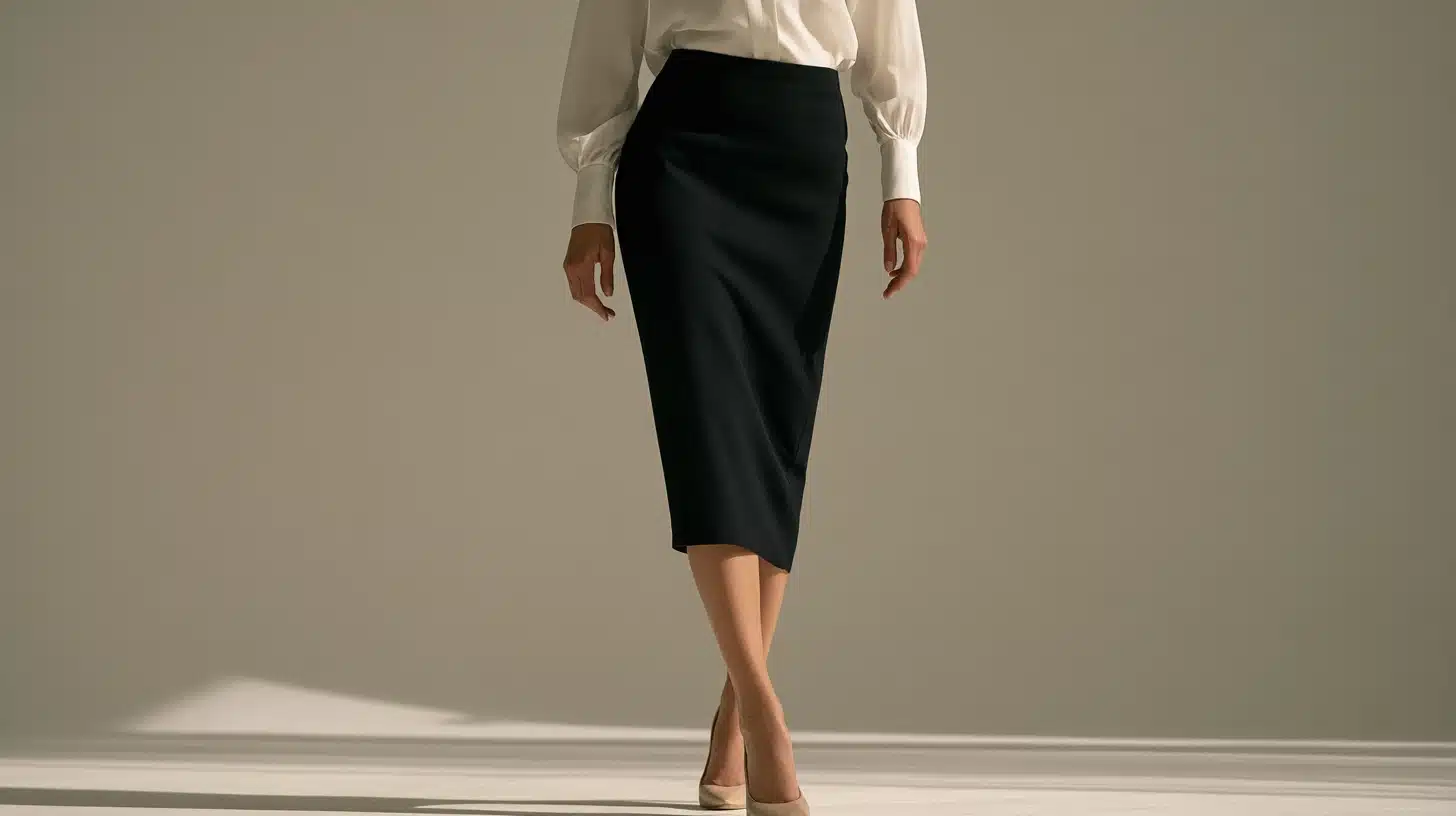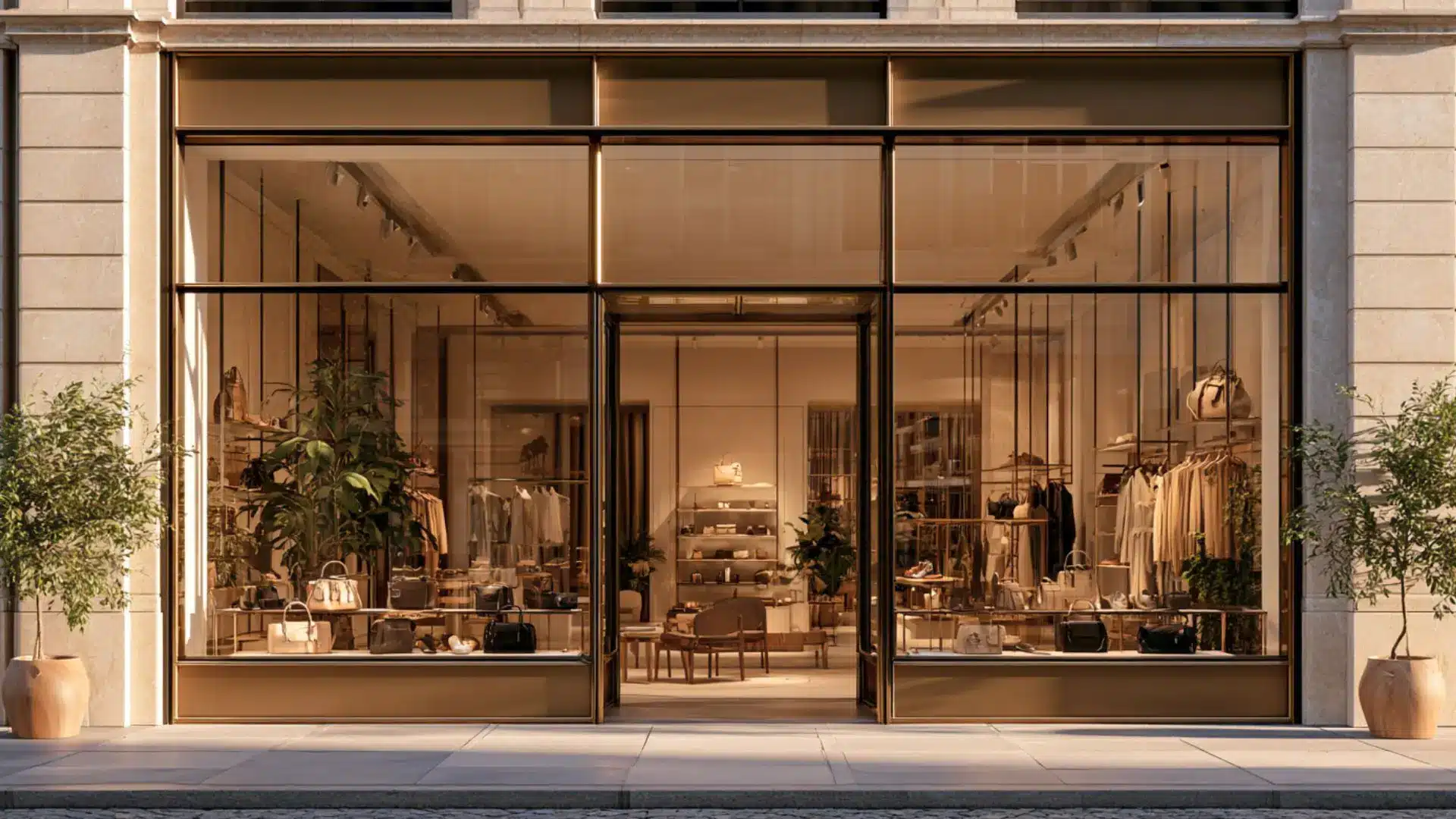
A shopping spree, and then you bump into a luxury store, and that’s a little heartbreaking! But you don’t need a huge budget to own luxury pieces. Yes, some luxury brands are affordable and worth buying. They give you strong materials and good design at a fair price. Many of these brands use the same factories or fabric sources as
Most Popular
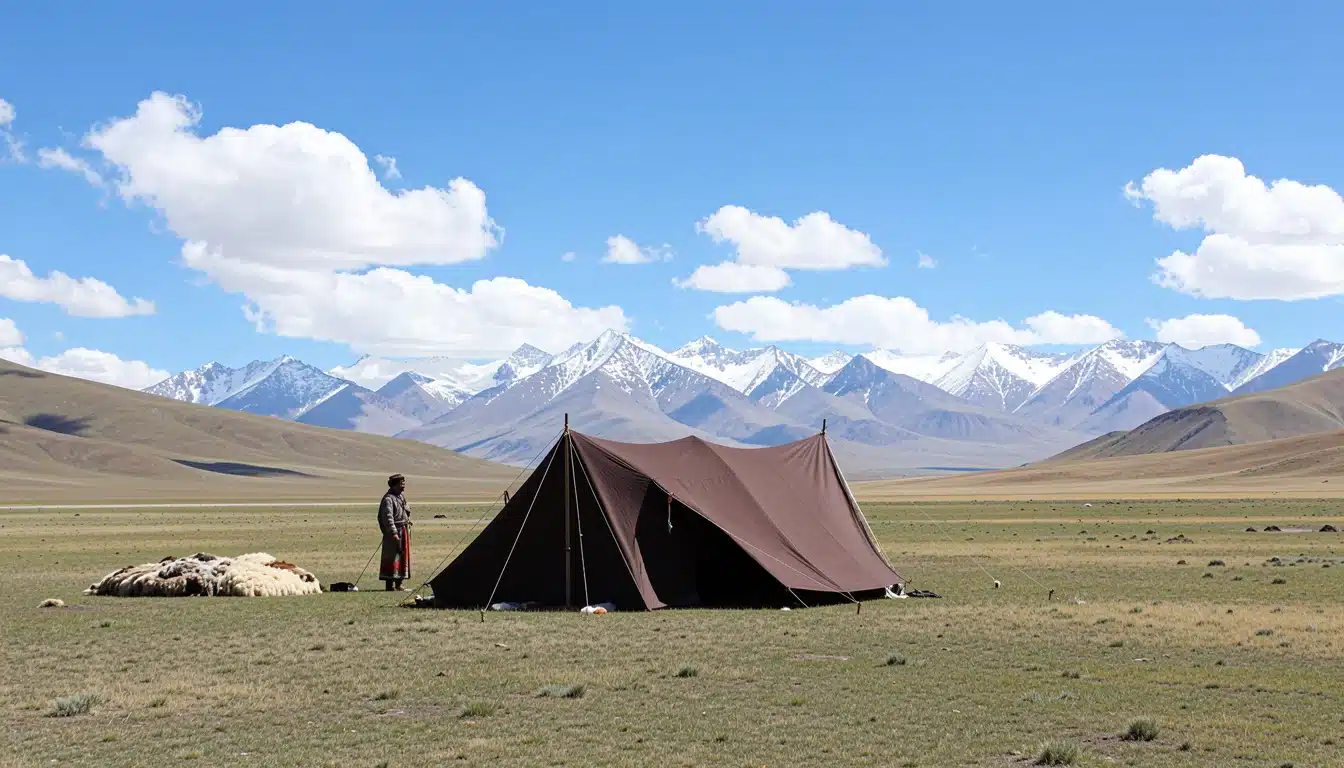
Some people wake up in a new city every few weeks and call it home for a while. Others never leave their hometown but still wonder what a nomad is and whether the word fits their own restless streak. The idea sounds simple, yet it covers dozens of different ways to live, work, and get from one place to the next. Freedom shows up a lot in these stories, but so do money worries, loneliness, and long nights figuring out visas or Wi-Fi. Real stories, honest pros and cons, and steps for actually pulling this off make up what comes next. What is a Nomad? A nomad lives without one fixed address, moving from place to place instead of settling down for good. That flexibility sits at the center of the entire lifestyle. Long before laptops and Wi-Fi passwords, whole communities lived this way out of necessity, following water, food, and grazing land for their animals. Groups like the Bedouin built an identity around movement, treating it as a resource rather than a burden. Modern versions look different on the surface but share the same instinct. A remote worker with a laptop carries forward what herders once practiced: staying mobile on purpose. The upside is real freedom and constant change. The downside includes shaky income, distance from family, and the daily hunt for stable internet. Neither version is easy, and neither fits everybody. The Many Faces of Nomadic Life Nomadic living never followed just one script, and it still doesn’t today. Tribes, remote workers, and long-term travelers all answer the same restless pull in completely different ways. Traditional and Tribal Nomads Long before remote work existed, entire tribes moved by necessity rather than choice. Bedouin communities crossed deserts following water and grazing land for their herds. Mobility wasn’t a lifestyle trend; it was survival, woven into family structure, trade, and even religious tradition passed down for generations. Digital Nomads and Remote Workers A newer wave swapped camels for laptops and deserts for coworking spaces. These workers stay connected online while changing locations every few weeks or months. Some stick to one country, while others cross borders constantly. Backpackers, Expats, and In-Between Travelers Plenty of long-term travelers don’t fit neatly into either category above. A backpacker might start with a short trip and never quite go home. Others settle into one foreign city for years, building a life abroad without ever calling themselves permanent residents there. Retired Nomads Some people wait until retirement to start this lifestyle, often after decades of planning around a pension or savings. A steady income back home removes the pressure to work while traveling. Half-and-Half or Seasonal Nomads Others split the year in two, working a seasonal job like ski instruction or hospitality, then traveling once the season ends. This pattern offers steady income for part of the year and full freedom for the rest. House-Sitting and Volunteer Nomads A smaller group trades labor or property care for free housing, using platforms built for pet-sitting or farm work in exchange for a place to stay. This route lowers the cost of entry significantly, though it demands more flexibility and less independence than paid travel. What is a Nomadic Lifestyle? The theory behind nomads sounds simple enough on paper. Living it day to day is a different story entirely, and the gap between the two catches plenty of people off guard. How Nomads Choose Where to Live? Cost of living usually decides the first move, since a weak paycheck stretches further in some countries than others. Visa rules matter too, since certain places welcome remote workers with open-ended stays while others cap visits at thirty days. A Typical Day in A Nomad’s Life A morning might start with checking a laptop battery before checking anything else. Work hours get squeezed between errands, unfamiliar bus routes, and the search for a café that won’t kick anyone out for overstaying a coffee. Some evenings bring a shared meal with other travelers. Other nights are just quiet, alone, and a little dull. None of it looks like an endless vacation once bills and deadlines show up on schedule anyway. Nonstop travel wears a person down fast, no matter how polished the photos look from the outside. Pros and Cons of Nomadic Life Every upside in this lifestyle tends to carry a matching downside somewhere close behind. Weighing both sides honestly matters more than chasing the highlight reel alone. Pros Cons Freedom to choose where and how each day unfolds Loneliness that creeps in faster than expected Constant new scenery and fresh experiences Unstable or unpredictable income Boredom rarely settles in for long Missing family events and milestones back home Lower cost of living in many regions Rising travel costs from visas and last-minute flights Freedom from clutter and unnecessary belongings Complicated or costly health coverage abroad Flexible work hours and career independence Unreliable Wi-Fi that sometimes costs more than rent Real Stories From the Road One traveler spent time living alongside herding families in Mongolia, moving with them across wide stretches of open steppe. Life there ran on the rhythm of livestock and seasons rather than calendars or contracts. Motorbikes and solar panels have crept into daily routines by now, yet the core stays the same: movement as identity, not inconvenience. Another traveler left home for what was meant to be a short teaching stint abroad and never quite settled back into old routines. Years passed without a clear label for that kind of life, until a chance meeting with fellow long-term travelers finally put language to the experience. Neither path started with a five-year plan or a tidy explanation. Both stories point to the same quiet truth: this lifestyle rarely gets chosen all at once. It tends to happen gradually, one extended trip at a time. Why People Choose This Lifestyle? Reasons for leaving a fixed address rarely come down to just one thing. They tend to stack up slowly until staying put stops making sense. 1. Freedom and Flexibility Waking up without a fixed schedule pulls plenty of people toward this kind of life. Choosing where to sleep, work, and eat without asking permission carries real weight. 2. New Cultures and New Connections Unfamiliar places force fast adaptation, whether that means new customs or a few words of another language. Friendships form quickly on the road and often stick for years. 3. Simpler Living, Fewer Things Carrying life in a suitcase forces hard choices about what actually matters. Owning less often brings unexpected relief rather than loss. 4. Remote Work and Career Freedom A steady internet connection now replaces the office for a growing number of workers. That kind of career flexibility barely existed a generation ago. Is This Lifestyle Right for You? Not everyone thrives without a fixed address, and that has nothing to do with courage. People who enjoy this life tend to handle uncertainty well and feel comfortable in unfamiliar surroundings rather than stressed by them. Someone who values routine or needs a stable social circle nearby might find this lifestyle draining rather than freeing. Neither type is wrong. A few honest questions help clarify things: Is there a way to earn income without being tied to one location? Can a few months of expenses sit in savings as a buffer? Straightforward answers here reveal more than any amount of planning ever could. Become a Modern Nomad Turning this lifestyle from an idea into reality takes more planning than most travel does. A few clear steps make the shift less overwhelming. Build an Income You Can Take Anywhere Freelancing, remote employment, or a small online business all work, as long as a laptop and Wi-Fi are enough to get paid. Plan Your Budget and Must-HavesHealth insurance and an emergency fund come first, before flights or gear get booked. Costs shift a lot by country, so a rough monthly budget helps avoid surprises. Start Slow, Then Go FurtherA short trial trip, even just a few weeks somewhere new, tends to answer questions no amount of research can. Jumping straight into a year abroad without testing one month first often backfires. Join a Nomad Community Before You LeaveOnline groups and forums connect people already living this way, long before a flight gets booked. Conclusion Herding families in Mongolia and remote workers logging into video calls from a rented room share more in common than it first seems. Both point to the same core idea behind what it means to be a nomad: choosing movement over a fixed address, on purpose. Fitting into this lifestyle comes down to personality and timing more than bravery. Anyone still turning the idea over now has real stories, honest trade-offs, and a clear starting point instead of just a passing thought. Frequently Asked Questions 1. Do Nomads Need to Pay Taxes in The Country They Are Traveling In? Usually not, unless a stay crosses that country’s tax residency threshold. 2. Can Someone Live a Nomadic Lifestyle with Children? Yes, though schooling and stability needs usually call for slower, longer stays. 3. Is It Safe to Travel Alone as A Nomad? Safety varies by destination, so research and local connections matter most. 4. What Happens to Mail and Official Paperwork without A Permanent Address? Many nomads use a virtual mailbox or a trusted family member’s address. 5. Do Nomads Need a Special Visa to Work Remotely from Another Country? Some countries require a digital nomad visa; others only allow unpaid tourist stays.
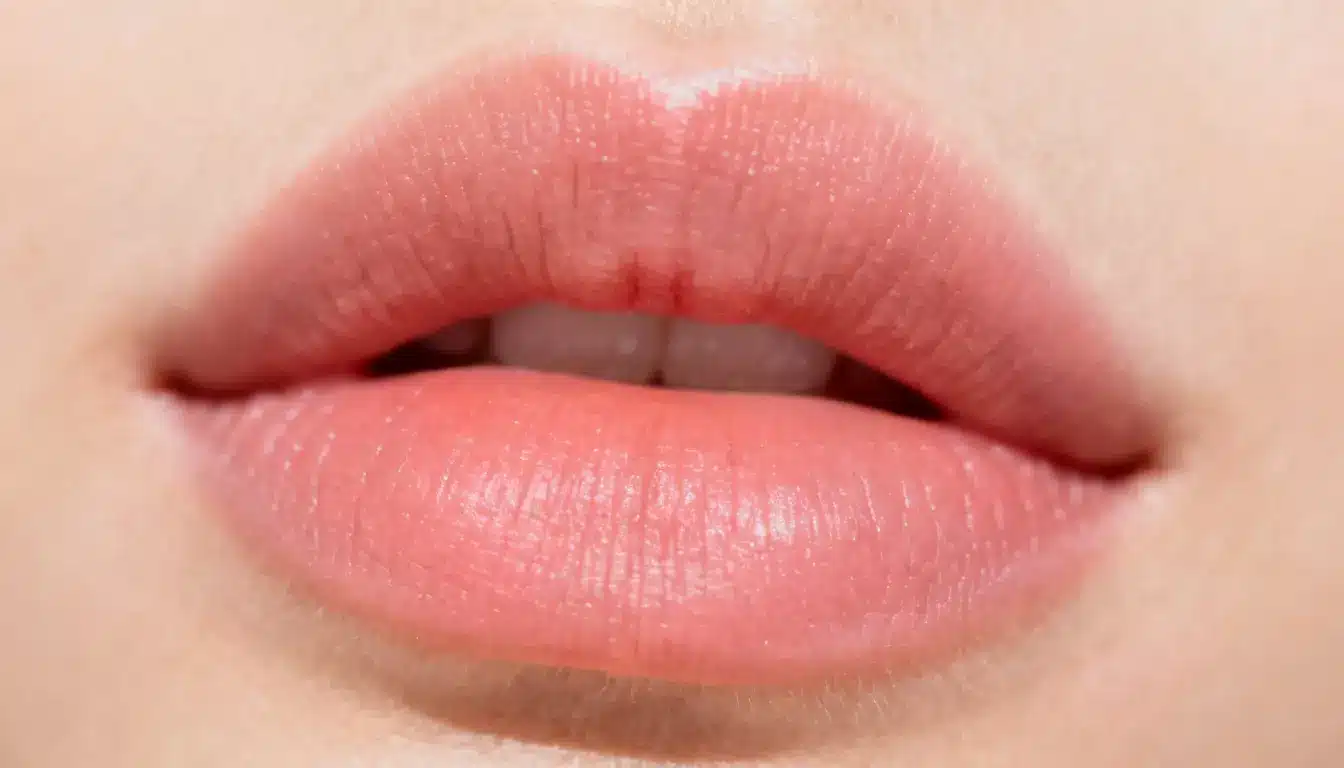
Full, rosy lips all day long with no touch-ups needed. Lip blush tattoo is the semi-permanent solution thousands are turning to for effortless color. It sounds too good to be true. But once someone sees lip-blushing before-and-after photos, the results speak for themselves. Here’s everything you need to know about lip blushing. What is a Lip Blush Tattoo? A lip blush tattoo is a semi-permanent cosmetic procedure that deposits pigment into the upper layers of the lips to enhance their natural color, shape, and fullness. Using a technique similar to microblading, a trained artist applies fine layers of color to even out tone, define the lip border, and create a soft, natural-looking flush. Results typically last one to three years, fading gradually, and the treatment is popular for reducing the need for daily lipstick application. How is it Done? Getting a lip tattoo is simpler than it sounds. Here’s exactly how the process works. Step 1: Consultation and Color Selection Before anything else, the artist sits down with the client. They talk about the desired lip shape, color tone, and overall look. Skin tone plays a big role in picking the right shade. This step sets the foundation for a great result that looks natural and suits the client’s face perfectly. Step 2: Numbing the Lips No one wants to sit through pain. A topical numbing cream is applied to the lips before the procedure begins. It usually takes about 20–30 minutes to take full effect. This makes the lip-blushing process much more comfortable. Most clients report feeling only light pressure or a mild scratching sensation during the session. People with certain skin conditions, allergies, or active cold sores may not be good candidates. A proper consultation with a certified artist is recommended. Step 3: Outlining the Lip Shape Once the lips are numb, the artist carefully maps out the lip shape. This step defines the borders and adds subtle symmetry. A good outline can make lips look fuller and more even. This is where the real transformation begins, and that is why choosing a skilled artist for the tattoo matters so much. Eating, drinking, and even sweating won’t affect the color. Once healed, a lip tattoo holds up well through all kinds of everyday situations. Step 4: Pigment Application The artist uses a fine needle to deposit pigment into the top layer of the skin. This is the core of the process: adding soft, buildable color that mimics a natural lip tint. The needle moves in small, precise strokes. The result is an even, lasting color that doesn’t look overdone or artificial. Fresh pigment always looks bolder than the final result. The shade softens significantly after healing, so patience is key during the first few days. Before and After Care Tips Taking care of your lips before and after a lip blush tattoo session makes a big difference in how the results turn out. Following these simple tips helps the color heal evenly and last longer. Drinking plenty of water in the days leading up to the session keeps lips healthy and plump. It holds pigment better and makes the overall process more comfortable. Clients should avoid alcohol and certain medications at least 24–48 hours before their lip tattoo session to ensure clean pigment application and better color retention. Applying a gentle, fragrance-free lip balm regularly during the healing period prevents dryness and cracking. Clients should stay out of the sun and skip SPF lip products for at least two weeks after their session. Avoid picking at the skin as it can pull out pigment and leave patchy spots. Eating, drinking, or sweating during healing can affect color retention; acidic, oily, salty, or spicy foods and excessive sun/sweat exposure may cause faster fading, contradicting this claim. Color Ideas for Lip Tattoo Choosing the right color is one of the most important parts of the process. The right shade can make lips look naturally beautiful and well-defined. Nude Pink Nude pink is one of the most popular choices. It gives lips a soft, natural flush that works well across most skin tones and suits everyday looks perfectly. Dusty Rose Dusty Rose adds warmth to the lips without looking too bold. It blends beautifully with medium and olive skin tones, giving a polished, effortless look that feels natural all day. Berry Tint Berry tint works best for those who want a slightly deeper, richer lip color. It adds visible definition and suits deeper skin tones especially well, creating a bold yet natural-looking finish. Who Should Avoid Getting a Lip Blush Tattoo? Pregnant or breastfeeding women are typically advised to wait, as the procedure’s effects on this stage aren’t well studied. People with active cold sores or herpes simplex outbreaks should heal first, since the trauma can trigger flare-ups. Those with autoimmune disorders, uncontrolled diabetes, keloid-prone skin, or blood-clotting issues face higher risks of poor healing or complications. People allergic to pigments or anesthetic ingredients, and those currently on blood thinners, isotretinoin (Accutane), or undergoing chemotherapy, should also consult a doctor before proceeding. Always disclose your full medical history to your technician beforehand. Conclusion Lip blush tattoos have helped thousands of people feel more confident without relying on daily makeup. Performed by trained and certified artists, it is a safe and proven semi-permanent treatment. For anyone wondering what lip blushing is, the process is straightforward, and the results are long-lasting. Frequently Asked Questions (FAQs) 1. How Much Does a Lip Blush Tattoo Cost? The costs typically range from $400 to $800. The price depends on your artist’s experience and location. Some studios charge more for touch-up sessions. 2. Is Lip Blushing Safe? Yes, lip blushing is generally safe when done by a trained and certified artist. If you have sensitive skin or allergies, consult your doctor before the procedure. 3. Can a Lip Tattoo Cause Any Side Effects? Mild swelling, redness, and dryness are common after the procedure. These usually fade within a few days. If you follow your artist’s aftercare instructions carefully, it helps minimize any side effects quickly.
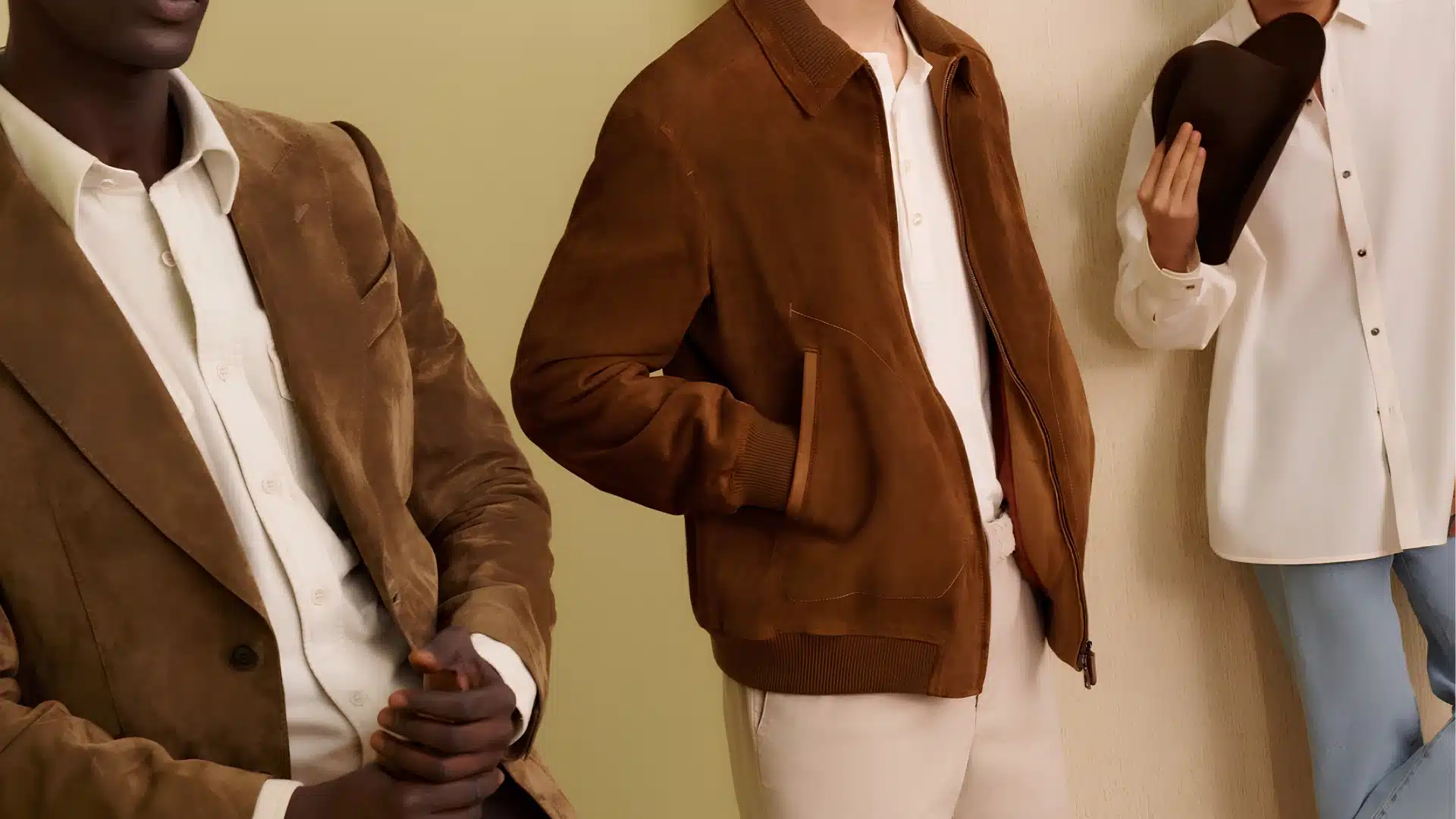
Minimalism is it today. And luxury brands have adopted the trend very well for decades. Quiet luxury brands create a statement and stand by it. But with so many brands claiming to offer it, how do you know which ones are truly worth your money? Stick till the end, and you’ll have the answer. All About These Luxury Brands These brands focus on quality, craft, and understated style, with no big logos or loud patterns. Just well-made pieces that feel special without screaming for attention. But the idea of this isn’t new. It goes back to old European fashion houses that believed true luxury speaks through fabric and fit, not branding. A belief that fashion shouldn’t chase trends but focus on the best design, premium materials, and careful construction. Quiet Luxury Brands in Today’s Market These brands have captured the fashion market for clear reasons. Some of the world’s most well-known faces wear these every day. Gwyneth Paltrow is rarely seen without a clean, logo-free outfit from The Row or Loro Piana. Hailey Bieber regularly steps out in refined pieces that carry no visible branding. Even Zendaya has been spotted choosing subtle, well-crafted looks over flashy designer labels because of what these brands offer. Feels Fresh and Current: This brand style doesn’t follow seasonal trends. It stays relevant every single year. Focus on What Matters: It’s all about muted palettes, fitted styles, and subtle branding. Keeps it Natural: It comes up naturally, from fabrics to fit, to how a piece ages over time. Quiet Luxury Brands Women are Investing in Right Now These brands have quickly taken over the women’s wardrobe as well, as women are shifting away from loud, logo-driven fashion. 1. The Row Image Credits: The Nod Mag The Row is the gold standard of these brands. Founded by Mary-Kate and Ashley Olsen, it’s known for ultra-minimalist tailoring and oversized silhouettes. Style it with wide-leg trousers and clean leather flats. The only downside is that it’s expensive, with pieces starting at $800. 2. Loro Piana Loro Piana is Italy’s finest when it comes to fabric. They source the world’s best cashmere and vicuña. Style a Loro Piana knit with tailored trousers for an effortless look. The downside is the high price point, as the knitwear starts at around $900 and goes up to $1,800+. But the softness is truly worth every penny. Avoid bold colors with Loro Piana because the beauty of this brand is in the simplicity of the fabric, not the shade. 3. Brunello Cucinelli Brunello Cucinelli is built on the philosophy of human dignity and fine craft. Every piece feels like it’s stitched with care. Pair their cashmere coats with simple denim or tailored pants for best results. Prices start at $1,000 and go much higher. 4. Khaite Image Credits: Mayfeyr Khaite is a relatively newer name on this list, but it has earned its place fast. Known for combining sensuality with restraint, their knitwear and denim pieces feel fresh yet like they’ve always been here. The best colors are cream, black, and warm brown, and the prices start around $1,000+. Must-Know Quiet Luxury Brands for Men Just as women’s fashion has, these brands have taken over the men’s fashion industry as well. More men today are choosing quality over flash. They want clothes that feel sharp without looking like they’re trying too hard. 5. Zegna Zegna is Italy’s answer to the perfectly dressed man. Known for exceptional wool fabrics and sharp tailoring, it’s a brand that shouts style without going overboard. Style a Zegna suit with a simple white shirt and no tie for a modern look. The best colors to try are charcoal, navy, and warm beige, and the suit starts at around $2,500+. Avoid wearing Zegna suits in casual meetings or get-togethers, as they can feel too formal for casual settings. 6. Brioni Brioni is the brand that dressed James Bond; isn’t that convincing enough? Their hand-tailored suits are among the finest in the world. Style them with a clean pocket square and simple leather Oxford shoes. And the best colors are midnight blue, grey, and classic black. Prices start at $4,000 for a suit. Avoid wearing Brioni with flashy accessories. The suit is the statement, and everything else should stay quiet. 7. Canali Canali sits at a slightly more accessible price point than Brioni but delivers exceptional quality. Known for soft construction and clean Italian tailoring, it’s a great entry point into men’s luxury brands. Style with slim trousers and suede loafers. The best colors are light grey, camel, and deep navy, and the price for these suits starts around $1,040 to $1,200. 8. Berluti Image Credits: Esquire Middle East Berluti started as a shoemaker and grew into one of men’s most respected names. Their patinated leather shoes are unlike anything else on the market. Style with tailored trousers and a simple cashmere knit. The best colors are cognac, dark brown, and deep burgundy, and the pricing for these shoes starts around $1,200. Quiet Luxury Bags that Speak Without Logos Image Credits: Luxe Digital A bag is just the missing piece to your outfit, and these brands have got that covered, too. No visible logos or flashy hardware. Just clean lines, premium leather, and craftsmanship that stands out from the rest. 1. The Row The Row’s bags are as minimal as their clothing. Clean, structured shapes and zero branding make them a favorite among those who truly understand what this fashion trend is all about. Style with a monochrome outfit to let the bag’s shape make a statement. And the best colors are black, ivory, and soft tan, starting around $1000+. The only downside is their limited availability, which makes them hard to get hold of quickly. 2. Bottega Veneta Bottega Veneta’s intrecciato woven leather is one of fashion’s most recognizable quiet-luxury bag signatures, with no logo in sight. The Jodie and Andiamo are current favorites. Style with simple, tailored pieces or clean denim. Choose from black, tan, and their signature cerulean, which starts at $1,500. 3. Hermès Hermès is the ultimate source of quiet-luxury bags. Their products, Birkin and Kelly, need no introduction. Style with everything from tailored suits to simple white shirts and jeans. They look best in gold, taupe, and noir colors, and the prices start at $10,000. 4. Valextra Valextra is Milan’s best-kept secret in luxury bags. Founded in 1937, the brand is known for its architectural shapes and paper-smooth leather. Style with clean, tailored trousers and a simple knit for a polished everyday look. The best colors are white, pale grey, and deep navy, and the bags start at around $1,200. Valextra has very little brand recognition outside fashion circles, which some love and others find frustrating. But their products will always make you stand out. Affordable Quiet Luxury Brands That Still Feel Premium If the costs of all those products have got you worried, then you’ll be delighted to know you can get affordable substitutes without spending thousands. Several brands deliver the same clean look, quality fabrics, and design at a reasonable price. 1. COS: COS is the most accessible brand on this list. Their clean cuts, neutral palettes, and quality fabrics punch well above their price point, starting at just $50. 2. Massimo Dutti: Massimo Dutti delivers sharp tailoring and refined basics at honest prices. Their wool coats and structured blazers feel genuinely premium at just around $80. 3. Toteme: Toteme is a Swedish brand that has quietly built a loyal following. Their scarves and tailored coats are particularly impressive and start at around $200. 4. Aritzia: Aritzia offers polished everyday pieces that fit quiet luxury’s way of dressing perfectly. Their TNA and Wilfred lines are especially strong, starting at $60. Why it is Becoming a Lifestyle, Not Just a Fashion Trend If you’re wondering whether these are just limited to the fashion industry, then you’re in for a surprise. They have moved well beyond clothing and into people’s lifestyles. Today, it shapes the way people decorate their homes, choose their furniture, and the reasons for this shift are simple. People are burnt out by overconsumption and constant trend cycles. Also, thanks to social media, more people saw celebrities and everyday individuals choosing understated, well-made pieces over flashy ones. And the idea caught on fast. Things You Should Avoid While Trying These Brands You might get the idea that it’s simply about buying expensive-looking things. But getting it wrong is easier than you think. One of the biggest mistakes people make is chasing eye-catching looks over quality. If a piece looks refined but feels poorly made, it misses the entire point of quiet’s brand style. Hence, you should always look for quality. Another thing is overconsumption. Buying dozens of neutral or minimalist pieces does not automatically create a “trendy” wardrobe. The brand style is more about intentional buying than endless shopping. Final Thoughts Quiet luxury brands are trending for one simple reason: people want better, not more. They want pieces that last, feel special, and don’t need a logo to prove their worth. But getting it right takes thought. Avoid chasing trends, buying for looks alone, or over-consuming pieces. Instead, focus on fabric, fit, and longevity. Start small: one great coat, one well-made bag, one considered home piece. And once you experience what these brands offer, there’s really no going back. Frequently Asked Questions (FAQs) 1. Do Billionaires Wear These Brands? Yes. Many billionaires prefer these brands. They choose well-made, logo-free pieces over flashy designer labels. 2. Are These Brands Still Trending in 2026? Yes. It is stronger than ever in 2026. People continue moving away from loud branding and toward quality. 3. Are These Brands Suited for Winter or Summer? Both. These brands offer options for every season. Think lightweight linen for summer and rich cashmere or wool coats for winter.