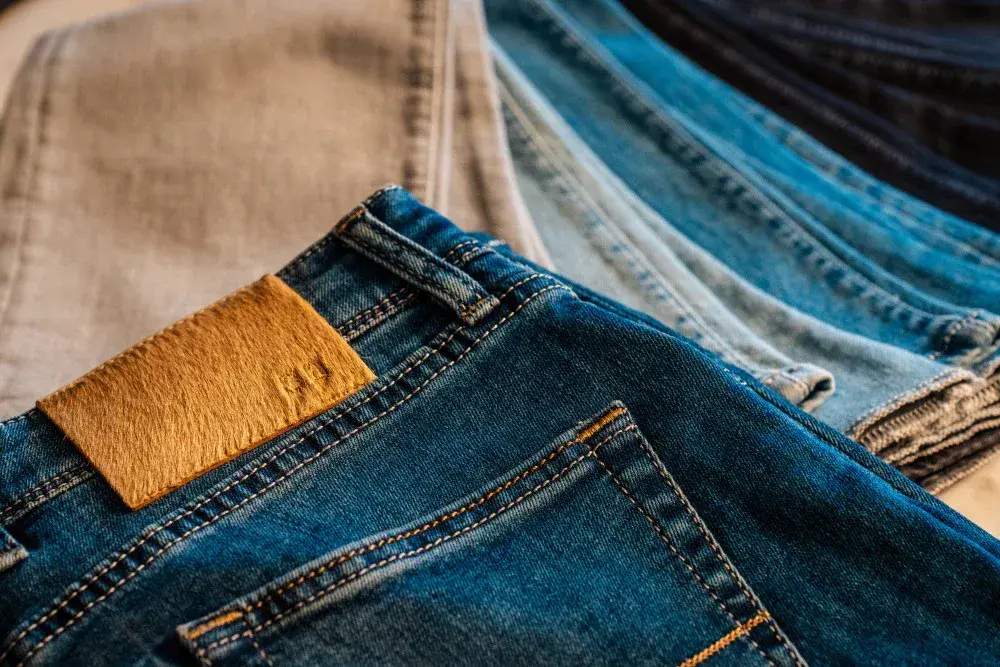
One office requires dress shoes. The next one has a guy in joggers on a Tuesday. If you’ve ever stood in front of your closet wondering where jeans land, you’re not alone. Workplaces have changed, and so has what “professional” looks like. The old rules don’t always apply anymore. That’s exactly why so many people are asking: Are jeans business
Most Popular

Skrillex went from sleeping on a couch to building a multi-million dollar empire, not bad for a kid who just loved making music. His real name is Sonny John Moore. He started as the lead singer of the post-hardcore band From First to Last, and in late 2007, he left the band, picked up a laptop, and began making electronic music. He released his first solo EP in 2010, and within months, the EDM world took notice. By February 2012, he had won three awards at the 54th Grammy Awards in a single night. That’s when everything changed for Skrillex. Life and Career Overview Category Details Full Name Sonny John Moore Date of Birth January 15, 1988 Birthplace Los Angeles, California Nationality American Genre Dubstep, Electro House, EDM Started Career 2004 (From First to Last) Solo Career Began 2008 First EP Released 2010 Grammy Awards 8 Grammy Awards Record Label Founded OWSLA (2011) Notable Collaborations Justin Bieber, Diplo, Beyoncé Net Worth $70 Million (Estimated) Primary Income Sources Tours, Royalties, OWSLA, Productions Skrillex Net Worth Breakdown Skrillex’s net worth is estimated at $70 million today; he didn’t get there by luck but built it beat by beat. These streams together build the Skrillex net worth story: Live Performances Skrillex earns big from live shows. He charges $500,000 to $750,000 for major festival headline sets and performs at major festivals across the globe. Music Royalties Every stream, every download, every sync deal brings in money; his catalog is massive. Songs like “Bangarang” and “Scary Monsters and Nice Sprites” still generate strong royalty income today, with his YouTube channel earning an estimated $101,430 per month from AdSense alone. Record Label In 2011, Sonny Moore (known as Skrillex) started his own record label, OWSLA, which became a platform for new artists. The label generates $3.5 million in annual revenue, a steady source of income. Collaborations He has worked with Justin Bieber, Diplo, and many more. High-profile collaborations mean bigger paychecks, contributing to his reported $15 million in earnings last year across all ventures. Merchandise and Brand Deals Skrillex sells branded merchandise globally. Brand partnerships add another layer to his income. His net worth of $70 million includes his liquid assets, music catalog value, and real estate investments. Investments and Business Ventures His biggest business move was starting OWSLA in 2011. The label signed fresh talent and built a strong presence in the EDM world; it wasn’t just a passion project but was a smart business decision. Reports suggesthe has invested in music technology companies. He co-founded the supergroup Jack Ü with Diplo. Jack Ü’s album won Best Dance/Electronic Album at the 2016 Grammy Awards. He stays involved in brand collaborations that go beyond music. His investments show that Skrillex’s net worth isn’t just about music. It’s about making smart moves outside the studio too. Comparison with Other Top DJs Skrillex is undoubtedly one of the biggest names in EDM, but how does his net worth compare to other top DJs in the world? 1. Calvin Harris – $300 Million Calvin Harris is the wealthiest DJ in the world. He earns through music production, touring, and brand endorsements. His long list of chart-topping hits keeps his royalty income strong, and he has also collaborated with top artists such as Rihanna, Taylor Swift, and Dua Lipa. 2. David Guetta – $150 Million David Guetta built his fortune through massive radio hits and global tours. His collaborations with pop artists significantly boosted his mainstream reach. He also earns through his record label, Jack Back, and various brand partnership deals. 3. Tiësto – $65-75 Million Tiësto has been in the game for decades. His consistent touring schedule and residency deals in Las Vegas contribute heavily to his wealth. He also runs his own record label, Musical Freedom, which adds to his overall income 4. Marshmello – $50 Million Marshmello rose quickly through social media and YouTube. His branded merchandise business is one of the strongest in EDM. He earns well from live shows, streaming, and his unique masked identity that connects strongly with younger audiences. 5. Deadmau5 – $50-55 Million Deadmau5 built his wealth through touring, merchandise, and his Mau5trap record label. He is known for his technical approach to music production. His iconic mouse helmet makes him one of the most recognizable figures in electronic music today. Disclaimer: The net worth figures mentioned in this blog are based on publicly available information and estimates. These numbers are not exact and may vary from actual figures. We do not claim ownership of any financial data mentioned here. Conclusion Not everyone can drop a bass line that shakes an entire stadium, but Skrillex proved that talent alone doesn’t build a $70 million fortune. He made smart moves, started a record label, and collaborated with the right people. You don’t need a fancy degree or a big budget to build something great; sometimes all you need is a laptop, a crazy idea, and the guts to follow through. So the next time you hear that iconic drop, remember there’s a lot more behind it than just good sound. What’s your favorite Skrillex track? Drop it in the comments below! Frequetly Asked Questions (FAQs) 1. Where Does Skrillex Live? Skrillex splits his time between Los Angeles and New York. He has been spotted living in both cities over the years. 3. Does Skrillex Have His Own Clothing Line? Skrillex sells branded merchandise through his official store. However, he does not currently own a standalone clothing line. 5. How Many Followers Does Skrillex Have on Social Media? Skrillex has millions of followers across platforms. He has over 12 million followers on Instagram and a strong YouTube presence.
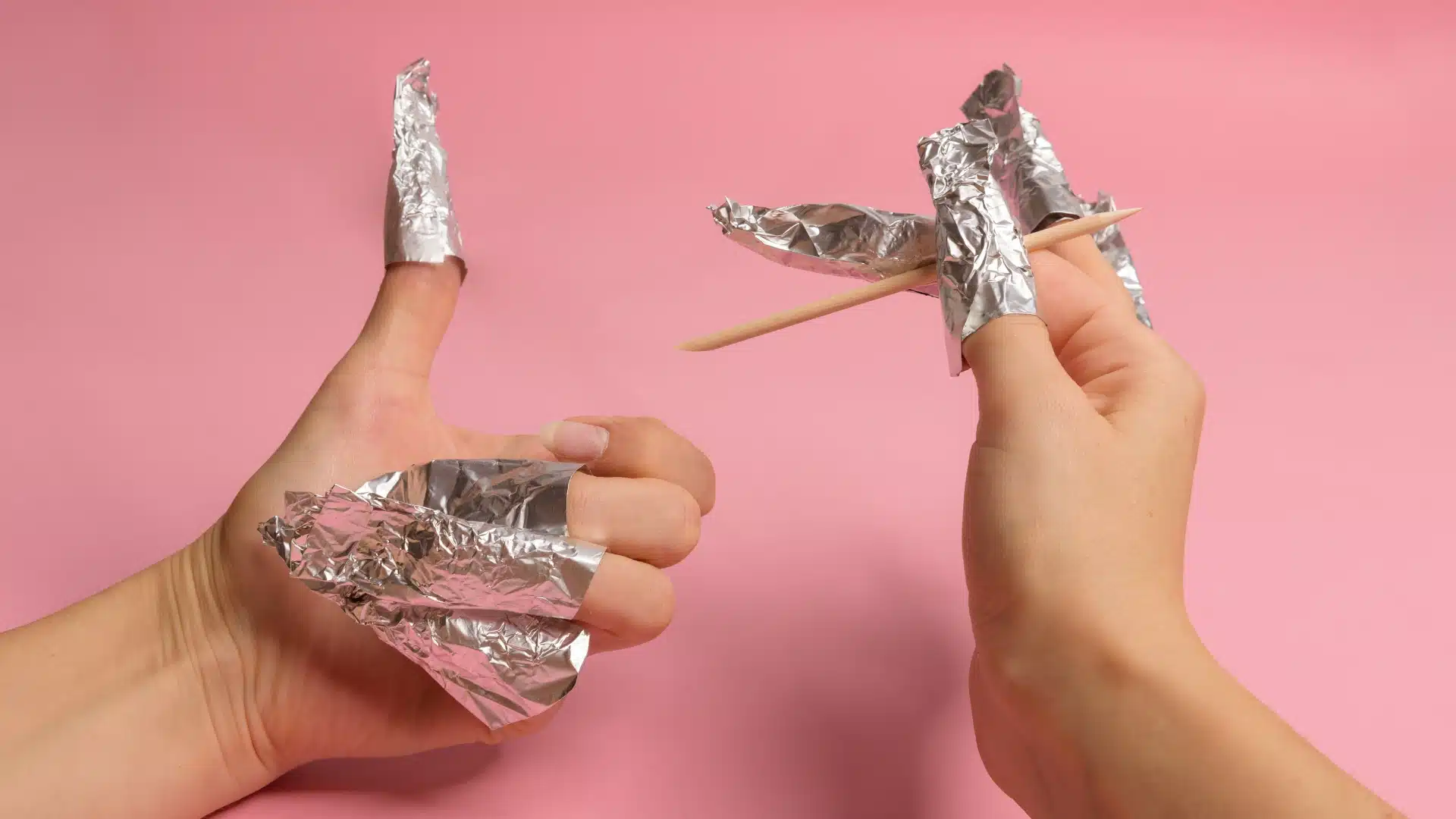
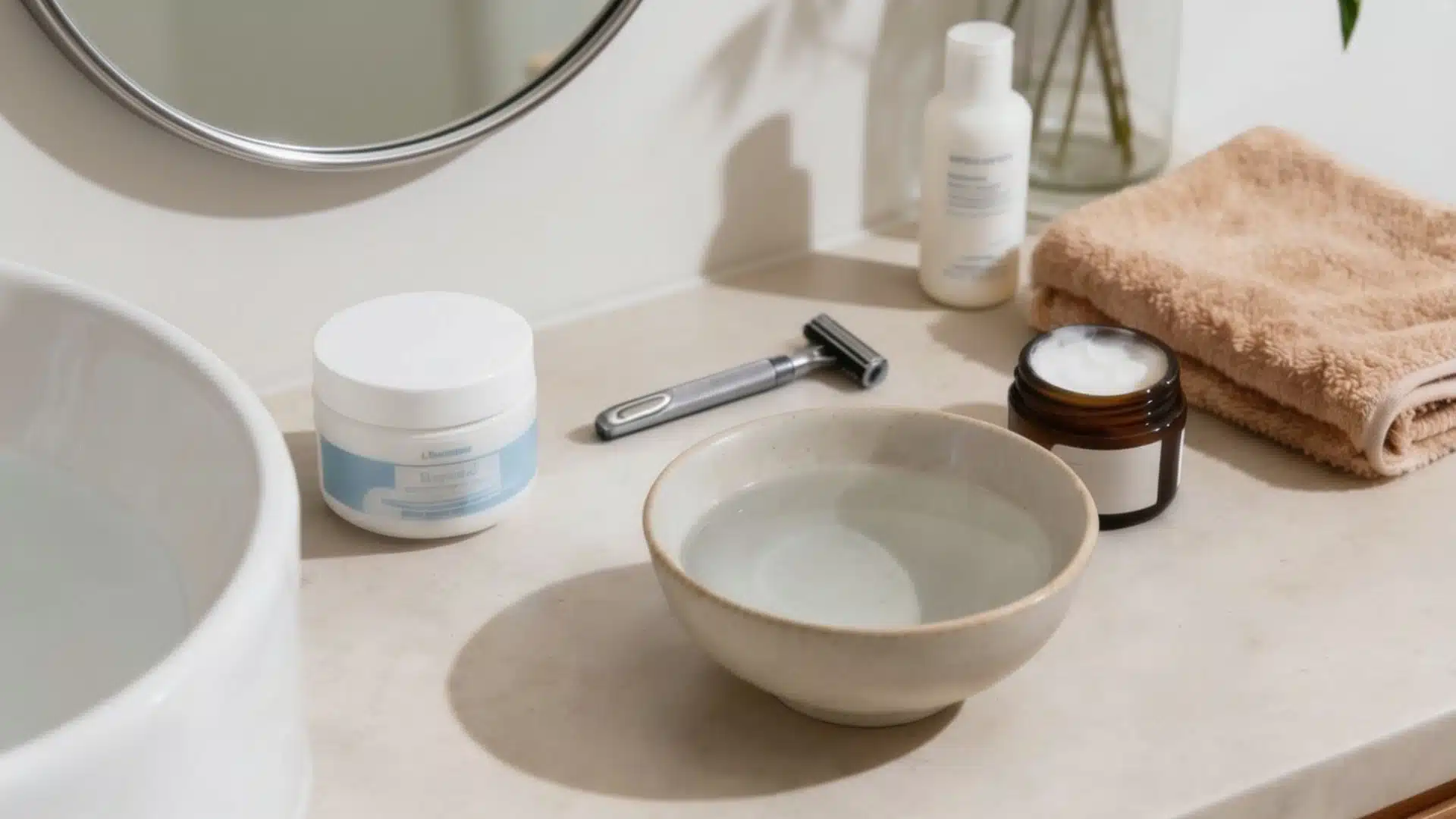
Dip powder nails have become a favorite choice for many people because they are durable, lightweight, and leave a smooth, glossy finish that can last for weeks. People worry about damaging their natural nails during the process. Dip nails can seem locked in place, but they soften and release with acetone if you don’t rush the soak. What are Dip Nails? Dip nails are a popular manicure option that uses colored powder instead of traditional nail polish. Unlike gel, dip powder hardens instantly without UV, which means it bonds more strongly and requires acetone to remove. When applied, the powder is layered over a base coat and sealed with a topcoat, creating a strong, durable finish that feels solid immediately. People love dip nails because they are long-lasting, chip-resistant, and provide a polished look. The process is smooth and convenient, making it a favorite for those who want salon-quality nails at home. What Do You Need? A list of things that you’ll need for taking off dip nails: Pure acetone Nail clippers Cotton balls A nail buffer Foil Cuticle oil Step-By-Step Guide: How to Remove Dip Powder Nails? Simple steps for safely removing dip-powder nails. Step 1: Cut And File the Top Layer The first step is to cut your nails and gently file them if you have any extra length from the dip powder. File down the top layer to break the seal. The less powder left, the faster acetone works. Avoid the common mistake of peeling off the dip, even if it starts lifting, because this can rip your natural nail, leaving it weak and thin. Step 2: Soak Nails in Acetone Bag There are two ways through which you can do it: Foil Method Dip cotton balls in acetone Place balls on each nail Wrap the nail with foil Keep it for 10-5 minutes Bowl Soak Method Pour acetone into a small bowl. Keep nails in that bowl for 15-20 minutes. Keep a check on the dip. Avoid heating acetone, as it’s highly flammable, and don’t use regular nail removers, as they won’t dissolve the dip powder. Step 3: Gently Push Softened Dip Off Your Nail After the dip loosens, use a cuticle stick to push it so that the polish scrapes off. But if it doesn’t come off, keep the nails in acetone water or acetone balls for 5-10 more minutes. And then the dip should come out without much pressure. But if it resists, soak it for a few more minutes until it comes off easily. Step 4: Buff and Moisturize Once the dip power is done and a tiny bit of polish still remains on the nail, don’t worry. Take your buffer and gently use it to remove excess polish. This will also provide a smooth finish on your nails. Now, if the shape of your nails is uneven, use a file to shape them, then wash your hands and apply some moisturizer. Aftercare Tips for Healthy Nails Once your dip nails are off, follow these few tips to keep your nails healthy: 1. Moisturize right away: Acetone dries out your nails and skin badly. So apply cuticle oil or a good hand cream as soon as you’re done. 2. Give your nails a break: Try not to jump straight into another set. Let your natural nails breathe for a week or two. 3. Buff gently, not often: A light buff smooths out rough spots, but doing it too much will thin the nail. So, once is usually enough. 4. Keep them trimmed: Shorter nails are less likely to break while they recover. Trim and file them into a neat shape. 5. Eat and hydrate well: Drink plenty of water and eat a balanced diet. Nails grow stronger from the inside, so what you eat really matters. Can You Do it Without Acetone? Yes, you can remove dip nails without acetone, but it takes a lot of time and requires more filing. Some people have success using acetone alternatives, such as alcohol or white vinegar, because they have similar properties. But professionals suggest using acetone, as dip powder is highly durable and does not dissolve easily. If you are not using acetone, file the layer carefully to remove most of the product, then use a buffer to smooth the nail surface. It is a slower process, but with patience, it can be done safely. Alternative Methods Acetone isn’t always available, so here are a few alternatives worth knowing: Warm Soapy Water Soak Mix warm water with a bit of dish soap or hand soap. Soak your nails for 15-20 minutes to loosen the layers. Gently push the softened dip off with a cuticle stick. This is slow and won’t fully remove the dip, but it’s gentle on your nails. Filing It Down Use a coarse nail file to slowly buff away the dip layers. Go easy and stop before you hit your natural nail. Finish with a buffer to smooth the surface. No soaking needed, but it takes patience and a steady hand. Acetone is still the fastest and safest bet. But if it irritates your skin or you’ve run out, these methods work too, with a little extra time. The Bottom Line Removing dip nails at home is super easy and cost-effective if you follow the steps properly and stay patient throughout the process. Above, we have provided you with an outline to remember, as it is one of the safest ways to learn how to remove dip nails at home. Keep in mind that acetone can be highly dehydrating for your skin and nail beds. That’s why it is recommended to apply cuticle oil, hand cream, or moisturizer immediately after the process. Frequently Asked Questions (FAQs) 1. Can You Remove Dip Powder Nails without Acetone? Yes, you can file down the layers carefully and use a buffer to smooth the nails, though it takes longer than using acetone. 2. How to Keep Nails Healthy? Moisturize Cuticles, avoid harsh chemicals, eat a balanced diet, and give nails breaks from polish or enhancements. 3. Why Do Dip Nails Not Come Out After Soaking? Dip nails may remain because the product wasn’t fully filed or soaked long enough to break down the layers. 4. What is the Fastest Way to Remove Dip Nails? Use an acetone soak, then gently file and push off softened layers for quick removal.
Dry, cracked hands aren’t just annoying. They hurt especially once winter air and hot showers team up against your skin barrier. Cold weather pulls moisture out of skin. Constant hand washing strips it further. And skin just naturally holds less water as it ages. Not every hand cream fights back the same way. Some sit on top of skin and evaporate within the hour. Others actually rebuild the barrier and keep hands soft. Why is it Important to Choose the Right Hand Cream? Any drugstore aisle has a wall of hand creams. They’re not interchangeable. Some are thin and fast-absorbing, good for reapplying at your desk. Others are thick, built for cracked skin needing overnight repair. It comes down to the formula. Ceramides rebuild your skin barrier. Glycerin pulls moisture from the air. Shea butter seals in water that’s already there. Sensitive skin needs fragrance-free formulas. Fine lines need peptides and antioxidants. Ingredients Worth Checking For Reading a hand cream label gets a lot easier once you know what each ingredient is actually doing. See two or three of these on a label, and the cream is already doing more than most. Shea butter: Thick and fatty, it seals moisture in and softens rough patches fast. Good for very dry or cracked hands. Glycerin: Ahumectant that draws water from the air into the skin. Lightweight enough for daily use. Ceramides: Repair and strengthen the skin barrier. They’re the glue holding skin cells together, not just a moisture layer on top. Hyaluronic acid: Holds up to 1,000 times its weight in water, so a small amount goes far. Urea: Breaks down flaky, rough skin while locking in moisture. Especially useful on calloused hands. Vitamin E: An antioxidant that protects skin from damage over time. Best Hand Creams for Dry Skin Every cream on this list was judged on moisturizing power, ingredient quality, dermatologist input, and how real users describe it after weeks of use, not just the first application. 1. L’Occitane Shea Butter Hand Cream O’Keeffe’s is built for people who use their hands hard all day: contractors, gardeners, anyone whose skin cracks from repeated exposure. The concentrated formula forms a protective layer and pulls moisture back in fast. It’s not fancy. It’s also one of the few creams that actually holds up against severely cracked skin. 4. La Roche-Posay Cicaplast Hand Cream Frequent handwashing can cause real damage, and this formula was built with that specifically in mind. Panthenol and shea butter calm irritated skin and support barrier recovery. La Roche-Posay is gentle enough to use several times a day without feeling like you’re layering product on product. 5. Eucerin Advanced Repair Hand Cream Eucerin takes a more clinical route: alpha-hydroxy acids paired with ceramides and natural moisturizing factors to treat dryness at the surface rather than just coating it temporarily. It smooths rough texture gradually with regular use, not overnight. 6. Neutrogena Norwegian Formula Hand Cream Neutrogena is a small tube that punches above its size. It’s concentrated and fast-absorbing, so a dab covers both hands and holds up for hours. Keep one at your desk or in a bag; it’s built for quick reapplication, not a spa moment. 7. Gold Bond Ultimate Healing Hand Cream Gold Bond is like seven moisturizers and three vitamins in one formula, and the difference shows in skin texture after consistent use, not just right after applying it. It absorbs well and works across a range of dryness, from mild flaking to moderate cracking. 8. Aquaphor Healing Ointment Aquaphor isn’t really a cream; it’s a healing ointment that forms a barrier over damaged skin and locks moisture in completely. Best saved for overnight use or for skin that’s cracked badly enough to need real repair, not daily hydration. A thin layer is plenty. Best Hand Creams for Aging Hands Aging skin doesn’t just need more moisture; it needs a different kind of ingredient entirely. Thinning skin, visible veins, and fine lines across the knuckles come from collagen loss and slower cell turnover, not dehydration alone. A rich shea butter cream can make hands feel soft without doing anything for firmness or tone. These five formulas are built to treat both problems at once. Ingredients That Actually Help Aging Hands Retinol: The most studied anti-aging ingredient out there. It speeds up cell turnover and softens fine lines, but it can irritate sensitive skin, so start with a small amount every other night. Peptides: Short amino acid chains that signal skin to produce more collagen, firming skin gradually without the irritation retinol can cause. Antioxidants: Vitamin C, vitamin E, green tea extract, and resveratrol all protect against free radical damage and help fade uneven tone from sun exposure. Niacinamide: Fades dark spots, strengthens the skin barrier, and improves texture with regular use. SPF: Sun exposure is one of the biggest drivers of premature aging on hands, so a hand cream with built-in SPF covers two problems in one step. Collagen-supporting ingredients: Vitamin C, peptides, and growth factors all help skin maintain its structural proteins, which is what keeps hands looking firm instead of crepey. 9. Nécessaire The Hand Cream Nécessaire treats hands the way a good face serum treats skin. Niacinamide, AHAs, and vitamin B5 work on texture and tone, not just surface hydration. The texture is lightweight, absorbs quickly, and skips the greasy residue that heavier anti-aging creams tend to leave behind. 10. Augustinus Bader The Hand Treatment Augustinus Bader sits at the premium end of the category. Its patented TFC8 technology is built to support skin renewal at a cellular level, not just moisturize. It hydrates and firms while addressing fine lines, uneven skin tone, and the loss of firmness that first appears on the backs of the hands. It costs more than most people spend on hand cream, but for hands that are already showing real signs of aging, it earns the price. 11. Dr. Dennis Gross Ferulic + Retinol Anti-Aging Treatment Dr Dennis Gross leans on retinol, which is still the most researched anti-aging ingredient available, paired with ferulic acid to offset any irritation retinol can cause on thinner hand skin. Expect gradual improvement in texture and fine lines with consistent nightly use not a fast fix, but a formula that actually changes skin over a few months rather than just masking dryness. 12. Clarins Hand and Nail Treatment Cream Clarins is a long-running favorite that combines shea butter with anti-aging plant extracts, so it treats dryness and early signs of aging in one step instead of forcing you to layer two products. It’s less potent than a retinol- or peptide-heavy formula, which makes it a reasonable starting point for anyone new to anti-aging hand care. 13. RéVive Intensité Hand Renewal Cream RéVive is built around peptides and antioxidants; this cream focuses on firmness and collagen support rather than fast hydration. It’s one of the pricier options on this list, but it’s formulated for hands showing real signs of aging: visible veins, crepey texture, sagging skin, not general dryness. Bottom Line Dry, rough hands aren’t permanent. Picking one of the best hand creams for dry skin and actually using it every day is what fixes them. A good hand cream does more than add a layer of moisture on top. It repairs the barrier, holds hydration in, and over weeks of consistent use, genuinely changes how hands look and feel. For aging hands, the right formula goes further, working on firmness, tone, and renewal instead of just softness. None of it works without consistency, though. Applying cream after every hand wash and again before bed is what actually moves the needle. Frequently Asked Questions (FAQs) 1. Does the Amount of Hand Cream Used Matter? A pea-sized amount covers both hands; using more just slows absorption and leaves a greasy film. 2. Should Hand Cream Contain SPF? Yes, hands get constant sun exposure, and SPF helps prevent dark spots and early aging. 3. Can Body Lotion Replace Hand Cream? Not really. Body lotion is thinner and less concentrated, so it won’t repair skin the way a dedicated hand cream does. 4. Should Hands be Damp or Dry when Applying Hand Cream? Slightly damp; it seals moisture in far more effectively than applying to completely dry skin. 5. Does Layering Hand Cream Help with Severe Dryness? Yes, a rich cream under cotton gloves overnight delivers noticeably deeper repair than daytime application alone.