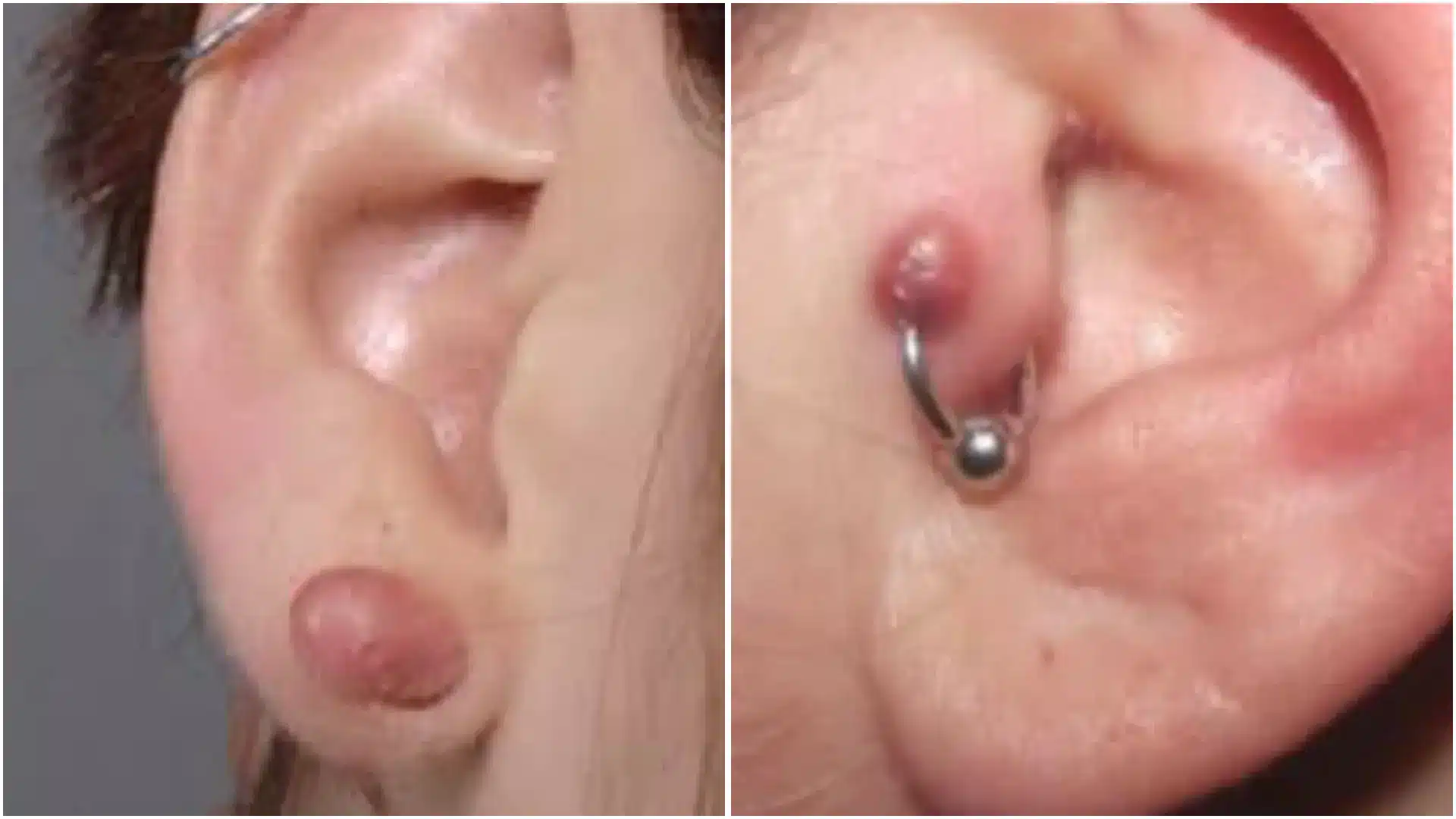
That red bump near your piercing is stressing you. Is that a keloid or a piercing bump?
Most people can’t tell the difference, and that leads to ignorance, which often worsens the condition.
This blog breaks down the difference between a keloid and a piercing bump so you know what you’re dealing with and what to do next.
What is a Keloid and a Piercing Bump?
A keloid is an overgrowth of scar tissue. It forms when your skin heals too aggressively after an injury.
Your body produces too much collagen, and the scar grows beyond the original wound.
Keloids are firm and raised and can continue to grow on the skin over time. They don’t go away on their own.
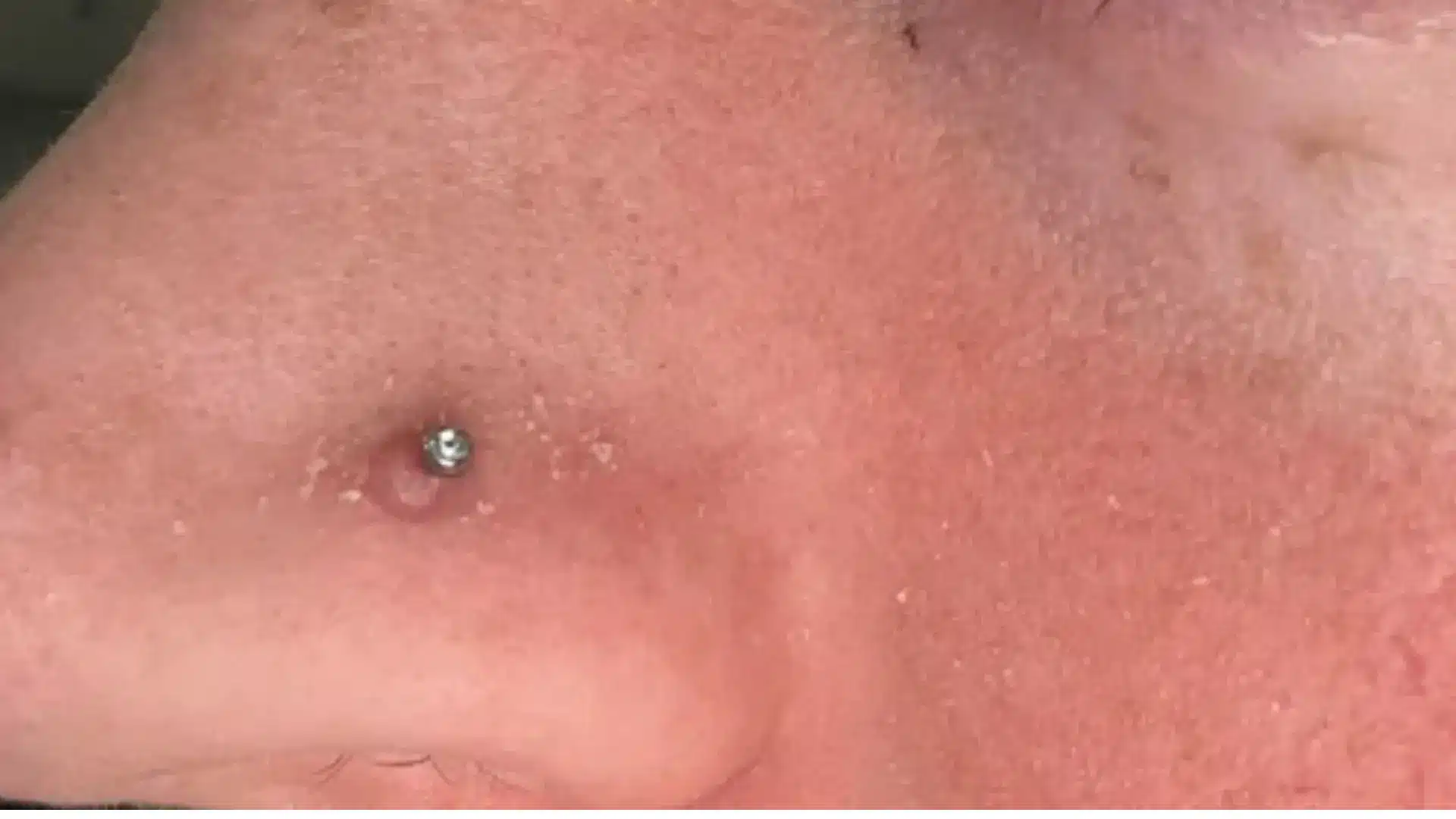
A piercing bump is a small, raised lump that forms near a piercing.
It usually appears within a few weeks of getting pierced. It is often caused by irritation, improper aftercare, or low-quality jewelry.
Unlike a keloid, a piercing bump is temporary. With the right care, it can go away on its own.
Difference Between a Keloid and a Piercing Bump
The following is a simple breakdown to help you tell the difference between a keloid and a piercing bump.
Appearance
A keloid feels firm and rubbery and grows beyond the piercing site, while a piercing bump feels soft, stays close to the piercing hole, and may have fluid inside.
Keloids darken over time and continue to grow, whereas piercing bumps are temporary and usually resolve with proper care.
Size and Growth
A keloid starts small but grows steadily beyond the piercing site, whereas a piercing bump stays small and contained near the piercing hole.
A piercing hole does not spread or grow larger.
Timeline
A keloid can take weeks or months to appear after a piercing, whereas a piercing bump appears within the first few days or weeks.
A piercing bump is an early sign of irritation and responds quickly to proper care and treatment.
Treatment
A piercing bump often heals on its own with saline cleaning and higher-quality jewelry, whereas a keloid requires professional medical treatment.
Doctors may recommend steroid injections, laser therapy, or surgical removal.
Keloids can return even after treatment, so early action and consistent follow-up with your doctor are important.
How to Prevent Keloids?
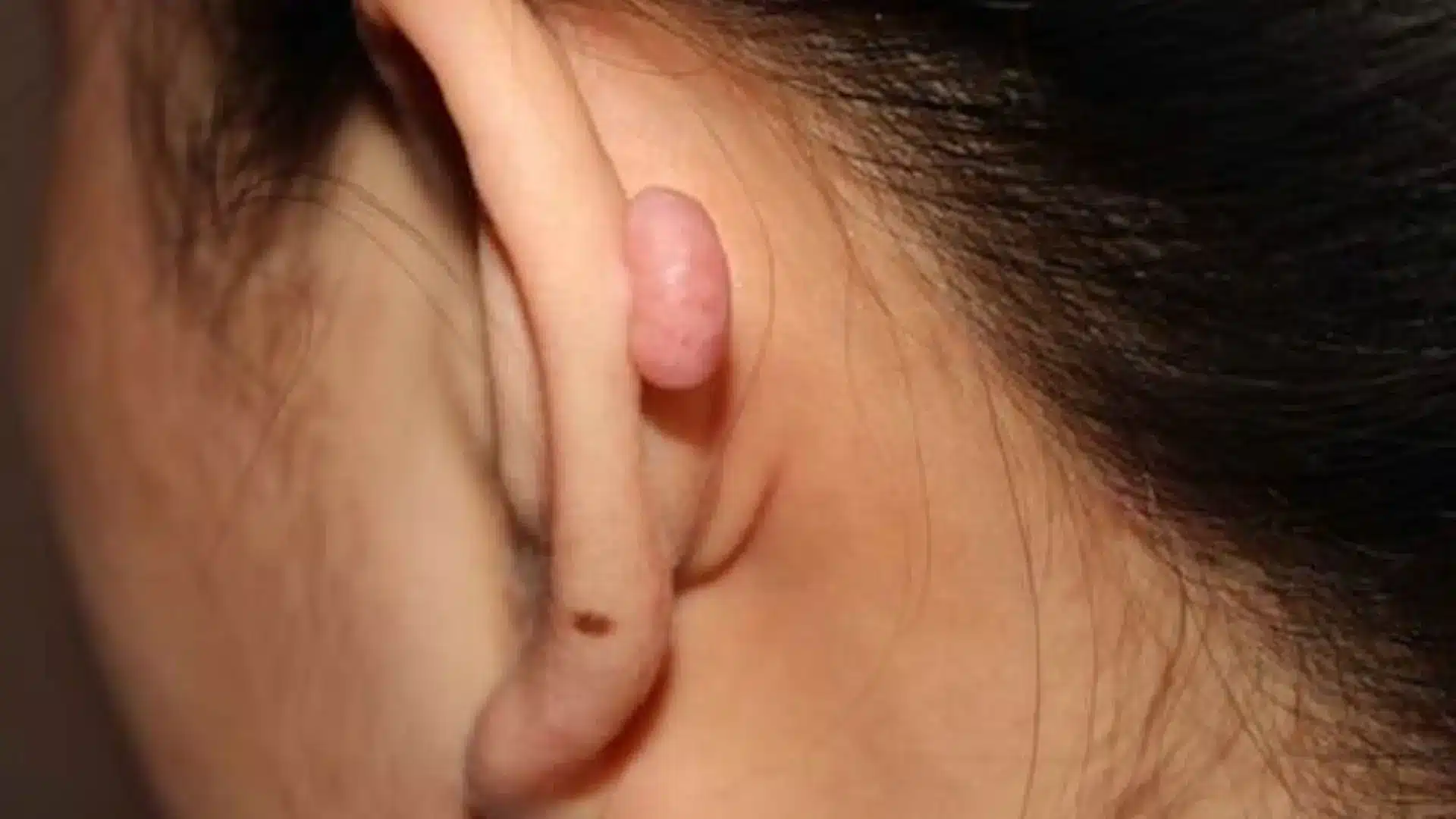
Preventing keloids starts with understanding your skin. If you are prone to keloids, taking a few simple steps before and after a piercing can make a big difference.
Choose a Professional Piercer
Always get pierced by a trained professional. They use proper tools and techniques that reduce skin trauma and lower your chances of developing a keloid.
Know Your Skin Type
If keloids run in your family, your skin may be more prone to them. You can skip cartilage piercings altogether as they carry a higher risk.
Avoid Unnecessary Trauma
Do not pick, scratch, or press on your piercing. Any extra trauma to the skin can trigger your body to overproduce collagen and form a keloid.
Use Silicone Sheets Early
Silicone gel sheets applied around a new piercing can help manage scar tissue. They are a simple and cost-effective way to reduce keloid formation.
Preventing Tips for Piercing Bump
Taking care of your piercing from day one is the best way to avoid a piercing bump. Small daily habits can help your piercing heal smoothly.
Follow a Proper Aftercare Routine
Clean your piercing twice daily with saline solution. Good aftercare is the most effective way to prevent irritation and piercing bumps.
Use High-Quality Jewelry
Low-quality metals can irritate your skin. Always choose implant-grade titanium, surgical steel, or solid gold jewelry to keep your piercing site calm and clean.
Avoid Touching Your Piercing
Touching your piercing unnecessarily introduces germs and can cause irritation that can quickly lead to a bump forming.
Do Not Change Jewelry Too Soon
Changing your jewelry before the piercing fully heals is a common mistake. Wait until your piercer confirms it is fully healed before switching pieces.
Can a Piercing Bump Turn Into a Keloid?
A piercing bump does not turn into a keloid. They are two completely different conditions.
A piercing bump is caused by irritation and heals with proper care, whereas a keloid is caused by abnormal scar tissue growth.
However, repeated trauma to the same piercing site can trigger keloid formation in people who are already prone to them. If you notice unusual growth, see a doctor.
When to See a Doctor?
See a doctor if your bump keeps growing after several weeks. You should also seek help if it spreads beyond the piercing site.
A keloid will not heal without medical treatment. Do not ignore it. Doctors offer several treatment options.
Steroid injections can flatten it over multiple sessions. This usually takes 3 to 6 months. Laser therapy reduces both size and color.
Surgical removal is another option, but keloids can return after surgery. Early treatment gives the best results.
Conclusion
Figuring out whether it’s a keloid or a piercing bump isn’t that difficult.
The two may look similar, but they behave very differently, and now there’s a clear way to tell them apart.
So take a close look. Check the size, the texture, and how long it has been there. And if something feels off, a dermatologist can give the right answer fast.
Got questions or personal experiences with either?
Drop them in the comments below, others dealing with the same thing would love to hear from them too.
Frequently Asked Questions (FAQs)
1. Is It Safe to Pierce Over a Previous Keloid Scar?
Piercing over a keloid scar is not recommended. It can trigger another keloid. Always consult a dermatologist before getting a new piercing in a scarred area.
2. Do Keloids only Appear on Certain Body Parts?
Keloids can form anywhere on the body. However, they are more common on the chest, shoulders, earlobes, and upper back. Ear piercings are one of the most frequent triggers.
3. Can You Get a Keloid from Any Type of Piercing?
Yes, any piercing can trigger a keloid in prone individuals. However, cartilage piercings carry a higher risk than earlobe piercings. People with a family history of keloids should be careful.