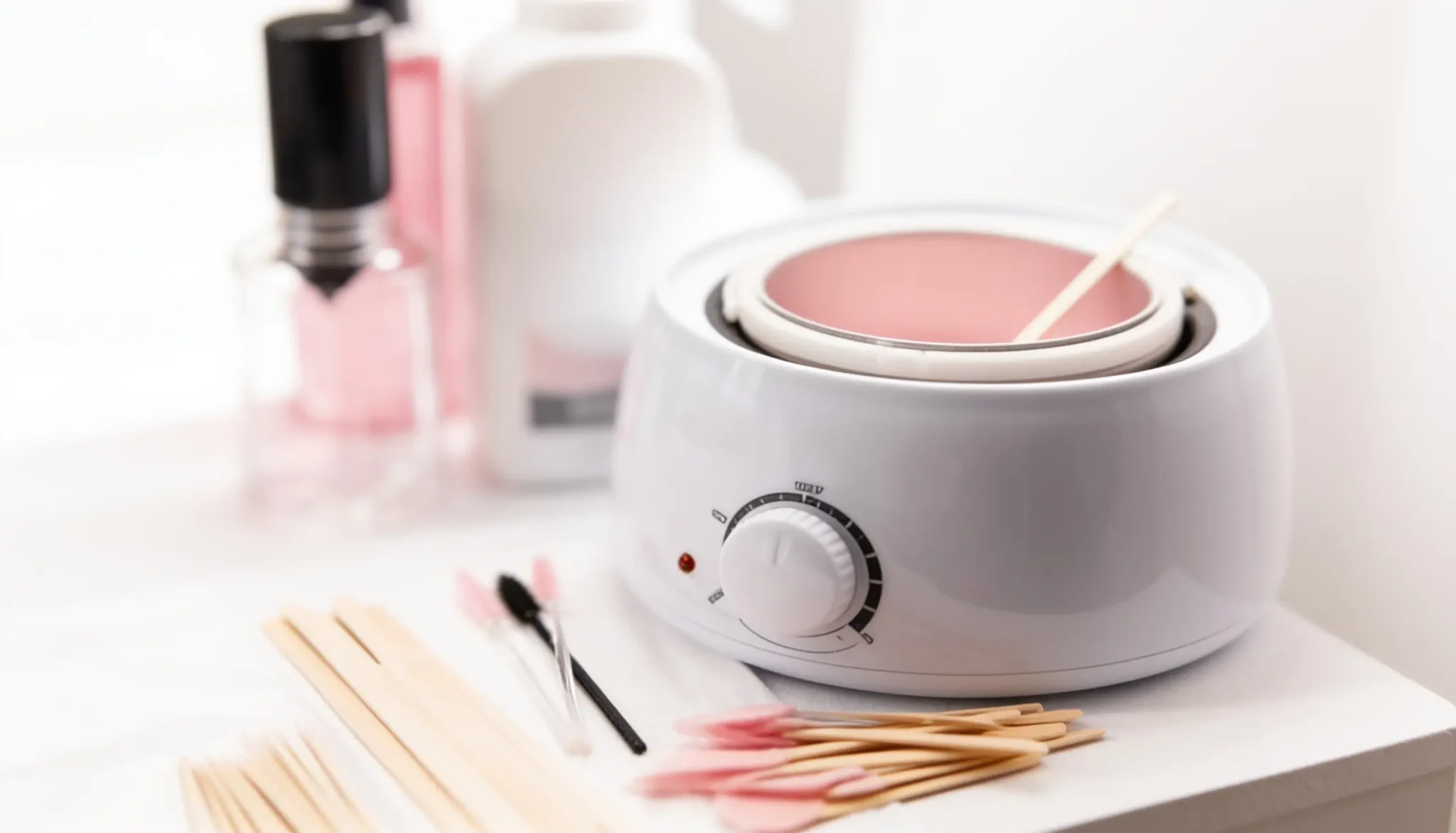
Smooth, hair-free skin sounds simple until the debate about sugaring vs waxing begins. Both methods pull hair from the root, yet the experience couldn’t be more different.
One glides on warm and sticky, working with the skin’s natural grain. The other grips and rubs against it.
This post honestly compares the two methods to help you decide which is right for you.
What is Sugaring?
Sugaring is a hair removal method that uses a natural paste. The paste is made from sugar, lemon juice, and water.
These ingredients get heated together until they form a thick, sticky gel. There are no chemicals or added dyes in this mix.
The paste gets applied at room temperature or slightly warm. It never burns the skin like hot wax can.
A person applies the paste against the direction of hair growth. Then they pull it in the same direction the hair grows. This pulls hair out from the root without much force.
What is Waxing?
Waxing is a hair removal method that uses melted wax to pull hair from the root. It comes in two main types: strip wax and hard wax.
Strip wax stays soft and thin. A person spreads it on the skin, then presses a cloth strip on top. They pull the strip off fast, taking hair with it.
Hard wax gets applied thickly and left to cool and harden on its own. No strip is needed. A person simply grips the edge and peels it off by hand.
Let’s Settle This: Sugaring vs Waxing
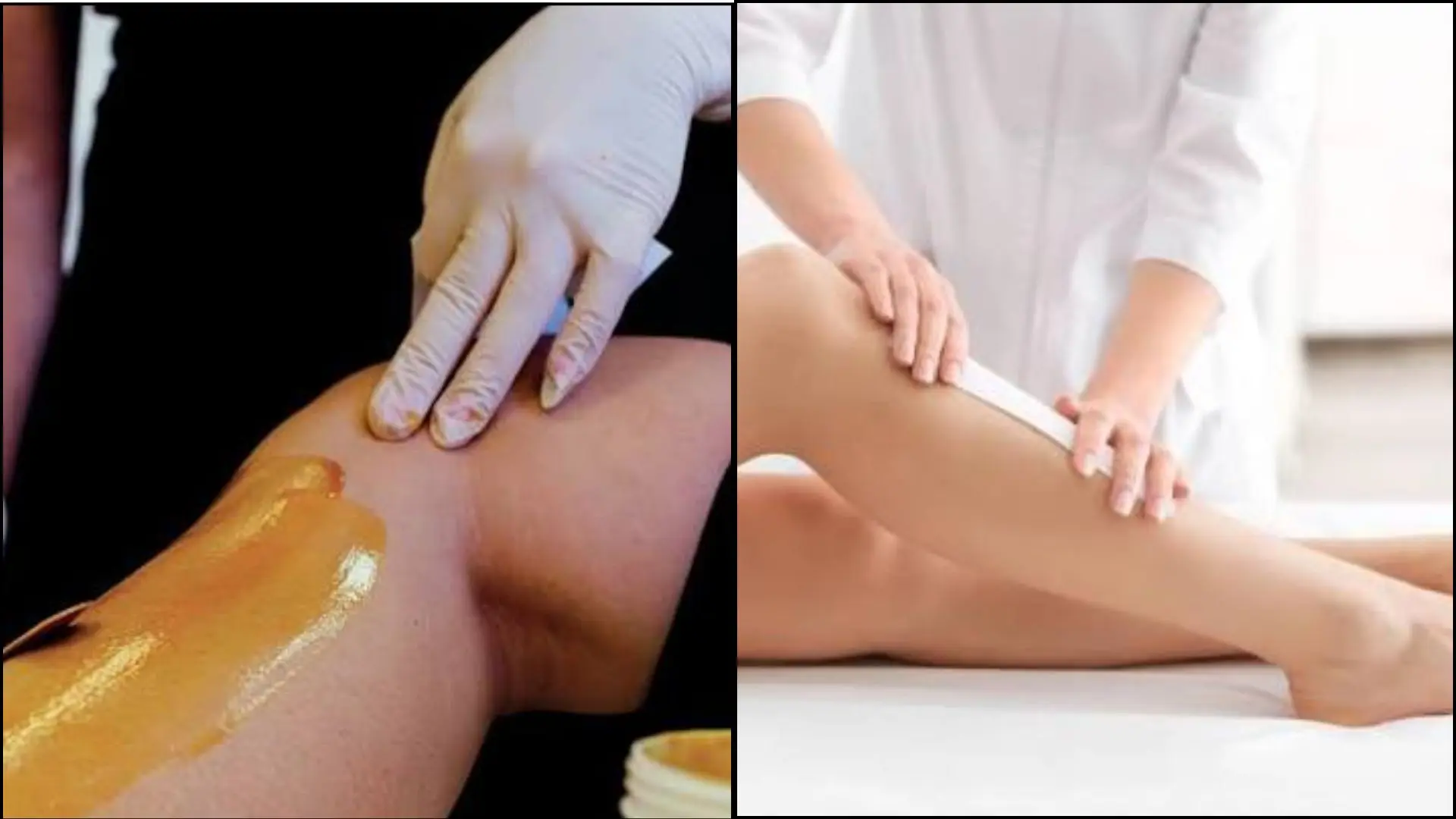
Sugaring and waxing may look similar at first glance. But once you look closer, the differences show up in the ingredients, the process, and even the final cost.
Ingredients
Sugaring paste uses only sugar, lemon juice, and water. These are simple, natural items found in most kitchens.
Waxing uses wax made from resin, beeswax, or synthetic materials. Some wax brands also add oils or chemicals for scent and texture.
This means sugaring stays closer to nature, while wax often includes more processed ingredients.
Temperature
Sugaring paste stays at room temperature or just slightly warm. It never gets hot enough to burn the skin.
Waxing often needs heat to soften it before use. Hard wax and strip wax both require some warming.
If the wax gets too hot, it can burn or irritate the skin. This makes sugaring a safer choice for people worried about heat.
Mess
Sugaring paste washes off easily with water. It does not stick to clothes or furniture the same way wax does. Waxing can get messy fast.
Melted wax often drips, and it sticks to skin, tools, and fabric. Cleanup after waxing usually takes more time and effort.
Cost Efficiency
In sugaring vs waxing, sugaring often costs a bit more per session at a salon. This is because the process requires greater skill and takes longer.
At-home kits for both methods cost about the same. Waxing tends to cost less per visit at most salons.
Over many sessions, waxing may be more cost-efficient for regular users.
Longevity
Waxing usually removes hair from the root, so results last three to six weeks. Sugaring also pulls hair from the root, giving similar results.
Some people find that sugaring lasts slightly longer because it also grabs finer hairs.
Regrowth timing depends on individual hair type and growth cycle more than the method itself.
Hair Length Requirements
Sugaring needs hair to be at least one-eighth of an inch long. That’s about the length of a grain of rice. The paste can still grip hair shorter than what wax needs.
Waxing usually needs hair to grow to a quarter inch. This gives the wax enough surface area to grip. If hair is too short, wax may not pull it out fully.
Acne-prone skin can react to certain waxes, especially those with added fragrance or oils. Sugaring’s simple ingredients make it a safer pick for breakout-prone areas.
Which Body Area is Each Suited For?

Sugaring and waxing both work on most body parts. But some areas respond better to one method over the other.
Best Suited for Sugaring
- Bikini area and Brazilian zones
- Underarms
- Face, including upper lip and chin
- Any area with fine or short hair
Best for Waxing
- Legs and arms
- Back and chest
- Eyebrows, for precise shaping
- Areas with thicker or longer hair growth
Does Sugaring Hurt More Than Waxing?
No, sugaring usually hurts less than waxing. The reason comes down to direction.
Waxing pulls hair in the opposite direction it grows. This tugs on the skin and root at an angle, which increases pain.
Sugaring works the opposite way. The paste gets removed in the same direction the hair grows. This puts less strain on the skin and root.
Some redness or mild stinging is normal after either method. But if you notice swelling, blisters, or pain that does not fade within a day, see a doctor.
Are There Any Side Effects of Both?
Both sugaring and waxing can cause mild redness right after the process. This usually fades within a few hours.
Some people notice small bumps or slight swelling, especially on sensitive areas. Waxing carries a higher risk of burns if the wax gets too hot.
Ingrown hairs can occur with either method, though they are less common with sugaring. Most side effects remain mild and resolve on their own within a day.
Always do a small patch test before trying either method for the first time. This helps catch skin sensitivity early, before it spreads to a larger area.
Which One Should You Choose?
Choosing between sugaring and waxing comes down to things like skin type, pain tolerance, and budget. If you have sensitive or acne-prone skin, sugaring is usually the better pick.
If your skin handles waxing well and you want faster sessions, waxing works fine too.
On the question of whether sugaring hurts more than waxing, most people report less discomfort with sugaring.
Budget-wise, waxing often costs less per session at salons. Think about what your skin needs and what fits your routine, and choose the option that suits you best.
Frequently Asked Questions (FAQs)
1. Is Sugaring Better than Waxing for Beginners?
Sugaring often suits beginners well. The paste feels gentler and washes off easily. It also carries a lower risk of burns or skin irritation.
2. Is it True that Sugaring Stops Hair Growth for Good?
No, this is a common myth. Sugaring slows regrowth over time with regular use, but it does not stop hair growth completely or permanently.
3. How Often Should Someone Get Sugared or Waxed?
Most people repeat the process every three to six weeks. This timing matches the natural hair growth cycle for smoother, longer-lasting results.