You ran out of body wash. The shampoo is right there. So… can you just use it?
Shampoo and body wash are not the same thing. They work differently, and using the wrong one regularly can dry out your skin or throw off its balance.
In this blog, we’ll cover when it’s fine and when it’s not.
Why pH Matters for Hair and Skin?
Your skin has a natural pH of around 4.5 to 5.5, which is slightly acidic.
This acidity protects your skin from bacteria and keeps moisture locked in. Body wash is formulated to match this level.
The shampoo sits at a pH of 4.5 to 6. That works fine for your scalp and hair, but on your body skin, it can throw off your skin’s natural balance.
When your skin’s pH gets disrupted, it becomes more open to dryness, irritation, and bacterial issues.
Can I Use Shampoo as Body Wash
When you’re in the shower and your body wash bottle is empty, yes, you can; otherwise, NO.
A shampoo is made to clean your scalp and hair, and a body wash is made for your skin. Both products clean, but they work differently.
Shampoo contains stronger cleansing agents that can strip your skin of its natural oils, leaving it feeling tight or dry after a shower.
Occasionally using shampoo on your body is not harmful, but making it a habit can disrupt your skin’s natural barrier.
So if you’re in a pinch, go ahead and use it, but don’t make it a daily habit.
Using Shampoo as Body Wash for Each Skin Type
Your skin type changes everything. What works fine for one person may cause a reaction for another.
So before you reach for that shampoo bottle, know what your skin can handle.
Dry Skin
Shampoo will make things worse as it strips the moisture your skin already lacks. Stick to a gentle, hydrating body wash instead.
Oily Skin
You might actually get away with it occasionally. Shampoo cuts through oil well, but don’t overdo it, or your skin will overcompensate and produce even more oil.
Sensitive Skin
Be careful here as shampoo can trigger redness, itching, and irritation pretty quickly. It’s really not worth the risk.
Normal Skin
An occasional swap is fine, as your skin can handle it. Just moisturize well afterward.
Combination Skin
It depends on the day. Dry areas will feel tight and rough, and oily areas might feel clean but unbalanced.
Have You Been Using Shampoo as Body Wash for a Long Time?
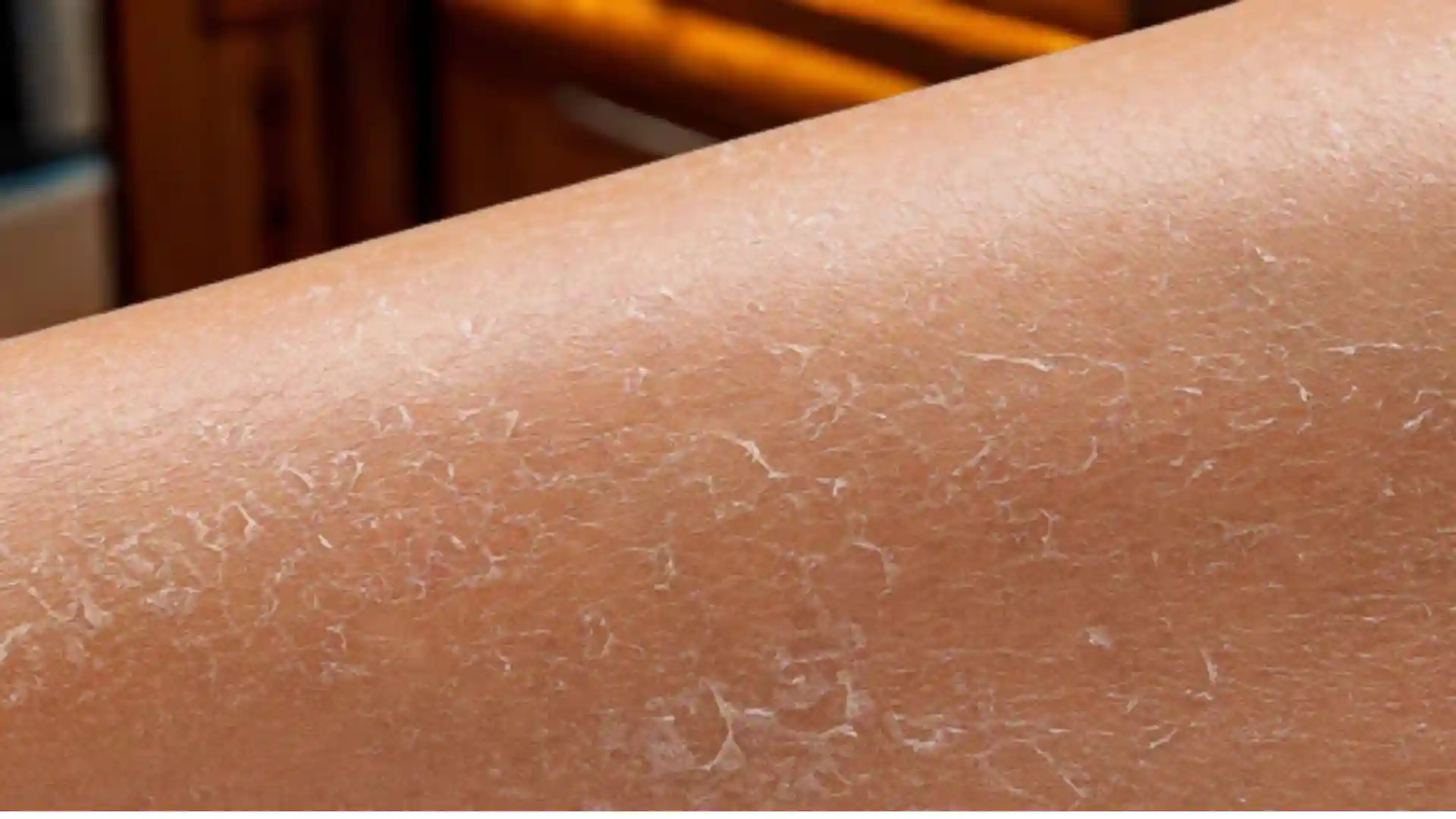
If you’ve been doing this for a while, your skin may already be showing signs. Let’s understand what long-term use can actually do to your skin.
Contact Dermatitis
This is one of the most common reactions to regularly using shampoo on your body.
It shows up as red, itchy, and inflamed patches on your skin. The strong surfactants in shampoo irritate the skin barrier over time.
If you notice a rash that won’t go away, shampoo could be the reason.
Dryness and Tightness
The tight, uncomfortable feeling after a shower- that’s your skin telling you something is wrong.
Shampoo pulls out natural oils your skin needs to stay soft. Over time, this leads to flaky, rough, and visibly dry skin.
Moisturizing helps, but it won’t fix the root cause.
Eczema-Like Irritation
Long-term shampoo use on the body can trigger symptoms that resemble eczema.
You may notice dry, scaly patches that itch constantly. The skin can crack and become sore in some areas.
Even if you don’t have eczema, harsh cleansers can bring on these symptoms over time.
Allergic Contact Dermatitis
Some shampoos contain fragrances, preservatives, and dyes. These ingredients can trigger an allergic reaction when used on the body repeatedly.
Symptoms include swelling, blistering, and intense itching, which are different from regular irritation.
It means your immune system is reacting badly to a specific ingredient in the shampoo.
Irritation on Sensitive Areas
Sensitive areas like the inner arms, the backs of the knees, and the neck react much more quickly to harsh products.
Shampoo on these spots can cause burning, stinging, or persistent redness.
These areas have thinner skin and absorb ingredients more quickly. They need extra-gentle care, not a product designed for your scalp.
Shampoo vs Body Wash: Why They Are Not the Same Product
They both lather up and rinse clean, while both bottles sit in your shower, they are doing completely different things for completely different surfaces.
| Feature | Shampoo | Body Wash |
|---|---|---|
| Made For | Scalp and hair | Body skin |
| Key Ingredients | Strong surfactants like ammonium lauryl sulfate | Mild cleansers, glycerin, skin-friendly oils |
| Cleansing Strength | Strong, cuts through oil and product buildup | Gentle, cleans without stripping moisture |
| Skin Compatibility | Made for tougher scalp skin | Made for sensitive body skin |
| Moisture Effect | Can strip natural oils from the skin | Keeps skin hydrated and soft |
| Daily Use on Body | Not recommended | Safe for daily use |
Your scalp can handle stronger formulas; your body skin cannot.
When shampoo hits your body, it cleans well. Maybe too well. Body wash strikes the right balance between clean and cared for.
Can You Use Body Wash as Shampoo?
So we’ve flipped the question, and the answer is similar. Yes, you can use body wash as shampoo in a pinch, but it’s not ideal.
Body wash doesn’t have the right ingredients to properly clean your scalp. It won’t cut through oil and buildup the way shampoo does.
Your hair may feel clean at first, but over time, residue can build up, and your scalp may feel heavy or greasy faster than usual.
And if you have color-treated or chemically processed hair, skip it completely. Body wash can affect your hair texture, making it harder to manage.
What to Use When You Run Out of Body Wash?
So you’re out of body wash, and shampoo feels like the only option, but there are actually a few better alternatives that are much kinder to your skin than shampoo.
Keep one as a backup, and you’ll never have to worry again.
- Mild soap bars: A basic soap bar is gentler on skin than shampoo. It cleans well without stripping moisture.
- Baby wash: This is one of the best swaps. It’s gentle, mild, and safe for all skin types.
- Castile soap: Made from plant oils, it cleans your skin without harsh chemicals.
- Micellar water: Great for a quick cleanse when you’re in a pinch.
How to Protect Your Skin During Product Swaps?
One swap won’t ruin your skin, but being a little careful goes a long way. Your skin does a lot for you every day.
It deserves a little extra thought when you change up your routine.
Moisturize right after
If you use shampoo on your body, apply a moisturizer immediately after drying off. This helps replace lost oils and keeps your skin from feeling tight.
Use lukewarm water
Hot water makes things worse. It strips your skin even faster when combined with strong cleansers like shampoo.
Do a quick patch test
Try the product on a small area first. If your skin reacts badly, stop right away.
Keep it short
The longer the shampoo sits on your skin, the more it dries it out. Rinse off quickly.
Watch for warning signs
Redness, itching, or flaking means your skin is not happy. Switch back to your regular body wash as soon as you can.
Final Thoughts
You can use shampoo as body wash. Once in a while, it’s totally fine.
So the next time you’re in a difficult situation, go ahead and reach for that shampoo bottle. Your skin works hard every day to stay healthy and balanced.
Give it the right products when you can, and maybe keep a backup body wash under the sink.
Frequently Asked Questions (FAQs)
1. Is 2-In-1 Shampoo and Conditioner Safer to Use as Body Wash?
It’s slightly gentler than regular shampoo. But it still isn’t made for the body’s skin. Use it only when necessary.
2. Can I Use Dry Shampoo as a Body Product?
No. Dry shampoo is made only for hair. Using it on the skin can cause irritation and block your pores.
3. Can I Use Conditioner as Body Wash in an Emergency?
Yes, occasionally. Conditioner is gentler than shampoo. It won’t clean as deeply, but won’t strip your skin either.